

Free Pčinja Travel Guide & Mobile App
Explore Pčinja with free travel guides. Discover regional history, expert tips, proposed trips, and audio guides on web or mobile app.


Explore Pčinja in southern Serbia for Vranje’s heritage, mountain landscapes, Lake Vlasina, ancient sites and distinctive borderland culture.
Read more about Pčinja
When is the best time to visit Pčinja?
Best: June, August–September · 23–29°C| Month | High (°C) | Rainfall (mm) |
|---|---|---|
| January | 4 | 33 |
| February | 7 | 30 |
| March | 11 | 35 |
| April | 17 | 45 |
| May | 22 | 55 |
| June (best) | 26 | 50 |
| July | 29 | 35 |
| August (best) | 29 | 40 |
| September (best) | 23 | 45 |
| October | 17 | 40 |
| November | 10 | 35 |
| December | 6 | 30 |
Getting to and around Pčinja
How to get there
Transportation
Best attractions in Pčinja
Pčinja’s attractions range from urban heritage to highland landscapes and archaeological remains. Vranje offers traditional houses, museum collections and cultural associations connected with Bora Stanković, while Vranjska Banja adds thermal bathing and a quieter park setting. The Monastery of Prohor Pčinjski, beside the Pčinja River, is the district’s most important religious and historical visit, combining a secluded valley location with centuries of Orthodox heritage. Near Bujanovac, Kale-Krševica introduces the region’s Hellenistic past through its ancient settlement remains. Lake Vlasina and the surrounding plateau are suited to walking, fishing, boating and summer countryside excursions, with broad views and cooler air than the lowlands. Besna Kobila provides mountain recreation and winter landscapes, subject to seasonal road and weather conditions. Vladičin Han and the South Morava valley are useful stops for understanding the district’s transport geography, while the eastern municipalities offer rural scenery and a distinctive Bulgarian cultural presence. The appeal lies in the contrast between accessible valley towns and less developed upland areas rather than in a single concentrated sightseeing centre.
-
Monastery
Venerable Prohor Pchinjski
Explore the serene beauty and rich heritage of Venerable Prohor Pchinjski Monastery in Klenike, a must-visit for spiritual seekers and history enthusiasts alike.
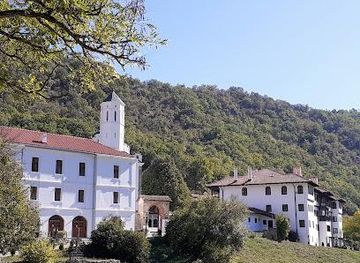
Best landmarks in Pčinja
Vranje’s old urban quarters, traditional courtyard houses and the house associated with writer Bora Stanković form the district’s strongest architectural landmark group, preserving the memory of a town shaped by Ottoman and Serbian periods. The Monastery of Prohor Pčinjski is the most significant religious landmark: its church, fresco tradition and riverside setting connect the modern district with medieval Orthodox history. Kale-Krševica near Bujanovac is an important archaeological landmark, where the remains of an ancient fortified settlement testify to Hellenistic life in the southern Morava region. Lake Vlasina is Pčinja’s defining natural landmark, a highland reservoir and wetland landscape surrounded by open plateaux and forested slopes. The South Morava valley itself is a geographical landmark, channelled between hills and used for centuries as a route for roads, railways, trade and armies. In Vranjska Banja, the spa landscape and thermal springs represent a different kind of heritage, illustrating the continuing importance of mineral waters to local recreation and regional tourism.
-
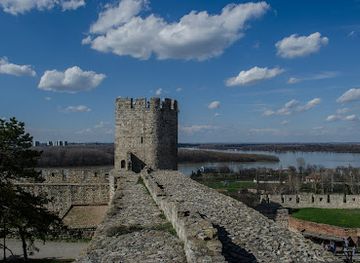
Fortress
Belgrade Fortress
Discover the historical grandeur and stunning views of Belgrade Fortress, a must-visit landmark in Serbia's captivating capital.
-
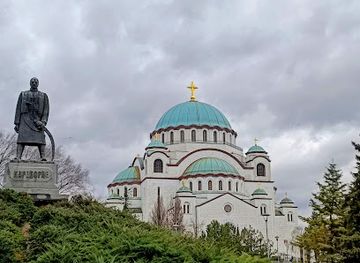
Orthodox church
The Temple of Saint Sava
Explore the breathtaking Temple of Saint Sava in Belgrade, a stunning Orthodox church and a cultural landmark filled with history and architectural beauty.
-
City park
Kalemegdan
Explore Kalemegdan Fortress: A Cultural Landmark in Belgrade with Stunning Views and Rich History
-
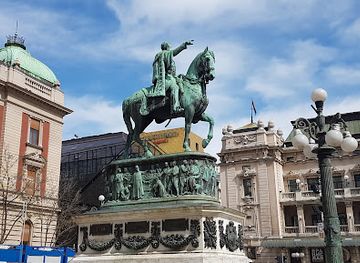
Historical landmark
Republic Square
Experience the vibrant heart of Belgrade at Republic Square, where history, culture, and modern life converge in a captivating landmark.

Explore Pčinja on the map
Plan your trip on one map. See where the top cities, national parks and sights are, and book hotels and experiences in a few clicks.
Best hotels in Pčinja
Best restaurants in Pčinja
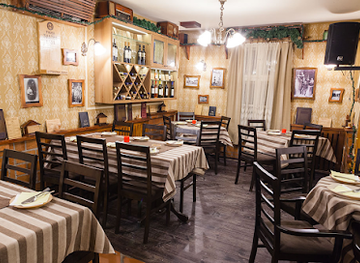
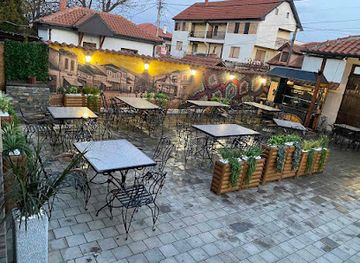
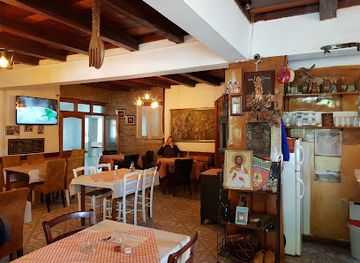
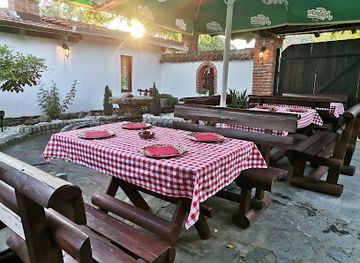
Dining in Pčinja reflects southern Serbian cooking, with grilled meats, bean dishes, stuffed peppers, yoghurt, fresh salads, savoury pastries and slow-cooked stews common on local menus. Vranje is the district’s broadest dining centre, offering traditional restaurants, cafés and contemporary interpretations alongside everyday bakeries and grills. In Vranjska Banja and the South Morava towns, look for informal meals built around seasonal vegetables, dairy products and meat prepared over charcoal. Around Lake Vlasina, restaurants and rural households may focus on freshwater fish, soups and hearty mountain food, although availability varies by season. Menus can also show Macedonian and Bulgarian influences, especially in border municipalities such as Bosilegrad, Bujanovac and Preševo. Markets and small food shops are useful for peppers, honey, cheese, fruit preserves and baked goods. Rakija is traditionally served in the region, but it is a strong spirit rather than a compulsory part of a meal; visitors should drink responsibly and ask about ingredients when dietary restrictions matter.
-
Restaurant
Gradska Meana
Experience authentic Serbian cuisine at Gradska Meana in Vranje – where tradition meets flavor in every dish.
-
Restaurant
Restoran Čaršija
Discover the authentic taste of Serbia at Restoran Čaršija in Vranje – where tradition meets modern culinary excellence.
-
Restaurant
Shajkacha Restaurant
Experience authentic Serbian cuisine in a warm atmosphere at Shajkacha Restaurant in Žitorađe – where tradition meets taste.
-
Lunch
Konoba 79
Experience authentic local cuisine at Konoba 79 in Suvi Dol - where tradition meets taste in every dish.
Best bars in Pčinja
Evening life in Pčinja is concentrated in Vranje, where cafés, bars and restaurants provide the widest choice of social venues, particularly around the central streets. The atmosphere is generally more focused on conversation, coffee, food and occasional live music than on a large international club scene. Smaller towns such as Surdulica, Vladičin Han and Bujanovac have local cafés, grills and bars, while rural areas tend to quieten early and may offer only a restaurant or traditional inn. In summer, lakeside establishments around Vlasina can become livelier, but this is seasonal and should not be treated as a permanent nightlife district. Traditional kafanas remain important places for meals, music and informal gatherings, alongside modern cafés that serve Serbian and regional drinks. Check local arrangements for live performances and avoid assuming that a venue operates late outside the main towns.
-
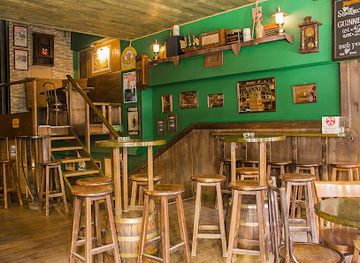
Irish pub
The Shamrock Irish Pub
Discover authentic Irish cuisine and a vibrant atmosphere at The Shamrock Irish Pub in Vranje, where locals and tourists unite.
-
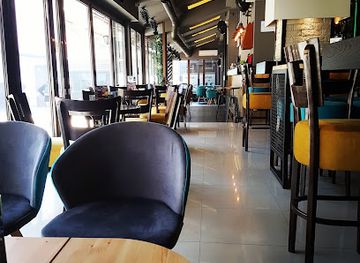
Bar
Caffe Infinity
Discover the charm of Caffe Infinity in Vranje, where cozy ambiance meets a delightful selection of drinks for every taste.
-
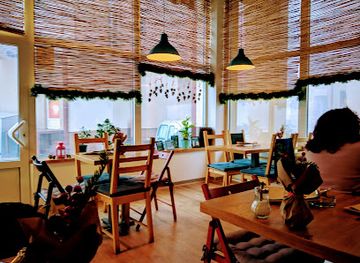
Cafe
Sailor Coffee and Cocktails
Discover Sailor Coffee and Cocktails in Vranje, where delightful drinks meet a cozy atmosphere, perfect for relaxation and socializing.
-
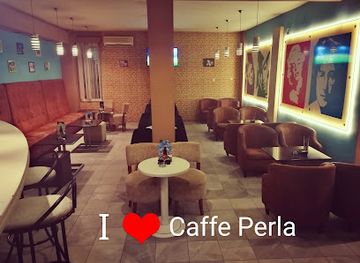
Bar
PerlaCaffe
Discover the cozy charm of PerlaCaffe in Bujanovac, where delightful drinks and warm ambiance await every visitor.
Best nightclubs in Pčinja
Evening life in Pčinja is concentrated in Vranje, where cafés, bars and restaurants provide the widest choice of social venues, particularly around the central streets. The atmosphere is generally more focused on conversation, coffee, food and occasional live music than on a large international club scene. Smaller towns such as Surdulica, Vladičin Han and Bujanovac have local cafés, grills and bars, while rural areas tend to quieten early and may offer only a restaurant or traditional inn. In summer, lakeside establishments around Vlasina can become livelier, but this is seasonal and should not be treated as a permanent nightlife district. Traditional kafanas remain important places for meals, music and informal gatherings, alongside modern cafés that serve Serbian and regional drinks. Check local arrangements for live performances and avoid assuming that a venue operates late outside the main towns.
-
Night club
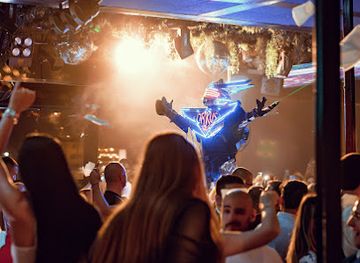
TAG NightClub
Discover the electrifying atmosphere of TAG NightClub, Belgrade's premier nightlife destination for an unforgettable party experience.
-
Night club
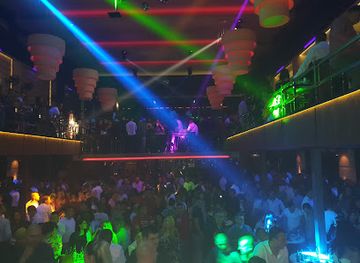
Club Abc Leskovac
Discover the energetic nightlife at Club Abc Leskovac, where music, dancing, and unforgettable experiences await in the heart of Serbia.
-
Night club
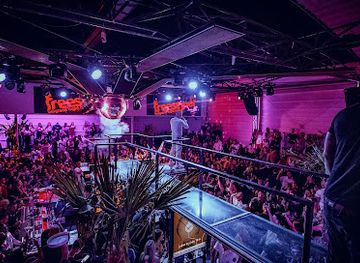
Freestyler Belgrade Night Club
Discover the heart of Belgrade's nightlife at Freestyler Night Club, where music and dance come alive along the Sava River.
-
Night club
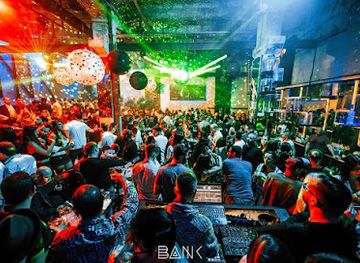
The BANK Club
Discover Belgrade's nightlife at The BANK Club, where music, dance, and fun unite for an unforgettable experience.
Best shops in Pčinja
Shopping in Pčinja is based on practical town centres, small independent retailers, markets and local food rather than large-scale destination retail. Vranje has the widest choice of shops, bakeries, cafés, pharmacies and everyday services, with traditional foods and regional souvenirs easier to find than in the mountain settlements. Market stalls can offer seasonal peppers, fruit, vegetables, honey, cheese, preserves and homemade baked goods, although market days and availability vary. Vranjska Banja has a modest visitor-oriented retail scene, while Surdulica, Bosilegrad and the smaller towns are useful for locally produced food and essentials rather than extensive browsing. In rural areas, look for honey, dairy products, dried foods and rakija from reputable producers, checking labelling and customs rules before taking bottles across an international border. Crafts and textiles may appear through local cultural organisations or seasonal events, but they should be bought from established sellers rather than assumed to represent a single district-wide tradition.
-
Shopping mall
BIG FASHION Beograd
Experience the best of shopping, dining, and entertainment at BIG FASHION Beograd, a must-visit destination in the heart of Belgrade.
-
Shopping mall
Rajićeva Shopping Center
Explore Rajićeva Shopping Center in Belgrade: A vibrant shopping oasis with local and international brands, delightful dining, and entertainment options.
-
Grocery store
Zitoprodukt
Explore local flavors and everyday necessities at Zitoprodukt, the vibrant grocery store in Vladičin Han, Serbia.
-
Store
Apple
Explore the latest in technology at the Apple Store in Surdulica, where innovation meets local charm.
Get your free copy of our complete guide to Pčinja, delivered straight to you.
Everything on this page, from attractions and restaurants to essentials and local phrases, in one PDF you can read offline, print or share.
Already have an account? Sign in
Your Pčinja guide is ready.
We'll send it to · Not you? Sign out

Getting your guide ready…
We are putting together a fresh copy of the Pčinja guide. This can take up to a minute.
This can take a few moments. If your browser asks, choose Allow so the download can start. You'll find the guide in your Downloads folder.
Nothing happened? Download it again
Sorry, the guide is taking longer than usual. Please try again in a minute, or get it by email instead.
Pčinja essentials
Currency and Payment
Safety
Emergency Situations
Do's and Don'ts
Local Tips
From Eve
Local phrases worth knowing
You don't need to get them perfect. A few words go a long way, and locals appreciate the effort.
Basics
| English | Local | Say it |
|---|---|---|
| Hello | Zdravo | [Zdra-vo] |
| Goodbye | Doviđenja | [Do-vi-de-ña] |
| Yes | Da | [Da] |
| No | Ne | [Ne] |
| Please/You're welcome | Molim | [Mo-lim] |
| Thank you | Hvala | [H-va-la] |
| Excuse me/Sorry | Izvinite | [I-zvi-ni-te] |
| How are you? | Kako ste? | [Ka-ko ste?] |
| Fine. And you? | Dobro. A vi? | [Do-bro. A vi?] |
| Do you speak English? | Da li govorite engleski? | [Da li go-vo-ri-te en-gles-ki?] |
| I don't understand | Ne razumem | [Ne ra-zu-mem] |
Eating & Drinking
| English | Local | Say it |
|---|---|---|
| I'd like to see the menu, please | Želeo bih da vidim meni, molim | [Že-le-o bih da vi-dim me-ni, mo-lim] |
| I don't eat meat | Ne jedem meso | [Ne je-dem me-so] |
| Cheers! | Na zdravlje! | [Na zdrav-lje!] |
| I would like to pay, please | Želeo bih da platim, molim | [Že-le-o bih da pla-tim, mo-lim] |
Emergencies
| English | Local | Say it |
|---|---|---|
| Help! | Pomoć! | [Po-moć!] |
| Go away! | Idi napolje! | [I-di na-pol-je!] |
| Call the Police! | Pozovite policiju! | [Po-zo-vi-te po-li-ci-ju!] |
| Call a doctor! | Pozovite doktora! | [Po-zo-vi-te dok-to-ra!] |
| I'm lost | Izgubio sam se | [Iz-gu-bi-o sam se] |
| I'm ill | Bolestan sam | [Bo-le-stan sam] |
Shopping
| English | Local | Say it |
|---|---|---|
| I'd like to buy... | Želeo bih da kupim... | [Že-le-o bih da ku-pim...] |
| I'm just looking | Samo gledam | [Sa-mo gle-dam] |
| How much is it? | Koliko košta? | [Ko-li-ko ko-šta?] |
| That's too expensive | To je preskupo | [To je pre-sku-po] |
| Can you lower the price? | Možete li da smanjite cenu? | [Mo-že-te li da sma-nji-te ce-nu?] |
Time & Numbers
| English | Local | Say it |
|---|---|---|
| What time is it? | Koliko je sati? | [Ko-li-ko je sa-ti?] |
| It's one o'clock | Jedan je sat | [Je-dan je sat] |
| Half past (10) | Polovinu (10) | [Po-lo-vi-nu (10)] |
| Morning | Jutro | [Ju-tro] |
| Afternoon | Popodne | [Po-pod-ne] |
| Evening | Veče | [Ve-che] |
| Yesterday | Juče | [Ju-che] |
| Today | Danas | [Da-nas] |
| Tomorrow | Sutra | [Su-tra] |
| 1 | Jedan | [Je-dan] |
| 2 | Dva | [Dva] |
| 3 | Tri | [Tri] |
| 4 | Četiri | [Če-ti-ri] |
| 5 | Pet | [Pet] |
| 6 | Šest | [Šest] |
| 7 | Sedam | [Se-dam] |
| 8 | Osam | [O-sam] |
| 9 | Devet | [De-vet] |
| 10 | Deset | [De-set] |
Transport & Directions
| English | Local | Say it |
|---|---|---|
| Where's a/the...? | Gde je...? | [Gde je...?] |
| What's the address? | Koja je adresa? | [Ko-ja je a-dre-sa?] |
| Can you show me (on the map)? | Možete li mi pokazati (na mapi)? | [Mo-že-te li mi po-ka-za-ti (na ma-pi)?] |
| When's the next (bus)? | Kada je sledeći (autobus)? | [Ka-da je sle-de-ći (au-to-bus)?] |
| A ticket (to ....) | Jedna karta (do ...) | [Jed-na kar-ta (do ...)] |
History of Pčinja
Prehistoric and Hellenistic Settlements
Pčinja’s position between the central Balkans and the Aegean world made it a route for movement and exchange long before the modern Serbian state. The archaeological site of Kale-Krševica, near Bujanovac, contains the remains of a substantial ancient settlement generally dated to the fourth and third centuries BC. Its walls, buildings and artefacts indicate contact with Hellenistic political and commercial networks, probably involving the wider Macedonian sphere. The site is important because it demonstrates that the southern Morava region was not an isolated periphery but part of a wider landscape of fortified settlements, trade and cultural interaction.
Roman Roads and Medieval Borderlands
Roman administration brought roads, military movement and new settlement patterns to the valleys of southern Serbia, linking the interior of the Balkans with routes towards Macedonia and the Aegean. Later, the area became part of the shifting political world of Byzantium, Bulgaria and medieval Serbian states. Medieval monasteries and churches, including the tradition associated with Prohor Pčinjski, preserve evidence of the region’s religious importance. The Pčinja valleys also formed a natural corridor through which armies, merchants and pilgrims travelled, helping to shape the district’s enduring borderland character.
The Medieval Legacy of Prohor Pčinjski
The Monastery of Prohor Pčinjski stands beside the Pčinja River near the present-day North Macedonian border and is traditionally associated with Saint Prohor of Pčinja. Its history was developed through successive medieval and later restorations, and the complex became an important spiritual centre in the southern Serbian lands. The monastery’s frescoes, church architecture and secluded setting reflect the region’s connection with the Orthodox cultural world. It remains one of Pčinja’s most significant historical places, linking religious memory with the geography of the river valley.
Ottoman Rule and the South Serbian Towns
For several centuries, Pčinja formed part of the Ottoman Empire, and this period left a particularly visible mark on Vranje. The town developed as a regional centre shaped by Ottoman administration, trade and Islamic as well as Orthodox communities. Courtyard houses, street patterns and fragments of urban architecture still evoke that layered past, even though much of the historic fabric has changed. The Ottoman period also reinforced the importance of the Morava and Vranje corridors, which connected local markets and settlements with larger Balkan routes.
Serbian Incorporation in 1878
During the Russo-Turkish War and the accompanying Serbian-Ottoman conflict, Vranje and the surrounding area were incorporated into the Principality of Serbia in 1878. This transformed the region’s political administration, landholding patterns and external orientation. The change also brought new state institutions, schools and infrastructure, while population movements and altered relationships between communities accompanied the transition. Vranje’s later development as a Serbian regional town, and the district’s position near international borders, cannot be understood without this major nineteenth-century political change.
Railways, Industry and Modern Urban Growth
The construction and improvement of transport links through the South Morava valley connected Pčinja more closely with Niš, Belgrade, Skopje and wider Balkan markets. Railways and roads encouraged the growth of Vranje, Vladičin Han and other settlements, while manufacturing, agriculture and trade became increasingly integrated into national economic systems. Vranje developed an industrial identity alongside its administrative and cultural roles. In the highlands, however, settlement remained more dispersed and dependent on forestry, livestock, small-scale farming and seasonal activity, creating the urban-rural contrast that still characterises the district.
Twentieth-Century Conflict and a Contemporary Border Region
Pčinja experienced the upheavals that affected Serbia and the Balkans during the twentieth century, including the First and Second World Wars, socialist reconstruction and the dissolution of Yugoslavia. Its southern position became particularly sensitive during the conflicts of the 1990s and the unrest of 2000–01 in the Preševo Valley. Today the district remains a multi-community border region with Serbian, Albanian, Bulgarian and other local cultural influences expressed differently from municipality to municipality. Contemporary Pčinja combines historic memory with transport, cross-border commerce, agriculture, services and nature-based tourism.
Pčinja in Photos
Browse through our photo collection highlighting the charm and character of the destination.
Neighbouring regions of Pčinja
The closest regions to Pčinja, if you have time for more than one.
-

-

-

-

-


Swipe for more regions
Explore more

Explore more of Serbia
Discover Serbia: A Balkan treasure with rich history, stunning natural landscapes, and vibrant cities waiting to be explored.
Explore Serbia