

Free Pirot Travel Guide & Mobile App
Explore Pirot with free travel guides. Discover regional history, expert tips, proposed trips, and audio guides on web or mobile app.


Explore Pirot in south-eastern Serbia for Stara Planina landscapes, medieval heritage, traditional kilims and distinctive mountain food.
Read more about Pirot
When is the best time to visit Pirot?
Best: May–June, September · 22–27°C| Month | High (°C) | Rainfall (mm) |
|---|---|---|
| January | 4 | 45 |
| February | 6 | 40 |
| March | 12 | 45 |
| April | 17 | 50 |
| May (best) | 22 | 60 |
| June (best) | 27 | 65 |
| July | 30 | 55 |
| August | 30 | 50 |
| September (best) | 24 | 45 |
| October | 18 | 40 |
| November | 11 | 50 |
| December | 5 | 55 |
Getting to and around Pirot
How to get there
Transportation
Best attractions in Pirot
Pirot’s attractions combine a compact historic town with a large rural hinterland. In the centre, Pirot Fortress offers a direct introduction to the settlement’s strategic past, while the Museum of Ponišavlje places local architecture, textiles and domestic life within the wider history of south-eastern Serbia. The town is also a useful base for exploring the Nature Park of Stara Planina, whose high meadows, forests, streams and winter landscapes support walking, wildlife observation and seasonal outdoor activities. Zavoj Lake adds a broad waterside setting, and the Temštica valley leads towards the unusual limestone formations known as Rosomački lonci. The Jerma Gorge provides a more rugged experience of cliffs, river scenery and winding rural roads. Monasteries such as Temska and Sukovo contribute frescoes, historic settings and a quieter cultural dimension, while villages around the district retain links to pastoral food production and traditional crafts. These places are dispersed rather than arranged as a single visitor circuit, so a car, careful mapping and attention to weather are valuable. Pirot is most rewarding when its heritage sites, food traditions and mountain landscapes are treated as connected parts of one borderland region rather than as isolated stops.
-
Fortress
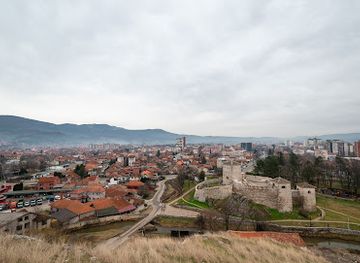
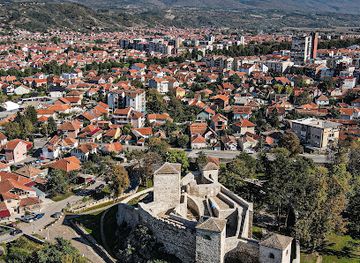
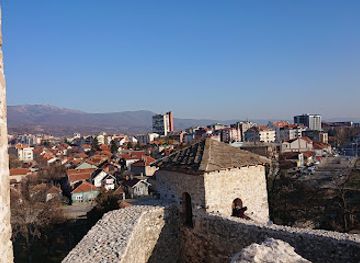
Fortress Kale Momchilo's Town
Discover the majestic Fortress Kale in Pirot, Serbia - a historical landmark with stunning views and no entry fee, perfect for all travelers.
-
Monastery
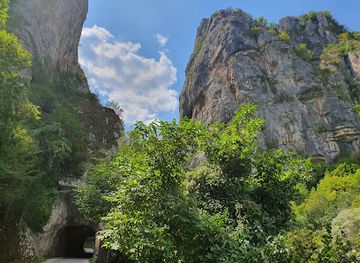
Poganovo Monastery
Discover the serene beauty and rich history of Poganovo Monastery, a spiritual haven nestled in Serbia's picturesque countryside.
-
Park
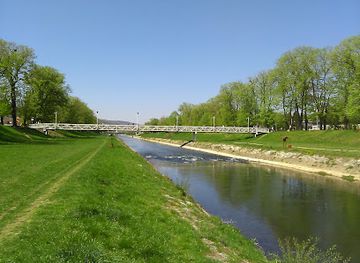
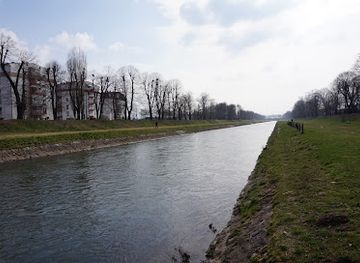
River promenade Pirot
Discover the enchanting River Promenade in Pirot, a serene park offering breathtaking views and a vibrant atmosphere perfect for relaxation and exploration.
-
Monastery
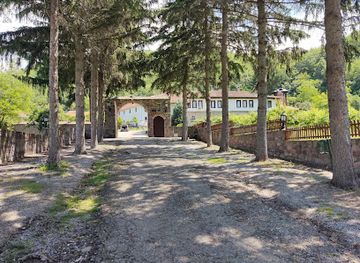
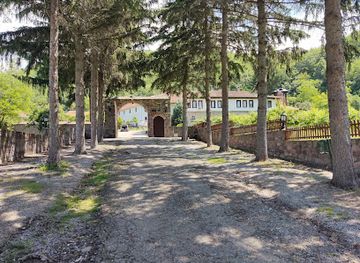
Temska Monastery
Explore the spiritual haven of Temska Monastery, a perfect blend of history, nature, and tranquility in the heart of Serbia.
Best landmarks in Pirot
Pirot Fortress, or Kale, is the town’s most recognisable historic structure. Its position beside the Nišava reflects the strategic importance of the route through the valley and gives the surviving walls a strong connection with both the river and the modern town. The Konak of the Husein-beg family, now housing the Museum of Ponišavlje, is another important landmark: its Ottoman-era domestic architecture provides a tangible link to Pirot’s pre-1877 history and to the town’s former administrative and commercial life. In the wider district, Temska Monastery stands in a wooded valley and is valued for its church, frescoes and historic setting, while Sukovo Monastery is associated with a small rural complex and religious art near the route south of Pirot. Stara Planina supplies the region’s most prominent natural landmark, with broad ridges and high pastures rather than a single isolated summit defining the landscape. The steep walls and river scenery of the Jerma Gorge, together with the sculpted limestone channels of Rosomački lonci, show the geological character of the district and are particularly striking after rain, when water shapes the rock formations.
-
Fortress
Fortress Kale Momchilo's Town
Explore the captivating Fortress Kale Momchilo's Town in Pirot, Serbia, where history meets stunning landscapes and rich cultural heritage.
-
Park
Pirotski kej promenade
Explore the natural beauty and serene atmosphere of Pirotski Kej promenade in Pirot, Serbia, an ideal escape for relaxation and scenic views.
-
Monastery
Temska Monastery
Explore the serene Temska Monastery in Serbia, a beautiful sanctuary showcasing rich spiritual heritage and stunning architecture amidst tranquil landscapes.
-
Restaurant
Lane Moje
Experience authentic Serbian cuisine at Lane Moje, a cozy restaurant in Pirot, perfect for food lovers seeking local flavors.
Explore Pirot on the map
Plan your trip on one map. See where the top cities, national parks and sights are, and book hotels and experiences in a few clicks.
Best hotels in Pirot
Best restaurants in Pirot
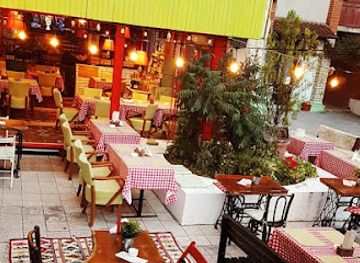
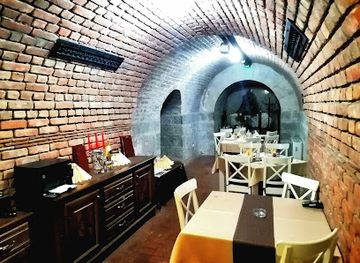
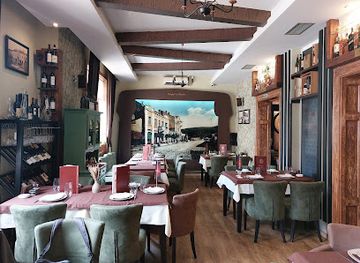
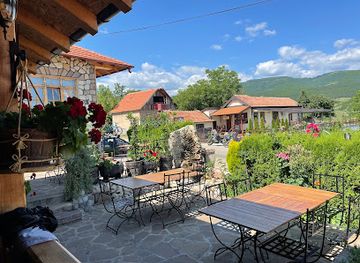
Pirot’s food culture is closely associated with sheep farming, upland pasture and the preservation of meat and dairy products. Pirot cheese is the best-known local speciality, traditionally linked to mountain milk and careful ageing, while Pirot sausage is a strongly seasoned dried meat product found in shops, markets and restaurants. Menus in town commonly combine Serbian staples with south-eastern regional cooking, including grilled meats, stews, beans, pastries, salads and freshly baked bread. Rural households and small producers may offer cheese, honey, preserves and other seasonal goods, although availability varies and products should be bought from reputable sellers. Cafés and restaurants in central Pirot provide the broadest choice, while trips into the district are more likely to involve simple meals, village hospitality or food purchased for a picnic. Local wines and fruit brandies may appear alongside national drinks, but visitors should ask about provenance and serving customs. Food markets are useful for observing everyday shopping as well as finding regional produce, and the town’s culinary identity is best understood through the relationship between its pastoral hinterland and its urban eateries.
-
Restaurant
Mamma Rossa
Discover authentic Italian flavors at Mamma Rossa in Pirot - where every slice tells a delicious story.
-
Restaurant
Etno Kompleks " Nišavska Dolina"
Experience authentic Serbian cuisine at Etno Kompleks 'Nišavska Dolina', where tradition meets taste in the heart of Pirot.
-
Restaurant
Kod Piroćanca Restoran Pirot
Discover the authentic taste of Serbia at Kod Piroćanca Restoran in Pirot – where tradition meets flavor in every bite.
-
Restaurant
Vitina Iža
Discover authentic Serbian cuisine at Vitina Iža in Pirot, where tradition meets hospitality in every dish.
Best bars in Pirot
Evening life in Pirot is modest and centred on cafés, traditional pubs, restaurants and bars around the town centre rather than on a large club scene. Residents often meet for coffee during the day and for drinks or conversation later, with beer, Serbian wines, soft drinks and fruit brandies commonly available. Some venues offer televised sport or occasional live music, while nightlife may become busier at weekends and during public or cultural events. In the surrounding villages, evenings are quieter and usually revolve around family gatherings, local restaurants or seasonal outdoor socialising. Visitors should not expect a concentrated seafront or university-style nightlife district. The most dependable approach is to explore central streets early in the evening, ask accommodation staff about currently operating venues and check arrangements locally, since smaller businesses can change their schedules. Pirot’s night-time character is better suited to conversation, regional food and a relaxed drink than to late-night clubbing.
-
Restaurant
Mamma Rossa
Discover the charm of Pirot with authentic Italian pizzas and a cozy atmosphere at Mamma Rossa, a must-visit culinary gem.
-
Restaurant
Kod Piroćanca Restoran Pirot
Explore traditional Serbian cuisine at Kod Piroćanca in Pirot, where authentic flavors and a welcoming atmosphere await every traveler.
-
Restaurant
Vitina Iža
Experience authentic Serbian cuisine at Vitina Iža, where delicious flavors meet warm hospitality in the heart of Pirot.
-
Restaurant
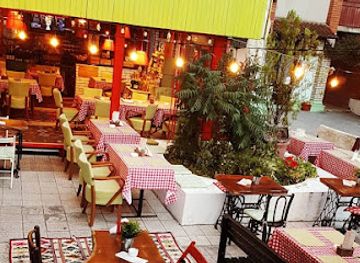
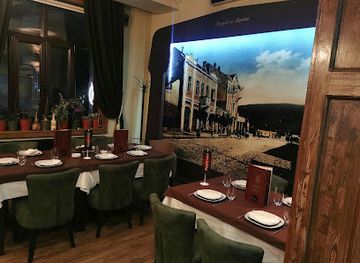
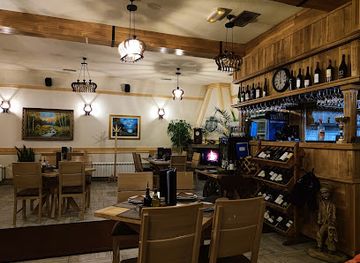
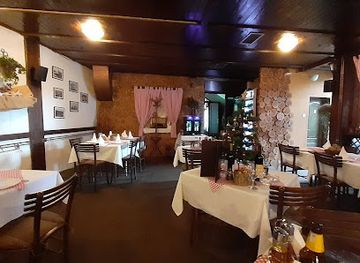
Краљев Чардак
Experience authentic Serbian cuisine at Краљев Чардак in Pirot, where every dish tells a story of tradition and flavor.
Best nightclubs in Pirot
Evening life in Pirot is modest and centred on cafés, traditional pubs, restaurants and bars around the town centre rather than on a large club scene. Residents often meet for coffee during the day and for drinks or conversation later, with beer, Serbian wines, soft drinks and fruit brandies commonly available. Some venues offer televised sport or occasional live music, while nightlife may become busier at weekends and during public or cultural events. In the surrounding villages, evenings are quieter and usually revolve around family gatherings, local restaurants or seasonal outdoor socialising. Visitors should not expect a concentrated seafront or university-style nightlife district. The most dependable approach is to explore central streets early in the evening, ask accommodation staff about currently operating venues and check arrangements locally, since smaller businesses can change their schedules. Pirot’s night-time character is better suited to conversation, regional food and a relaxed drink than to late-night clubbing.
-
Night club
Rolling Wheels MC chapter Pirot
Experience the vibrant nightlife at Rolling Wheels MC Chapter Pirot, a bustling night club perfect for locals and tourists seeking fun and entertainment.
-
Night club
Night club Masqarade
Discover the electrifying nightlife of Pirot at Night Club Masqarade, the city's premier destination for late-night fun and dancing.
Best shops in Pirot
Shopping in Pirot is primarily local and practical, with central streets offering food shops, bakeries, cafés, everyday retail and small independent businesses rather than a major luxury-shopping scene. The town’s signature purchase is a Pirot kilim or another textile inspired by its geometric designs, but visitors should ask about whether a piece is handmade, its materials, dimensions and provenance. Smaller woven goods may be more affordable and easier to transport than a full traditional carpet. Pirot cheese, dried sausage, honey, preserves, herbs and other regional foods are also popular, although dairy and meat products may be subject to customs and airline restrictions when taken abroad. Markets and specialist food shops are useful for comparing products and buying provisions for a mountain excursion. Rural producers and monastery-area stalls may offer seasonal goods, but opening arrangements are variable. The Museum of Ponišavlje is a good place to understand the cultural importance of local textiles before purchasing them, while galleries and craft shops may provide alternatives to mass-produced souvenirs.
-
Hypermarket
Roda
Discover the best of shopping in Pirot at Roda, a vibrant hypermarket featuring a wide range of products from groceries to fashion.
-
Cake shop
Rekord
Discover Rekord, the premier cake shop in Pirot, serving exquisite pastries and cakes that delight every sweet tooth in a cozy atmosphere.
-
Pastries
Pelivan
Discover the sweet flavors of traditional Serbian pastries at Pelivan, a charming pastry shop in the heart of Pirot.
-
Home goods store
Inkom Trade
Explore Inkom Trade in Pirot for unique home goods and authentic local crafts that capture the essence of Serbian culture.
Get your free copy of our complete guide to Pirot, delivered straight to you.
Everything on this page, from attractions and restaurants to essentials and local phrases, in one PDF you can read offline, print or share.
Already have an account? Sign in
Your Pirot guide is ready.
We'll send it to · Not you? Sign out

Getting your guide ready…
We are putting together a fresh copy of the Pirot guide. This can take up to a minute.
This can take a few moments. If your browser asks, choose Allow so the download can start. You'll find the guide in your Downloads folder.
Nothing happened? Download it again
Sorry, the guide is taking longer than usual. Please try again in a minute, or get it by email instead.
Pirot essentials
Currency and Payment
Safety
Emergency Situations
Do's and Don'ts
Local Tips
From Eve
Local phrases worth knowing
You don't need to get them perfect. A few words go a long way, and locals appreciate the effort.
Basics
| English | Local | Say it |
|---|---|---|
| Hello | Zdravo | [zdra-vo] |
| Goodbye | Doviđenja | [do-vi-đen-ya] |
| Yes | Da | [da] |
| No | Ne | [ne] |
| Please/You're welcome | Molim/ Nema na čemu | [mo-lim/ ne-ma na che-mu] |
| Thank you | Hvala | [hva-la] |
| Excuse me/Sorry | Izvinite | [iz-vee-ni-te] |
| How are you? | Kako ste? | [ka-ko ste] |
| Fine. And you? | Dobro. A vi? | [do-bro. a vi] |
| Do you speak English? | Govoriš li engleski? | [go-vo-rish li en-gles-ki] |
| I don't understand | Ne razumem | [ne ra-zu-mem] |
Eating & Drinking
| English | Local | Say it |
|---|---|---|
| I'd like to see the menu, please | Hteo bih da vidim meni, molim | [hte-o bih da vi-dim me-ni, mo-lim] |
| I don't eat meat | Ne jedem meso | [ne ye-dem me-so] |
| Cheers! | Živeli! | [zhi-ve-li] |
| I would like to pay, please | Hteo bih da platim, molim | [hte-o bih da pla-tim, mo-lim] |
Emergencies
| English | Local | Say it |
|---|---|---|
| Help! | Upomoć! | [u-po-moch] |
| Go away! | Odlazi! | [od-la-zi] |
| Call the Police! | Pozovite policiju! | [po-zo-vi-te po-li-ci-ju] |
| Call a doctor! | Pozovite doktora! | [po-zo-vi-te dok-to-ra] |
| I'm lost | Izgubio sam se | [iz-gu-bi-o sam se] |
| I'm ill | Bolestan sam | [bo-les-tan sam] |
Shopping
| English | Local | Say it |
|---|---|---|
| I'd like to buy... | Hteo bih da kupim... | [hte-o bih da ku-pim] |
| I'm just looking | Samo gledam | [sa-mo gle-dam] |
| How much is it? | Koliko košta? | [ko-li-ko koshta] |
| That's too expensive | To je preskupo | [to ye pre-sku-po] |
| Can you lower the price? | Možete li da spustite cenu? | [mo-zhe-te li da spu-sti-te tse-nu] |
Time & Numbers
| English | Local | Say it |
|---|---|---|
| What time is it? | Koliko je sati? | [ko-li-ko ye sa-ti] |
| It's one o'clock | Jedan je čas | [ye-dan ye chas] |
| Half past (10) | Pola (10) | [po-la] |
| Morning | Jutro | [yu-tro] |
| Afternoon | Popodne | [po-pod-ne] |
| Evening | Veče | [ve-che] |
| Yesterday | Juče | [yu-che] |
| Today | Danas | [da-nas] |
| Tomorrow | Sutra | [su-tra] |
| 1 | Jedan | [ye-dan] |
| 2 | Dva | [dva] |
| 3 | Tri | [tree] |
| 4 | Četiri | [che-ti-ri] |
| 5 | Pet | [pet] |
| 6 | Šest | [shest] |
| 7 | Sedam | [se-dam] |
| 8 | Osam | [o-sam] |
| 9 | Devet | [de-vet] |
| 10 | Deset | [de-set] |
Transport & Directions
| English | Local | Say it |
|---|---|---|
| Where's a/the...? | Gde je...? | [gde ye] |
| What's the address? | Koja je adresa? | [ko-ya ye a-dre-sa] |
| Can you show me (on the map)? | Možete li da mi pokažete (na mapi)? | [mo-zhe-te li da mi po-ka-zhe-te (na ma-pi)] |
| When's the next (bus)? | Kada je sledeći (autobus)? | [ka-da ye sle-de-chi (au-to-bus)] |
| A ticket (to ....) | Jedna karta (do ...) | [yed-na kar-ta (do)] |
History of Pirot
Ancient Turres and the Roman Road
Pirot developed near the route linking Naissus, present-day Niš, with Serdica, present-day Sofia. In antiquity the settlement was known as Turres and served as a stopping point on this important Balkan road. Roman movement through the Nišava valley connected military, administrative and commercial networks across the region. Archaeological traces in and around Pirot reflect the area’s long occupation, although much of the Roman landscape has been altered by later settlement and infrastructure. The strategic position that first gave Turres importance continued to shape Pirot’s fortunes throughout the medieval and modern periods.
Medieval Pirot and the Fortress
During the medieval era, the settlement stood within a contested borderland influenced by Byzantine, Bulgarian and Serbian powers. The fortress now called Kale, beside the Nišava, is generally associated with the late medieval defence of the town and its route through the valley. Its surviving walls and towers are evidence of a period when control of roads, river crossings and mountain approaches mattered as much as control of farmland. Religious foundations and villages in the wider district also preserve elements of the medieval Christian landscape, though many buildings have been rebuilt or altered over time.
Ottoman Rule and the Ponišavlje Borderland
Pirot came under Ottoman rule in the late fourteenth century and remained part of the empire for several centuries. Its location on the road between Niš and Sofia gave it continuing commercial and military significance. The town’s population, architecture and administrative life developed within the Ottoman system, while surrounding communities maintained agricultural and pastoral economies. The Konak of the Husein-beg family, now home to the Museum of Ponišavlje, is a prominent reminder of this period. Ottoman influence remains visible in the town’s historic fabric and in the layered cultural history of the district.
Pirot’s Incorporation into Serbia in 1877
During the Russo-Turkish War of 1877–78, Serbian forces captured Pirot in December 1877. The settlement was then incorporated into the Principality of Serbia under the arrangements that followed the war. This change brought Pirot into the Serbian state’s administrative and economic framework and strengthened its role as a border town facing Bulgaria. The late nineteenth century also saw civic and commercial development, including the construction of substantial houses such as the Husein-beg Konak. Pirot’s modern political identity was formed during this transition from Ottoman provincial centre to Serbian town.
Roads, Railways and Industrial Change
Pirot’s position on the east-west corridor continued to influence its growth after incorporation into Serbia. Improved roads and the railway connection between Niš and Sofia integrated the town more closely with national and international markets. Trade, administration and manufacturing expanded, while traditional agriculture and animal husbandry remained important in the surrounding villages. In the twentieth century, industrial employment changed the town’s social and economic structure, even as craft production survived in specialised forms. The contrast between modern transport corridors and older mountain economies remains a defining feature of the district.
The Pirot Kilim Tradition
Pirot’s flat-woven woollen kilims developed within a regional textile culture supported by sheep farming, domestic weaving and long-established design practices. Their geometric patterns, strong colours and technically demanding construction became widely recognised across Serbia. Kilim production was traditionally associated with women’s household labour and with the transmission of skills between generations, although its commercial organisation has changed over time. Today the kilim is an important emblem of Pirot’s cultural identity, represented in museums, collections and specialist workshops. Visitors should distinguish historic handmade work from modern decorative textiles made for the tourist market.
Twentieth-Century Borderland Life and Contemporary Tourism
The twentieth century brought political upheavals, industrialisation, changing borders and major demographic shifts to south-eastern Serbia. Pirot remained connected to Bulgaria through the principal route across the Balkans while also functioning as a regional centre for villages, farming and public services. Since the late twentieth century, attention has increasingly turned towards the conservation and interpretation of Stara Planina, traditional food, monasteries and historic craft. Contemporary Pirot therefore combines a working town’s practical character with a growing interest in nature-based and heritage tourism, without losing its role as the district’s administrative centre.
Pirot in Photos
Browse through our photo collection highlighting the charm and character of the destination.
Neighbouring regions of Pirot
The closest regions to Pirot, if you have time for more than one.
-

-

-

-

-


Swipe for more regions
Explore more

Explore more of Serbia
Discover Serbia: A Balkan treasure with rich history, stunning natural landscapes, and vibrant cities waiting to be explored.
Explore Serbia