

Free Kolubara Travel Guide & Mobile App
Explore Kolubara with free travel guides. Discover regional history, expert tips, proposed trips, and audio guides on web or mobile app.


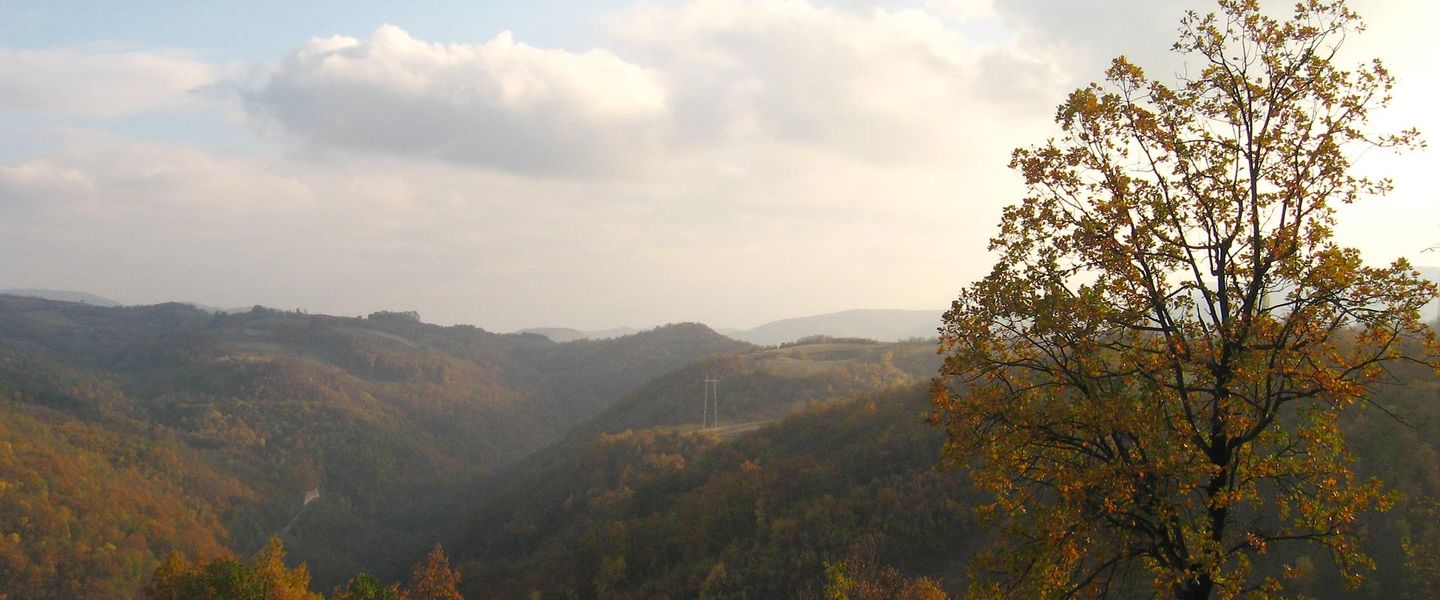


Explore Kolubara in western Serbia for Valjevo’s heritage, Gradac Gorge, Divčibare’s mountain trails, village food and First World War history.
Read more about Kolubara
When is the best time to visit Kolubara?
Best: May–June, September · 23–26°C| Month | High (°C) | Rainfall (mm) |
|---|---|---|
| January | 4 | 40 |
| February | 7 | 35 |
| March | 13 | 45 |
| April | 17 | 50 |
| May (best) | 23 | 60 |
| June (best) | 26 | 65 |
| July | 29 | 60 |
| August | 29 | 55 |
| September (best) | 23 | 50 |
| October | 17 | 45 |
| November | 10 | 50 |
| December | 5 | 45 |
Getting to and around Kolubara
How to get there
Transportation
Best attractions in Kolubara
Kolubara’s attractions combine accessible town heritage with river landscapes, mountain recreation and rural history. Valjevo is the main cultural centre, with the Tešnjar quarter, museums and riverside walks providing an introduction to the district’s urban past. Just outside the town, the Gradac valley offers woodland scenery, clear water and walking opportunities, while Petnica brings together a cave, archaeological heritage and the long-established Petnica Science Centre. Brankovina is a quieter excursion devoted to the Nenadović family, Serbian education and literary history. In the south, Divčibare offers walking, cycling, winter sports and highland scenery on the Maljen plateau, although its atmosphere changes considerably between seasons. The hills around Suvobor and Rajac are suitable for countryside walks and are connected with the memory of the Battle of Kolubara and the wider First World War front. Smaller monasteries, churches, village households and local produce routes add depth to road trips through Mionica, Osečina, Ljig and the surrounding valleys. The district is less about a single major attraction than about combining several modest but meaningful places within a varied landscape.
-
Zoo
Belgrade Zoo
Discover the wonders of wildlife at Belgrade Zoo, nestled in Kalemegdan Park, a family-friendly attraction brimming with exotic animals and lush landscapes.
-
Tourist attraction
Nikola Tesla Museum
Explore the Nikola Tesla Museum in Belgrade, a captivating tribute to the innovative genius who revolutionized the world with his inventions.
-
Tourist attraction
Botanical Garden "Jevremovac"
Explore the serene beauty of Botanical Garden Jevremovac, a lush oasis in Belgrade filled with exotic plants and tranquil pathways.
-
Tourist attraction
Topčider park
Experience the beauty and history of Topčider Park, the oldest park in Serbia, a serene escape in the heart of Belgrade.
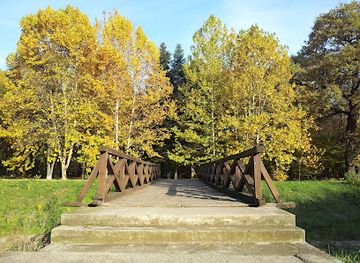
Best landmarks in Kolubara
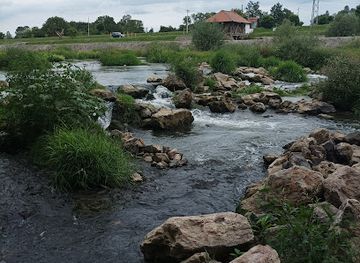
Valjevo’s Tešnjar is Kolubara’s most recognisable historic urban landmark, preserving a compact quarter of narrow streets and traditional buildings that reflects the town’s Ottoman-era commercial past. The Gradac River and its wooded gorge form an important natural landmark immediately associated with Valjevo, combining clear water, limestone scenery and a dramatic approach to the town. Brankovina is a significant cultural landscape rather than a single monument: its church, school and Nenadović family memorials connect the village with the First Serbian Uprising and the development of Serbian literature and education. Petnica Cave is another defining natural and archaeological site, known for its scientific and prehistoric significance. In the southern uplands, the open meadows and wooded slopes of Divčibare provide the district’s most recognisable mountain scenery. Memorials and cemeteries linked to the Battle of Kolubara are quieter landmarks, often encountered in rural settings rather than formal town centres. Together these places express the region’s main themes: river valleys, mountain country, Ottoman and Serbian heritage, scientific curiosity and the memory of wartime sacrifice.
-
Mountain peak
Jelova Gora
Explore the breathtaking Jelova Gora mountain peak in Zaglavak, where stunning views and serene nature await every traveler.
-
Tourist attraction
Magaze na Kolubari
Explore the serene beauty and rich culture of Magaze na Kolubari, a captivating tourist attraction in Lajkovac, Serbia.
-
Historical landmark
Kolubarska bitka
Explore Kolubarska Bitka, a historical landmark in Serbia that commemorates a pivotal battle and offers breathtaking views and rich cultural insights.
-
Avijatičarski trg
Explore the serene Avijatičarski trg in Zemun, Belgrade - a picturesque square perfect for relaxation and cultural immersion.

Explore Kolubara on the map
Plan your trip on one map. See where the top cities, national parks and sights are, and book hotels and experiences in a few clicks.
Best hotels in Kolubara
Best restaurants in Kolubara
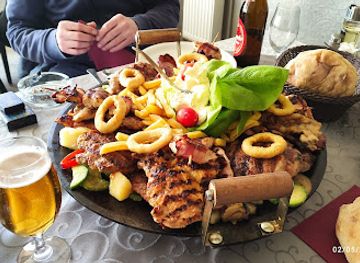
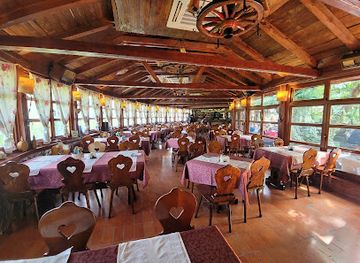
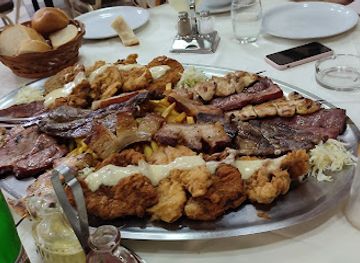
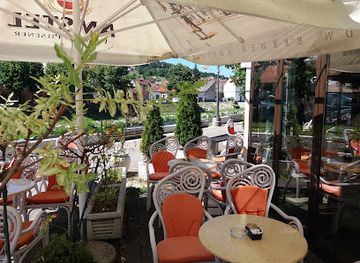
Dining in Kolubara is rooted in Serbian inland cooking and the produce of its valleys and hills. Valjevo has the broadest range of restaurants, cafés and traditional eateries, while smaller towns and villages tend to offer simple meals, grilled dishes, soups, beans, stuffed peppers, seasonal salads and breads. Mountain and rural menus may include kajmak, local cheeses, smoked meats, trout or other freshwater fish, depending on the establishment and season. Around farming districts, fruit preserves, honey and homemade rakija are common local products, with plum and other fruit brandies reflecting Serbia’s wider orchard culture. Traditional restaurants and rural households often provide generous portions and familiar regional cooking rather than elaborate menus. Markets and farm-gate sellers are useful for fresh fruit, vegetables, cheese and preserves, but quality and availability vary, so ask local hosts for recommendations. Coffee is an important part of the day in town cafés, where visitors can pause between excursions rather than treating dining solely as a formal evening activity.
-
Restaurant
Restoran Kale
Experience authentic Serbian cuisine at Restoran Kale in Vrbovno – where tradition meets flavor in every dish.
-
Restaurant
Etno selo Babina reka
Experience authentic Serbian cuisine amidst breathtaking natural beauty at Etno selo Babina reka in Trbušnica.
-
Restaurant
KOD BRACE
Discover KOD BRACE in Belgrade: A must-visit restaurant serving authentic Serbian cuisine at affordable prices in a welcoming atmosphere.
-
Restaurant
Hemingvej
Experience culinary excellence at Hemingvej in Valjevo—where local flavors meet international flair for an unforgettable dining experience.
Best bars in Kolubara
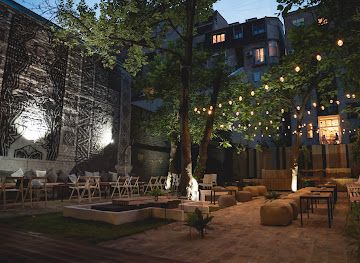
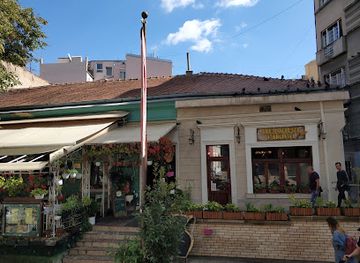
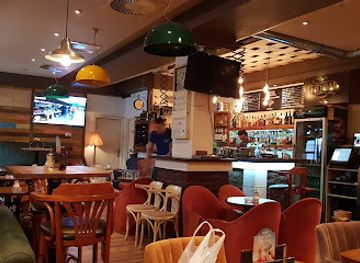
Evening life in Kolubara is concentrated in Valjevo, where cafés, bars, restaurants and occasional live-music venues provide the largest choice. Tešnjar and the central streets are natural areas for an evening walk and a drink, although the atmosphere is generally more relaxed than that of Serbia’s major nightlife cities. Local pubs and cafés serve Serbian beer, coffee, wine and rakija, while some contemporary venues offer cocktails or music-led evenings. In Lajkovac, Mionica, Ljig, Osečina and Ub, nightlife is more closely tied to cafés, restaurants, community gatherings and seasonal celebrations than to large clubs. Divčibare has a more seasonal evening scene, with accommodation venues and restaurants becoming busier during winter holidays and summer weekends. Rural areas are quiet after dark, making them better suited to a meal, conversation and stargazing than to clubbing. Visitors should check current programmes and opening arrangements locally, as smaller venues can change their schedules.
-
Pub
Gunners Pub
Discover Gunners Pub in Belgrade: a vibrant spot for beer enthusiasts with a lively atmosphere and charming beer garden.
-
Cocktail bar
Monkey Bar Belgrade
Discover Monkey Bar Belgrade: A trendy cocktail bar offering a unique blend of stylish ambiance and expertly crafted drinks in the heart of the city.
-
Cocktail bar
Riddle Bar
Experience the vibrant nightlife of Belgrade at Riddle Bar, where innovative cocktails meet a captivating atmosphere.
-
Cafe
Chili bar
Experience the vibrant flavors and cozy ambiance of Chili Bar in Lazarevac, a perfect spot for food lovers and casual diners.

Best nightclubs in Kolubara
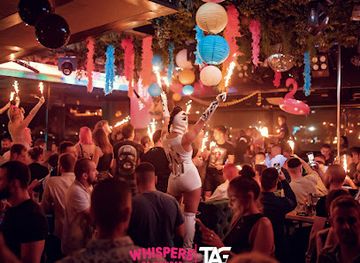
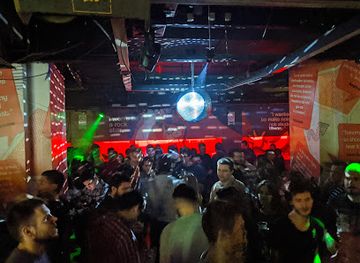
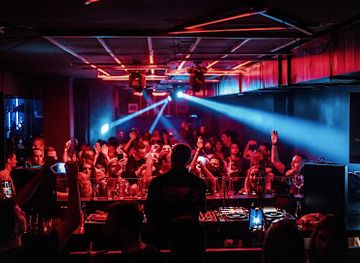
Evening life in Kolubara is concentrated in Valjevo, where cafés, bars, restaurants and occasional live-music venues provide the largest choice. Tešnjar and the central streets are natural areas for an evening walk and a drink, although the atmosphere is generally more relaxed than that of Serbia’s major nightlife cities. Local pubs and cafés serve Serbian beer, coffee, wine and rakija, while some contemporary venues offer cocktails or music-led evenings. In Lajkovac, Mionica, Ljig, Osečina and Ub, nightlife is more closely tied to cafés, restaurants, community gatherings and seasonal celebrations than to large clubs. Divčibare has a more seasonal evening scene, with accommodation venues and restaurants becoming busier during winter holidays and summer weekends. Rural areas are quiet after dark, making them better suited to a meal, conversation and stargazing than to clubbing. Visitors should check current programmes and opening arrangements locally, as smaller venues can change their schedules.
-
Night club
TAG NightClub
Discover the electrifying nightlife of Belgrade at TAG NightClub – where music, dance, and unforgettable moments come alive.
-
Night club
Hype
Discover the heart of Belgrade's nightlife at Hype, a premier nightclub offering electrifying music and an unforgettable atmosphere.
-
Night club
Klub studenata tehnike
Experience the vibrant nightlife of Belgrade at Klub Studenata Tehnike, the perfect blend of a night club and cafe for students and tourists alike.
-
Night club
KULT
Experience the electrifying nightlife of Belgrade at KULT, a must-visit night club for an unforgettable night of music and dancing.

Best shops in Kolubara
Shopping in Kolubara is centred on Valjevo’s high streets, markets and independent shops rather than large-scale retail tourism. The town is the best place to combine everyday shopping with cafés, books, clothing and locally produced food, while Lajkovac, Mionica, Ljig, Osečina and Ub serve their surrounding communities through smaller shops and market days. Visitors looking for regional products can seek out honey, plum and other fruit preserves, rakija, dried fruit, cheeses, smoked goods and seasonal produce from established sellers. Rural households and roadside stalls may offer attractive products, but labelling and payment facilities vary, so ask about contents and production before buying. Craft and souvenir choices are generally modest, with practical Serbian food products often more representative than mass-produced gifts. Art galleries, cultural institutions and specialist shops in Valjevo may provide locally made items, books about the region and work by Serbian artists. Markets are most useful early in the day, particularly when buying fresh produce or arranging purchases to take home.
-
Shopping mall
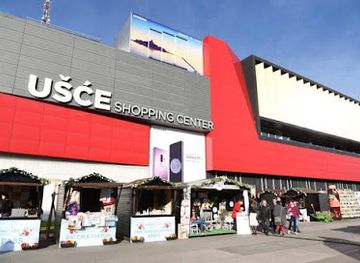
UŠĆE Shopping Center
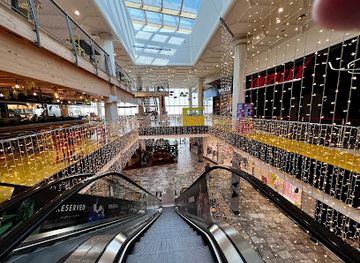
Discover the premier shopping destination in Belgrade at UŠĆE Shopping Center, where shopping meets entertainment in a vibrant atmosphere.
-
Shopping mall
BIG FASHION Beograd
Discover the ultimate shopping experience in Belgrade at BIG FASHION Beograd, featuring top brands, dining, and entertainment.
-
Shopping mall
Galerija - Beograd
Explore Galerija in Belgrade - a vibrant shopping mall offering a blend of retail, dining, and cultural experiences.
-
Shopping mall
Rajićeva Shopping Center
Explore Rajićeva Shopping Center in Belgrade for a perfect blend of shopping, dining, and entertainment in a vibrant urban setting.

Get your free copy of our complete guide to Kolubara, delivered straight to you.
Everything on this page, from attractions and restaurants to essentials and local phrases, in one PDF you can read offline, print or share.
Already have an account? Sign in
Your Kolubara guide is ready.
We'll send it to · Not you? Sign out

Getting your guide ready…
We are putting together a fresh copy of the Kolubara guide. This can take up to a minute.
This can take a few moments. If your browser asks, choose Allow so the download can start. You'll find the guide in your Downloads folder.
Nothing happened? Download it again
Sorry, the guide is taking longer than usual. Please try again in a minute, or get it by email instead.
Kolubara essentials
Currency and Payment
Safety
Emergency Situations
Do's and Don'ts
Local Tips
From Eve
Local phrases worth knowing
You don't need to get them perfect. A few words go a long way, and locals appreciate the effort.
Basics
| English | Local | Say it |
|---|---|---|
| Hello | Zdravo | [zdra-vo] |
| Goodbye | Doviđenja | [do-vi-đen-ya] |
| Yes | Da | [da] |
| No | Ne | [ne] |
| Please/You're welcome | Molim | [mo-lim] |
| Thank you | Hvala | [hva-la] |
| Excuse me/Sorry | Izvinite | [iz-vi-ni-te] |
| How are you? | Kako si? | [ka-ko si] |
| Fine. And you? | Dobro. A ti? | [do-bro a ti] |
| Do you speak English? | Da li govoriš engleski? | [da li go-vo-rish eng-les-ki] |
| I don't understand | Ne razumem | [ne ra-zu-mem] |
Eating & Drinking
| English | Local | Say it |
|---|---|---|
| I'd like to see the menu, please | Hteo bih da vidim meni, molim | [hte-o bih da vi-dim me-ni mo-lim] |
| I don't eat meat | Ne jedem meso | [ne ye-dem me-so] |
| Cheers! | Živeli! | [zhi-ve-li] |
| I would like to pay, please | Hteo bih da platim, molim | [hte-o bih da pla-tim mo-lim] |
Emergencies
| English | Local | Say it |
|---|---|---|
| Help! | Pomoć! | [po-mo-ch] |
| Go away! | Odlazi! | [od-la-zi] |
| Call the Police! | Pozovi policiju! | [po-zo-vi po-li-ci-ju] |
| Call a doctor! | Pozovi doktora! | [po-zo-vi dok-to-ra] |
| I'm lost | Izgubio sam se | [iz-gu-bi-o sam se] |
| I'm ill | Bolestan sam | [bo-les-tan sam] |
Shopping
| English | Local | Say it |
|---|---|---|
| I'd like to buy... | Hteo bih da kupim... | [hte-o bih da ku-pim] |
| I'm just looking | Samo gledam | [sa-mo gle-dam] |
| How much is it? | Koliko košta? | [ko-li-ko koshta] |
| That's too expensive | To je preskupo | [to ye pre-sku-po] |
| Can you lower the price? | Možeš li da spustiš cenu? | [mo-zesh li da spu-stish tse-nu] |
Time & Numbers
| English | Local | Say it |
|---|---|---|
| What time is it? | Koliko je sati? | [ko-li-ko ye sa-ti] |
| It's one o'clock | Jedan je čas | [ye-dan ye chas] |
| Half past (10) | Pola (10) | [po-la] |
| Morning | Jutro | [yu-tro] |
| Afternoon | Popodne | [po-po-dne] |
| Evening | Veče | [ve-che] |
| Yesterday | Juče | [yu-che] |
| Today | Danas | [da-nas] |
| Tomorrow | Sutra | [su-tra] |
| 1 | Jedan | [ye-dan] |
| 2 | Dva | [dva] |
| 3 | Tri | [tri] |
| 4 | Četiri | [che-ti-ri] |
| 5 | Pet | [pet] |
| 6 | Šest | [shest] |
| 7 | Sedam | [se-dam] |
| 8 | Osam | [o-sam] |
| 9 | Devet | [de-vet] |
| 10 | Deset | [de-set] |
Transport & Directions
| English | Local | Say it |
|---|---|---|
| Where's a/the...? | Gde je...? | [gde ye] |
| What's the address? | Koja je adresa? | [ko-ya ye a-dre-sa] |
| Can you show me (on the map)? | Možeš li da mi pokažeš (na mapi)? | [mo-zesh li da mi po-ka-zesh na ma-pi] |
| When's the next (bus)? | Kada je sledeći (autobus)? | [ka-da ye sle-de-ći au-to-bus] |
| A ticket (to ....) | Karta (do ...) | [kar-ta do] |
History of Kolubara
Prehistoric Petnica and Early Settlement
The Petnica area preserves evidence of human activity extending from prehistoric periods through later antiquity. Petnica Cave, near Valjevo, has been investigated archaeologically for decades and is important for understanding the long settlement history of western Serbia. The wider Kolubara basin offered water, cultivable land and routes between interior valleys, encouraging repeated occupation. Finds from the area are associated with several prehistoric phases, while later Roman influence connected local communities with the administrative and commercial networks of the empire. Petnica’s archaeological importance remains part of the region’s modern cultural identity, alongside its role in scientific education.
Roman and Medieval Regional Networks
Kolubara lay within the broader inland zone shaped by Roman rule in the Balkans, although the most visible remains in the district are archaeological rather than monumental. Roads, settlements and agricultural organisation linked the valleys with larger centres elsewhere in present-day Serbia. During the medieval period, the region formed part of the shifting political landscape of Serbian states and later the frontier between competing powers. Monasteries, village churches and surviving place names provide reminders of these centuries. The area’s valleys were valuable not only for farming but also as routes through the hills west of the main Serbian lowlands.
Ottoman Rule and the Growth of Valjevo
Under Ottoman rule, Valjevo developed as a market and administrative settlement serving the surrounding agricultural districts. Its position beside the Kolubara and Gradac rivers helped it connect village production with regional trade. The surviving quarter of Tešnjar reflects this period through its street plan, low-rise buildings and commercial character, although the town has changed considerably over time. Ottoman rule also shaped patterns of settlement, religion and trade across the district. By the late eighteenth and early nineteenth centuries, tensions within the empire and the growth of Serbian resistance were setting the conditions for major political change.
The First Serbian Uprising and the Nenadović Legacy
The Kolubara area played an important role in the First Serbian Uprising of 1804–1813 and in the political and cultural development of the renewed Serbian state. The Nenadović family of Brankovina produced prominent figures in military, religious and literary life, including Prota Mateja Nenadović, a leader of the uprising and an important early Serbian statesman. Brankovina’s church complex, school and family memorials preserve this legacy. The period transformed local power structures and strengthened the importance of Serbian institutions, education and church life in a region that had previously been governed within the Ottoman imperial system.
Nineteenth-Century Modernisation
During the nineteenth century, the district’s towns became more closely integrated into the institutions and economy of the Principality and later Kingdom of Serbia. Schools, churches, government buildings and improved roads altered the appearance of settlements, while agricultural trade remained central to local prosperity. Valjevo became an important regional centre, and the valleys supported markets serving a wide rural hinterland. The emergence of modern education is particularly visible at Brankovina and Petnica, where later generations connected local heritage with broader Serbian cultural and scientific life.
The Battle of Kolubara, 1914
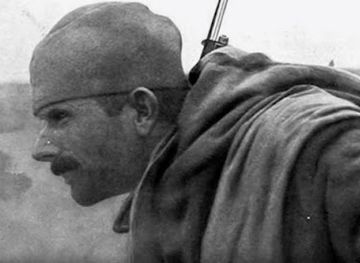
The Battle of Kolubara was fought during the First World War after Austro-Hungarian forces invaded Serbia in 1914. Fighting extended across a broad front that included the Kolubara basin and the surrounding mountains and approaches. Under Field Marshal Radomir Putnik and General Živojin Mišić, the Serbian army reorganised and launched a counter-offensive that forced the invading army to withdraw. The victory had considerable international significance because a smaller Serbian force defeated a major imperial power in the opening year of the war. Memorials, cemeteries and named military sites across the district and neighbouring areas preserve the memory of the campaign.
Industrial and Transport Change in the Twentieth Century
The twentieth century brought stronger transport links, new public institutions and increasing industrial influence to the Kolubara basin. Lajkovac became especially associated with railway history and the movement of agricultural and industrial goods, while coal extraction in the wider Kolubara region affected employment, settlement and the landscape. Valjevo expanded as an administrative, educational and industrial centre. These changes did not erase the district’s rural economy: farming, orchards and livestock remained important, but the relationship between villages and towns became more closely connected through roads, railways and public services.
Kolubara in Photos
Browse through our photo collection highlighting the charm and character of the destination.
Neighbouring regions of Kolubara
The closest regions to Kolubara, if you have time for more than one.
-

-

-
-

-


Swipe for more regions
Explore more

Explore more of Serbia
Discover Serbia: A Balkan treasure with rich history, stunning natural landscapes, and vibrant cities waiting to be explored.
Explore Serbia