

Free Mačva Travel Guide & Mobile App
Explore Mačva with free travel guides. Discover regional history, expert tips, proposed trips, and audio guides on web or mobile app.


Explore Mačva in western Serbia for Sava and Drina landscapes, Šabac heritage, Cer mountain, wetlands and living rural traditions.
Read more about Mačva
When is the best time to visit Mačva?
Best: June, August–September · 24–29°C| Month | High (°C) | Rainfall (mm) |
|---|---|---|
| January | 5 | 40 |
| February | 7 | 40 |
| March | 12 | 50 |
| April | 17 | 60 |
| May | 22 | 70 |
| June (best) | 26 | 70 |
| July | 29 | 60 |
| August (best) | 29 | 60 |
| September (best) | 24 | 50 |
| October | 17 | 50 |
| November | 10 | 50 |
| December | 5 | 40 |
Getting to and around Mačva
How to get there
Transportation
Best attractions in Mačva
Mačva’s attractions are spread across a fertile plain, the Sava and Drina river landscapes, and the forested heights of Mount Cer. Šabac provides the region’s principal concentration of cultural sights, including the riverside fortress, museums, churches and civic architecture that explain the town’s frontier and commercial history. Outside the town, the Mišar memorial area connects rural scenery with the history of the First Serbian Uprising, while the Tekeriš memorial on Cer commemorates the 1914 battle and sits within a landscape suited to walking and quiet observation. The wetlands and waterways of the Zasavica area, extending across the Mačva and Srem borderlands, offer birdwatching, nature study and an insight into traditional lowland habitats; visitors should check access arrangements for individual reserve facilities. Rural Mačva is also an attraction in its own right, with farmsteads, village roads, seasonal produce and broad agricultural views. Walking, cycling, fishing where permitted, photography and riverbank exploration are possible, but facilities become more limited away from Šabac. The region’s appeal lies in combining historical memory with working countryside rather than in a single large resort or monumental complex.
-
Danube Park
Experience the lush tranquility of Danube Park in Novi Sad, a perfect retreat for relaxation, recreation, and stunning river views.
-
Limanski Park
Discover the serene beauty of Limanski Park in Novi Sad, an urban oasis perfect for relaxation, play, and cultural experiences amidst lush greenery.
-
Vuk's Memorial Park
Explore Vuk's Memorial Park, a stunning tribute to Serbian culture and history in the heart of Tršić, offering peaceful gardens and historical monuments.
-
Special Nature Reserve ''Zasavica''
Discover the breathtaking biodiversity of Special Nature Reserve 'Zasavica', Serbia's hidden gem for nature lovers and eco-tourists.


Best landmarks in Mačva
Šabačka tvrđava, the riverside fortress in Šabac, is Mačva’s clearest architectural reminder of its strategic position on the Sava. Its surviving earthworks and defensive remains represent centuries of Ottoman-Habsburg rivalry and the later development of the town around the river crossing. The Mišar memorial marks the area of the 1806 battle, an event closely associated with the First Serbian Uprising and the emergence of modern Serbia. On Mount Cer, the Tekeriš memorial complex commemorates the Battle of Cer in 1914; its setting among wooded slopes gives the site both historical gravity and a strong connection with the surrounding landscape. The Sava and Drina themselves are major geographical landmarks, defining Mačva’s northern and western edges and explaining the region’s agricultural fertility and frontier history. In Šabac, Orthodox churches, older civic buildings and the urban riverfront provide additional reference points, though the town’s identity is more varied than a single preserved historic quarter. Together, these places express Mačva as a landscape shaped by rivers, military history, farming and civic development.
-
Fortress
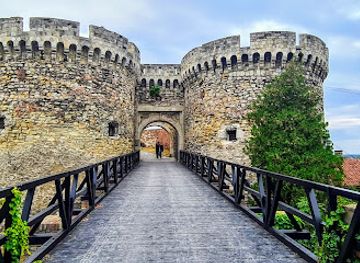
Belgrade Fortress
Explore the historic Belgrade Fortress: a stunning blend of culture, breathtaking views, and rich heritage in Serbia's capital.
-
 Orthodox church
The Temple of Saint Sava
Discover the grandeur of The Temple of Saint Sava, a monumental Orthodox church in Belgrade, adorned with stunning mosaics and rich Serbian history.
-
City park
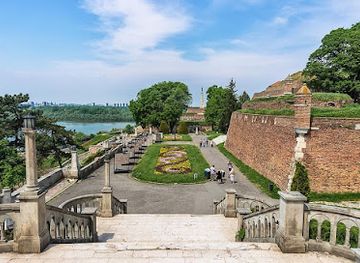
Kalemegdan
Discover Kalemegdan, Belgrade's historic fortress and serene city park, where history meets nature in a stunning urban oasis.
-
Historical landmark
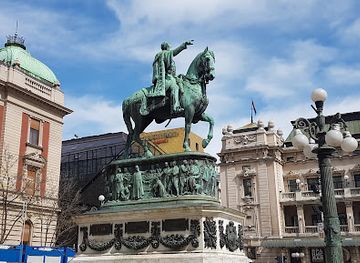
Republic Square
Explore Republic Square in Belgrade, a historical landmark where culture, history, and community come together in a vibrant urban atmosphere.
Explore Mačva on the map
Plan your trip on one map. See where the top cities, national parks and sights are, and book hotels and experiences in a few clicks.
Best hotels in Mačva
Best restaurants in Mačva
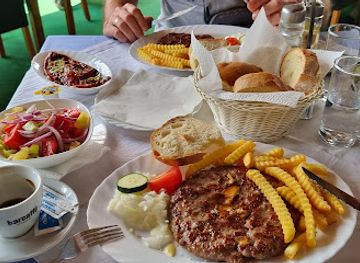
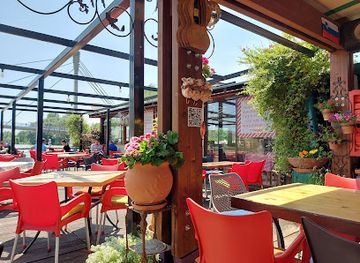
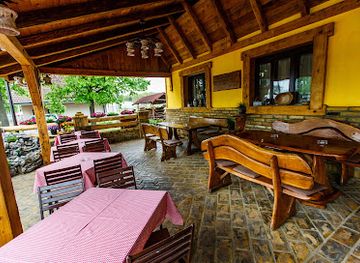
Dining in Mačva is closely connected with its agricultural setting. Šabac has the widest selection of restaurants, cafés, bakeries and informal grills, while village establishments and roadside venues offer a more local, unhurried style of eating. Menus commonly draw on pork, poultry, freshwater fish, peppers, beans, cabbage, potatoes, dairy products and seasonal vegetables, with grilled meats and hearty cooked dishes particularly familiar across western Serbia. Mačva’s fertile plain supports small-scale producers of fruit, vegetables, honey, cheese and preserved foods, and market shopping can be as informative as eating in a restaurant. Around the Sava and Drina, fish dishes may appear seasonally, though availability depends on the establishment and current supply. Serbian staples such as breads, savoury pastries, soups and desserts are also widely available, alongside coffee and locally consumed spirits. Visitors should treat individual menus as seasonal rather than assuming that every regional product is available year-round.
-
Serbian
Mićo Bradina
Discover authentic Serbian cuisine at Mićo Bradina, where traditional breakfast delights meet warm hospitality in Slepčević.
-
Restaurant
Raft “Circle”
Discover delightful local cuisine at Raft 'Circle', a scenic riverside restaurant offering exquisite flavors and breathtaking views.
-
Restaurant
Šumski Mir
Experience authentic Serbian flavors amidst serene natural surroundings at Šumski Mir in Platičevo.
-
Restaurant
Gradska kafana
Discover the heart of Serbia through its flavors at Gradska Kafana – where tradition meets taste in every dish.
Best bars in Mačva
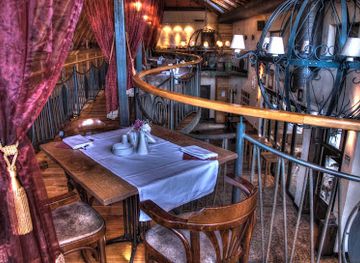
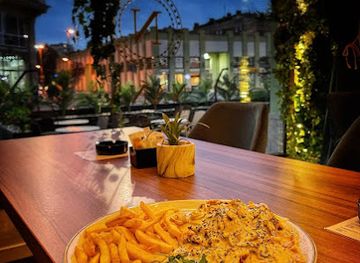
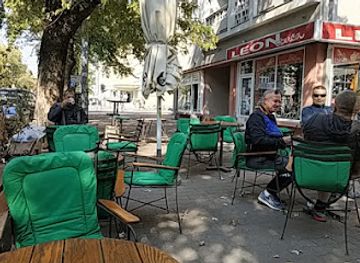
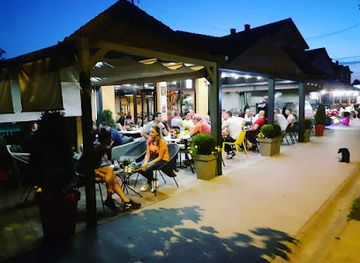
Evening life in Mačva is concentrated in Šabac, where cafés, bars and restaurants provide the broadest choice, particularly around the central streets and riverside areas. The atmosphere is generally social and conversational, with coffee culture, domestic beer, wine, rakija and live music more prominent than a large international club scene. Šabac has a stronger late-evening offering than the surrounding villages, while Bogatić and other smaller settlements tend towards local cafés, traditional restaurants and occasional live entertainment. Rural evenings are usually quieter, and venues may be dispersed rather than gathered in a distinct nightlife quarter. Throughout the region, wine, beer and fruit brandies are available, but visitors need not drink to participate in local social life. Check current arrangements locally, as venues, performances and seasonal opening patterns can change.
-
Bar
Nana Restoran
Discover the vibrant flavors of Serbia at Nana Restoran in Šabac, where culinary delights meet a cozy atmosphere and exceptional service.
-
Pub
The Irish pub
Discover the vibrant atmosphere of The Irish Pub in Šabac, where authentic Irish culture meets local charm for an unforgettable experience.
-
Bar
Bora Bora
Experience the vibrant nightlife at Bora Bora in Šabac, where exotic drinks and a lively atmosphere await every visitor.
-
Bar
АНТИГО БАР
Experience the vibrant ambiance and local charm at АНТИГО БАР in Koceljeva, Serbia - a perfect spot for drinks and socializing.
Best nightclubs in Mačva
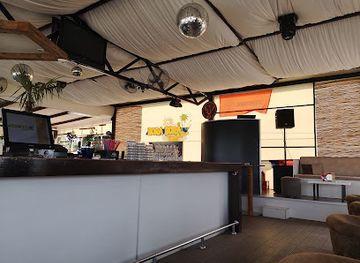
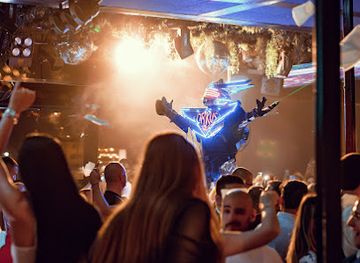
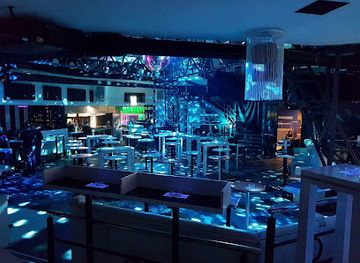
Evening life in Mačva is concentrated in Šabac, where cafés, bars and restaurants provide the broadest choice, particularly around the central streets and riverside areas. The atmosphere is generally social and conversational, with coffee culture, domestic beer, wine, rakija and live music more prominent than a large international club scene. Šabac has a stronger late-evening offering than the surrounding villages, while Bogatić and other smaller settlements tend towards local cafés, traditional restaurants and occasional live entertainment. Rural evenings are usually quieter, and venues may be dispersed rather than gathered in a distinct nightlife quarter. Throughout the region, wine, beer and fruit brandies are available, but visitors need not drink to participate in local social life. Check current arrangements locally, as venues, performances and seasonal opening patterns can change.
-
Night club
TAG NightClub
Dive into the vibrant nightlife of Belgrade at TAG NightClub, where music and energy create unforgettable nights.
-
Disco club
Disco Club Nox
Dive into the energetic nightlife of Sremska Mitrovica at Disco Club Nox, where music, dance, and fun collide for an unforgettable experience.
-
Night club
Hype
Experience the vibrant energy of Hype, Belgrade's premier night club, where unforgettable nights and electrifying music await every visitor.
-
Night club
KULT
Experience the vibrant nightlife of Belgrade at KULT, a premier night club offering electrifying music and an unforgettable atmosphere.


Best shops in Mačva
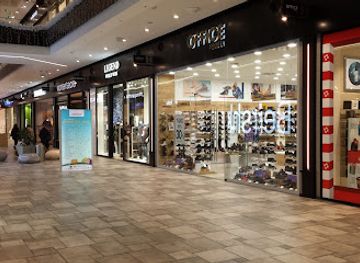
Shopping in Mačva is centred on Šabac’s high streets, everyday markets and independent food retailers rather than on luxury malls or specialist designer districts. The town is the best place to browse for clothing, books, household goods, bakery products and practical supplies, while market stalls provide seasonal fruit and vegetables from the surrounding plain. Bogatić and smaller market settlements offer a more local-scale experience, with agricultural produce, dairy products, honey, preserves and homemade baked goods often more relevant than conventional souvenirs. Specialist availability and trading days can vary, so visitors should carry cash when exploring village markets. Regional purchases may include jars of preserved vegetables, fruit products, honey, cheese and rakija from reputable producers, subject to customs rules when taking food or alcohol abroad. Craft and antique shopping is modest but can be found through independent shops and occasional market stalls. Ask about ingredients, production and storage when buying unpackaged food, and remember that not every rural product is formally labelled for international travel.
-
Shopping mall
BIG FASHION Beograd
Discover the ultimate shopping experience at BIG FASHION Beograd, where fashion, dining, and entertainment come together in Belgrade's vibrant hub.
-
Shopping mall
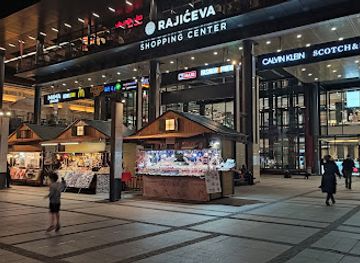
Rajićeva Shopping Center
Explore Rajićeva Shopping Center in Belgrade for a delightful mix of shopping, dining, and entertainment, all in one vibrant location.
-
Shopping mall
STOP SHOP Šabac
Explore STOP SHOP Šabac, a vibrant shopping mall offering a diverse range of local and international brands in the heart of Šabac.
-
Variety store
Samoposluga "Zora promet" Draginac
Discover the essence of Draginac at Samoposluga 'Zora promet', your go-to variety store for local treasures and everyday essentials.

Get your free copy of our complete guide to Mačva, delivered straight to you.
Everything on this page, from attractions and restaurants to essentials and local phrases, in one PDF you can read offline, print or share.
Already have an account? Sign in
Your Mačva guide is ready.
We'll send it to · Not you? Sign out

Getting your guide ready…
We are putting together a fresh copy of the Mačva guide. This can take up to a minute.
This can take a few moments. If your browser asks, choose Allow so the download can start. You'll find the guide in your Downloads folder.
Nothing happened? Download it again
Sorry, the guide is taking longer than usual. Please try again in a minute, or get it by email instead.
Mačva essentials
Currency and Payment
Safety
Emergency Situations
Do's and Don'ts
Local Tips
From Eve
Local phrases worth knowing
You don't need to get them perfect. A few words go a long way, and locals appreciate the effort.
Basics
| English | Local | Say it |
|---|---|---|
| Hello | Zdravo | [Zdra-vo] |
| Goodbye | Doviđenja | [Do-vi-đen-ya] |
| Yes | Da | [Da] |
| No | Ne | [Ne] |
| Please/You're welcome | Molim/ Nema na čemu | [Mo-lim/ Ne-ma na che-mu] |
| Thank you | Hvala | [Hva-la] |
| Excuse me/Sorry | Izvinite | [Iz-vi-ni-te] |
| How are you? | Kako si? | [Ka-ko si?] |
| Fine. And you? | Dobro. A ti? | [Do-bro. A ti?] |
| Do you speak English? | Da li govorite engleski? | [Da li go-vo-ri-te en-gles-ki?] |
| I don't understand | Ne razumem | [Ne ra-zu-mem] |
Eating & Drinking
| English | Local | Say it |
|---|---|---|
| I'd like to see the menu, please | Hteo bih da vidim meni, molim | [H-te-o bih da vi-dim me-ni, mo-lim] |
| I don't eat meat | Ne jedem meso | [Ne je-dem me-so] |
| Cheers! | Živeli! | [Zhi-ve-li] |
| I would like to pay, please | Hteo bih da platim, molim | [H-te-o bih da pla-tim, mo-lim] |
Emergencies
| English | Local | Say it |
|---|---|---|
| Help! | Upomoć! | [U-po-moć] |
| Go away! | Ode! | [O-de!] |
| Call the Police! | Pozovite policiju! | [Po-zo-vi-te po-li-ci-ju!] |
| Call a doctor! | Pozovite doktora! | [Po-zo-vi-te dok-to-ra!] |
| I'm lost | Izgubio sam se | [Iz-gu-bi-o sam se] |
| I'm ill | Bolestan sam | [Bo-les-tan sam] |
Shopping
| English | Local | Say it |
|---|---|---|
| I'd like to buy... | Hteo bih da kupim... | [H-te-o bih da ku-pim...] |
| I'm just looking | Samo gledam | [Sa-mo gle-dam] |
| How much is it? | Koliko to košta? | [Ko-li-ko to ko-shta?] |
| That's too expensive | To je preskupo | [To je pre-sku-po] |
| Can you lower the price? | Možete li smanjiti cenu? | [Mo-zhe-te li sma-nji-ti tse-nu?] |
Time & Numbers
| English | Local | Say it |
|---|---|---|
| What time is it? | Koliko je sati? | [Ko-li-ko je sa-ti?] |
| It's one o'clock | Jedan je čas | [Je-dan je chas] |
| Half past (10) | Pola (10) | [Po-la (10)] |
| Morning | Jutro | [Yu-tro] |
| Afternoon | Popodne | [Po-podne] |
| Evening | Veče | [Ve-che] |
| Yesterday | Juče | [Yu-che] |
| Today | Danas | [Da-nas] |
| Tomorrow | Sutra | [Su-tra] |
| 1 | Jedan | [Je-dan] |
| 2 | Dva | [Dva] |
| 3 | Tri | [Tri] |
| 4 | Četiri | [Che-ti-ri] |
| 5 | Pet | [Pet] |
| 6 | Šest | [Shest] |
| 7 | Sedam | [Se-dam] |
| 8 | Osam | [O-sam] |
| 9 | Devet | [De-vet] |
| 10 | Deset | [De-set] |
Transport & Directions
| English | Local | Say it |
|---|---|---|
| Where's a/the...? | Gde je...? | [Gde je...?] |
| What's the address? | Koja je adresa? | [Ko-ja je a-dre-sa?] |
| Can you show me (on the map)? | Možete li mi pokazati (na mapi)? | [Mo-zhe-te li mi po-ka-za-ti (na ma-pi)?] |
| When's the next (bus)? | Kada je sledeći (autobus)? | [Ka-da je sle-de-ći (au-to-bus)?] |
| A ticket (to ....) | Jedna karta (do ...) | [Jed-na kar-ta (do ...)] |
History of Mačva
Ancient Settlements and the Sava Frontier
Mačva’s position between the Sava and Drina placed it within the changing cultural and political zones of the central Balkans from prehistoric times onwards. Archaeological remains in the wider region record settlement, farming and movement along the river corridors, although many of the most prominent Roman centres associated with the Sava lie outside Mačva itself. The landscape’s strategic importance came less from a single great ancient city than from its role as a passage between the Pannonian plain, western Serbia and the Drina valley.
The Medieval Mačva District
During the Middle Ages, Mačva was a contested borderland between Serbian rulers and the Hungarian kingdom. The name became associated with the medieval Banate of Macsó, a frontier territory whose political control shifted over time. Settlements along the Sava and the routes towards the Drina were exposed to military pressure, while river crossings and fertile land gave the area continuing economic value. The medieval frontier legacy helps explain why fortifications and strategic towns became so important in later centuries.
Ottoman and Habsburg Frontier Rule
From the fifteenth century, Mačva was drawn into the Ottoman-Habsburg frontier system. Šabac developed around a strategically placed fortress on the Sava, and the settlement repeatedly changed in importance as imperial boundaries moved through the region. Military campaigns, garrisons, migration and agricultural recovery shaped local society. The frontier was not an empty security zone: villages cultivated the fertile plain, supplied armies and maintained connections across the rivers, even as war and political change periodically disrupted everyday life.
The First Serbian Uprising and the Battle of Mišar
Mačva played a significant role in the First Serbian Uprising against Ottoman rule. The Battle of Mišar, fought near Šabac in 1806, ended in a major Serbian victory over an Ottoman force and became an important episode in the development of modern Serbian statehood. The battlefield setting is now primarily remembered through the Mišar memorial complex and local historical interpretation. Šabac and the surrounding countryside also endured further fighting during the uprising, underlining the region’s strategic position between the Sava and the interior.
Nineteenth-Century Recovery and Agricultural Growth
After the establishment and consolidation of the autonomous Serbian principality, Mačva experienced more stable administration, population growth and economic development. Šabac expanded as a commercial and civic centre, while villages benefited from the cultivation of exceptionally fertile alluvial land. Roads, river transport and later rail connections strengthened links with Belgrade, the broader Serbian interior and neighbouring regions. Agriculture remained the foundation of local prosperity, but schools, public buildings, trade and municipal institutions gradually gave the region a more modern civic character.
The Battle of Cer, 1914
Mount Cer was the scene of the Battle of Cer in August 1914, during the opening phase of the First World War. Serbian forces defeated Austro-Hungarian troops in difficult fighting across the mountain and surrounding approaches. The engagement is widely remembered as the first major Allied victory of the war. The memorial complex at Tekeriš, on Cer, preserves the memory of those killed and provides historical context for the campaign. Cer’s wooded landscape therefore carries both natural value and exceptional significance in Serbian national history.
Twentieth-Century Transformation
The twentieth century brought war, displacement and reconstruction, followed by the expansion of public services, mechanised agriculture and industrial employment. Šabac became increasingly important as an administrative, educational and economic centre, while Mačva’s villages remained closely tied to farming and food production. The region’s contemporary identity reflects this combination: historic frontier landscapes and memorial sites coexist with modern roads, market towns, agricultural businesses and ordinary rural life. Population change and migration have also altered many villages, making preservation and sustainable development continuing concerns.
Mačva in Photos
Browse through our photo collection highlighting the charm and character of the destination.
Neighbouring regions of Mačva
The closest regions to Mačva, if you have time for more than one.
-

-

-

-

-


Swipe for more regions
Explore more

Explore more of Serbia
Discover Serbia: A Balkan treasure with rich history, stunning natural landscapes, and vibrant cities waiting to be explored.
Explore Serbia