

Free Podrinje Travel Guide & Mobile App
Explore Podrinje with free travel guides. Discover regional history, expert tips, proposed trips, and audio guides on web or mobile app.


Explore Podrinje in western Serbia for Drina landscapes, Tara forests, historic villages, spa heritage and river-based outdoor activities.
Read more about Podrinje
When is the best time to visit Podrinje?
Best: May–June, September · 23–27°C| Month | High (°C) | Rainfall (mm) |
|---|---|---|
| January | 4 | 40 |
| February | 6 | 45 |
| March | 13 | 50 |
| April | 17 | 55 |
| May (best) | 23 | 60 |
| June (best) | 27 | 65 |
| July | 29 | 60 |
| August | 29 | 55 |
| September (best) | 24 | 50 |
| October | 17 | 45 |
| November | 10 | 40 |
| December | 4 | 35 |
Getting to and around Podrinje
How to get there
Transportation
Destinations in Podrinje
Resorts, valleys and scenic spots worth a trip of their own.
-

-


Swipe for more destinations
Best attractions in Podrinje
Podrinje’s attractions are shaped by the Drina itself and by the contrast between lowland settlements and wooded uplands. In the lower valley, the village of Tršić offers a carefully preserved setting associated with Vuk Stefanović Karadžić, while nearby Loznica provides museums, town services and access to the surrounding countryside. Banja Koviljača combines mineral springs, landscaped parks and early resort architecture, and the Gučevo area adds forest walks and elevated views. Around Mali Zvornik and Ljubovija, reservoirs, riverbanks and wooded hills support fishing, boating and seasonal outdoor recreation. South of Bajina Bašta, Tara National Park provides marked walking routes, viewpoints, wildlife habitats and mountain landscapes dominated by forests, while Perućac Lake is a base for water-based activities. Rača Monastery adds a religious and literary dimension to the upper valley. The region is best experienced as a series of linked landscapes rather than as one concentrated attraction zone, with rural roads and changing terrain making slower travel part of the experience.
-
Tourist attraction
Tara National Park
Experience the breathtaking beauty and diverse wildlife of Tara National Park, Serbia's natural treasure, perfect for outdoor adventures and serene escapes.
-
Mountain peak
Tara
Discover the breathtaking beauty of Tara Mountain in Mokra Gora, Serbia, a haven for nature lovers and adventure seekers alike.
-
Cliff
Banjska Stena
Explore Banjska Stena, a stunning cliff in Rastište, Serbia, offering breathtaking views of the Drina River and surrounding landscapes.
-
Tourist attraction
Pridvorica Monastery
Experience the tranquility and rich history of Pridvorica Monastery in Vrmbaje, a serene sanctuary that invites spiritual reflection and cultural exploration.



Best landmarks in Podrinje
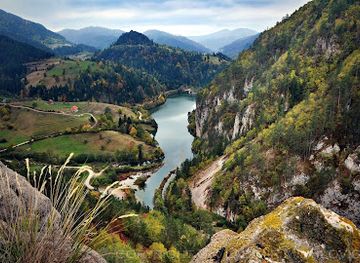
The Drina is Podrinje’s principal natural landmark, defining the region’s western edge and creating a succession of valley views, reservoirs and wooded gorges. Near Bajina Bašta, the small Drina River House, built on a rock in the river, has become a widely recognised image of the area, although river conditions and access should be respected when viewing it. Tara’s elevated viewpoints look across the Drina and Perućac Lake towards the mountains on the opposite bank, providing some of the region’s most distinctive landscapes. Rača Monastery, set in a wooded valley south of Bajina Bašta, is an important Serbian Orthodox landmark with medieval roots and a notable manuscript tradition. In the lower valley, the preserved buildings and rural layout of Tršić form a cultural landmark associated with Vuk Karadžić, while Banja Koviljača’s parkland villas and spa architecture represent the region’s early modern resort heritage. Together these places show how river geography, religious history, vernacular culture and twentieth-century tourism have shaped Podrinje’s visual identity.
-
Tourist attraction
Belgrade Fortress
Experience the historical grandeur and scenic beauty of Belgrade Fortress, a must-visit landmark at the heart of Serbia's capital.
-
 Tourist attraction
The Temple of Saint Sava
Discover the grandeur of the Temple of Saint Sava, the largest Orthodox church in the world, a testament to Serbian spirituality and architectural brilliance.
-
Tourist attraction
Kalemegdan
Discover the stunning views and rich history of Kalemegdan Fortress, Belgrade's iconic cultural landmark and city park.
-
Historical landmark
Republic Square
Discover Republic Square, Belgrade's vibrant hub of history and culture, where stunning architecture meets the lively spirit of the city.


Explore Podrinje on the map
Plan your trip on one map. See where the top cities, national parks and sights are, and book hotels and experiences in a few clicks.
Best hotels in Podrinje
Best restaurants in Podrinje
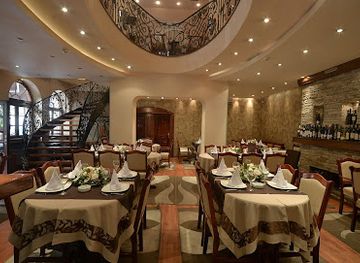
Dining in Podrinje is grounded in western Serbian home cooking, with grilled meats, roast dishes, beans, soups, seasonal vegetables, fresh salads, dairy products and breads appearing widely in town restaurants, rural inns and guesthouses. River fish is associated with the Drina and its reservoirs, although availability and preparation vary by season and establishment. Around Loznica and Banja Koviljača, cafés and restaurants serve everyday Serbian meals alongside pastries, coffee and regional fruit products; in the Tara and Bajina Bašta area, mountain accommodation often offers substantial traditional food suited to walkers and outdoor visitors. Look for local cheeses, smoked products, preserves, honey and fruit, particularly where farm shops or market stalls operate. Meals are generally more informal and regionally focused outside the main towns, while larger centres provide a broader choice of international dishes. Serbia’s customary drinks, including rakija and locally produced wines from the wider western Serbian area, may accompany meals, but visitors should ask about provenance rather than assuming every bottle is made in Podrinje.
-
Restaurant
Kalemegdanska terasa
Experience exquisite French cuisine at Kalemegdanska terasa with breathtaking views over Belgrade's historic landscapes.
-
Mediterranean
Mezestoran Dvoriste
Savor authentic Mediterranean flavors at Mezestoran Dvoriste in Belgrade - where tradition meets contemporary cuisine.
-
Restaurant
Ambar
Experience authentic Balkan flavors at Ambar in Belgrade - where tradition meets modern culinary artistry.
-
Restaurant
Restaurant Srbija (Serbia)
Experience the rich flavors of Serbia at Restaurant Srbija in Meljak – where tradition meets taste in every bite.


Best bars in Podrinje
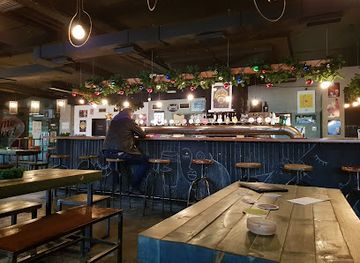
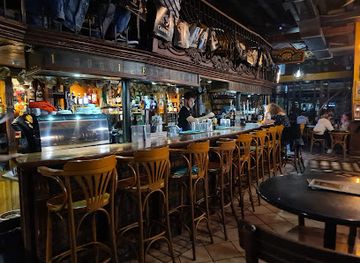
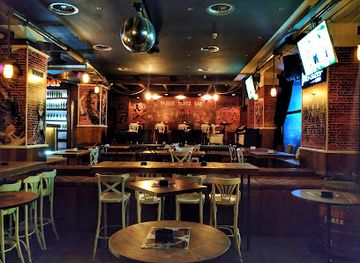
Evening life in Podrinje is modest and dispersed rather than centred on a major club scene. Loznica has the broadest choice of cafés, bars and late-evening restaurants, while Banja Koviljača adds a seasonal spa-resort atmosphere with promenades, cafés and hotel-based entertainment. In Mali Zvornik, Ljubovija and Bajina Bašta, evenings generally revolve around local cafés, traditional restaurants and occasional live music rather than large nightclubs. Riverside and mountain guesthouses may offer relaxed social spaces during the warmer months, but opening patterns can be seasonal and vary considerably. Traditional Serbian pubs and kafanas are useful places to experience local food, conversation and music without treating drinking as the main attraction. Visitors staying in rural areas should arrange transport in advance, as taxis and late public transport can be limited after evening services finish.
-
Pub
Samo Pivo
Discover the vibrant atmosphere and extensive beer selection at Samo Pivo, Belgrade's iconic pub for beer enthusiasts.
-
Pub
Gunners Pub
Experience the vibrant atmosphere and wide selection of craft beers at Gunners Pub in Belgrade, a must-visit for beer lovers.
-
Irish pub
The Three Carrots IRISH PUB
Experience the heart of Irish culture in Belgrade at The Three Carrots IRISH PUB, where delicious food and a lively atmosphere await.
-
Pub
Wurst Platz Bar
Dive into the lively atmosphere of Wurst Platz Bar in Belgrade, where delicious food, craft beers, and vibrant nightlife await you.
Best nightclubs in Podrinje
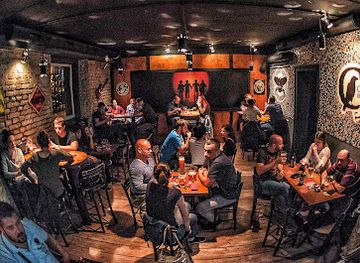
Evening life in Podrinje is modest and dispersed rather than centred on a major club scene. Loznica has the broadest choice of cafés, bars and late-evening restaurants, while Banja Koviljača adds a seasonal spa-resort atmosphere with promenades, cafés and hotel-based entertainment. In Mali Zvornik, Ljubovija and Bajina Bašta, evenings generally revolve around local cafés, traditional restaurants and occasional live music rather than large nightclubs. Riverside and mountain guesthouses may offer relaxed social spaces during the warmer months, but opening patterns can be seasonal and vary considerably. Traditional Serbian pubs and kafanas are useful places to experience local food, conversation and music without treating drinking as the main attraction. Visitors staying in rural areas should arrange transport in advance, as taxis and late public transport can be limited after evening services finish.
-
Night club
Backstage Belgrade
Dive into the vibrant nightlife of Belgrade at Backstage, where music and energy create an unforgettable clubbing experience.
-
Night club
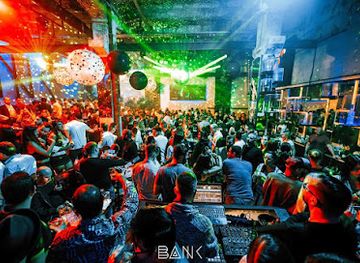
The BANK Club
Discover Belgrade's nightlife at The BANK Club, where music, dancing, and unforgettable experiences await every weekend.
-
Night club
Hype
Discover the electrifying nightlife of Belgrade at Hype Night Club, where music and dance come alive every weekend.
-
Night club
Dark Angels Gentlemen’s Club
Discover the vibrant nightlife of Belgrade at Dark Angels Gentlemen's Club, a premier destination for entertainment and upscale experiences.


Best shops in Podrinje
Shopping in Podrinje is concentrated in the high streets, food shops and markets of Loznica, Bajina Bašta, Mali Zvornik and Ljubovija rather than in large regional malls. Town markets are useful for seasonal fruit and vegetables, dairy products, honey, preserves and other everyday Serbian foods, although market days and stall availability vary. Around Tršić and the Tara area, visitors may find traditional-style souvenirs, carved wooden objects, textiles, ceramics and locally produced food, but quality and authenticity differ, so ask about origin before buying. Farm products from the surrounding countryside can include cheeses, smoked goods, rakija, jams and dried fruit. Banja Koviljača has the most recognisable resort-oriented retail character, with cafés, small shops and practical visitor services. For a more personal souvenir, choose a regional food product, a craft item or a book connected with Vuk Karadžić and Serbian language heritage rather than relying on generic tourist merchandise.
-
Shopping mall
UŠĆE Shopping Center
Explore UŠĆE Shopping Center in Belgrade, a shopping paradise with a mix of local and international brands, dining, and entertainment options.
-
Shopping mall
Delta City
Experience the vibrant shopping scene at Delta City, a premier destination for fashion, dining, and entertainment in Belgrade.
-
Shopping mall
BIG FASHION Beograd
Explore BIG FASHION Beograd, the ultimate shopping destination in Belgrade with a variety of stores, dining, and entertainment options for everyone.
-
Shopping mall
Galerija - Beograd
Experience shopping and entertainment like never before at Belgrade's Galerija, featuring diverse stores, dining, and vibrant events.


Get your free copy of our complete guide to Podrinje, delivered straight to you.
Everything on this page, from attractions and restaurants to essentials and local phrases, in one PDF you can read offline, print or share.
Already have an account? Sign in
Your Podrinje guide is ready.
We'll send it to · Not you? Sign out

Getting your guide ready…
We are putting together a fresh copy of the Podrinje guide. This can take up to a minute.
This can take a few moments. If your browser asks, choose Allow so the download can start. You'll find the guide in your Downloads folder.
Nothing happened? Download it again
Sorry, the guide is taking longer than usual. Please try again in a minute, or get it by email instead.
Podrinje essentials
Currency and Payment
Safety
Emergency Situations
Do's and Don'ts
Local Tips
From Eve
Local phrases worth knowing
You don't need to get them perfect. A few words go a long way, and locals appreciate the effort.
Basics
| English | Local | Say it |
|---|---|---|
| Hello | Zdravo | [Zdra-vo] |
| Goodbye | Doviđenja | [Do-vi-đen-ya] |
| Yes | Da | [Da] |
| No | Ne | [Ne] |
| Please/You're welcome | Molim/ Nema na čemu | [Mo-lim/ Ne-ma na che-mu] |
| Thank you | Hvala | [Hva-la] |
| Excuse me/Sorry | Izvinite | [Iz-vi-ni-te] |
| How are you? | Kako ste? | [Ka-ko ste?] |
| Fine. And you? | Dobro. A vi? | [Do-bro. A vi?] |
| Do you speak English? | Govoriš li engleski? | [Go-vo-rish li en-gles-ki?] |
| I don't understand | Ne razumem | [Ne ra-zu-mem] |
Eating & Drinking
| English | Local | Say it |
|---|---|---|
| I'd like to see the menu, please | Hteo bih da vidim meni, molim | [Hte-o bih da vi-dim me-ni, mo-lim] |
| I don't eat meat | Ne jedem meso | [Ne ye-dem me-so] |
| Cheers! | Živeli! | [Zhi-ve-li] |
| I would like to pay, please | Hteo bih da platim, molim | [Hte-o bih da pla-tim, mo-lim] |
Emergencies
| English | Local | Say it |
|---|---|---|
| Help! | Upomoć! | [U-po-moć] |
| Go away! | Ode! | [O-de] |
| Call the Police! | Pozovite policiju! | [Po-zo-vi-te po-li-ci-ju] |
| Call a doctor! | Pozovite doktora! | [Po-zo-vi-te dok-to-ra] |
| I'm lost | Izgubio sam se | [Iz-gu-bi-o sam se] |
| I'm ill | Bolestan sam | [Bo-le-stan sam] |
Shopping
| English | Local | Say it |
|---|---|---|
| I'd like to buy... | Hteo bih da kupim... | [Hte-o bih da ku-pim] |
| I'm just looking | Samo gledam | [Sa-mo gle-dam] |
| How much is it? | Koliko košta? | [Ko-li-ko koshta?] |
| That's too expensive | To je preskupo | [To ye pres-ku-po] |
| Can you lower the price? | Možeš li da spustiš cenu? | [Mo-zheš li da spus-tiš ce-nu?] |
Time & Numbers
| English | Local | Say it |
|---|---|---|
| What time is it? | Koliko je sati? | [Ko-li-ko ye sa-ti?] |
| It's one o'clock | Jedan je čas | [Je-dan ye chas] |
| Half past (10) | Polovinu (10) | [Po-lo-vi-nu (10)] |
| Morning | Jutro | [Yu-tro] |
| Afternoon | Popodne | [Po-pod-ne] |
| Evening | Veče | [Ve-che] |
| Yesterday | Juče | [Yu-che] |
| Today | Danas | [Da-nas] |
| Tomorrow | Sutra | [Su-tra] |
| 1 | Jedan | [Je-dan] |
| 2 | Dva | [Dva] |
| 3 | Tri | [Tri] |
| 4 | Četiri | [Che-ti-ri] |
| 5 | Pet | [Pet] |
| 6 | Šest | [Shest] |
| 7 | Sedam | [Se-dam] |
| 8 | Osam | [O-sam] |
| 9 | Devet | [De-vet] |
| 10 | Deset | [De-set] |
Transport & Directions
| English | Local | Say it |
|---|---|---|
| Where's a/the...? | Gde je...? | [Gde ye...?] |
| What's the address? | Koja je adresa? | [Ko-ja ye a-dre-sa?] |
| Can you show me (on the map)? | Možeš li da mi pokažeš (na mapi)? | [Mo-zheš li da mi po-ka-zhesh (na ma-pi)?] |
| When's the next (bus)? | Kada je sledeći (autobus)? | [Ka-da ye sle-de-ći (au-to-bus)?] |
| A ticket (to ....) | Jedna karta (do ...) | [Jed-na kar-ta (do ...)] |
History of Podrinje
Prehistoric and Roman Drina Corridor
The Drina valley has long connected the interior Balkans with routes towards the Sava and the western borderlands. Archaeological evidence from western Serbia records prehistoric settlement and later communities influenced by Celtic, Illyrian and Roman worlds. Under Roman rule, the wider region was linked to the province of Dalmatia and to riverine and overland communications across the western Balkans. The surviving archaeological record is more dispersed than at some of Serbia’s major Roman sites, but the valley’s strategic geography remained important: water, arable land, mineral resources and easier movement through otherwise hilly country encouraged repeated settlement.
Medieval Serbian Monastic Landscape
During the medieval period, the Drina basin lay close to important Serbian political and ecclesiastical centres. Monasteries became places of worship, learning, land management and artistic production, and their influence extended into the valley’s rural communities. Rača Monastery, near Bajina Bašta, is the region’s most prominent surviving religious monument. Although the present complex reflects rebuilding over time, its history reaches back to the medieval Serbian tradition and later became especially associated with the Rača school, a centre of manuscript copying and literary work during the Ottoman period.
Ottoman Frontier and Borderland Society
From the fifteenth century, the Drina increasingly functioned as a frontier between Ottoman territories and the lands governed by the Habsburgs and, later, the Serbian state. Fortified crossings, market settlements and changing administrative borders shaped life along the river. Population movements, religious institutions and trade all responded to the frontier’s fluctuating character. The legacy is visible less through a single preserved urban centre than through the region’s layered settlement pattern, religious heritage and enduring importance as a boundary and route between Serbia and Bosnia.
Nineteenth-Century Serbian Renewal
The Serbian uprisings and the creation of an autonomous Serbian state altered the political geography of the Drina valley during the nineteenth century. Towns such as Loznica and the surrounding settlements developed within a more securely organised Serbian administration, while agriculture, trade and local crafts remained central to the economy. This period also produced one of Podrinje’s most influential cultural figures, Vuk Stefanović Karadžić, born in Tršić in 1787. His reform of Serbian literary language and recording of oral traditions gave the village and the wider region an enduring place in Serbian cultural history.
Banja Koviljača and the Rise of Spa Tourism
The mineral springs at Banja Koviljača helped transform the settlement near Loznica into one of Serbia’s best-known spa resorts. Organised spa development expanded particularly during the nineteenth and early twentieth centuries, when medical bathing, park design and resort architecture became part of the town’s identity. The spa reflects a broader European fashion for health tourism, but its location beside the wooded Gučevo area and the lower Drina gives it a specifically Podrinje setting. Historic villas, landscaped spaces and therapeutic facilities remain important elements of the local townscape.
The Drina in the First World War
The Drina was a major military frontier during the First World War, when Austro-Hungarian and Serbian forces fought in the wider western Serbian borderlands in 1914. The nearby Battle of Cer, in the Mačva area west of the lower valley, and subsequent operations along the Drina formed part of the campaign that marked the opening of the war. Because battlefields and administrative boundaries do not always correspond to the cultural region of Podrinje, individual sites should be approached within their precise local geography. The conflict nevertheless left a deep regional memory.
Hydroelectric Development and Modern Podrinje
Twentieth-century engineering brought a new dimension to the Drina landscape. The Zvornik hydroelectric power station, completed in the 1950s, and later dams farther upstream altered water management, navigation, shorelines and patterns of settlement. Reservoirs such as Zvorničko Lake and Perućac Lake are now associated with fishing, boating and recreation as well as energy production. This transformation sits alongside the region’s older agricultural and monastic landscapes, illustrating how Podrinje has evolved from a frontier river valley into a mixed rural, industrial and tourism region within modern Serbia.
Podrinje in Photos
Browse through our photo collection highlighting the charm and character of the destination.
Neighbouring regions of Podrinje
The closest regions to Podrinje, if you have time for more than one.
-
-
-

-

-


Swipe for more regions
Explore more

Explore more of Serbia
Discover Serbia: A Balkan treasure with rich history, stunning natural landscapes, and vibrant cities waiting to be explored.
Explore Serbia