

Free Šumadija Travel Guide & Mobile App
Explore Šumadija with free travel guides. Discover regional history, expert tips, proposed trips, and audio guides on web or mobile app.


Discover the charm of Šumadija, Serbia's heartland, with its rich history, scenic landscapes, and exquisite wines.
Read more about Šumadija
When is the best time to visit Šumadija?
Best: May–June, September · 23–27°C| Month | High (°C) | Rainfall (mm) |
|---|---|---|
| January | 6 | 45 |
| February | 8 | 40 |
| March | 13 | 50 |
| April | 18 | 55 |
| May (best) | 23 | 65 |
| June (best) | 27 | 70 |
| July | 30 | 65 |
| August | 29 | 60 |
| September (best) | 25 | 55 |
| October | 18 | 50 |
| November | 10 | 45 |
| December | 6 | 50 |
Getting to and around Šumadija
How to get there
Transportation
Top city travel guides in Šumadija
The cities of Šumadija, and the easiest places to base yourself.
-

-

-

-

-


Swipe for more cities
Destinations in Šumadija
Resorts, valleys and scenic spots worth a trip of their own.

Swipe for more destinations
Best attractions in Šumadija
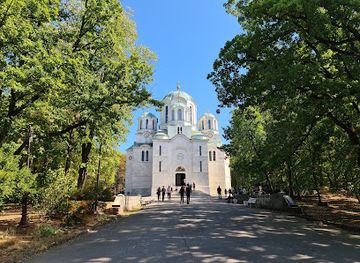
Nestled in the heart of Serbia, Šumadija beckons travelers with its lush, rolling landscapes, rich history, and vibrant culture. Visitors can explore the Oplenac Mausoleum, a stunning example of Serbian Orthodox architecture and the final resting place of the Karadjordjevic dynasty, or wander through the picturesque town of Topola, renowned for its historic vineyards and wineries. Adventure seekers can hike the pristine trails of the Rudnik mountain, while history buffs will revel in the stories told by the numerous medieval monasteries scattered throughout the region. The charming city of Kragujevac offers a glimpse into Serbia's industrial past with its fascinating museums and memorials. Šumadija's warm hospitality, traditional cuisine, and annual festivals celebrating everything from plum brandy to folklore make it a destination rich in both natural beauty and cultural heritage.
-
Orthodox church
Holy Martyr George
Discover the beauty and history of the Holy Martyr George Church in Topola, a stunning Serbian Orthodox landmark surrounded by breathtaking landscapes.
-
Monastery
Monastery Tresije
Explore the architectural beauty and spiritual serenity of Monastery Tresije in Sopot, a must-visit destination for culture enthusiasts.
-
Tourist attraction
Risovača Cave
Explore the enchanting Risovača Cave in Aranđelovac, a stunning natural attraction filled with breathtaking geological formations and rich history.
-
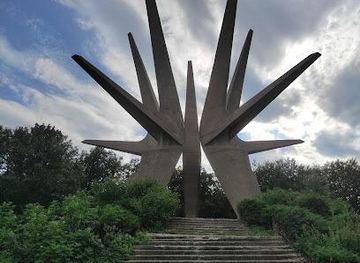
Mountain peak
Kosmaj
Explore the stunning Kosmaj Mountain Peak in Rogača, a natural gem of Serbia offering breathtaking views, rich history, and outdoor adventures.


Best landmarks in Šumadija
Šumadija, the heart of Serbia, offers a captivating blend of historical treasures and natural beauty, perfect for any traveler seeking an authentic experience. Marvel at the grandeur of the Oplenac Mausoleum in Topola, where the legacy of the Serbian royal family is enshrined in stunning mosaics. Wander through Kragujevac, the region's largest city, and immerse yourself in its poignant history at the Šumarice Memorial Park, commemorating the tragic events of World War II. Discover the lush landscapes of the Bukulja Mountain and the pristine waters of the Gruža Lake, ideal for outdoor enthusiasts. Don't miss the vibrant local culture in Aranđelovac, home to Bukovička Banja, a renowned spa resort with therapeutic mineral springs. Each landmark in Šumadija tells a story of resilience and tradition, inviting visitors to delve into Serbia's rich cultural tapestry.
-
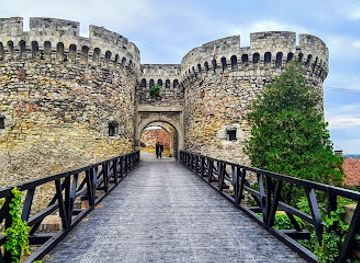
Fortress
Belgrade Fortress
Discover the rich history and breathtaking views at Belgrade Fortress, a must-visit destination in Serbia's vibrant capital.
-
 Orthodox church
The Temple of Saint Sava
Experience the grandeur of the Temple of Saint Sava in Belgrade, a stunning Orthodox church and a cultural landmark that embodies Serbian heritage.
-
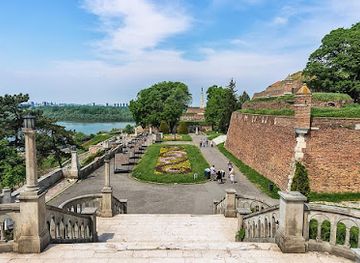
City park
Kalemegdan
Discover Kalemegdan, a historical fortress park in Belgrade offering panoramic views, cultural events, and a glimpse into Serbia's rich past.
-
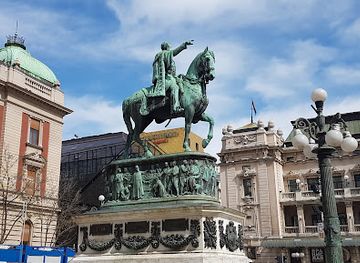
Historical landmark
Republic Square
Explore Republic Square, a vibrant historical landmark in Belgrade, where culture, history, and social life come together in a bustling atmosphere.
Explore Šumadija on the map
Plan your trip on one map. See where the top cities, national parks and sights are, and book hotels and experiences in a few clicks.
Best hotels in Šumadija
Best restaurants in Šumadija
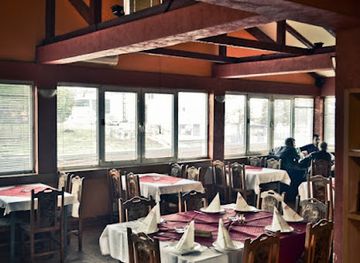
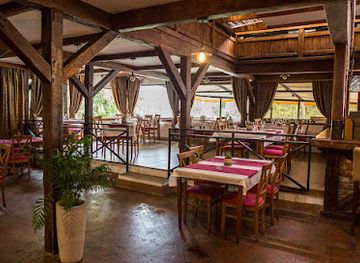
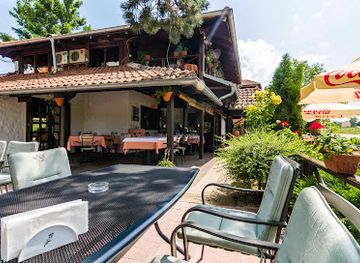
Šumadija's dining scene is a captivating blend of tradition and innovation, offering visitors a rich tapestry of flavors that reflect the heart of Serbian culture. Expect to indulge in hearty, rustic dishes like Karađorđeva šnicla (a breaded, stuffed pork or veal cutlet) and savory sarma (cabbage rolls), often served in charming, family-run konobas (taverns) where recipes have been passed down through generations. The region is also known for its vibrant market scenes, where you can sample fresh, locally-sourced produce and artisanal cheeses. Wine enthusiasts will be delighted by the local vineyards producing robust, full-bodied reds and crisp whites, perfect companions to the region’s meaty fare. Modern eateries are increasingly blending traditional Serbian ingredients with contemporary culinary techniques, creating a dynamic dining experience that is both nostalgic and cutting-edge. Whether dining al fresco amidst rolling vineyards or in a cozy, fire-lit tavern, Šumadija promises a culinary journey as rich and varied as its storied landscape.
-
Restaurant
Šumadija Gate
Experience authentic Serbian flavors at Šumadija Gate in Lapovo - where tradition meets taste.
-
Restaurant
Biblioteka kod Milutina
Experience authentic Serbian cuisine at Biblioteka kod Milutina, Kragujevac's favorite destination for delightful meals and warm hospitality.
-
Restaurant
Oranica Woodland
Discover authentic Serbian cuisine at Oranica Woodland in Kragujevac – where tradition meets vibrant nightlife.
-
Western
Restoran Mustang
Discover delicious Western cuisine at Restoran Mustang in Kragujevac – perfect for breakfast lovers seeking a cozy dining experience.

Best bars in Šumadija
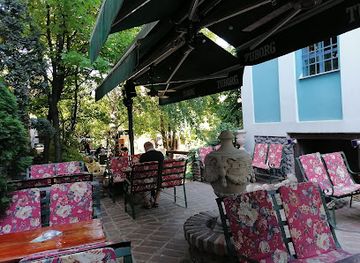
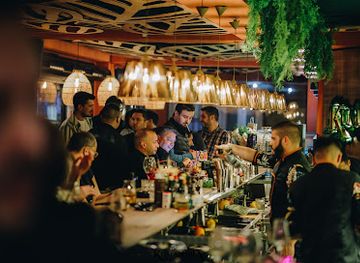
Šumadija's nightlife scene offers a vibrant mix of traditional Serbian culture and modern entertainment, perfect for visitors seeking a unique experience. In the heart of cities like Kragujevac and Aranđelovac, you'll find bustling bars and nightclubs where live Balkan music fills the air, inviting everyone to dance the traditional kolo or enjoy contemporary beats. Quaint taverns, known as kafanas, serve local wines and rakija, paired with delicious Serbian cuisine, providing an authentic atmosphere where locals and tourists mingle. For a more laid-back evening, cozy cafes and outdoor patios offer a relaxing ambiance where you can enjoy a drink under the stars, surrounded by the scenic beauty of the region. Whether you're looking to dance the night away or enjoy a quiet evening, Šumadija's nightlife has something to offer every traveler.
-
Pub
Kojekude
Experience the vibrant nightlife at Kojekude, a top pub in Aranđelovac known for its friendly atmosphere and extensive drink selection.
-
Restaurant
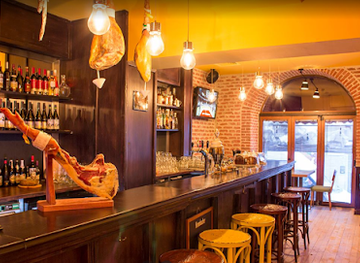
Tapas bar
Experience the rich flavors of Kragujevac at this charming tapas bar, perfect for sharing delightful dishes in a cozy atmosphere.
-
Cafe
Buena Vista
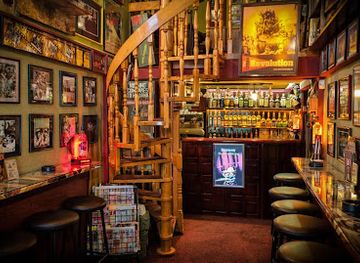
Discover the vibrant ambiance and delightful drinks at Buena Vista, Kragujevac's favorite cafe and cocktail bar.
-
Pub
Sputnik 1957
Experience the vibrant atmosphere and rich flavors of Serbian cuisine at Sputnik 1957 in Kragujevac.

Best nightclubs in Šumadija
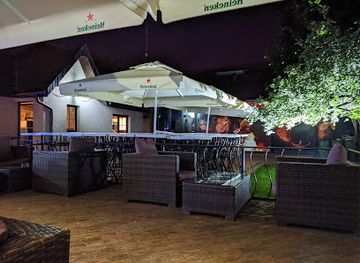
Šumadija's nightlife scene offers a vibrant mix of traditional Serbian culture and modern entertainment, perfect for visitors seeking a unique experience. In the heart of cities like Kragujevac and Aranđelovac, you'll find bustling bars and nightclubs where live Balkan music fills the air, inviting everyone to dance the traditional kolo or enjoy contemporary beats. Quaint taverns, known as kafanas, serve local wines and rakija, paired with delicious Serbian cuisine, providing an authentic atmosphere where locals and tourists mingle. For a more laid-back evening, cozy cafes and outdoor patios offer a relaxing ambiance where you can enjoy a drink under the stars, surrounded by the scenic beauty of the region. Whether you're looking to dance the night away or enjoy a quiet evening, Šumadija's nightlife has something to offer every traveler.
-
Disco club
Apis Klub - Jagodina
Discover the heart of Jagodina's nightlife at Apis Klub, the premier disco and night club for unforgettable dance experiences.
-
Bar
KUMANDRA
Experience the vibrant atmosphere of Kumandra, a lively bar in Kragujevac, Serbia, where great drinks and friendly vibes await.
-
Lounge
Cyberpunk Lounge Bar
Discover the futuristic charm of Cyberpunk Lounge Bar in Kragujevac, where neon lights and crafted cocktails create an unforgettable ambiance.
-
Lounge
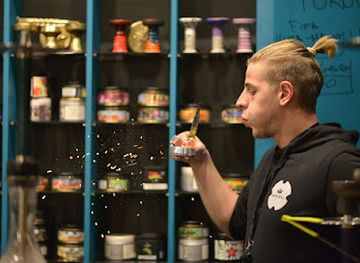
HookahPlace Kraljevo
Explore the vibrant atmosphere of HookahPlace Kraljevo, where flavorful hookahs and refreshing drinks create the perfect escape in the heart of the city.

Best shops in Šumadija
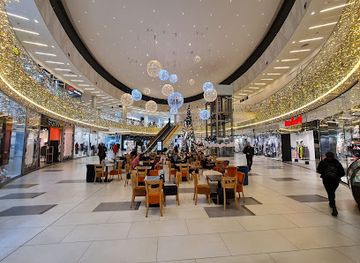
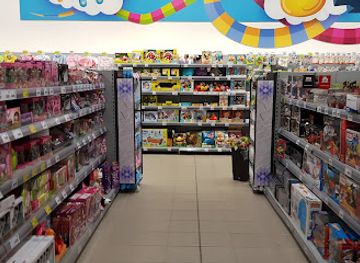
Šumadija's shopping scene is a delightful blend of tradition and modernity, offering visitors a unique experience that caters to all tastes. In the bustling heart of cities like Kragujevac and Aranđelovac, you'll find vibrant markets teeming with local artisans selling handcrafted goods, from intricate pottery and handwoven textiles to exquisite jewelry and traditional Serbian attire. These markets are not just shopping venues but cultural hubs where you can immerse yourself in the region's rich heritage. For those seeking modern retail therapy, Šumadija's shopping malls and boutique stores offer a variety of international brands and contemporary fashion. Additionally, the area's numerous wineries and gourmet shops provide an opportunity to indulge in local delicacies, including world-renowned Serbian wines and rakija. Whether you're hunting for a unique souvenir or simply soaking in the local culture, Šumadija's shopping scene promises an unforgettable experience.
-
Shopping mall
BIG FASHION Kragujevac
Discover the ultimate shopping experience at BIG FASHION Kragujevac, where fashion meets entertainment in a vibrant atmosphere.
-
Shopping mall
RODA
Explore RODA in Kragujevac: A vibrant shopping mall offering a blend of local charm and modern retail experiences.
-
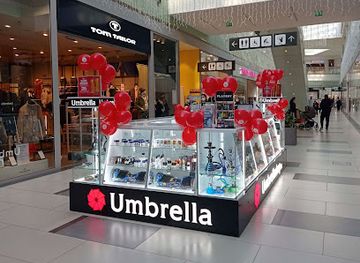
Vaporizer store
Vape Shop Umbrella Elektronske Cigarete Big Fashion Kragujevac
Explore Kragujevac's premier vaporizer and hookah shop, offering a wide range of products for every vaping enthusiast.
-
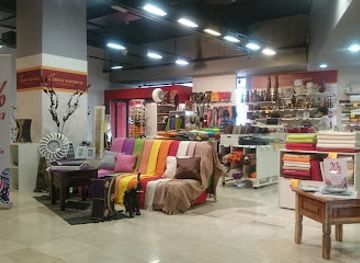
Department store
Department store Kragujevcanka
Explore the vibrant Kragujevcanka Department Store in Kragujevac, where local charm meets modern shopping convenience.
Get your free copy of our complete guide to Šumadija, delivered straight to you.
Everything on this page, from attractions and restaurants to essentials and local phrases, in one PDF you can read offline, print or share.
Already have an account? Sign in
Your Šumadija guide is ready.
We'll send it to · Not you? Sign out

Getting your guide ready…
We are putting together a fresh copy of the Šumadija guide. This can take up to a minute.
This can take a few moments. If your browser asks, choose Allow so the download can start. You'll find the guide in your Downloads folder.
Nothing happened? Download it again
Sorry, the guide is taking longer than usual. Please try again in a minute, or get it by email instead.
Šumadija essentials
Currency and Payment
Safety
Emergency Situations
Do's and Don'ts
Local Tips
From Eve
Local phrases worth knowing
You don't need to get them perfect. A few words go a long way, and locals appreciate the effort.
Basics
| English | Local | Say it |
|---|---|---|
| Hello | Zdravo | [Zdra-vo] |
| Goodbye | Doviđenja | [Dovi-dje-nja] |
| Yes | Da | [Da] |
| No | Ne | [Ne] |
| Please/You're welcome | Molim | [Mo-lim] |
| Thank you | Hvala | [Hva-la] |
| Excuse me/Sorry | Izvinite | [Iz-vi-ni-te] |
| How are you? | Kako si? | [Ka-ko si] |
| Fine. And you? | Dobro. A ti? | [Do-bro. A ti] |
| Do you speak English? | Da li govoriš engleski? | [Da li go-vo-rish eng-les-ki] |
| I don't understand | Ne razumem | [Ne ra-zu-mem] |
Eating & Drinking
| English | Local | Say it |
|---|---|---|
| I'd like to see the menu, please | Hteo bih da vidim meni, molim | [H-te-o bih da vi-dim me-ni, mo-lim] |
| I don't eat meat | Ne jedem meso | [Ne je-dem me-so] |
| Cheers! | Živeli! | [Zhi-ve-li] |
| I would like to pay, please | Hteo bih da platim, molim | [H-te-o bih da pla-tim, mo-lim] |
Emergencies
| English | Local | Say it |
|---|---|---|
| Help! | Upomoć! | [U-po-moć] |
| Go away! | Odlazi! | [Od-la-zi] |
| Call the Police! | Pozovite policiju! | [Po-zo-vi-te po-li-ci-ju] |
| Call a doctor! | Pozovite doktora! | [Po-zo-vi-te dok-to-ra] |
| I'm lost | Izgubio sam se | [Iz-gu-bi-o sam se] |
| I'm ill | Bolestan sam | [Bo-le-stan sam] |
Shopping
| English | Local | Say it |
|---|---|---|
| I'd like to buy... | Hteo bih da kupim... | [H-te-o bih da ku-pim] |
| I'm just looking | Samo gledam | [Sa-mo gle-dam] |
| How much is it? | Koliko košta? | [Ko-li-ko ko-sh-ta] |
| That's too expensive | To je preskupo | [To je pre-sku-po] |
| Can you lower the price? | Možeš li da spustiš cenu? | [Mo-zheš li da spus-tiš ce-nu] |
Time & Numbers
| English | Local | Say it |
|---|---|---|
| What time is it? | Koliko je sati? | [Ko-li-ko je sa-ti] |
| It's one o'clock | Jedan je sat | [Je-dan je sat] |
| Half past (10) | Pola (10) | [Po-la (10)] |
| Morning | Jutro | [Ju-tro] |
| Afternoon | Popodne | [Po-po-dne] |
| Evening | Veče | [Ve-che] |
| Yesterday | Juče | [Ju-che] |
| Today | Danas | [Da-nas] |
| Tomorrow | Sutra | [Su-tra] |
| 1 | Jedan | [Je-dan] |
| 2 | Dva | [Dva] |
| 3 | Tri | [Tri] |
| 4 | Četiri | [Che-ti-ri] |
| 5 | Pet | [Pet] |
| 6 | Šest | [Shest] |
| 7 | Sedam | [Se-dam] |
| 8 | Osam | [O-sam] |
| 9 | Devet | [De-vet] |
| 10 | Deset | [De-set] |
Transport & Directions
| English | Local | Say it |
|---|---|---|
| Where's a/the...? | Gde je...? | [Gde je] |
| What's the address? | Koja je adresa? | [Ko-ja je a-dre-sa] |
| Can you show me (on the map)? | Možeš li mi pokazati (na mapi)? | [Mo-zheš li mi po-ka-za-ti (na ma-pi)] |
| When's the next (bus)? | Kada je sledeći (autobus)? | [Ka-da je sle-de-ći (au-to-bus)] |
| A ticket (to ....) | Jedna karta (do ...) | [Jed-na kar-ta (do ...)] |
History of Šumadija
The Heartland of Serbian Uprisings
Šumadija holds a special place in Serbian history as the birthplace of the First and Second Serbian Uprisings against Ottoman rule. In 1804, Karađorđe Petrović led the First Serbian Uprising from the village of Orašac, which marked the beginning of the modern Serbian state. The Second Uprising, led by Miloš Obrenović in 1815, started in Takovo, another significant village in Šumadija. These events set the stage for Serbia's eventual independence.
The Battle of Mišar
One of the pivotal battles during the First Serbian Uprising occurred near the village of Mišar in 1806. The Serbian forces, led by Karađorđe, achieved a decisive victory against the Ottoman army. This battle boosted the morale of the Serbian revolutionaries and was crucial in establishing control over central Serbia.
Cultural and Economic Hub in the 19th Century
Throughout the 19th century, Šumadija became an important cultural and economic center in Serbia. The establishment of Kragujevac as the first capital of modern Serbia in 1818 marked the beginning of this era. The city hosted Serbia's first high school, university, and printing press, playing a central role in the country's cultural and educational development.
The Founding of the Military Technical Institute
In 1853, the Military Technical Institute was founded in Kragujevac, making it the industrial heart of Serbia. The institute was crucial for the development of the Serbian military and industry, producing weapons and other military equipment. It remains a significant historical landmark in Šumadija.
World War I and the Battle of Kolubara
Šumadija was a significant theater of conflict during World War I. The Battle of Kolubara, fought in late 1914, saw the Serbian army successfully repel the Austro-Hungarian forces. This victory was crucial for the preservation of the Serbian state during the early stages of the war.
Post-War Recovery and Modern Development
After the devastation of the World Wars, Šumadija underwent a period of recovery and modernization. Kragujevac, in particular, became an industrial powerhouse, known for its automotive and manufacturing industries. The region has continued to develop, balancing its rich historical heritage with modern advancements.
Rich Folk Traditions and Festivals
Šumadija is renowned for its vibrant folk traditions, including music, dance, and festivals. The region hosts numerous cultural events, such as the Šumadija Fair and various folklore festivals, which celebrate traditional Serbian culture and provide a glimpse into the local way of life.
Natural Beauty and Wine Production
Beyond its historical significance, Šumadija is also known for its natural beauty and wine production. The rolling hills and fertile land make it an ideal location for vineyards. The region's wineries produce some of Serbia's finest wines, attracting oenophiles and tourists alike.
Šumadija in Photos
Browse through our photo collection highlighting the charm and character of the destination.
Neighbouring regions of Šumadija
The closest regions to Šumadija, if you have time for more than one.
-

-

-

-

-


Swipe for more regions
Explore more

Explore more of Serbia
Discover Serbia: A Balkan treasure with rich history, stunning natural landscapes, and vibrant cities waiting to be explored.
Explore Serbia