

Free Srem Travel Guide & Mobile App
Explore Srem with free travel guides. Discover regional history, expert tips, proposed trips, and audio guides on web or mobile app.


Explore Srem in Serbia for Roman ruins, Fruška Gora monasteries, vineyards, wetlands and the river landscapes of the Pannonian plain.
Read more about Srem
When is the best time to visit Srem?
Best: June–August · 24–26°C| Month | High (°C) | Rainfall (mm) |
|---|---|---|
| January | 3 | 45 |
| February | 6 | 40 |
| March | 11 | 45 |
| April | 15 | 50 |
| May | 20 | 60 |
| June (best) | 24 | 65 |
| July (best) | 26 | 60 |
| August (best) | 26 | 55 |
| September | 22 | 50 |
| October | 17 | 45 |
| November | 10 | 50 |
| December | 5 | 45 |
Getting to and around Srem
How to get there
Transportation
Top city travel guides in Srem
The cities of Srem, and the easiest places to base yourself.
-

-

-

-


Swipe for more cities
Destinations in Srem
Resorts, valleys and scenic spots worth a trip of their own.
-

-


Swipe for more destinations
Best attractions in Srem
Srem's attractions combine archaeology, religious heritage, nature and rural food culture. In Sremska Mitrovica, the remains of Roman Sirmium provide the region's most important archaeological experience, with excavated structures and museum displays revealing the scale of the ancient city. Fruška Gora National Park offers forest walks, cycling roads, picnic areas, viewpoints and access to a celebrated chain of Serbian Orthodox monasteries. The monasteries differ in architecture, setting and artistic decoration, so visiting several gives a fuller understanding of the mountain's history. Around Irig and neighbouring villages, wineries and vineyards provide tastings and an introduction to Srem's long agricultural tradition. Pećinci municipality contains Obedska Bara, a substantial wetland of reed beds, channels and woodland valued for birdlife and quiet nature walks. Market towns, village churches, local museums and seasonal cultural events add human dimension to the landscape, while the Sava and Danube margins offer opportunities for birdwatching and informal riverside exploring rather than heavily developed resort tourism.
-
Orthodox church
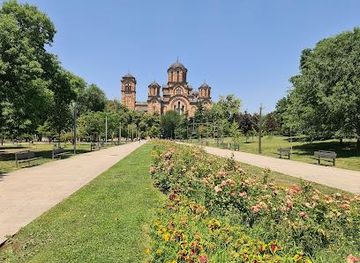
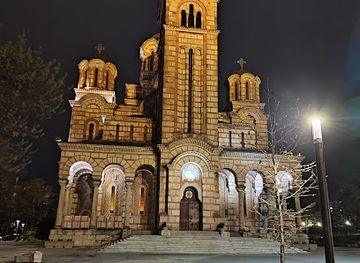
The Temple of Saint Sava
Explore the Temple of Saint Sava in Belgrade, a breathtaking Orthodox cathedral and a symbol of Serbia's rich cultural and religious heritage.
-
City park
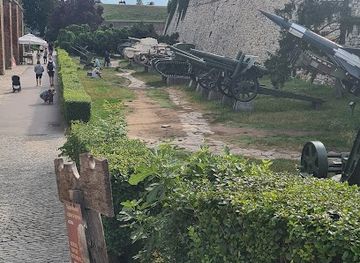
Kalemegdan
Explore Kalemegdan, a historical fortress and city park in Belgrade, offering breathtaking views, rich history, and vibrant cultural experiences.
-
Zoo
Belgrade Zoo
Explore Belgrade Zoo, a captivating wildlife sanctuary in Kalemegdan Park, home to over 2,000 animals and dedicated to conservation and education.
-
Park
Tasmajdan | Sportsko rekreativni centar | Park
Discover Tasmajdan Park in Belgrade – a lush recreational haven perfect for relaxation, sports, and cultural experiences amidst nature.


Best landmarks in Srem
The foremost historic landmark in Srem is the archaeological zone of Sirmium beneath and around Sremska Mitrovica, the Roman city whose imperial status is reflected in surviving architectural remains and mosaics. Fruška Gora's monasteries form a dispersed religious landscape rather than a single monument; the churches at Krušedol, Novo Hopovo, Šišatovac, Beočin and other sites preserve centuries of Serbian Orthodox architecture, fresco painting and monastic tradition. Their wooded settings are as important to the region's identity as their buildings. Irig's old town and surrounding vineyard slopes represent Srem's wine-growing heritage, while Ruma's historic streets reflect the planned market-town development of the Habsburg period. Obedska Bara is a natural landmark of a different kind: its marshes, channels and low woodland embody the surviving wetland character of the Sava plain and provide a striking contrast to the cultivated fields and vineyards elsewhere in the region.
-
Fortress
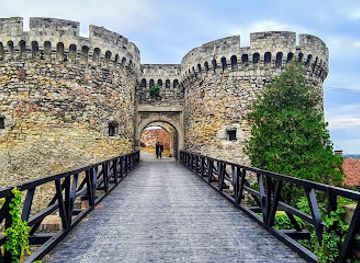
Belgrade Fortress
Discover the rich history and stunning views of Belgrade Fortress, a captivating blend of ancient architecture and picturesque landscapes.
-
City park
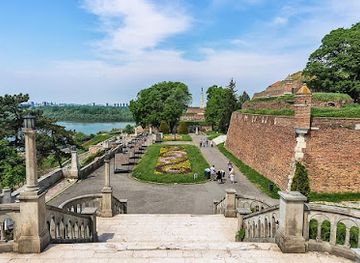
Kalemegdan
Explore Kalemegdan, a historic fortress and scenic park in Belgrade, where history, culture, and breathtaking views come together.
-
Historical landmark
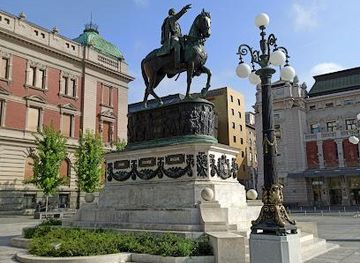
Republic Square
Explore the vibrant Republic Square in Belgrade, a historic landmark brimming with culture, architecture, and lively social scenes.
-
Park
Tasmajdan | Sportsko rekreativni centar | Park
Discover Tasmajdan Park in Belgrade, a lush recreational center perfect for relaxation, sports, and cultural events amidst nature's beauty.
Explore Srem on the map
Plan your trip on one map. See where the top cities, national parks and sights are, and book hotels and experiences in a few clicks.
Best hotels in Srem
Best restaurants in Srem
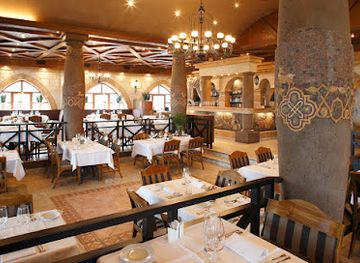
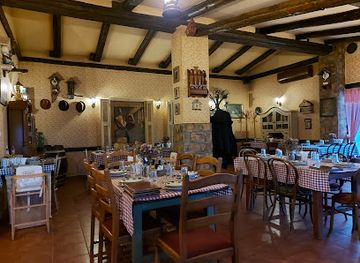
Srem's food reflects the agricultural abundance and mixed cultural history of Vojvodina. Town restaurants and traditional inns serve paprika-rich stews, soups, roasted meats, freshwater fish, seasonal vegetables, handmade pasta and breads, while smoked pork products and preserves are common in rural households. Wine is especially associated with the Fruška Gora slopes and Irig, where cellar visits may be paired with local cheeses, cured meats and savoury pastries. Along the Sava, fish dishes can appear on menus, although availability depends on the season and establishment. Cafés in Sremska Mitrovica, Ruma and other larger towns provide coffee, cakes and lighter meals, while rural wineries and households often offer pre-arranged menus rather than an open restaurant service. Visitors should distinguish traditional regional cooking from dishes shared across wider Serbian and Pannonian cuisine; Srem's strongest culinary identity lies in the combination of fertile farmland, home preservation, village hospitality and wine-growing.
-
Serbian
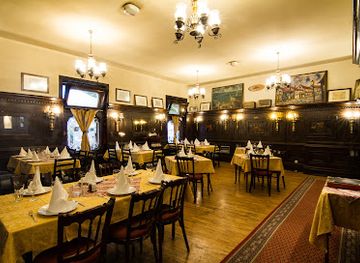
Dva Jelena
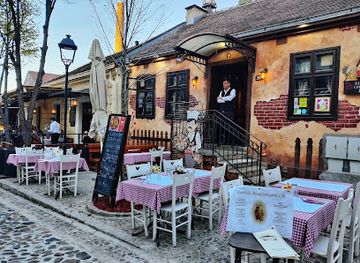
Experience authentic Serbian cuisine at Dva Jelena in Belgrade's historic Skadarlija district – where tradition meets flavor.
-
Restaurant
Pasent
Experience the best of Serbian cuisine at Pasent in Sremski Karlovci – where tradition meets modernity.
-
Restaurant
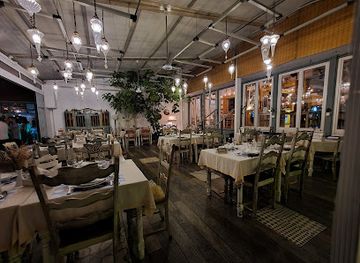
Kalemegdanska terasa
Experience exquisite French cuisine with breathtaking views at Kalemegdanska terasa in Belgrade.
-
Restaurant
Stojšić Salaš
Discover Stojšić Salaš: A haven for authentic Serbian flavors and warm hospitality amidst beautiful countryside views.
Best bars in Srem
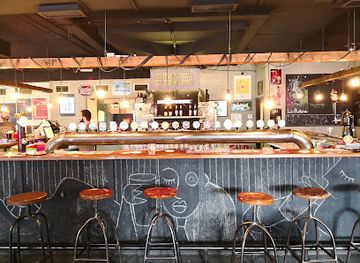
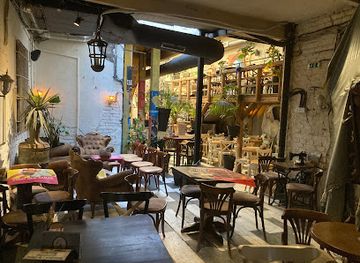
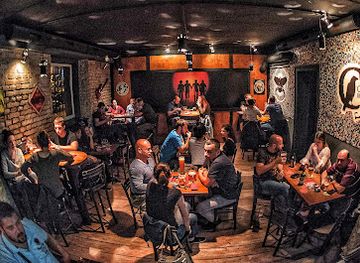
Evening life in Srem is generally social and relaxed rather than centred on a large club scene. Sremska Mitrovica, Ruma, Inđija and Stara Pazova have the broadest choice of cafés, bars, restaurants and occasional live-music venues, with activity usually concentrated around central streets and squares. Traditional cafés and pubs are suitable for coffee, beer, rakija or conversation, while wineries around Fruška Gora offer tastings and evening gatherings, often by prior arrangement. Smaller towns and villages tend to quieten earlier, although local celebrations and restaurant events can bring a livelier atmosphere at particular times of year. Visitors should not assume that rural wine culture means continuous nightlife: many cellar experiences are planned tastings, and transport back to town may be limited. Check current arrangements locally, especially outside the main urban centres.
-
Pub
Samo Pivo
Experience Belgrade's vibrant pub scene at Samo Pivo, where local craft beers meet lively ambiance in a historic setting.
-
Bar
Kafe Bar Blaznavac
Explore Kafe Bar Blaznavac in Belgrade: a perfect blend of art, relaxation, and delightful beverages in a cozy atmosphere.
-
Pub
Gunners Pub
Experience the vibrant atmosphere of Gunners Pub in Belgrade, where beer lovers gather for local brews, tasty snacks, and socializing in a lively setting.
-
Cocktail bar
Red bar
Discover the lively Red Bar in Belgrade, where exceptional cocktails and a vibrant atmosphere create the perfect nightlife experience.
Best nightclubs in Srem
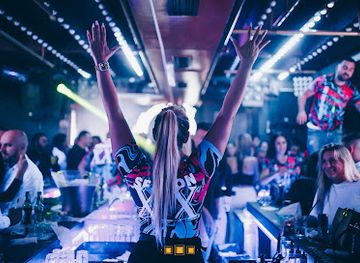
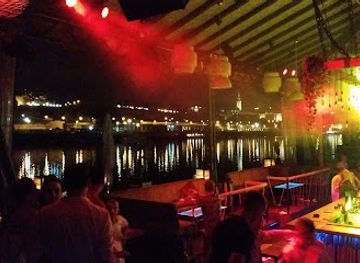
Evening life in Srem is generally social and relaxed rather than centred on a large club scene. Sremska Mitrovica, Ruma, Inđija and Stara Pazova have the broadest choice of cafés, bars, restaurants and occasional live-music venues, with activity usually concentrated around central streets and squares. Traditional cafés and pubs are suitable for coffee, beer, rakija or conversation, while wineries around Fruška Gora offer tastings and evening gatherings, often by prior arrangement. Smaller towns and villages tend to quieten earlier, although local celebrations and restaurant events can bring a livelier atmosphere at particular times of year. Visitors should not assume that rural wine culture means continuous nightlife: many cellar experiences are planned tastings, and transport back to town may be limited. Check current arrangements locally, especially outside the main urban centres.
-
Live Music
Club Fest
Experience the vibrant energy of Belgrade's nightlife at Club Fest, where live music and unforgettable moments come alive.
-
Night club
Mr Stefan Braun
Discover the pulse of Belgrade's nightlife at Mr Stefan Braun, where music, dance, and unforgettable experiences await every night.
-
Night club
Shake'n'Shake
Experience the vibrant nightlife at Shake'n'Shake, a premier night club and gastropub in New Belgrade, offering delicious Mexican cuisine and crafted cocktails.
-
Night club
TAG NightClub
Dive into the vibrant nightlife of Belgrade at TAG NightClub, where music, dance, and unforgettable experiences await you.


Best shops in Srem
Shopping in Srem focuses on useful local produce, food traditions and small-town commerce rather than large-scale luxury retail. Sremska Mitrovica, Ruma, Inđija and Stara Pazova have conventional high streets, supermarkets, cafés and independent shops, while village markets are useful for seasonal fruit, vegetables, honey, preserves, baked goods and homemade dairy products. Around Fruška Gora and Irig, visitors can look for bottled wine, fruit brandy, jams and other products sold directly by producers, checking labelling and transport arrangements when buying larger quantities. Craft and souvenir choices may include religious items connected with monastery visits, ceramics, embroidered textiles and locally made food gifts, though selection varies considerably. For a more typically Serbian market experience, visit early and carry cash; small producers may not accept cards. Temporary stalls and seasonal fairs change, so local tourist offices and accommodation hosts are the best guides to current market days.
-
Shopping mall
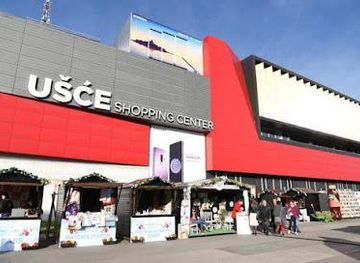
UŠĆE Shopping Center
Explore UŠĆE Shopping Center: Belgrade's top destination for shopping, dining, and entertainment, offering a unique blend of local and international experiences.
-
Shopping mall
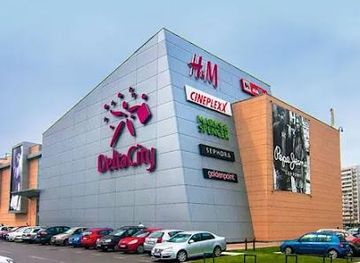
Delta City
Discover Delta City, Belgrade's premier shopping mall, where retail, dining, and entertainment come together for an unforgettable experience.
-
Shopping mall
BIG FASHION Beograd
Discover the vibrant shopping scene at BIG FASHION Beograd, where fashion, dining, and entertainment come together in one exciting destination.
-
Shopping mall
Rajićeva Shopping Center
Explore Rajićeva Shopping Center in Belgrade for a unique blend of shopping, dining, and entertainment in a vibrant atmosphere.
Get your free copy of our complete guide to Srem, delivered straight to you.
Everything on this page, from attractions and restaurants to essentials and local phrases, in one PDF you can read offline, print or share.
Already have an account? Sign in
Your Srem guide is ready.
We'll send it to · Not you? Sign out

Getting your guide ready…
We are putting together a fresh copy of the Srem guide. This can take up to a minute.
This can take a few moments. If your browser asks, choose Allow so the download can start. You'll find the guide in your Downloads folder.
Nothing happened? Download it again
Sorry, the guide is taking longer than usual. Please try again in a minute, or get it by email instead.
Srem essentials
Currency and Payment
Safety
Emergency Situations
Do's and Don'ts
Local Tips
From Eve
Local phrases worth knowing
You don't need to get them perfect. A few words go a long way, and locals appreciate the effort.
Basics
| English | Local | Say it |
|---|---|---|
| Hello | Zdravo | [Zdra-vo] |
| Goodbye | Doviđenja | [Dovi-đen-ya] |
| Yes | Da | [Dah] |
| No | Ne | [Neh] |
| Please/You're welcome | Molim/ Nema na čemu | [Mo-leem/ Ne-ma na che-moo] |
| Thank you | Hvala | [Hva-la] |
| Excuse me/Sorry | Izvinite | [I-zvee-nee-te] |
| How are you? | Kako si? | [Ka-ko si?] |
| Fine. And you? | Dobro. A ti? | [Do-bro. A ti?] |
| Do you speak English? | Da li govorite engleski? | [Da li go-vo-ree-te en-gles-ki?] |
| I don't understand | Ne razumem | [Ne ra-zu-mem] |
Eating & Drinking
| English | Local | Say it |
|---|---|---|
| I'd like to see the menu, please | Hteo bih da vidim meni, molim | [H-te-o bih da vi-dim me-ni, mo-leem] |
| I don't eat meat | Ne jedem meso | [Ne ye-dem me-so] |
| Cheers! | Živeli! | [Zhee-ve-li] |
| I would like to pay, please | Hteo bih da platim, molim | [H-te-o bih da pla-tim, mo-leem] |
Emergencies
| English | Local | Say it |
|---|---|---|
| Help! | Upomoć! | [U-po-moć] |
| Go away! | Odlazi! | [Od-la-zi] |
| Call the Police! | Pozovite policiju! | [Po-zo-vi-te po-li-ci-ju] |
| Call a doctor! | Pozovite doktora! | [Po-zo-vi-te dok-to-ra] |
| I'm lost | Izgubio sam se | [Iz-gu-bi-o sam se] |
| I'm ill | Bolestan sam | [Bo-le-stan sam] |
Shopping
| English | Local | Say it |
|---|---|---|
| I'd like to buy... | Hteo bih da kupim... | [H-te-o bih da ku-pim] |
| I'm just looking | Samo gledam | [Sa-mo gleda-m] |
| How much is it? | Koliko košta? | [Ko-li-ko koshta?] |
| That's too expensive | To je preskupo | [To ye pre-sku-po] |
| Can you lower the price? | Možete li smanjiti cenu? | [Mo-zhe-te li sma-ny-ti tse-nu?] |
Time & Numbers
| English | Local | Say it |
|---|---|---|
| What time is it? | Koliko je sati? | [Ko-li-ko ye sa-ti?] |
| It's one o'clock | Jedan je sat | [Ye-dan ye sat] |
| Half past (10) | Pola (10) | [Po-la (10)] |
| Morning | Jutro | [Yu-tro] |
| Afternoon | Popodne | [Po-pod-ne] |
| Evening | Veče | [Ve-che] |
| Yesterday | Juče | [Yu-che] |
| Today | Danas | [Da-nas] |
| Tomorrow | Sutra | [Su-tra] |
| 1 | Jedan | [Ye-dan] |
| 2 | Dva | [Dva] |
| 3 | Tri | [Tri] |
| 4 | Četiri | [Che-ti-ri] |
| 5 | Pet | [Pet] |
| 6 | Šest | [Shest] |
| 7 | Sedam | [Se-dam] |
| 8 | Osam | [O-sam] |
| 9 | Devet | [De-vet] |
| 10 | Deset | [De-set] |
Transport & Directions
| English | Local | Say it |
|---|---|---|
| Where's a/the...? | Gde je...? | [Gde ye...?] |
| What's the address? | Koja je adresa? | [Ko-ya ye a-dre-sa?] |
| Can you show me (on the map)? | Možete li mi pokazati (na mapi)? | [Mo-zhe-te li mi po-ka-za-ti (na ma-pi)?] |
| When's the next (bus)? | Kada je sledeći (autobus)? | [Ka-da ye sle-de-ći (au-to-bus)?] |
| A ticket (to ....) | Jedna karta (do....) | [Yed-na kar-ta (do....)] |
History of Srem
Prehistoric and Early Iron Age Srem
Srem's fertile river terraces and access to the Danube and Sava attracted settled communities long before the Roman period. Archaeological sites across the plain record Neolithic farming cultures, Bronze Age activity and Iron Age settlements connected to wider networks in the Pannonian basin. The landscape's value lay in its productive soils, waterways and position between the Balkans and central Europe. Although many remains are not arranged as large visitor monuments, museums and archaeological collections in the region provide evidence of several millennia of settlement and exchange.
Roman Sirmium and the Imperial Frontier
The modern city of Sremska Mitrovica stands over Sirmium, a major Roman settlement on the Sava. It developed into a military, administrative and commercial centre and became one of the empire's imperial residences during the later Roman period. Several emperors were associated with Sirmium, and the city played an important role in the administration and defence of the Danubian provinces. Archaeological remains, including streets, buildings and mosaics, reflect its urban importance before successive invasions and political changes transformed the region.
Medieval Borderlands and Monastic Foundations
During the medieval period, Srem lay between competing political powers and was influenced by the medieval Hungarian kingdom, Serbian rulers and later Ottoman expansion. The slopes and valleys of Fruška Gora became an important centre of Serbian Orthodox monastic life, particularly from the fifteenth century onwards, when monasteries offered places of worship, manuscript production and refuge. Their churches, frescoes and treasuries preserve a major part of the region's cultural heritage, although many buildings were rebuilt after war, fire and earthquake.
Ottoman Rule and Habsburg Recovery
Much of Srem came under Ottoman rule in the sixteenth century, becoming part of a frontier zone marked by military pressure, population movement and changing systems of land administration. Habsburg control expanded after the Ottoman-Habsburg wars, and the eighteenth century brought new settlements, agricultural reorganisation and the development of towns within the Military Frontier and neighbouring civil administration. The resulting population included Serbs, Germans, Croats, Slovaks, Hungarians and others, creating the layered cultural landscape associated with Vojvodina.
Vineyards, Towns and Nineteenth-Century Modernisation
The nineteenth century saw the consolidation of market towns such as Ruma, Irig and Sremska Mitrovica, improvements in roads and administration, and the expansion of commercial agriculture. Fruška Gora's vineyards were particularly important, with Irig becoming one of the region's best-known wine centres. Railways later strengthened connections between Srem, Belgrade, Novi Sad and central Europe, allowing agricultural products, wine and manufactured goods to move more efficiently while accelerating the growth of urban settlements.
War, Displacement and Twentieth-Century Transformation
Srem experienced the upheavals of both world wars and the political reorganisation of Yugoslavia. Communities were displaced, populations changed and the region's agricultural and industrial economy was reshaped under socialist rule. The Second World War left a particularly painful legacy, including mass persecution and civilian suffering across the wider Syrmian area. After the breakup of Yugoslavia, Srem became part of the Republic of Serbia and retained its importance as an agricultural, transport and heritage region near the country's northern frontier.
Srem in Photos
Browse through our photo collection highlighting the charm and character of the destination.
Neighbouring regions of Srem
The closest regions to Srem, if you have time for more than one.
-

-
-

-

-


Swipe for more regions
Explore more

Explore more of Serbia
Discover Serbia: A Balkan treasure with rich history, stunning natural landscapes, and vibrant cities waiting to be explored.
Explore Serbia