

Kosovo and Metohija, Serbia Travel Guide
Discover the cultural crossroads of Kosovo and Metohija, where ancient history meets vibrant modernity amidst stunning landscapes.
Kosovo and Metohija, nestled in the heart of the Balkans, is a region rich in history and culture. This region offers an intriguing mix of ancient traditions and modern life. Visitors can explore medieval monasteries, vibrant markets, and stunning landscapes that tell the story of centuries past. The city of Pristina, the capital, is a bustling hub with a vibrant café culture and lively nightlife. Meanwhile, the town of Peć is home to the UNESCO-listed Visoki Dečani Monastery, an architectural marvel and spiritual haven. Gjakova, with its Ottoman-era bazaar, invites tourists to take a step back in time. Nature lovers will find plenty to admire in the Šar Mountains, offering hiking trails with breathtaking vistas. The historic city of Prizren, with its fortress and charming old town, provides a picturesque setting for leisurely strolls. Throughout the region, traditional crafts, music, and cuisine offer a rich tapestry of experiences for any traveler.

Know before you go
Hi, I'm Eve. Here are a few practical things to know before exploring Kosovo and Metohija.
- Visit the Visoki Dečani Monastery early in the morning to avoid crowds and enjoy the serene atmosphere.
- Try traditional dishes like flija and tavë kosi at local restaurants for an authentic culinary experience.
- Wear comfortable shoes for exploring the cobblestone streets of Prizren.
- Carry some cash as many small shops and markets do not accept credit cards.
- Learn a few basic phrases in Serbian or Albanian to enhance your interactions with locals.
Top City Travel Guides in Kosovo and Metohija
The cities of Kosovo and Metohija, and the easiest places to base yourself.

Explore Kosovo and Metohija: Things to Do, Places to Eat, Hotels & More
Handpicked recommendations for top attractions, local dining, accommodations, and more

Top Attractions & Sightseeing in Kosovo and Metohija
Top-rated picks
Best Attractions

Newborn Monument
Explore the Newborn Monument in Pristina, a vibrant symbol of Kosovo's independence and a must-visit historical landmark.

Serbian Orthodox Monastery Gračanica
Discover the serene beauty and rich history of the Serbian Orthodox Monastery Gračanica, a UNESCO World Heritage site in Kosovo, where spirituality meets stunning architecture.

Prizren Fortress
Discover the enchanting Prizren Fortress, a historic site offering breathtaking views and a glimpse into Kosovo's rich cultural heritage.

Sharr Mountain National Park
Experience the breathtaking beauty and rich biodiversity of Sharr Mountain National Park, Kosovo's hidden gem for nature lovers and adventurers.

Best landmarks in Kosovo and Metohija
Top-rated picks
Best Landmarks

Belgrade Fortress
Discover the historical grandeur and scenic beauty of Belgrade Fortress, a key attraction in Serbia's captivating capital.

Kalemegdan
Discover the enchanting Kalemegdan, a historical fortress and city park in Belgrade, where stunning views and cultural treasures await every visitor.

Smederevo Fortress
Explore Smederevo Fortress, a magnificent historical landmark in Serbia that offers breathtaking views and rich medieval history along the Danube River.

Studenica Monastery
Experience the serene beauty and rich history of Studenica Monastery, a UNESCO World Heritage site in the heart of Serbia.

Best restaurants in Kosovo and Metohija
Top-rated picks
Best Restaurants

Restoran Bakrač
Discover authentic Serbian flavors at Restoran Bakrač - where tradition meets taste in beautiful Zlatibor.

Restoran Lunjevica
Experience authentic Serbian cuisine at Restoran Lunjevica in Lunjevica - where every dish tells a story.

Stari Žabar
Experience authentic Serbian cuisine at Stari Žabar in Belgrade—where tradition meets contemporary dining excellence.

Hotel TROFTA
Discover comfort and local flavors at Hotel TROFTA in Istog – your gateway to Kosovo's stunning landscapes.

Best bars in Kosovo and Metohija
Top-rated picks
Best Bars

Samo Pivo
Discover the vibrant atmosphere of Samo Pivo in Belgrade, where local brews meet a lively ambiance and friendly service.

Gunners Pub
Discover Gunners Pub in Belgrade, a vibrant spot for beer lovers featuring a fantastic beer garden, delicious pub food, and a lively atmosphere.

Soma Book Station
Experience the perfect blend of gastronomy and literature at Soma Book Station, a cozy gastropub in Pristina offering a unique dining experience.

Restaurant ORA since
Discover the authentic taste of Kosovo at Restaurant ORA, where delicious cuisine meets warm hospitality in a welcoming atmosphere.

Best nightclubs in Kosovo and Metohija
Top-rated picks
Best Nightclubs

Freestyler Belgrade Night Club
Discover the ultimate nightlife experience at Freestyler Belgrade Night Club, where music, dance, and excitement collide in the heart of Belgrade.

Hype
Discover the electrifying atmosphere of Hype, Belgrade's premier night club, where music, dance, and unforgettable nights await.

Venom Nightclub
Dive into the vibrant nightlife of Kosovo at Venom Nightclub, where electrifying music and an unforgettable atmosphere await.

ZONE Club
Discover the electrifying nightlife at ZONE Club, Pristina's ultimate destination for dance and music lovers seeking unforgettable experiences.

Best shops in Kosovo and Metohija
Top-rated picks
Best Shops

BIG FASHION Kragujevac
Explore BIG FASHION Kragujevac, a shopping paradise featuring a wide range of stores, dining options, and entertainment for all ages.

Albi Mall
Discover Albi Mall in Prishtina - the ultimate shopping destination with diverse stores, delicious dining, and entertaining experiences.

Prishtina Mall
Explore Prishtina Mall, Kosovo's premier shopping destination, featuring local and international brands, dining, and family-friendly entertainment.

Bazaar of Peja
Experience the vibrant culture of Kosovo at the Bazaar of Peja, where local crafts, delicious food, and friendly faces await.

Explore Kosovo and Metohija on the Map
A handpicked selection of must-see spots in Kosovo and Metohija, mapped for you.
Kosovo and Metohija Essentials
-
Kosovo and Metohija is located in the southern part of Serbia. The nearest major international airport is Pristina International Airport. From Belgrade, the capital of Serbia, you can take a bus or drive to Kosovo and Metohija, which typically takes around 5-6 hours. There are also train services connecting Belgrade to various towns in Kosovo and Metohija, but they are less frequent and slower compared to buses.
-
Within Kosovo and Metohija, buses and minibuses (known as 'kombis') are the most common forms of public transport. Taxis are also widely available and relatively affordable. Renting a car is a convenient option if you wish to explore more remote areas at your own pace. Be aware that road conditions can vary, and driving in rural areas may be challenging.
-
The official currency in Kosovo is the Euro (EUR). Credit cards are generally accepted in major hotels, restaurants, and shops, but it is advisable to carry cash, especially in smaller establishments and rural areas. ATMs are available in most towns and cities. In Metohija, part of Serbia, the Serbian Dinar (RSD) is used, so be prepared to switch currencies if traveling across the region.
-
Kosovo and Metohija are generally safe for tourists, but it is wise to take standard precautions. Avoid walking alone at night in unfamiliar areas and be cautious with your belongings in crowded places. Some areas, particularly in northern Kosovo, can be politically sensitive, so it's advisable to stay informed about the current situation and avoid any demonstrations or large gatherings.
-
In case of emergency, dial 112 for immediate assistance. The local police and medical facilities are available in most towns. It is highly recommended to have travel insurance that covers medical emergencies. For minor health issues, pharmacies are available where you can purchase over-the-counter medications.
-
Fashion: Do dress modestly, especially when visiting religious sites. Avoid wearing revealing clothing. Religion: Do respect local customs and traditions. Always cover your head when entering churches and monasteries. Public Transport: Do be respectful and give up your seat to elderly passengers. Don't eat or drink on public transport. Greetings: Do greet people with a handshake. A slight nod of the head is also a sign of respect. Eating & Drinking: Do try local delicacies and accept food offerings graciously. Don't refuse hospitality, as it is considered impolite.
-
To experience Kosovo and Metohija like a local, visit the local markets where you can buy fresh produce and traditional goods. Engage with locals, as they are often friendly and willing to share stories about the region's history and culture. Don't miss visiting the historic monasteries such as Visoki Dečani and Gračanica, which are UNESCO World Heritage Sites. For a unique experience, attend a traditional Serbian or Albanian folk music event, which offers a glimpse into the rich cultural heritage of the region.
When is the best time to visit Kosovo and Metohija?
Useful Local Phrases for Kosovo and Metohija
You don't need to speak the language perfectly. Even learning a few simple words can make conversations warmer—and locals usually appreciate the effort.
— Eve

Here are the phrases I use most often in Kosovo and Metohija. Try a few—you'll be surprised how far they go! 😊
❤️
-
- HelloZdravo
[Zdra-vo] - GoodbyeDoviđenja
[Do-vi-đe-nja] - YesDa
[Da] - NoNe
[Ne] - Please/You're welcomeMolim
[Mo-lim] - Thank youHvala
[Hva-la] - Excuse me/SorryIzvinite
[Iz-vi-ni-te] - How are you?Kako si?
[Ka-ko si] - Fine. And you?Dobro. A ti?
[Do-bro. A ti] - Do you speak English?Da li govorite engleski?
[Da li go-vo-ri-te en-gles-ki] - I don't understandNe razumem
[Ne ra-zu-mem]
- HelloZdravo
-
- I'd like to see the menu, pleaseHteo bih da vidim meni, molim
[Hte-o bih da vi-dim me-ni, mo-lim] - I don't eat meatNe jedem meso
[Ne je-dem me-so] - Cheers!Živeli!
[Ži-ve-li] - I would like to pay, pleaseHteo bih da platim, molim
[Hte-o bih da pla-tim, mo-lim]
- I'd like to see the menu, pleaseHteo bih da vidim meni, molim
-
- Help!Upomoć!
[U-po-moć] - Go away!Ode!
[O-de] - Call the Police!Pozovite policiju!
[Po-zo-vi-te po-li-ci-ju] - Call a doctor!Pozovite doktora!
[Po-zo-vi-te dok-to-ra] - I'm lostIzgubio sam se
[Iz-gu-bi-o sam se] - I'm illBolestan sam
[Bo-le-stan sam]
- Help!Upomoć!
-
- I'd like to buy...Hteo bih da kupim...
[Hte-o bih da ku-pim] - I'm just lookingSamo gledam
[Sa-mo gle-dam] - How much is it?Koliko košta?
[Ko-li-ko ko-šta] - That's too expensiveTo je preskupo
[To je pre-sku-po] - Can you lower the price?Možete li da smanjite cenu?
[Mo-že-te li da sma-nji-te ce-nu]
- I'd like to buy...Hteo bih da kupim...
-
- What time is it?Koliko je sati?
[Ko-li-ko je sa-ti] - It's one o'clockJedan je sat
[Je-dan je sat] - Half past (10)Pola (deset)
[Po-la de-set] - MorningJutro
[Ju-tro] - AfternoonPopodne
[Po-pod-ne] - EveningVeče
[Ve-če] - YesterdayJuče
[Ju-če] - TodayDanas
[Da-nas] - TomorrowSutra
[Su-tra] - 1Jedan
[Je-dan] - 2Dva
[Dva] - 3Tri
[Tri] - 4Četiri
[Če-ti-ri] - 5Pet
[Pet] - 6Šest
[Šest] - 7Sedam
[Se-dam] - 8Osam
[O-sam] - 9Devet
[De-vet] - 10Deset
[De-set]
- What time is it?Koliko je sati?
-
- Where's a/the...?Gde je...?
[Gde je] - What's the address?Koja je adresa?
[Ko-ja je a-dre-sa] - Can you show me (on the map)?Možete li da mi pokažete (na mapi)?
[Mo-že-te li da mi po-ka-že-te na ma-pi] - When's the next (bus)?Kada je sledeći (autobus)?
[Ka-da je sle-de-ći au-to-bus] - A ticket (to ....)Jedna karta (do ...)
[Jed-na kar-ta do]
- Where's a/the...?Gde je...?
History of Kosovo and Metohija
-
Kosovo and Metohija, a region steeped in antiquity, was inhabited as early as the Neolithic period. The Dardanians, an Illyrian tribe, were among the first known inhabitants. Archaeological findings, such as the Ulpiana ruins, offer a glimpse into the prosperous Roman period when the region was integrated into the Roman Empire, serving as a key administrative and economic hub.
-
During the medieval period, Kosovo and Metohija became the heartland of the Serbian medieval state. The region flourished under the Nemanjić dynasty, with significant cultural and religious developments. Monasteries such as the Visoki Dečani and Gračanica were constructed, which remain UNESCO World Heritage Sites today. The historic Battle of Kosovo in 1389 against the Ottoman Empire marked a pivotal moment, symbolizing both resistance and a turning point in regional control.
-
Following the Battle of Kosovo, the region gradually fell under Ottoman control by the 15th century. This period saw significant changes, including the introduction of Islam and Ottoman administrative structures. Despite the dominance, Serbian Orthodox cultural and religious traditions persisted, exemplified by the continued importance of monasteries and churches.
-
The 19th century was marked by rising nationalist movements across the Balkans. Kosovo and Metohija became focal points of Serbian resistance against Ottoman rule. The League of Prizren, formed in 1878, aimed to unify Albanian-inhabited territories and protect them from external threats, highlighting the region's complex ethnic and political landscape.
-
The early 20th century brought significant upheaval, with the Balkan Wars and subsequent World Wars impacting the region. Kosovo was incorporated into Serbia and later Yugoslavia. The post-World War II period under Tito's Yugoslavia saw relative stability but also rising ethnic tensions. The late 20th century was marked by the Kosovo War of 1998-1999, resulting in significant human and material losses and leading to a NATO intervention.
-
Following the war, Kosovo declared independence from Serbia in 2008, a move recognized by over 100 countries but not by Serbia. The region today is characterized by efforts at rebuilding and reconciliation, with ongoing international presence and efforts to preserve its rich cultural heritage. Kosovo and Metohija remain a unique blend of history and culture, reflecting its diverse and complex past.
Neighbouring Regions of Kosovo and Metohija
The closest regions to Kosovo and Metohija, if you have time for more than one.
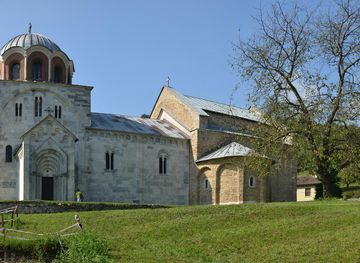


Your all‑in‑one travel companion app
Explore expert travel guides, compare and book tours, experiences, hotels, and more—all from the palm of your hand. Download now for seamless trip planning wherever your wanderlust takes you.


Explore More of Serbia

Looking beyond Kosovo and Metohija? Discover Serbia for broader travel guides, local hot-spots, and regional highlights.
Explore SerbiaKosovo and Metohija in Photos
Browse through our photo collection highlighting the charm and character of the destination.

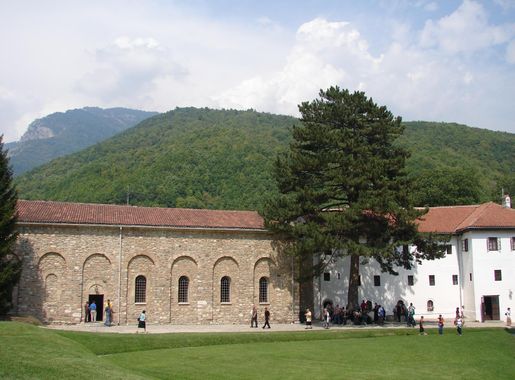


Kosovo and Metohija: A Cultural Crossroads
Kosovo and Metohija, nestled in the heart of the Balkans, is a region rich in history and culture. This region offers an intriguing mix of ancient traditions and modern life. Visitors can explore medieval monasteries, vibrant markets, and stunning landscapes that tell the story of centuries past. The city of Pristina, the capital, is a bustling hub with a vibrant café culture and lively nightlife. Meanwhile, the town of Peć is home to the UNESCO-listed Visoki Dečani Monastery, an architectural marvel and spiritual haven. Gjakova, with its Ottoman-era bazaar, invites tourists to take a step back in time. Nature lovers will find plenty to admire in the Šar Mountains, offering hiking trails with breathtaking vistas. The historic city of Prizren, with its fortress and charming old town, provides a picturesque setting for leisurely strolls. Throughout the region, traditional crafts, music, and cuisine offer a rich tapestry of experiences for any traveler.