

Free Southern and Eastern Serbia Travel Guide & Mobile App
Explore Southern and Eastern Serbia with free travel guides. Discover regional history, expert tips, proposed trips, and audio guides on web or mobile app.


Explore Southern and Eastern Serbia for Roman remains, Danube gorges, mountain trails, historic towns and distinctive southern cuisine.
Read more about Southern and Eastern Serbia
When is the best time to visit Southern and Eastern Serbia?
Best: June, August–September · 23–28°C| Month | High (°C) | Rainfall (mm) |
|---|---|---|
| January | 6 | 45 |
| February | 8 | 40 |
| March | 13 | 45 |
| April | 18 | 50 |
| May | 22 | 60 |
| June (best) | 26 | 65 |
| July | 28 | 55 |
| August (best) | 28 | 55 |
| September (best) | 23 | 50 |
| October | 17 | 45 |
| November | 10 | 50 |
| December | 6 | 45 |
Getting to and around Southern and Eastern Serbia
How to get there
Transportation
Top city travel guides in Southern and Eastern Serbia
The cities of Southern and Eastern Serbia, and the easiest places to base yourself.
-

-

-

-


Swipe for more cities
Destinations in Southern and Eastern Serbia
Resorts, valleys and scenic spots worth a trip of their own.
-

-


Swipe for more destinations
Best attractions in Southern and Eastern Serbia
Southern and Eastern Serbia offers an unusually broad mix of archaeology, river scenery, mountain landscapes and living food traditions. Niš combines the Roman site of Mediana, the substantial Ottoman-era fortress and the sombre Red Cross Concentration Camp memorial. East of the city, Sićevo Gorge and Suva Planina provide opportunities for walking and nature observation. Zaječar is the base for Felix Romuliana, while the Timok area contains vineyards, villages and routes towards the Bulgarian frontier. Along the Danube, Đerdap National Park brings together wooded hills, gorges, viewpoints and prehistoric heritage, including Lepenski Vir near Donji Milanovac. The Braničevo district adds the Roman archaeological site of Viminacium near Kostolac and the Danube fortress of Golubac. In the south, Pirot provides access to Stara Planina and traditional craft culture, while Vlasina Lake and the surrounding highlands offer a cooler landscape of water, meadows and coniferous slopes. Museums, local markets, monasteries, spa facilities and seasonal rural events fill the spaces between the major sites.
-
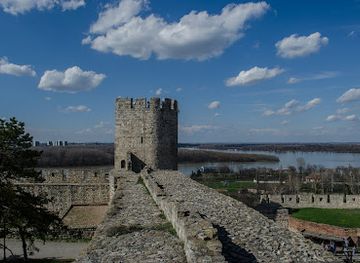
Fortress
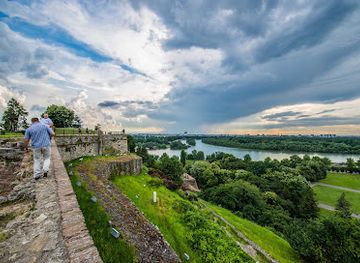
Belgrade Fortress
Discover the historical charm and stunning views of Belgrade Fortress, a captivating blend of history and nature in the heart of Serbia.
-
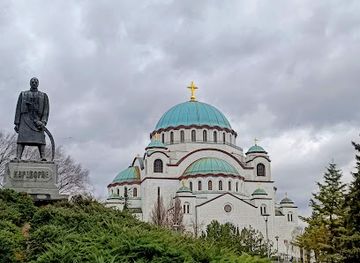
Orthodox church
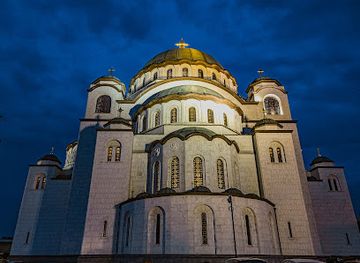
The Temple of Saint Sava
Discover the grandeur of the Temple of Saint Sava, one of the world's largest Orthodox churches, and a symbol of Serbian spiritual heritage and architectural beauty.
-
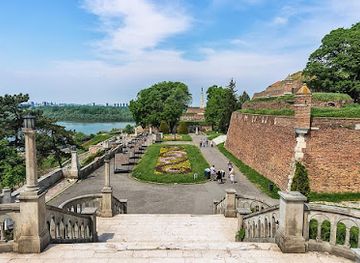
City park
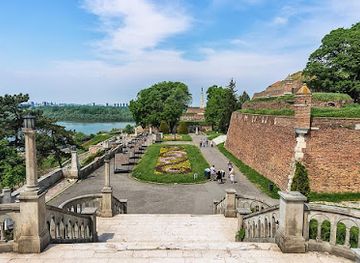
Kalemegdan
Discover the breathtaking views and rich history of Kalemegdan, a cultural landmark fortress in the heart of Belgrade, Serbia.
-
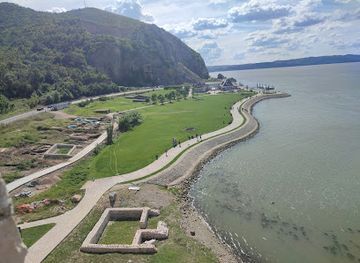
Fortress
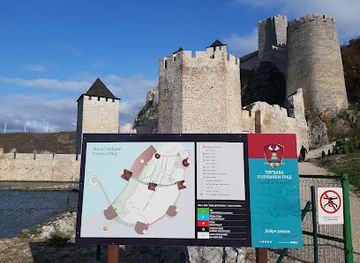
Golubac Fortress
Experience the historical charm and stunning views of Golubac Fortress, a must-visit castle on the banks of the Danube River in Serbia.
Best landmarks in Southern and Eastern Serbia
Niš Fortress is the region's most recognisable urban monument, occupying a strategic position beside the Nišava and incorporating layers from earlier Roman, Byzantine and Ottoman periods. Outside the city, the Roman villa complex at Mediana is important for its imperial associations and surviving mosaics. Felix Romuliana near Gamzigrad is the defining architectural landmark of eastern Serbia: its fortified walls and palace remains express the ambitions of the late Roman emperor Galerius. The Danube provides a different scale of landmark, with the Iron Gate gorge and the wooded slopes of Đerdap creating a powerful natural corridor. Lepenski Vir adds archaeological significance to the river landscape, while Viminacium near Kostolac marks the former Roman frontier with an extensive excavated complex. In the south, the mountains of Stara Planina and Suva Planina are geographical markers as well as walking destinations, and Pirot's traditional kilim-making represents a cultural landmark whose importance lies in craft knowledge rather than a single building.
-
Fortress
Belgrade Fortress
Discover Belgrade Fortress: A Historic Landmark Overlooking the Confluence of Sava and Danube in Serbia, Rich in Culture and Stunning Views.
-
Orthodox church
The Temple of Saint Sava
Discover the stunning Temple of Saint Sava, a cultural and spiritual landmark in Belgrade, Serbia, known for its breathtaking architecture and serene atmosphere.
-
City park
Kalemegdan
Explore Kalemegdan: A stunning fortress and city park in Belgrade, rich in history and breathtaking views, perfect for tourists and locals alike.
-
Fortress
Golubac Fortress
Explore the magnificent Golubac Fortress, a medieval masterpiece on the Danube, rich in history and stunning views that captivate every visitor.
Explore Southern and Eastern Serbia on the map
Plan your trip on one map. See where the top cities, national parks and sights are, and book hotels and experiences in a few clicks.
Best hotels in Southern and Eastern Serbia
Best restaurants in Southern and Eastern Serbia
Dining in Southern and Eastern Serbia is strongly shaped by peppers, grilled meats, beans, fresh dairy products, bread and produce from the fertile river valleys. Niš is known for casual grill restaurants serving regional variations of ćevapi and other minced-meat dishes, while Leskovac and its surroundings are particularly associated with paprika, ajvar and the wider tradition of southern Serbian barbecue. Pirot's food identity includes its distinctive cured sausage, locally made cheeses and the culinary traditions of the surrounding uplands. In the east, Negotin Krajina offers a wine-growing setting, and Danube communities add freshwater fish and river-oriented cooking to the regional menu. Cafés, bakeries, traditional restaurants and rural households are usually more dependable than highly formal dining outside the main towns. Markets are useful for seasonal fruit, vegetables, honey, preserves and peppers, and local wine or fruit brandies may appear alongside Serbia's broader drinks culture.
-
Serbian
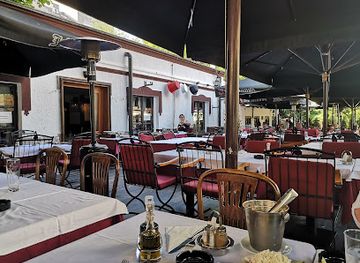
Tri šešira
Experience authentic Serbian cuisine at Tri šešira in Belgrade's historic Skadarlija district, where tradition meets flavor.
-
Serbian
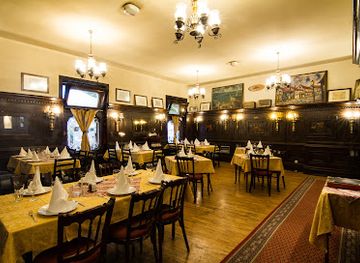
Dva Jelena
Experience authentic Serbian cuisine at Dva Jelena, where traditional flavors meet lively entertainment in Belgrade's historic Skadarlija district.
-
Serbian
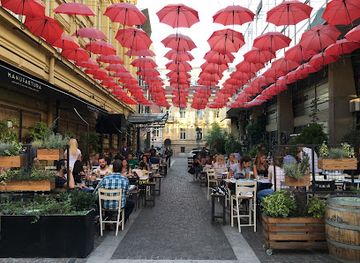
Manufaktura Restaurant Belgrade
Experience authentic Serbian flavors at Manufaktura Restaurant in Belgrade – where tradition meets modern dining.
-
Restaurant
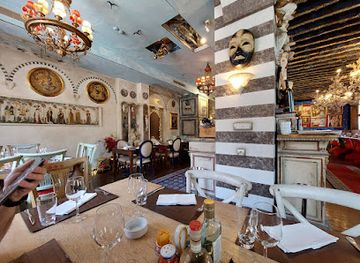
Lorenzo & Kakalamba
Discover unique Serbian flavors at Lorenzo & Kakalamba, where vibrant decor meets exceptional cuisine in Belgrade.
Best bars in Southern and Eastern Serbia
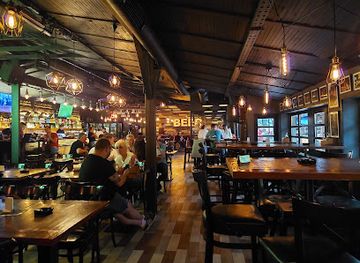
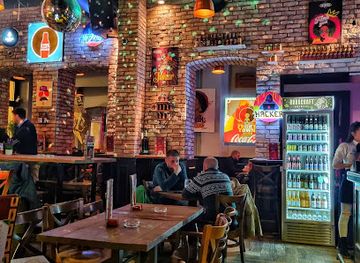
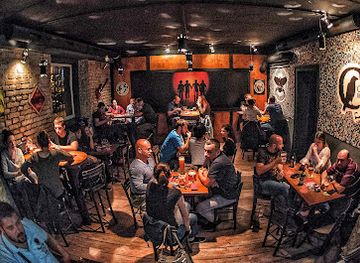
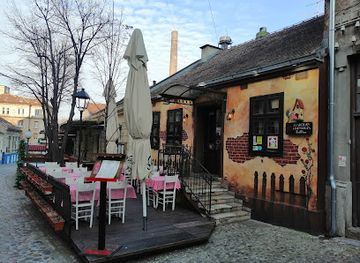
Niš has the region's broadest evening scene, with cafés, bars, live music, restaurants and late-night venues concentrated around the city centre and the riverfront rather than spread across a large metropolitan area. The atmosphere is generally social and informal, with outdoor seating particularly popular in warmer months. Leskovac, Vranje, Pirot and Zaječar offer smaller selections of cafés, pubs, bars and restaurants, with local music and conversation often more important than large clubs. In rural districts, evenings usually centre on traditional inns, family-run restaurants, wine venues or seasonal events rather than a dedicated nightlife district. The Danube towns can be lively during summer, while mountain resorts and spa areas depend more on weekend visitors and the season. Check current arrangements locally, as smaller venues and event programmes can change more quickly than the region's established cultural institutions.
-
Pub
Central Pub
Experience the vibrant atmosphere of Central Pub in New Belgrade, where delicious food and drinks meet a lively social scene.
-
Pub
Funk & Soul Pub
Experience Belgrade's vibrant nightlife at Funk & Soul Pub, where great music, delicious food, and a lively atmosphere await you.
-
Pub
Gunners Pub
Discover the vibrant atmosphere of Gunners Pub in Belgrade, where craft beers and live music create unforgettable memories.
-
Cocktail bar
Red bar
Experience the vibrant nightlife of Belgrade at Red Bar, where expertly crafted cocktails meet a warm, inviting atmosphere.
Best nightclubs in Southern and Eastern Serbia
Niš has the region's broadest evening scene, with cafés, bars, live music, restaurants and late-night venues concentrated around the city centre and the riverfront rather than spread across a large metropolitan area. The atmosphere is generally social and informal, with outdoor seating particularly popular in warmer months. Leskovac, Vranje, Pirot and Zaječar offer smaller selections of cafés, pubs, bars and restaurants, with local music and conversation often more important than large clubs. In rural districts, evenings usually centre on traditional inns, family-run restaurants, wine venues or seasonal events rather than a dedicated nightlife district. The Danube towns can be lively during summer, while mountain resorts and spa areas depend more on weekend visitors and the season. Check current arrangements locally, as smaller venues and event programmes can change more quickly than the region's established cultural institutions.
-
Night club
Shake'n'Shake
Experience the vibrant nightlife at Shake'n'Shake in Belgrade, where delicious Mexican cuisine meets an exciting bar atmosphere.
-
Night club
TAG NightClub
Discover the heart of Belgrade's nightlife at TAG NightClub, where unforgettable memories are made amidst electrifying beats and vibrant atmosphere.
-
Night club
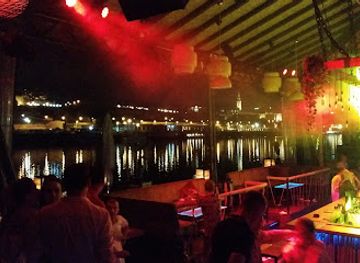
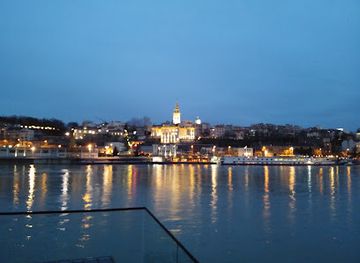
Freestyler Belgrade Night Club
Discover the vibrant nightlife of Belgrade at Freestyler Night Club, where music meets breathtaking riverside views.
-
Night club
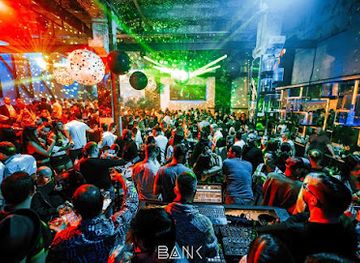
The BANK Club
Experience the electrifying nightlife at The BANK Club, Belgrade's premier disco destination for tourists and locals.

Best shops in Southern and Eastern Serbia
Shopping in the region is centred on town markets, ordinary high streets, independent food shops and locally made products rather than large-scale luxury retail. Niš has the widest choice of clothing, books, household goods, cafés and modern shops, while Leskovac, Vranje, Pirot and Zaječar retain useful central markets for seasonal produce and everyday shopping. Pirot is the strongest place to look for its celebrated handwoven kilim tradition, although authentic pieces require attention to provenance, materials and price. Regional food products make practical souvenirs: ajvar, dried peppers, honey, preserves, cheeses, cured meat and wine from the Negotin area are commonly available. Craft shops and galleries may offer textiles, pottery and small artworks, particularly in tourist centres and during cultural events. In rural areas, opening arrangements can be limited, so buy specialist food and craft goods in the larger towns before travelling into the mountains or along the Danube.
-
Shopping mall
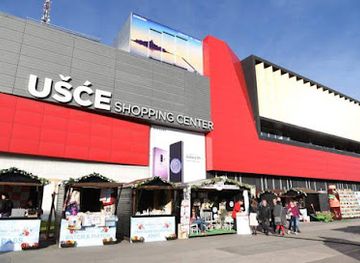
UŠĆE Shopping Center
Experience the ultimate shopping adventure at UŠĆE Shopping Center in Belgrade, where fashion, food, and fun come together.
-
Shopping mall
Delta City
Discover Delta City, Belgrade's vibrant shopping mall offering an array of stores and dining options in a modern and lively atmosphere.
-
Shopping mall
BIG FASHION Beograd
Explore BIG FASHION Beograd, the ultimate shopping mall in Belgrade with diverse stores, dining, and entertainment for everyone.
-
Shopping mall
Galerija - Beograd
Discover the essence of shopping and entertainment at Galerija - Beograd, a premier destination in the heart of the city.
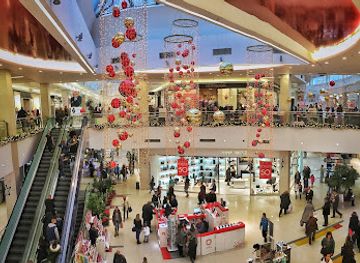


Get your free copy of our complete guide to Southern and Eastern Serbia, delivered straight to you.
Everything on this page, from attractions and restaurants to essentials and local phrases, in one PDF you can read offline, print or share.
Already have an account? Sign in
Your Southern and Eastern Serbia guide is ready.
We'll send it to · Not you? Sign out

Getting your guide ready…
We are putting together a fresh copy of the Southern and Eastern Serbia guide. This can take up to a minute.
This can take a few moments. If your browser asks, choose Allow so the download can start. You'll find the guide in your Downloads folder.
Nothing happened? Download it again
Sorry, the guide is taking longer than usual. Please try again in a minute, or get it by email instead.
Southern and Eastern Serbia essentials
Currency and Payment
Safety
Emergency Situations
Do's and Don'ts
Local Tips
From Eve
Local phrases worth knowing
You don't need to get them perfect. A few words go a long way, and locals appreciate the effort.
Basics
| English | Local | Say it |
|---|---|---|
| Hello | Zdravo | [zdra-vo] |
| Goodbye | Doviđenja | [do-vi-đen-ya] |
| Yes | Da | [da] |
| No | Ne | [ne] |
| Please/You're welcome | Molim | [mo-lim] |
| Thank you | Hvala | [hva-la] |
| Excuse me/Sorry | Izvinite | [iz-vi-ni-te] |
| How are you? | Kako ste? | [ka-ko ste] |
| Fine. And you? | Dobro. A vi? | [do-bro. a vi] |
| Do you speak English? | Govoriš li engleski? | [go-vo-riš li en-gles-ki] |
| I don't understand | Ne razumem | [ne ra-zu-mem] |
Eating & Drinking
| English | Local | Say it |
|---|---|---|
| I'd like to see the menu, please | Hteo bih da vidim meni, molim | [hte-o bih da vi-dim me-ni, mo-lim] |
| I don't eat meat | Ne jedem meso | [ne ye-dem me-so] |
| Cheers! | Živeli! | [zhi-ve-li] |
| I would like to pay, please | Hteo bih da platim, molim | [hte-o bih da pla-tim, mo-lim] |
Emergencies
| English | Local | Say it |
|---|---|---|
| Help! | Upomoć! | [u-po-moć] |
| Go away! | Ode! | [o-de] |
| Call the Police! | Pozovite policiju! | [po-zo-vi-te po-li-ci-ju] |
| Call a doctor! | Pozovite doktora! | [po-zo-vi-te dok-to-ra] |
| I'm lost | Izgubio sam se | [iz-gu-bi-o sam se] |
| I'm ill | Bolestan sam | [bo-le-stan sam] |
Shopping
| English | Local | Say it |
|---|---|---|
| I'd like to buy... | Hteo bih da kupim... | [hte-o bih da ku-pim] |
| I'm just looking | Samo gledam | [sa-mo gled-am] |
| How much is it? | Koliko košta? | [ko-li-ko ko-šta] |
| That's too expensive | To je preskupo | [to ye pre-sku-po] |
| Can you lower the price? | Možeš li da spustiš cenu? | [mo-zheš li da spus-tiš tse-nu] |
Time & Numbers
| English | Local | Say it |
|---|---|---|
| What time is it? | Koliko je sati? | [ko-li-ko ye sa-ti] |
| It's one o'clock | Jedan je sat | [ye-dan ye sat] |
| Half past (10) | Pola (10) | [po-la] |
| Morning | Jutro | [yu-tro] |
| Afternoon | Popodne | [po-pod-ne] |
| Evening | Veče | [ve-che] |
| Yesterday | Juče | [yu-che] |
| Today | Danas | [da-nas] |
| Tomorrow | Sutra | [su-tra] |
| 1 | Jedan | [ye-dan] |
| 2 | Dva | [dva] |
| 3 | Tri | [tri] |
| 4 | Četiri | [che-ti-ri] |
| 5 | Pet | [pet] |
| 6 | Šest | [shest] |
| 7 | Sedam | [se-dam] |
| 8 | Osam | [o-sam] |
| 9 | Devet | [de-vet] |
| 10 | Deset | [de-set] |
Transport & Directions
| English | Local | Say it |
|---|---|---|
| Where's a/the...? | Gde je...? | [gde ye] |
| What's the address? | Koja je adresa? | [ko-ya ye a-dre-sa] |
| Can you show me (on the map)? | Možeš li mi pokazati (na mapi)? | [mo-zheš li mi po-ka-za-ti na ma-pi] |
| When's the next (bus)? | Kada je sledeći (autobus)? | [ka-da ye sle-de-ći au-to-bus] |
| A ticket (to ....) | Jedna karta (do ...) | [ye-dna kar-ta do] |
History of Southern and Eastern Serbia
Prehistoric Danube Communities
The Danube gorge in eastern Serbia preserves evidence of some of Europe's earliest settled communities. Lepenski Vir, near Donji Milanovac, developed beside the river during the Mesolithic and Neolithic periods and is known for its distinctive trapezoidal houses, organised settlement and stone sculptures. The site illustrates how communities adapted to fishing, river travel and changing climates over thousands of years. Its archaeological remains are presented in a purpose-built museum, while the surrounding Iron Gate landscape explains why this stretch of the Danube supported long-term human settlement.
Roman Naissus and Imperial Frontiers
The valley around modern Niš became an important Roman communications centre known as Naissus, positioned on routes connecting the central Balkans with the Danube and the eastern provinces. The city was also the birthplace of Constantine the Great in the third century. Roman roads, fortifications and urban development left a lasting imprint on the region, while military and commercial networks connected Naissus with settlements across the Balkans. The archaeological remains at Mediana, an imperial residence outside Niš, provide the clearest local evidence of Roman elite life.
Viminacium and the Late Roman Danube
Viminacium, near present-day Kostolac in the Braničevo district, was a major Roman city and military centre beside the Danube. It served the province of Moesia Superior and developed an amphitheatre, streets, public buildings, cemeteries and workshops. Excavations have revealed valuable evidence of soldiers, civilians and the movement of goods along the river frontier. The site is particularly important because much of the ancient settlement lies beneath open agricultural land rather than a modern town, allowing archaeologists to investigate a substantial Roman landscape.
Felix Romuliana and the Age of Late Antiquity
Near Gamzigrad in the Zaječar area, the Roman emperor Galerius built Felix Romuliana during the late third and early fourth centuries. The fortified palace complex combined ceremonial buildings, mosaics, defensive walls and memorial structures linked to the emperor and his mother. It reflects the political importance of the Balkans within the later Roman Empire and the changing relationship between imperial power and regional landscapes. Today its surviving walls and decorative fragments form the region's most important late Roman architectural ensemble.
Medieval Fortresses and Monastic Landscapes
After the fragmentation of Roman authority, the valleys and river corridors of southern and eastern Serbia remained contested routes between Byzantine, Bulgarian, Serbian and later Ottoman powers. Medieval rulers and local authorities strengthened strategic sites including Niš Fortress and the fortifications along the Danube and Timok corridors. Churches and monasteries also shaped settlement and cultural life, preserving Orthodox artistic traditions through periods of political change. The region's medieval remains are often interwoven with later structures, so fortresses and religious sites are best understood as palimpsests rather than isolated monuments.
Ottoman Rule and Borderland Trade
From the fifteenth century, much of the region came under Ottoman rule, and towns such as Niš, Pirot and Vranje developed within the empire's administrative and commercial networks. Caravan routes, markets, inns and craft districts connected the interior Balkans with Sofia, Skopje and the Danube. Ottoman influence remains visible in urban layouts, surviving religious buildings, food traditions and elements of vernacular architecture, although later redevelopment altered many historic centres. The region's border position also made it a zone of military contest and population movement.
Liberation, Industrialisation and Modern Serbia
The nineteenth and early twentieth centuries brought Serbian state expansion, new administrative institutions and the gradual integration of southern territories into the modern Serbian economy. Railways strengthened Niš as a transport centre and linked the south with Belgrade, Sofia and Skopje. Mining expanded around Bor, while food processing, textiles and other industries developed in the larger towns. During the First World War, Niš temporarily served as the wartime seat of the Serbian government. The twentieth century then brought socialist industrialisation, urban growth and later economic restructuring, leaving a mixed legacy of factories, transport infrastructure and changing rural communities.
Southern and Eastern Serbia in Photos
Browse through our photo collection highlighting the charm and character of the destination.
Neighbouring regions of Southern and Eastern Serbia
The closest regions to Southern and Eastern Serbia, if you have time for more than one.
-

-

-

-

-


Swipe for more regions
Explore more

Explore more of Serbia
Discover Serbia: A Balkan treasure with rich history, stunning natural landscapes, and vibrant cities waiting to be explored.
Explore Serbia