

Free Bird Island Travel Guide & Mobile App
Explore Bird Island with free travel guides. Discover regional history, expert tips, proposed trips, and audio guides on web or mobile app.


Bird Island, Seychelles, offers remote coral beaches, major seabird colonies, wildlife watching and low-impact island travel north of Mahé.
Read more about Bird Island
When is the best time to visit Bird Island?
Best: June–August · 30°C| Month | High (°C) | Rainfall (mm) |
|---|---|---|
| January | 31 | 301 |
| February | 31 | 240 |
| March | 31 | 180 |
| April | 31 | 140 |
| May | 30 | 120 |
| June (best) | 30 | 70 |
| July (best) | 30 | 80 |
| August (best) | 30 | 90 |
| September | 30 | 100 |
| October | 31 | 120 |
| November | 31 | 221 |
| December | 31 | 281 |
Getting to and around Bird Island
How to get there
Transportation
Best attractions in Bird Island
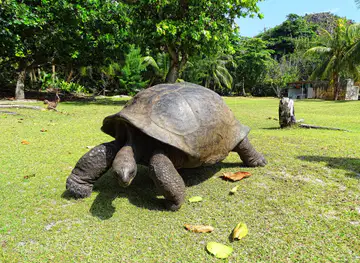
Bird Island’s attractions are concentrated in its natural environment rather than in a collection of built visitor facilities. The principal experience is observing its seabird colonies, especially sooty terns, whose breeding activity can transform large areas of the island into a constantly moving and vocal landscape. Other birds, including fairy terns, frigatebirds and tropicbirds, add variety for visitors carrying binoculars. Quiet walks lead across coral sand, coastal vegetation and open grassland, with opportunities to see giant tortoises and appreciate the island’s shallow wetlands. Beaches provide space for walking and, where conditions and local guidance permit, swimming or shoreline relaxation. The island’s remoteness also makes night-time observation rewarding, with little artificial light and broad views across the Indian Ocean. Visitors interested in human history can look for traces of former coconut cultivation, guano collection and maritime use, although these are secondary to the wildlife. Bird Island is not suited to a packed sightseeing itinerary; its attraction lies in close observation, unhurried movement and the contrast between a small coral cay and the immense ocean around it.
-
Hiking area
Morne Blanc Trail
Experience the breathtaking landscapes and vibrant wildlife of the Morne Blanc Trail, a premier hiking destination in Seychelles.
-
Beach
Grand Anse Beach
Discover the breathtaking beauty of Grand Anse Beach, a tropical paradise in the Seychelles with golden sands and crystal-clear waters.
-
Observation deck
Panorama Trois Frères
Discover the stunning views and tranquility at Panorama Trois Frères, a hidden observation deck in Bel Air, Seychelles, perfect for nature lovers and photographers.
-
Heritage preservation
Mission Lodge Cemetery
Discover the rich heritage of Seychelles at Mission Lodge Cemetery, a serene site reflecting the island's profound cultural history.


Best landmarks in Bird Island
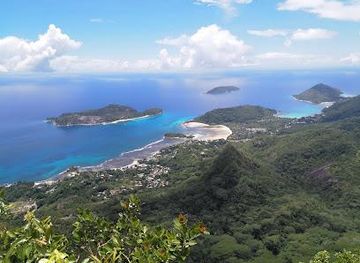
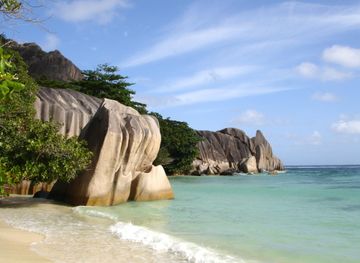
Bird Island’s most significant landmarks are closely tied to its ecological and maritime identity. The island’s extensive sooty-tern breeding grounds are its defining natural landmark, although their precise accessible areas can change with conservation requirements and seasonal nesting. Its long coral beaches and low, open profile express the geology of the northern Seychelles more clearly than the mountainous silhouettes of Mahé or Praslin. A small airstrip is another notable feature, representing the modern link between this remote cay and the country’s main island. The island’s lighthouse and maritime infrastructure recall its role as a reference point for Indian Ocean navigation, while surviving traces of coconut cultivation and guano processing provide evidence of earlier commercial use. The surrounding ocean horizon is itself part of Bird Island’s visual identity: with no urban skyline and little high ground, the island’s scale is best understood through its relationship with open water, seabird flight paths and the distant routes connecting it to Mahé.
-
Hotel
Constance Ephelia Mahe Seychelles
Experience the ultimate luxury at Constance Ephelia, where pristine beaches meet lush tropical landscapes in the heart of Mahé, Seychelles.
-
 Resort hotel
Savoy Seychelles Resort & Spa
Discover the ultimate luxury escape at Savoy Seychelles Resort & Spa, where stunning beaches, exquisite dining, and unparalleled service await.
-
Tourist attraction
Sir Selwyn Selwyn-Clarke Market
Experience the vibrant culture of Seychelles at Sir Selwyn Selwyn-Clarke Market, where fresh produce meets unique handicrafts in the heart of Victoria.
-
Hotel
Berjaya Beau Vallon Bay Resort & Casino
Experience unparalleled luxury and adventure at Berjaya Beau Vallon Bay Resort & Casino, a tropical paradise in Seychelles offering stunning views and exciting nightlife.


Explore Bird Island on the map
Plan your trip on one map. See where the top cities, national parks and sights are, and book hotels and experiences in a few clicks.
Best hotels in Bird Island
Best restaurants in Bird Island
Dining on Bird Island is centred on the island accommodation rather than a choice of independent restaurants. Meals are generally planned around the needs of a remote lodge, with supplies brought in by air or other organised logistics, so visitors should confirm the meal plan before travelling and communicate dietary requirements in advance. Menus in Seychelles commonly draw on Creole traditions, including rice, fish, seafood, vegetables, fruit and spice-led preparations, although the precise offering on Bird Island varies with supplies and management. The setting encourages relaxed meals after walks and wildlife observation rather than restaurant-hopping. There are no ordinary village cafés, food markets or convenience shops on the island, and visitors should not expect to buy a broad range of snacks or specialist provisions locally. Water use and food waste also matter in this isolated environment, making sensible consumption part of responsible island travel.
-
Restaurant
Del Place Restaurant
Discover Del Place Restaurant: Where Exquisite Cuisine Meets Breathtaking Waterfront Views in Seychelles.
-
Restaurant
The Boat House Restaurant
Experience culinary excellence at The Boat House Restaurant in Beau Vallon, Seychelles - where stunning views meet delicious flavors.
-
Restaurant
Surfers Beach Restaurant
Experience fresh seafood and tropical cocktails at Surfers Beach Restaurant in Takamaka - where every meal comes with stunning ocean views.
-
Restaurant
La Plage restaurant
Experience exquisite dining at La Plage restaurant on Beau Vallon Beach – where local flavors meet breathtaking ocean views.



Best bars in Bird Island
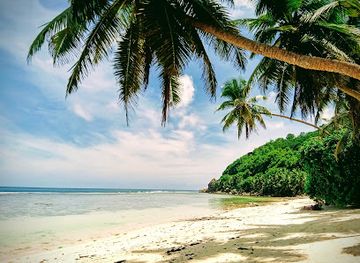
Bird Island has no nightclub district and no developed evening entertainment scene. Evening life is usually provided by the island accommodation, where guests may share a drink, talk over dinner or spend time outdoors watching the changing light and exceptionally dark skies. The emphasis is on quiet hospitality and nature rather than loud music or late opening hours. Visitors should bring realistic expectations: there is no choice of pubs, cocktail bars, breweries or live-music venues, and supplies are constrained by the island’s remote location. The most distinctive evening activity is often simply listening to the seabirds, taking a guided or permitted night walk, or observing the stars away from the lights of Mahé. Alcoholic drinks, if offered, should be confirmed as part of the accommodation arrangements rather than assumed to be widely available.
-
Grill
Beach Shak Seychelles
Experience the vibrant flavors of Seychelles at Beach Shak, where fresh grilled delights meet tropical cocktail bliss in a stunning beachfront setting.
-
Bar
Gecko Bar
Discover the vibrant spirit of Seychelles at Gecko Bar, where delicious food and refreshing drinks meet stunning beach views.
-
Bar
The Boardwalk Bar & Grill
Experience the vibrant ambiance and culinary delights at The Boardwalk Bar & Grill on Eden Island, a true gem for food and nightlife enthusiasts.
-
Restaurant
BiBi Take Away & Cafe
Experience the vibrant flavors of Seychelles at BiBi Take Away & Cafe, a top-rated restaurant in Anse Boileau perfect for travelers.


Best nightclubs in Bird Island
Bird Island has no nightclub district and no developed evening entertainment scene. Evening life is usually provided by the island accommodation, where guests may share a drink, talk over dinner or spend time outdoors watching the changing light and exceptionally dark skies. The emphasis is on quiet hospitality and nature rather than loud music or late opening hours. Visitors should bring realistic expectations: there is no choice of pubs, cocktail bars, breweries or live-music venues, and supplies are constrained by the island’s remote location. The most distinctive evening activity is often simply listening to the seabirds, taking a guided or permitted night walk, or observing the stars away from the lights of Mahé. Alcoholic drinks, if offered, should be confirmed as part of the accommodation arrangements rather than assumed to be widely available.
-
Night club
The Boardwalk Bar & Grill
Discover the lively nightlife and diverse culinary delights at The Boardwalk Bar & Grill on Eden Island, your perfect getaway destination.
-
Bar
Kabana
Discover the vibrant nightlife at Kabana, a premier bar in N.Y.S. Village known for its lively atmosphere and delicious drinks.
-
Night club
Barrel Night Club
Discover the lively atmosphere of Barrel Night Club in Victoria, where great music, affordable drinks, and unforgettable nights await.
-
Bar
Bourgeois Bar & Lounge at Eden Bleu Hotel
Experience the perfect blend of elegance and relaxation at Bourgeois Bar & Lounge on Eden Island, the ideal spot for cocktails and breathtaking views.

Best shops in Bird Island
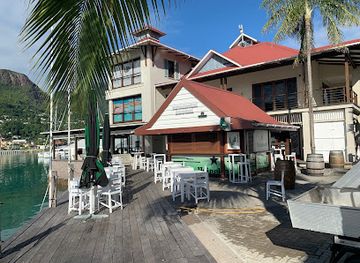
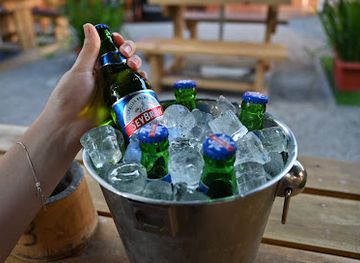
Shopping on Bird Island is extremely limited and should not be treated as a reason to visit. There is no conventional high street, market town, shopping centre or network of independent craft shops. Any small selection of souvenirs or locally themed items depends on the accommodation’s current arrangements, so visitors should buy practical supplies and gifts on Mahé before flying north. Appropriate mementoes might include Seychelles-made crafts or packaged island products purchased through established retailers elsewhere in the country, but visitors must never collect shells, coral, feathers or other natural objects from Bird Island. The absence of retail development is part of the island’s character and helps keep its focus on conservation. Travellers seeking art, jewellery, books, food products or a wider choice of souvenirs should plan that shopping in Mahé or another larger inhabited Seychelles island rather than expecting those facilities on Bird Island.
-
Supermarket
STC Hypermarket
Discover the best of Seychelles at STC Hypermarket, offering a diverse selection of local and international products in Victoria.
-
Souvenir store
Koral Souvenir Boutique
Explore Koral Souvenir Boutique in Beau Vallon for unique handcrafted treasures and local art that capture the spirit of Seychelles.
-
Supermarket
GOPI Supermarket
Discover a culinary delight at GOPI Supermarket in Victoria, offering a wide range of groceries, beverages, and Indian food products to satisfy your cravings.
-
Shopping mall
Veni Shopping Centre
Discover the ultimate shopping experience at Veni Shopping Centre in Victoria, where local charm meets international retail.


Get your free copy of our complete guide to Bird Island, delivered straight to you.
Everything on this page, from attractions and restaurants to essentials and local phrases, in one PDF you can read offline, print or share.
Already have an account? Sign in
Your Bird Island guide is ready.
We'll send it to · Not you? Sign out

Getting your guide ready…
We are putting together a fresh copy of the Bird Island guide. This can take up to a minute.
This can take a few moments. If your browser asks, choose Allow so the download can start. You'll find the guide in your Downloads folder.
Nothing happened? Download it again
Sorry, the guide is taking longer than usual. Please try again in a minute, or get it by email instead.
Bird Island essentials
Currency and Payment
Safety
Emergency Situations
Do's and Don'ts
Local Tips
From Eve
Local phrases worth knowing
You don't need to get them perfect. A few words go a long way, and locals appreciate the effort.
Basics
| English | Local | Say it |
|---|---|---|
| Hello | Bonzur | [Bohn-zur] |
| Goodbye | Orevwar | [Oh-rev-wahr] |
| Yes | Wi | [Wee] |
| No | Non | [Nohn] |
| Please/You're welcome | S'il vous plaît | [Seel voo pleh] |
| Thank you | Mersi | [Mehr-see] |
| Excuse me/Sorry | Eskize | [Es-kee-zay] |
| How are you? | Kouman ou y? | [Koo-mahn oo ee?] |
| Fine. And you? | Byen. E ou? | [Bee-ehn. Eh oo?] |
| Do you speak English? | Es ou kapav koz Anglè? | [Ez oo kah-pahv kohz Ahng-lay?] |
| I don't understand | Mwen pa konpran | [Mwen pah kohn-prahn] |
Eating & Drinking
| English | Local | Say it |
|---|---|---|
| I'd like to see the menu, please | Mwen ti a kontan vwar meni, sil vous plaît | [Mwen tee ah kohn-tahn vwar meh-nee, seel voo pleh] |
| I don't eat meat | Mwen pa manze vyann | [Mwen pah mahn-zay vyahn] |
| Cheers! | Santé! | [Sahn-tay!] |
| I would like to pay, please | Mwen ti a kontan peye, sil vous plaît | [Mwen tee ah kohn-tahn pay-ay, seel voo pleh] |
Emergencies
| English | Local | Say it |
|---|---|---|
| Help! | Sove! | [Soh-vay!] |
| Go away! | Ale deor! | [Ah-lay day-or!] |
| Call the Police! | Apele polis! | [Ah-peh-lay poh-lees!] |
| Call a doctor! | Apele en doktè! | [Ah-peh-lay ahn doh-kteh!] |
| I'm lost | Mwen perdi | [Mwen pair-dee] |
| I'm ill | Mwen malad | [Mwen mah-lahd] |
Shopping
| English | Local | Say it |
|---|---|---|
| I'd like to buy... | Mwen ti a kontan achte... | [Mwen tee ah kohn-tahn ahshtay...] |
| I'm just looking | Mwen zis pe vwar | [Mwen zees pay vwar] |
| How much is it? | Kombien li koute? | [Kohm-byen lee koo-tay?] |
| That's too expensive | Sa tro chers | [Sah tro shair] |
| Can you lower the price? | Es ou kapav rabais pri? | [Ez oo kah-pahv rah-bay pree?] |
Time & Numbers
| English | Local | Say it |
|---|---|---|
| What time is it? | Ki letan li? | [Kee leh-tan lee?] |
| It's one o'clock | Li enn ler | [Lee enn lehr] |
| Half past (10) | Medi (10) | [Meh-dee (10)] |
| Morning | Bondie | [Bohn-dee] |
| Afternoon | Apres-midi | [Ah-preh-mee-dee] |
| Evening | Swa | [Swa] |
| Yesterday | Yer | [Yair] |
| Today | Ajourd'hui | [Ah-zhoor-dwee] |
| Tomorrow | Demain | [Deh-main] |
| 1 | 1 | [1] |
| 2 | 2 | [2] |
| 3 | 3 | [3] |
| 4 | 4 | [4] |
| 5 | 5 | [5] |
| 6 | 6 | [6] |
| 7 | 7 | [7] |
| 8 | 8 | [8] |
| 9 | 9 | [9] |
| 10 | 10 | [10] |
Transport & Directions
| English | Local | Say it |
|---|---|---|
| Where's a/the...? | Kot i ete en...? | [Kot ee eh-teh ahn...?] |
| What's the address? | Ki adres? | [Kee ah-dress?] |
| Can you show me (on the map)? | Es ou kapav montre mwan (lo kat)? | [Ez oo kah-pahv mohn-tray mwahn (loh kaht)?] |
| When's the next (bus)? | Kan i arive (loti)? | [Kahn ee ah-ree-vay (loh-tee)?] |
| A ticket (to ....) | En tiké (pou ....) | [Ahn tee-kay (poo ....)] |
History of Bird Island
A Coral Island Shaped by the Indian Ocean
Bird Island is a low coral island rather than one of the ancient granitic islands forming much of the central Seychelles. Its soils, beaches and shallow wetlands developed on a reef platform exposed to oceanic processes, producing a landscape that is flatter and more open than Mahé, Praslin or La Digue. This geology has influenced both settlement and wildlife: there is little high ground, but extensive coastal habitat suitable for seabirds, turtles and other island species.
Early Maritime Recognition
European charts and navigators recorded Bird Island during the period when the Seychelles became incorporated into Indian Ocean sailing routes. Its isolated position north of Mahé made it a useful geographical reference for vessels approaching the archipelago, even though the island lacked a large natural harbour or substantial permanent settlement. The wider Seychelles were administered first under French and later British rule, and Bird Island remained part of those changing maritime and colonial systems.
Coconut Cultivation and Guano Harvesting
Like several remote Seychelles islands, Bird Island was used for commercial activities that altered its natural environment. Coconut cultivation introduced a plantation economy, while seabird guano was collected as fertiliser. These industries connected the island to wider Indian Ocean markets but also placed pressure on habitats and nesting areas. Remnants of this period are important because they show how a seemingly isolated coral cay was drawn into colonial agriculture, export commerce and the demand for fertiliser.
A Landmark for Navigation and Communications
Bird Island’s location near the northern approaches to the Seychelles gave it continuing value for navigation. A lighthouse and associated maritime infrastructure helped mark the island for shipping, while later communications and aviation links reduced its practical isolation. The airstrip that serves visitors today is part of this broader history of connecting remote islands to Mahé, although Bird Island remains dependent on carefully arranged transport rather than ordinary public transit.
Seabird Conservation and Scientific Interest
Bird Island became increasingly recognised for the extraordinary scale of its seabird colonies, particularly its sooty terns. Conservation priorities shifted attention from exploiting guano and plantation resources towards protecting breeding habitat and monitoring ecological change. The island’s importance lies not only in the number of birds present but also in its role as a relatively accessible site for understanding coral-island ecosystems, migratory seabirds and the effects of human activity on tropical islands.
Low-Impact Tourism in Independent Seychelles
Since Seychelles became independent in 1976, Bird Island has developed as a small-scale nature destination rather than a densely built resort island. Private management and limited accommodation have helped preserve a quiet setting, while tourism provides a means of supporting conservation and island employment. Its modern identity therefore combines a commercial past with a more restrained visitor model based on wildlife observation, environmental awareness and the protection of nesting colonies.
Bird Island in Photos
Browse through our photo collection highlighting the charm and character of the destination.
Neighbouring regions of Bird Island
The closest regions to Bird Island, if you have time for more than one.
-

-

-

-

-


Swipe for more regions
Explore more
Explore more of Seychelles
Discover the enchanting islands of Seychelles, where stunning beaches, vibrant wildlife, and rich Creole culture come together for an unforgettable tropical escape.
Explore Seychelles