

Free Île du Nord Travel Guide & Mobile App
Explore Île du Nord with free travel guides. Discover regional history, expert tips, proposed trips, and audio guides on web or mobile app.


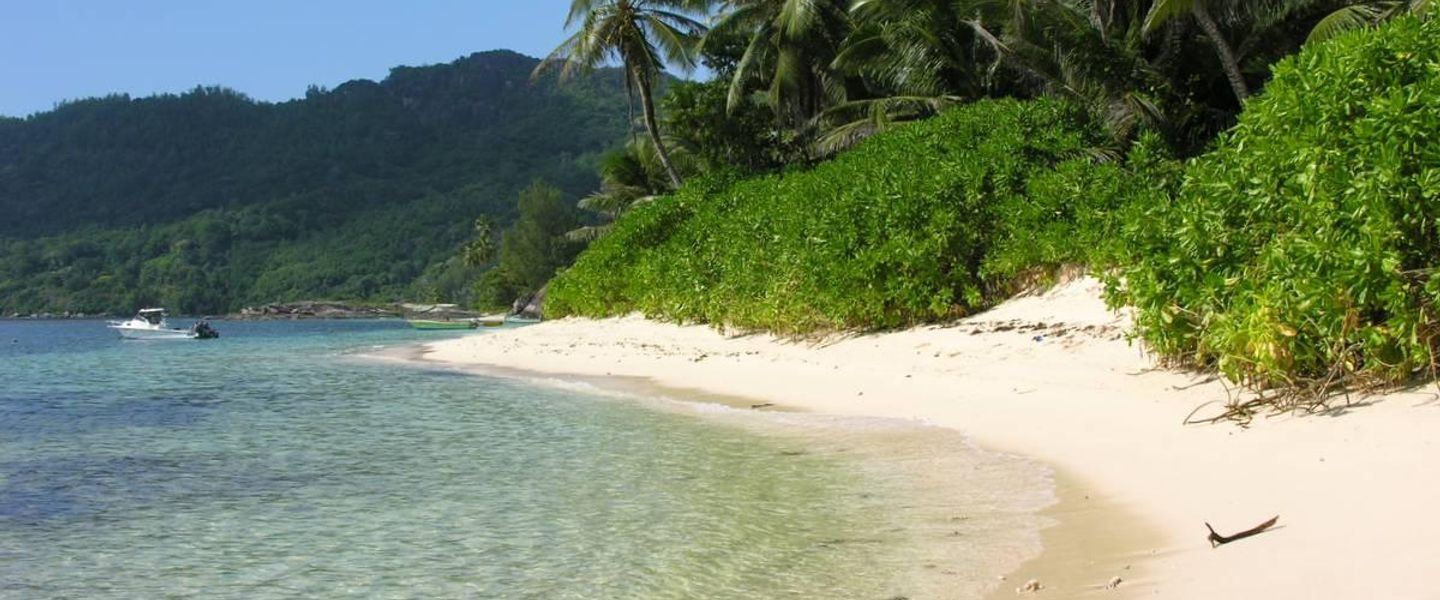


Île du Nord in Seychelles combines granite landscapes, restored forest, quiet beaches, marine activities and conservation-led private-island travel.
Read more about Île du Nord
When is the best time to visit Île du Nord?
Best: June–August · 29–30°C| Month | High (°C) | Rainfall (mm) |
|---|---|---|
| January | 29 | 300 |
| February | 29 | 230 |
| March | 30 | 210 |
| April | 30 | 190 |
| May | 30 | 130 |
| June (best) | 30 | 80 |
| July (best) | 29 | 80 |
| August (best) | 29 | 90 |
| September | 29 | 110 |
| October | 30 | 150 |
| November | 30 | 200 |
| December | 30 | 270 |
Getting to and around Île du Nord
How to get there
Transportation
Explore Île du Nord on the map
Plan your trip on one map. See where the top cities, national parks and sights are, and book hotels and experiences in a few clicks.
Best hotels in Île du Nord
Best restaurants in Île du Nord
Dining on Île du Nord is centred on the private island resort rather than a public restaurant scene. Meals typically draw on the broader culinary traditions of Seychelles, where Indian, African, French and Creole influences meet in dishes featuring rice, spices, fish, shellfish, fruit and vegetables. Fresh seafood can be particularly appropriate to the setting, although menus and sourcing vary with supply, season and weather. Guests should expect meals to be organised through the resort, with limited scope for independent cafés, village takeaways or spontaneous restaurant-hopping. Creole-style preparations, grilled fish, curries, tropical fruit and coconut-based flavours may appear alongside international cooking suited to a small luxury property. Seychelles also has a wider tradition of rum-based drinks and fruit refreshments, but responsible consumption is important in the heat and around marine activities. Inform the kitchen about allergies and dietary requirements before arrival, as an isolated island has less flexibility than Mahé when specialist ingredients are needed.
-
Restaurant
Del Place Restaurant
Experience exquisite seafood and breathtaking views at Del Place Restaurant in Seychelles – where culinary excellence meets stunning coastal scenery.
-
Italian
La Perle Noire Restaurant
Experience authentic Italian cuisine at La Perle Noire Restaurant in Beau Vallon – where every meal is a celebration of flavor and ambiance.
-
Restaurant
La Plage restaurant
Experience exquisite dining with breathtaking ocean views at La Plage Restaurant on Beau Vallon Beach in Seychelles.
-
Restaurant
Perry's Grillz
Discover the flavors of Seychelles at Perry's Grillz – where local ingredients meet international flair in a warm and inviting atmosphere.


Best bars in Île du Nord
Île du Nord has no independent nightclub district or public late-night entertainment scene. Evening life is concentrated within the private resort and usually involves a bar, dinner, conversation, music and views of the night sky rather than clubbing. Cocktails, wine, local-style rum drinks and non-alcoholic fruit beverages may be available, with service shaped by the resort’s programme and guest arrangements rather than fixed public opening hours. Some evenings may include informal entertainment or an arranged beach or dining experience, but such offerings should be confirmed in advance and should not be assumed to operate year-round. The island’s remoteness makes it well suited to quiet evenings after walking, swimming or diving; guests seeking a wider choice of bars, live music or late-night venues should spend time on Mahé instead.
-
Grill
Beach Shak Seychelles
Experience the vibrant flavors of grilled cuisine and refreshing cocktails at Beach Shak Seychelles, where relaxation meets stunning coastal views.
-
Bar
Gecko Bar
Discover the lively Gecko Bar in Beau Vallon, where tropical flavors meet stunning beach views for an unforgettable experience.
-
Bar
The Boardwalk Bar & Grill
Experience the vibrant nightlife and delicious cuisine at The Boardwalk Bar & Grill on Eden Island, a perfect blend of relaxation and fun.
-
Restaurant
Rockpool Bar & Restaurant
Savor the taste of Seychelles at Rockpool Bar & Restaurant, a culinary haven in Vista Do Mar offering stunning views and delightful dishes.


Best nightclubs in Île du Nord
Île du Nord has no independent nightclub district or public late-night entertainment scene. Evening life is concentrated within the private resort and usually involves a bar, dinner, conversation, music and views of the night sky rather than clubbing. Cocktails, wine, local-style rum drinks and non-alcoholic fruit beverages may be available, with service shaped by the resort’s programme and guest arrangements rather than fixed public opening hours. Some evenings may include informal entertainment or an arranged beach or dining experience, but such offerings should be confirmed in advance and should not be assumed to operate year-round. The island’s remoteness makes it well suited to quiet evenings after walking, swimming or diving; guests seeking a wider choice of bars, live music or late-night venues should spend time on Mahé instead.
-
Restaurant
The Boardwalk Bar & Grill
Experience the vibrant nightlife and delectable cuisine at The Boardwalk Bar & Grill on Eden Island, a premier dining destination in Seychelles.
-
Grill
ROYAL BAY BEACH CLUB
Discover the perfect blend of delicious grill cuisine and thrilling water sports at Royal Bay Beach Club, your ultimate beachside getaway in Seychelles.
-
Casino
Club Liberté Casino
Discover excitement and flavor at Club Liberté Casino in Anse Soleil, where gaming and dining meet in a vibrant nightlife experience.
-
Hotel
North Island, a Luxury Collection Resort, Seychelles
Discover North Island, a Luxury Collection Resort in Seychelles, where unparalleled luxury meets stunning natural beauty for an unforgettable escape.


Best shops in Île du Nord
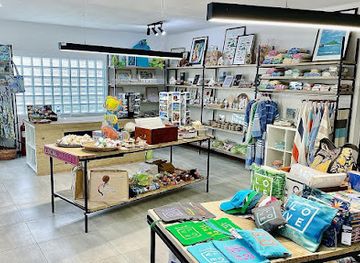
Shopping on Île du Nord is limited to the private resort environment and should not be treated as a retail destination. A boutique or guest shop may offer practical items, branded goods, locally themed crafts or conservation-related souvenirs, but selection and stock can vary. There are no public high streets, market towns or independent craft districts on the island. Visitors wanting Seychellois food products, artwork, textiles, jewellery, books or a broader choice of gifts should shop on Mahé before the transfer, where markets and independent businesses provide more variety. Choose responsibly made souvenirs and avoid purchasing shells, coral, protected wildlife products or items made from unverified natural materials. Because North Island is remote, pack essentials, specialist toiletries, medicines and equipment in advance rather than expecting to buy replacements after arrival.
-
Souvenir store
Koral Souvenir Boutique
Explore Koral Souvenir Boutique in Beau Vallon for unique handcrafted souvenirs, local art, and a taste of Seychelles' vibrant culture.
-
Grocery store
SPR SHOPPING
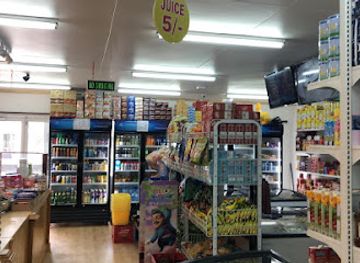
Explore the vibrant local flavors and fresh produce at SPR SHOPPING, your go-to grocery store in beautiful Anse Royale, Seychelles.
-
Grocery store
SMS Shopping Centre
Explore the SMS Shopping Centre in Seychelles, your go-to destination for local and international groceries in a vibrant shopping atmosphere.
-
Grocery store
Island taste
Explore the essence of local flavors at Island Taste, the perfect grocery store for tourists in the Seychelles.


Get your free copy of our complete guide to Île du Nord, delivered straight to you.
Everything on this page, from attractions and restaurants to essentials and local phrases, in one PDF you can read offline, print or share.
Already have an account? Sign in
Your Île du Nord guide is ready.
We'll send it to · Not you? Sign out

Getting your guide ready…
We are putting together a fresh copy of the Île du Nord guide. This can take up to a minute.
This can take a few moments. If your browser asks, choose Allow so the download can start. You'll find the guide in your Downloads folder.
Nothing happened? Download it again
Sorry, the guide is taking longer than usual. Please try again in a minute, or get it by email instead.
Île du Nord essentials
Currency and Payment
Safety
Emergency Situations
Do's and Don'ts
Local Tips
From Eve
Local phrases worth knowing
You don't need to get them perfect. A few words go a long way, and locals appreciate the effort.
Basics
| English | Local | Say it |
|---|---|---|
| Hello | Bonjour | [bɔ̃ʒuʁ] |
| Goodbye | Au revoir | [o ʁə.vwaʁ] |
| Yes | Oui | [wi] |
| No | Non | [nɔ̃] |
| Please/You're welcome | S'il vous plaît | [sil vu plɛ] |
| Thank you | Merci | [mɛʁ.si] |
| Excuse me/Sorry | Pardon | [paʁ.dɔ̃] |
| How are you? | Comment ça va? | [kɔ.mɑ̃ sa va] |
| Fine. And you? | Bien, et vous? | [bjɛ̃ e vu] |
| Do you speak English? | Parlez-vous anglais? | [paʁ.le vu ɑ̃ɡ.le] |
| I don't understand | Je ne comprends pas | [ʒə nə kɔ̃.pʁɑ̃ pa] |
Eating & Drinking
| English | Local | Say it |
|---|---|---|
| I'd like to see the menu, please | Je voudrais voir le menu, s'il vous plaît | [ʒə vu.dʁɛ vwaʁ lə mə.ny sil vu plɛ] |
| I don't eat meat | Je ne mange pas de viande | [ʒə nə mɑ̃ʒ pa də vjɑ̃d] |
| Cheers! | Santé! | [sɑ̃.te] |
| I would like to pay, please | Je voudrais payer, s'il vous plaît | [ʒə vu.dʁɛ pe.je sil vu plɛ] |
Emergencies
| English | Local | Say it |
|---|---|---|
| Help! | Au secours! | [o sə.kuʁ] |
| Go away! | Allez-vous en! | [a.le vu zɑ̃] |
| Call the Police! | Appelez la police! | [a.pe.le la pɔ.lis] |
| Call a doctor! | Appelez un médecin! | [a.pe.le ɛ̃ mɛ.dɛ.sɛ̃] |
| I'm lost | Je suis perdu | [ʒə sɥi pɛʁ.dy] |
| I'm ill | Je suis malade | [ʒə sɥi ma.lad] |
Shopping
| English | Local | Say it |
|---|---|---|
| I'd like to buy... | Je voudrais acheter... | [ʒə vu.dʁɛ aʃ.te] |
| I'm just looking | Je regarde juste | [ʒə ʁə.ɡaʁd ʒyst] |
| How much is it? | C'est combien? | [se kɔ̃.byɛ̃] |
| That's too expensive | C'est trop cher | [se tʁo ʃɛʁ] |
| Can you lower the price? | Pouvez-vous baisser le prix? | [pu.ve vu bɛ.se lə pʁi] |
Time & Numbers
| English | Local | Say it |
|---|---|---|
| What time is it? | Quelle heure est-il? | [kɛl œʁ ɛ.til] |
| It's one o'clock | Il est une heure | [il ɛ yn œʁ] |
| Half past (10) | Dix heures et demie | [dis œʁ e də.mi] |
| Morning | Matin | [ma.tɛ̃] |
| Afternoon | Après-midi | [a.pʁɛ.mi.di] |
| Evening | Soir | [swaʁ] |
| Yesterday | Hier | [jɛʁ] |
| Today | Aujourd'hui | [o.ʒuʁ dɥi] |
| Tomorrow | Demain | [də.mɛ̃] |
| 1 | Un | [œ̃] |
| 2 | Deux | [dø] |
| 3 | Trois | [tʁwa] |
| 4 | Quatre | [katʁ] |
| 5 | Cinq | [sɛ̃k] |
| 6 | Six | [sis] |
| 7 | Sept | [sɛt] |
| 8 | Huit | [ɥit] |
| 9 | Neuf | [nœf] |
| 10 | Dix | [dis] |
Transport & Directions
| English | Local | Say it |
|---|---|---|
| Where's a/the...? | Où est un/une...? | [u ɛ ɛ̃/yn] |
| What's the address? | Quelle est l'adresse? | [kɛl ɛ l'a.dʁɛs] |
| Can you show me (on the map)? | Pouvez-vous me montrer (sur la carte)? | [pu.ve vu mə mɔ̃.tʁe syʁ la kaʁt] |
| When's the next (bus)? | Quand est le prochain (bus)? | [kɑ̃ ɛ lə pʁo.ʃɛ̃ bus] |
| A ticket (to ...) | Un billet (pour ...) | [œ̃ bi.jɛ (puʁ ...)] |
History of Île du Nord
Granitic Origins and an Isolated Island Ecology
Île du Nord belongs to the granitic Inner Seychelles, islands formed from ancient continental rock rather than coral platforms. Its steep central uplands, weathered granite outcrops and narrow coastal plains are products of this geological history. Before permanent human settlement in the archipelago, the island’s ecology developed in relative isolation, supporting native woodland, seabirds and other species adapted to a small tropical island. Its present landscape therefore reflects both deep geological time and the much more recent effects of cultivation, introduced plants and conservation management.
French Settlement in the Seychelles
France established a permanent settlement in the Seychelles in the eighteenth century, initially administering the islands from Mahé. North Island did not develop into a major colonial town, but it entered the same wider system of maritime navigation, land surveying and island exploitation. French influence remains visible across Seychelles in place names, language and aspects of law and culture. The arrival of permanent settlers also began the transformation of native island environments through agriculture, timber cutting, livestock and the introduction of plants and animals.
Plantation Agriculture and Copra Production
During the nineteenth and early twentieth centuries, coconut cultivation and copra production were important parts of the Seychelles economy. North Island was used more lightly than the principal settled islands but was associated with the plantation economy and its limited agricultural infrastructure. Copra, the dried kernel of the coconut, could be processed into oil and transported by sea. The island’s remaining plantation-related traces help explain why some areas contain modified vegetation and why contemporary restoration involves removing invasive growth and encouraging native forest to return.
British Administration and Changing Island Economies
Under the Treaty of Paris in 1814, the Seychelles passed from French to British control and remained a British colony until independence in 1976. Economic activity across the archipelago continued to centre on coconuts, cinnamon, vanilla, fishing and maritime trade, with labour shaped by the legacy of slavery and later forms of indentured and contracted work. North Island remained a small, sparsely settled outpost rather than a major administrative centre. Its history is best understood within this wider colonial island economy, not as a separate political territory.
Independence and the Rise of Conservation
Seychelles became independent in 1976, after which tourism increasingly became a major part of the national economy. For small islands such as North Island, development raised difficult questions about freshwater, waste, energy, habitat loss and the protection of native species. Conservation approaches gradually became more prominent, including the control of invasive plants, habitat restoration and the protection of tortoises and seabirds. These priorities shaped the island’s later identity and distinguish its present visitor experience from its earlier plantation use.
Restoration-Led Private Island Tourism
From the late twentieth century onwards, North Island was developed as a low-density private resort with conservation at the centre of its operating model. The modern visitor landscape combines hospitality with restoration of native vegetation, wildlife monitoring and interpretation of the island’s former agricultural use. The result is not a preserved wilderness untouched by people, but a managed cultural and ecological landscape. Its contemporary significance lies in demonstrating how tourism, when carefully limited and planned, can help finance the rehabilitation of a small island environment.
Île du Nord in Photos
Browse through our photo collection highlighting the charm and character of the destination.
Neighbouring regions of Île du Nord
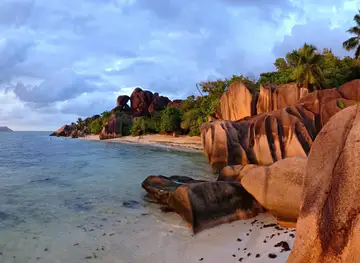
The closest regions to Île du Nord, if you have time for more than one.
-

-

-

-

-


Swipe for more regions
Explore more
Explore more of Seychelles
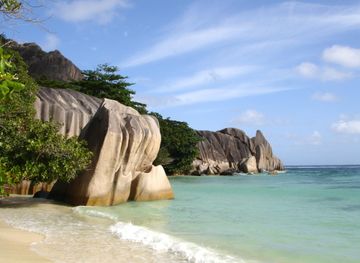
Discover the enchanting islands of Seychelles, where stunning beaches, vibrant wildlife, and rich Creole culture come together for an unforgettable tropical escape.
Explore Seychelles