

Free Denis Island Travel Guide & Mobile App
Explore Denis Island with free travel guides. Discover regional history, expert tips, proposed trips, and audio guides on web or mobile app.


Denis Island in Seychelles combines coral beaches, wildlife conservation, plantation heritage and quiet island living in a remote northern setting.
Read more about Denis Island
When is the best time to visit Denis Island?
Best: June–August · 29–30°C| Month | High (°C) | Rainfall (mm) |
|---|---|---|
| January | 30 | 305 |
| February | 30 | 265 |
| March | 30 | 210 |
| April | 31 | 155 |
| May | 31 | 125 |
| June (best) | 30 | 80 |
| July (best) | 29 | 75 |
| August (best) | 29 | 85 |
| September | 30 | 115 |
| October | 30 | 180 |
| November | 30 | 240 |
| December | 30 | 270 |
Getting to and around Denis Island
How to get there
Transportation
Best attractions in Denis Island
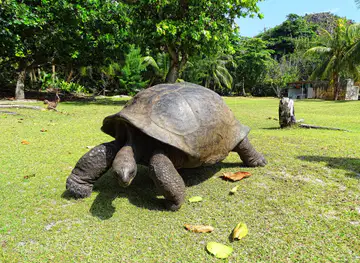
Denis Island's attractions are concentrated in its natural setting rather than in a long list of built amusements. Coral beaches, shallow reef areas and open-water excursions provide the main focus for swimming, snorkelling, fishing and boat trips, subject to weather and local conservation guidance. On land, woodland paths and quiet coastal walks reveal the island's low-lying geography, while guided nature activities introduce visitors to seabirds, giant tortoises and the challenges of maintaining biodiversity on a small remote island. The historic lighthouse, plantation remains, chapel and older estate features add cultural depth to the outdoor experience. Food-growing areas are also notable because they show how the island reduces its dependence on supplies brought from Mahé. Visitors should expect a deliberately limited tourism environment: there are no public museums, shopping streets or large family attractions, and most activities are organised through the island's principal accommodation. This restrained scale is central to Denis's appeal, allowing the landscape, wildlife and maritime setting to remain the dominant features.
-
Beach
Anse Source d'Argent
Experience the breathtaking beauty of Anse Source d'Argent, a world-renowned beach with stunning scenery and tranquil waters in Seychelles.
-
Diving center
Atoll Divers
Atoll Divers - Experience the best diving adventures in Seychelles with expert guidance and explore vibrant coral reefs and exotic marine life.
-
Hiking area
Morne Blanc Trail
Discover the breathtaking Morne Blanc Trail in Seychelles, where nature's beauty meets adventurous hiking experiences for all skill levels.
-
Diving center
Blue Sea Divers Seychelles
Experience the breathtaking underwater world of Seychelles at Blue Sea Divers, your premier diving center in Beau Vallon.



Best landmarks in Denis Island
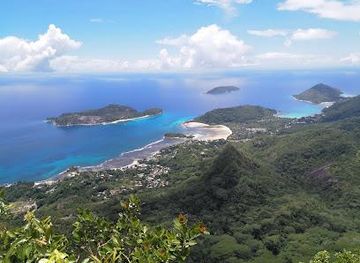
The Denis Island lighthouse is the most recognisable historic landmark, reflecting the island's position beside important maritime routes in the northern Seychelles. Its presence is especially striking on a low coral island where there are few substantial vertical structures. Older plantation buildings and estate remains provide another layer of identity, recalling the period when coconut cultivation, copra production, fishing and food-growing shaped the island's economy. A small chapel and cemetery contribute to the cultural landscape, offering evidence of the communities who lived and worked here rather than serving as grand architectural monuments. The surrounding reef, beaches and broad horizon are natural landmarks in their own right: unlike mountainous Mahé or Praslin, Denis is defined by flat coral terrain, palms and the uninterrupted relationship between land and sea. These features are best understood together, as a compact record of navigation, plantation life, island settlement and contemporary conservation.
-
 Resort hotel
Savoy Seychelles Resort & Spa
Discover the tropical luxury at Savoy Seychelles Resort & Spa, where breathtaking views and impeccable service create an unforgettable escape in the Seychelles.
-
Tourist attraction
Takamaka Rum Distillery
Experience the rich heritage of rum production at Takamaka Rum Distillery, a must-visit attraction in the heart of Seychelles.
-
Resort hotel
STORY Seychelles
Experience ultimate luxury and relaxation at STORY Seychelles, a premier resort hotel at Beau Vallon, perfect for romantic getaways and family vacations.
-
Resort hotel
Hilton Seychelles Labriz Resort & Spa
Experience the ultimate luxury getaway at Hilton Seychelles Labriz Resort & Spa, where tropical beauty meets unparalleled comfort in the heart of the Seychelles.


Explore Denis Island on the map
Plan your trip on one map. See where the top cities, national parks and sights are, and book hotels and experiences in a few clicks.
Best hotels in Denis Island
Best restaurants in Denis Island
Dining on Denis Island is centred on the island's principal accommodation rather than a choice of independent restaurants. Meals typically draw on the culinary traditions of Seychelles, combining Creole influences with broader Indian Ocean, European and international techniques. Fish and seafood are important in a remote island setting, while fruit, vegetables and herbs grown on the island can contribute to menus when available. Coconut, spices, rice and fresh tropical produce are familiar elements of Seychellois cooking, although individual menus and meal arrangements change. The island's gardens and small-scale food production give meals a practical connection to the landscape rather than simply a decorative resort theme. Visitors with allergies, religious dietary requirements or strong preferences should communicate them before travelling, as replacement ingredients are not as readily obtained as on Mahé. Breakfast, lunch, dinner and refreshments are generally arranged through the accommodation, so independent café-hopping is not part of the Denis experience.
-
Restaurant
Del Place Restaurant
Experience exquisite seafood and breathtaking ocean views at Del Place Restaurant in Seychelles.
-
Restaurant
The Boat House Restaurant
Experience exquisite seafood and stunning ocean views at The Boat House Restaurant in Beau Vallon, Seychelles.
-
Indian
Mahek Restaurant
Discover authentic Indian flavors at Mahek Restaurant in Beau Vallon, Seychelles - a must-visit for food enthusiasts.
-
Grill
Beach Shak Seychelles
Experience the best of Seychellois cuisine at Beach Shak Seychelles - where grilled delights meet refreshing cocktails by the sea.


Best bars in Denis Island
Denis Island does not have a nightclub district or a conventional late-night entertainment scene. Evening life is concentrated at the island's accommodation, where visitors may have drinks, dine, listen to music or spend time outdoors under dark northern-Seychelles skies. The emphasis is on relaxed conversation and the surroundings rather than on loud venues or a large programme of events. Sunset drinks and informal gatherings may be available, but exact arrangements are seasonal and subject to the establishment's current programme. Night walks or wildlife observation should only be undertaken with local guidance, since beaches and woodland are active habitats after dark. Travellers seeking clubs, live-music circuits or a wide choice of bars will find those options on larger islands, not on Denis; the island's evening character is intentionally quiet and closely tied to the natural environment.
-
Bar
Gecko Bar
Discover the lively Gecko Bar in Beau Vallon, Seychelles - where delicious food meets refreshing drinks in a stunning beachside setting.
-
Bar
The Boardwalk Bar & Grill
Experience the vibrant atmosphere of The Boardwalk Bar & Grill on Eden Island, where delicious cuisine meets lively entertainment and stunning marina views.
-
Bar
Kabana
Experience the vibrant atmosphere and breathtaking views at Kabana, the ultimate bar destination in N.Y.S. Village, where relaxation meets indulgence.
-
Chinese
Chilli Bar
Discover the authentic taste of Chinese cuisine at Chilli Bar in Zig Zag Ward, where every dish offers a delightful culinary experience.


Best nightclubs in Denis Island
Denis Island does not have a nightclub district or a conventional late-night entertainment scene. Evening life is concentrated at the island's accommodation, where visitors may have drinks, dine, listen to music or spend time outdoors under dark northern-Seychelles skies. The emphasis is on relaxed conversation and the surroundings rather than on loud venues or a large programme of events. Sunset drinks and informal gatherings may be available, but exact arrangements are seasonal and subject to the establishment's current programme. Night walks or wildlife observation should only be undertaken with local guidance, since beaches and woodland are active habitats after dark. Travellers seeking clubs, live-music circuits or a wide choice of bars will find those options on larger islands, not on Denis; the island's evening character is intentionally quiet and closely tied to the natural environment.
-
Night club
Barrel Night Club
Discover the vibrant nightlife of Barrel Night Club in Victoria, Seychelles—where unforgettable music, dancing, and fun await every visitor.
-
Bar
Bourgeois Bar & Lounge at Eden Bleu Hotel
Experience tropical bliss at Bourgeois Bar & Lounge, a vibrant retreat on Eden Island, perfect for cocktails, sunsets, and relaxation.
-
Disco club
Katiolo
Experience the electrifying nightlife of Victoria at Katiolo, the ultimate disco club with a vibrant atmosphere and diverse beats.
-
Bar
Beach Bar
Discover the charm of Beach Bar in Providence, where relaxation meets vibrant beach life, offering exquisite drinks and stunning ocean views.



Best shops in Denis Island
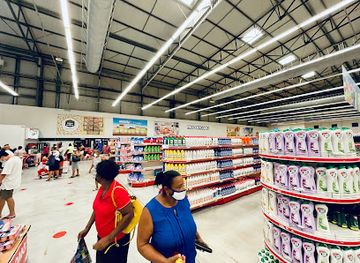
Denis Island is not a shopping destination in the conventional sense. There is no public high street, market quarter or broad selection of independent retailers, and most practical purchases are handled through the island's principal accommodation. Visitors may find a small range of souvenirs, locally themed items or products connected with Seychelles, but availability varies and should not be assumed. The more meaningful way to take home a sense of Denis is through locally produced food or responsibly sourced craft items when offered by the accommodation, while respecting rules against removing shells, coral, feathers, plants or other natural material. For wider shopping, visitors should use Mahé before flying to Denis, particularly for specialist equipment, medicines, toiletries and gifts. Markets and craft outlets on the larger islands provide a much broader selection of Seychellois products than this remote private island.
-
Supermarket
STC Hypermarket
Discover the vibrant STC Hypermarket in Victoria, Seychelles, offering a diverse range of products from local delights to international favorites.
-
Historical landmark
Craft Village
Discover the vibrant cultural heritage of Seychelles at Craft Village, a hub of local art, crafts, and authentic cuisine.
-
Artist
Roots Seychelles
Discover the vibrant creativity of the Seychelles at Roots Seychelles, an artistic gem showcasing local talent and culture.
-
Souvenir store
Koral Souvenir Boutique
Explore Koral Souvenir Boutique for unique Seychelles souvenirs, including handicrafts, jewelry, and local art in the heart of Beau Vallon.


Get your free copy of our complete guide to Denis Island, delivered straight to you.
Everything on this page, from attractions and restaurants to essentials and local phrases, in one PDF you can read offline, print or share.
Already have an account? Sign in
Your Denis Island guide is ready.
We'll send it to · Not you? Sign out

Getting your guide ready…
We are putting together a fresh copy of the Denis Island guide. This can take up to a minute.
This can take a few moments. If your browser asks, choose Allow so the download can start. You'll find the guide in your Downloads folder.
Nothing happened? Download it again
Sorry, the guide is taking longer than usual. Please try again in a minute, or get it by email instead.
Denis Island essentials
Currency and Payment
Safety
Emergency Situations
Do's and Don'ts
Local Tips
From Eve
Local phrases worth knowing
You don't need to get them perfect. A few words go a long way, and locals appreciate the effort.
Basics
| English | Local | Say it |
|---|---|---|
| Hello | Bonzour | [Bohn-zoo] |
| Goodbye | Orevwar | [Oh-reh-vwahr] |
| Yes | Wi | [Wee] |
| No | Non | [Nohn] |
| Please/You're welcome | S'il vous plaît | [Seel voo pleh] |
| Thank you | Mersi | [Mehr-see] |
| Excuse me/Sorry | Desole | [Deh-soh-lay] |
| How are you? | Komman ou ete? | [Koh-mahn oo eh-teh] |
| Fine. And you? | Bien. E ou? | [Byehn. Eh oo?] |
| Do you speak English? | Ou parle Anglais? | [Oo pah-leh Ahn-gleh] |
| I don't understand | Mwen pa konprann | [Mwen pah kohn-prahn] |
Eating & Drinking
| English | Local | Say it |
|---|---|---|
| I'd like to see the menu, please | Mwen ti a kontan vwar meni, sil vous plait | [Mwen tee ah kohn-tahn vwar meh-nee, seel voo pleh] |
| I don't eat meat | Mwen pa manze vyann | [Mwen pah mahn-zay vyahn] |
| Cheers! | Sante! | [Sahn-tay] |
| I would like to pay, please | Mwen ti a kontan pey, sil vous plait | [Mwen tee ah kohn-tahn pay, seel voo pleh] |
Emergencies
| English | Local | Say it |
|---|---|---|
| Help! | Sove! | [Soh-vay] |
| Go away! | Ale arye! | [Ah-lay ah-ree] |
| Call the Police! | Appel lapolis! | [Ah-pel lah-poh-lees] |
| Call a doctor! | Appel en doktor! | [Ah-pel ahn dok-tor] |
| I'm lost | Mwen perdi | [Mwen pair-dee] |
| I'm ill | Mwen malad | [Mwen mah-lahd] |
Shopping
| English | Local | Say it |
|---|---|---|
| I'd like to buy... | Mwen ti a kontan achte... | [Mwen tee ah kohn-tahn ahsht-ay] |
| I'm just looking | Mwen zis pe vwar | [Mwen zees peh vwar] |
| How much is it? | Ki kantite sa? | [Kee kohn-tay sah?] |
| That's too expensive | Sa tro chers | [Sah tro shairs] |
| Can you lower the price? | Eski ou kapab diminye pri? | [Es-kee oo kah-pahb dee-mee-nyay pree?] |
Time & Numbers
| English | Local | Say it |
|---|---|---|
| What time is it? | Ki ler li? | [Kee ler lee?] |
| It's one o'clock | Li enn ler | [Lee enn ler] |
| Half past (10) | Demi (10) | [Duh-mee (10)] |
| Morning | Moris | [Moh-rees] |
| Afternoon | Apres-midi | [Ah-preh-mee-dee] |
| Evening | Swar | [Swar] |
| Yesterday | Yer | [Yair] |
| Today | Ozordi | [Oh-zor-dee] |
| Tomorrow | Demain | [Duh-mahn] |
| 1 | En | [En] |
| 2 | De | [Deh] |
| 3 | Trois | [Trwah] |
| 4 | Katre | [Kah-tray] |
| 5 | Senks | [Sank] |
| 6 | Sis | [Sees] |
| 7 | Set | [Set] |
| 8 | Huit | [Wheet] |
| 9 | Nef | [Nehf] |
| 10 | Dix | [Dees] |
Transport & Directions
| English | Local | Say it |
|---|---|---|
| Where's a/the...? | Kot i en ...? | [Koht ee en ...?] |
| What's the address? | Ki ladrès? | [Kee lah-dress?] |
| Can you show me (on the map)? | Eski ou ka montre mwan (lo kat)? | [Es-kee oo kah mohn-tray mwahn (loh kaht)?] |
| When's the next (bus)? | Kan i prochen (bus)? | [Kahn ee proh-shen (boos)?] |
| A ticket (to ....) | En tiké (pou ....) | [En tee-kay (poo ....)] |
History of Denis Island
European charting and the island's name, 1773
Denis Island entered European records during the French exploration of the Seychelles in the eighteenth century and was named after Denis de Trobriand, who reached the island in 1773. As with other remote Seychelles islands, its early recorded history followed maritime routes linking the western Indian Ocean with France, East Africa, India and island settlements. The island was uninhabited on a permanent urban model, but its location was significant to navigators because coral islands, reefs and changing sea conditions demanded careful passage.
Plantation development in the nineteenth century
During the nineteenth century, Denis was developed as a private island plantation. Coconut cultivation became central to its economy, with copra—the dried kernel used to produce coconut oil—forming part of the wider export system that shaped many Seychelles islands. Fishing, small-scale food production and estate labour supplemented plantation activity. The surviving palms, clearings and older structures reflect this period, although the present landscape has also been shaped by later conservation and tourism management.
The lighthouse and maritime navigation
Denis's position in the northern Seychelles gave it continuing maritime importance, and a lighthouse was established on the island to aid shipping. The lighthouse remains one of its most recognisable historic features, standing as a reminder that the island was once connected to regional sea routes as well as to plantation commerce. Its significance is practical as well as visual: on a low coral island, a navigational light offered an important fixed reference in waters where reefs and weather could complicate travel.
A remote island economy
For much of its modern history, Denis functioned as a self-contained estate rather than a settled community with the varied services found on Mahé. Coconut production, fishing, animal husbandry and the cultivation of food crops helped support people living and working on the island. Distance from the main islands made repair, supply and transport part of everyday life. That legacy is still visible in the emphasis placed on growing some produce locally and managing resources carefully.
Conservation alongside tourism
As Seychelles developed a national tourism economy in the later twentieth century, Denis shifted from a primarily productive plantation island towards a privately managed nature and hospitality destination. This did not erase its earlier landscape: conservation programmes were developed around the island's woodland, seabirds, tortoises and coastal habitats, while historic buildings and working areas remained part of the setting. The result is a destination where tourism, food production, heritage and wildlife management operate within a very small physical space.
Contemporary private-island stewardship
Today Denis is known for low-density accommodation and environmental management rather than for a permanent public settlement or large-scale infrastructure. Its contemporary identity reflects both the wider Seychelles emphasis on marine and island conservation and the practical realities of operating far from Mahé. Access, waste management, freshwater use, transport and food supply all require careful planning. The island's history is therefore not only preserved in its lighthouse and plantation buildings but also in the continuing need to live within the limits of a remote coral environment.
Denis Island in Photos
Browse through our photo collection highlighting the charm and character of the destination.
Neighbouring regions of Denis Island
The closest regions to Denis Island, if you have time for more than one.
-

-

-
-

-


Swipe for more regions
Explore more
Explore more of Seychelles
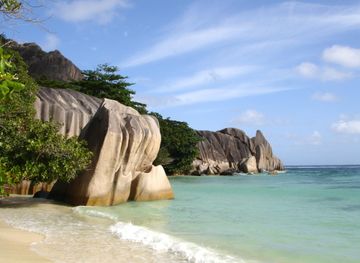
Discover the enchanting islands of Seychelles, where stunning beaches, vibrant wildlife, and rich Creole culture come together for an unforgettable tropical escape.
Explore Seychelles