

Free North Island Travel Guide & Mobile App
Explore North Island with free travel guides. Discover regional history, expert tips, proposed trips, and audio guides on web or mobile app.


North Island, Seychelles, combines granite beaches, restored forest, giant tortoises and conservation-led island stays within reach of Mahé.
Read more about North Island
When is the best time to visit North Island?
Best: June–August · 29°C| Month | High (°C) | Rainfall (mm) |
|---|---|---|
| January | 29 | 290 |
| February | 29 | 230 |
| March | 29 | 180 |
| April | 30 | 150 |
| May | 30 | 120 |
| June (best) | 29 | 100 |
| July (best) | 29 | 90 |
| August (best) | 29 | 90 |
| September | 29 | 110 |
| October | 29 | 160 |
| November | 29 | 190 |
| December | 29 | 260 |
Getting to and around North Island
How to get there
Transportation
Best attractions in North Island
North Island’s attractions are primarily environmental and experiential rather than museum-based. Its four beaches offer different combinations of sheltered swimming, reef views, rock formations and open-ocean scenery, while forest paths lead through a recovering island habitat. Guided walks can introduce visitors to native vegetation, giant tortoises, seabirds and the conservation work undertaken to control invasive plants and protect wildlife. Marine activities, including snorkelling, diving, kayaking and boat trips, depend on visibility, currents and seasonal weather. The island’s compact scale makes it possible to combine a beach morning with an interior walk or a quiet visit to a granite lookout. Historical traces add depth: remnants of earlier cultivation and an old cemetery recall the period when North Island was a working plantation island. There are no conventional galleries, shopping streets or family amusement attractions; the appeal lies in controlled access to beaches, forest, wildlife and sea. Visitors seeking broader cultural or historical sightseeing can use time on Mahé, which is geographically outside North Island, before or after the island stay.
-
Beach
Beau Vallon Beach
Unwind at Beau Vallon Beach, a stunning Seychelles paradise known for its soft sands, crystal-clear waters, and vibrant local culture.
-
Beach
Grand Anse Beach
Experience the beauty of Grand Anse Beach in Seychelles, a serene tropical paradise with pristine sands and crystal-clear waters, perfect for relaxation and adventure.
-
Diving center
EQUINOXE Diving School
Experience the thrill of diving in Seychelles with EQUINOXE Diving School, where adventure meets breathtaking marine beauty.
-
Diving center
Atoll Divers
Experience the breathtaking underwater world with Atoll Divers – your gateway to unforgettable diving adventures in Seychelles' pristine waters.


Best landmarks in North Island
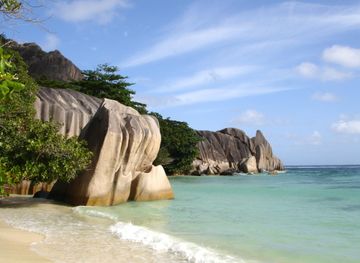
North Island’s most recognisable landmarks are natural: pale granite boulders and ridges rise behind sandy coves, creating a distinctive Seychelles coastline of rounded rock, forest and bright shallow water. The island’s beaches are important visual markers because their orientation gives each a different relationship with wind, swell and afternoon light. Inland, the recovering forest and conservation areas represent a landmark transformation in their own right, showing how a former plantation landscape can be managed for native habitat and wildlife. Giant tortoises are living symbols of the island’s conservation identity, although they are animals rather than fixed monuments and must be observed without interference. An old cemetery and surviving traces of earlier cultivation provide quieter historical landmarks, connecting the private resort landscape with the island’s agricultural past. These places are best understood through guided walks, when the relationship between granite geology, settlement, plantation use and modern restoration becomes clearer.
-
Hotel
Kempinski Seychelles Resort
Discover luxury and tranquility at Kempinski Seychelles Resort, your idyllic getaway on the breathtaking Mahé Island.
-
 Resort hotel
Savoy Seychelles Resort & Spa
Discover luxury and tranquility at Savoy Seychelles Resort & Spa, your perfect escape in the heart of Beau Vallon, Seychelles.
-
Market
Sir Selwyn Selwyn-Clarke Market
Discover the vibrant culture and flavors of Seychelles at Sir Selwyn Selwyn-Clarke Market, a must-visit destination for every traveler.
-
Tourist attraction
Takamaka Rum Distillery
Experience the heart of Seychellois culture at Takamaka Rum Distillery, where tradition meets taste in every sip of authentic rum.


Explore North Island on the map
Plan your trip on one map. See where the top cities, national parks and sights are, and book hotels and experiences in a few clicks.
Best hotels in North Island
Best restaurants in North Island
Dining on North Island is centred on the resident accommodation rather than independent restaurants. Meals typically draw on the wider Seychellois tradition of combining fresh seafood, rice, fruit, vegetables, coconut and aromatic spices, with menus shaped by daily availability and the island’s supply arrangements. Fish and other seafood are natural features of a granite-island setting, while tropical fruit and locally influenced Creole preparations provide a stronger sense of place than imported fine-dining formality alone. Breakfasts, lunches and dinners are generally planned around the guest programme, with beach or outdoor settings possible when weather permits. There are no village cafés, bakeries or farmers’ markets on the island, so dietary requirements and specialist foods should be communicated before arrival. Visitors extending their trip on Mahé will find a much broader range of Creole eateries, takeaways, cafés, hotel restaurants and markets, but that mainland dining scene should not be mistaken for North Island’s deliberately self-contained experience.
-
Restaurant
Del Place Restaurant
Experience exquisite Creole cuisine with stunning ocean views at Del Place Restaurant in Seychelles.
-
Creole
Kafe Kreol Cafe & Restaurant
Experience authentic Creole cuisine at Kafe Kreol Cafe & Restaurant in Anse Royale - where local flavors meet stunning island views.
-
Restaurant
The Boat House Restaurant
Experience exquisite dining at The Boat House Restaurant in Beau Vallon with breathtaking ocean views and delicious local cuisine.
-
Indian
Mahek Restaurant
Experience authentic Indian cuisine in Beau Vallon at Mahek Restaurant – where every dish tells a story of flavor and tradition.


Best bars in North Island
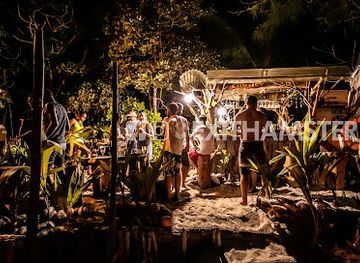
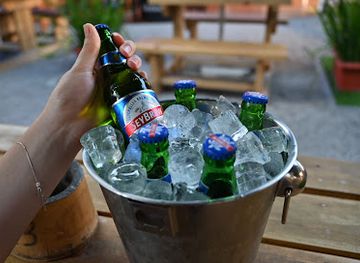
North Island has no nightclub district and no independent late-night bar scene. Evening life is usually concentrated around the resident accommodation, where guests may have drinks with dinner, meet in a lounge or enjoy a low-key outdoor setting when conditions allow. The emphasis is on quiet conversation, the night sky and the natural surroundings rather than loud entertainment. Alcoholic drinks are available through the accommodation, but they are not essential to experiencing the island and should be enjoyed responsibly, particularly before swimming, boating or walking on uneven paths. Live entertainment and special evening activities can vary, so current arrangements should be confirmed directly before travelling. Visitors wanting busier nightlife, more bars or music venues need to spend time on Mahé, outside North Island, where evening activity is concentrated in the capital and larger settled areas.
-
Creole
Kafe Kreol Cafe & Restaurant
Savor the authentic taste of Creole cuisine at Kafe Kreol, a top dining destination in Anse Royale for unforgettable culinary experiences.
-
Restaurant
The Boat House Restaurant
Experience exquisite Seychellois flavors with stunning ocean views at The Boat House Restaurant in Beau Vallon.
-
Italian
La Perle Noire Restaurant
Experience the essence of Italy with a maritime twist at La Perle Noire Restaurant in Beau Vallon, where every bite tells a story.
-
Bar
Surfers Beach Restaurant
Experience the flavors of the Seychelles at Surfers Beach Restaurant, where fresh seafood meets breathtaking ocean views in Takamaka.


Best nightclubs in North Island
North Island has no nightclub district and no independent late-night bar scene. Evening life is usually concentrated around the resident accommodation, where guests may have drinks with dinner, meet in a lounge or enjoy a low-key outdoor setting when conditions allow. The emphasis is on quiet conversation, the night sky and the natural surroundings rather than loud entertainment. Alcoholic drinks are available through the accommodation, but they are not essential to experiencing the island and should be enjoyed responsibly, particularly before swimming, boating or walking on uneven paths. Live entertainment and special evening activities can vary, so current arrangements should be confirmed directly before travelling. Visitors wanting busier nightlife, more bars or music venues need to spend time on Mahé, outside North Island, where evening activity is concentrated in the capital and larger settled areas.
-
Night club
The Boardwalk Bar & Grill
Experience the vibrant nightlife and delectable cuisine at The Boardwalk Bar & Grill, the ultimate dining and entertainment spot on Eden Island.
-
Bar
Summer Bar
Experience the serene charm of Summer Bar, where refreshing drinks and breathtaking views create unforgettable moments in Anse Intendance.
-
Bar
Club Liberté Casino
Discover the excitement of Club Liberté Casino, where gaming, dining, and live entertainment come together in the heart of Petite Anse.
-
Night club
Barrel Night Club
Discover the electrifying nightlife of Victoria at Barrel Night Club, where music, dancing, and vibrant energy come alive.


Best shops in North Island
North Island is not a shopping destination and has no public high street, market or independent retail quarter. Guests should bring medicines, specialist toiletries, reading materials and other personal necessities from Mahé, as the island’s accommodation is not a substitute for everyday shops. Purchases are more likely to consist of items supplied through the resort, such as locally associated food products, crafts or keepsakes, subject to availability. Visitors should avoid buying anything made from coral, protected shells, wildlife products or illegally collected natural materials. For a broader selection of Seychellois crafts, spices, textiles, souvenirs and locally produced foods, plan shopping time on Mahé before or after the North Island stay. The most meaningful souvenirs are generally lightweight, legally sourced products that do not remove material from the island’s beaches, reefs or forest.
-
Grocery store
Kumar & Kumar Supermarket
Experience the vibrant local flavors at Kumar & Kumar Supermarket in Pointe Au Sel, a grocery store paradise for tourists.
-
Grocery store
Mike's Store
Explore local flavors and everyday essentials at Mike's Store in Mare Anglaise, your go-to grocery destination in the Seychelles.
-
Souvenir store
Koral Souvenir Boutique
Discover the essence of Seychelles artistry at Koral Souvenir Boutique in Beau Vallon, featuring unique handmade gifts and local treasures.
-
Shopping mall
M.D.Pillai Shopping Center
Experience the vibrant local culture and shopping delights at M.D.Pillai Shopping Center in Anse Royale, Seychelles.


Get your free copy of our complete guide to North Island, delivered straight to you.
Everything on this page, from attractions and restaurants to essentials and local phrases, in one PDF you can read offline, print or share.
Already have an account? Sign in
Your North Island guide is ready.
We'll send it to · Not you? Sign out

Getting your guide ready…
We are putting together a fresh copy of the North Island guide. This can take up to a minute.
This can take a few moments. If your browser asks, choose Allow so the download can start. You'll find the guide in your Downloads folder.
Nothing happened? Download it again
Sorry, the guide is taking longer than usual. Please try again in a minute, or get it by email instead.
North Island essentials
Currency and Payment
Safety
Emergency Situations
Do's and Don'ts
Local Tips
From Eve
Local phrases worth knowing
You don't need to get them perfect. A few words go a long way, and locals appreciate the effort.
Basics
| English | Local | Say it |
|---|---|---|
| Hello | Bonzur | [bɔ̃zyʊr] |
| Goodbye | Aurevoir | [oʁvwaʁ] |
| Yes | Wi | [wi] |
| No | Non | [nɔ̃] |
| Please/You're welcome | S'il vous plaît | [sil vu ple] |
| Thank you | Mersi | [mɛʁsi] |
| Excuse me/Sorry | Eskize mwen | [ɛskiˈze mɛ̃] |
| How are you? | Kouman ou y? | [kuˈmɑ̃ u i] |
| Fine. And you? | Byen. E ou? | [bjɛ̃ e u] |
| Do you speak English? | Es ou parle Anglais? | [ɛs u paʁl ɑ̃ɡlɛ] |
| I don't understand | Mwen pa konprann | [mɛ̃ pa kɔ̃pʁɑ̃] |
Eating & Drinking
| English | Local | Say it |
|---|---|---|
| I'd like to see the menu, please | Mwen ti a kontan vwar menu, sil vous plaît | [mɛ̃ ti a kɔ̃tɑ̃ vwaʁ meˈny, sil vu ple] |
| I don't eat meat | Mwen pa manze vyann | [mɛ̃ pa mɑ̃ze vjɑ̃] |
| Cheers! | Santé! | [sɑ̃te] |
| I would like to pay, please | Mwen ti a kontan peye, sil vous plaît | [mɛ̃ ti a kɔ̃tɑ̃ peje, sil vu ple] |
Emergencies
| English | Local | Say it |
|---|---|---|
| Help! | Ed! | [ɛd] |
| Go away! | Ale, ale! | [ale, ale] |
| Call the Police! | Appel Polisi! | [aˈpɛl poˈlisi] |
| Call a doctor! | Appel en docteur! | [aˈpɛl ɑ̃ dɔkˈtœʁ] |
| I'm lost | Mwen pe perdi | [mɛ̃ pe pɛʁdi] |
| I'm ill | Mwen malad | [mɛ̃ maˈlad] |
Shopping
| English | Local | Say it |
|---|---|---|
| I'd like to buy... | Mwen ti a kontan achte... | [mɛ̃ ti a kɔ̃tɑ̃ aʃte] |
| I'm just looking | Mwen zis pe gade | [mɛ̃ zis pe ɡaˈde] |
| How much is it? | Ki konbyen sa? | [ki kɔ̃bjɛ̃ sa] |
| That's too expensive | Sa tro cher | [sa tʁo ʃɛʁ] |
| Can you lower the price? | Es ou kapab desann pri a? | [ɛs u kaˈpab deˈsɑ̃ pʁi a] |
Time & Numbers
| English | Local | Say it |
|---|---|---|
| What time is it? | Ki le sa? | [ki le sa] |
| It's one o'clock | I le enn ler | [i le ɛ̃ lɛʁ] |
| Half past (10) | Demi apre (10) | [dəmi apʁe (10)] |
| Morning | Matin | [ma.tɛ̃] |
| Afternoon | Apremidi | [apʁeˈmidi] |
| Evening | Sware | [swaʁ] |
| Yesterday | Yer | [jɛʁ] |
| Today | Azi | [a.zi] |
| Tomorrow | Demain | [də.mɛ̃] |
| 1 | Enn | [ɛ̃] |
| 2 | De | [de] |
| 3 | Trois | [tʁwa] |
| 4 | Katre | [ka.tʁə] |
| 5 | Senk | [sɛ̃k] |
| 6 | Sis | [sis] |
| 7 | Set | [sɛt] |
| 8 | Huit | [ɥit] |
| 9 | Nef | [nɛf] |
| 10 | Dix | [dis] |
Transport & Directions
| English | Local | Say it |
|---|---|---|
| Where's a/the...? | Kot enn/sa...? | [kɔt ɛ̃/sa] |
| What's the address? | Ki ladrès? | [ki laˈdʁɛs] |
| Can you show me (on the map)? | Es ou kapav montre mwen (lo kat)? | [ɛs u kaˈpav mɔ̃tʁe mɛ̃ (lo kat)] |
| When's the next (bus)? | Kan sa prochen (buss)? | [kɑ̃ sa pʁoʃɛn (bys)] |
| A ticket (to ....) | Enn tiké (pou ....) | [ɛ̃ tikɛ (pu ....)] |
History of North Island
Granite Island Formation and Early Human Use
North Island is part of the Seychelles inner islands, a group of ancient granitic landforms distinct from coral atolls elsewhere in the archipelago. Its granite ridges, sandy coves and forested slopes were shaped over geological time before human settlement. As on other islands near Mahé, early visitors likely used the coast and sheltered anchorages, although North Island did not develop into a major indigenous urban or political centre. Its small size and isolation helped preserve a landscape in which natural features remained more prominent than permanent architecture.
French and British Colonial Seychelles
The Seychelles became a French possession in the eighteenth century and was transferred to Britain after the Napoleonic Wars. North Island formed part of this wider colonial island economy, in which small islands were drawn into maritime trade and plantation production. The island’s location north of Mahé made it accessible to vessels moving through the inner Seychelles, while its land could support limited cultivation. Colonial administration left its strongest long-term mark through land ownership, agriculture and the movement of workers and goods between islands.
Coconut and Plantation Agriculture
During the nineteenth and early twentieth centuries, North Island was used for agricultural production, particularly coconut cultivation and related copra processing. Other crops were also grown in the Seychelles, but coconut was especially important to the islands’ export economy. Plantation activity cleared or altered parts of the native vegetation and introduced plants that later complicated ecological restoration. Remnants of earlier settlement and an old cemetery help convey that North Island was once a working agricultural island rather than solely a leisure destination.
Decline of Plantation Use and Island Isolation
As the plantation economy declined and the Seychelles moved towards independence in 1976, North Island became increasingly quiet and lightly populated. Its limited arable land, lack of a substantial settlement and dependence on sea access prevented it from developing into a conventional island community. This period of reduced human activity allowed parts of the landscape to regenerate, though introduced species and the legacy of former cultivation remained significant environmental challenges.
Conservation and Ecological Restoration
Late twentieth-century and early twenty-first-century conservation efforts repositioned North Island as a site of ecological restoration. Management programmes focused on controlling invasive vegetation, encouraging native forest, safeguarding seabirds and supporting the recovery of indigenous wildlife, including giant tortoises. The island’s conservation model reflects a broader Seychelles concern: tourism can place pressure on fragile islands, but carefully managed access can also finance habitat protection. Restoration remains an ongoing process rather than a claim that the island has returned completely to its pre-settlement state.
A Private Conservation-Led Visitor Destination
North Island’s contemporary identity emerged when private investment and conservation management were combined with a small-scale luxury hospitality operation. Rather than growing into a mass-market resort island, it retained controlled access, low visitor numbers and an emphasis on guided nature experiences. Accommodation, transport and activities are organised as an integrated island operation. This arrangement has made North Island internationally recognised among travellers interested in secluded beaches and conservation, while leaving Mahé as the principal administrative, transport and supply centre.
North Island in Photos
Browse through our photo collection highlighting the charm and character of the destination.
Neighbouring regions of North Island
The closest regions to North Island, if you have time for more than one.
-

-

-

-

-


Swipe for more regions
Explore more
Explore more of Seychelles
Discover the enchanting islands of Seychelles, where stunning beaches, vibrant wildlife, and rich Creole culture come together for an unforgettable tropical escape.
Explore Seychelles