

Free Silhouette Island Travel Guide & Mobile App
Explore Silhouette Island with free travel guides. Discover regional history, expert tips, proposed trips, and audio guides on web or mobile app.


Silhouette Island in Seychelles combines protected mountain forests, quiet beaches, reef activities and plantation history in a secluded island setting.
Read more about Silhouette Island
When is the best time to visit Silhouette Island?
Best: June–August · 29°C| Month | High (°C) | Rainfall (mm) |
|---|---|---|
| January | 30 | 320 |
| February | 30 | 240 |
| March | 30 | 210 |
| April | 30 | 200 |
| May | 29 | 140 |
| June (best) | 29 | 120 |
| July (best) | 29 | 110 |
| August (best) | 29 | 110 |
| September | 29 | 120 |
| October | 29 | 170 |
| November | 29 | 240 |
| December | 30 | 290 |
Getting to and around Silhouette Island
How to get there
Transportation
Best attractions in Silhouette Island
Silhouette’s attractions are concentrated in its protected natural environment rather than in a long list of built visitor facilities. Forest walks lead through granite valleys and coastal vegetation, with Anse Mondon among the best-known destinations for guided hiking. The slopes around Mount Dauban offer a demanding inland setting, while beaches near La Passe provide easier opportunities for swimming, sunbathing and snorkelling when sea conditions are favourable. Boat trips and diving excursions explore reefs and offshore waters around the island. Visitors interested in history can look for plantation remains and learn about the former settlement at Grande Barbe, including its cemetery and leper-station heritage. Giant tortoises, fruit bats and endemic birds add a wildlife dimension, though sightings are never guaranteed. The island’s greatest attraction is the combination of accessible resort facilities and a largely protected interior, where rainforests, ridges and quiet coves remain more important than entertainment infrastructure.
-
Tourist attraction
Pointe Ramasse Tout
Explore the serene beauty and vibrant marine life of Pointe Ramasse Tout, a hidden gem in the Seychelles perfect for adventure and relaxation.
-
Tourist attraction
Anse Patates
Discover the tranquil beauty of Anse Patates, a hidden gem on Silhouette Island, offering stunning beaches and serene natural landscapes.
-
Hiking area
Jardin Marron
Explore Jardin Marron, a breathtaking hiking area in Silhouette, Seychelles, offering stunning views and a rich diversity of flora and fauna.
-
Tourist attraction
Landspitze Dasha
Experience the breathtaking beauty of Landspitze Dasha on Silhouette Island, a tranquil paradise for nature lovers and adventure seekers in Seychelles.



Best landmarks in Silhouette Island
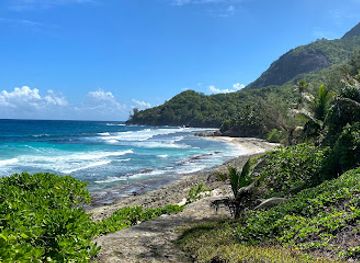
Mount Dauban is Silhouette’s defining natural landmark, rising to roughly 740 metres above a forested island whose steep granite relief is visible from the sea. The peaks and ridges give the island a stronger mountainous profile than many visitors expect from a beach destination. Around La Passe, the coastal setting, granite outcrops and old plantation structures convey the scale of the former estate landscape. Grande Barbe is significant for its historical remains, particularly the cemetery associated with the former leper settlement, and should be approached with quiet respect. The island’s beaches, including Anse Lascars and the more secluded western coastal areas, are landmarks of landscape rather than monumental architecture, framed by forest, reef and granite. Historic paths and surviving estate features help connect these natural places with Silhouette’s plantation past, while the protected forest remains the island’s most important overall marker of identity.
-
Wedding planner
Constance Ephelia Mahe Seychelles
Discover the luxurious Constance Ephelia Mahe Seychelles, where stunning beaches meet gourmet dining and unforgettable adventures await every traveler.
-
Resort hotel
Kempinski Seychelles Resort
Experience the ultimate luxury retreat at Kempinski Seychelles Resort, where pristine beaches and world-class amenities await your arrival.
-
 Resort hotel
Savoy Seychelles Resort & Spa
Experience luxury and natural beauty at the Savoy Seychelles Resort & Spa, your perfect getaway in the heart of the breathtaking Seychelles islands.
-
Botanical garden
Victoria Botanical Gardens
Discover the enchanting beauty of Victoria Botanical Gardens, a lush haven showcasing the unique flora of Seychelles and its rich biodiversity.


Explore Silhouette Island on the map
Plan your trip on one map. See where the top cities, national parks and sights are, and book hotels and experiences in a few clicks.
Best hotels in Silhouette Island
Best restaurants in Silhouette Island
Dining on Silhouette is centred on the main resort rather than independent restaurants spread across a town. Meals commonly draw on the wider Seychellois repertoire, including Creole preparations of fish and seafood, rice, curries, tropical fruit and vegetables, alongside international dishes for visitors. Fresh fish, coconut, lime, chilli and aromatic spices are recurring influences, although menus and availability vary with supply and season. Breakfast, lunch and dinner are generally organised through resort restaurants or arranged dining services, so guests on special diets should communicate requirements before arrival. There are few opportunities for spontaneous restaurant-hopping, and visitors should not expect a market-town food scene. A quiet meal overlooking the coast or a casual lunch after a walk is more characteristic of Silhouette than a choice of late-night establishments. The island’s food experience is therefore tied to its secluded setting and to the practical limits of island provisioning.
-
Restaurant
Del Place Restaurant
Experience exquisite dining at Del Place Restaurant in Seychelles with breathtaking waterfront views and exceptional culinary delights.
-
Restaurant
The Boat House Restaurant
Discover exquisite Creole cuisine and breathtaking ocean views at The Boat House Restaurant in Beau Vallon.
-
Italian
La Perle Noire Restaurant
Experience authentic Italian cuisine at La Perle Noire Restaurant in Beau Vallon – where culinary excellence meets breathtaking ambiance.
-
Restaurant
La Gaulette Restaurant
Discover authentic Seychellois cuisine at La Gaulette Restaurant in Mahé, where stunning views meet delightful flavors.


Best bars in Silhouette Island
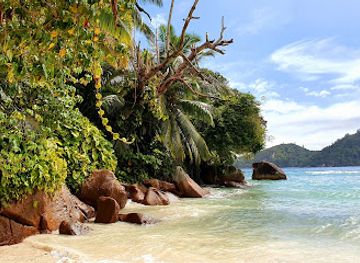
Silhouette does not have a separate nightclub district or a substantial late-night entertainment scene. Evening life is concentrated around the resort, where visitors may find a bar, lounge, occasional live music or organised dining and cultural activities, depending on the season and current programme. The atmosphere is generally suited to conversation, cocktails, sunset drinks and quiet evenings rather than clubbing. Guests may also encounter Seychellois Creole flavours in drinks and menus, but offerings can change with supplies and resort arrangements. Because there are no clusters of independent bars to fall back on, it is sensible to check evening dining and transport details with the accommodation provider. The island’s darkness, forest sounds and sea views are part of its night-time character; visitors should avoid wandering into unlit trails or protected areas after dark.
-
Resort hotel
Hilton Seychelles Labriz Resort & Spa
Discover unparalleled luxury and breathtaking natural beauty at Hilton Seychelles Labriz Resort & Spa, your perfect island getaway.
-
Grill
Beach Shak Seychelles
Discover the flavors of Seychelles at Beach Shak, your go-to grill and cocktail bar for a perfect beachside dining experience.
-
Bar
Gecko Bar
Experience the vibrant atmosphere and tropical delights at Gecko Bar in Beau Vallon, where relaxation meets island culture.
-
Bar
The Boardwalk Bar & Grill
Experience the perfect blend of dining and nightlife at The Boardwalk Bar & Grill on Eden Island, where delicious food meets stunning marina views.


Best nightclubs in Silhouette Island
Silhouette does not have a separate nightclub district or a substantial late-night entertainment scene. Evening life is concentrated around the resort, where visitors may find a bar, lounge, occasional live music or organised dining and cultural activities, depending on the season and current programme. The atmosphere is generally suited to conversation, cocktails, sunset drinks and quiet evenings rather than clubbing. Guests may also encounter Seychellois Creole flavours in drinks and menus, but offerings can change with supplies and resort arrangements. Because there are no clusters of independent bars to fall back on, it is sensible to check evening dining and transport details with the accommodation provider. The island’s darkness, forest sounds and sea views are part of its night-time character; visitors should avoid wandering into unlit trails or protected areas after dark.
-
Resort hotel
Hilton Seychelles Labriz Resort & Spa
Experience luxury and natural beauty at Hilton Seychelles Labriz Resort & Spa, an exquisite retreat on Silhouette Island with stunning beaches and world-class amenities.
-
Grill
Beach Shak Seychelles
Discover the vibrant flavors and lively atmosphere of Beach Shak Seychelles, the perfect grill and cocktail bar by the sea.
-
Restaurant
The Boardwalk Bar & Grill
Discover the lively ambiance and delectable cuisine at The Boardwalk Bar & Grill on Eden Island, a culinary and nightlife gem by the marina.
-
Grill
ROYAL BAY BEACH CLUB
Discover the vibrant Royal Bay Beach Club, where stunning ocean views meet delicious cuisine and endless water adventures in the heart of Seychelles.


Best shops in Silhouette Island
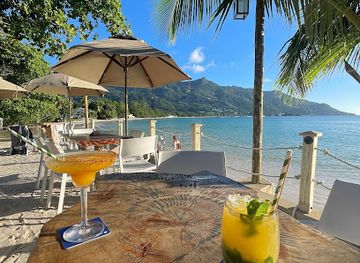
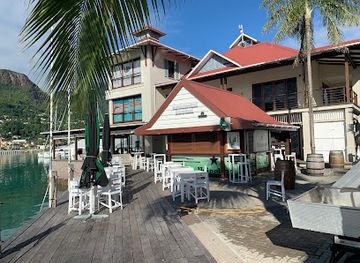
Shopping on Silhouette is limited and focused around the resort rather than a conventional high street. Visitors may find a small boutique offering resort essentials, postcards, clothing, locally themed gifts and selected crafts, but the range is modest and prices reflect the island’s remote supply chain. There are no large shopping centres, established market quarters or extensive independent retail streets. Practical items such as reef-safe sun protection, insect repellent and suitable walking equipment are better purchased on Mahé before travelling. For regional gifts, visitors can look for Seychelles-made crafts, artwork, spices, coconut-based products or locally produced food items when available, while checking that natural materials have been sourced and sold legally. Shopping is not a principal reason to visit Silhouette; the island is better suited to buying a small memento and spending time in its landscape.
-
Market
Sir Selwyn Selwyn-Clarke Market
Discover the heart of Victoria at Sir Selwyn Selwyn-Clarke Market, where local culture, fresh produce, and unique crafts come together in a vibrant atmosphere.
-
Shopping mall
Eden Plaza
Explore the vibrant Eden Plaza in Seychelles for an unforgettable shopping experience with local charm and diverse dining options.
-
Hotel
La Belle Tortue Lodge & Restaurant
Experience the tranquility and culinary richness at La Belle Tortue Lodge & Restaurant on Silhouette Island, a perfect getaway for every traveler.
-
Shopping mall
Orion Mall
Discover Orion Mall in Victoria for a vibrant shopping experience with diverse stores, dining, and local culture.


Get your free copy of our complete guide to Silhouette Island, delivered straight to you.
Everything on this page, from attractions and restaurants to essentials and local phrases, in one PDF you can read offline, print or share.
Already have an account? Sign in
Your Silhouette Island guide is ready.
We'll send it to · Not you? Sign out

Getting your guide ready…
We are putting together a fresh copy of the Silhouette Island guide. This can take up to a minute.
This can take a few moments. If your browser asks, choose Allow so the download can start. You'll find the guide in your Downloads folder.
Nothing happened? Download it again
Sorry, the guide is taking longer than usual. Please try again in a minute, or get it by email instead.
Silhouette Island essentials
Currency and Payment
Safety
Emergency Situations
Do's and Don'ts
Local Tips
From Eve
Local phrases worth knowing
You don't need to get them perfect. A few words go a long way, and locals appreciate the effort.
Basics
| English | Local | Say it |
|---|---|---|
| Hello | Bonzour | [bɔ̃zʊʁ] |
| Goodbye | Orevwar | [ɔʁɛvwaʁ] |
| Yes | Wi | [wi] |
| No | Non | [nɔ̃] |
| Please/You're welcome | Silvouplé | [silvuple] |
| Thank you | Mersi | [mɛʁsi] |
| Excuse me/Sorry | Eskize | [ɛskiːze] |
| How are you? | Koman ou y? | [kɔmɑ̃ u i] |
| Fine. And you? | Bien. E ou? | [bjɛ̃ e u] |
| Do you speak English? | Es ou koz Anglé? | [ɛs u koʊz aŋɡle] |
| I don't understand | Mwen pa konpran | [mwe pa kɔ̃pʁɑ̃] |
Eating & Drinking
| English | Local | Say it |
|---|---|---|
| I'd like to see the menu, please | Mwen ti a kontan vwar meni, silvouplé | [mwe ti a kɔ̃tɑ̃ vwar mɛni silvuple] |
| I don't eat meat | Mwen pa manz vyann | [mwe pa mɑ̃z vjɑ̃] |
| Cheers! | Sante! | [sɑ̃te] |
| I would like to pay, please | Mwen ti a kontan pey, silvouplé | [mwe ti a kɔ̃tɑ̃ pe silvuple] |
Emergencies
| English | Local | Say it |
|---|---|---|
| Help! | Sove! | [sove] |
| Go away! | Alé! | [ale] |
| Call the Police! | Apel polis! | [apɛl pɔlis] |
| Call a doctor! | Apel en dokte! | [apɛl ɛ̃ dɔktɛ] |
| I'm lost | Mwen perdi | [mwe pɛʁdi] |
| I'm ill | Mwen malad | [mwe malad] |
Shopping
| English | Local | Say it |
|---|---|---|
| I'd like to buy... | Mwen ti a kontan achte... | [mwe ti a kɔ̃tɑ̃ aʃte] |
| I'm just looking | Mwen zis pe gade | [mwe zis pɛ ɡad] |
| How much is it? | Konbyen sa kosté? | [kɔ̃bje sa kɔste] |
| That's too expensive | Sa tro chè | [sa tʁo ʃɛ] |
| Can you lower the price? | Es ou ka redwi pri? | [ɛs u ka ʁɛdwi pʁi] |
Time & Numbers
| English | Local | Say it |
|---|---|---|
| What time is it? | Ki ler i ete? | [ki lɛʁ i ete] |
| It's one o'clock | I en ler | [i ɛ̃ lɛʁ] |
| Half past (10) | Demi aprez (10) | [dəmi apʁɛ (10)] |
| Morning | Matin | [matɛ̃] |
| Afternoon | Apre midi | [apʁe midi] |
| Evening | Swar | [swaʁ] |
| Yesterday | Yer | [jeʁ] |
| Today | Ozordi | [ozɔʁdi] |
| Tomorrow | Demain | [dəmɛ̃] |
| 1 | En | [ɛ̃] |
| 2 | De | [de] |
| 3 | Trwa | [tʁwa] |
| 4 | Katre | [ka.tʁe] |
| 5 | Senk | [sɛ̃k] |
| 6 | Siz | [siz] |
| 7 | Set | [sɛt] |
| 8 | Huit | [ɥit] |
| 9 | Nef | [nɛf] |
| 10 | Dix | [dis] |
Transport & Directions
| English | Local | Say it |
|---|---|---|
| Where's a/the...? | Koté en...? | [kote ɛ̃] |
| What's the address? | Ki l'adresse? | [ki ladʁɛs] |
| Can you show me (on the map)? | Es ou ka montré mwen (lo kat)? | [ɛs u ka mɔ̃tʁe mwe lo kat] |
| When's the next (bus)? | Kan i annan (buss) swivan? | [kɑ̃ i anɑ̃ (bys) sɥivɑ̃] |
| A ticket (to ....) | En tiké (pou....) | [ɛ̃ tiˈke pu] |
History of Silhouette Island
Early Island Settlement and the Granitic Seychelles
Silhouette was part of the largely uninhabited granitic island world encountered by European navigators in the western Indian Ocean. Unlike some Indian Ocean islands, the Seychelles had no indigenous permanent population before European colonisation, although sailors and traders may have visited its waters earlier. Its steep terrain, dense forest and lack of sheltered lowland made Silhouette less suitable for early settlement than Mahé. The island’s natural geography nevertheless shaped its later history by limiting development and preserving extensive forest.
French Colonial Settlement in the Eighteenth Century
France formally established control over the Seychelles in the eighteenth century, introducing plantation agriculture and a colonial society based on imported labour, including enslaved people from East Africa and Madagascar. Silhouette was incorporated into this developing island economy, although its rugged landscape prevented it from becoming as intensively settled as parts of Mahé. Coconut and other tropical crops were cultivated in coastal clearings, while the surrounding forest remained a substantial presence.
Plantation Agriculture and the Dauban Family
During the nineteenth century, Silhouette became closely associated with the Dauban family, who developed plantation interests and owned much of the island for several generations. Coconut, cinnamon, patchouli and other products were grown or processed, linking Silhouette to the wider export economy of the Seychelles. Plantation buildings, paths and cemeteries are reminders of a society shaped by estate ownership and the labour of formerly enslaved people and their descendants after the abolition of slavery in the British Seychelles in 1835.
The Leper Settlement at Grande Barbe
Silhouette’s relative isolation made it suitable for the establishment of a leper settlement at Grande Barbe during the colonial period. The settlement reflected nineteenth-century public-health practices, which commonly separated people with leprosy from larger communities. Its remains and cemetery form a sober part of the island’s heritage, illustrating both the disease-control policies and the social exclusion experienced by patients. The area is remote, and visitors should approach it respectfully rather than treating it as a curiosity.
The End of the Plantation Era
As plantation agriculture declined across the Seychelles during the twentieth century, Silhouette became less economically active and its resident population diminished. The island’s difficult terrain, limited infrastructure and distance from Mahé reduced the scope for large-scale modern development. Estate buildings and working landscapes gradually gave way to secondary forest and conservation priorities. This transition helped preserve the island’s ecological character, even as many earlier agricultural clearings and facilities fell into disuse.
National Park Protection and Conservation
Modern Silhouette is defined increasingly by conservation. Silhouette National Park protects most of the island, safeguarding endemic flora, forest habitats and steep watersheds that are unusual in the western Indian Ocean. Conservation work also focuses on threatened species, including the Seychelles sheath-tailed bat, and on managing the effects of introduced plants and animals. Tourism operates within this protected setting, creating a continuing balance between accommodation, visitor access, community needs and the preservation of the island’s natural heritage.
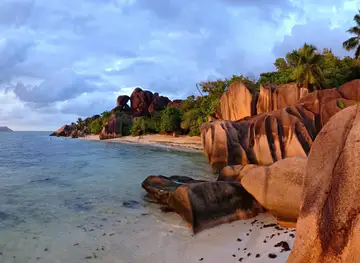
Silhouette Island in Photos
Browse through our photo collection highlighting the charm and character of the destination.
Neighbouring regions of Silhouette Island
The closest regions to Silhouette Island, if you have time for more than one.
-

-

-

-
-


Swipe for more regions
Explore more
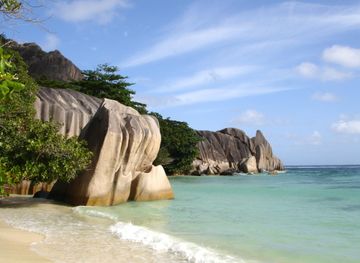
Explore more of Seychelles
Discover the enchanting islands of Seychelles, where stunning beaches, vibrant wildlife, and rich Creole culture come together for an unforgettable tropical escape.
Explore Seychelles