

St. Anne Island, Seychelles Travel Guide
Discover the tranquil beauty and rich cultural heritage of St. Anne Island in Seychelles, where turquoise waters meet lush landscapes and vibrant marine life.
St. Anne Island is a serene paradise located in the heart of the Indian Ocean. This island is part of the Seychelles archipelago and is known for its pristine beaches, turquoise waters, and lush tropical vegetation. Visitors can enjoy stunning views of the ocean and the surrounding islands, making it a perfect destination for nature lovers and adventure seekers alike. The island is home to the St. Anne Marine National Park, which offers a variety of activities such as snorkeling, diving, and glass-bottom boat tours. The park is rich in marine life, including vibrant coral reefs, colorful fish, and even sea turtles. For those interested in history, the island has remnants of old plantations and colonial buildings that tell the story of its past. Accommodations on St. Anne Island range from luxurious resorts to cozy beachside bungalows, ensuring a comfortable stay for all types of travelers. The island's cuisine is a delightful blend of Creole, French, and African influences, offering a unique gastronomic experience. Whether you're looking to relax on the beach, explore underwater wonders, or immerse yourself in local culture, St. Anne Island has something for everyone.

Know before you go
Hi, I'm Eve. Here are a few practical things to know before exploring St. Anne Island.
- Visit the St. Anne Marine National Park early in the morning to avoid crowds and enjoy the best visibility for snorkeling and diving.
- Bring reef-safe sunscreen to protect the delicate marine ecosystem while exploring the underwater world.
- Try the local Creole cuisine at beachside shacks for an authentic taste of Seychelles.
- Wear light, breathable clothing and comfortable footwear as the island can get quite warm and humid.
- Book your accommodations well in advance, especially during peak tourist seasons, to secure the best options.
Explore St. Anne Island: Things to Do, Places to Eat, Hotels & More
Handpicked recommendations for top attractions, local dining, accommodations, and more

Top Attractions & Sightseeing in St. Anne Island
Top-rated picks
Best Attractions

Saint-Anne Marine National Park
Explore the pristine beauty of Saint-Anne Marine National Park, where vibrant coral reefs and diverse marine life create an unforgettable adventure in the Seychelles.

Sainte Anne Island
Explore the breathtaking beauty and tranquil atmosphere of Sainte Anne Island, Seychelles - a true paradise for beach and nature lovers.

Anse Capucins
Experience the serene beauty of Anse Capucins in Quatre Bornes, a perfect blend of relaxation and adventure by the stunning coastline.

Public beach
Escape to the Public Beach in De Quincy for a tranquil getaway filled with sun, sand, and scenic ocean views.

Best landmarks in St. Anne Island
Top-rated picks
Best Landmarks

Victoria Clock Tower
Discover the historical significance and architectural beauty of the Victoria Clock Tower, a must-visit landmark in Seychelles' vibrant capital of Victoria.

Club Med Seychelles
Experience the ultimate tropical getaway at Club Med Seychelles - where luxury meets adventure in a breathtaking island setting.

Jardin du Roi Spice Garden
Explore the lush Jardin du Roi Spice Garden in Seychelles, where vibrant flora meets delightful Creole cuisine in a serene botanical oasis.
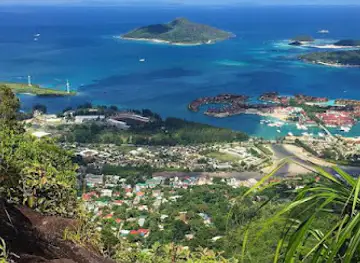
Saint-Anne Marine National Park
Discover the enchanting landscapes and underwater treasures of Saint-Anne Marine National Park in the Seychelles, a paradise for nature lovers and adventurers.

Best restaurants in St. Anne Island
Top-rated picks
Best Restaurants

Del Place Restaurant
Experience exquisite dining at Del Place Restaurant in Seychelles with stunning waterfront views and delicious local cuisine.

The Boat House Restaurant
Discover culinary delights at The Boat House Restaurant in Beau Vallon - where fresh seafood meets breathtaking ocean views.

Mahek Restaurant
Discover authentic Indian cuisine at Mahek Restaurant in Beau Vallon - where every dish is a celebration of flavor.

La Perle Noire Restaurant
Experience authentic Italian cuisine at La Perle Noire Restaurant in Beau Vallon – where every meal feels like a slice of paradise.

Best bars in St. Anne Island
Top-rated picks
Best Bars

Beach Shak Seychelles
Discover the flavors of Seychelles at Beach Shak, a grill and cocktail bar offering breathtaking ocean views and a relaxed atmosphere.

Gecko Bar
Experience the lively ambiance and delectable cuisine at Gecko Bar in Beau Vallon, the perfect spot for tourists seeking relaxation and fun.

The Boardwalk Bar & Grill
Experience a vibrant culinary escape at The Boardwalk Bar & Grill, where delightful flavors and stunning marina views await in Eden Island.

Summer Bar
Experience the vibrant atmosphere of Summer Bar in Quatre Bornes, where delicious drinks and breathtaking views await every visitor.

Best nightclubs in St. Anne Island
Top-rated picks
Best Nightclubs

The Boardwalk Bar & Grill
Experience the perfect blend of delectable cuisine, refreshing cocktails, and vibrant nightlife at The Boardwalk Bar & Grill in Eden Island Marina.

ROYAL BAY BEACH CLUB
Experience the ultimate relaxation and adventure at Royal Bay Beach Club, featuring exquisite dining, water sports, and stunning views.

Club Liberté Casino
Discover the vibrant nightlife at Club Liberté Casino in Anse Soleil, where gaming, dining, and live music create an unforgettable experience.

Barrel Night Club
Dive into the vibrant nightlife at Barrel Night Club, Victoria's premier destination for music, cocktails, and unforgettable experiences.

Best shops in St. Anne Island
Top-rated picks
Best Shops

Eden Plaza
Discover the vibrant shopping and dining experience at Eden Plaza in Seychelles, your ultimate destination for retail therapy and entertainment.

Orion Mall
Explore Orion Mall in Victoria: Your ultimate shopping destination for fashion, dining, and entertainment in the heart of the Seychelles.

Koral Souvenir Boutique
Discover unique handcrafted souvenirs at Koral Souvenir Boutique in Beau Vallon, where local artistry meets vibrant island spirit.

The Chop Shop Seychelles
Discover local Seychellois culture at The Chop Shop Seychelles, your one-stop supermarket for fresh produce and local delicacies in Victoria.

Explore St. Anne Island on the Map
A handpicked selection of must-see spots in St. Anne Island, mapped for you.
St. Anne Island Essentials
-
St. Anne Island is part of the Seychelles archipelago, located just 4 kilometers off the coast of Mahé, the largest island. The most common way to reach St. Anne Island is by boat. Ferries and private boats operate regularly from Mahé, with journeys typically taking around 15-20 minutes. Alternatively, you can arrange for a private helicopter transfer from Mahé's Seychelles International Airport, which takes about 10 minutes.
-
Once on St. Anne Island, the primary modes of transportation are golf carts and bicycles, as the island is relatively small and vehicles are restricted to preserve its natural beauty. Many resorts offer complimentary golf cart or bicycle rentals. Walking is also a pleasant way to explore the island. For excursions to nearby islands, boat tours and charters are readily available.
-
The official currency of Seychelles is the Seychellois Rupee (SCR). Most resorts, restaurants, and shops on St. Anne Island accept major credit cards, but it is advisable to carry some cash for small purchases or tips. ATMs are available on Mahé, so it is a good idea to withdraw cash before arriving on St. Anne Island. Currency exchange services are also available at the Seychelles International Airport and major banks on Mahé.
-
St. Anne Island is generally considered safe for tourists. However, it is always wise to take standard precautions: avoid leaving valuables unattended on the beach or in plain sight, and use the hotel safe for storing important items. Fortunately, the island does not have specific high-crime areas targeting tourists. Nonetheless, it is always best to stay vigilant and aware of your surroundings.
-
In case of emergency, dial 999 for immediate assistance. Most resorts on St. Anne Island have medical facilities or arrangements with nearby hospitals on Mahé for more serious medical issues. It is recommended to have travel insurance that covers medical emergencies. For minor health issues, first aid kits are available at most resorts and pharmacies can be found on Mahé.
-
Fashion: Do dress modestly, especially when visiting religious sites. Swimwear should be reserved for the beach or pool areas. Religion: Do respect local customs and traditions. Remove your hat and cover your shoulders when entering churches. Public Transport: Do use the available golf carts and bicycles respectfully. Don't leave litter behind. Greetings: Do greet locals with a friendly 'hello' or 'bonjour'. A smile goes a long way. Eating & Drinking: Do try local delicacies such as grilled fish and tropical fruits. Don't refuse food offerings, as it is considered impolite.
-
To experience St. Anne Island like a local, consider participating in eco-tours and guided nature walks to learn about the island's unique flora and fauna. Engage with locals and resort staff, as they often have valuable insights and stories to share about the island. Don't miss the opportunity to snorkel or dive in the Sainte Anne Marine National Park, which offers some of the best underwater experiences in Seychelles. For a unique dining experience, try a Creole BBQ on the beach.
When is the best time to visit St. Anne Island?
Useful Local Phrases for St. Anne Island
You don't need to speak the language perfectly. Even learning a few simple words can make conversations warmer—and locals usually appreciate the effort.
— Eve

Here are the phrases I use most often in St. Anne Island. Try a few—you'll be surprised how far they go! 😊
❤️
-
- HelloBonzour
[bɔ̃zuʁ] - GoodbyeOrevwar
[oʁevwaʁ] - YesWi
[wi] - NoNon
[nɔ̃] - Please/You're welcomeS'il vous plaît
[sil vu ple] - Thank youMersi
[mɛʁsi] - Excuse me/SorryEskize
[ɛskiːze] - How are you?Kouman ou lé?
[kuːmɑ̃ u le] - Fine. And you?Bien. E ou?
[bjɛ̃ e u] - Do you speak English?Ou koz Anglais?
[u koʊz ɑ̃ɡlɛ] - I don't understandMo pa konpran
[mo pa kɔ̃pʁɑ̃]
- HelloBonzour
-
- I'd like to see the menu, pleaseMo ti a kontan vwar meni, sil vous plaît
[mo ti a kɔ̃tɑ̃vwaʁ meni sil vu ple] - I don't eat meatMo pa manze vyann
[mo pa mɑ̃ze vjɑ̃] - Cheers!Santé!
[sɑ̃te] - I would like to pay, pleaseMo ti a kontan pey, sil vous plaît
[mo ti a kɔ̃tɑ̃peɪ sil vu ple]
- I'd like to see the menu, pleaseMo ti a kontan vwar meni, sil vous plaît
-
- Help!Sos!
[sos] - Go away!Alé ou!
[ale u] - Call the Police!Apele Polisy!
[ape le pɔlisi] - Call a doctor!Apele en doktè!
[ape le ɑ̃ dokte] - I'm lostMo perdi
[mo pɛʁdi] - I'm illMo malad
[mo malɑd]
- Help!Sos!
-
- I'd like to buy...Mo ti a kontan achte...
[mo ti a kɔ̃tɑ̃aʃte] - I'm just lookingMo zis pe rod
[mo zis pe ʁɔd] - How much is it?Konbyen li koute?
[kɔ̃bjɛ̃ li kutɛ] - That's too expensiveSa tro cher
[sa tʁo ʃɛʁ] - Can you lower the price?Ou kapav rabais pri?
[u kapav ʁaba i pʁi]
- I'd like to buy...Mo ti a kontan achte...
-
- What time is it?Ki ler li?
[ki lɛʁ li] - It's one o'clockLi enn ler
[li ɛn lɛʁ] - Half past (10)Demi (10)
[dəmi (10)] - MorningMatin
[matɛ̃] - AfternoonApremidi
[apʁɛmidi] - EveningSwar
[swaʁ] - YesterdayYyer
[ijɛʁ] - TodayAjourd'hui
[aʒuʁdʁɥi] - TomorrowDemain
[dəmɛ̃] - 11
[1] - 22
[2] - 33
[3] - 44
[4] - 55
[5] - 66
[6] - 77
[7] - 88
[8] - 99
[9] - 1010
[10]
- What time is it?Ki ler li?
-
- Where's a/the...?Koté en/le...?
[kote ɑ̃ le] - What's the address?Ki adrès?
[ki adʁɛs] - Can you show me (on the map)?Ou kapav montré mwan (lo kat)?
[u kapav mɔ̃tʁe mwã lo ka] - When's the next (bus)?Kan prochen (buss)?
[kɑ̃ pʁɔʃɛ̃ buss] - A ticket (to ....)En tiké (pou ....)
[ɑ̃ tiˈke pu]
- Where's a/the...?Koté en/le...?
History of St. Anne Island
-
St. Anne Island, part of the Seychelles archipelago, was first recorded by French explorer Lazare Picault in 1742. The island, named after Saint Anne, was one of the first islands to be settled in Seychelles. Early settlers were primarily French colonists who established plantations and used the island as a base for further exploration of the surrounding islands.
-
During the French colonial period, St. Anne Island became an important location for the burgeoning agricultural economy. The island was used for the cultivation of spices, such as cinnamon and vanilla, and provided a strategic point for the French to control the seas and trade routes in the Indian Ocean.
-
In 1814, following the defeat of Napoleon, the Seychelles, including St. Anne Island, were ceded to the British under the Treaty of Paris. Under British rule, the island continued to serve as a critical outpost. The British developed the island's infrastructure and further expanded agricultural activities, introducing new crops and modern farming techniques.
-
During World War II, St. Anne Island played a significant strategic role in the defense of the Indian Ocean. The British established a naval base on the island, which served as a critical point for monitoring and countering Axis naval activities in the region. The remnants of military installations from this period can still be seen on the island.
-
In 1973, the waters surrounding St. Anne Island were designated as part of the Ste. Anne Marine National Park, the first marine park in the Indian Ocean. This designation aimed to protect the rich marine biodiversity of the area, including coral reefs, seagrass beds, and a variety of marine species. The park has since become a popular destination for snorkeling, diving, and eco-tourism.
-
St. Anne Island is not only rich in history but also in cultural heritage. The island's population, primarily of Creole descent, has preserved a unique blend of African, French, British, and Indian influences. Traditional Seychellois music, dance, and cuisine are integral parts of the cultural fabric of St. Anne Island, celebrated during various local festivals and events throughout the year.
Neighbouring Regions of St. Anne Island
The closest regions to St. Anne Island, if you have time for more than one.



Your all‑in‑one travel companion app
Explore expert travel guides, compare and book tours, experiences, hotels, and more—all from the palm of your hand. Download now for seamless trip planning wherever your wanderlust takes you.


Explore More of Seychelles
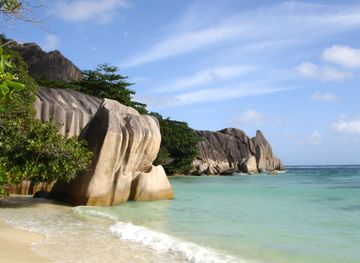
Looking beyond St. Anne Island? Discover Seychelles for broader travel guides, local hot-spots, and regional highlights.
Explore SeychellesSt. Anne Island in Photos
Browse through our photo collection highlighting the charm and character of the destination.


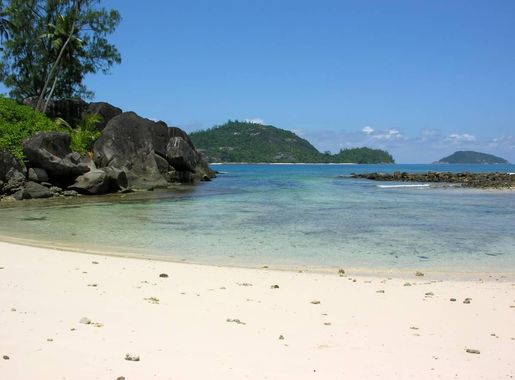
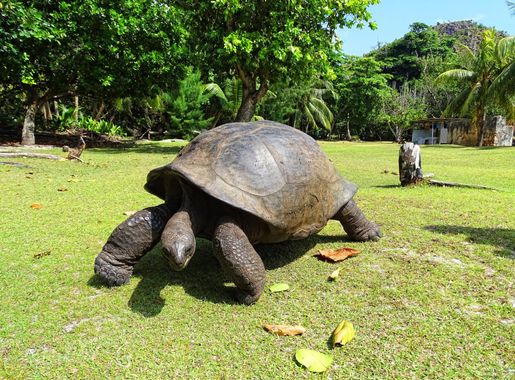


St. Anne Island: The Jewel of Seychelles
St. Anne Island is a serene paradise located in the heart of the Indian Ocean. This island is part of the Seychelles archipelago and is known for its pristine beaches, turquoise waters, and lush tropical vegetation. Visitors can enjoy stunning views of the ocean and the surrounding islands, making it a perfect destination for nature lovers and adventure seekers alike. The island is home to the St. Anne Marine National Park, which offers a variety of activities such as snorkeling, diving, and glass-bottom boat tours. The park is rich in marine life, including vibrant coral reefs, colorful fish, and even sea turtles. For those interested in history, the island has remnants of old plantations and colonial buildings that tell the story of its past. Accommodations on St. Anne Island range from luxurious resorts to cozy beachside bungalows, ensuring a comfortable stay for all types of travelers. The island's cuisine is a delightful blend of Creole, French, and African influences, offering a unique gastronomic experience. Whether you're looking to relax on the beach, explore underwater wonders, or immerse yourself in local culture, St. Anne Island has something for everyone.