

Free Île Moyenne Travel Guide & Mobile App
Explore Île Moyenne with free travel guides. Discover regional history, expert tips, proposed trips, and audio guides on web or mobile app.


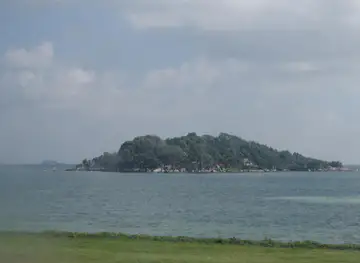
Île Moyenne, Seychelles, combines tortoise-filled forest trails, granite scenery and conservation history within the Sainte Anne Marine National Park.
Read more about Île Moyenne
When is the best time to visit Île Moyenne?
Best: June–August · 29°C| Month | High (°C) | Rainfall (mm) |
|---|---|---|
| January | 29 | 350 |
| February | 29 | 250 |
| March | 30 | 200 |
| April | 30 | 180 |
| May | 29 | 120 |
| June (best) | 29 | 80 |
| July (best) | 29 | 70 |
| August (best) | 29 | 80 |
| September | 29 | 120 |
| October | 29 | 180 |
| November | 29 | 250 |
| December | 29 | 320 |
Getting to and around Île Moyenne
How to get there
Transportation
Best attractions in Île Moyenne
Île Moyenne’s attractions are concentrated in a small, protected landscape rather than a conventional resort. Guided forest walks lead past giant tortoises, tropical vegetation, granite formations and viewpoints across the Sainte Anne Marine National Park. The island’s paths are the principal visitor experience, revealing how Brendon Grimshaw restored and maintained the terrain after acquiring the island in 1962. Historic interest comes from his former home and associated museum displays, along with the chapel, cemetery and other modest traces of earlier occupation. Coastal coves and beaches provide opportunities for quiet observation and, where conditions and local rules allow, swimming or snorkelling from an organised boat excursion. The surrounding marine park adds coral reefs, clear channels and views towards Mahé, Sainte Anne and nearby islands, although the quality of marine activities varies with weather and tides. There are no large museums, theme parks, shopping streets or extensive built attractions; the island’s value lies in the relationship between conservation, personal stewardship, wildlife and scenery. Visitors should allow time to walk slowly, listen to the guide and observe the tortoises without disturbing them.
-
Island
Ile Moyenne
Explore the enchanting Ile Moyenne, an unspoiled island paradise in the Seychelles, where breathtaking nature meets rich marine life.
-
Hiking area
Clamshell Rock
Explore Clamshell Rock, a stunning hiking area in Providence that offers breathtaking views and a perfect escape into nature's beauty.
-
Tourist attraction
Landspitze Dasha
Explore Landspitze Dasha, a serene tourist attraction in Silhouette, Seychelles, where stunning landscapes and tranquility await every visitor.
-
Tourist attraction
Dog House Ruins
Discover the enchanting Dog House Ruins in Providence, a hidden gem that offers a captivating glimpse into ancient history amidst stunning natural beauty.


Best landmarks in Île Moyenne
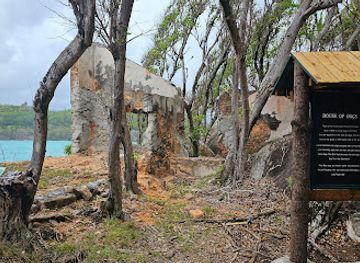
Île Moyenne’s most recognisable landmarks are modest but closely tied to its story. The former home and museum associated with Brendon Grimshaw represent the decades of personal labour that transformed the island into a maintained conservation landscape. The small chapel and cemetery add a quiet historical presence, while old walls and other remnants of occupation recall earlier periods when small islands were used for limited agricultural and maritime purposes. Natural landmarks are equally important: granite outcrops, wooded slopes, sheltered coves and viewpoints looking across the Sainte Anne Marine National Park define the island’s visual character. The giant tortoises are living symbols rather than built monuments, but their presence is central to how Île Moyenne is understood today. Together these features create a landmark landscape of human stewardship, island history and protected tropical nature rather than a grand architectural site.
-
Resort hotel
Avani Barbarons Seychelles Resort
Experience luxury and tranquility at Avani Barbarons Seychelles Resort, where lush landscapes meet stunning ocean views for an unforgettable getaway.
-
Historical landmark
Victoria Clock Tower
Explore the iconic Victoria Clock Tower in Mahé, Seychelles—a historical landmark that embodies the island's rich heritage and vibrant culture.
-
Resort hotel
Club Med Seychelles
Discover luxury and adventure at Club Med Seychelles, a premier resort hotel on Sainte Anne Island, where unforgettable experiences await in paradise.
-
Botanical garden
Jardin du Roi Spice Garden
Explore the lush beauty and rich heritage of Jardin du Roi Spice Garden in Anse Royale, a true gem of Seychelles' botanical wonders.


Explore Île Moyenne on the map
Plan your trip on one map. See where the top cities, national parks and sights are, and book hotels and experiences in a few clicks.
Best hotels in Île Moyenne
Best restaurants in Île Moyenne
Île Moyenne does not have a normal restaurant district, permanent café culture or a resident food-producing community. Most visitors arrive on an organised excursion from Mahé, where lunch, snacks or drinks may be included in the itinerary or arranged for a separate stop elsewhere in the marine park. The island itself should therefore be approached as a walking and wildlife destination rather than a place to arrive hungry and find a venue. Bring only what the operator permits, avoid leaving litter and protect food from wildlife. Seychelles’ wider culinary character can often be experienced before or after the visit on Mahé, where restaurants and takeaways serve Creole dishes featuring fish, seafood, rice, spices and tropical produce. A boat excursion may provide a useful introduction to the relaxed outdoor style of island dining, but its menu and arrangements are temporary commercial details that should be confirmed in advance rather than assumed.
-
Restaurant
Del Place Restaurant
Experience exquisite Creole cuisine at Del Place Restaurant with breathtaking ocean views in Seychelles.
-
Restaurant
The Boat House Restaurant
Experience exquisite cuisine with breathtaking views at The Boat House Restaurant in Beau Vallon - a true taste of Seychelles.
-
Indian
Mahek Restaurant
Indulge in authentic Indian flavors at Mahek Restaurant in Beau Vallon – a must-visit culinary gem in Seychelles.
-
Italian
La Perle Noire Restaurant
Experience authentic Italian cuisine at La Perle Noire Restaurant in Beau Vallon, where local flavors meet traditional recipes for an unforgettable meal.


Best bars in Île Moyenne
Île Moyenne has no bars, nightclubs or evening entertainment. Visits take place in daylight because access depends on boat transfers, protected-island management and sea conditions. The appropriate evening culture here is quiet: a walk, wildlife observation and time on the shore, followed by a return to accommodation on Mahé or another inhabited island. Travellers seeking a drink, live music or a later social atmosphere should make those plans on Mahé, particularly in and around Victoria or their resort area, rather than expecting facilities on Île Moyenne. Any refreshments offered during a boat excursion are part of that operator’s temporary arrangement, not a permanent island venue.
-
Grill
Beach Shak Seychelles
Discover Beach Shak Seychelles: A vibrant grill and cocktail bar offering delicious local cuisine with stunning ocean views and a laid-back atmosphere.
-
Bar
Gecko Bar
Discover Gecko Bar in Beau Vallon for a delightful blend of refreshing drinks, delicious food, and a vibrant atmosphere perfect for tourists.
-
Bar
The Boardwalk Bar & Grill
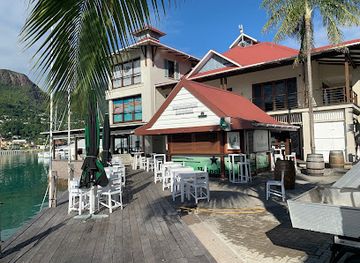
Experience the lively atmosphere of The Boardwalk Bar & Grill on Eden Island, where delicious cuisine meets stunning marina views and vibrant nightlife.
-
Bar
Summer Bar
Experience the refreshing ambiance of Summer Bar at Anse Intendance, where tropical drinks and stunning views await every visitor.


Best nightclubs in Île Moyenne
Île Moyenne has no bars, nightclubs or evening entertainment. Visits take place in daylight because access depends on boat transfers, protected-island management and sea conditions. The appropriate evening culture here is quiet: a walk, wildlife observation and time on the shore, followed by a return to accommodation on Mahé or another inhabited island. Travellers seeking a drink, live music or a later social atmosphere should make those plans on Mahé, particularly in and around Victoria or their resort area, rather than expecting facilities on Île Moyenne. Any refreshments offered during a boat excursion are part of that operator’s temporary arrangement, not a permanent island venue.
-
Night club
The Boardwalk Bar & Grill
Experience the vibrant culinary and nightlife scene at The Boardwalk Bar & Grill on Eden Island, where stunning views meet delicious flavors.
-
Grill
ROYAL BAY BEACH CLUB
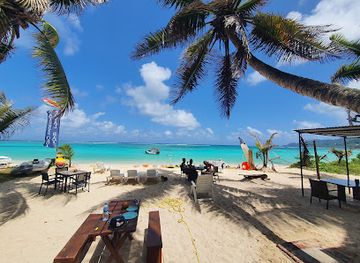
Discover Royal Bay Beach Club – A stunning beachside destination in Seychelles for relaxation, adventure, and culinary delights.
-
Night club
Barrel Night Club
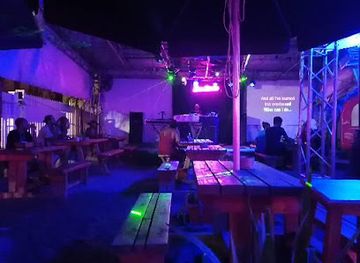
Experience the vibrant nightlife of Victoria at Barrel Night Club, where electrifying music and a lively atmosphere await you.
-
Disco club
Katiolo
Discover the energetic nightlife at Katiolo, Victoria's premier disco club, where music, dancing, and vibrant atmosphere await every visitor.
Best shops in Île Moyenne
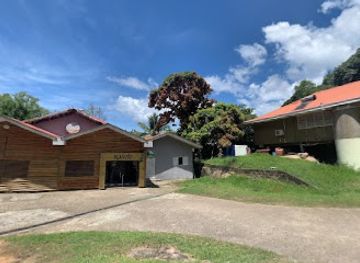
Île Moyenne is not a shopping destination and has no high street, market, permanent craft quarter or dependable retail outlet. Visitors should buy essentials, gifts and locally produced food on Mahé before boarding, while remembering that conservation rules may restrict what can be brought ashore or taken from the island. The most appropriate souvenir is often a photograph or a memory of the island’s tortoises and walking trails; shells, stones, plants and other natural material should not be collected. Seychelles-themed crafts, spices, textiles, jewellery and locally made food products are more readily found in Victoria, at established craft outlets and in other commercial areas of Mahé. Any books, postcards or small souvenirs associated with Île Moyenne may depend on the current boat operator or site arrangements, so they should not be assumed to be available.
-
Shopping mall
Eden Plaza
Discover the vibrant shopping scene at Eden Plaza in Providence, Seychelles, where local charm meets international brands.
-
Supermarket
STC Hypermarket
Explore the vibrant STC Hypermarket in Victoria, offering a fusion of local flavors and international brands for a unique shopping experience.
-
Souvenir store
Koral Souvenir Boutique
Explore Koral Souvenir Boutique in Beau Vallon for unique local crafts, stunning jewelry, and memorable keepsakes from your Seychelles journey.
-
Supermarket
The Chop Shop Seychelles
Discover the vibrant flavors of Seychelles at The Chop Shop, your go-to supermarket in Victoria for fresh produce and local delicacies.


Get your free copy of our complete guide to Île Moyenne, delivered straight to you.
Everything on this page, from attractions and restaurants to essentials and local phrases, in one PDF you can read offline, print or share.
Already have an account? Sign in
Your Île Moyenne guide is ready.
We'll send it to · Not you? Sign out

Getting your guide ready…
We are putting together a fresh copy of the Île Moyenne guide. This can take up to a minute.
This can take a few moments. If your browser asks, choose Allow so the download can start. You'll find the guide in your Downloads folder.
Nothing happened? Download it again
Sorry, the guide is taking longer than usual. Please try again in a minute, or get it by email instead.
Île Moyenne essentials
Currency and Payment
Safety
Emergency Situations
Do's and Don'ts
Local Tips
From Eve
Local phrases worth knowing
You don't need to get them perfect. A few words go a long way, and locals appreciate the effort.
Basics
| English | Local | Say it |
|---|---|---|
| Hello | Bonzur | [bɔ̃.zur] |
| Goodbye | Orevwar | [o.ʁɛ.vwaʁ] |
| Yes | Wi | [wi] |
| No | Non | [nɔ̃] |
| Please/You're welcome | S'il vous plaît | [sil vu plɛ] |
| Thank you | Mersi | [mɛʁ.si] |
| Excuse me/Sorry | Eskize | [ɛs.ki.ze] |
| How are you? | Kouman ou ete? | [ku.mɑ̃ u e.te] |
| Fine. And you? | Bien. E ou? | [bjan e u] |
| Do you speak English? | Es ou koz Anglè? | [ɛs u ko.zɑ̃.ɡlɛ] |
| I don't understand | Mon pa konpran | [mɔ̃ pa kɔ̃.pʁɑ̃] |
Eating & Drinking
| English | Local | Say it |
|---|---|---|
| I'd like to see the menu, please | Mon anvi vwar meni, sil vous plaît | [mɔ̃ ɑ̃.vi vwaʁ me.ni sil vu plɛ] |
| I don't eat meat | Mon pa manze vyann | [mɔ̃ pa mɑ̃.ze vjɑ̃] |
| Cheers! | Santé! | [sɑ̃.te] |
| I would like to pay, please | Mon anvi peye, sil vous plaît | [mɔ̃ ɑ̃.vi pe.je sil vu plɛ] |
Emergencies
| English | Local | Say it |
|---|---|---|
| Help! | Sos! | [sos] |
| Go away! | Ale lo! | [a.le lo] |
| Call the Police! | Apel Polisi! | [a.pɛl pɔ.li.si] |
| Call a doctor! | Apel en doktor! | [a.pɛl ɛ̃ dɔk.tɔʁ] |
| I'm lost | Mon perdi | [mɔ̃ pɛʁ.di] |
| I'm ill | Mon malad | [mɔ̃ ma.lad] |
Shopping
| English | Local | Say it |
|---|---|---|
| I'd like to buy... | Mon anvi achte... | [mɔ̃ ɑ̃.vi aʃ.te] |
| I'm just looking | Mon zis pe regarde | [mɔ̃ zis pe ʁə.ɡaʁ.de] |
| How much is it? | Konbyen li kost? | [kɔ̃.bjɛ̃ li kɔst] |
| That's too expensive | Sa tro cher | [sa tʁo ʃɛʁ] |
| Can you lower the price? | Es ou kapav redwir pri? | [ɛs u ka.pav ʁɛ.dwiʁ pʁi] |
Time & Numbers
| English | Local | Say it |
|---|---|---|
| What time is it? | Ki le li? | [ki le li] |
| It's one o'clock | Li en ler | [li ɛ̃ lɛʁ] |
| Half past (10) | Demi (10) | [də.mi (diz)] |
| Morning | Matin | [ma.tɛ̃] |
| Afternoon | Apre midi | [a.pʁe mi.di] |
| Evening | Sware | [swaʁ] |
| Yesterday | Yeri | [je.ʁi] |
| Today | Ajourd'hui | [a.ʒuʁ.dɥi] |
| Tomorrow | Demain | [də.mɛ̃] |
| 1 | En | [ɛ̃] |
| 2 | De | [de] |
| 3 | Trois | [tʁwa] |
| 4 | Katre | [ka.tʁə] |
| 5 | Senk | [sɛ̃k] |
| 6 | Siz | [siz] |
| 7 | Set | [sɛt] |
| 8 | Huit | [ɥit] |
| 9 | Nef | [nɛf] |
| 10 | Dis | [dis] |
Transport & Directions
| English | Local | Say it |
|---|---|---|
| Where's a/the...? | Kot i la...? | [kɔt i la] |
| What's the address? | Ki adres? | [ki a.dʁɛs] |
| Can you show me (on the map)? | Es ou kapav montre mwen (lo kat)? | [ɛs u ka.pav mɔ̃.tʁe mwɛ̃ lo kat] |
| When's the next (bus)? | Kan i prochen (bus)? | [kɑ̃ i pʁo.ʃɛ̃ bus] |
| A ticket (to ....) | En tiké (pou....) | [ɛ̃ ti.ke pu] |
History of Île Moyenne
Early Human Use and Maritime Setting
Île Moyenne has no large indigenous settlement or substantial archaeological record comparable with the ancient civilisations of larger oceanic islands. Its position in the inner granitic island group nevertheless placed it within the maritime world used by sailors, fishermen and traders moving around Mahé and the surrounding islands. The island’s freshwater limitations and small size restricted permanent development, while its sheltered coves and wooded interior formed part of the wider coastal environment of pre-modern Seychelles. Much of its historical importance comes from its relationship with the sea and nearby Mahé rather than from a long urban history of its own.
Colonial Seychelles and Small-Island Agriculture
During the French and later British colonial periods, Île Moyenne was affected by the same plantation economy that shaped Mahé and other inhabited Seychelles islands. Small islands were used selectively for cultivation, timber, shelter and other practical purposes, although Île Moyenne never developed into a major plantation centre. Remnants associated with historic occupation, including graves and old structures, point to the difficult and often modest scale of life on such islands. Its landscape today reflects both natural regeneration and the traces left by earlier attempts to use the island’s limited resources.
The Inner Islands and the Growth of Marine Conservation
By the twentieth century, the waters around Île Moyenne were increasingly valued not only for fishing and navigation but also for their coral reefs, beaches and island wildlife. The creation of Sainte Anne Marine National Park in 1973 marked an important shift in the management of the inner islands. The protected area, one of Seychelles’ earliest marine parks, placed greater emphasis on conserving reefs and coastal habitats while allowing carefully managed recreation. Île Moyenne’s later visitor role developed within this broader national effort to protect Seychelles’ marine and island environments.
Brendon Grimshaw and Island Restoration
In 1962, English newspaper editor Brendon Grimshaw bought Île Moyenne and began an unusual personal conservation project. Over many decades he cleared and maintained paths, planted trees, encouraged native vegetation, protected wildlife and made the island accessible without turning it into a conventional resort. His work helped establish the island’s modern character as a place of quiet walking trails, historic interpretation and wildlife protection. The small museum and the surviving features associated with his life provide visitors with a direct link to this long period of individual stewardship.
Giant Tortoises and a Living Conservation Legacy
The giant tortoises seen on Île Moyenne have become one of its defining symbols. Their presence forms part of the wider conservation story of the Seychelles and the western Indian Ocean, where giant tortoise populations were historically reduced or lost on many islands. On Île Moyenne, managed protection and habitat care have made encounters with these animals a central part of the visitor experience. Their continued welfare depends on responsible tourism, appropriate feeding policies and respect for the island’s vegetation and paths.
Île Moyenne National Park and Contemporary Visitation
Île Moyenne was declared a national park in 2008, reinforcing its protected status and distinguishing it from the resort-oriented development found elsewhere in the Seychelles. Contemporary visits focus on guided walks, wildlife observation, coastal scenery and the island’s conservation history. The designation reflects a broader national approach in which small islands and surrounding waters are managed for ecological protection as well as carefully controlled tourism. Île Moyenne therefore remains a cultural landscape as much as a natural one, shaped by both human care and the wider marine park framework.
Île Moyenne in Photos
Browse through our photo collection highlighting the charm and character of the destination.
Neighbouring regions of Île Moyenne
The closest regions to Île Moyenne, if you have time for more than one.
-

-

-

-

-


Swipe for more regions
Explore more
Explore more of Seychelles
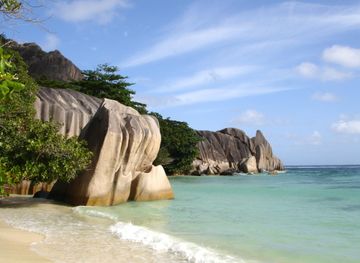
Discover the enchanting islands of Seychelles, where stunning beaches, vibrant wildlife, and rich Creole culture come together for an unforgettable tropical escape.
Explore Seychelles