

Free Île Longue Travel Guide & Mobile App
Explore Île Longue with free travel guides. Discover regional history, expert tips, proposed trips, and audio guides on web or mobile app.


Île Longue, Seychelles, offers a secluded offshore setting near Mahé, with maritime scenery and a distinctive former-prison history.
Read more about Île Longue
When is the best time to visit Île Longue?
Best: June–August · 30°C| Month | High (°C) | Rainfall (mm) |
|---|---|---|
| January | 30 | 300 |
| February | 31 | 230 |
| March | 31 | 190 |
| April | 31 | 170 |
| May | 31 | 140 |
| June (best) | 30 | 90 |
| July (best) | 30 | 80 |
| August (best) | 30 | 80 |
| September | 30 | 120 |
| October | 31 | 170 |
| November | 31 | 230 |
| December | 30 | 290 |
Getting to and around Île Longue
How to get there
Transportation
Best attractions in Île Longue
Île Longue has a narrow attraction profile, centred on its offshore setting and former institutional history rather than a developed programme of visitor facilities. The principal point of interest is the island itself: a wooded, secluded landmass close to Mahé, approached by boat through the island-dotted waters east of Victoria. Where authorised, a landing can offer a sense of its isolation and an opportunity to understand the physical context of its former prison use, although there is no established public museum or interpretive circuit. The surrounding sea is often the more rewarding part of the excursion, with opportunities for coastal views, photography, swimming or snorkelling depending on the route, weather, marine regulations and operator. Île Longue is also commonly understood in relation to nearby Sainte Anne and other Inner Islands, but these should be treated as separate destinations rather than folded into the island itself. Travellers interested in nature, conservation or maritime geography will gain more from a carefully managed boat visit than from expecting a conventional sightseeing attraction. Because access and landing rights can be restricted, confirm the current arrangement before setting out.
-
Island
Ile Moyenne
Explore the enchanting Ile Moyenne, a serene island in the Seychelles known for its rich biodiversity, giant tortoises, and stunning natural beauty.
-
Tourist attraction
Port Glaud Waterfall
Experience the breathtaking beauty of Port Glaud Waterfall, a hidden treasure in Seychelles perfect for swimming and nature exploration.
-
Island
Ile au Cerf
Discover the serene beauty of Ile au Cerf, Mauritius, an island paradise with stunning beaches and thrilling water activities for every traveler.
-
Tourist attraction
Flying fox. you can give food to this fox.
Experience the thrill of feeding majestic flying foxes surrounded by the natural beauty of Bel Ombre, Seychelles.


Best landmarks in Île Longue
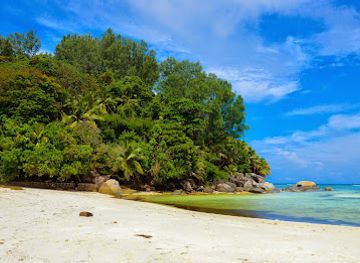
The defining landmark of Île Longue is its former prison complex, whose institutional history distinguishes the island from the resort beaches and marine excursions associated with neighbouring parts of the Mahé area. The buildings and walls should be viewed only from authorised areas, as some structures may be restricted, altered or unsafe; the site is not a conventional open-air museum. The island’s other important feature is geographical rather than architectural: its elongated wooded form rising from the sheltered waters east of Mahé makes it readily recognisable from the sea. Its position among the Inner Islands also gives it a clear maritime relationship with nearby Sainte Anne, Île Ronde and Île Moyenne, though those islands are separate landmarks with their own histories and access arrangements. For visitors, the combination of a former place of confinement, tropical vegetation and surrounding marine space is more significant than any single monumental building.
-
Tourist attraction
Takamaka Rum Distillery
Explore Takamaka Rum Distillery in Seychelles for a unique rum experience that blends tradition, flavor, and breathtaking island scenery.
-
Botanical garden
Victoria Botanical Gardens
Discover the lush beauty and diverse flora of Victoria Botanical Gardens, a tranquil escape in the heart of Seychelles' capital city.
-
Historical landmark
Victoria Clock Tower
Discover the rich history of Seychelles at the iconic Victoria Clock Tower in Mahé, a must-see landmark blending colonial charm with vibrant local culture.
-
Botanical garden
Jardin du Roi Spice Garden
Explore the lush paradise of Jardin du Roi Spice Garden, a botanical haven of spices and herbs in Anse Royale, Seychelles, perfect for nature lovers and food enthusiasts.


Explore Île Longue on the map
Plan your trip on one map. See where the top cities, national parks and sights are, and book hotels and experiences in a few clicks.
Best hotels in Île Longue
Best restaurants in Île Longue
Île Longue has no established restaurant, café, food market or permanently available dining service. Any visit should therefore be organised from Mahé, where the widest choice of Seychellois food is available, including grilled fish, octopus preparations, coconut-based curries, rice, fruit and Creole-influenced dishes. Boat excursions may include packed refreshments or meals, but this depends on the operator and should be arranged beforehand rather than assumed. The island’s offshore location also makes it important to carry drinking water and to remove all packaging and food waste. For a more distinctive local meal, visitors can seek Seychellois Creole cooking in Mahé’s restaurants, takeaways, cafés and guesthouses, where seafood and produce from the archipelago are more readily represented. Dining on Île Longue itself is not a reliable part of the destination experience.
-
Restaurant
Del Place Restaurant
Experience culinary excellence at Del Place Restaurant in Seychelles – where exquisite flavors meet stunning ocean views.
-
Restaurant
The Boat House Restaurant
Experience unparalleled dining with breathtaking ocean views at The Boat House Restaurant in Beau Vallon, Seychelles.
-
Italian
La Perle Noire Restaurant
Experience authentic Italian cuisine at La Perle Noire Restaurant in Beau Vallon - where every dish tells a story.
-
Restaurant
La Plage restaurant
Experience exquisite Creole cuisine and stunning ocean views at La Plage Restaurant on Beau Vallon Beach.


Best bars in Île Longue
Île Longue has no bars, nightclubs, breweries or evening entertainment. Its restricted, uninhabited character means that visits take place during daylight and are necessarily dependent on boat access and sea conditions. Evening activity belongs on Mahé, particularly around Victoria, hotel areas and coastal settlements, where visitors can find hotel bars, restaurants, occasional live music and a modest selection of late venues. The atmosphere is generally more relaxed than that of a major international nightlife centre, and opening arrangements vary. Anyone returning from an offshore excursion should arrange transport in advance, since there is no way to obtain a taxi, drink or meal on Île Longue. Local evening life is best approached as part of Mahé’s wider Creole and coastal culture rather than as an attraction of the island itself.
-
Grill
Beach Shak Seychelles
Experience the delightful fusion of grilled cuisine and refreshing cocktails at Beach Shak Seychelles, the ultimate seaside dining destination.
-
Restaurant
Bravo Restaurant
Experience the vibrant culinary scene of Seychelles at Bravo Restaurant, where fresh local ingredients meet innovative flavors in a stunning setting.
-
Bar
Gecko Bar
Discover the vibrant Gecko Bar in Beau Vallon, where local flavors meet stunning views and lively atmosphere for an unforgettable experience.
-
Bar
The Boardwalk Bar & Grill
Discover vibrant nightlife and exquisite dining at The Boardwalk Bar & Grill, Eden Island's premier destination for food and fun.


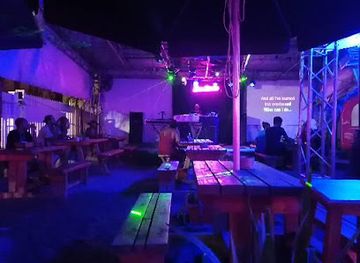
Best nightclubs in Île Longue
Île Longue has no bars, nightclubs, breweries or evening entertainment. Its restricted, uninhabited character means that visits take place during daylight and are necessarily dependent on boat access and sea conditions. Evening activity belongs on Mahé, particularly around Victoria, hotel areas and coastal settlements, where visitors can find hotel bars, restaurants, occasional live music and a modest selection of late venues. The atmosphere is generally more relaxed than that of a major international nightlife centre, and opening arrangements vary. Anyone returning from an offshore excursion should arrange transport in advance, since there is no way to obtain a taxi, drink or meal on Île Longue. Local evening life is best approached as part of Mahé’s wider Creole and coastal culture rather than as an attraction of the island itself.
-
Night club
The Boardwalk Bar & Grill
Discover vibrant nightlife and delicious dining at The Boardwalk Bar & Grill on Eden Island, where tropical vibes meet unforgettable experiences.
-
Grill
ROYAL BAY BEACH CLUB
Discover culinary delights and thrilling water sports at Royal Bay Beach Club in Anse Royale, Seychelles – a perfect getaway for every traveler.
-
Bar
Club Liberté Casino
Immerse yourself in the vibrant nightlife of Anse Soleil at Club Liberté Casino, featuring live music, exquisite dining, and thrilling gaming experiences.
-
Night club
Barrel Night Club
Immerse yourself in the electrifying atmosphere of Barrel Night Club, Victoria's premier destination for unforgettable nightlife experiences.
Best shops in Île Longue
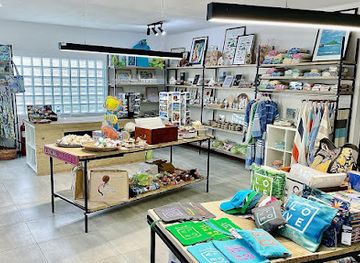
There is no shopping on Île Longue: no high street, craft outlet, market, gallery or provisions shop operates there as a dependable visitor service. Shopping associated with a visit should be completed on Mahé before departure, particularly if water, snacks, reef-safe sun protection, dry bags or secure footwear are needed for a boat excursion. In Victoria and other settled parts of Mahé, visitors can look for Seychellois spices, locally made crafts, coconut products, artwork, textiles and packaged foods, while larger shops provide ordinary travel supplies. Purchases should be made with the understanding that locally made and imported goods are both present in the Seychelles market, and that availability varies. Do not collect shells, coral, plants, stones or historic objects from Île Longue or its surrounding shore; such items belong to the natural or cultural heritage of the island.
-
Shopping mall
Eden Plaza
Discover shopping, dining, and local culture at Eden Plaza, Seychelles' vibrant shopping mall that offers a unique experience for all visitors.
-
Supermarket
STC Hypermarket
Explore the vibrant STC Hypermarket in Victoria for local flavors, fresh produce, and a unique shopping experience in Seychelles.
-
Souvenir store
Koral Souvenir Boutique
Discover unique handcrafted souvenirs and local artistry at Koral Souvenir Boutique in Beau Vallon, Seychelles.
-
Supermarket
Kannus Supermarket
Discover local flavors and everyday essentials at Kannus Supermarket, a vibrant hub for tourists in the heart of Seychelles.



Get your free copy of our complete guide to Île Longue, delivered straight to you.
Everything on this page, from attractions and restaurants to essentials and local phrases, in one PDF you can read offline, print or share.
Already have an account? Sign in
Your Île Longue guide is ready.
We'll send it to · Not you? Sign out

Getting your guide ready…
We are putting together a fresh copy of the Île Longue guide. This can take up to a minute.
This can take a few moments. If your browser asks, choose Allow so the download can start. You'll find the guide in your Downloads folder.
Nothing happened? Download it again
Sorry, the guide is taking longer than usual. Please try again in a minute, or get it by email instead.
Île Longue essentials
Currency and Payment
Safety
Emergency Situations
Do's and Don'ts
Local Tips
From Eve
Local phrases worth knowing
You don't need to get them perfect. A few words go a long way, and locals appreciate the effort.
Basics
| English | Local | Say it |
|---|---|---|
| Hello | Bonjour | [bawn-zhoor] |
| Goodbye | Au revoir | [oh ruh-vwahr] |
| Yes | Oui | [wee] |
| No | Non | [noh] |
| Please/You're welcome | S'il vous plaît | [seel voo pleh] |
| Thank you | Merci | [mehr-see] |
| Excuse me/Sorry | Excusez-moi | [ex-kew-zay mwah] |
| How are you? | Comment ça va? | [koh-mohn sah vah] |
| Fine. And you? | Bien. Et vous? | [byahn eh voo] |
| Do you speak English? | Parlez-vous anglais? | [par-lay voo ahn-glay] |
| I don't understand | Je ne comprends pas | [zhuh nuh kohm-prahn pah] |
Eating & Drinking
| English | Local | Say it |
|---|---|---|
| I'd like to see the menu, please | Je voudrais voir le menu, s'il vous plaît | [zhuh voo-dray vwar luh meh-nu seel voo pleh] |
| I don't eat meat | Je ne mange pas de viande | [zhuh nuh mahnj pah duh vyahnd] |
| Cheers! | Santé! | [sahn-tay] |
| I would like to pay, please | Je voudrais payer, s'il vous plaît | [zhuh voo-dray pay-ay seel voo pleh] |
Emergencies
| English | Local | Say it |
|---|---|---|
| Help! | Au secours! | [oh suh-koor] |
| Go away! | Allez-vous-en! | [ah-lay voo zahn] |
| Call the Police! | Appelez la police! | [ah-peh-lay lah poh-lees] |
| Call a doctor! | Appelez un docteur! | [ah-peh-lay uhn dohk-teur] |
| I'm lost | Je suis perdu | [zhuh swee pair-doo] |
| I'm ill | Je suis malade | [zhuh swee mah-lahd] |
Shopping
| English | Local | Say it |
|---|---|---|
| I'd like to buy... | Je voudrais acheter... | [zhuh voo-dray ah-sheh-tay] |
| I'm just looking | Je regarde juste | [zhuh ruh-gard zhoost] |
| How much is it? | C'est combien? | [seh kohm-byen] |
| That's too expensive | C'est trop cher | [seh troh shair] |
| Can you lower the price? | Pouvez-vous baisser le prix? | [poo-vay voo beh-say luh pree] |
Time & Numbers
| English | Local | Say it |
|---|---|---|
| What time is it? | Quelle heure est-il? | [kel uhr eh-teel] |
| It's one o'clock | Il est une heure | [eel eh oon uhr] |
| Half past (10) | Dix heures et demie | [dees uhr eh duh-mee] |
| Morning | Matin | [mah-tahn] |
| Afternoon | Après-midi | [ah-pray mee-dee] |
| Evening | Soir | [swahr] |
| Yesterday | Hier | [ee-air] |
| Today | Aujourd'hui | [oh-zhoor dwee] |
| Tomorrow | Demain | [duh-mahn] |
| 1 | Un | [uhn] |
| 2 | Deux | [duhr] |
| 3 | Trois | [trwah] |
| 4 | Quatre | [katr] |
| 5 | Cinq | [sank] |
| 6 | Six | [sees] |
| 7 | Sept | [set] |
| 8 | Huit | [weet] |
| 9 | Neuf | [nurf] |
| 10 | Dix | [dees] |
Transport & Directions
| English | Local | Say it |
|---|---|---|
| Where's a/the...? | Où est un/une...? | [oo eh uhn/oon] |
| What's the address? | Quelle est l'adresse? | [kel eh lah-dress] |
| Can you show me (on the map)? | Pouvez-vous me montrer (sur la carte)? | [poo-vay voo muh mohn-tray (sur lah kart)] |
| When's the next (bus)? | Quand est le prochain (bus)? | [kahn eh luh pro-shen (boos)] |
| A ticket (to ....) | Un ticket (pour ....) | [uhn tee-kay (poor ....)] |
History of Île Longue
French Settlement and the Granitic Inner Islands
Seychelles was settled by France in the eighteenth century, with Mahé becoming the principal centre of administration and cultivation. Île Longue formed part of the offshore island environment used from Mahé for maritime movement, fishing and the management of isolated land. Its proximity to Victoria and the eastern coast of Mahé meant that it was connected to the history of the capital even though it remained much smaller and less developed than the main island.
British Rule and the Plantation Economy
Britain took control of Seychelles during the Napoleonic period, and the islands subsequently developed within the British colonial system. Mahé’s plantations produced crops including coconut, cinnamon and vanilla, while enslaved and later contracted labour shaped the society of the archipelago. Île Longue was not a major plantation centre, but its location near Mahé placed it within the trading, administrative and maritime network created by the colonial economy.
Quarantine and Island Isolation
Small offshore islands around Mahé have historically been valued for quarantine, confinement and other forms of separation from the main population. Île Longue is associated with this wider history of institutional isolation, reflecting a practical colonial habit of using nearby islands for purposes that required distance from Victoria and the settled parts of Mahé. The legacy is important because it helps explain why several Inner Islands have histories quite different from their modern image as scenic marine destinations.
The Prison Island Era
Île Longue became most closely identified with its use as a prison during the late twentieth century. The facility made the island a working institutional site rather than a leisure destination and gave it a reputation distinct from neighbouring islands used for recreation or conservation. The prison was later closed and relocated elsewhere on Mahé, leaving the island’s built remains and restricted character as reminders of a comparatively recent chapter in Seychelles’ social history.
Marine Conservation around Mahé
The waters around the eastern side of Mahé became increasingly important to Seychelles’ conservation policy as the country developed marine parks and regulated access to sensitive coastal environments. Île Longue’s significance today is consequently both historical and ecological: it sits within a wider island-and-reef setting where boating, anchoring, swimming and wildlife encounters are subject to local rules. Conservation has helped shift attention from the island’s former institutional role towards the protection of its surrounding marine landscape.
Contemporary Seychelles and Restricted Offshore Heritage
Since independence in 1976, Seychelles has developed tourism as a major economic sector while retaining strong controls over land, marine areas and environmentally sensitive islands. Île Longue illustrates the resulting balance between tourism interest and restricted access. It is close enough to Mahé to attract curiosity, yet its former prison history, limited infrastructure and environmental setting mean that it has not become a conventional resort island.
Île Longue in Photos
Browse through our photo collection highlighting the charm and character of the destination.
Neighbouring regions of Île Longue
The closest regions to Île Longue, if you have time for more than one.
-

-

-

-

-


Swipe for more regions
Explore more
Explore more of Seychelles
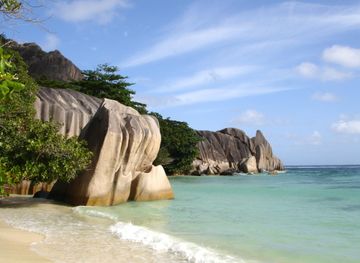
Discover the enchanting islands of Seychelles, where stunning beaches, vibrant wildlife, and rich Creole culture come together for an unforgettable tropical escape.
Explore Seychelles