

Kono District, Sierra Leone Travel Guide
Explore Kono District: Sierra Leone's Hidden Gem of Natural Beauty, Rich History, and Cultural Vibrance.
Nestled in the eastern province of Sierra Leone, Kono District is a treasure trove of natural beauty and cultural richness. Known primarily for its diamond mines, this region offers much more than precious stones. With its rolling hills, lush forests, and vibrant communities, Kono District is a hidden gem waiting to be explored. The capital town, Koidu, serves as the gateway to numerous attractions. Here, visitors can immerse themselves in the local culture by visiting bustling markets, sampling traditional Sierra Leonean cuisine, and engaging with friendly locals. The district's natural landscape is equally captivating, offering opportunities for hiking, bird watching, and exploring the scenic countryside. One of the highlights of Kono District is its rich history. The National Diamond Mining Company’s museum provides a fascinating insight into the diamond trade that has shaped the region for decades. Additionally, the remnants of colonial architecture tell stories of the past, adding another layer of intrigue to your visit. Whether you're a history buff, nature lover, or adventure seeker, Kono District promises a unique and unforgettable experience.

Know before you go
Hi, I'm Eve. Here are a few practical things to know before exploring Kono District.
- Visit the diamond mines with a local guide to learn about the region's mining history.
- Bring insect repellent and wear long sleeves if exploring the forested areas.
- Try the local dish 'cassava leaves' at a traditional eatery in Koidu.
- Engage with local artisans to purchase unique handmade crafts.
- Respect local customs and traditions; always ask for permission before taking photos of people.
Destinations in Kono District
Resorts, valleys and scenic spots worth a trip of their own.

Explore Kono District: Things to Do, Places to Eat, Hotels & More
Handpicked recommendations for top attractions, local dining, accommodations, and more

Top Attractions & Sightseeing in Kono District


Best restaurants in Kono District
Top-rated picks
Best Restaurants

Premier Sunshine
Discover authentic Sierra Leonean cuisine at Premier Sunshine, Koidu's top dining destination offering rich flavors and warm hospitality.

YEANE'S
Discover authentic Sierra Leonean flavors at Yeane's in Koidu – where culinary excellence meets warm hospitality.

Best bars in Kono District
Top-rated picks
Best Bars

Roof Garden Bar & Restaurant
Experience breathtaking views and delectable cuisine at the Roof Garden Bar & Restaurant in Freetown, the perfect retreat for every traveler.

Leone sky bar
Discover the culinary delights and breathtaking views of Leone Sky Bar, a premier dining destination in Freetown, Sierra Leone.
The Clubhouse
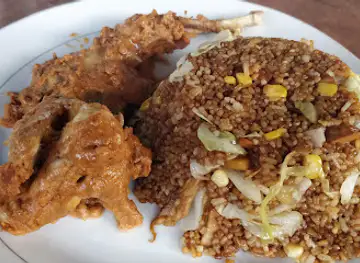
Experience the vibrant social scene at The Clubhouse in Makeni, where locals and tourists gather for drinks and camaraderie.

Shine On and Stay Hotel
Discover the comfort and charm of Shine On and Stay Hotel in Koidu, Sierra Leone, your perfect base for local exploration.

Best shops in Kono District
Top-rated picks
Best Shops

Bo Mini Market
Explore the vibrant Bo Mini Market: your gateway to local flavors, fresh produce, and a taste of Sierra Leonean culture.

Rose NDC 21 Gems Limited
Explore the exquisite world of diamonds at Rose NDC 21 Gems Limited in Koidu, where beauty and heritage merge.

Kono District Cold Store (EPI)
Discover the vital role of the Kono District Cold Store in child health care and community wellness in Koidu, Sierra Leone.

Suremines Gold and Diamond Mining Company (SL) Limited
Discover the allure of gold and diamonds at Suremines in Koidu, where mining heritage meets exquisite craftsmanship.

Explore Kono District on the Map
A handpicked selection of must-see spots in Kono District, mapped for you.
Kono District Essentials
-
Kono District is located in the Eastern Province of Sierra Leone. The nearest international airport is Lungi International Airport in Freetown. From Freetown, you can take a domestic flight to Koidu, the capital of Kono District. Alternatively, you can hire a private car or take a public bus from Freetown to Koidu, which takes approximately 6 to 7 hours by road.
-
Within Kono District, transportation options include motorbike taxis (okadas), local taxis, and minibuses (poda-podas). Okadas are the most common and can navigate the rougher roads, but always ensure to negotiate the fare beforehand. For longer trips, consider hiring a private car. Public transportation is affordable but can be crowded and less reliable.
-
The official currency in Sierra Leone is the Sierra Leonean Leone (SLL). While some larger establishments may accept credit cards, cash is the preferred method of payment. ATMs are available in Koidu, but it is advisable to carry sufficient cash, especially when traveling to more remote areas.
-
Kono District is generally safe for tourists, but it is important to take standard precautions. Avoid walking alone at night, particularly in unfamiliar areas. Be cautious of your belongings, especially in crowded places. Some areas in Koidu have higher crime rates, so consult locals or your accommodation for advice on safe neighborhoods.
-
In case of emergency, dial 117 for medical emergencies or 999 for police assistance. Koidu has a hospital and several clinics for medical care. It is recommended to have travel insurance that covers medical emergencies. Pharmacies are available for over-the-counter medications.
-
Fashion: Do dress modestly, especially in rural areas. Avoid wearing revealing clothing. Religion: Do respect local customs and traditions. Many locals are Muslim or Christian, so be mindful of religious practices. Public Transport: Do be polite and greet the driver and fellow passengers. Don't argue over fares; negotiate calmly. Greetings: Do greet people with a handshake. Use 'Good morning' or 'Good afternoon' as a sign of respect. Eating & Drinking: Do try local dishes and accept food graciously. Don't refuse hospitality, as it is considered impolite.
-
To experience Kono District like a local, visit the diamond mines and learn about the region's rich mining history. Engage with locals at the markets in Koidu, where you can purchase fresh produce and local crafts. Don't miss the opportunity to visit the Tingi Hills Forest Reserve for a unique eco-tourism experience. Be open to conversations, as locals are often eager to share stories about their culture and history.
When is the best time to visit Kono District?
Useful Local Phrases for Kono District
You don't need to speak the language perfectly. Even learning a few simple words can make conversations warmer—and locals usually appreciate the effort.
— Eve

Here are the phrases I use most often in Kono District. Try a few—you'll be surprised how far they go! 😊
❤️
-
- HelloAkwaba
[ah-kwa-ba] - GoodbyeNeh
[neh] - YesIye
[ee-yeh] - NoNoh
[noh] - Please/You're welcomeBiko
[bee-koh] - Thank youTenki
[ten-kee] - Excuse me/SorryPardon
[par-dohn] - How are you?Ow de?
[oh-deh] - Fine. And you?Na fine. An you?
[nah fine. an yoo] - Do you speak English?Yu sabi English?
[yu sah-bee in-glish] - I don't understandAh no sabi
[ah noh sah-bee]
- HelloAkwaba
-
- I'd like to see the menu, pleaseAh wan see di menu, biko
[ah wahn see dee meh-noo, bee-koh] - I don't eat meatAh no dey chop meat
[ah noh dey chop meet] - Cheers!Salute!
[sah-loo-teh] - I would like to pay, pleaseAh wan pay, biko
[ah wahn pay, bee-koh]
- I'd like to see the menu, pleaseAh wan see di menu, biko
-
- Help!Help!
[help] - Go away!Comot for ya!
[co-mot for yah] - Call the Police!Call di Police!
[call dee po-lees] - Call a doctor!Call wan doctor!
[call wahn dok-tah] - I'm lostAh don lost
[ah don lost] - I'm illAh dey sick
[ah dey sick]
- Help!Help!
-
- I'd like to buy...Ah wan buy...
[ah wahn buy...] - I'm just lookingAh just dey look
[ah jahst dey look] - How much is it?How much na im?
[how much nah eem] - That's too expensiveDat too much money
[daht too mu-ch mon-ee] - Can you lower the price?Yu fit bring down di price?
[yu fit bring down dee pryce]
- I'd like to buy...Ah wan buy...
-
- What time is it?Wet in time?
[weh-tin tahym] - It's one o'clockNa wan o'clock
[nah wahn oh-clock] - Half past (10)Half past ten
[haf past ten] - MorningMornin
[mor-ning] - AfternoonAfternoon
[af-ter-noon] - EveningEvening
[ee-ven-ing] - YesterdayYestaday
[yes-ta-day] - TodayToda
[toh-dah] - TomorrowTomorrah
[toh-mor-rah] - 1Wan
[wahn] - 2Tu
[too] - 3Tiri
[tee-ree] - 4Foa
[foh-ah] - 5Fiv
[fiv] - 6Siks
[siks] - 7Seven
[seh-ven] - 8Eight
[eyt] - 9Nain
[nain] - 10Ten
[ten]
- What time is it?Wet in time?
-
- Where's a/the...?Weh den ...?
[weh den ...?] - What's the address?Wet in di address?
[wet in dee ad-dress?] - Can you show me (on the map)?Yu fit show me (for di map)?
[yu fit show me (for dee map)?] - When's the next (bus)?When di next (bus)?
[wen dee nekst (bus)?] - A ticket (to ....)Wan ticket (to ....)
[wahn ti-ket (to ....)]
- Where's a/the...?Weh den ...?
History of Kono District
-
The Kono District, located in the Eastern Province of Sierra Leone, has been inhabited for centuries by indigenous tribes such as the Kono people. Known for their rich cultural heritage and traditions, the Kono people were primarily subsistence farmers and hunters. The region's lush, fertile lands and abundant natural resources made it an ideal settlement area long before colonial times.
-
The arrival of the British in the 19th century marked a turning point in the history of Kono District. In 1930, diamonds were discovered in the district, leading to a significant economic and social transformation. The British colonial administration established mining operations, which attracted laborers from various parts of Sierra Leone and beyond. This influx of people contributed to the district's diverse cultural tapestry.
-
Sierra Leone gained independence from British rule in 1961, and the Kono District continued to be a focal point of the country's diamond mining industry. The post-independence era brought economic prosperity to the region, as diamond exports became a major source of revenue. However, this wealth was unevenly distributed, leading to social tensions and economic disparities.
-
The Kono District was severely affected during the Sierra Leone Civil War (1991-2002). The district's diamond wealth became both a blessing and a curse, as rebel groups sought to control the lucrative diamond mines to finance their operations. The war caused significant destruction, displacement, and loss of life in the district. However, the resilience of the Kono people saw them rebuild their communities in the aftermath of the conflict.
-
Following the end of the civil war, the Kono District embarked on a path of reconstruction and rehabilitation. Efforts were made by the government, international organizations, and the local community to rebuild infrastructure, restore public services, and revive the economy. The district has gradually regained stability and is once again a vibrant part of Sierra Leone's socio-economic landscape.
-
The Kono District is renowned for its rich cultural heritage. Traditional ceremonies, music, dance, and art play an integral role in the daily lives of the Kono people. The 'Kono Masquerades' are a unique cultural expression, featuring elaborate costumes and performances that celebrate ancestral spirits and community values. Additionally, the district is known for its traditional crafts, including weaving and pottery.
-
Today, the Kono District is a blend of its historical legacy and modern aspirations. The diamond industry remains a significant part of the local economy, but there is also a growing emphasis on sustainable development and tourism. Visitors to Kono can explore the remnants of its colonial past, learn about its role in the civil war, and experience the rich cultural traditions that define the district. Attractions such as the Koidu Town, the district's capital, and the surrounding natural beauty offer a unique glimpse into the heart of Sierra Leone.
Neighbouring Regions of Kono District
The closest regions to Kono District, if you have time for more than one.




Your all‑in‑one travel companion app
Explore expert travel guides, compare and book tours, experiences, hotels, and more—all from the palm of your hand. Download now for seamless trip planning wherever your wanderlust takes you.


Explore More of Sierra Leone

Looking beyond Kono District? Discover Sierra Leone for broader travel guides, local hot-spots, and regional highlights.
Explore Sierra LeoneKono District in Photos
Browse through our photo collection highlighting the charm and character of the destination.


Discover the Untamed Beauty of Kono District
Nestled in the eastern province of Sierra Leone, Kono District is a treasure trove of natural beauty and cultural richness. Known primarily for its diamond mines, this region offers much more than precious stones. With its rolling hills, lush forests, and vibrant communities, Kono District is a hidden gem waiting to be explored. The capital town, Koidu, serves as the gateway to numerous attractions. Here, visitors can immerse themselves in the local culture by visiting bustling markets, sampling traditional Sierra Leonean cuisine, and engaging with friendly locals. The district's natural landscape is equally captivating, offering opportunities for hiking, bird watching, and exploring the scenic countryside. One of the highlights of Kono District is its rich history. The National Diamond Mining Company’s museum provides a fascinating insight into the diamond trade that has shaped the region for decades. Additionally, the remnants of colonial architecture tell stories of the past, adding another layer of intrigue to your visit. Whether you're a history buff, nature lover, or adventure seeker, Kono District promises a unique and unforgettable experience.