

Free Tonkolili District Travel Guide & Mobile App
Explore Tonkolili District with free travel guides. Discover regional history, expert tips, proposed trips, and audio guides on web or mobile app.


Explore Tonkolili District in northern Sierra Leone for river landscapes, rural markets, Temne heritage and the transport hub of Mile 91.
Read more about Tonkolili District
When is the best time to visit Tonkolili District?
Best: December–February · 29–31°C| Month | High (°C) | Rainfall (mm) |
|---|---|---|
| January (best) | 30 | 1 |
| February (best) | 31 | 2 |
| March | 32 | 10 |
| April | 33 | 50 |
| May | 32 | 100 |
| June | 30 | 200 |
| July | 29 | 300 |
| August | 29 | 300 |
| September | 29 | 250 |
| October | 30 | 200 |
| November | 30 | 100 |
| December (best) | 29 | 20 |
Getting to and around Tonkolili District
How to get there
Transportation
Top city travel guides in Tonkolili District
The cities of Tonkolili District, and the easiest places to base yourself.

Swipe for more cities
Destinations in Tonkolili District
Resorts, valleys and scenic spots worth a trip of their own.

Swipe for more destinations
Best attractions in Tonkolili District
Tonkolili's attractions are primarily landscape-based and community-connected rather than arranged as a dense circuit of formal tourist sites. The Seli River and the countryside around Bumbuna offer opportunities to appreciate northern Sierra Leone's riverine scenery, while the Bumbuna Hydroelectric Project provides context for the district's role in the country's energy development; access to operational infrastructure must be authorised. Around Magburaka and Mile 91, markets, roadside commerce and local food stalls reveal the district's agricultural and transport economy. The wider rural landscape includes savannah, cultivated fields, wooded areas and seasonal wetlands, with birdlife and small wildlife best observed through locally informed, low-impact excursions rather than unsupported claims of safari facilities. Visitors interested in history can explore the surviving patterns of chiefly administration, former transport routes and colonial-era town development with a local guide. Religious buildings, schools, community centres and market spaces are generally more useful for understanding everyday life than as formal monuments. Walking, photography and short countryside drives are possible, but distances, heat, rain and road conditions mean that itineraries should remain flexible. Tonkolili is best experienced through a combination of road travel, river landscapes, local conversation and an appreciation of agricultural life.
-
Tourist attraction
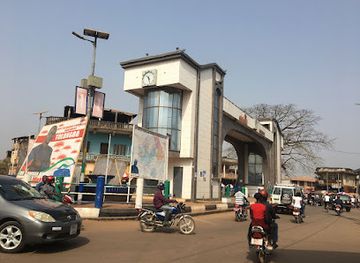
Makeni Clock Tower
Explore the heart of Makeni at the iconic Clock Tower, a vibrant symbol of the city’s culture and history.
-
Tourist attraction
Kangari Hills Forest Reserve
Explore the serene landscapes and rich biodiversity of Kangari Hills Forest Reserve, a hidden gem for nature lovers and adventure seekers in Sierra Leone.
-
 Hiking area
Adam’s Mountain Peak
Discover the breathtaking trails and stunning vistas of Adam's Mountain Peak, a hiking haven in Sierra Leone's Batpela region, perfect for nature lovers and adventurers alike.
-
Hiking area
Mambo Waterfalls
Explore the breathtaking Mambo Waterfalls in Mambo Village, a hidden gem for hiking enthusiasts and nature lovers in Sierra Leone.

Best landmarks in Tonkolili District
The Bumbuna Hydroelectric Project and its dam on the Seli River are Tonkolili's most recognisable modern landmarks, representing the district's importance in Sierra Leone's energy infrastructure as well as the engineering scale of the river valley. Because the site includes operational facilities, visitors should arrange permission and follow security instructions rather than approaching restricted areas. The Seli and Tonkolili river systems themselves are important geographical landmarks, shaping settlement, farming and seasonal movement across the district. Mile 91 is a landmark of a different kind: its identity is tied to the north–south road, constant movement and the commercial life created by long-distance transport. Magburaka, the district headquarters, provides a civic focal point through its administrative role and surrounding urban landscape. Across the countryside, bridges, road crossings, market centres and chiefly settlements provide visual reminders of how infrastructure and local governance organise the region. The former railway is historically significant, but it should be understood as a vanished transport system rather than treated as an operating landmark or tourist railway.
-
National park
Kangari Hills Forest Reserve
Discover the breathtaking beauty of Kangari Hills Forest Reserve, a national park rich in biodiversity and natural wonders in Baoma, Sierra Leone.
-
Mine
Tonkolili Iron Ore Mine
Explore the Tonkolili Iron Ore Mine in Sierra Leone, a captivating destination showcasing the intersection of industry and nature in an awe-inspiring landscape.
-
Apartment building
Sierra Leone West Africa
Experience the rich culture and stunning landscapes of Sierra Leone, a hidden gem in West Africa, perfect for adventurous travelers and cultural enthusiasts alike.

Explore Tonkolili District on the map
Plan your trip on one map. See where the top cities, national parks and sights are, and book hotels and experiences in a few clicks.
Best hotels in Tonkolili District
Best restaurants in Tonkolili District
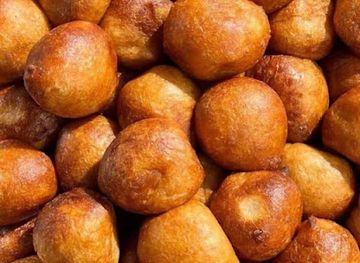
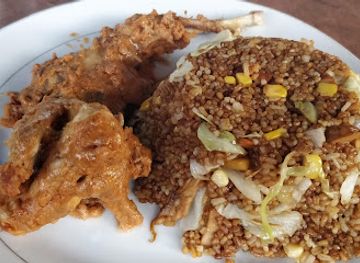
Dining in Tonkolili is centred on local eateries, market stalls, roadside cookshops and family-run establishments rather than a formal restaurant scene. Rice is a staple and may be served with cassava leaves, potato leaves, groundnut-based sauces, beans, fish, chicken or other locally available ingredients. Cassava, plantain and seasonal vegetables also appear regularly, while grilled meat and simple rice dishes are common around transport hubs such as Mile 91 and Magburaka. The flavours and ingredients reflect northern Sierra Leonean cooking, although many dishes are part of the wider national food culture rather than exclusive to Tonkolili. Markets are useful places to find fruit, roasted groundnuts and other inexpensive provisions, but visitors should choose busy vendors, ensure hot food is thoroughly cooked and use treated or bottled water. In rural areas, meal choices and serving times may be limited, so carrying snacks is sensible. Tea, soft drinks and locally available beers are more common than an extensive specialist drinks culture.
-
Restaurant
Magburaka
Experience authentic Sierra Leonean cuisine at Magburaka - where every meal tells a story.
-
Restaurant
Abundant Fast Food Restaurant
Discover quick bites and local flavors at Abundant Fast Food Restaurant in Makeni - perfect for travelers seeking delicious meals on-the-go.
-
Restaurant
Mado's Bar & Restaurant
Discover authentic Sierra Leonean cuisine at Mado's Bar & Restaurant in Makeni – where flavor meets tradition.
-
Fast Food
Yeane's Night Club
Discover Lunsar's nightlife at Yeane's Night Club – where fast food meets exhilarating entertainment in a vibrant setting.

Best bars in Tonkolili District
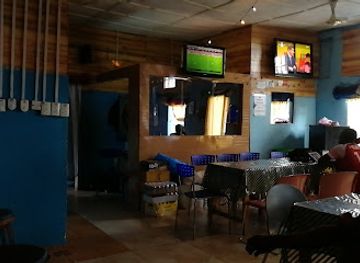
Tonkolili has a modest evening scene shaped by roadside bars, local drinking spots, restaurants and informal social spaces rather than a concentrated nightclub district. Mile 91 and Magburaka offer the greatest choice, with activity often focused on transport corridors and town centres. In smaller communities, evenings are quieter and may centre on conversation, music, football broadcasts and family or community gatherings. Beer, soft drinks and spirits are available in many towns, while locally brewed drinks may be encountered in some communities; visitors should accept them only when the source and preparation are clear. Rural travel after dark is inconvenient because lighting, transport and road conditions are limited, so it is sensible to remain near accommodation. Music and dancing can be part of social life, but visitors should follow local invitations and ask before recording people or performances. There is no need to treat nightlife as the main way to experience the district.
-
Bar
The Clubhouse
Experience the heart of Makeni at The Clubhouse, a vibrant bar offering local brews and a lively atmosphere for an unforgettable evening.
-
Restaurant
Choices
Experience authentic Sierra Leonean cuisine at Choices, a vibrant restaurant in the heart of Makeni, perfect for tourists and locals alike.
-
Bar
ALIESAIO BAR AND RESTAURANT
Discover the essence of Sierra Leonean cuisine at Aliesaio Bar and Restaurant in Kabala, where local flavors meet vibrant social vibes.
-
Restaurant
City Bar Restorant
Experience authentic Sierra Leonean flavors at City Bar Restaurant, a must-visit dining destination in Makeni for every traveler.
Best nightclubs in Tonkolili District
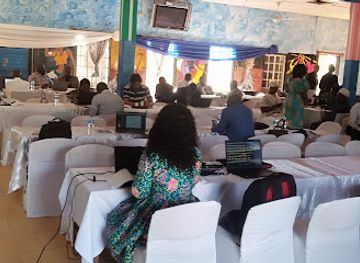
Tonkolili has a modest evening scene shaped by roadside bars, local drinking spots, restaurants and informal social spaces rather than a concentrated nightclub district. Mile 91 and Magburaka offer the greatest choice, with activity often focused on transport corridors and town centres. In smaller communities, evenings are quieter and may centre on conversation, music, football broadcasts and family or community gatherings. Beer, soft drinks and spirits are available in many towns, while locally brewed drinks may be encountered in some communities; visitors should accept them only when the source and preparation are clear. Rural travel after dark is inconvenient because lighting, transport and road conditions are limited, so it is sensible to remain near accommodation. Music and dancing can be part of social life, but visitors should follow local invitations and ask before recording people or performances. There is no need to treat nightlife as the main way to experience the district.
-
Night club
Plaza Night club
Dive into the vibrant nightlife of Makeni at Plaza Night Club, where music and dance create unforgettable memories.
-
Club
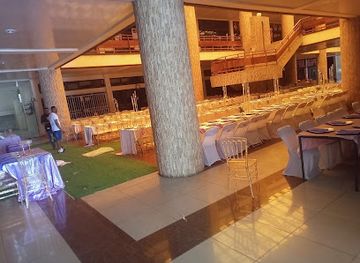
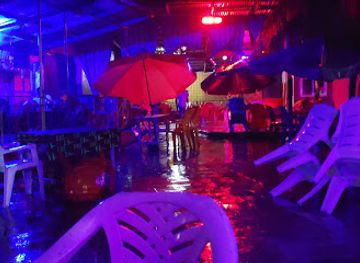
David's Villa Night Club
Experience the electrifying nightlife at David's Villa Night Club in Lunsar, where classy decor and vibrant music create unforgettable memories.
Best shops in Tonkolili District
Shopping in Tonkolili is practical, local and closely connected to agriculture and transport. Markets in Magburaka, Mile 91 and other larger settlements sell rice, cassava products, vegetables, fruit, groundnuts, prepared food, household goods, clothing and mobile-phone services. Roadside stalls along the main highway offer seasonal produce and snacks, while smaller community markets provide a more direct view of local trading patterns. Visitors may find woven items, simple beadwork, locally made clothing or carved objects, but availability varies and these should be bought respectfully rather than treated as guaranteed souvenirs. Regional food products, including groundnuts and dried or processed staples, are generally more reliable purchases than specialist crafts. Bargaining may be customary in some informal settings, but it should remain polite and proportionate; fixed prices are more likely in established shops. Carry cash in small denominations, check packing and transport arrangements for breakable goods, and remember that most markets are working centres for residents rather than curated visitor attractions.
-
Upholstery shop
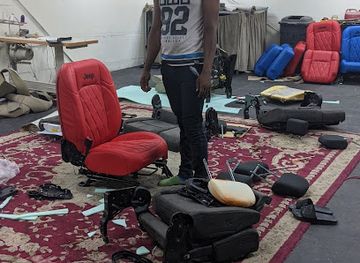
Ahmed upholstery work shop
Explore the artistry of Ahmed Upholstery Work Shop in Makeni, where craftsmanship meets culture in stunning furniture designs.
-
Shopping mall
Makeni Mall
Experience shopping and local culture at Makeni Mall, your ultimate retail destination in Sierra Leone.
-
Grocery store
Lashmi Supermarket
Discover the heart of Sierra Leonean culture at Lashmi Supermarket in Makeni, where local flavors and global products meet.
-
Store
Flower Corner
Explore the vibrant Flower Corner in Makeni for local crafts, fresh flowers, and a taste of Sierra Leonean culture.
Get your free copy of our complete guide to Tonkolili District, delivered straight to you.
Everything on this page, from attractions and restaurants to essentials and local phrases, in one PDF you can read offline, print or share.
Already have an account? Sign in
Your Tonkolili District guide is ready.
We'll send it to · Not you? Sign out

Getting your guide ready…
We are putting together a fresh copy of the Tonkolili District guide. This can take up to a minute.
This can take a few moments. If your browser asks, choose Allow so the download can start. You'll find the guide in your Downloads folder.
Nothing happened? Download it again
Sorry, the guide is taking longer than usual. Please try again in a minute, or get it by email instead.
Tonkolili District essentials
Currency and Payment
Safety
Emergency Situations
Do's and Don'ts
Local Tips
From Eve
Local phrases worth knowing
You don't need to get them perfect. A few words go a long way, and locals appreciate the effort.
Basics
| English | Local | Say it |
|---|---|---|
| Hello | Salone | [Sah-loh-neh] |
| Goodbye | Tata | [Tah-tah] |
| Yes | Aye | [Aye] |
| No | No | [No] |
| Please/You're welcome | Plis | [Pleez] |
| Thank you | Tenk yuh | [Tenk yuh] |
| Excuse me/Sorry | Sori | [Soh-ree] |
| How are you? | How far? | [How fah?] |
| Fine. And you? | Fine. And you? | [Fine. And you?] |
| Do you speak English? | Yuh sabi Inglis? | [Yuh sah-bee In-glis?] |
| I don't understand | A no sabi | [Ah no sah-bee] |
Eating & Drinking
| English | Local | Say it |
|---|---|---|
| I'd like to see the menu, please | A wan see di menu, plis | [Ah wan see dee meh-noo, pleez] |
| I don't eat meat | A no eat meat | [Ah no eet meet] |
| Cheers! | Cheers! | [Cheers!] |
| I would like to pay, please | A wan pay, plis | [Ah wan pay, pleez] |
Emergencies
| English | Local | Say it |
|---|---|---|
| Help! | Help! | [Help!] |
| Go away! | Comot! | [Koh-mot!] |
| Call the Police! | Call di Police! | [Call dee Poh-lees!] |
| Call a doctor! | Call wan doctor! | [Call wan doh-ctor!] |
| I'm lost | A don lost | [Ah don lost] |
| I'm ill | A dey sick | [Ah dey sick] |
Shopping
| English | Local | Say it |
|---|---|---|
| I'd like to buy... | A wan buy... | [Ah wan buy...] |
| I'm just looking | A dey look | [Ah dey look] |
| How much is it? | How much e go cost? | [How much eh go cost?] |
| That's too expensive | Dat too much | [Dat too mooch] |
| Can you lower the price? | Yuh fit bring di price down? | [Yuh fit bring dee price down?] |
Time & Numbers
| English | Local | Say it |
|---|---|---|
| What time is it? | Wetin time e be? | [Weh-tin time eh beh?] |
| It's one o'clock | Na wan o'clock | [Nah wan oh-clock] |
| Half past (10) | Half past ten | [Half past ten] |
| Morning | Mornin | [Mornin] |
| Afternoon | Afternoon | [Afternoon] |
| Evening | Evenin | [Evenin] |
| Yesterday | Yestaday | [Yes-tah-day] |
| Today | Tudeh | [Too-day] |
| Tomorrow | Tomorra | [Toh-moh-rah] |
| 1 | Wan | [Wahn] |
| 2 | Tu | [Too] |
| 3 | Tri | [Tree] |
| 4 | Foh | [Four] |
| 5 | Faiv | [Five] |
| 6 | Siks | [Six] |
| 7 | Sev | [Seven] |
| 8 | Eit | [Eight] |
| 9 | Nain | [Nine] |
| 10 | Ten | [Ten] |
Transport & Directions
| English | Local | Say it |
|---|---|---|
| Where's a/the...? | Wetin de...? | [Weh-tin de...?] |
| What's the address? | Wetin di address? | [Weh-tin dee ad-dress?] |
| Can you show me (on the map)? | Yuh fit show me (for di map)? | [Yuh fit show me (for dee map)?] |
| When's the next (bus)? | Wen di next (bus) go come? | [Wen dee next (bus) go come?] |
| A ticket (to ....) | Wan tiket (go ...) | [Wan tee-ket (go ...)] |
History of Tonkolili District
Early Temne Settlement and Regional Chiefdoms
The area now forming Tonkolili District has long been part of the cultural world of northern Sierra Leone, where Temne communities developed farming, trading and political networks linked to rivers and overland routes. Authority was organised through chiefdoms and local institutions rather than through a single centralised state covering the whole district. Rice cultivation, fishing, seasonal movement and trade helped connect communities across the savannah and river valleys. These older social and agricultural patterns remain visible in village organisation, chiefly administration and local markets.
British Protectorate Administration, 1896–1961
Britain declared a Protectorate over the interior of Sierra Leone in 1896, bringing the chiefdoms of the Tonkolili area into a new colonial administrative system. The change formalised the role of paramount chiefs, introduced taxation and expanded the authority of colonial officials, while leaving many local institutions in place. Roads, trading posts and later railway connections were developed to support administration and the movement of agricultural products. Colonial boundaries and administrative practices helped shape the district's later governmental geography.
Roads, Railway and the Growth of Mile 91
Transport infrastructure played a major role in the development of Tonkolili. Sierra Leone's former government railway connected the interior with coastal export routes before the national railway was closed in the 1970s. Although the tracks no longer provide passenger transport, the wider history of rail and road building helped shift commercial importance towards transport settlements. Mile 91 grew as a significant stopping and trading point on the north–south highway, linking communities in Tonkolili with Freetown, Makeni and other parts of the country.
Independence and Post-Colonial Administration
Sierra Leone became independent in 1961, and the Tonkolili area continued to be governed through chiefdom structures alongside national and district administration. Magburaka developed as the district headquarters, while market centres and road corridors became increasingly important for public services and commerce. Agriculture remained central, particularly rice and cassava cultivation, but changing national policies, transport conditions and access to education and health services shaped different experiences between towns and remote rural communities.
Civil War and Community Recovery, 1991–2002
The Sierra Leone Civil War affected Tonkolili, as it did much of the country, disrupting travel, farming, public administration and family life. Communities experienced displacement, insecurity and the loss or interruption of essential services. After the war ended in 2002, reconstruction involved restoring roads, schools, health facilities and local governance, as well as supporting the return and reintegration of displaced people. The period remains part of the district's living memory and should be approached with sensitivity.
Hydropower, Mining and Contemporary Development
The Bumbuna Hydroelectric Project on the Seli River became one of Tonkolili's most significant modern infrastructure developments, bringing national attention to the district's energy potential. Tonkolili has also been associated with large-scale iron-ore exploration and mining interests, particularly around the district's eastern and central areas. These projects have created employment and infrastructure debates while also raising questions about land, water, compensation and long-term community benefits. Their legacy is part of the district's continuing economic transformation.
Ebola and Public-Health Resilience, 2014–2016
Tonkolili was among the Sierra Leonean districts affected by the Ebola outbreak of 2014–2016. The epidemic placed severe pressure on households, health workers, schools, markets and transport, and intensified public-health efforts in communities across the country. Local volunteers, traditional authorities and health services all contributed to prevention and response. The outbreak also demonstrated how closely rural districts are connected to national transport corridors and how quickly a health emergency can affect agriculture and commerce.
Tonkolili District in Photos
Browse through our photo collection highlighting the charm and character of the destination.
Neighbouring regions of Tonkolili District
The closest regions to Tonkolili District, if you have time for more than one.
-

-

-

-

-


Swipe for more regions
Explore more

Explore more of Sierra Leone
Discover Sierra Leone, a West African treasure with pristine beaches, lush rainforests, rich history, and vibrant cultures, offering unforgettable adventures and warm hospitality.
Explore Sierra Leone