

Free Eastern Province Travel Guide & Mobile App
Explore Eastern Province with free travel guides. Discover regional history, expert tips, proposed trips, and audio guides on web or mobile app.


Explore Sierra Leone’s Eastern Province for rainforest wildlife, Mende and Kono culture, diamond history, river journeys and lively market towns.
Read more about Eastern Province
When is the best time to visit Eastern Province?
Best: December–February · 31–32°C| Month | High (°C) | Rainfall (mm) |
|---|---|---|
| January (best) | 31 | 5 |
| February (best) | 32 | 6 |
| March | 33 | 10 |
| April | 34 | 25 |
| May | 34 | 50 |
| June | 34 | 100 |
| July | 33 | 150 |
| August | 33 | 150 |
| September | 33 | 100 |
| October | 32 | 70 |
| November | 31 | 20 |
| December (best) | 31 | 10 |
Getting to and around Eastern Province
How to get there
Transportation
Top city travel guides in Eastern Province
The cities of Eastern Province, and the easiest places to base yourself.
-

-

-


Swipe for more cities
Destinations in Eastern Province
Resorts, valleys and scenic spots worth a trip of their own.

Swipe for more destinations
Best attractions in Eastern Province
Eastern Province’s attractions are shaped by forest, rivers, living communities and the region’s mining history. Tiwai Island Wildlife Sanctuary in Kailahun District is the best-known nature destination, offering guided rainforest walks and opportunities to observe primates, birds and other forest species in a river setting. The wider Gola forest landscape, extending across eastern and southern Sierra Leone, is important for biodiversity and conservation, though access and facilities vary by location. Kenema provides lively markets, local commerce and a useful base for exploring the surrounding countryside, while Koidu offers insight into the history and continuing realities of diamond extraction. Rural journeys reveal rice fields, cocoa and coffee-growing areas, palm landscapes and villages connected by red-earth roads. Visitors interested in contemporary history can learn through local conversations and community-based visits rather than relying on large museum collections. The province is better suited to guided, flexible travel than to a tightly timed programme of formal attractions.
-
Church of Jesus Christ of Latter-day Saints
Freetown Sierra Leone Temple
Explore the tranquility and spiritual beauty of the Freetown Sierra Leone Temple, a serene landmark in the heart of Sierra Leone.
-
Children's camp
Tiwai Island Wildlife Sanctuary
Explore the captivating Tiwai Island Wildlife Sanctuary, a paradise for wildlife enthusiasts and nature lovers in Sierra Leone, where conservation meets adventure.
-
National forest
Forêt guinéenne de l'Ouest africain
Explore the lush landscapes and diverse wildlife of the Forêt Guinénne de l'Ouest africain, a serene national forest in West Africa.
-
National forest
Kamboi Hills
Explore the natural beauty and rich biodiversity of Kamboi Hills National Forest, a serene escape in Sierra Leone's lush landscapes.


Best landmarks in Eastern Province
Koidu’s identity is closely tied to its diamond-bearing landscape, making the mining areas and the city’s urban growth an important modern landmark of Eastern Province, although active sites should only be approached with permission and proper guidance. Kenema’s principal streets, markets and older administrative buildings express its long role as a regional trading and service centre, even where colonial-era structures have been altered or replaced. In Kailahun District, the Moa River is both a geographical landmark and the setting for Tiwai Island, whose forested river environment represents the ecological importance of the eastern frontier. The forest corridors associated with Gola are significant natural landmarks, with their value extending beyond scenery to the protection of Upper Guinean biodiversity. Across the province, red-earth roads, river crossings, cultivated hills and market-town streets form a recognisable landscape of inland Sierra Leone rather than a collection of monumental buildings.
-
Hotel
Mamba Point Hotel Restaurant Lagoonda
Experience the breathtaking sea views and authentic Sierra Leonean cuisine at Mamba Point Hotel Restaurant Lagoonda, a dining gem in Freetown.
-
Ferry service
Seacoach Express Water Taxi
Discover the stunning islands of Sierra Leone with Seacoach Express Water Taxi, offering scenic, safe, and reliable ferry services for an unforgettable journey.
-
Wildlife rescue service
Tacugama Chimpanzee Sanctuary
Explore the heartwarming Tacugama Chimpanzee Sanctuary in Freetown, Sierra Leone, and witness conservation efforts in action while enjoying breathtaking natural beauty.
-
Hotel
The Family Kingdom Resort
Discover the idyllic Family Kingdom Resort in Freetown, where comfort meets the beauty of Lumley Beach for an unforgettable family getaway.


Explore Eastern Province on the map
Plan your trip on one map. See where the top cities, national parks and sights are, and book hotels and experiences in a few clicks.
Best hotels in Eastern Province
Best restaurants in Eastern Province
Dining in Eastern Province is centred on everyday Sierra Leonean cooking rather than a large formal restaurant scene. Rice is the staple, commonly served with cassava-leaf, potato-leaf or groundnut-based sauces, fish, chicken or meat; cassava, plantain and sweet potato also feature widely. In Kenema and Koidu, cafés, small restaurants and roadside food sellers provide practical meals, while market areas are useful for fruit, snacks and locally produced ingredients. Rural communities may offer food by prior arrangement rather than through an established tourist menu. Cocoa, coffee, palm products and rice are important to the region’s agricultural economy, although availability and preparation vary locally. Visitors should carry drinking water on long journeys and choose busy food stalls with good turnover. Dining is generally informal, and menus, portions and service can change with supplies, season and electricity availability.
-
Restaurant
Roy Hotel & Restaurant
Experience delectable local cuisine and stunning ocean views at Roy Hotel & Restaurant on Lumley Beach.
-
Restaurant
Crown Xpress
Discover Crown Xpress in Freetown: where local flavors meet global cuisine in an inviting atmosphere.
-
Restaurant
Bliss Restaurant
Experience the fusion of Sierra Leonean and international cuisine at Bliss Restaurant in Freetown – a culinary haven for every traveler.
-
Mediterranean
Olba Restaurant
Experience the best Mediterranean cuisine at Olba Restaurant in Freetown while enjoying stunning views of Lumley Beach.


Best bars in Eastern Province
Evening life in Eastern Province is concentrated in Kenema, Koidu and smaller district centres, with local bars, informal drinking spots, restaurants and occasional music venues providing the main social settings. Kenema has the broadest choice, while Koidu’s nightlife reflects its role as a busy mining and trading centre. In Kailahun and rural communities, evenings are quieter and may revolve around family compounds, small bars or community events rather than dedicated clubs. Sierra Leonean music and football broadcasts are common features of urban venues, but opening arrangements and entertainment can change without notice. Travellers should use trusted transport after dark, keep valuables secure and avoid assuming that nightlife in provincial towns follows the late schedules found in major capitals. Non-alcoholic drinks and social restaurants are also part of the evening scene.
-
Restaurant
Leone sky bar
Discover Leone Sky Bar: Freetown's premier rooftop restaurant with stunning views, exquisite cuisine, and an unforgettable atmosphere.
-
Grill
Eddies Bar and Grill
Discover the vibrant flavors of Eddies Bar and Grill in Freetown, where every meal is a celebration of Sierra Leonean cuisine and culture.
-
Bar
The Clubhouse
Experience the lively atmosphere and refreshing drinks at The Clubhouse, the premier bar in Makeni, Sierra Leone.
-
Bar
Remedy Hangout Bar
Experience the vibrant nightlife and local flavors at Remedy Hangout Bar, a must-visit destination for tourists in Freetown.


Best nightclubs in Eastern Province
Evening life in Eastern Province is concentrated in Kenema, Koidu and smaller district centres, with local bars, informal drinking spots, restaurants and occasional music venues providing the main social settings. Kenema has the broadest choice, while Koidu’s nightlife reflects its role as a busy mining and trading centre. In Kailahun and rural communities, evenings are quieter and may revolve around family compounds, small bars or community events rather than dedicated clubs. Sierra Leonean music and football broadcasts are common features of urban venues, but opening arrangements and entertainment can change without notice. Travellers should use trusted transport after dark, keep valuables secure and avoid assuming that nightlife in provincial towns follows the late schedules found in major capitals. Non-alcoholic drinks and social restaurants are also part of the evening scene.
-
Bar
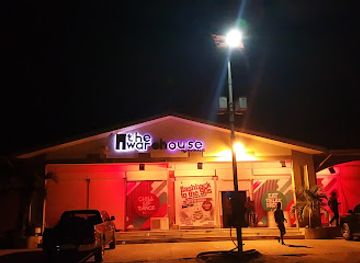
The Warehouse
Experience the vibrant nightlife of Freetown at The Warehouse, where music, atmosphere, and local culture come together in perfect harmony.
-
Tennis club
Hill Station Club
Discover the perfect blend of sport and relaxation at Hill Station Club, Freetown's premier tennis destination.
-
Night club
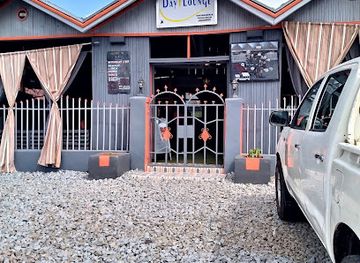
Day 1 Lounge
Discover the exhilarating nightlife of Day 1 Lounge in Bo, where vibrant music and a lively atmosphere come together for an unforgettable experience.
-
Night club
Ransim Night club
Discover the pulsating nightlife of Freetown at Ransim Night Club, where music, dancing, and cocktails come together for an unforgettable experience.

Best shops in Eastern Province
Shopping in Eastern Province is primarily local and practical. Kenema has the strongest concentration of markets and small shops, where visitors can find clothing, household goods, fruit, vegetables, prepared foods and everyday supplies. Koidu’s commercial life is influenced by mining and regional trade, while Kailahun serves a smaller and more locally focused market area. Agricultural products such as cocoa, coffee, palm-derived goods, rice and seasonal produce may be encountered through traders, although quality, packaging and availability vary. Small craft items, textiles and locally made accessories can sometimes be found through markets or community contacts, but the selection is not comparable with Sierra Leone’s main urban visitor markets. Buy directly and respectfully where possible, ask before photographing stalls, and be cautious about unverified claims concerning diamonds or precious stones. Bargaining may be customary in informal markets, but it should remain courteous and proportionate.
-
Shopping mall
Kenema Shopping Plaza
Explore Kenema Shopping Plaza for a unique blend of local and international shopping experiences in the heart of Sierra Leone's vibrant city.
-
Shopping mall
Choithram Super Market
Explore Choithram Super Market in Kenema for a unique shopping experience filled with local flavors and cultural treasures.
-
Shopping mall
Kenema Super Market
Discover the vibrant shopping experience at Kenema Super Market, where local culture meets diverse products in Sierra Leone.
-
Coffee store
Capitol Trading Co.
Discover the warmth and charm of Capitol Trading Co., the perfect coffee store in Kenema for a refreshing break during your travels.


Get your free copy of our complete guide to Eastern Province, delivered straight to you.
Everything on this page, from attractions and restaurants to essentials and local phrases, in one PDF you can read offline, print or share.
Already have an account? Sign in
Your Eastern Province guide is ready.
We'll send it to · Not you? Sign out

Getting your guide ready…
We are putting together a fresh copy of the Eastern Province guide. This can take up to a minute.
This can take a few moments. If your browser asks, choose Allow so the download can start. You'll find the guide in your Downloads folder.
Nothing happened? Download it again
Sorry, the guide is taking longer than usual. Please try again in a minute, or get it by email instead.
Eastern Province essentials
Currency and Payment
Safety
Emergency Situations
Do's and Don'ts
Local Tips
From Eve
Local phrases worth knowing
You don't need to get them perfect. A few words go a long way, and locals appreciate the effort.
Basics
| English | Local | Say it |
|---|---|---|
| Hello | Salone | [sah-loh-neh] |
| Goodbye | Tata | [tah-tah] |
| Yes | Aye | [ah-yeh] |
| No | No | [noh] |
| Please/You're welcome | Plis | [plees] |
| Thank you | Tenki | [tehn-kee] |
| Excuse me/Sorry | Sori | [soh-ree] |
| How are you? | How far? | [how fah] |
| Fine. And you? | E fine. And you? | [eh feen. and you?] |
| Do you speak English? | You sabi English? | [yoo sah-bee een-glish?] |
| I don't understand | A no sabi | [ah noh sah-bee] |
Eating & Drinking
| English | Local | Say it |
|---|---|---|
| I'd like to see the menu, please | A wan for si di menu, plis | [ah wan for see dee meh-noo, plees] |
| I don't eat meat | A no de chop meat | [ah noh deh chop meet] |
| Cheers! | Salute! | [sah-loo-teh] |
| I would like to pay, please | A wan for pay, plis | [ah wan for pay, plees] |
Emergencies
| English | Local | Say it |
|---|---|---|
| Help! | Halp! | [halp] |
| Go away! | Comot! | [coh-mot] |
| Call the Police! | Call di Police! | [call dee poh-lees] |
| Call a doctor! | Call a doctor! | [call ah dok-tah] |
| I'm lost | A don lost | [ah don lost] |
| I'm ill | A de sick | [ah deh sick] |
Shopping
| English | Local | Say it |
|---|---|---|
| I'd like to buy... | A wan for buy... | [ah wan for bye...] |
| I'm just looking | A de just look | [ah deh just look] |
| How much is it? | How much e be? | [how much eh beh?] |
| That's too expensive | Dat too expensive | [daht too ex-pen-siv] |
| Can you lower the price? | You fit bring down di price? | [yoo fit bring down dee price?] |
Time & Numbers
| English | Local | Say it |
|---|---|---|
| What time is it? | Wetin time e be? | [weh-tin time eh beh?] |
| It's one o'clock | Na wan o'clock | [nah wan oh-clock] |
| Half past (10) | Half past (10) | [half past (ten)] |
| Morning | Mornin' | [mor-ning] |
| Afternoon | Afternoon | [af-ter-noon] |
| Evening | Evenin' | [ee-ven-ing] |
| Yesterday | Yestaday | [yes-ta-day] |
| Today | Tudeh | [too-deh] |
| Tomorrow | Tomorrah | [toh-mor-rah] |
| 1 | Wan | [wan] |
| 2 | Tu | [too] |
| 3 | Tri | [tree] |
| 4 | Foh | [foh] |
| 5 | Faiv | [fahiv] |
| 6 | Siks | [siks] |
| 7 | Seven | [seh-ven] |
| 8 | Eit | [eight] |
| 9 | Nain | [nine] |
| 10 | Ten | [ten] |
Transport & Directions
| English | Local | Say it |
|---|---|---|
| Where's a/the...? | Weh di...? | [weh dee...?] |
| What's the address? | Wetin di address? | [weh-tin dee ah-dress?] |
| Can you show me (on the map)? | You fit show me (for di map)? | [yoo fit show me (for dee map)?] |
| When's the next (bus)? | When di next (bus)? | [when dee next (bus)?] |
| A ticket (to ....) | Wan ticket (to ....) | [wan tee-ket (to ....)] |
History of Eastern Province
Mende, Kono and Kissi societies before colonial rule
Long before the creation of Sierra Leone’s modern provinces, the eastern region was home to interconnected Mende, Kono and Kissi communities, with trade, farming, ironworking and local political authorities shaping settlement. Rice cultivation, palm products and forest resources supported rural economies, while routes linked the interior with neighbouring Liberia and Guinea. Social institutions, initiation traditions and systems of chiefly authority continued to influence community life after the establishment of colonial rule. The region’s cultural geography remains visible in its languages, art, family networks and the distribution of towns and villages.
The Protectorate and the Hut Tax War, 1896–1898
Britain declared a Protectorate over Sierra Leone’s interior in 1896, extending colonial authority over areas that had not previously been governed as part of the Freetown Colony. Resistance intensified when a hut tax was imposed, contributing to the Hut Tax War of 1898. Eastern communities were involved in the wider upheaval, which exposed the tensions between chiefly authority, taxation and colonial administration. After the rebellion was suppressed, the British strengthened indirect rule through local chiefs, a system that left a lasting mark on political and administrative life in the provinces.
Colonial roads, railway expansion and agricultural trade
During the twentieth century, improved roads and the expansion of the government railway towards the eastern interior strengthened the commercial role of towns such as Kenema. Colonial economic policy encouraged the production and movement of rice, palm products, cocoa and coffee, while administrative stations and trading posts became more important. These developments connected eastern communities more closely to Freetown and the coast, although transport remained seasonal and uneven. Kenema’s later importance as a market and service centre grew from this combination of transport links, agricultural trade and administrative investment.
Diamonds and the rise of Kono
Diamonds were discovered in Kono District in the 1930s, transforming the area’s economic and demographic importance. Mining attracted workers, traders and investors from across Sierra Leone and neighbouring countries, while Koidu developed as the principal urban centre. The industry generated substantial wealth but also brought disputes over land, labour, environmental damage and the distribution of benefits. Large-scale and artisanal mining have both shaped the district, and the diamond landscape remains central to understanding Kono’s prosperity, inequalities and political history.
Civil war and the eastern frontier, 1991–2002
Sierra Leone’s civil war began in 1991 with an incursion from Liberia into the eastern part of the country, and Kailahun District was among the first areas affected. The conflict spread through the provinces, bringing displacement, violence, attacks on towns and severe damage to infrastructure. Kono’s diamond resources became entangled in the financing of the war, giving the region international significance in debates about conflict diamonds. The end of the war in 2002 began a long process of disarmament, resettlement, reconstruction and community recovery.
Post-war recovery, conservation and public health
Since the early 2000s, Eastern Province has combined reconstruction with efforts to improve roads, health services, education and local administration. Forest conservation initiatives have given greater attention to places such as Tiwai Island and the Gola landscape, while mining governance has sought to make extraction more transparent and reduce environmental harm. The 2014–2016 Ebola epidemic severely affected Sierra Leone, including eastern districts, disrupting communities and travel. These experiences continue to shape local health awareness, development priorities and the region’s cautious approach to outside visitors.
Eastern Province in Photos
Browse through our photo collection highlighting the charm and character of the destination.
Neighbouring regions of Eastern Province
The closest regions to Eastern Province, if you have time for more than one.
-

-

-

-
-


Swipe for more regions
Explore more

Explore more of Sierra Leone
Discover Sierra Leone, a West African treasure with pristine beaches, lush rainforests, rich history, and vibrant cultures, offering unforgettable adventures and warm hospitality.
Explore Sierra Leone