

Free Northern Province Travel Guide & Mobile App
Explore Northern Province with free travel guides. Discover regional history, expert tips, proposed trips, and audio guides on web or mobile app.


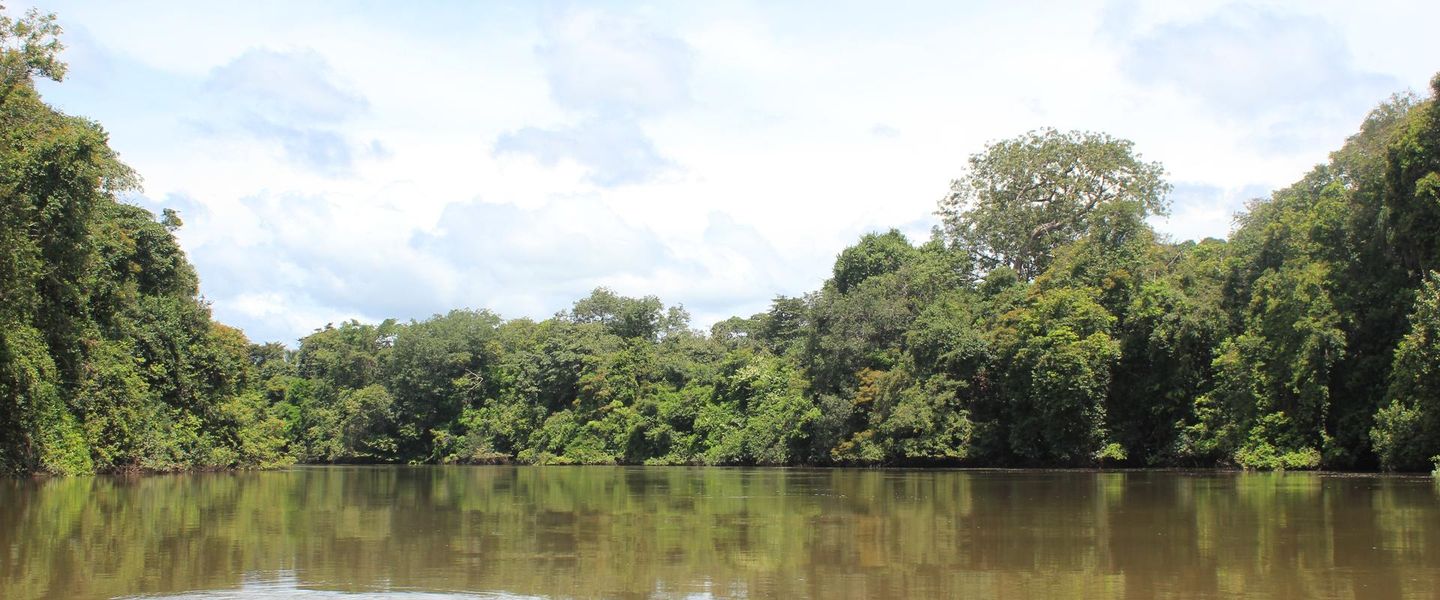


Explore Northern Province’s market towns, Loma highlands, savannah landscapes and living Temne, Limba, Kuranko and Fula cultures in inland Sierra Leone.
Read more about Northern Province
When is the best time to visit Northern Province?
Best: December–February · 30–31°C| Month | High (°C) | Rainfall (mm) |
|---|---|---|
| January (best) | 30 | 1 |
| February (best) | 31 | 3 |
| March | 32 | 10 |
| April | 33 | 20 |
| May | 32 | 40 |
| June | 31 | 80 |
| July | 31 | 100 |
| August | 30 | 100 |
| September | 30 | 80 |
| October | 31 | 40 |
| November | 30 | 20 |
| December (best) | 30 | 10 |
Getting to and around Northern Province
How to get there
Transportation
Top city travel guides in Northern Province
The cities of Northern Province, and the easiest places to base yourself.
-

-

-


Swipe for more cities
Destinations in Northern Province
Resorts, valleys and scenic spots worth a trip of their own.
-

-


Swipe for more destinations
Best attractions in Northern Province
Northern Province’s attractions are defined by landscape, local culture and the chance to travel through a relatively little-visited part of Sierra Leone. Makeni provides urban history, markets and a useful introduction to northern life, while the roads towards Magburaka and other Tonkolili communities pass through cultivated savannah and wooded countryside. Bumbuna and the surrounding Seli River landscape are associated with hydroelectric development and inland scenery, although access arrangements around infrastructure should be respected. In Koinadugu, Kabala is the practical base for excursions into the Loma highlands, where experienced walkers can explore upland paths and mountain views with local guidance. The district’s most demanding routes are not conventional mass-tourism excursions and require preparation, water, suitable footwear and weather awareness. Markets, roadside produce stalls, community visits and seasonal farming landscapes are attractions in their own right when approached with permission. Northern Province is less about a dense collection of formal museums or ticketed sights than about connecting towns, highlands, rivers and everyday cultural settings at a measured pace.
-
Tourist attraction
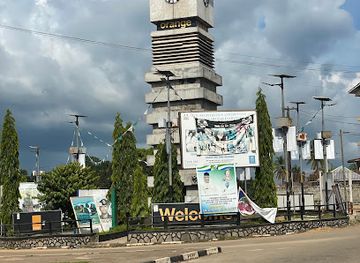
Clock Tower, Bo
Experience the rich history and cultural charm at Bo's Clock Tower, a must-visit historical landmark in Sierra Leone.
-
Tourist attraction
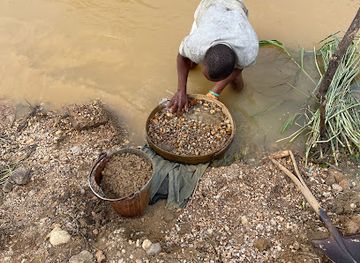
Artisanal Diamond Mine
Experience the authentic culture of diamond mining at the Artisanal Diamond Mine in Old Sefadu, Sierra Leone, where tradition meets the beauty of nature.
Best landmarks in Northern Province
Mount Bintumani and the wider Loma Mountains form Northern Province’s most imposing natural landmark, rising above Koinadugu and representing Sierra Leone’s highest upland country. Their importance is geographical as well as visual, with forest, steep slopes and changing weather creating a setting unlike the lower savannah around Makeni and Tonkolili. The Seli River and the Bumbuna hydroelectric complex are major features of the Tonkolili landscape and illustrate the region’s role in national energy development, although visitors should keep clear of operational installations and follow local access rules. Makeni’s central streets and civic areas reflect its position as the principal northern commercial centre, while Kabala’s setting among hills gives it a distinct highland identity. More modest landmarks include bridges, roadside market centres, religious buildings and former transport corridors that reveal how people and goods have moved through the interior. These places are best understood within the living landscape rather than as isolated monuments.
-
Wildlife rescue service
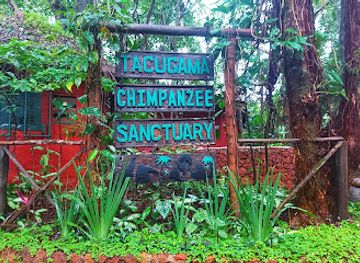
Tacugama Chimpanzee Sanctuary
Explore Tacugama Chimpanzee Sanctuary, a vital conservation destination in Sierra Leone dedicated to the rescue and rehabilitation of chimpanzees in their natural habitat.
-
Historical landmark
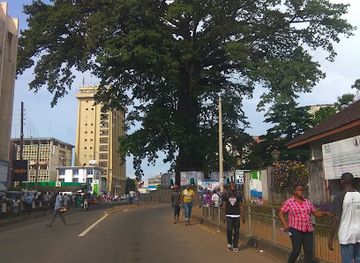
Cotton Tree
Explore Cotton Tree, a historical landmark in Freetown that symbolizes freedom, resilience, and the vibrant culture of Sierra Leone.
-
National park
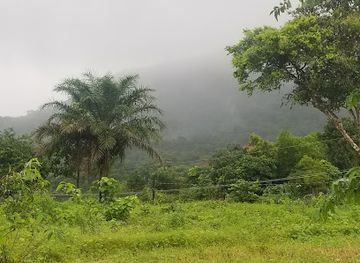
Western Area National Park
Explore the lush wilderness and diverse wildlife of Western Area National Park, a stunning natural haven in Sierra Leone.
-
High school
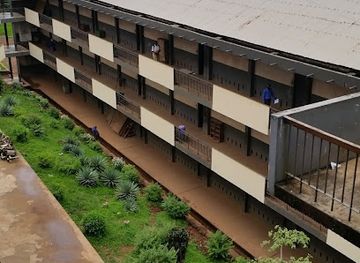
Sierra Leone Grammar School
Discover the rich history and academic excellence of Sierra Leone Grammar School, a landmark of education in Freetown, Sierra Leone.
Explore Northern Province on the map
Plan your trip on one map. See where the top cities, national parks and sights are, and book hotels and experiences in a few clicks.
Best hotels in Northern Province
Best restaurants in Northern Province
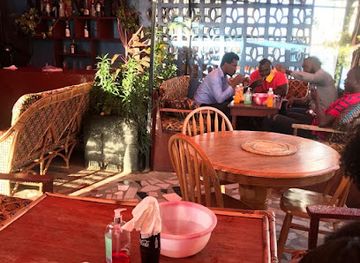
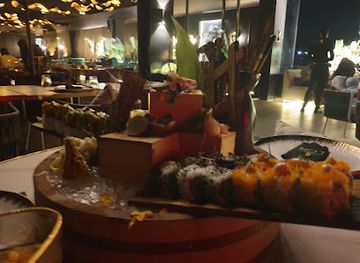
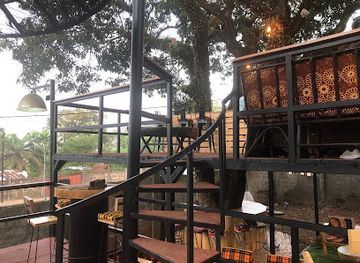
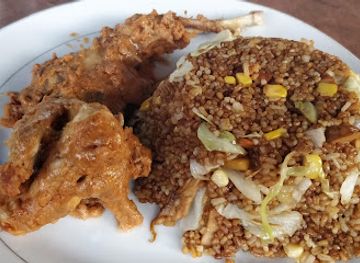
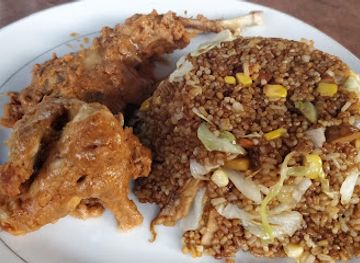
Dining in Northern Province is closely tied to Sierra Leonean home cooking and the produce of inland farms. Rice is the everyday foundation of many meals, commonly served with sauces containing cassava leaves, potato leaves, groundnuts, okra, fish or meat. Jollof rice, cassava-based dishes, fried plantain, beans and grilled or stewed chicken are widely encountered, while local variations reflect household preference and available ingredients rather than a single fixed northern cuisine. Makeni has the broadest choice of restaurants, cafés, hotels and informal food stalls, with roadside eateries serving filling meals to travellers. In smaller towns, food is more likely to come from simple cookshops, market stalls or guesthouse kitchens, and selection may be limited later in the day. Fresh fruit, groundnuts and seasonal produce are useful provisions for road journeys. Visitors should drink treated or bottled water and allow extra time when meals are prepared to order.
-
Restaurant
Bliss Restaurant
Experience culinary delight at Bliss Restaurant in Freetown—where local flavors meet international cuisine in a warm ambiance.
-
Restaurant
Roof Garden Bar & Restaurant
Discover stunning views and delightful cuisine at Freetown's premier rooftop dining destination.
-
Restaurant
LOR Restaurant
Discover authentic Sierra Leonean cuisine at LOR Restaurant in Freetown – where tradition meets modernity in every delicious bite.
-
Barbecue
Mango Peak
Discover the best barbecue in Freetown at Mango Peak—where every bite tells a story of Sierra Leonean culture.
Best bars in Northern Province
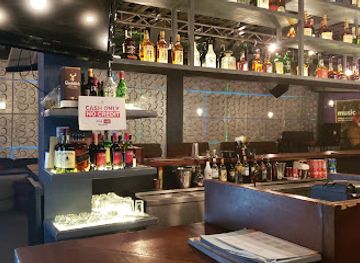
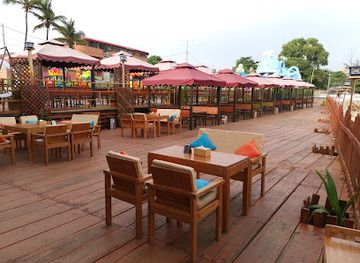
Evening life in Northern Province is centred more on neighbourhood bars, hotel lounges, restaurants, music and social gatherings than on a large nightclub circuit. Makeni has the widest choice, including places where residents meet for conversation, football and locally available drinks; activity is generally more modest in Kabala, Magburaka and smaller district centres. Palm wine and locally produced alcoholic drinks may be encountered alongside bottled beer and soft drinks, but availability and presentation vary by locality. Live music and community celebrations can shape the evening atmosphere, particularly at weekends or during special occasions, without operating as fixed tourist events. Outside the main towns, nights are quiet and accommodation may close facilities early. Visitors should return by an arranged vehicle, avoid isolated roads after dark and follow local advice rather than expecting a standard late-night entertainment scene.
-
Bar
The Warehouse
Experience the vibrant nightlife at The Warehouse, Freetown's premier bar and nightclub, where local culture meets electrifying entertainment.
-
Restaurant
Leone sky bar
Experience the breathtaking views and exquisite cuisine at Leone Sky Bar, Freetown's premier rooftop dining destination.
-
Grill
Eddies Bar and Grill
Discover the vibrant flavors of Sierra Leone at Eddies Bar and Grill, where local cuisine meets a lively atmosphere in Freetown.
-
Bar
The Clubhouse
Experience the vibrant nightlife at The Clubhouse in Makeni, Sierra Leone, where locals and tourists come together for great drinks and good times.

Best nightclubs in Northern Province
Evening life in Northern Province is centred more on neighbourhood bars, hotel lounges, restaurants, music and social gatherings than on a large nightclub circuit. Makeni has the widest choice, including places where residents meet for conversation, football and locally available drinks; activity is generally more modest in Kabala, Magburaka and smaller district centres. Palm wine and locally produced alcoholic drinks may be encountered alongside bottled beer and soft drinks, but availability and presentation vary by locality. Live music and community celebrations can shape the evening atmosphere, particularly at weekends or during special occasions, without operating as fixed tourist events. Outside the main towns, nights are quiet and accommodation may close facilities early. Visitors should return by an arranged vehicle, avoid isolated roads after dark and follow local advice rather than expecting a standard late-night entertainment scene.
-
Night club
The Warehouse
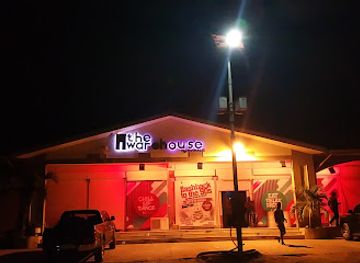
Experience the vibrant nightlife at The Warehouse, Freetown's go-to night club and bar for unforgettable music and fun.
-
Bar
The Clubhouse
Experience the vibrant culture of Makeni at The Clubhouse, a lively bar offering a diverse drink selection and a welcoming atmosphere.
-
Night club
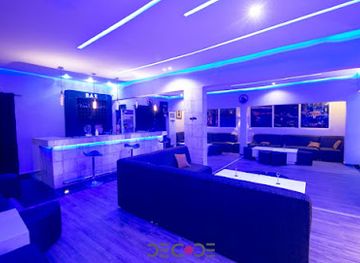
DeCode Lounge
Experience the vibrant nightlife at DeCode Lounge, Freetown's top destination for dancing, cocktails, and beachfront views.
-
Night club
Day 1 Lounge
Discover the vibrant nightlife at Day 1 Lounge, Bo's premier night club for music, dance, and unforgettable experiences.

Best shops in Northern Province
Shopping in Northern Province is primarily local and practical, with Makeni offering the most varied concentration of shops, market stalls, tailoring services and everyday goods. Local markets are useful for fruit, vegetables, rice, groundnuts, clothing, household items and provisions for road journeys, while Kabala and smaller district centres serve their surrounding farming communities. Visitors may find handmade textiles, basketry, carved objects and locally produced food items, but quality and availability vary and should not be assumed to represent a single official regional craft tradition. Tailored clothing and modest everyday garments can be arranged in larger towns, often requiring time rather than an immediate purchase. Bargaining may be appropriate in informal markets, though clear and courteous negotiation is preferable. Ask before photographing goods or stalls, check agricultural products against transport and customs rules, and avoid buying items made from protected wildlife or questionable antiquities.
-
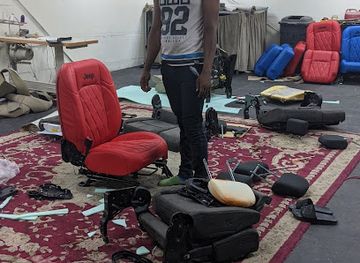
Upholstery shop
Ahmed upholstery work shop
Explore the artistry of upholstery at Ahmed Upholstery Workshop in Makeni, where skilled artisans breathe life into fabrics with exceptional craftsmanship.
-
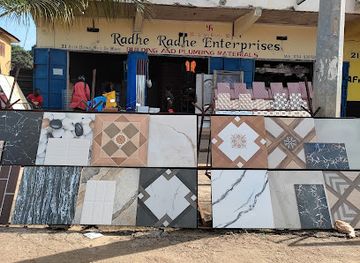
Building materials store
Radhe Radhe Enterprises
Explore Radhe Radhe Enterprises in Makeni for top-quality building materials and local craftsmanship in the heart of Sierra Leone.
-
Electronics store
Super Medish Electronics Center
Explore the Super Medish Electronics Center in Kabala for a diverse selection of the latest tech gadgets and exceptional local service.
-
 Boutique
Hawawa Boutique Freetown SL
Discover the essence of Sierra Leonean culture through unique fashion and artisan crafts at Hawawa Boutique in Freetown.
Get your free copy of our complete guide to Northern Province, delivered straight to you.
Everything on this page, from attractions and restaurants to essentials and local phrases, in one PDF you can read offline, print or share.
Already have an account? Sign in
Your Northern Province guide is ready.
We'll send it to · Not you? Sign out

Getting your guide ready…
We are putting together a fresh copy of the Northern Province guide. This can take up to a minute.
This can take a few moments. If your browser asks, choose Allow so the download can start. You'll find the guide in your Downloads folder.
Nothing happened? Download it again
Sorry, the guide is taking longer than usual. Please try again in a minute, or get it by email instead.
Northern Province essentials
Currency and Payment
Safety
Emergency Situations
Do's and Don'ts
Local Tips
From Eve
Local phrases worth knowing
You don't need to get them perfect. A few words go a long way, and locals appreciate the effort.
Basics
| English | Local | Say it |
|---|---|---|
| Hello | Salone | [sah-loh-neh] |
| Goodbye | Bai-bai | [bye-bye] |
| Yes | Aye | [ah-yeh] |
| No | No | [noh] |
| Please/You're welcome | Plis | [pleez] |
| Thank you | Tenki | [ten-kee] |
| Excuse me/Sorry | Pardon | [par-don] |
| How are you? | A how you? | [ah how yoh] |
| Fine. And you? | Fayn. An you? | [fine. an yoh] |
| Do you speak English? | Yu sabi Inglis? | [yoo sah-bee in-glis] |
| I don't understand | A no sabi | [ah noh sah-bee] |
Eating & Drinking
| English | Local | Say it |
|---|---|---|
| I'd like to see the menu, please | A wan si di menu, plis | [ah wan see dee men-oo, pleez] |
| I don't eat meat | A no eat mit | [ah noh eet meet] |
| Cheers! | Cheers! | [cheers] |
| I would like to pay, please | A wan pay, plis | [ah wan pay, pleez] |
Emergencies
| English | Local | Say it |
|---|---|---|
| Help! | Help! | [help] |
| Go away! | Go way! | [go way] |
| Call the Police! | Call di Police! | [call dee poh-lees] |
| Call a doctor! | Call a dokta! | [call ah dok-tah] |
| I'm lost | A don lost | [ah don lost] |
| I'm ill | A don sick | [ah don sik] |
Shopping
| English | Local | Say it |
|---|---|---|
| I'd like to buy... | A wan buy... | [ah wan bye] |
| I'm just looking | A just de look | [ah just day look] |
| How much is it? | How much na im? | [how much nah eem] |
| That's too expensive | Dat too expensive | [dat too ex-pen-siv] |
| Can you lower the price? | Yu fit lower di price? | [yoo fit low-er dee price] |
Time & Numbers
| English | Local | Say it |
|---|---|---|
| What time is it? | Wet in time na? | [wet in time nah] |
| It's one o'clock | Na wan o'clock | [nah wan oh-clock] |
| Half past (10) | Half past (10) | [half past (ten)] |
| Morning | Mornin | [morn-ing] |
| Afternoon | Aftanoon | [af-ta-noon] |
| Evening | Ivin | [ee-vin] |
| Yesterday | Yestadi | [yes-ta-dee] |
| Today | Tude | [too-day] |
| Tomorrow | Tomolo | [toh-mo-lo] |
| 1 | Wan | [wan] |
| 2 | Tu | [too] |
| 3 | Tri | [tree] |
| 4 | Fo | [foh] |
| 5 | Faiv | [five] |
| 6 | Siks | [siks] |
| 7 | Sev | [sev] |
| 8 | Eit | [eight] |
| 9 | Nain | [nine] |
| 10 | Ten | [ten] |
Transport & Directions
| English | Local | Say it |
|---|---|---|
| Where's a/the...? | We na di...? | [weh nah dee] |
| What's the address? | Wet in di address? | [wet in dee ad-dress] |
| Can you show me (on the map)? | Yu fit show me (pan di map)? | [yoo fit show me (pan dee map)] |
| When's the next (bus)? | When na di next (bus)? | [when nah dee next (bus)] |
| A ticket (to ....) | Wan tikit (to ...) | [wan ti-kit (to ...)] |
History of Northern Province
Early societies and regional trade
Northern Sierra Leone has long been occupied by farming, hunting and trading communities whose histories are preserved through oral traditions, settlement patterns and cultural practice rather than through a large concentration of monumental ruins. Temne, Limba, Kuranko and Fula communities developed networks linking savannah, woodland and upland areas. Rice, livestock, groundnuts and other crops supported local exchange, while traders and travellers connected the interior with wider routes towards the coast and the Upper Guinea region. These older patterns help explain the importance of market towns and seasonal movement in the province today.
The Temne and Limba cultural landscapes
The southern and central parts of Northern Province have been strongly shaped by Temne and Limba communities, while Kuranko and Fula traditions are particularly important farther north and in the uplands. Political authority, land use, age-grade institutions, religious life and oral history varied between communities, but all contributed to the region’s distinctive cultural geography. Colonial descriptions often reduced complex societies to administrative categories; contemporary visitors should understand that ethnic identity, language and local custom remain significant but are not uniform from one district or town to another.
The colonial Protectorate, established in 1896
Britain declared the Sierra Leone Protectorate in 1896, extending colonial administration beyond the older Crown Colony around Freetown. Northern districts were drawn into a new system of taxation, courts, policing and chiefly administration, while roads and commercial agriculture were developed to serve colonial priorities. The Protectorate did not erase existing authorities or trade networks, but it altered the relationship between local communities and the state. Many present-day district boundaries, administrative centres and transport routes have roots in this period, although they have changed substantially since independence.
Railways, markets and Makeni’s rise
The railway linking Freetown with the interior transformed the movement of people and goods during the colonial and early post-colonial periods. Makeni and other northern market centres benefited from improved access to agricultural trade, administrative services and imported goods. The railway was later closed, leaving roads as the main means of connecting the province with the rest of Sierra Leone. The former transport corridor remains important historically: it helps explain the growth of Makeni as a regional commercial centre and the continuing concentration of services along major road routes.
Independence and post-colonial development
Sierra Leone became independent in 1961, and Northern Province thereafter developed within national programmes focused on agriculture, education, roads, local administration and energy. Makeni expanded as a service and trading centre, while Tonkolili and Koinadugu retained predominantly rural economies. Development has been uneven, with access to electricity, healthcare and all-weather roads varying greatly between major towns and remote communities. The province’s history since independence is therefore not only political but also a story of changing mobility, urban growth and attempts to connect inland districts more effectively.
Civil war and reconstruction
The civil war that began in 1991 affected Northern Province through fighting, displacement, disrupted agriculture and the destruction or weakening of public services. Makeni and surrounding areas became important locations in the conflict and in later peacekeeping and humanitarian operations. After the war ended in 2002, reconstruction focused on resettlement, roads, schools, health facilities and the restoration of state institutions. The legacy remains part of local memory, but the province is also defined by the resilience of communities and by ongoing efforts to build livelihoods beyond the conflict economy.
Bumbuna and the search for reliable energy
The Bumbuna hydroelectric project on the Seli River, in the Tonkolili area, became a major symbol of Sierra Leone’s effort to expand domestic electricity generation. Construction was completed in the early twenty-first century after prolonged delays associated with conflict and financing, and the facility began supplying power to the national grid. Its significance extends beyond engineering: it reflects the strategic importance of the interior’s rivers and the continuing challenge of balancing infrastructure, communities and environmental concerns. Bumbuna’s story is part of Northern Province’s modern development history.
Northern Province in Photos
Browse through our photo collection highlighting the charm and character of the destination.
Neighbouring regions of Northern Province
The closest regions to Northern Province, if you have time for more than one.
-

-

-

-

-


Swipe for more regions
Explore more

Explore more of Sierra Leone
Discover Sierra Leone, a West African treasure with pristine beaches, lush rainforests, rich history, and vibrant cultures, offering unforgettable adventures and warm hospitality.
Explore Sierra Leone