

Free Balestier Travel Guide & Mobile App
Explore Balestier with free travel guides. Discover regional history, expert tips, proposed trips, and audio guides on web or mobile app.


Explore Balestier in Singapore for heritage shophouses, historic temples, cinema history, local food and a distinctly lived-in central neighbourhood.
Read more about Balestier
When is the best time to visit Balestier?
Best: February, July–August · 30–31°C| Month | High (°C) | Rainfall (mm) |
|---|---|---|
| January | 30 | 238 |
| February (best) | 30 | 165 |
| March | 31 | 185 |
| April | 32 | 180 |
| May | 32 | 171 |
| June | 31 | 161 |
| July (best) | 31 | 147 |
| August (best) | 31 | 155 |
| September | 31 | 160 |
| October | 31 | 191 |
| November | 31 | 233 |
| December | 30 | 287 |
Getting to and around Balestier
How to get there
Transportation
Best attractions in Balestier
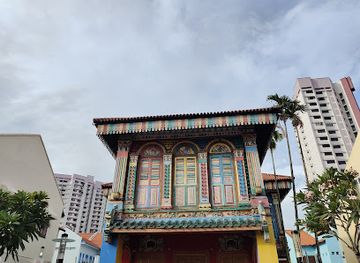
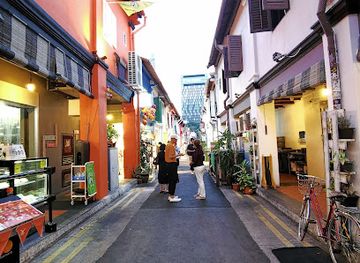
Balestier’s attractions are concentrated rather than monumental, making the neighbourhood well suited to a heritage walk combined with local eating. The Sun Yat Sen Nanyang Memorial Hall is the principal cultural institution, interpreting Dr Sun Yat Sen’s links with Singapore and the political networks of the Nanyang. Nearby religious buildings, including Goh Chor Tua Pek Kong Temple, offer insight into the district’s continuing Chinese religious traditions, provided visitors behave respectfully. The Balestier Heritage Trail helps connect these sites with older roads, shopfronts and buildings associated with the area’s development. Architecture enthusiasts can look for conserved shophouses, Art Deco details and former cinema façades, while shopping centres and food complexes reveal the neighbourhood’s contemporary life. Balestier is also a useful base for exploring nearby Novena and Toa Payoh, although those are adjoining districts rather than parts of Balestier itself. The area does not offer large parks or a concentrated museum quarter; its appeal lies in close observation, short urban walks, temples, food, architecture and the contrast between pre-war structures and modern high-rise Singapore.
-
Tourist attraction
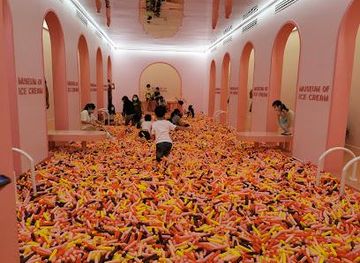
MUSEUM OF ICE CREAM SINGAPORE
Experience sweet joy and creativity at the Museum of Ice Cream Singapore, where whimsical exhibits and delicious treats await every visitor.
-
Performing arts theater
Sands Theatre
Discover exceptional performances at Sands Theatre, Singapore's premier venue for world-class entertainment in the heart of Marina Bay.
-
Country club
Seletar Country Club
Experience the tranquility and luxury of Seletar Country Club, Singapore's premier destination for relaxation and recreation amid lush landscapes.
-
Park
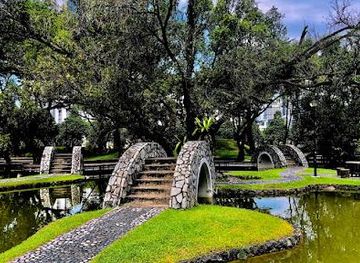
Toa Payoh Town Park
Experience the beauty and tranquility of Toa Payoh Town Park, a must-visit green space in Singapore for nature lovers and families alike.


Best landmarks in Balestier
The most significant landmark in Balestier is the Sun Yat Sen Nanyang Memorial Hall, a historic villa whose association with Dr Sun Yat Sen connects the neighbourhood to the political history of the Chinese diaspora in Southeast Asia. Its domestic scale contrasts with the surrounding high-rise city and makes the site particularly distinctive. Goh Chor Tua Pek Kong Temple is another important visual and cultural marker, representing the area’s long-standing religious traditions and community networks. Along Balestier Road, conserved shophouses and surviving Art Deco architectural elements recall the district’s commercial growth and its former cinema culture. The former Hoover Theatre site and other cinema-related façades are reminders of the road’s importance as an entertainment corridor, even where buildings have changed use. Balestier Road itself is a useful urban landmark: a long, busy thoroughfare where colonial-era associations, pre-war architecture, post-war housing and modern developments meet. These places matter less as isolated monuments than as evidence of the neighbourhood’s layered transformation.
-
Historical place
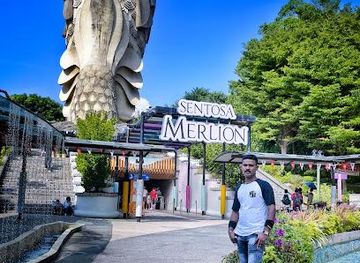
Sentosa Merlion
Explore the iconic Sentosa Merlion, a majestic symbol of Singapore's heritage, offering stunning views, rich culture, and unforgettable experiences.
-
Shopping mall
Zhongshan Mall
Discover a shopping paradise at Zhongshan Mall in Novena, Singapore, featuring diverse retail, dining, and entertainment options for all.
-
Historical landmark
Former House of Tan Teng Niah
Discover the Former House of Tan Teng Niah, a vibrant historical landmark in Little India that showcases Singapore's rich multicultural heritage.
-
Tourist attraction
Elephant Parade Haji lane
Explore the captivating Elephant Parade at Haji Lane, a blend of art, culture, and shopping in Singapore's trendy Kampong Glam district.
Explore Balestier on the map
Plan your trip on one map. See where the top cities, national parks and sights are, and book hotels and experiences in a few clicks.
Best hotels in Balestier
Best restaurants in Balestier
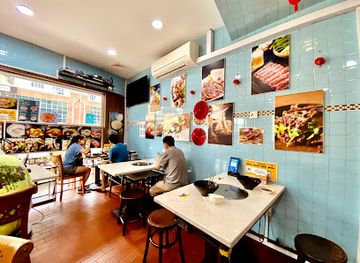
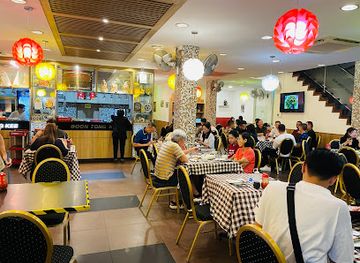
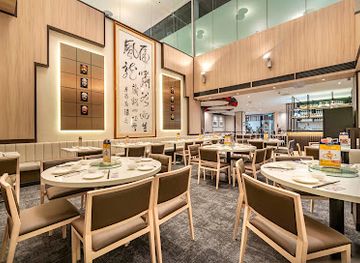
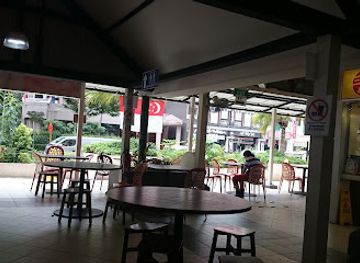
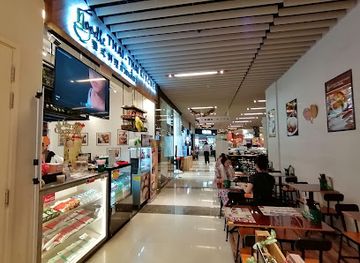
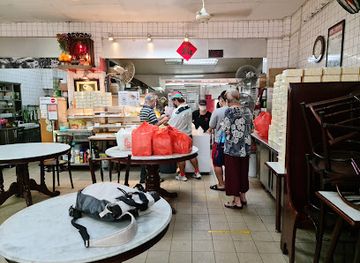
Balestier is well known for an everyday dining culture that ranges from old-established local eateries and coffee shops to contemporary restaurants, bakeries and casual food outlets. Visitors can look for Singaporean favourites such as chicken rice, noodles, congee, roti prata, kaya toast and dishes influenced by the city’s Chinese, Malay and Indian culinary traditions. The district has also long been associated with tau sar piah, a flaky pastry filled with sweet or savoury bean paste, although recipes and businesses vary and the snack is not exclusive to Balestier. Casual dining is usually the most characteristic experience: busy coffee shops, food courts and family-run restaurants reflect the neighbourhood’s residential population. Larger shopping complexes provide air-conditioned alternatives, while the surrounding streets offer cafés and modern interpretations of regional food. Prices, payment methods and opening days differ considerably between businesses, so menus and current arrangements are best checked locally.
-
Chinese
川羊记马里士他店 Chuan Yang Ji Balestier Outlet
Savor authentic Sichuan flavors at Chuan Yang Ji Balestier Outlet – a premier destination for food lovers in Singapore.
-
Chinese
Boon Tong Kee Restaurant
Discover the authentic taste of Cantonese cuisine at Boon Tong Kee Restaurant in Singapore, famous for its delectable Hainanese chicken rice.
-
Asian
TungLok Peking Duck Novena
Discover TungLok Peking Duck Novena - where exquisite Asian cuisine meets authentic flavors in the heart of Singapore.
-
Hawker center
Balestier Market
Experience authentic Singaporean street food at Balestier Market—where flavor meets affordability in a vibrant hawker center.
Best bars in Balestier
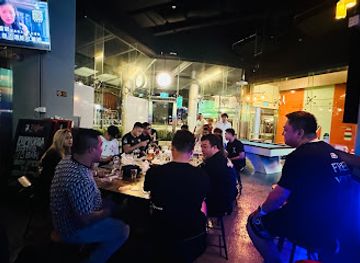
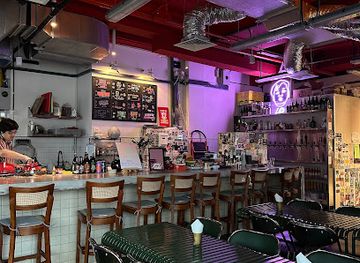
Balestier does not have the concentrated nightclub scene associated with Singapore’s Clarke Quay, Orchard Road or Marina Bay. Evening life is more closely tied to restaurants, coffee shops, dessert businesses, hotel bars and traditional pubs, with activity spread along the main road and around nearby commercial centres. Some establishments cater to residents and visitors staying in the area, while the larger nightlife districts are a short ride away in central Singapore. The neighbourhood’s former cinema identity gives its evening streets a sense of entertainment history, but most visitors come for dinner, conversation and local food rather than late-night clubbing. The area can feel quieter on side streets after businesses close, whereas Balestier Road remains active because of traffic and its many all-day shops. Check current hours before planning a late visit, as independent venues can change their schedules.
-
Karaoke bar
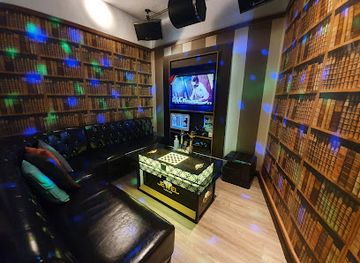
Jewel Music Box - Balestier
Experience the vibrant nightlife at Jewel Music Box - Balestier, Singapore’s premier karaoke bar with state-of-the-art sound and a lively atmosphere.
-
German
Brauhaus Restaurant & Pub
Experience the best of German cuisine and vibrant pub culture in Singapore's Novena district at Brauhaus Restaurant & Pub.
-
Bar
Club A380
Experience the vibrant nightlife at Club A380, Singapore's premier bar offering delicious food, drinks, and an electrifying atmosphere.
-
Pub
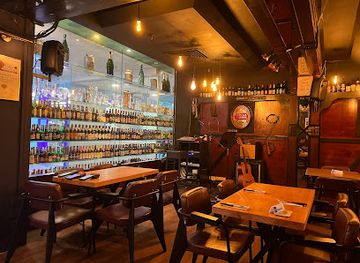
Lil's Taproom (BRING YOUR OWN FOOD)
Experience the vibrant atmosphere of Lil's Taproom, a unique pub in Singapore where you can bring your own food and enjoy creative drinks.
Best nightclubs in Balestier
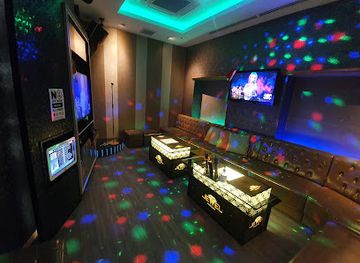
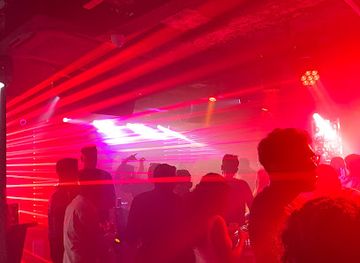
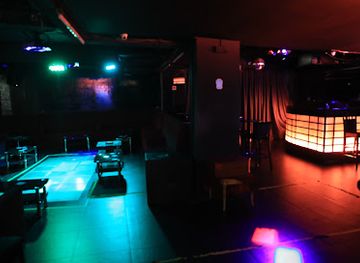
Balestier does not have the concentrated nightclub scene associated with Singapore’s Clarke Quay, Orchard Road or Marina Bay. Evening life is more closely tied to restaurants, coffee shops, dessert businesses, hotel bars and traditional pubs, with activity spread along the main road and around nearby commercial centres. Some establishments cater to residents and visitors staying in the area, while the larger nightlife districts are a short ride away in central Singapore. The neighbourhood’s former cinema identity gives its evening streets a sense of entertainment history, but most visitors come for dinner, conversation and local food rather than late-night clubbing. The area can feel quieter on side streets after businesses close, whereas Balestier Road remains active because of traffic and its many all-day shops. Check current hours before planning a late visit, as independent venues can change their schedules.
-
Karaoke bar
Jewel Music Box - Balestier
Experience unforgettable nights of karaoke at Jewel Music Box in Balestier, Singapore, where friends and music come together for a perfect night out.
-
Disco club
ALPHA NIGHTLIFE
Discover the ultimate nightlife experience at Alpha Nightlife, Singapore's premier disco club featuring top DJs and an electric atmosphere.
-
Disco club
Club Colaba Bollywood
Dance the night away at Club Colaba Bollywood, Singapore's vibrant disco club celebrating the magic of Bollywood music and culture.
-
Night club
Shanghai Dolly
Experience Singapore's vibrant nightlife at Shanghai Dolly, a unique blend of music, dance, and exquisite dining in Clarke Quay.

Best shops in Balestier
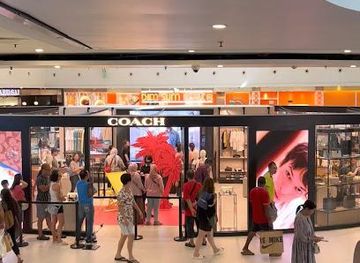
Shopping in Balestier is practical and locally oriented rather than centred on luxury retail. The main road contains everyday shops, small businesses, bakeries, cafés and food outlets, while larger complexes such as Shaw Plaza provide supermarkets, services, restaurants and contemporary retail in an air-conditioned setting. Visitors interested in heritage shopping should look for traditional food products and long-established styles of pastry, including tau sar piah, rather than expecting a dedicated souvenir district. The neighbourhood’s conserved shophouses and older commercial premises are often more interesting for their architecture and specialist businesses than for browsing major brands. Markets and food halls in the wider central Singapore area can be reached easily, but Balestier’s own retail character is that of a working residential district serving local households. For gifts, regional snacks, packaged tea and Singaporean food products are more representative choices than generic tourist merchandise.
-
Shopping mall
Changi City Point
Explore Changi City Point for an unforgettable shopping and dining experience in the vibrant heart of Singapore.
-
Shopping mall
Clarke Quay Central
Discover the vibrant shopping, dining, and entertainment experiences at Clarke Quay Central in Singapore, a must-visit destination for tourists.
-
Shopping mall
Zhongshan Mall
Discover the diverse shopping and dining experiences at Zhongshan Mall, your ultimate shopping destination in Novena, Singapore.
-
Chinese bakery
Loong Fatt Tau Sar Piah
Indulge in the authentic flavors of Singapore at Loong Fatt Tau Sar Piah, the iconic Chinese bakery renowned for its traditional pastries and sweet treats.

Get your free copy of our complete guide to Balestier, delivered straight to you.
Everything on this page, from attractions and restaurants to essentials and local phrases, in one PDF you can read offline, print or share.
Already have an account? Sign in
Your Balestier guide is ready.
We'll send it to · Not you? Sign out

Getting your guide ready…
We are putting together a fresh copy of the Balestier guide. This can take up to a minute.
This can take a few moments. If your browser asks, choose Allow so the download can start. You'll find the guide in your Downloads folder.
Nothing happened? Download it again
Sorry, the guide is taking longer than usual. Please try again in a minute, or get it by email instead.
Balestier essentials
Currency and Payment
Safety
Emergency Situations
Do's and Don'ts
Local Tips
From Eve
Local phrases worth knowing
You don't need to get them perfect. A few words go a long way, and locals appreciate the effort.
Basics
| English | Local | Say it |
|---|---|---|
| Hello | Hello | [həˈloʊ] |
| Goodbye | Goodbye | [ɡʊdˈbaɪ] |
| Yes | Yes | [jɛs] |
| No | No | [noʊ] |
| Please/You're welcome | Please/You're welcome | [pliːz/jʊr ˈwɛlkəm] |
| Thank you | Thank you | [θæŋk ju] |
| Excuse me/Sorry | Excuse me/Sorry | [ɪkˈskjus mi/ˈsɔri] |
| How are you? | How are you? | [haʊ ɑr ju] |
| Fine. And you? | Fine. And you? | [faɪn. ənd ju] |
| Do you speak English? | Do you speak English? | [du ju spik ˈɪŋɡlɪʃ] |
| I don't understand | I don't understand | [aɪ doʊnt ˌʌndərˈstænd] |
Eating & Drinking
| English | Local | Say it |
|---|---|---|
| I'd like to see the menu, please | I'd like to see the menu, please | [aɪd laɪk tu si ðə ˈmɛnju, pliz] |
| I don't eat meat | I don't eat meat | [aɪ doʊnt it mit] |
| Cheers! | Cheers! | [ʧɪrz] |
| I would like to pay, please | I would like to pay, please | [aɪ wʊd laɪk tu peɪ, pliz] |
Emergencies
| English | Local | Say it |
|---|---|---|
| Help! | Help! | [hɛlp] |
| Go away! | Go away! | [ɡoʊ əˈweɪ] |
| Call the Police! | Call the Police! | [kɔl ðə pəˈliːs] |
| Call a doctor! | Call a doctor! | [kɔl ə ˈdɑktər] |
| I'm lost | I'm lost | [aɪm lɔst] |
| I'm ill | I'm ill | [aɪm ɪl] |
Shopping
| English | Local | Say it |
|---|---|---|
| I'd like to buy... | I'd like to buy... | [aɪd laɪk tu baɪ...] |
| I'm just looking | I'm just looking | [aɪm dʒʌst ˈlʊkɪŋ] |
| How much is it? | How much is it? | [haʊ mʌʧ ɪz ɪt] |
| That's too expensive | That's too expensive | [ðæts tu ɪkˈspɛnsɪv] |
| Can you lower the price? | Can you lower the price? | [kæn ju ˈloʊər ðə praɪs] |
Time & Numbers
| English | Local | Say it |
|---|---|---|
| What time is it? | What time is it? | [wʌt taɪm ɪz ɪt] |
| It's one o'clock | It's one o'clock | [ɪts wʌn əˈklɑk] |
| Half past (10) | Half past (10) | [hæf pæst (10)] |
| Morning | Morning | [ˈmɔrnɪŋ] |
| Afternoon | Afternoon | [ˌæftərˈnun] |
| Evening | Evening | [ˈivnɪŋ] |
| Yesterday | Yesterday | [ˈjɛstərˌdeɪ] |
| Today | Today | [təˈdeɪ] |
| Tomorrow | Tomorrow | [təˈmɔroʊ] |
| 1 | 1 | [wʌn] |
| 2 | 2 | [tu] |
| 3 | 3 | [θri] |
| 4 | 4 | [fɔr] |
| 5 | 5 | [faɪv] |
| 6 | 6 | [sɪks] |
| 7 | 7 | [sɛvən] |
| 8 | 8 | [eɪt] |
| 9 | 9 | [naɪn] |
| 10 | 10 | [tɛn] |
Transport & Directions
| English | Local | Say it |
|---|---|---|
| Where's a/the...? | Where's a/the...? | [wɛrz ə/ðə...?] |
| What's the address? | What's the address? | [wɑts ðə əˈdrɛs] |
| Can you show me (on the map)? | Can you show me (on the map)? | [kæn ju ʃoʊ mi (ɑn ðə mæp)?] |
| When's the next (bus)? | When's the next (bus)? | [wɛn ðə nɛkst (bʌs)?] |
| A ticket (to ....) | A ticket (to ....) | [ə ˈtɪkɪt (tu ....)] |
History of Balestier
The Balestier Estate and Early Colonial Settlement
The district takes its name from Joseph Balestier, an American diplomat who established a sugar plantation in the area in the 1830s. Balestier’s estate formed part of the agricultural belt outside Singapore’s original town centre, where plantations and rural paths gradually gave way to roads, religious buildings and commercial premises. Sugar production did not remain the defining activity, but the name survived in the road and neighbourhood. The area’s later development reflects Singapore’s broader transformation from a colonial port settlement into a densely settled urban society.
Chinese Associations, Temples and Community Life
As Singapore’s population expanded, Balestier became connected to Chinese religious, commercial and community networks. Temples and clan-related institutions served practical as well as spiritual purposes, providing places for worship, festivals, mutual support and social organisation. Goh Chor Tua Pek Kong Temple is among the most visible reminders of this heritage. The district’s shophouses also supported trades and services linked to nearby settlements, creating the mixed commercial and residential character that remains evident along parts of Balestier Road.
Sun Yat Sen and the Nanyang Revolutionary Network
A villa in Balestier, now the Sun Yat Sen Nanyang Memorial Hall, became associated with Dr Sun Yat Sen and the revolutionary movement opposing China’s Qing dynasty. Sun visited Singapore several times, and the villa was used as a meeting place and base for supporters in the Nanyang, the historical term for Southeast Asian Chinese communities. Fundraising, publishing and political discussion undertaken through these networks contributed to the 1911 revolution in China. The memorial hall preserves this regional history while also examining the role of Singapore’s Chinese community.
The Rise of Cinemas and Popular Entertainment
During the twentieth century, Balestier Road developed a strong association with cinema and mass entertainment. The Ruby Theatre and Hoover Theatre were among the venues that drew audiences from across central Singapore, while surrounding shops and eateries benefited from the evening trade. Their Art Deco forms and commercial façades reflected the influence of modern popular culture on the city. Although the original cinema industry and many buildings have changed, Balestier’s surviving architectural details and local memories continue to connect the neighbourhood with Singapore’s film-going past.
War, Reconstruction and Post-war Urban Change
Balestier, like the rest of Singapore, experienced the Japanese occupation from 1942 to 1945, followed by a period of reconstruction and rapid population growth. After the war, the district became increasingly urbanised as housing, roads, shops and public institutions expanded around the older settlement. New apartment blocks and improved transport links altered the scale of the neighbourhood, while older religious buildings and commercial premises remained important anchors. This layered development explains why Balestier combines pre-war architecture with post-war housing and contemporary high-rise construction.
Conservation within a Modern Central District
Late twentieth- and early twenty-first-century redevelopment brought larger residential buildings, shopping centres and medical facilities to the Balestier area, but conservation efforts also recognised the value of its older streetscape. The Sun Yat Sen Nanyang Memorial Hall, historic temples, former cinema buildings and selected shophouses now form part of Singapore’s wider architectural and cultural inheritance. Balestier’s present identity is therefore not a preserved old quarter but a working neighbourhood where heritage sites, local commerce and modern urban infrastructure occupy the same busy streets.
Balestier in Photos
Browse through our photo collection highlighting the charm and character of the destination.
Neighbouring regions of Balestier
The closest regions to Balestier, if you have time for more than one.
-

-

-

-

-


Swipe for more regions
Explore more

Explore more of Singapore
Explore Singapore: A vibrant city-state where modernity meets tradition, offering world-class cuisine, stunning gardens, and unique cultural experiences.
Explore Singapore