

Toa Payoh, Singapore Travel Guide
Discover Toa Payoh: A blend of Singapore's rich history and vibrant modernity, offering scenic parks, heritage trails, and a culinary paradise.
Toa Payoh is one of Singapore's oldest and most charismatic neighborhoods. It offers a unique blend of rich history, vibrant culture, and modern amenities. Walking through its streets, you can see how it has evolved from a humble kampong to a bustling residential hub. The area is known for its lush parks, iconic dragon playgrounds, and a variety of local eateries offering mouthwatering dishes. One of the landmarks you must visit is the Toa Payoh Town Park. This tranquil haven, with its scenic pond and lush greenery, is perfect for a leisurely stroll or a family picnic. Another must-see is the Toa Payoh Heritage Trail, which provides a fascinating glimpse into the area's history through a series of informative markers and preserved buildings. Food lovers will be delighted by the wide range of culinary options in Toa Payoh. From hawker centers brimming with local delicacies to cozy cafes offering international cuisine, there is something to satisfy every palate. Be sure to try the famous Hokkien mee and laksa at the local food stalls, which are a testament to Singapore's rich culinary heritage.

Know before you go
Hi, I'm Eve. Here are a few practical things to know before exploring Toa Payoh.
- Visit Toa Payoh Town Park early in the morning for a peaceful experience and to catch the morning exercise routines of local residents.
- Wear comfortable walking shoes to fully enjoy the Toa Payoh Heritage Trail and explore the neighborhood's hidden gems.
- Head to the Toa Payoh Lorong 8 Market and Food Centre for affordable and authentic local dishes.
- Check out the dragon playground at Lorong 6, a nostalgic icon that’s great for photos.
- Use the MRT (Mass Rapid Transit) for easy and convenient access to Toa Payoh, as it is well-connected by public transport.
Top City Travel Guides in Toa Payoh
The cities of Toa Payoh, and the easiest places to base yourself.

Destinations in Toa Payoh
Resorts, valleys and scenic spots worth a trip of their own.

Explore Toa Payoh: Things to Do, Places to Eat, Hotels & More
Handpicked recommendations for top attractions, local dining, accommodations, and more

Top Attractions & Sightseeing in Toa Payoh
Top-rated picks
Best Attractions
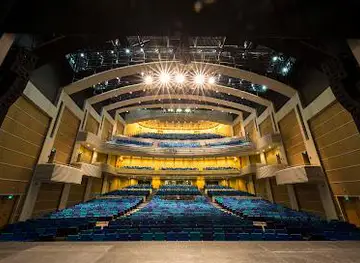
Sands Theatre
Experience world-class performances at Sands Theatre, the heart of live entertainment in Singapore's iconic Marina Bay Sands.

MacRitchie Reservoir Park
Experience the tranquility and beauty of MacRitchie Reservoir Park, a natural gem in Singapore perfect for hiking, picnics, and exploring rich biodiversity.

Chek Jawa Wetlands
Immerse yourself in the tranquil beauty and rich biodiversity of Chek Jawa Wetlands, Singapore's hidden paradise for nature lovers.

Bedok Jetty
Experience tranquility and breathtaking views at Bedok Jetty, Singapore's premier fishing pier and scenic vista point.

Best landmarks in Toa Payoh
Top-rated picks
Best Landmarks

Sentosa Merlion
Explore the iconic Sentosa Merlion, a majestic symbol of Singapore's cultural heritage, offering breathtaking views and rich historical insights.

Masjid Jamae (Chulia)
Discover the architectural beauty and cultural significance of Masjid Jamae (Chulia), a historic mosque in Singapore's vibrant Chinatown.

Lian Shan Shuang Lin Monastery
Explore the serene beauty and rich heritage of Lian Shan Shuang Lin Monastery, a tranquil Buddhist temple in the heart of Singapore's vibrant Toa Payoh.

Toa Payoh Town Park
Discover Toa Payoh Town Park, Singapore's serene urban oasis filled with lush landscapes, active recreation, and peaceful relaxation spots.

Best restaurants in Toa Payoh
Top-rated picks
Best Restaurants

Swatow Seafood
Discover the authentic taste of Chinese seafood at Swatow Seafood in Singapore—where every dish tells a story.

Uno Beef House
Discover the ultimate steak experience at Uno Beef House in Toa Payoh, Singapore – where flavor meets comfort.

Suki-Suki Hotpot @ SAFRA Toa Payoh
Experience authentic halal Thai hot pot at Suki-Suki Hotpot in Toa Payoh – where every meal is a flavorful adventure!

The Larder Cafe
Savor delightful dishes at The Larder Cafe in Toa Payoh - where every meal is a celebration of flavor and freshness.

Best bars in Toa Payoh
Top-rated picks
Best Bars

Club A380
Discover Club A380 in Kallang, Singapore – a vibrant bar offering exquisite drinks, live entertainment, and an unforgettable nightlife experience.

BYD by SevenDaze
Savor the flavors of Singapore at BYD by SevenDaze, a premier brewpub offering innovative dishes and craft beers in a vibrant setting.

Kizuna
Discover Kizuna, a unique café in Singapore blending modern izakaya cuisine with an exciting cocktail bar experience.

Las Palmas Rooftop Bar
Experience breathtaking views and innovative cocktails at Singapore's premier rooftop bar, Las Palmas, perched atop the Courtyard Marriott.

Best nightclubs in Toa Payoh
Top-rated picks
Best Nightclubs

Zouk Singapore
Discover the pulsating heart of Singapore's nightlife at Zouk, a premier clubbing destination with world-class DJs and an electrifying atmosphere.

ALPHA NIGHTLIFE
Discover the electrifying atmosphere of Alpha Nightlife, Singapore's premier disco club, where unforgettable nights and innovative events await you.

HaveFun Karaoke (SAFRA Toa Payoh)
Explore the vibrant karaoke scene at HaveFun Karaoke in Toa Payoh - a fun-filled venue for singing enthusiasts of all levels.

Taal
Discover the vibrant nightlife at Taal, Singapore's top disco club where electrifying beats and unforgettable experiences await.

Best shops in Toa Payoh
Top-rated picks
Best Shops

Changi City Point
Discover a vibrant shopping experience at Changi City Point, Singapore's premier mall with diverse retail, dining, and entertainment options.

Clarke Quay Central
Explore Clarke Quay Central, a shopping paradise in Singapore offering vibrant retail, diverse dining, and a taste of local culture.

Toa Payoh Mall
Experience the vibrant shopping and dining atmosphere of Toa Payoh Mall, a bustling hub in Singapore that caters to all your needs.

FairPrice Toa Payoh HDB Hub
Discover the vibrant FairPrice Toa Payoh HDB Hub, a supermarket offering local flavors, groceries, and a glimpse into everyday life in Singapore.

Explore Toa Payoh on the Map
A handpicked selection of must-see spots in Toa Payoh, mapped for you.
Toa Payoh Essentials
-
Toa Payoh is located in the Central Region of Singapore. The nearest international airport is Changi Airport, which is about 20 kilometers away. From Changi Airport, you can take a taxi directly to Toa Payoh, which typically takes around 25 to 30 minutes. Alternatively, you can take the MRT (Mass Rapid Transit) from Changi Airport to Toa Payoh MRT Station, which involves a transfer at Tanah Merah MRT Station and City Hall MRT Station. The entire journey by MRT takes approximately 45 minutes.
-
Toa Payoh is well-connected by Singapore’s efficient public transportation system. The Toa Payoh MRT Station (North-South Line) provides easy access to various parts of the city. Numerous bus routes also serve the area, making it convenient to travel to nearby neighborhoods and attractions. Taxis and ride-hailing services like Grab are readily available. For those who prefer cycling, there are designated cycling paths and bike-sharing services. Walking is also a pleasant option as Toa Payoh is pedestrian-friendly with numerous parks and green spaces.
-
The official currency in Singapore is the Singapore Dollar (SGD). Credit cards are widely accepted in most hotels, restaurants, and shops. For smaller establishments or hawker centers, it’s advisable to carry some cash. ATMs are plentiful throughout Toa Payoh, and many offer currency exchange services. Mobile payment options like PayNow, and apps such as GrabPay are also widely used.
-
Toa Payoh is generally a very safe area for tourists. Singapore has a low crime rate, but it is always wise to take standard precautions. Avoid leaving your belongings unattended and be mindful of pickpockets in crowded places. There are no specific high-crime areas targeting tourists in Toa Payoh. The neighborhood is well-patrolled by local police, and there are surveillance cameras in public spaces to ensure safety.
-
In case of an emergency, dial 999 for police assistance or 995 for medical emergencies. Toa Payoh Polyclinic and Tan Tock Seng Hospital are nearby and provide comprehensive medical services. Pharmacies are available within the neighborhood for minor health issues. It is advisable to have travel insurance that covers medical emergencies and unexpected incidents.
-
Fashion: Do dress comfortably and modestly. Lightweight clothing is recommended due to the tropical climate. Avoid wearing overly revealing attire. Religion: Do respect local religious practices. Remove your shoes when entering temples and dress conservatively. Public Transport: Do stand on the left side of escalators to allow others to pass on the right. Don’t eat or drink on public transport, as it's prohibited. Greetings: Do greet people with a smile or a slight nod. A handshake is also appropriate in formal settings. Eating & Drinking: Do try local delicacies at hawker centers and food courts. Don’t refuse food or drink offerings as it may be considered impolite.
-
To experience Toa Payoh like a local, visit the Toa Payoh Town Park, a popular spot for morning exercises and leisure activities. Explore the Toa Payoh Mall for a variety of local shops and eateries. Engage with residents at the Toa Payoh Community Club, where you can participate in cultural events and activities. Don’t miss the Toa Payoh Dragon Playground, an iconic heritage site that’s a favorite among both locals and tourists. For a unique culinary experience, visit the Toa Payoh Lorong 8 Market & Food Centre and try the famous hawker dishes.
When is the best time to visit Toa Payoh?
Useful Local Phrases for Toa Payoh
You don't need to speak the language perfectly. Even learning a few simple words can make conversations warmer—and locals usually appreciate the effort.
— Eve

Here are the phrases I use most often in Toa Payoh. Try a few—you'll be surprised how far they go! 😊
❤️
-
- HelloHello
[Heh-loh] - GoodbyeGoodbye
[Good-bye] - YesYes
[Yes] - NoNo
[No] - Please/You're welcomePlease/You're welcome
[Pleez/Yo're wel-kum] - Thank youThank you
[Thangk yoo] - Excuse me/SorryExcuse me/Sorry
[Ex-kyoos mee/Sor-ree] - How are you?How are you?
[How ar yoo?] - Fine. And you?Fine. And you?
[Fine. And yoo?] - Do you speak English?Do you speak English?
[Doo yoo speek Ing-lish?] - I don't understandI don't understand
[I dont un-der-stand]
- HelloHello
-
- I'd like to see the menu, pleaseI’d like to see the menu, please
[Ayd laik to see the men-yoo, pleez] - I don't eat meatI don't eat meat
[I dont eet meet] - Cheers!Cheers!
[Cheerz!] - I would like to pay, pleaseI would like to pay, please
[I wood laik to pay, pleez]
- I'd like to see the menu, pleaseI’d like to see the menu, please
-
- Help!Help!
[Help!] - Go away!Go away!
[Go a-way!] - Call the Police!Call the Police!
[Call the Po-leese!] - Call a doctor!Call a doctor!
[Call a doc-tor!] - I'm lostI'm lost
[I'm lost] - I'm illI'm ill
[I'm ill]
- Help!Help!
-
- I'd like to buy...I’d like to buy...
[Ayd laik to buy...] - I'm just lookingI'm just looking
[I'm just luk-ing] - How much is it?How much is it?
[How much is it?] - That's too expensiveThat's too expensive
[Thats too ex-pen-siv] - Can you lower the price?Can you lower the price?
[Can yoo low-er the price?]
- I'd like to buy...I’d like to buy...
-
- What time is it?What time is it?
[What time is it?] - It's one o'clockIt's one o'clock
[Its wun o-clock] - Half past (10)Half past (10)
[Half past (ten)] - MorningMorning
[Mor-ning] - AfternoonAfternoon
[Af-ter-noon] - EveningEvening
[Eve-ning] - YesterdayYesterday
[Yes-ter-day] - TodayToday
[To-day] - TomorrowTomorrow
[To-mor-row] - 11
[One] - 22
[Two] - 33
[Three] - 44
[Four] - 55
[Five] - 66
[Six] - 77
[Seven] - 88
[Eight] - 99
[Nine] - 1010
[Ten]
- What time is it?What time is it?
-
- Where's a/the...?Where's a/the...?
[Where's a/the...?] - What's the address?What's the address?
[What's the ad-dress?] - Can you show me (on the map)?Can you show me (on the map)?
[Can yoo sho mee (on the map)?] - When's the next (bus)?When's the next (bus)?
[When's the next (bus)?] - A ticket (to ....)A ticket (to ....)
[A tick-et (to ....)]
- Where's a/the...?Where's a/the...?
History of Toa Payoh
-
The name 'Toa Payoh' translates to 'big swamp' in Hokkien, indicative of its early history as an extensive swamp land. Before urban development, Toa Payoh was home to various indigenous Malay and Chinese communities who engaged in agriculture and fishing. During the late 19th and early 20th centuries, the area was primarily used for farming, rubber plantations, and attap houses.
-
In the 1960s, Toa Payoh underwent a significant transformation under Singapore’s Housing and Development Board (HDB). It became the first satellite town to be fully planned and developed by the HDB. Modern public housing blocks replaced the kampongs (villages), and essential amenities such as markets, schools, and healthcare facilities were introduced. This marked a pivotal moment in Singapore's nation-building efforts.
-
One of the most notable historical events in Toa Payoh was the visit by Queen Elizabeth II in 1972. Her visit highlighted the success of Singapore's public housing program. The Queen toured the housing estates and visited local residents, bringing international attention and prestige to the area.
-
Toa Payoh has played a significant role in Singapore's sports history. The Toa Payoh Sports Complex, opened in the 1970s, has been a venue for numerous local and international sporting events. The Toa Payoh Stadium, in particular, has hosted football matches and athletic events, contributing to the development of sports in Singapore.
-
Toa Payoh is home to several important cultural and religious landmarks. The Lian Shan Shuang Lin Monastery, established in 1898, is one of Singapore's oldest Buddhist temples and a national monument. Another significant site is the Toa Payoh Seu Teck Sean Tong, a Taoist temple that has served the community since the early 20th century.
-
Over the decades, Toa Payoh has become a vibrant, self-sufficient community. The Toa Payoh Town Centre serves as a bustling hub for residents, featuring a mix of retail shops, eateries, and community services. The town also hosts various community events and activities, fostering a strong sense of belonging among its residents.
-
Today, Toa Payoh stands as a testament to Singapore's remarkable urban development. It seamlessly blends its historical roots with modern conveniences. The area continues to evolve with new residential projects, enhanced public transport connectivity, and ongoing community initiatives aimed at improving the quality of life for its residents.
Neighbouring Regions of Toa Payoh
The closest regions to Toa Payoh, if you have time for more than one.


Your all‑in‑one travel companion app
Explore expert travel guides, compare and book tours, experiences, hotels, and more—all from the palm of your hand. Download now for seamless trip planning wherever your wanderlust takes you.


Explore More of Singapore

Looking beyond Toa Payoh? Discover Singapore for broader travel guides, local hot-spots, and regional highlights.
Explore SingaporeToa Payoh in Photos
Browse through our photo collection highlighting the charm and character of the destination.


Toa Payoh: The Heartbeat of Singapore's Heartland
Toa Payoh is one of Singapore's oldest and most charismatic neighborhoods. It offers a unique blend of rich history, vibrant culture, and modern amenities. Walking through its streets, you can see how it has evolved from a humble kampong to a bustling residential hub. The area is known for its lush parks, iconic dragon playgrounds, and a variety of local eateries offering mouthwatering dishes. One of the landmarks you must visit is the Toa Payoh Town Park. This tranquil haven, with its scenic pond and lush greenery, is perfect for a leisurely stroll or a family picnic. Another must-see is the Toa Payoh Heritage Trail, which provides a fascinating glimpse into the area's history through a series of informative markers and preserved buildings. Food lovers will be delighted by the wide range of culinary options in Toa Payoh. From hawker centers brimming with local delicacies to cozy cafes offering international cuisine, there is something to satisfy every palate. Be sure to try the famous Hokkien mee and laksa at the local food stalls, which are a testament to Singapore's rich culinary heritage.