

Free North Region Travel Guide & Mobile App
Explore North Region with free travel guides. Discover regional history, expert tips, proposed trips, and audio guides on web or mobile app.


Explore Singapore’s North Region for Mandai wildlife parks, wetland reserves, reservoirs, naval heritage and everyday neighbourhood life near Malaysia.
Read more about North Region
When is the best time to visit North Region?
Best: February–March, November · 31°C| Month | High (°C) | Rainfall (mm) |
|---|---|---|
| January | 30 | 200 |
| February (best) | 31 | 170 |
| March (best) | 31 | 180 |
| April | 31 | 190 |
| May | 32 | 200 |
| June | 31 | 210 |
| July | 31 | 220 |
| August | 31 | 210 |
| September | 31 | 200 |
| October | 31 | 190 |
| November (best) | 31 | 180 |
| December | 31 | 200 |
Getting to and around North Region
How to get there
Transportation
Top city travel guides in North Region
The cities of North Region, and the easiest places to base yourself.
-

-

-

-


Swipe for more cities
Destinations in North Region
Resorts, valleys and scenic spots worth a trip of their own.
-

-

-


Swipe for more destinations
Best attractions in North Region
The North Region’s attractions range from major wildlife institutions to wetlands, reservoirs and neighbourhood parks. Mandai Wildlife Reserve is the area’s principal visitor draw, bringing together Singapore Zoo, Night Safari, River Wonders and Bird Paradise in a forested setting. Each has a different emphasis, from large mammals and nocturnal species to river habitats and birds, so visitors should allow substantial time rather than treating them as a single small attraction. Sungei Buloh Wetland Reserve offers boardwalks, hides and mudflat habitats where visitors may see resident wildlife and migratory birds, while Kranji Marshes provides a more specialised nature-watching experience. Sembawang Hot Spring Park presents a quieter excursion combining a landscaped public space with a rare geothermal feature. Woodlands Waterfront and Lower Seletar Reservoir are suited to walks, cycling and open views of Singapore’s northern waterways. Kranji War Memorial adds historical depth, and the rural areas around Lim Chu Kang and Sungei Kadut reveal farms, equestrian facilities and open land largely absent from the central city. The attraction landscape is defined by ecological and recreational spaces rather than a dense concentration of museums or monumental architecture.
-
Zoo
Singapore Zoo
Visit the Singapore Zoo, an enchanting wildlife sanctuary where adventure, education, and conservation come together in a breathtaking tropical setting.
-
Wildlife and safari park
Night Safari
Experience the wonders of nocturnal wildlife at Singapore's Night Safari, an unforgettable adventure immersed in nature's magic.
-
Zoo
Johor Zoo
Discover Johor Zoo, a vibrant wildlife sanctuary in Johor Bahru, perfect for families and nature enthusiasts alike.
-
Wildlife park
Bird Paradise
Discover Bird Paradise in Singapore - a vibrant wildlife park showcasing diverse bird species and immersive natural habitats.


Best landmarks in North Region
Woodlands Waterfront is one of the North Region’s most recognisable public spaces, with a long coastal promenade looking across the Johor Strait towards Malaysia and towards the Causeway’s busy crossing. Kranji War Memorial is a landmark of a different kind: its ordered cemetery and broad memorial panels commemorate those who died in the Second World War and create a quiet, contemplative setting. The former Sembawang naval area remains significant through its military-related streetscape and coastal history, even where individual historic buildings have changed use or are not publicly accessible. Sembawang Hot Spring Park marks one of Singapore’s rare hot-spring sites and has become a distinctive civic landscape in the northern town. Lower Seletar Reservoir, with its broad water surface and waterfront structures, represents the importance of engineered reservoirs in Singapore’s water history. The Causeway at Woodlands is both an imposing piece of infrastructure and a symbol of the region’s long-standing connection with Johor. Around Mandai, the forested setting and wildlife institutions form a contemporary landmark landscape, reflecting Singapore’s effort to combine conservation, research and public education.
-
Garden
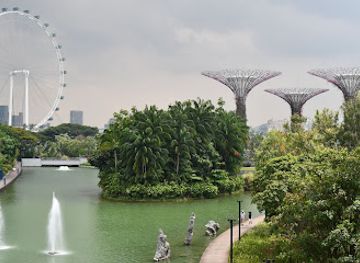
Gardens by the Bay
Explore the breathtaking Gardens by the Bay, where nature meets modernity in the heart of Singapore's skyline.
-
Park
Merlion Park
Discover the charm of Singapore at Merlion Park, where iconic landmarks meet stunning waterfront views in the heart of the city.
-
 Hotel
Marina Bay Sands Singapore
Discover the luxurious Marina Bay Sands in Singapore, where modern architecture, exquisite dining, and breathtaking views create unforgettable experiences.
-
Garden
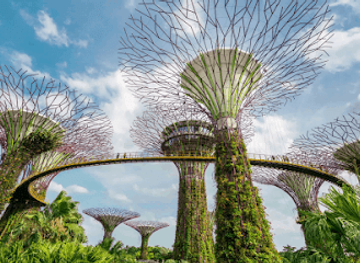
Supertree Grove
Experience the extraordinary Supertree Grove in Singapore, a breathtaking blend of nature and technology that enchants visitors with its stunning visuals and vibrant atmosphere.

Explore North Region on the map
Plan your trip on one map. See where the top cities, national parks and sights are, and book hotels and experiences in a few clicks.
Best hotels in North Region
Best restaurants in North Region
Dining in the North Region is rooted in everyday Singaporean food culture, with hawker centres, coffee shops, food courts and neighbourhood restaurants providing the broadest choice. Woodlands, Yishun, Sembawang and Chong Pang are useful areas for dishes such as chicken rice, laksa, fishball noodles, roti prata, nasi lemak and economical cooked-to-order meals, though these foods belong to Singapore’s wider culinary traditions rather than exclusively to the north. Seafood restaurants and casual eateries appear around the northern coastal and waterfront districts, while the rural fringe has a smaller selection of farm-related and destination dining venues. Kampong Admiralty illustrates the newer community-hub model, bringing food and services into a compact public development. Visitors should also look for fresh fruit, drinks, local desserts and seasonal produce at markets and neighbourhood stalls. Dining hours can be less extensive around nature reserves and rural attractions, so eating before or after an excursion is often more practical than relying on remote areas for a late meal.
-
Restaurant
Citrus By The Pool
Discover Citrus By The Pool: A vibrant dining destination in Woodlands offering delicious halal Western cuisine by the poolside.
-
Chinese
San Ren Xing 三人行 - Thomson Plaza
Experience the rich flavors of Fujian cuisine at San Ren Xing in Thomson Plaza - a must-visit dining spot for culinary enthusiasts in Singapore.
-
Halal
Rasa Istimewa Waterfront Restaurant
Discover the taste of Halal cuisine at Rasa Istimewa Waterfront Restaurant - where family-friendly dining meets breathtaking waterfront views.
-
European
NOX - Dine in the Dark
Experience the extraordinary at NOX - Dine in the Dark: a fine dining adventure where taste reigns supreme amidst complete darkness.


Best bars in North Region
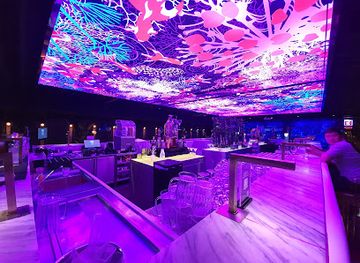
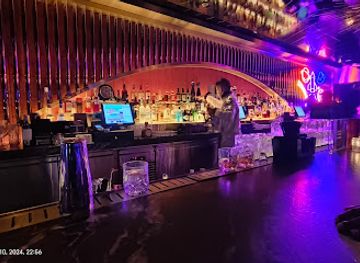
The North Region does not have Singapore’s largest concentration of nightclubs, and evening life is generally local and relaxed. Woodlands and the larger centres of Yishun and Sembawang offer restaurants, cafés, casual bars and pubs, while shopping complexes provide cinemas and late dining rather than a dedicated club district. Some neighbourhood venues show live sports or host informal social gatherings, and hotel or destination restaurants may provide a quieter evening near the wildlife parks. Nightlife in the Kranji, Lim Chu Kang and Mandai areas is limited once attractions and rural businesses close, with the emphasis on dining and quiet surroundings. Visitors seeking late-night dancing, major concert venues or a wider cocktail scene will normally travel to central Singapore, which is accessible by MRT or taxi but lies outside the region. Check current transport arrangements when staying out late, particularly after visiting attractions away from the main town centres.
-
Cocktail bar
ATLAS
Experience the pinnacle of cocktail luxury at ATLAS, Singapore's stunning Art Deco cocktail bar offering an extensive gin selection and exquisite mixology.
-
Bar
Jigger & Pony
Discover the art of mixology at Jigger & Pony, Singapore's premier cocktail bar offering innovative drinks and a vibrant atmosphere.
-
Cocktail bar
No.5 Emerald Hill
Experience exceptional cocktails and vibrant ambiance at No.5 Emerald Hill, Singapore's chic cocktail bar in the heart of the city.
-
Restaurant
Mama Diam 妈妈店: Hidden restaurant and cocktail bar (Prinsep Street)
Experience the culinary magic of Mama Diam, a hidden restaurant and cocktail bar on Prinsep Street, where every dish and drink tells a story.


Best nightclubs in North Region
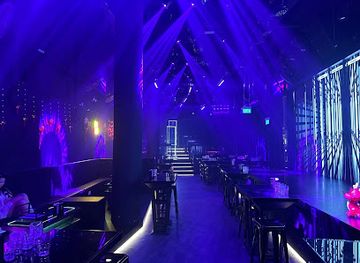
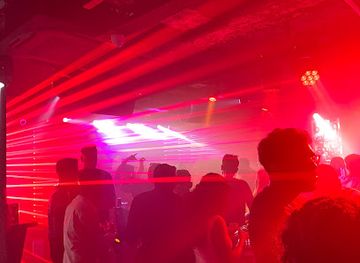
The North Region does not have Singapore’s largest concentration of nightclubs, and evening life is generally local and relaxed. Woodlands and the larger centres of Yishun and Sembawang offer restaurants, cafés, casual bars and pubs, while shopping complexes provide cinemas and late dining rather than a dedicated club district. Some neighbourhood venues show live sports or host informal social gatherings, and hotel or destination restaurants may provide a quieter evening near the wildlife parks. Nightlife in the Kranji, Lim Chu Kang and Mandai areas is limited once attractions and rural businesses close, with the emphasis on dining and quiet surroundings. Visitors seeking late-night dancing, major concert venues or a wider cocktail scene will normally travel to central Singapore, which is accessible by MRT or taxi but lies outside the region. Check current transport arrangements when staying out late, particularly after visiting attractions away from the main town centres.
-
Night club
Zouk Singapore
Experience the electrifying nightlife of Zouk Singapore, a world-renowned nightclub featuring top DJs, vibrant atmosphere, and unforgettable parties.
-
Night club
MARQUEE Singapore
Discover the pulsating nightlife at MARQUEE Singapore, where world-class DJs and stunning visuals create unforgettable experiences.
-
Night club
XclusiV
XclusiV Night Club: Dive into Singapore's vibrant nightlife with electrifying music, stunning ambiance, and unforgettable experiences.
-
Disco club
ALPHA NIGHTLIFE
Experience the electric atmosphere of Alpha Nightlife, Singapore's leading disco club, where unforgettable nights and vibrant music come together.
Best shops in North Region
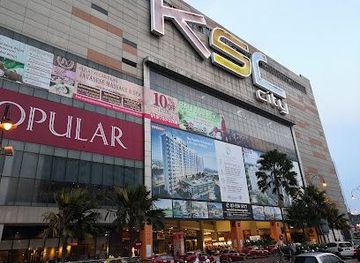
Shopping in the North Region is centred on practical town-centre retail rather than luxury tourism. Causeway Point in Woodlands is the largest established shopping hub, with department-store-style retail, services, food outlets and everyday international brands. Northpoint City in Yishun provides another substantial commercial centre, while smaller malls and neighbourhood centres in Sembawang, Canberra and Admiralty are useful for groceries, pharmacies, cafés and local services. Wet markets and food centres offer a more direct view of daily shopping, including fresh produce, cooked food and Singaporean snacks. Around the rural fringe, farm shops and specialist food outlets can sometimes provide local produce, but availability is variable and should not be assumed outside business hours. Practical souvenirs include packaged snacks, tea, sauces and other Singaporean food products available in established supermarkets. Craft and independent retail are present but less concentrated than in central Singapore, so visitors seeking antiques, galleries or designer shopping will generally need to travel beyond the North Region.
-
Shopping mall
KSL City Mall
Explore KSL City Mall in Johor Bahru – your go-to destination for shopping, dining, and entertainment in one vibrant location.
-
Shopping mall
Northpoint City
Explore Northpoint City, a shopping haven in Yishun, Singapore, featuring diverse retail, dining, and entertainment options for all.
-
Shopping mall
KOMTAR JBCC
Discover shopping, dining, and entertainment at KOMTAR JBCC, the ultimate destination in Johor Bahru, Malaysia.
-
Shopping mall
Tanglin Mall
Discover Tanglin Mall, Singapore's vibrant shopping destination with a unique blend of local and international brands, dining options, and cultural experiences.


Get your free copy of our complete guide to North Region, delivered straight to you.
Everything on this page, from attractions and restaurants to essentials and local phrases, in one PDF you can read offline, print or share.
Already have an account? Sign in
Your North Region guide is ready.
We'll send it to · Not you? Sign out

Getting your guide ready…
We are putting together a fresh copy of the North Region guide. This can take up to a minute.
This can take a few moments. If your browser asks, choose Allow so the download can start. You'll find the guide in your Downloads folder.
Nothing happened? Download it again
Sorry, the guide is taking longer than usual. Please try again in a minute, or get it by email instead.
North Region essentials
Currency and Payment
Safety
Emergency Situations
Do's and Don'ts
Local Tips
From Eve
Local phrases worth knowing
You don't need to get them perfect. A few words go a long way, and locals appreciate the effort.
Basics
| English | Local | Say it |
|---|---|---|
| Hello | Hi | [hai] |
| Goodbye | Bye | [bai] |
| Yes | Yeah | [yea] |
| No | Nope | [nohp] |
| Please/You're welcome | No problem | [noh prob-lum] |
| Thank you | Thanks | [thangs] |
| Excuse me/Sorry | Sorry | [saw-ree] |
| How are you? | How's it going? | [how's it go-ing] |
| Fine. And you? | Good. You? | [gud. you?] |
| Do you speak English? | You speak English? | [you speek ing-glish?] |
| I don't understand | I don't get it | [I don't get it] |
Eating & Drinking
| English | Local | Say it |
|---|---|---|
| I'd like to see the menu, please | Can I see the menu? | [kan I see the men-yu?] |
| I don't eat meat | I don't eat meat | [I don't eat meat] |
| Cheers! | Cheers! | [cheers] |
| I would like to pay, please | Can I get the bill? | [kan I get the bil?] |
Emergencies
| English | Local | Say it |
|---|---|---|
| Help! | Help! | [help] |
| Go away! | Leave me alone! | [leave me a-lone] |
| Call the Police! | Call 911! | [call nine-one-one] |
| Call a doctor! | Get a doctor! | [get a dok-tor] |
| I'm lost | I'm lost | [I'm lost] |
| I'm ill | I'm not feeling well | [I'm not feel-ing wel] |
Shopping
| English | Local | Say it |
|---|---|---|
| I'd like to buy... | I want to buy... | [I want to bai...] |
| I'm just looking | Just browsing | [just brow-sing] |
| How much is it? | What's the price? | [wuts the prys?] |
| That's too expensive | That's pricey | [that's pry-see] |
| Can you lower the price? | Can you reduce the price? | [kan you re-doos the prys?] |
Time & Numbers
| English | Local | Say it |
|---|---|---|
| What time is it? | What time? | [what time?] |
| It's one o'clock | It's 1 o'clock | [It's one o'clock] |
| Half past (10) | Half past ten | [half past ten] |
| Morning | Morning | [mor-ning] |
| Afternoon | Afternoon | [af-ter-noon] |
| Evening | Evening | [eve-ning] |
| Yesterday | Yesterday | [yes-ter-day] |
| Today | Today | [to-day] |
| Tomorrow | Tomorrow | [to-mor-row] |
| 1 | 1 | [one] |
| 2 | 2 | [two] |
| 3 | 3 | [three] |
| 4 | 4 | [four] |
| 5 | 5 | [five] |
| 6 | 6 | [six] |
| 7 | 7 | [seven] |
| 8 | 8 | [eight] |
| 9 | 9 | [nine] |
| 10 | 10 | [ten] |
Transport & Directions
| English | Local | Say it |
|---|---|---|
| Where's a/the...? | Where's the...? | [where's the...?] |
| What's the address? | What's the address? | [what's the ad-dress?] |
| Can you show me (on the map)? | Can you show me on the map? | [can you show me on the map?] |
| When's the next (bus)? | When's the next bus? | [when's the next bus?] |
| A ticket (to ....) | A ticket to ... | [a tiket to ...] |
History of North Region
Early Coastal and Estuarine Settlement
The northern part of Singapore consists of low-lying coastal, riverine and wetland landscapes that supported fishing, small-scale cultivation and movement by boat before modern urban development. The Johor Strait linked these communities with the Malay Peninsula, while rivers and mangrove edges shaped local settlement patterns. Much of the historic landscape has been altered by reclamation, reservoirs, roads and housing, but the surviving wetlands at Sungei Buloh and Kranji preserve elements of the northern environment that predated Singapore’s modern cityscape.
Gambier, Pepper and Plantation Agriculture
During the nineteenth century, the northern and western parts of Singapore included gambier and pepper cultivation, followed later by plantations and smallholdings producing crops such as rubber. These enterprises were connected to wider regional trade and relied heavily on migrant labour and land-clearing. The rural economy left its mark on place names, roads and settlement patterns, even though most plantations have disappeared. Areas around Kranji, Sungei Kadut and the northern coast continued to retain agricultural uses for much longer than central Singapore.
Lim Nee Soon and the Rubber Era
The Yishun area is associated with Lim Nee Soon, a prominent businessman and community leader whose activities included rubber cultivation and trading. The name Nee Soon came to identify the district and later the new town developed there. Rubber shaped Singapore’s economy in the early twentieth century, and northern plantations formed part of the island’s wider agricultural landscape. Yishun’s transformation into a substantial public-housing town after independence illustrates how quickly plantation land was absorbed into Singapore’s urban expansion.
The Sembawang Naval Base
Britain developed the naval base at Sembawang in the early twentieth century as part of its military strategy in the Far East. Its docks, workshops, housing and support facilities made the northern coast a major strategic zone and brought an international workforce to the area. The base was captured by Japan during the 1942 invasion of Singapore and was later used by British forces until the 1960s. Although much of the original military complex has changed, Sembawang’s roads, buildings and coastal setting still reflect this period.
Japanese Occupation and the Kranji War Memorial
Singapore’s fall to Japan in February 1942 transformed life across the island, including the northern districts and their military installations. The occupation lasted until 1945 and brought detention, shortages, forced labour and severe repression. Kranji War Memorial, set among lawns and mature trees, commemorates Commonwealth service personnel who died in the Second World War in Singapore and the surrounding region. Its cemetery and memorial panels provide a particularly direct connection with the island’s wartime history.
New Town Development after Independence
From the 1970s onwards, Singapore’s housing programme reshaped the North Region. Woodlands, Yishun, Sembawang and later Canberra developed as planned new towns with high-rise housing, schools, transport links, parks and neighbourhood centres. The process replaced much of the former rural landscape but also incorporated reservoirs, park connectors and green buffers into the urban plan. Woodlands became especially important as a transport and commercial centre because of its position beside the Causeway to Johor.
Conservation, Wildlife and the Mandai Transformation
In the late twentieth and early twenty-first centuries, the northern forests and wetlands gained renewed importance as Singapore expanded its conservation and wildlife programmes. Mandai’s zoological institutions evolved into a larger integrated wildlife destination, while Sungei Buloh was protected as a wetland reserve important for resident and migratory birds. Kranji Marshes and other managed habitats further demonstrate a modern planning approach that places ecological protection alongside recreation, research and carefully controlled urban development.
North Region in Photos
Browse through our photo collection highlighting the charm and character of the destination.
Neighbouring regions of North Region
The closest regions to North Region, if you have time for more than one.
-

-

-

-

-


Swipe for more regions
Explore more

Explore more of Singapore
Explore Singapore: A vibrant city-state where modernity meets tradition, offering world-class cuisine, stunning gardens, and unique cultural experiences.
Explore Singapore