

Free Middle Region Travel Guide & Mobile App
Explore Middle Region with free travel guides. Discover regional history, expert tips, proposed trips, and audio guides on web or mobile app.


Middle Region offers a central Sint Maarten base near Philipsburg, island roads, Caribbean food and easy access to Dutch- and French-side sights.
Read more about Middle Region
When is the best time to visit Middle Region?
Best: January–March · 28°C| Month | High (°C) | Rainfall (mm) |
|---|---|---|
| January (best) | 28 | 65 |
| February (best) | 28 | 57 |
| March (best) | 28 | 69 |
| April | 29 | 80 |
| May | 30 | 94 |
| June | 30 | 101 |
| July | 31 | 109 |
| August | 31 | 113 |
| September | 30 | 101 |
| October | 30 | 87 |
| November | 29 | 75 |
| December | 29 | 69 |
Getting to and around Middle Region
How to get there
Transportation
Best attractions in Middle Region
Middle Region itself is principally residential, so its attractions are best understood through the wider central Sint Maarten area. Nearby Philipsburg provides access to the Dutch side’s historic waterfront, commercial streets, museums and harbour, while Fort Amsterdam lies beyond the locality on the peninsula overlooking Great Bay. The island’s beaches offer different experiences: Great Bay is closely associated with the capital, Little Bay has a sheltered setting beside the historic fort area, and the western and southern coasts provide further opportunities for swimming, boating and watersports. Inland roads lead through hilly landscapes and mixed residential districts where visitors can see how tourism, local commerce and everyday life overlap. Excursions can extend to Simpson Bay’s marina environment, the airport coast and the French-side settlements of Marigot and Grand Case, which are outside Middle Region and outside the Dutch country. Snorkelling, sailing, diving and boat trips are widely available through operators around the island, while short walks and scenic drives reveal dry tropical vegetation, high ridges and changing views across bays and neighbouring islands. Because distances are short but traffic can be slow, grouping destinations by side of the island is more efficient than crossing back and forth repeatedly.
-
Boat tour agency
Boomerang Boat Charters SXM - Snorkeling Tours & Boat Charters in St Maarten/St. Martin & Anguilla
Discover breathtaking snorkeling tours and boat charters in St. Maarten & Anguilla with Boomerang Boat Charters, where adventure awaits on every wave.
-
Casino
Casino Royale
Experience the thrill of gaming and entertainment at Casino Royale in Sint Maarten, where excitement meets stunning beach views.
-
Boat tour agency
CAPTAIN ALAN'S BOAT CHARTERS
Unleash your inner explorer with Captain Alan's Boat Charters, offering stunning tours of Sint Maarten's azure waters and captivating marine life.
-
Mountain peak
Sentry Hill
Sentry Hill in Sint Maarten: Experience breathtaking views and rich biodiversity at the island's highest peak, a haven for nature lovers and adventurers.


Best landmarks in Middle Region
The most important landmarks accessible from Middle Region belong largely to nearby Philipsburg and the wider Dutch side rather than to the locality itself. Historic Fort Amsterdam, outside Middle Region on the peninsula above Great Bay, represents the island’s seventeenth-century military history and commands a strategic harbour position. In Philipsburg, the former courthouse and the town’s surviving colonial-era buildings reflect the capital’s role as a Dutch administrative and commercial centre, while the waterfront and Boardwalk show how the historic town has adapted to modern tourism. Great Bay provides a geographical landmark as well as a working harbour and beach setting, linking the capital to the island’s maritime history. Further afield, the international airport’s famous approach over Maho Beach is a contemporary aviation landmark, but it lies in Simpson Bay and is not part of Middle Region. Across the border, the French-side hills, bays and settlements present a different political and architectural landscape. From central roads and elevated neighbourhoods, changing views towards Great Bay, the surrounding hills and neighbouring islands are among the defining visual features of the area.
-
Cruise terminal
Port Of St. Maarten
Experience the vibrant Port of St. Maarten, a cruise terminal that opens the door to breathtaking Caribbean adventures and unforgettable local culture.
-
Nature preserve
Loterie Farm
Experience the ultimate blend of adventure and relaxation in the stunning nature preserve of Loterie Farm, St. Martin.
-
Market
Marigot Market
Discover Marigot Market: A vibrant hub of local culture, fresh produce, and unique crafts in the heart of St. Martin.
-
Park
Rainforest Adventure St Maarten
Discover the adventure of a lifetime in the heart of Sint Maarten's lush rainforest with thrilling zip-lining and scenic hikes at Rainforest Adventure.


Explore Middle Region on the map
Plan your trip on one map. See where the top cities, national parks and sights are, and book hotels and experiences in a few clicks.
Best hotels in Middle Region
Best restaurants in Middle Region
Dining around Middle Region reflects Sint Maarten’s blended Caribbean, Dutch, French and international character rather than a single narrowly defined local cuisine. Visitors can look for casual eateries serving grilled fish, chicken, ribs, conch, saltfish, stewed meats, rice, peas, plantain and johnnycakes, while bakeries and cafés provide lighter meals and pastries. Philipsburg and the southern coastal districts offer the broadest choice of restaurants, from informal local cooking and beachside venues to French-influenced dining, Italian food and contemporary international menus. Markets and small food businesses are useful places to encounter everyday island flavours, although opening arrangements and menus can be informal. Local rum-based drinks, cold beers and fresh juices commonly accompany meals, and seafood is particularly prominent in coastal areas. French-side restaurants outside Middle Region provide a different culinary emphasis and should be treated as a separate excursion. In restaurants, service may follow Caribbean rather than hurried metropolitan rhythms, and visitors should check whether a service charge has been included before adding a tip.
-
Restaurant
Pineapple Pete Restaurant
Experience the vibrant flavors of Caribbean cuisine at Pineapple Pete Restaurant in Cole Bay, Sint Maarten - where every meal is a celebration.
-
Restaurant
Little Jerusalem Restaurant SXM
Discover the rich flavors of Middle Eastern cuisine at Little Jerusalem Restaurant SXM in Simpson Bay - an affordable gem for every foodie.
-
French
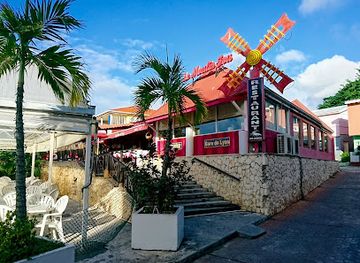
Le moulin fou sxm
Savor authentic French cuisine at Le Moulin Fou in Sint Maarten's vibrant Maho Plaza—where every dish tells a delicious story.
-
Restaurant
Topper's Restaurant & Bar
Experience the vibrant flavors of Sint Maarten at Topper's Restaurant & Bar – where great food meets lively entertainment.



Best bars in Middle Region
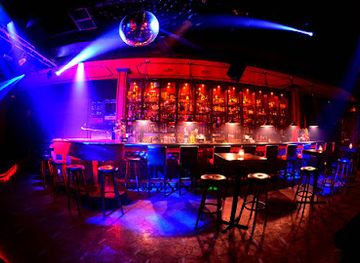
Middle Region does not have a concentrated nightlife strip, and evening activity is generally found in nearby Philipsburg, Simpson Bay and the coastal resort areas rather than on residential streets. Philipsburg offers waterfront bars, casual restaurants and occasional live music, while Simpson Bay has a larger concentration of marina-side venues, cocktail bars and late-evening entertainment. The island’s nightlife includes beach bars, hotel lounges, sports bars, breweries and restaurants, with the busiest atmosphere varying by season, cruise traffic and individual events. Traditional rum drinks and local beers are widely available, but evening culture is not limited to drinking: dining, music and socialising are equally important. Taxis or a designated driver are sensible when returning to Middle Region, especially because roads may be dark, hilly or busy and some venues are outside walking distance. Opening hours and entertainment programmes change, so visitors should check locally rather than rely on old listings.
-
Grill
Sunset Bar and Grill
Experience stunning sunsets and delicious Caribbean cuisine at Sunset Bar and Grill in Simpson Bay, Sint Maarten.
-
Grill
Buccaneer Beach Bar
Experience beachfront dining at Buccaneer Beach Bar, where savory grilled delights meet stunning views and vibrant Caribbean culture.
-
Bar
Topper's Restaurant & Bar
Experience the vibrant flavors and lively atmosphere at Topper's Restaurant & Bar in Sint Maarten – the perfect spot for food, fun, and unforgettable memories.
-
Grill
Nowhere Special
Experience the vibrant atmosphere and delicious grill offerings at Nowhere Special in Simpson Bay, Sint Maarten.


Best nightclubs in Middle Region
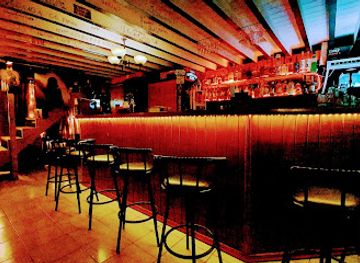
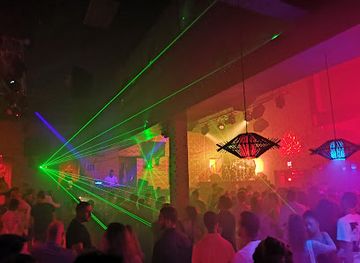
Middle Region does not have a concentrated nightlife strip, and evening activity is generally found in nearby Philipsburg, Simpson Bay and the coastal resort areas rather than on residential streets. Philipsburg offers waterfront bars, casual restaurants and occasional live music, while Simpson Bay has a larger concentration of marina-side venues, cocktail bars and late-evening entertainment. The island’s nightlife includes beach bars, hotel lounges, sports bars, breweries and restaurants, with the busiest atmosphere varying by season, cruise traffic and individual events. Traditional rum drinks and local beers are widely available, but evening culture is not limited to drinking: dining, music and socialising are equally important. Taxis or a designated driver are sensible when returning to Middle Region, especially because roads may be dark, hilly or busy and some venues are outside walking distance. Opening hours and entertainment programmes change, so visitors should check locally rather than rely on old listings.
-
Piano bar
The Red Piano SXM
Experience the vibrant nightlife at The Red Piano SXM - where live music meets Caribbean charm in the heart of Sint Maarten.
-
Restaurant
The Bar 3Angle formerly XLounge
Discover the vibrant nightlife of The Bar 3Angle in Simpson Bay, where delicious food meets live music and fun karaoke sessions.
-
Bar
Juggie's Place
Experience the vibrant nightlife of Philipsburg at Juggie's Place, where refreshing cocktails and a lively atmosphere await every visitor.
-
Club
Lotus Nightclub Sxm
Dive into the nightlife of Simpson Bay at Lotus Nightclub SXM, where electrifying music and vibrant atmosphere await every night.

Best shops in Middle Region
Shopping in and around Middle Region is tied primarily to Philipsburg, the principal retail centre on the Dutch side, rather than to a dedicated local shopping district. The capital combines Front Street shops, small boutiques, jewellery retailers, souvenir outlets and everyday businesses with waterfront commercial activity. Visitors can find beachwear, crafts, rum, local food products, island-themed gifts and practical provisions, although product origin and quality vary and should be checked carefully. Smaller neighbourhood shops and supermarkets around central Sint Maarten are useful for snacks, drinks and household supplies, while markets and informal vendors may offer fruit, prepared food and locally influenced crafts. Marigot on the French side provides a different shopping atmosphere, with French goods, bakeries, fashion and market culture, but it is outside Middle Region and requires a cross-island excursion. For authentic souvenirs, prioritise locally made art, textiles, food products or rum-based items over generic imports, and retain receipts for higher-value purchases when travelling internationally.
-
Shopping mall
Phillipsburg, Sint Maarten
Discover Philipsburg, Sint Maarten: A shopper's paradise with stunning beaches, delectable cuisine, and a vibrant local culture.
-
Shopping mall
Sint Rose Shopping Mall
Discover an exciting shopping experience at Sint Rose Shopping Mall in Philipsburg, where local flair meets international shopping.
-
Party store
Shop-4-Less
Discover the ultimate destination for toys, party supplies, and festive decorations at Shop-4-Less in Little Bay, Sint Maarten.
-
Sporting goods store
Sports Gallery
Explore Philipsburg's Sports Gallery for top-quality sporting goods, stylish sportswear, and unbeatable customer service in Sint Maarten.


Get your free copy of our complete guide to Middle Region, delivered straight to you.
Everything on this page, from attractions and restaurants to essentials and local phrases, in one PDF you can read offline, print or share.
Already have an account? Sign in
Your Middle Region guide is ready.
We'll send it to · Not you? Sign out

Getting your guide ready…
We are putting together a fresh copy of the Middle Region guide. This can take up to a minute.
This can take a few moments. If your browser asks, choose Allow so the download can start. You'll find the guide in your Downloads folder.
Nothing happened? Download it again
Sorry, the guide is taking longer than usual. Please try again in a minute, or get it by email instead.
Middle Region essentials
Currency and Payment
Safety
Emergency Situations
Do's and Don'ts
Local Tips
From Eve
Local phrases worth knowing
You don't need to get them perfect. A few words go a long way, and locals appreciate the effort.
Basics
| English | Local | Say it |
|---|---|---|
| Hello | Bonjou | [Bohn-zhoo] |
| Goodbye | Orevwa | [Oh-reh-vwah] |
| Yes | Wi | [Wee] |
| No | Non | [Nohn] |
| Please/You're welcome | Souple | [Soo-pleh] |
| Thank you | Mesi | [Meh-see] |
| Excuse me/Sorry | Eskize mwen | [Es-kee-zeh mwen] |
| How are you? | Kijan ou ye? | [Kee-zhan oo yay] |
| Fine. And you? | Mwen byen. E ou? | [Mwen byen. Eh oo?] |
| Do you speak English? | Es ou pale Anglè? | [Es oo pah-leh Ahn-gleh?] |
| I don't understand | Mwen pa konprann | [Mwen pah kon-pran] |
Eating & Drinking
| English | Local | Say it |
|---|---|---|
| I'd like to see the menu, please | Mwen ta renmen wè meni an, souple | [Mwen tah renn-men weh meh-nee ahn, soo-pleh] |
| I don't eat meat | Mwen pa manje vyann | [Mwen pah mahn-zhey vyan] |
| Cheers! | Santé! | [Sahn-teh] |
| I would like to pay, please | Mwen ta renmen peye, souple | [Mwen tah renn-men peh-yeh, soo-pleh] |
Emergencies
| English | Local | Say it |
|---|---|---|
| Help! | S.O.S! | [S.O.S!] |
| Go away! | Ale wete! | [Ah-leh weh-teh!] |
| Call the Police! | Rele polis la! | [Reh-leh poh-lees lah!] |
| Call a doctor! | Rele yon doktè! | [Reh-leh yohn dok-teh!] |
| I'm lost | Mwen pèdi | [Mwen peh-dee] |
| I'm ill | Mwen malad | [Mwen mah-lahd] |
Shopping
| English | Local | Say it |
|---|---|---|
| I'd like to buy... | Mwen ta renmen achte... | [Mwen tah renn-men ah-shtay...] |
| I'm just looking | Mwen jis ap gade | [Mwen jees ahp gah-deh] |
| How much is it? | Konbyen sa koute? | [Kohn-byen sah koo-teh?] |
| That's too expensive | Sa a twòp chè | [Sah ah twahp sheh] |
| Can you lower the price? | Es ou ka bese pri a? | [Es oo kah beh-seh pree ah?] |
Time & Numbers
| English | Local | Say it |
|---|---|---|
| What time is it? | Ki lè sa ye? | [Kee leh sah yay?] |
| It's one o'clock | Se yonn a lò | [Seh yohn ah loh] |
| Half past (10) | Mwatye apre (10) | [Mwah-tyeh ah-preh (10)] |
| Morning | Matin | [Mah-tan] |
| Afternoon | Apre-midi | [Ah-preh-mee-dee] |
| Evening | Swa | [Swa] |
| Yesterday | Yè | [Yeh] |
| Today | Jodi a | [Zhoh-dee ah] |
| Tomorrow | Demain | [Deh-mehn] |
| 1 | Yonn | [Yohn] |
| 2 | De | [Deh] |
| 3 | Twa | [Twah] |
| 4 | Katre | [Kah-tray] |
| 5 | Senk | [Senk] |
| 6 | Sis | [Sees] |
| 7 | Sèt | [Set] |
| 8 | Huit | [Wheet] |
| 9 | Nèf | [Nehf] |
| 10 | Dè | [Deh] |
Transport & Directions
| English | Local | Say it |
|---|---|---|
| Where's a/the...? | Ki kote a/the...? | [Kee koh-teh ah/the...?] |
| What's the address? | Ki adrès la? | [Kee ah-dress lah?] |
| Can you show me (on the map)? | Es ou ka montre mwen (sou kat la)? | [Es oo kah mohn-treh mwen (soo kaht lah)?] |
| When's the next (bus)? | Kilè pwochen (otobis la)? | [Kee-leh proh-shehn (oh-toh-bees lah)?] |
| A ticket (to ....) | Yon tikè (pou ...) | [Yohn tee-keh (poo ...)] |
History of Middle Region
Indigenous Settlement and the Island’s First Communities
Sint Maarten was inhabited long before European colonisation by Indigenous peoples of the Caribbean, including communities associated with the wider Taíno and later Kalinago world. Archaeological evidence from across the island records settlements, tools and shell remains that reflect fishing, cultivation and exchange. Middle Region forms part of the island’s central landscape, where hills and valleys would have connected communities moving between the coast and inland resources. Much of this early history is understood through archaeology rather than surviving buildings, making the island’s terrain itself an important part of its cultural inheritance.
European Claims and the 1648 Partition
Spanish, Dutch and French interests shaped Sint Maarten during the early colonial period, particularly because of its strategic position in the north-eastern Caribbean and its salt resources. In 1648, Dutch and French representatives formalised the division of the island through the Treaty of Concordia. The boundary created a political arrangement that remains visible today: Sint Maarten is the Dutch constituent country in the south, while Saint-Martin is the French collectivity in the north. Middle Region belongs to the Dutch side and shares in this unusual cross-border history.
Salt, Agriculture and Plantation Society
For centuries, salt gathering, livestock keeping and small-scale agriculture supported communities on the island. Salt ponds near the southern coast were especially important to the Dutch side, while plantations and provision grounds produced food for local consumption and trade. The economy relied on enslaved African labour during the colonial era, leaving a difficult legacy that is essential to understanding Sint Maarten’s social history. Central settlements such as Middle Region developed within this wider network of roads, hills, plantations and coastal working areas rather than as isolated communities.
The Decline of Salt and the Rise of Maritime Trade
From the nineteenth century into the early twentieth century, traditional salt production and plantation agriculture declined in importance. Maritime commerce, fishing, boatbuilding and regional trade continued to connect Sint Maarten with nearby islands, while families often combined several forms of work to make a living. Philipsburg remained the principal Dutch-side town and administrative centre, drawing commercial activity from surrounding districts. Middle Region’s present-day relationship with the capital reflects this long pattern of central access to trade, services and employment.
Political Change within the Kingdom of the Netherlands
Sint Maarten was formerly part of the Netherlands Antilles, an autonomous country within the Kingdom of the Netherlands. On 10 October 2010, the Netherlands Antilles was dissolved and Sint Maarten became a constituent country of the Kingdom, alongside Aruba, Curaçao and the Netherlands. This change strengthened the island’s separate governmental identity while retaining constitutional links with the Kingdom. Visitors encounter the practical effects in public administration, infrastructure and European-linked institutions, although Sint Maarten’s culture remains distinctly Caribbean.
Tourism, Aviation and Modern Island Life
The modern economy was transformed by tourism, air travel, yachting and cruise activity during the twentieth century. Resorts and businesses expanded around Simpson Bay, Maho, the western coast and Philipsburg, while roads and services connected formerly quieter residential areas to the visitor economy. Hurricane Irma in 2017 caused severe damage across Sint Maarten, including to homes, businesses, vegetation and infrastructure, and recovery became a major chapter in recent history. Middle Region reflects the continuing mixture of residential life, reconstruction, local commerce and tourism that characterises the Dutch side.
Middle Region in Photos
Browse through our photo collection highlighting the charm and character of the destination.
Neighbouring regions of Middle Region
The closest regions to Middle Region, if you have time for more than one.
-

-
 Sucker Garden
 offers a hillside base on Dutch Sint Maarten, with local neighbourhood character, coastal views and easy access to Philipsburg and the east.
-

-

-


Swipe for more regions
Explore more

Explore more of Sint Maarten
Discover Sint Maarten: A Caribbean paradise with a blend of Dutch and French cultures, stunning beaches, vibrant nightlife, and unforgettable experiences.
Explore Sint Maarten