

Free Guana Bay Travel Guide & Mobile App
Explore Guana Bay with free travel guides. Discover regional history, expert tips, proposed trips, and audio guides on web or mobile app.


Explore Guana Bay in Sint Maarten, a serene and secluded beach with pristine sands, clear waters, and scenic hiking trails perfect for relaxation and adventure.
Read more about Guana Bay
When is the best time to visit Guana Bay?
Best: January–March · 30°C| Month | High (°C) | Rainfall (mm) |
|---|---|---|
| January (best) | 30 | 55 |
| February (best) | 30 | 50 |
| March (best) | 30 | 45 |
| April | 30 | 50 |
| May | 31 | 65 |
| June | 31 | 70 |
| July | 32 | 80 |
| August | 32 | 85 |
| September | 32 | 100 |
| October | 31 | 90 |
| November | 31 | 80 |
| December | 30 | 70 |
Getting to and around Guana Bay
How to get there
Transportation
Best attractions in Guana Bay
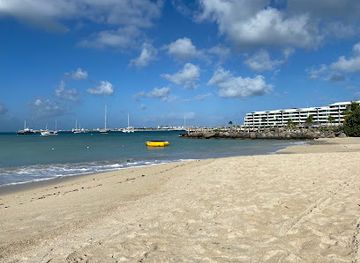
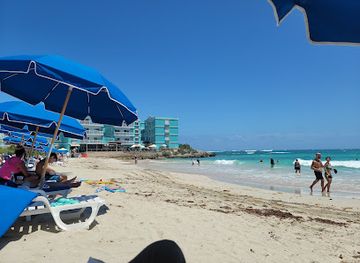
Guana Bay in Sint Maarten offers a mesmerizing blend of natural beauty and thrilling activities that captivate visitors from the moment they arrive. The pristine, crescent-shaped beach, with its soft golden sands and turquoise waters, provides a serene escape perfect for sunbathing, swimming, and snorkeling amidst vibrant marine life. Adventurous travelers can hike the scenic Guana Bay Trail, leading to the historic Fort Amsterdam, where panoramic views of the bay and the distant island of Saint Barthélemy await. The area is also a haven for surfers, boasting consistent waves that challenge both novices and seasoned riders. Equestrian enthusiasts can experience the unique thrill of horseback riding along the coastline, while the nearby Butterfly Farm offers an enchanting diversion, showcasing the delicate beauty of countless butterfly species. Guana Bay's allure is further enhanced by its tranquil ambiance, making it an idyllic retreat away from the bustling tourist hubs of Sint Maarten.
-
Caribbean
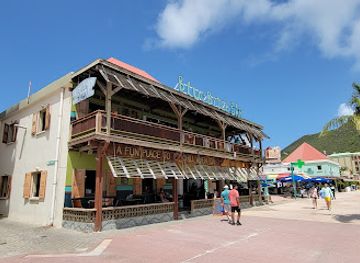
Kids Zone Playground & Barefoot Restaurant
Explore the Kids Zone Playground & Barefoot Restaurant, where Caribbean flavors meet endless fun for the whole family in Sint Maarten.
-
Beach
Kim Sha Beach
Experience the enchanting Kim Sha Beach in Simpson Bay, Sint Maarten, where golden sands meet azure waters for the ultimate beach getaway.
-
Beach
Dawn Beach
Discover the serene beauty of Dawn Beach in Sint Maarten, where soft sands and vibrant waters create an unforgettable tropical escape.
-
Tourist attraction
Wander Route Coastal Trail
Explore the stunning Wander Route Coastal Trail in Sint Maarten, where nature and tranquility meet along the beautiful Caribbean coastline.
Best landmarks in Guana Bay
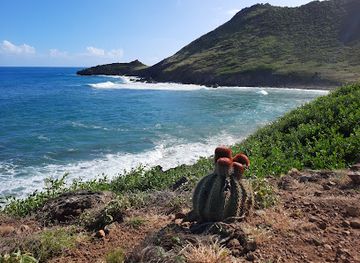
Guana Bay in Sint Maarten offers a mesmerizing blend of natural beauty and historical intrigue that beckons every traveler. The pristine beach, with its golden sands and turquoise waters, provides an idyllic setting for sunbathing, swimming, and surfing, while the rugged coastline is perfect for invigorating hikes and scenic photography. At the northern end, the historical ruins of the Guana Bay Battery, a 17th-century fortification, narrate tales of colonial maritime defenses and offer panoramic views of the Caribbean Sea. The nearby Guana Bay Point, a hidden gem, is a haven for snorkelers and divers eager to explore vibrant coral reefs teeming with marine life. Whether you are a history aficionado or a nature lover, Guana Bay promises an unforgettable experience for every visitor.
-
Beach
Maho Beach
Experience the unique thrill of Maho Beach in Sint Maarten, where stunning views meet the excitement of low-flying aircraft.
-
Cruise terminal
Port Of St. Maarten
Experience the vibrant culture and stunning scenery at the Port of St. Maarten, the gateway to the Caribbean's beauty and charm.
-
 Resort hotel
Sonesta Maho Beach Resort, Casino & Spa
Experience luxury and excitement at Sonesta Maho Beach Resort, Casino & Spa, where stunning beaches meet world-class amenities in Sint Maarten. Perfect for an unforgettable getaway.
-
Hotel
Divi Little Bay Beach Resort
Experience the tropical paradise of Divi Little Bay Beach Resort in Sint Maarten, where relaxation, luxury, and adventure await every traveler.

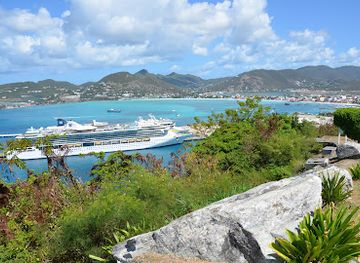
Explore Guana Bay on the map
Plan your trip on one map. See where the top cities, national parks and sights are, and book hotels and experiences in a few clicks.
Best hotels in Guana Bay
Best restaurants in Guana Bay
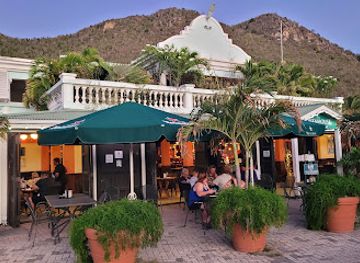
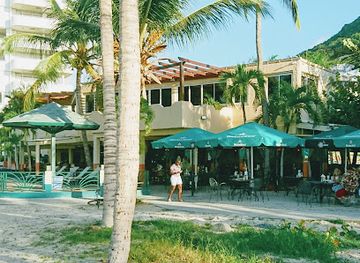
Guana Bay's dining scene is a hidden gem that offers visitors a culinary journey through the island's rich cultural tapestry. Expect to find an eclectic mix of beachfront shacks serving freshly caught seafood, quaint bistros offering traditional Caribbean dishes, and upscale restaurants where international gourmet cuisine takes center stage. Many establishments pride themselves on using locally sourced ingredients, ensuring a farm-to-table experience that captures the essence of Sint Maarten's vibrant food culture. With the soothing sound of the ocean waves as your backdrop, dining in Guana Bay is not just a meal, but an immersive experience that tantalizes all your senses.
-
Restaurant
Pineapple Pete Restaurant
Experience the best of Caribbean cuisine at Pineapple Pete Restaurant in Cole Bay – where flavor meets island vibes.
-
Restaurant
Greenhouse
Experience delightful Caribbean flavors at Greenhouse in Philipsburg – a culinary haven for tourists in Sint Maarten.
-
Restaurant
Little Jerusalem Restaurant SXM
Discover authentic Middle Eastern cuisine at Little Jerusalem Restaurant SXM in Simpson Bay - where every bite tells a story.
-
Restaurant
The Greenhouse
Experience vibrant Caribbean cuisine at The Greenhouse in Simpson Bay, where every dish tells a story of flavor and freshness.

Best bars in Guana Bay
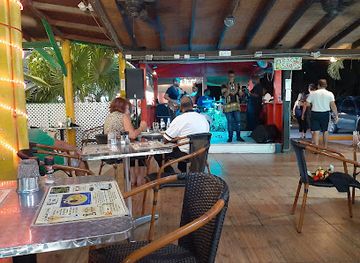
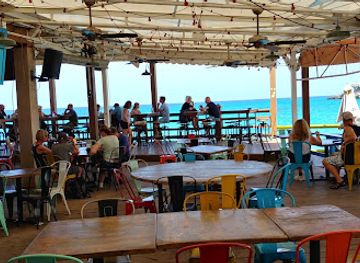
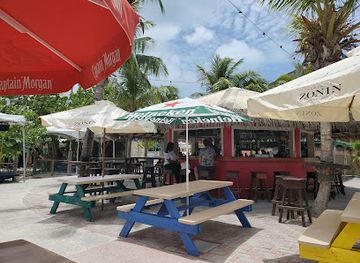
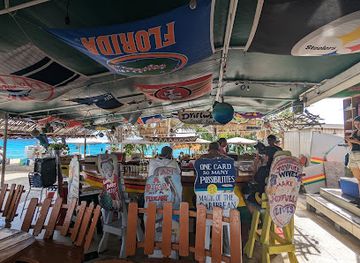
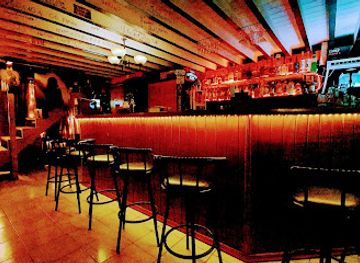
Guana Bay on the Dutch side of Sint Maarten offers a more intimate and laid-back nightlife experience compared to the island's bustling hubs. While it may not have the high-energy clubs of Philipsburg or Maho, it boasts a selection of chic beach bars and cozy lounges where you can savor tropical cocktails under the stars. Expect live music drifting through the air, impromptu beach bonfires, and the gentle sound of waves providing a serene backdrop. The atmosphere is relaxed and welcoming, perfect for those looking to unwind and enjoy the island's natural beauty by night.
-
Grill
Sunset Bar and Grill
Discover the vibrant flavors and stunning sunsets at Sunset Bar and Grill in Simpson Bay, a culinary hotspot for tourists in Sint Maarten.
-
Grill
Buccaneer Beach Bar
Experience the vibrant flavors and stunning views at Buccaneer Beach Bar in Simpson Bay, the perfect spot for relaxation and culinary delight.
-
Grill
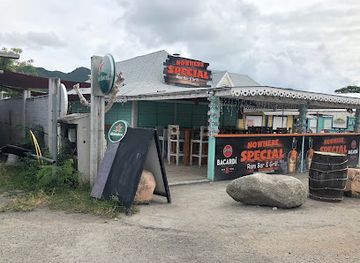
Nowhere Special
Experience the vibrant atmosphere and delicious grill at Nowhere Special in Simpson Bay - the perfect spot for nightlife and local flavors.
-
Bar
Driftwood Boat Bar
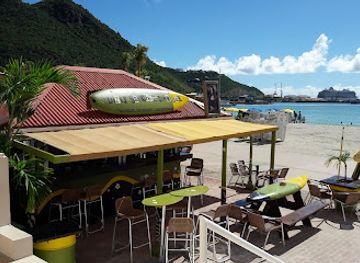
Discover Driftwood Boat Bar in Simpson Bay for refreshing drinks, delicious food, and an unbeatable Caribbean atmosphere.
Best nightclubs in Guana Bay
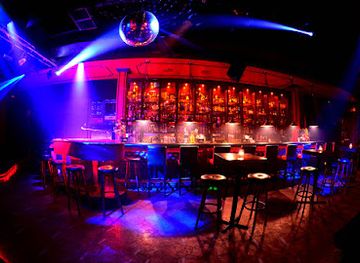
Guana Bay on the Dutch side of Sint Maarten offers a more intimate and laid-back nightlife experience compared to the island's bustling hubs. While it may not have the high-energy clubs of Philipsburg or Maho, it boasts a selection of chic beach bars and cozy lounges where you can savor tropical cocktails under the stars. Expect live music drifting through the air, impromptu beach bonfires, and the gentle sound of waves providing a serene backdrop. The atmosphere is relaxed and welcoming, perfect for those looking to unwind and enjoy the island's natural beauty by night.
-
Piano bar
The Red Piano SXM
Experience the vibrant nightlife of Sint Maarten at The Red Piano SXM, where live music and delicious cocktails create unforgettable memories.
-
Bar
Big Bastaard's Beach Bar
Discover the vibrant atmosphere and stunning views at Big Bastaard's Beach Bar, a must-visit spot on the Philipsburg boardwalk for tourists and locals alike.
-
Restaurant
The Bar 3Angle formerly XLounge
Experience the vibrant nightlife at The Bar 3Angle in Simpson Bay, featuring karaoke, live music, and sports in a cozy, welcoming atmosphere.
-
Bar
Dirty Sanchez Crew Bar
Experience the vibrant local culture at Dirty Sanchez Crew Bar, Philipsburg's go-to destination for refreshing drinks and lively atmosphere.

Best shops in Guana Bay
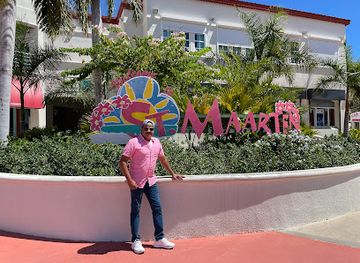
Guana Bay, while primarily known for its stunning beaches and serene landscapes, offers a unique and intimate shopping experience for those willing to explore its hidden gems. Visitors can expect to find charming local boutiques and artisan shops nestled along the picturesque coastline, offering an array of handcrafted jewelry, vibrant Caribbean art, and unique souvenirs that capture the essence of the island's rich culture. The shopping scene here is less about bustling commercial centers and more about discovering the authentic spirit of Sint Maarten through its local craftsmen and boutique retailers. For those looking to take home a piece of the island's charm, Guana Bay's shopping spots are a treasure trove waiting to be uncovered.
-
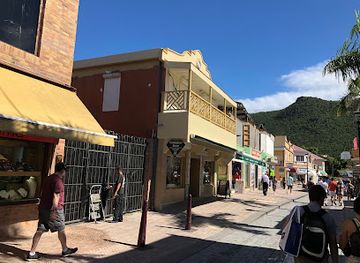
Shopping mall
Phillipsburg, Sint Maarten
Experience the vibrant culture, stunning beaches, and premier shopping of Phillipsburg, Sint Maarten, a Caribbean gem waiting to be explored.
-
Shopping mall
Sint Rose Shopping Mall
Explore Sint Rose Shopping Mall in Philipsburg, a vibrant shopping destination with diverse stores and local delights for every tourist.
-
Jewelry store
Caribbean Gems
Explore Caribbean Gems in Philipsburg for exquisite jewelry and unique designs that capture the essence of the Caribbean.
-
Party store
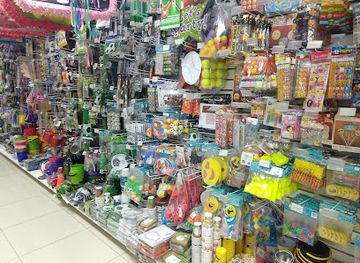
Shop-4-Less
Discover festive fun at Shop-4-Less in Sint Maarten, your ultimate destination for party supplies, toys, and Christmas decorations.
Get your free copy of our complete guide to Guana Bay, delivered straight to you.
Everything on this page, from attractions and restaurants to essentials and local phrases, in one PDF you can read offline, print or share.
Already have an account? Sign in
Your Guana Bay guide is ready.
We'll send it to · Not you? Sign out

Getting your guide ready…
We are putting together a fresh copy of the Guana Bay guide. This can take up to a minute.
This can take a few moments. If your browser asks, choose Allow so the download can start. You'll find the guide in your Downloads folder.
Nothing happened? Download it again
Sorry, the guide is taking longer than usual. Please try again in a minute, or get it by email instead.
Guana Bay essentials
Currency and Payment
Safety
Emergency Situations
Do's and Don'ts
Local Tips
From Eve
Local phrases worth knowing
You don't need to get them perfect. A few words go a long way, and locals appreciate the effort.
Basics
| English | Local | Say it |
|---|---|---|
| Hello | Hola | [Ola] |
| Goodbye | Adiós | [Adyos] |
| Yes | Sí | [See] |
| No | No | [No] |
| Please/You're welcome | Por favor/De nada | [Por favor/De nada] |
| Thank you | Gracias | [Gra-thias] |
| Excuse me/Sorry | Perdón | [Per-don] |
| How are you? | ¿Cómo estás? | [Komo es-tas] |
| Fine. And you? | Bien. ¿Y tú? | [Bee-en. Ee tu] |
| Do you speak English? | ¿Hablas inglés? | [A-blas in-glez] |
| I don't understand | No entiendo | [No en-tien-do] |
Eating & Drinking
| English | Local | Say it |
|---|---|---|
| I'd like to see the menu, please | Me gustaría ver el menú, por favor | [Me gus-ta-ria ver el me-nu, por fa-vor] |
| I don't eat meat | No como carne | [No co-mo car-ne] |
| Cheers! | ¡Salud! | [Sa-lud] |
| I would like to pay, please | Me gustaría pagar, por favor | [Me gus-ta-ria pa-gar, por fa-vor] |
Emergencies
| English | Local | Say it |
|---|---|---|
| Help! | ¡Ayuda! | [A-yu-da] |
| Go away! | ¡Vete! | [Ve-te] |
| Call the Police! | ¡Llama a la policía! | [Ya-ma a la po-li-cia] |
| Call a doctor! | ¡Llama a un doctor! | [Ya-ma a un doc-tor] |
| I'm lost | Estoy perdido | [Es-toy per-di-do] |
| I'm ill | Estoy enfermo | [Es-toy en-fer-mo] |
Shopping
| English | Local | Say it |
|---|---|---|
| I'd like to buy... | Me gustaría comprar... | [Me gus-ta-ria com-prar] |
| I'm just looking | Solo estoy mirando | [So-lo es-toy mi-ran-do] |
| How much is it? | ¿Cuánto cuesta? | [Kwan-to kwes-ta] |
| That's too expensive | Eso es muy caro | [E-so es muy ca-ro] |
| Can you lower the price? | ¿Puedes bajar el precio? | [Pwe-des ba-har el pre-sio] |
Time & Numbers
| English | Local | Say it |
|---|---|---|
| What time is it? | ¿Qué hora es? | [Ke o-ra es] |
| It's one o'clock | Es la una | [Es la u-na] |
| Half past (10) | Y media | [Ee me-dia] |
| Morning | Mañana | [Ma-nyana] |
| Afternoon | Tarde | [Tar-de] |
| Evening | Noche | [No-che] |
| Yesterday | Ayer | [A-yer] |
| Today | Hoy | [Oy] |
| Tomorrow | Mañana | [Ma-nyana] |
| 1 | Uno | [U-no] |
| 2 | Dos | [Dos] |
| 3 | Tres | [Tres] |
| 4 | Cuatro | [Kwat-ro] |
| 5 | Cinco | [Sin-co] |
| 6 | Seis | [Seis] |
| 7 | Siete | [Sye-te] |
| 8 | Ocho | [O-cho] |
| 9 | Nueve | [Nwe-ve] |
| 10 | Diez | [Dyez] |
Transport & Directions
| English | Local | Say it |
|---|---|---|
| Where's a/the...? | ¿Dónde está un/lo...? | [Don-de es-ta un/lo] |
| What's the address? | ¿Cuál es la dirección? | [Kwal es la di-rec-cion] |
| Can you show me (on the map)? | ¿Puedes mostrarme (en el mapa)? | [Pwe-des mos-trar-me (en el ma-pa)] |
| When's the next (bus)? | ¿Cuándo es el próximo (autobús)? | [Kwan-do es el pro-xim-o (au-to-bus)] |
| A ticket (to ....) | Un boleto (a ....) | [Un bo-le-to (a ....)] |
History of Guana Bay
Early Indigenous Inhabitants
Long before European colonization, the Arawak and Carib peoples inhabited Sint Maarten, including the Guana Bay area. These indigenous communities thrived on the island's rich resources, practicing fishing, farming, and trading. Evidence of their presence is found in ancient pottery shards and petroglyphs scattered throughout the region.
Colonial Era and Dutch Settlement
In the 17th century, the Dutch and French colonized Sint Maarten, dividing the island into two. Guana Bay was part of the Dutch territory, and it became a strategic point for defense and trade. Fort Amsterdam, constructed nearby, played a crucial role in protecting the island from invaders and pirates.
Sugar Plantations and Slavery
During the 18th and 19th centuries, Guana Bay and its surrounding areas saw the establishment of several sugar plantations. These plantations relied heavily on the labor of enslaved Africans. The remains of plantation structures and slave quarters can still be found, serving as a somber reminder of this dark chapter in the island's history.
Emancipation and Economic Shifts
The abolition of slavery in 1863 marked a significant turning point for Guana Bay. Freed slaves began to establish their own communities and engage in subsistence farming and fishing. The decline of the sugar industry led to economic diversification, with residents exploring new opportunities in trade and tourism.
Modern Development and Tourism
In recent decades, Guana Bay has transformed into a popular tourist destination. Its pristine beaches, crystal-clear waters, and luxurious villas attract visitors from around the world. The area has seen considerable development, with modern infrastructure and amenities enhancing the travel experience while preserving the natural beauty and cultural heritage of the region.
Guana Bay in Photos
Browse through our photo collection highlighting the charm and character of the destination.
Neighbouring regions of Guana Bay
The closest regions to Guana Bay, if you have time for more than one.
-
 Sucker Garden
Discover the serene beauty and rich culture of Sucker Garden in Sint Maarten, a tranquil haven offering picturesque landscapes and a warm local community.
Sucker Garden
Discover the serene beauty and rich culture of Sucker Garden in Sint Maarten, a tranquil haven offering picturesque landscapes and a warm local community.
-
 Middle Region
Discover the tranquil charm and authentic Caribbean lifestyle of Middle Region, the heart of Sint Maarten, with its scenic beauty and friendly locals.
Middle Region
Discover the tranquil charm and authentic Caribbean lifestyle of Middle Region, the heart of Sint Maarten, with its scenic beauty and friendly locals.
-
 Oyster Pond
Discover Oyster Pond in Sint Maarten, where serene waters meet charming marinas and a blend of French and Dutch cultures. Perfect for water sports, dining, and relaxation.
Oyster Pond
Discover Oyster Pond in Sint Maarten, where serene waters meet charming marinas and a blend of French and Dutch cultures. Perfect for water sports, dining, and relaxation.
-
 Dutch Quarter
Discover the Dutch Quarter of Sint Maarten: a delightful mix of history, culture, and cuisine in a charming and vibrant setting.
Dutch Quarter
Discover the Dutch Quarter of Sint Maarten: a delightful mix of history, culture, and cuisine in a charming and vibrant setting.
-
 Great Bay
Discover the stunning beauty and vibrant culture of Great Bay, Sint Maarten. A perfect blend of relaxation, adventure, and rich heritage awaits you.
Great Bay
Discover the stunning beauty and vibrant culture of Great Bay, Sint Maarten. A perfect blend of relaxation, adventure, and rich heritage awaits you.
Swipe for more regions

