

Free Cul de Sac Travel Guide & Mobile App
Explore Cul de Sac with free travel guides. Discover regional history, expert tips, proposed trips, and audio guides on web or mobile app.


Cul-de-Sac in French Saint-Martin combines a sheltered bay, Pinel Island boat trips, marine wildlife and relaxed coastal scenery near Sint Maarten.
Read more about Cul de Sac
When is the best time to visit Cul de Sac?
Best: January–March · 28°C| Month | High (°C) | Rainfall (mm) |
|---|---|---|
| January (best) | 28 | 60 |
| February (best) | 28 | 50 |
| March (best) | 28 | 60 |
| April | 29 | 70 |
| May | 30 | 80 |
| June | 30 | 90 |
| July | 31 | 100 |
| August | 31 | 110 |
| September | 31 | 120 |
| October | 30 | 130 |
| November | 30 | 110 |
| December | 28 | 80 |
Getting to and around Cul de Sac
How to get there
Transportation
Top city travel guides in Cul de Sac
The cities of Cul de Sac, and the easiest places to base yourself.
-

-


Swipe for more cities
Best attractions in Cul de Sac
Cul-de-Sac's principal attraction is its sheltered bay and its role as the departure point for Îlet Pinel, a small island reached by local boat services from the French side. Pinel is valued for shallow turquoise water, sandy shorelines, swimming and snorkelling, although conditions and available services can vary with weather and seasonal recovery. The surrounding marine environment forms part of the protected natural heritage of Saint-Martin, making careful boating and responsible reef-based recreation important. Back on the mainland, the lagoon edge and low coastal hills offer a quieter setting for observing the relationship between settlement, wetlands and the sea. Visitors can also use Cul-de-Sac as a starting point for exploring nearby French-side beaches and villages, provided they recognise that those places are separate destinations rather than part of the settlement itself. The area is more suited to short coastal excursions, water activities and landscape appreciation than to museums, major monuments or a dense programme of urban attractions. Its value lies in the combination of a working coastal departure point, accessible island scenery and the contrast between protected marine habitats and the built-up resort areas elsewhere on Saint Martin and Sint Maarten.
-
Canoe & kayak rental service
Caribbean Paddling
Discover the beauty of St. Martin's coastline with Caribbean Paddling. Rent kayaks and canoes for an unforgettable adventure in pristine waters.
-
French
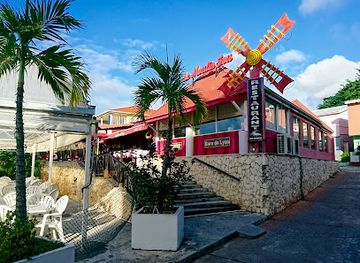
Le moulin fou sxm
Experience authentic French cuisine at Le Moulin Fou in Sint Maarten, where every dish tells a story of culinary excellence and passion.
-
Restaurant
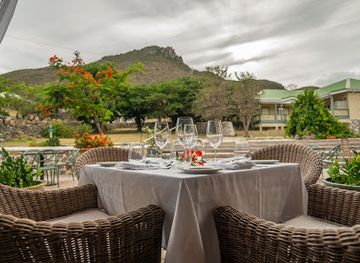
Emilio's...Dine with History
Discover the rich flavors and historical ambiance at Emilio's, a premier dine-in experience in Sint Maarten blending Caribbean and fine dining.
-
Boat tour agency
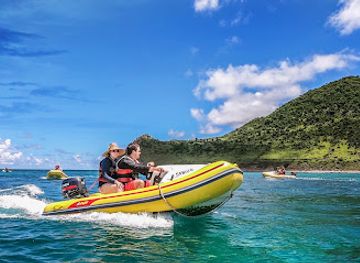
Rhino Mini-Speed Boat Snorkeling Tours SXM
Experience the thrill of snorkeling in Sint Maarten's vibrant waters with Rhino Mini-Speed Boat Snorkeling Tours — where adventure meets beauty.
Best landmarks in Cul de Sac
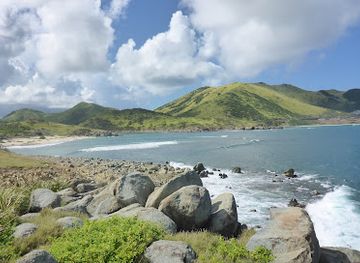
The defining landmark of Cul-de-Sac is its broad sheltered bay, whose shallow coastal waters and low hills distinguish the settlement from the denser urban areas of southern Sint Maarten. The bay is also a visible reminder of the community's maritime function, as boats connect the mainland with Îlet Pinel and the surrounding marine environment. Pinel itself forms the settlement's most recognisable offshore counterpart, with a low island profile, sandy beaches and protected waters clearly visible from the coast. The dividing line between French Saint-Martin and Dutch Sint Maarten is another important geographical landmark in the wider area, although it is an administrative boundary rather than a fortified frontier. The local church and residential buildings are modest compared with the island's major resort developments, but they contribute to the everyday character of Cul-de-Sac. Together, bay, island, lagoon and hills create a landscape landmark defined more by geography and maritime use than by monumental architecture.
-
Nature preserve
Loterie Farm
Explore the beauty of Loterie Farm, a nature preserve in St. Martin offering hiking, swimming, and exquisite dining in a stunning natural setting.
-
Park
Rainforest Adventure St Maarten
Experience the lush tropical paradise of Rainforest Adventure St Maarten, where thrilling zip-lines and serene nature trails await every adventurer.
-
International airport
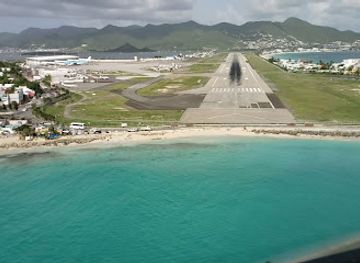
Princess Juliana International Airport
Experience the vibrant culture and stunning views at Princess Juliana International Airport, the Caribbean's gateway to adventure.
-
Tourist attraction
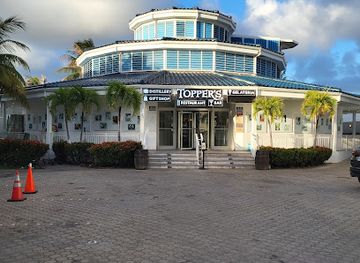
Topper's Rhum Distillery
Experience the rich flavors of the Caribbean at Topper's Rhum Distillery, where rum and culture blend beautifully in Sint Maarten.

Explore Cul de Sac on the map
Plan your trip on one map. See where the top cities, national parks and sights are, and book hotels and experiences in a few clicks.
Best hotels in Cul de Sac
Best restaurants in Cul de Sac
Dining in Cul-de-Sac is closely linked to its waterfront setting and to the wider French-Caribbean food culture of Saint-Martin. Visitors will find casual meals, seafood-oriented menus, beach lunches and drinks associated with excursions to Pinel, while nearby French-side villages provide a broader range of cafés, bakeries, restaurants and international cooking. Local dining commonly draws on fish, shellfish, grilled meats, rice, plantains, spices and fresh tropical produce, alongside French techniques and familiar European ingredients. The island's culinary identity is shared across the border rather than confined to one settlement, so menus may combine Caribbean preparations with French, Creole and international influences. Breakfast from a bakery, a relaxed lunch near the water and a longer evening meal elsewhere on the French side are practical ways to experience the area. Market-style produce and locally caught seafood may be seasonal, and visitors should confirm payment methods before ordering at smaller establishments.
-
Restaurant
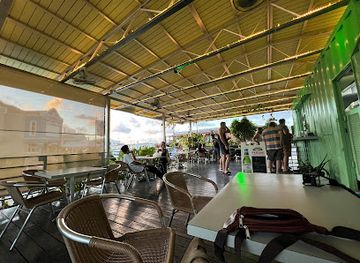
REVEIL MATIN SXM BREAKFAST & LUNCH
Experience delightful breakfasts and lunches at Reveil Matin SXM in Simpson Bay - where local flavors meet Caribbean charm.
-
Restaurant
Little Jerusalem Restaurant SXM
Experience the authentic taste of Middle Eastern cuisine at Little Jerusalem Restaurant SXM in Simpson Bay - where flavor meets hospitality.
-
French
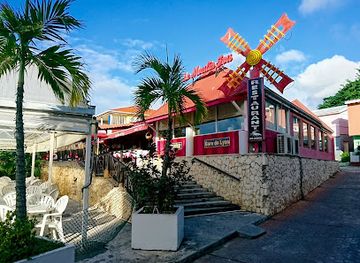
Le moulin fou sxm
Experience exquisite French cuisine at Le Moulin Fou in Maho Plaza, where elegance meets Caribbean charm.
-
Restaurant
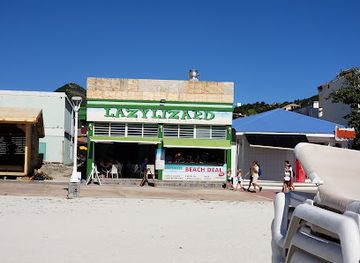
Lazy Lizard Restaurant & Craft Bar
Experience vibrant flavors at Lazy Lizard Restaurant & Craft Bar in Philipsburg - where local cuisine meets Caribbean charm.
Best bars in Cul de Sac
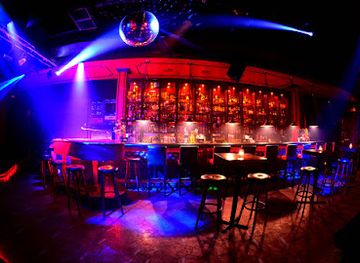
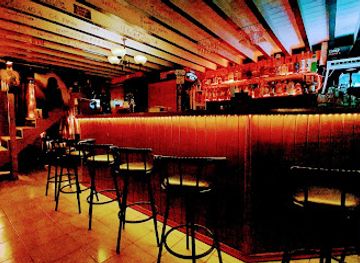
Cul-de-Sac has a quieter evening atmosphere than the principal nightlife centres of Sint Maarten, with the local scene focused on waterfront dining, casual drinks and conversation rather than a large nightclub district. The most characteristic evening settings are relaxed restaurants and bars connected with the bay, while more extensive entertainment, live music and late-night venues are found elsewhere on the island, particularly in larger settlements and resort areas. Pinel is primarily a daytime excursion, so visitors should not assume that boat services continue late into the evening. French-side nightlife generally favours dining, rum-based drinks, wine and informal socialising, while the Dutch side offers a wider concentration of casinos and late venues. Check return transport in advance, especially if staying outside the main towns, and drink responsibly when driving or travelling by boat.
-
Grill
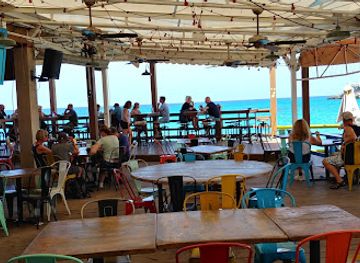
Sunset Bar and Grill
Experience delicious Caribbean cuisine with breathtaking sunset views at Sunset Bar and Grill in Simpson Bay, Sint Maarten.
-
Grill
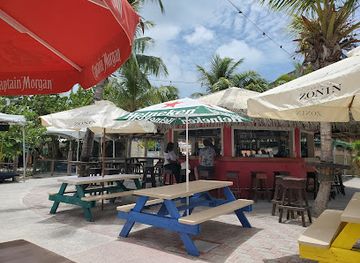
Buccaneer Beach Bar
Experience the vibrant atmosphere of Buccaneer Beach Bar, where delicious food meets stunning ocean views in the heart of Simpson Bay.
-
Bar
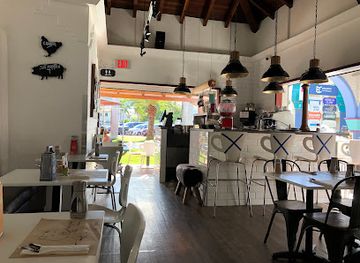
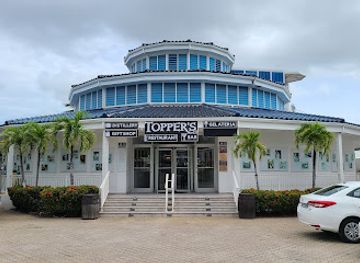
Topper's Restaurant & Bar
Experience the vibrant flavors and lively atmosphere at Topper's Restaurant & Bar in Simpson Bay, a must-visit for every tourist in Sint Maarten.
-
Grill
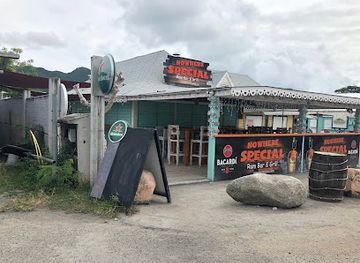
Nowhere Special
Discover Nowhere Special in Simpson Bay, the ideal grill and bar for delicious food, refreshing drinks, and unforgettable island nightlife.
Best nightclubs in Cul de Sac
Cul-de-Sac has a quieter evening atmosphere than the principal nightlife centres of Sint Maarten, with the local scene focused on waterfront dining, casual drinks and conversation rather than a large nightclub district. The most characteristic evening settings are relaxed restaurants and bars connected with the bay, while more extensive entertainment, live music and late-night venues are found elsewhere on the island, particularly in larger settlements and resort areas. Pinel is primarily a daytime excursion, so visitors should not assume that boat services continue late into the evening. French-side nightlife generally favours dining, rum-based drinks, wine and informal socialising, while the Dutch side offers a wider concentration of casinos and late venues. Check return transport in advance, especially if staying outside the main towns, and drink responsibly when driving or travelling by boat.
-
Bar
Soggy Dollar Bar
Experience the vibrant charm of Soggy Dollar Bar, a must-visit destination in Sint Maarten for delicious cocktails and breathtaking waterfront views.
-
Piano bar
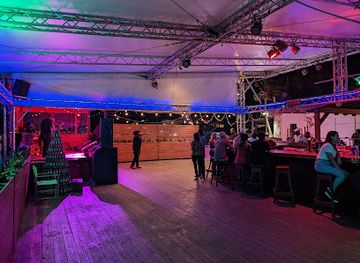
The Red Piano SXM
Experience the vibrant nightlife at The Red Piano SXM, where live music, great drinks, and an electric atmosphere come together for an unforgettable evening.
-
Restaurant
The Bar 3Angle formerly XLounge
Experience the ultimate nightlife at The Bar 3Angle in Simpson Bay, where karaoke, live music, and sports come together for an unforgettable evening.
-
Bar
Dirty Sanchez Crew Bar
Discover the vibrant nightlife at Dirty Sanchez Crew Bar in Philipsburg, Sint Maarten, where good drinks and great company await.

Best shops in Cul de Sac
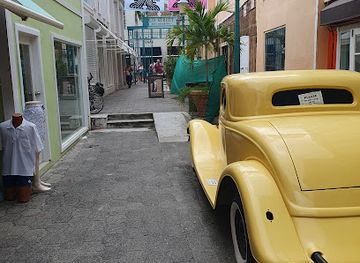
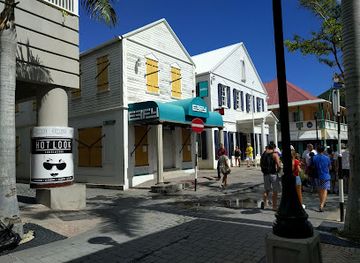
Shopping in Cul-de-Sac is limited and primarily practical, with visitor spending centred on boat excursions, beach supplies, food and casual coastal services rather than a major retail district. For a wider choice, travellers generally head to the larger settlements of Saint-Martin or across the border into Sint Maarten, where shops, supermarkets, galleries and markets are more developed. Useful regional purchases include French-Caribbean food products, spices, rum, tropical preserves, locally made crafts and island-themed goods, although provenance and availability vary. Visitors should distinguish between products made on Saint Martin and imported souvenirs marketed across the island. Small businesses may prefer cash or have different payment arrangements from larger retailers, so carrying some euros is sensible. Cul-de-Sac is better approached as a place to buy provisions before a coastal excursion than as a dedicated shopping destination.
-
Shopping mall
Phillipsburg, Sint Maarten
Discover the vibrant shopping scene and rich culture of Phillipsburg, the capital of Sint Maarten, where unique treasures await every traveler.
-
Shopping mall
Sint Rose Shopping Mall
Explore Sint Rose Shopping Mall in Philipsburg, a vibrant shopping haven with diverse stores and delightful dining options for every tourist.
-
Party store
Shop-4-Less
Shop-4-Less: Your one-stop destination for party supplies, toys, and festive decorations in Little Bay, Sint Maarten.
-
Shopping mall
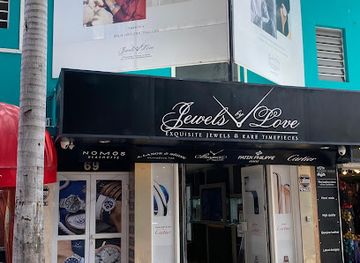
Jewels By Love
Discover exquisite jewelry and luxury watches at Jewels By Love, a premier shopping destination in Philipsburg, Sint Maarten.

Get your free copy of our complete guide to Cul de Sac, delivered straight to you.
Everything on this page, from attractions and restaurants to essentials and local phrases, in one PDF you can read offline, print or share.
Already have an account? Sign in
Your Cul de Sac guide is ready.
We'll send it to · Not you? Sign out

Getting your guide ready…
We are putting together a fresh copy of the Cul de Sac guide. This can take up to a minute.
This can take a few moments. If your browser asks, choose Allow so the download can start. You'll find the guide in your Downloads folder.
Nothing happened? Download it again
Sorry, the guide is taking longer than usual. Please try again in a minute, or get it by email instead.
Cul de Sac essentials
Currency and Payment
Safety
Emergency Situations
Do's and Don'ts
Local Tips
From Eve
Local phrases worth knowing
You don't need to get them perfect. A few words go a long way, and locals appreciate the effort.
Basics
| English | Local | Say it |
|---|---|---|
| Hello | Hola | [O-la] |
| Goodbye | Adiós | [A-dee-os] |
| Yes | Sí | [See] |
| No | No | [No] |
| Please/You're welcome | Por favor | [Por fa-vor] |
| Thank you | Gracias | [Gra-thee-as] |
| Excuse me/Sorry | Perdón | [Per-don] |
| How are you? | ¿Cómo estás? | [Ko-mo es-tas] |
| Fine. And you? | Bien. ¿Y tú? | [Bee-en. E tu] |
| Do you speak English? | ¿Hablas inglés? | [A-blas in-gles] |
| I don't understand | No entiendo | [No en-tee-en-do] |
Eating & Drinking
| English | Local | Say it |
|---|---|---|
| I'd like to see the menu, please | Me gustaría ver el menú, por favor | [Me gus-ta-ree-a ver el me-nu, por fa-vor] |
| I don't eat meat | No como carne | [No co-mo car-ne] |
| Cheers! | ¡Salud! | [Sa-lud] |
| I would like to pay, please | Quisiera pagar, por favor | [Kee-see-e-ra pa-gar, por fa-vor] |
Emergencies
| English | Local | Say it |
|---|---|---|
| Help! | ¡Ayuda! | [A-yu-da] |
| Go away! | ¡Vete! | [Ve-te] |
| Call the Police! | ¡Llama a la policía! | [Ya-ma a la po-li-cia] |
| Call a doctor! | ¡Llama a un doctor! | [Ya-ma a un doc-tor] |
| I'm lost | Estoy perdido | [Es-toy per-di-do] |
| I'm ill | Estoy enfermo | [Es-toy en-fer-mo] |
Shopping
| English | Local | Say it |
|---|---|---|
| I'd like to buy... | Me gustaría comprar... | [Me gus-ta-ree-a com-prar] |
| I'm just looking | Solo estoy mirando | [So-lo es-toy mi-ran-do] |
| How much is it? | ¿Cuánto cuesta? | [Kwan-to kwes-ta] |
| That's too expensive | Eso es muy caro | [E-so es muy ca-ro] |
| Can you lower the price? | ¿Puedes bajar el precio? | [Pwe-des ba-har el pre-cio] |
Time & Numbers
| English | Local | Say it |
|---|---|---|
| What time is it? | ¿Qué hora es? | [Ke o-ra es] |
| It's one o'clock | Es la una | [Es la u-na] |
| Half past (10) | Y media (10) | [Ee me-dia (10)] |
| Morning | Mañana | [Ma-nya-na] |
| Afternoon | Tarde | [Tar-de] |
| Evening | Noche | [No-che] |
| Yesterday | Ayer | [A-yer] |
| Today | Hoy | [Hoy] |
| Tomorrow | Mañana | [Ma-nya-na] |
| 1 | Uno | [Oo-no] |
| 2 | Dos | [Dos] |
| 3 | Tres | [Tres] |
| 4 | Cuatro | [Kwa-tro] |
| 5 | Cinco | [Sin-co] |
| 6 | Seis | [Sace] |
| 7 | Siete | [See-e-te] |
| 8 | Ocho | [O-cho] |
| 9 | Nueve | [Nwe-ve] |
| 10 | Diez | [Dyez] |
Transport & Directions
| English | Local | Say it |
|---|---|---|
| Where's a/the...? | ¿Dónde está un/una...? | [Don-de es-ta un/una] |
| What's the address? | ¿Cuál es la dirección? | [Kwal es la di-rec-ción] |
| Can you show me (on the map)? | ¿Puedes mostrarme (en el mapa)? | [Pwe-des mos-trar-me (en el ma-pa)] |
| When's the next (bus)? | ¿Cuándo es el próximo (bus)? | [Kwan-do es el pro-xi-mo] |
| A ticket (to ....) | Un boleto (a ...) | [Un bo-le-to (a ...)] |
History of Cul de Sac
Indigenous Settlement and Pre-European Saint Martin
Saint Martin was inhabited by Indigenous peoples before European colonisation, with the island's coastal waters, lagoons and fertile areas supporting fishing, gathering and small-scale agriculture. Archaeological evidence across the island records earlier settlement and the production of ceramic objects associated with Caribbean Indigenous cultures. Cul-de-Sac's sheltered bay would have formed part of the wider maritime landscape used for movement and subsistence, although the modern settlement should not be projected back unchanged into the pre-European period.
European Claims and the Division of 1648
European powers contested the island after the arrival of Spanish, French and Dutch interests in the Caribbean. In 1648, French and Dutch representatives agreed to divide Saint Martin, creating the boundary that still separates the French collectivity of Saint-Martin from the country of Sint Maarten. Cul-de-Sac lies on the French side of this division. The border is open to everyday movement, but the two sides retain different legal systems, currencies in common use and administrative traditions.
Salt, Agriculture and Coastal Communities
For centuries, Saint Martin's economy relied on activities suited to its dry climate and sheltered coastal environments, including salt production, livestock keeping, cultivation and fishing. Salt ponds and coastal wetlands were economically important in several parts of the island, while small settlements grew around bays and landing places. Cul-de-Sac's relationship with its lagoon and coastal waters reflects this older pattern of island life, even though tourism and residential development now shape the local economy more strongly than agriculture or salt-making.
Tourism and the Opening of the Island Economy
During the twentieth century, improved roads, air links, port facilities and international investment transformed Saint Martin and Sint Maarten into major holiday destinations. Resorts, restaurants, villas and marine excursions expanded, while traditional settlements became connected to a much wider visitor economy. Cul-de-Sac retained a smaller-scale character than the principal urban and resort zones, but its bay became increasingly important as a departure point for trips to Pinel Island and the surrounding marine environment.
Hurricane Irma and Reconstruction
Hurricane Irma struck Saint Martin in September 2017 with devastating force, damaging homes, businesses, vegetation, roads, boats and tourism infrastructure on both sides of the island. Cul-de-Sac and the north-eastern coast were among the areas affected by the storm and its aftermath. Reconstruction has been a continuing process, and visitors may still encounter buildings, landscapes or facilities shaped by post-hurricane recovery. The event also reinforced the importance of resilient construction, emergency planning and careful attention to seasonal weather conditions.
Contemporary French-Side Identity
Saint-Martin became an overseas collectivity of France in 2007, replacing its former status within Guadeloupe's administrative structure. Cul-de-Sac is consequently governed within the French legal and administrative framework, while remaining part of the culturally interconnected island of Saint Martin. Its contemporary identity combines French public institutions, Caribbean traditions, multilingual tourism and close daily contact with Sint Maarten. This blend is particularly apparent in transport, dining, commerce and the movement of residents and visitors across the open border.
Cul de Sac in Photos
Browse through our photo collection highlighting the charm and character of the destination.
Neighbouring regions of Cul de Sac
The closest regions to Cul de Sac, if you have time for more than one.
-

-

-

-

-


Swipe for more regions
Explore more

Explore more of Sint Maarten
Discover Sint Maarten: A Caribbean paradise with a blend of Dutch and French cultures, stunning beaches, vibrant nightlife, and unforgettable experiences.
Explore Sint Maarten