

Free Dutch Quarter Travel Guide & Mobile App
Explore Dutch Quarter with free travel guides. Discover regional history, expert tips, proposed trips, and audio guides on web or mobile app.


Discover the Dutch Quarter of Sint Maarten: a delightful mix of history, culture, and cuisine in a charming and vibrant setting.
Read more about Dutch Quarter
When is the best time to visit Dutch Quarter?
Best: January–March · 29–30°C| Month | High (°C) | Rainfall (mm) |
|---|---|---|
| January (best) | 29 | 70 |
| February (best) | 29 | 60 |
| March (best) | 30 | 60 |
| April | 30 | 70 |
| May | 31 | 80 |
| June | 31 | 90 |
| July | 32 | 100 |
| August | 32 | 110 |
| September | 32 | 120 |
| October | 31 | 110 |
| November | 30 | 100 |
| December | 30 | 90 |
Getting to and around Dutch Quarter
How to get there
Transportation
Best attractions in Dutch Quarter
Nestled in the heart of Sint Maarten, Dutch Quarter offers a vibrant blend of colonial charm and Caribbean flair that captivates every visitor. Wander through its quaint streets lined with pastel-colored Dutch architecture, where the echoes of history are palpable in every cobblestone. Immerse yourself in the local culture at the bustling marketplaces brimming with handmade crafts, spices, and tropical fruits. The area is also home to intriguing museums that showcase the island's rich heritage, and lush parks perfect for a leisurely stroll. For those seeking a bit of adventure, the nearby trails and scenic viewpoints provide breathtaking vistas of the island’s diverse landscapes. Dining options abound, from traditional Caribbean eateries to gourmet restaurants, ensuring a culinary journey as memorable as the sights. Whether you're a history buff, a nature enthusiast, or a foodie, Dutch Quarter promises an unforgettable experience.
-
Beach
Happy Bay Beach
Discover the serene beauty of Happy Bay Beach in St. Martin, a perfect escape for relaxation and unforgettable beach experiences.
-
Boat tour agency
Billy Bones Boat Charters SXM
Explore the breathtaking waters of St. Maarten with Billy Bones Boat Charters, offering unforgettable tours and stunning views of the Caribbean.
-
Car rental agency
Electric Adventures Buggy, Side by Side, UTV, Best and Latest Polaris Rental St. Maarten/ St. Martin
Experience the thrill of St. Maarten with Electric Adventures - your premier choice for Polaris rentals and unforgettable island exploration.
-
Tourist attraction
Majesty Jewelers
Explore the luxurious offerings at Majesty Jewelers in Philipsburg, Sint Maarten, where exquisite craftsmanship meets unparalleled service in a stunning setting.

Best landmarks in Dutch Quarter
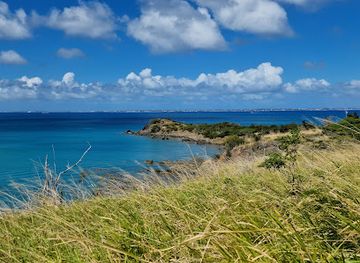
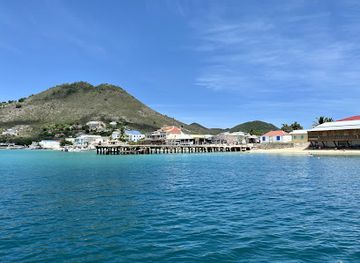
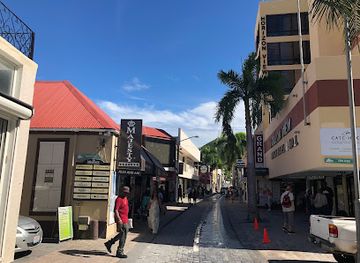
Dutch Quarter in Sint Maarten enthralls visitors with its blend of historical charm and vibrant local culture. Wander through the quaint streets lined with colorful colonial-era buildings, each narrating a tale of the island's rich past. Don't miss the iconic Emilio Wilson Park, a serene oasis that once was a sugar plantation, now offering a glimpse into the island's history with its preserved artifacts and lush gardens. The Great Salt Pond, another must-see, provides a picturesque backdrop and a nod to the island’s salt production heritage. For a touch of local artistry, visit the art galleries showcasing works by talented Caribbean artists, and let the rhythmic beats of traditional music fill the air as you explore the lively markets brimming with handcrafted treasures and delectable local cuisine. Every corner of Dutch Quarter promises a unique experience steeped in history and culture, making it a fascinating destination for any traveler.
-
Cruise terminal
Port Of St. Maarten
Discover the vibrant charm of the Port of St. Maarten, your gateway to the Caribbean's stunning landscapes, culture, and adventures.
-
Nature preserve
Loterie Farm
Explore the lush landscapes of Loterie Farm, where adventure meets relaxation in the heart of St. Martin's nature preserve.
-
Park
Rainforest Adventure St Maarten
Discover the natural beauty and exhilarating adventures at Rainforest Adventure St Maarten, a tropical paradise for nature lovers and thrill-seekers alike.
-
Tourist attraction
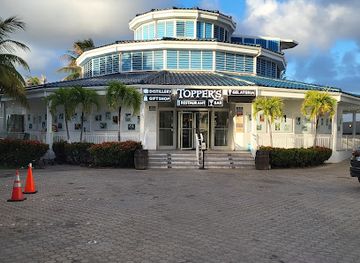
Topper's Rhum Distillery
Experience the rich tradition of rum-making at Topper's Rhum Distillery, a premier attraction in Sint Maarten blending culture, craftsmanship, and Caribbean flavors.
Explore Dutch Quarter on the map
Plan your trip on one map. See where the top cities, national parks and sights are, and book hotels and experiences in a few clicks.
Best hotels in Dutch Quarter
Best restaurants in Dutch Quarter
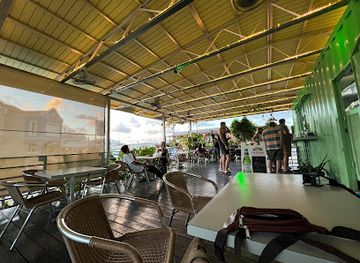
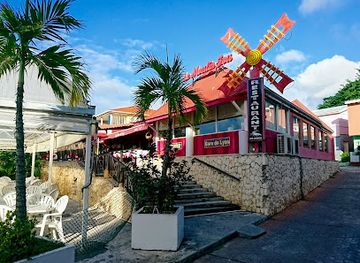
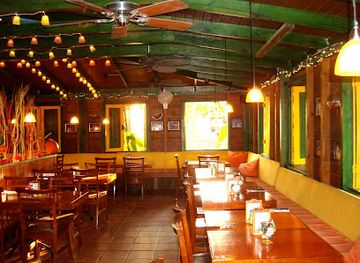
The dining scene in Dutch Quarter, Sint Maarten, is a vibrant tapestry of culinary delights that cater to every palate. Visitors can expect to find an enticing blend of Caribbean flavors, fresh seafood, and international cuisine, all set against the backdrop of charming Dutch colonial architecture. From cozy, family-run eateries serving up traditional island dishes to upscale restaurants offering gourmet experiences with a Caribbean twist, the area prides itself on its diverse and delectable food options. Street food enthusiasts will be delighted by the local food trucks and market stalls, where they can savor mouth-watering, authentic snacks and meals. Whether you're in the mood for a leisurely brunch, a romantic dinner, or a quick bite, Dutch Quarter's dining scene promises to be an unforgettable culinary adventure.
-
Restaurant
Pineapple Pete Restaurant
Experience the vibrant flavors of Sint Maarten at Pineapple Pete Restaurant - your destination for authentic Caribbean cuisine.
-
Restaurant
Little Jerusalem Restaurant SXM
Experience authentic Middle Eastern flavors at Little Jerusalem Restaurant SXM in Simpson Bay, where every dish tells a story.
-
French
Le moulin fou sxm
Experience authentic French cuisine at Le Moulin Fou in Maho Plaza, where exquisite dishes meet stunning island views.
-
Restaurant
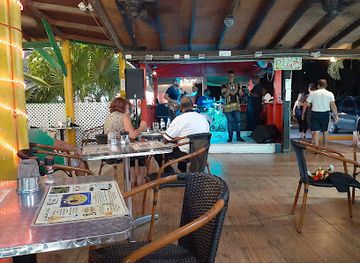
Topper's Restaurant & Bar
Experience the vibrant flavors of Caribbean cuisine at Topper's Restaurant & Bar in Simpson Bay, where great food meets lively entertainment.
Best bars in Dutch Quarter
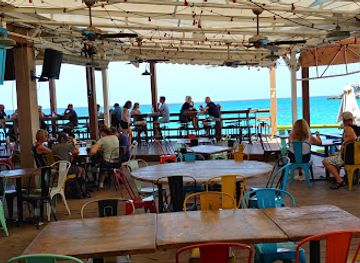
Nestled amidst the charming blend of Dutch colonial architecture and vibrant Caribbean culture, the nightlife in Dutch Quarter, Sint Maarten, is a tapestry of unforgettable experiences. As the sun sets, the area transforms into a lively hub of activity, offering a plethora of options from chic rooftop bars with panoramic views of the island, to quaint pubs adorned with nautical memorabilia. Visitors can dance the night away to live reggae and soca music, or enjoy a more relaxed evening sipping on expertly crafted cocktails. The local clubs often host themed nights and international DJs, ensuring there's always something fresh and exciting. Street vendors add to the atmosphere, serving up mouth-watering local delicacies like Johnny cakes and conch fritters to keep revelers energized. Whether you're in the mood for an elegant night out or an authentic island party, Dutch Quarter's nightlife promises a diverse and enthralling adventure.
-
Grill
Sunset Bar and Grill
Discover Sunset Bar and Grill in Sint Maarten for a delightful blend of great food, refreshing drinks, and stunning beachfront views.
-
Grill
Buccaneer Beach Bar
Experience the vibrant Caribbean flavors at Buccaneer Beach Bar in Simpson Bay, the perfect spot for relaxation and delicious grill cuisine.
-
Bar
Topper's Restaurant & Bar
Experience delicious cuisine, refreshing cocktails, and vibrant entertainment at Topper's Restaurant & Bar in Simpson Bay, Sint Maarten.
-
Grill
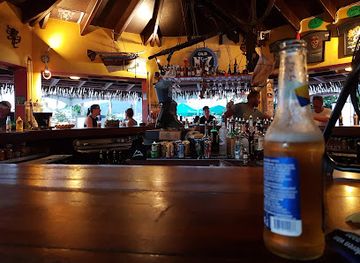
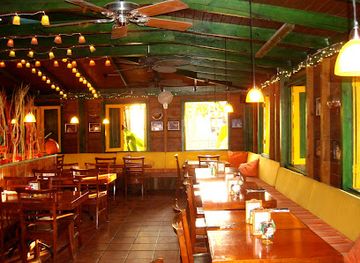
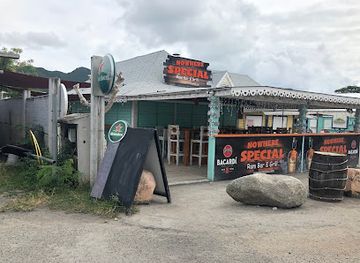
Nowhere Special
Experience vibrant nightlife and delicious grilled cuisine at Nowhere Special in Simpson Bay, Sint Maarten.
Best nightclubs in Dutch Quarter
Nestled amidst the charming blend of Dutch colonial architecture and vibrant Caribbean culture, the nightlife in Dutch Quarter, Sint Maarten, is a tapestry of unforgettable experiences. As the sun sets, the area transforms into a lively hub of activity, offering a plethora of options from chic rooftop bars with panoramic views of the island, to quaint pubs adorned with nautical memorabilia. Visitors can dance the night away to live reggae and soca music, or enjoy a more relaxed evening sipping on expertly crafted cocktails. The local clubs often host themed nights and international DJs, ensuring there's always something fresh and exciting. Street vendors add to the atmosphere, serving up mouth-watering local delicacies like Johnny cakes and conch fritters to keep revelers energized. Whether you're in the mood for an elegant night out or an authentic island party, Dutch Quarter's nightlife promises a diverse and enthralling adventure.
-
Bar
Soggy Dollar Bar
Experience the vibrant spirit of the Caribbean at Soggy Dollar Bar in Simpson Bay, where refreshing cocktails and breathtaking views await.
-
Restaurant
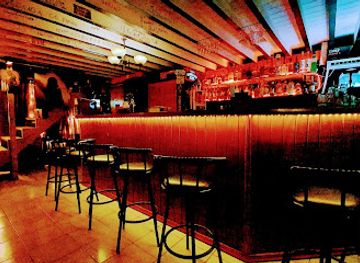
The Bar 3Angle formerly XLounge
Experience the best of nightlife at The Bar 3Angle in Simpson Bay, featuring karaoke, live music, and a vibrant atmosphere for unforgettable memories.
-
Bar
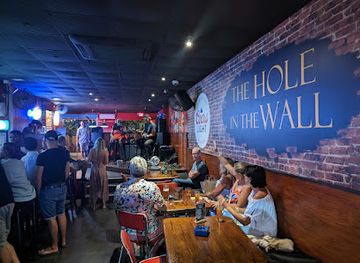
The Hole in the Wall
Discover the vibrant nightlife of Sint Maarten at The Hole in the Wall, where great drinks and live music come together for an unforgettable experience.
-
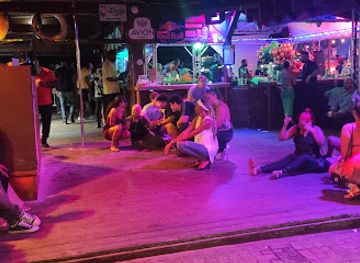
Night club
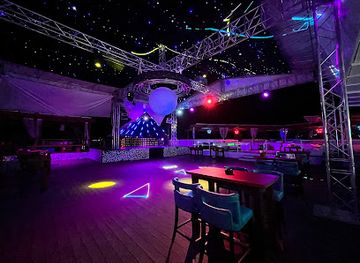
Moonbar Rooftop
Discover the vibrant nightlife of Sint Maarten at Moonbar Rooftop, where stunning views meet an exhilarating atmosphere for an unforgettable night out.
Best shops in Dutch Quarter
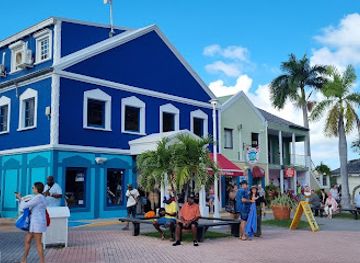
Dutch Quarter in Sint Maarten offers an eclectic shopping experience that seamlessly blends Caribbean charm with European sophistication. Visitors can meander through vibrant streets lined with quaint boutiques, artisanal craft shops, and chic fashion stores, each offering unique treasures from local handmade jewelry and colorful artwork to high-end designer clothes and accessories. The aroma of freshly roasted coffee and tantalizing local delicacies wafts through the air, inviting shoppers to take a leisurely break at one of the many cozy cafes and eateries. Markets brimming with tropical fruits, spices, and island souvenirs provide a sensory feast, while friendly vendors share fascinating stories and cultural tidbits, making every purchase feel like a piece of history. Whether you’re hunting for a one-of-a-kind gift or indulging in some retail therapy, Dutch Quarter promises a delightful and memorable shopping adventure.
-
Craft store
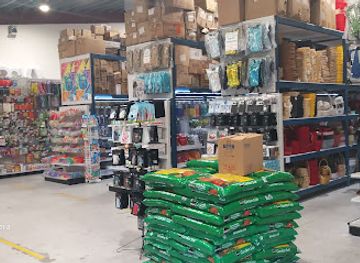
Shop-4-Less Plus
Explore crafting treasures at Shop-4-Less Plus, where creativity meets quality supplies in the heart of Sint Maarten.
-
Grocery store
Mini Market
Experience the local flavors of Sint Maarten at Mini Market, your go-to grocery store for fresh produce and baked goods.
-
Perfume store
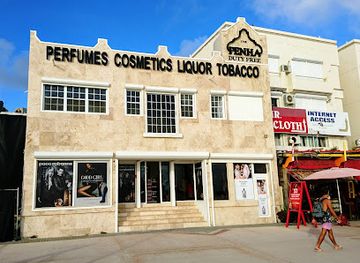
Penha Duty Free St. Maarten at Frontstreet
Discover a world of luxury at Penha Duty Free St. Maarten, your go-to destination for perfumes, cosmetics, liquor, and tobacco in Philipsburg.
-
Grocery store
Wing Li
Explore the flavors of Sint Maarten at Wing Li, your go-to grocery store for local ingredients and culinary delights.
Get your free copy of our complete guide to Dutch Quarter, delivered straight to you.
Everything on this page, from attractions and restaurants to essentials and local phrases, in one PDF you can read offline, print or share.
Already have an account? Sign in
Your Dutch Quarter guide is ready.
We'll send it to · Not you? Sign out

Getting your guide ready…
We are putting together a fresh copy of the Dutch Quarter guide. This can take up to a minute.
This can take a few moments. If your browser asks, choose Allow so the download can start. You'll find the guide in your Downloads folder.
Nothing happened? Download it again
Sorry, the guide is taking longer than usual. Please try again in a minute, or get it by email instead.
Dutch Quarter essentials
Currency and Payment
Safety
Emergency Situations
Do's and Don'ts
Local Tips
From Eve
Local phrases worth knowing
You don't need to get them perfect. A few words go a long way, and locals appreciate the effort.
Basics
| English | Local | Say it |
|---|---|---|
| Hello | Hola | [O-la] |
| Goodbye | Adios | [A-dee-os] |
| Yes | Sí | [See] |
| No | No | [No] |
| Please/You're welcome | Por favor/De nada | [Por fa-vor/De na-da] |
| Thank you | Gracias | [Gra-thias] |
| Excuse me/Sorry | Perdón | [Per-don] |
| How are you? | ¿Cómo estás? | [Co-mo es-tas] |
| Fine. And you? | Bien. ¿Y tú? | [Bee-en. E tu] |
| Do you speak English? | ¿Hablas inglés? | [A-blas in-gles] |
| I don't understand | No entiendo | [No en-tien-do] |
Eating & Drinking
| English | Local | Say it |
|---|---|---|
| I'd like to see the menu, please | Me gustaría ver el menú, por favor | [Me gus-ta-ri-a ver el me-nu, por fa-vor] |
| I don't eat meat | No como carne | [No co-mo car-ne] |
| Cheers! | ¡Salud! | [Sa-lud] |
| I would like to pay, please | Me gustaría pagar, por favor | [Me gus-ta-ri-a pa-gar, por fa-vor] |
Emergencies
| English | Local | Say it |
|---|---|---|
| Help! | ¡Ayuda! | [A-yu-da] |
| Go away! | ¡Vete! | [Ve-te] |
| Call the Police! | ¡Llama a la policía! | [Ya-ma a la po-li-cia] |
| Call a doctor! | ¡Llama a un doctor! | [Ya-ma a un doc-tor] |
| I'm lost | Estoy perdido | [Es-toy per-di-do] |
| I'm ill | Estoy enfermo | [Es-toy en-fer-mo] |
Shopping
| English | Local | Say it |
|---|---|---|
| I'd like to buy... | Me gustaría comprar... | [Me gus-ta-ri-a com-prar] |
| I'm just looking | Solo estoy mirando | [So-lo es-toy mi-ran-do] |
| How much is it? | ¿Cuánto cuesta? | [Cuan-to cues-ta] |
| That's too expensive | Eso es muy caro | [E-so es muy ca-ro] |
| Can you lower the price? | ¿Puedes bajar el precio? | [Pue-des ba-har el pre-cio] |
Time & Numbers
| English | Local | Say it |
|---|---|---|
| What time is it? | ¿Qué hora es? | [Ke o-ra es] |
| It's one o'clock | Es la una | [Es la u-na] |
| Half past (10) | Y media (10) | [Y me-dia] |
| Morning | Mañana | [Ma-nya-na] |
| Afternoon | Tarde | [Tar-de] |
| Evening | Noche | [No-che] |
| Yesterday | Ayer | [A-yer] |
| Today | Hoy | [Hoy] |
| Tomorrow | Mañana | [Ma-nya-na] |
| 1 | Uno | [U-no] |
| 2 | Dos | [Dos] |
| 3 | Tres | [Tres] |
| 4 | Cuatro | [Cua-tro] |
| 5 | Cinco | [Cin-co] |
| 6 | Seis | [Seis] |
| 7 | Siete | [Sie-te] |
| 8 | Ocho | [O-cho] |
| 9 | Nueve | [Nue-ve] |
| 10 | Diez | [Diez] |
Transport & Directions
| English | Local | Say it |
|---|---|---|
| Where's a/the...? | ¿Dónde está un/una...? | [Don-de es-ta un/una] |
| What's the address? | ¿Cuál es la dirección? | [Cual es la di-rec-cion] |
| Can you show me (on the map)? | ¿Puedes mostrarme (en el mapa)? | [Pue-des mos-trar-me (en el ma-pa)] |
| When's the next (bus)? | ¿Cuándo es el próximo (autobús)? | [Cuan-do es el prox-i-mo (au-to-bus)] |
| A ticket (to ....) | Un boleto (a ....) | [Un bo-le-to (a)] |
History of Dutch Quarter
The Founding of Dutch Quarter
Dutch Quarter, situated in the northeastern part of Sint Maarten, was established during the colonial era in the 17th century. The area was originally set up as a residential neighborhood for Dutch settlers who were involved in the sugar cane plantations and maritime trade. Its strategic location made it an ideal place for Dutch colonists to settle and develop the local economy.
Colonial Architecture
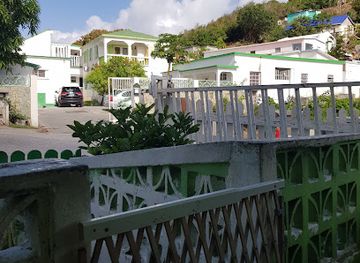
One of the most striking features of Dutch Quarter is its well-preserved colonial architecture. The buildings reflect traditional Dutch designs, with steep gabled roofs, wooden shutters, and vibrant colors. These structures offer a glimpse into the architectural preferences of the Dutch settlers and their efforts to recreate a piece of home in the Caribbean.
The Sugar Cane Era
During the 18th century, the sugar cane industry flourished in Sint Maarten, and Dutch Quarter played a significant role in this period of economic prosperity. The area's fertile soil and favorable climate made it a prime location for sugar cane plantations. The remnants of old sugar mills and plantation houses can still be found, serving as a reminder of this pivotal era in Dutch Quarter's history.
Cultural Melting Pot
Over the centuries, Dutch Quarter has evolved into a vibrant cultural melting pot. The area is home to a diverse population, including descendants of the original Dutch settlers, African slaves, and immigrants from other Caribbean islands. This blend of cultures is reflected in the local cuisine, music, and festivals, making Dutch Quarter a unique and dynamic community.
Hurricane Irma's Impact
In 2017, Hurricane Irma, one of the most powerful Atlantic hurricanes ever recorded, struck Sint Maarten and caused significant damage to Dutch Quarter. Many historical buildings were damaged or destroyed, and the community faced a long and challenging recovery process. The resilience of the residents and their efforts to rebuild have become a testament to the spirit of Dutch Quarter.
Modern Day Dutch Quarter
Today, Dutch Quarter is a bustling neighborhood that balances its rich history with modern development. It is a popular destination for tourists seeking to explore the historical and cultural heritage of Sint Maarten. The area's markets, restaurants, and heritage sites offer a blend of old and new, making Dutch Quarter a must-visit location on the island.
Dutch Quarter in Photos
Browse through our photo collection highlighting the charm and character of the destination.
Neighbouring regions of Dutch Quarter
The closest regions to Dutch Quarter, if you have time for more than one.
-
 Middle Region
Discover the tranquil charm and authentic Caribbean lifestyle of Middle Region, the heart of Sint Maarten, with its scenic beauty and friendly locals.
Middle Region
Discover the tranquil charm and authentic Caribbean lifestyle of Middle Region, the heart of Sint Maarten, with its scenic beauty and friendly locals.
-
 Sucker Garden
Discover the serene beauty and rich culture of Sucker Garden in Sint Maarten, a tranquil haven offering picturesque landscapes and a warm local community.
Sucker Garden
Discover the serene beauty and rich culture of Sucker Garden in Sint Maarten, a tranquil haven offering picturesque landscapes and a warm local community.
-
 Cul de Sac
Discover the tranquil charm of Cul de Sac in Sint Maarten – a hidden gem offering serene beaches, vibrant marine life, and a warm local atmosphere.
Cul de Sac
Discover the tranquil charm of Cul de Sac in Sint Maarten – a hidden gem offering serene beaches, vibrant marine life, and a warm local atmosphere.
-
 Pelican Key
Discover Pelican Key, Sint Maarten's hidden gem with stunning beaches, luxurious resorts, and thrilling water activities. Perfect for relaxation and adventure.
Pelican Key
Discover Pelican Key, Sint Maarten's hidden gem with stunning beaches, luxurious resorts, and thrilling water activities. Perfect for relaxation and adventure.
-
 Philipsburg
Explore Philipsburg in Sint Maarten: a captivating blend of Dutch and Caribbean culture, pristine beaches, historic sites, and vibrant local life.
Philipsburg
Explore Philipsburg in Sint Maarten: a captivating blend of Dutch and Caribbean culture, pristine beaches, historic sites, and vibrant local life.
Swipe for more regions

