

Free Pelican Key Travel Guide & Mobile App
Explore Pelican Key with free travel guides. Discover regional history, expert tips, proposed trips, and audio guides on web or mobile app.


Pelican Key offers waterfront stays, Caribbean swimming, boating access and a quieter base near Simpson Bay on Dutch Sint Maarten.
Read more about Pelican Key
When is the best time to visit Pelican Key?
Best: January–March · 29°C| Month | High (°C) | Rainfall (mm) |
|---|---|---|
| January (best) | 29 | 55 |
| February (best) | 29 | 50 |
| March (best) | 29 | 55 |
| April | 29 | 60 |
| May | 30 | 70 |
| June | 31 | 80 |
| July | 31 | 90 |
| August | 31 | 100 |
| September | 31 | 110 |
| October | 31 | 100 |
| November | 30 | 90 |
| December | 29 | 80 |
Getting to and around Pelican Key
How to get there
Transportation
Top city travel guides in Pelican Key
The cities of Pelican Key, and the easiest places to base yourself.
-

-

-


Swipe for more cities
Destinations in Pelican Key
Resorts, valleys and scenic spots worth a trip of their own.
-

-

-

-

-

-


Swipe for more destinations
Best attractions in Pelican Key
Pelican Key's attractions are primarily coastal and recreational rather than museum-based. The neighbourhood's main draw is Pelican Bay, where visitors can enjoy sea views, swimming conditions when the water is calm and a relaxed waterfront setting, subject to public access and local safety advice. Accommodation providers and nearby marine operators may offer access to snorkelling, sailing, paddle sports and boat excursions in the surrounding waters. The area is also convenient for exploring Simpson Bay's marinas and restaurants, although these lie in the neighbouring wider Simpson Bay area rather than forming part of Pelican Key itself. Travellers seeking history can use the neighbourhood as a base for excursions to Philipsburg, Fort Amsterdam and other heritage sites elsewhere in Sint Maarten, while nature-focused visitors can plan island-wide trips to beaches, hills and coastal viewpoints. Pelican Key is consequently most rewarding for visitors who value a waterfront base, easy road access and proximity to boating facilities, rather than for those expecting a concentrated collection of formal attractions within the neighbourhood.
-
Tourist attraction
Tropicana Princess Casino
Discover excitement at Tropicana Princess Casino, a vibrant hub for gaming, entertainment, and nightlife in Cole Bay, Sint Maarten.
-
Park
Mullet Bay Beach
Discover the serene beauty of Mullet Bay Beach, a tropical haven in Sint Maarten perfect for relaxation, adventure, and unforgettable memories.
-
Pilgrimage place
Petites Cayes
Explore the tranquil beauty of Petites Cayes in St. Martin, a serene pilgrimage destination surrounded by stunning landscapes and rich natural beauty.
-
Casino
Jump Up Casino
Experience the thrill of gaming and vibrant nightlife at Jump Up Casino in Philipsburg, Sint Maarten - a must-visit for every traveler.


Best landmarks in Pelican Key
Pelican Key has few monumental landmarks because it developed mainly as a residential and resort neighbourhood in the modern tourism era. Its most recognisable physical feature is the peninsula itself, with Pelican Bay on the Caribbean-facing side and the sheltered lagoon and boating landscape nearby. The contrast between open sea, low coastal development and the densely used waters around Simpson Bay gives the area its visual identity. Historic landmarks such as Fort Amsterdam and the colonial streets of Philipsburg are outside Pelican Key and should be visited as separate destinations rather than attributed to the neighbourhood. Within Pelican Key, the most meaningful points of reference are the shoreline, waterfront buildings and views towards the surrounding coast and hills. Travellers should also remember that post-Hurricane Irma reconstruction has altered parts of the built landscape, so older photographs and descriptions may not match every property or waterfront approach visible today.
-
 Resort hotel
Sonesta Maho Beach Resort, Casino & Spa
Experience luxury and excitement at Sonesta Maho Beach Resort, Casino & Spa, the ultimate Caribbean getaway with stunning beaches and vibrant nightlife.
-
Resort hotel
Simpson Bay Resort, Marina & Spa
Experience unparalleled luxury and breathtaking views at Simpson Bay Resort, Marina & Spa, your ultimate getaway in Sint Maarten.
-
Nature preserve
Loterie Farm
Experience the breathtaking beauty and adventure at Loterie Farm, St. Martin's premier nature preserve with outdoor activities and delightful dining.
-
Grill
Buccaneer Beach Bar
Discover the essence of Caribbean dining at Buccaneer Beach Bar in Simpson Bay, where delicious grills and ocean views come together.


Explore Pelican Key on the map
Plan your trip on one map. See where the top cities, national parks and sights are, and book hotels and experiences in a few clicks.
Best hotels in Pelican Key
Best restaurants in Pelican Key
Pelican Key has a small, accommodation-led dining scene, so many visitors eat either at waterfront properties in the neighbourhood or in nearby Simpson Bay. Menus across the area reflect Sint Maarten's international population and its maritime setting, combining Caribbean seafood, grilled fish, casual burgers, salads and dishes influenced by French, Dutch and wider Caribbean cooking. Local-style meals may include conch, mahi-mahi, snapper, crab and rice-based preparations, although availability varies by season and establishment. Simpson Bay provides a broader choice of restaurants, cafés, bakeries, takeaway counters and bars, while markets and food shops are useful for self-catering in apartments and villas. Visitors should distinguish between food that is genuinely local and the extensive international cuisine created for the island's tourism economy. Service charges and gratuities are not always presented in the same way, so check the bill before adding a tip.
-
Restaurant
Pineapple Pete Restaurant
Experience delightful Caribbean cuisine at Pineapple Pete Restaurant in Cole Bay - where every meal is a celebration of flavor.
-
Thai
Avantika
Discover the vibrant flavors of Thailand at Avantika in Sint Maarten—where every dish tells a story.
-
Restaurant
Captain’s Rib Shack
Experience authentic Caribbean cuisine at Captain’s Rib Shack in Simpson Bay – where delicious ribs and vibrant vibes await!
-
Restaurant
Little Jerusalem Restaurant SXM
Discover authentic Middle Eastern cuisine at Little Jerusalem Restaurant SXM in Simpson Bay – a delightful culinary journey awaits every tourist.

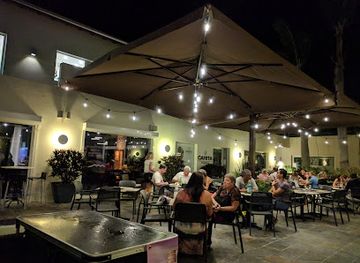


Best bars in Pelican Key
Evenings in Pelican Key are generally quiet and centred on waterfront restaurants, accommodation bars and relaxed drinks rather than a concentrated nightclub district. The nearby Simpson Bay area offers a larger selection of bars, live-music settings, sports bars, late dining and marina-oriented nightlife, making it the principal evening destination close to the neighbourhood. The atmosphere varies with the season and with the arrival of cruise and charter visitors, while venues and operating arrangements can change after storms. Travellers who prefer a peaceful base can return to Pelican Key after dinner, whereas those seeking a later night will usually need a taxi or designated driver. Cocktail bars, rum-based drinks, local beers and international wine lists are common, but alcohol is not necessary to enjoy the area's sunset views, harbour activity or evening restaurants.
-
Grill
Sunset Bar and Grill
Discover the flavors of the Caribbean at Sunset Bar and Grill, where every meal is complemented by stunning sunset views and a vibrant atmosphere.
-
Grill
Buccaneer Beach Bar
Buccaneer Beach Bar: A Caribbean Grill Experience in the Heart of Simpson Bay with Fresh Flavors and Lively Atmosphere.
-
Beach club
K Like Karakter - K Beach Club
Experience the vibrant atmosphere and stunning views at K Like Karakter - K Beach Club, a must-visit destination in Sint Maarten.
-
Bar
Topper's Restaurant & Bar
Discover the vibrant flavors and lively atmosphere at Topper's Restaurant & Bar in Simpson Bay, where every meal is a celebration of Caribbean cuisine.


Best nightclubs in Pelican Key
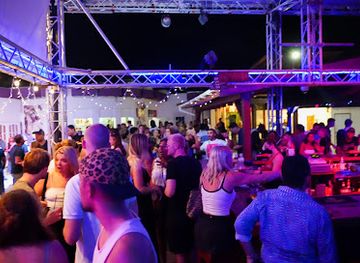
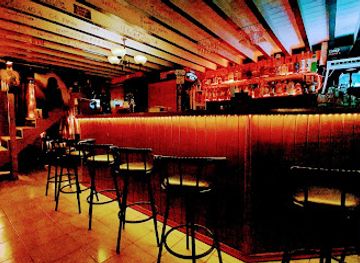
Evenings in Pelican Key are generally quiet and centred on waterfront restaurants, accommodation bars and relaxed drinks rather than a concentrated nightclub district. The nearby Simpson Bay area offers a larger selection of bars, live-music settings, sports bars, late dining and marina-oriented nightlife, making it the principal evening destination close to the neighbourhood. The atmosphere varies with the season and with the arrival of cruise and charter visitors, while venues and operating arrangements can change after storms. Travellers who prefer a peaceful base can return to Pelican Key after dinner, whereas those seeking a later night will usually need a taxi or designated driver. Cocktail bars, rum-based drinks, local beers and international wine lists are common, but alcohol is not necessary to enjoy the area's sunset views, harbour activity or evening restaurants.
-
Bar
Soggy Dollar Bar
Experience the vibrant atmosphere and tropical flavors at Soggy Dollar Bar in Sint Maarten, a perfect getaway for relaxation and fun.
-
Piano bar
The Red Piano SXM
Experience the vibrant nightlife of Sint Maarten at The Red Piano SXM, where live music and great drinks create unforgettable memories.
-
Restaurant
The Bar 3Angle formerly XLounge
Discover the ultimate nightlife experience at The Bar 3Angle in Simpson Bay, where great food, live music, and karaoke await.
-
Bar
The Hole in the Wall
Experience the vibrant nightlife and breathtaking views at The Hole in the Wall, a premier bar in Sint Maarten's tropical paradise.


Best shops in Pelican Key
Shopping within Pelican Key is limited and mainly serves residents and visitors staying in villas, apartments and small resorts. For everyday supplies, travellers generally use supermarkets, convenience shops and independent businesses in nearby Simpson Bay. That area also offers a wider selection of beachwear, souvenirs, boating supplies, jewellery, rum, spirits and locally themed gifts, while Philipsburg provides the island's best-known concentration of duty-free and cruise-oriented retail outside the region. Visitors looking for regional products can seek Caribbean sauces, spices, rum, crafts and food items, but should check customs allowances before taking goods across borders or home by air. Small independent shops and galleries tend to offer a more local character than generic souvenir outlets, although stock and opening arrangements can be seasonal. Pelican Key is therefore better suited to relaxed waterfront accommodation than to a dedicated shopping visit.
-
Gift shop
Topper's Rhum Distillery
Experience the rich tradition of rum-making at Topper's Rhum Distillery in Sint Maarten, where flavor meets culture in a vibrant atmosphere.
-
Building materials store
Kooyman Megastore Sint Maarten
Explore a vast selection of building materials and supplies at Kooyman Megastore Sint Maarten, your go-to destination for home improvement needs.
-
Jewelry store
Jewels & Beyond
Explore Jewels & Beyond in Sint Maarten for exquisite jewelry, stylish beachwear, and unique souvenirs that capture the island's vibrant spirit.
-
Shopping mall
Sint Rose Shopping Mall
Discover an exciting shopping experience at Sint Rose Shopping Mall, featuring local and international brands in the heart of Philipsburg.


Get your free copy of our complete guide to Pelican Key, delivered straight to you.
Everything on this page, from attractions and restaurants to essentials and local phrases, in one PDF you can read offline, print or share.
Already have an account? Sign in
Your Pelican Key guide is ready.
We'll send it to · Not you? Sign out

Getting your guide ready…
We are putting together a fresh copy of the Pelican Key guide. This can take up to a minute.
This can take a few moments. If your browser asks, choose Allow so the download can start. You'll find the guide in your Downloads folder.
Nothing happened? Download it again
Sorry, the guide is taking longer than usual. Please try again in a minute, or get it by email instead.
Pelican Key essentials
Currency and Payment
Safety
Emergency Situations
Do's and Don'ts
Local Tips
From Eve
Local phrases worth knowing
You don't need to get them perfect. A few words go a long way, and locals appreciate the effort.
Basics
| English | Local | Say it |
|---|---|---|
| Hello | Bonjou | [Bawn-zhoo] |
| Goodbye | Orevwa | [O-reh-vwah] |
| Yes | Wi | [Wee] |
| No | Non | [Non] |
| Please/You're welcome | Souple | [Soo-pleh] |
| Thank you | Mesi | [Meh-see] |
| Excuse me/Sorry | Eskize mwen | [Es-kee-zeh mwen] |
| How are you? | Kijan ou ye? | [Kee-zhan oo yay] |
| Fine. And you? | Mwen anfòm. E ou? | [Mwen ahn-fohm. Eh oo?] |
| Do you speak English? | Eske ou pale anglè? | [Es-keh oo pah-leh ahn-gleh] |
| I don't understand | Mwen pa konprann | [Mwen pah kon-pran] |
Eating & Drinking
| English | Local | Say it |
|---|---|---|
| I'd like to see the menu, please | Mwen ta renmen wè meni an, souple | [Mwen tah renn-men weh meh-nee ahn, soo-pleh] |
| I don't eat meat | Mwen pa manje vyann | [Mwen pah mahn-zheh vyahn] |
| Cheers! | Santé! | [Sahn-teh] |
| I would like to pay, please | Mwen ta renmen peye, souple | [Mwen tah renn-men peh-yeh, soo-pleh] |
Emergencies
| English | Local | Say it |
|---|---|---|
| Help! | Ede! | [Eh-deh] |
| Go away! | Ale! | [Ah-leh] |
| Call the Police! | Rele polis la! | [Reh-leh poh-lees lah!] |
| Call a doctor! | Rele yon doktè! | [Reh-leh yohn dok-teh!] |
| I'm lost | Mwen pèdi | [Mwen peh-dee] |
| I'm ill | Mwen malad | [Mwen mah-lahd] |
Shopping
| English | Local | Say it |
|---|---|---|
| I'd like to buy... | Mwen ta renmen achte... | [Mwen tah renn-men ah-shtay...] |
| I'm just looking | Mwen ap gade sèlman | [Mwen ap gah-deh sel-mahn] |
| How much is it? | Konbyen sa ye? | [Kohn-bee-ehn sah yay] |
| That's too expensive | Sa a twò chè | [Sah ah traw sheh] |
| Can you lower the price? | Eske ou ka bese pri a? | [Es-keh oo kah beh-seh pree ah?] |
Time & Numbers
| English | Local | Say it |
|---|---|---|
| What time is it? | Ki lè sa ye? | [Kee leh sah yay?] |
| It's one o'clock | Se yonn èdtan | [Seh yohn eh-tahn] |
| Half past (10) | Mi tan (10) | [Mee tahn (10)] |
| Morning | Maten | [Mah-ten] |
| Afternoon | Apre midi | [Ah-preh mee-dee] |
| Evening | Swa | [Swah] |
| Yesterday | Yè | [Yeh] |
| Today | Jodi | [Zho-dee] |
| Tomorrow | Demain | [Deh-mahn] |
| 1 | Yonn | [Yohn] |
| 2 | De | [Deh] |
| 3 | Twa | [Twah] |
| 4 | Katre | [Kah-treh] |
| 5 | Senki | [Senk-ee] |
| 6 | Sis | [Sees] |
| 7 | Sèt | [Set] |
| 8 | Huit | [Wheet] |
| 9 | Nèf | [Neff] |
| 10 | Dè | [Deh] |
Transport & Directions
| English | Local | Say it |
|---|---|---|
| Where's a/the...? | Ki kote a/the...? | [Kee koh-teh ah/the...?] |
| What's the address? | Ki adrès la? | [Kee ah-dress lah?] |
| Can you show me (on the map)? | Eske ou ka montre mwen (sou kat la)? | [Es-keh oo kah mohn-treh mwen (soo kaht lah)?] |
| When's the next (bus)? | Kilè pwochen (otobis la)? | [Kee-leh proh-shen (o-toh-bees lah)?] |
| A ticket (to ....) | Yon tikè (pou ....) | [Yohn tee-keh (poo ....)] |
History of Pelican Key
Indigenous Caribbean Settlement
Long before European colonisation, Sint Maarten was inhabited by Indigenous Caribbean peoples, including communities associated with the Taíno and later Kalinago worlds. Archaeological evidence across the island points to settlement, food gathering, fishing and the use of coastal resources. Pelican Key itself is a modern neighbourhood, and its built environment has obscured much of the earlier landscape, but its coastal position belongs to the same maritime setting that supported earlier communities. Indigenous place-making survives most clearly through archaeological interpretation and the wider historical understanding of the island rather than through a single major monument in Pelican Key.
European Claims and the 1648 Partition
Christopher Columbus's 1493 voyage brought the island into European imperial maps, although lasting settlement came later. Spain, the Netherlands and France all contested territory in the Lesser Antilles, and in 1648 Dutch and French representatives formalised the division of Sint Maarten, creating the political arrangement that still shapes the island. Pelican Key lies on the Dutch side, officially Sint Maarten, while French Saint-Martin occupies the northern part. The border is open in everyday travel, but the two sides retain different administrations, currencies in common use and public institutions.
Salt, Plantations and Enslaved Labour
For centuries, salt making, livestock, small-scale agriculture and maritime trade were important to the island's economy. The Dutch side's salt ponds and coastal settlements were connected to regional shipping networks, while plantation production relied heavily on enslaved African labour during the colonial period. Pelican Key was not a major plantation centre, but its location forms part of the island's wider coastal economic history. The legacies of slavery, emancipation and colonial inequality remain essential to understanding Sint Maarten's population, cultural traditions and historic landscapes.
From Maritime Island to Tourism Economy
During the twentieth century, improved shipping, aviation and communications altered Sint Maarten's economic direction. Fishing and local commerce continued, but tourism, hotels, restaurants, yachting and property development became increasingly important. The growth of Simpson Bay as a boating and service centre helped transform the surrounding peninsula, including Pelican Key, from a lightly developed coastal area into a residential and resort neighbourhood. This expansion linked the area to Sint Maarten's airports, marinas, cruise economy and international visitor market.
Constitutional Change in 2010
On 10 October 2010, the former Netherlands Antilles was dissolved. Sint Maarten became a constituent country within the Kingdom of the Netherlands, alongside the Netherlands, Aruba and Curaçao, while the northern part of the island remained the French overseas collectivity of Saint-Martin. This constitutional change did not alter Pelican Key's everyday geographic position, but it clarified the island's contemporary political framework. Visitors encounter Dutch Sint Maarten's own institutions and services while travelling across a small island that remains divided between two national administrations.
Hurricane Irma and Reconstruction
Hurricane Irma struck Sint Maarten in September 2017 as a major Atlantic hurricane, causing severe damage to homes, hotels, marinas, roads and public infrastructure across the island. Pelican Key and neighbouring Simpson Bay were among the developed coastal areas affected by powerful winds and storm surge. Reconstruction reshaped parts of the accommodation and waterfront landscape, while residents and businesses continued to adapt to the realities of living in a hurricane-prone region. The storm also reinforced the importance of seasonal preparedness, resilient building standards and responsible coastal development.
Pelican Key in Photos
Browse through our photo collection highlighting the charm and character of the destination.
Neighbouring regions of Pelican Key
The closest regions to Pelican Key, if you have time for more than one.
-

-

-

-

-


Swipe for more regions
Explore more

Explore more of Sint Maarten
Discover Sint Maarten: A Caribbean paradise with a blend of Dutch and French cultures, stunning beaches, vibrant nightlife, and unforgettable experiences.
Explore Sint Maarten