

Free Simpson Bay Travel Guide & Mobile App
Explore Simpson Bay with free travel guides. Discover regional history, expert tips, proposed trips, and audio guides on web or mobile app.


Discover Simpson Bay in Sint Maarten: A vibrant blend of stunning beaches, thrilling water sports, diverse dining, and lively nightlife in the Caribbean.
Read more about Simpson Bay
When is the best time to visit Simpson Bay?
Best: January–March · 30°C| Month | High (°C) | Rainfall (mm) |
|---|---|---|
| January (best) | 30 | 60 |
| February (best) | 30 | 55 |
| March (best) | 30 | 50 |
| April | 31 | 65 |
| May | 31 | 75 |
| June | 31 | 90 |
| July | 32 | 100 |
| August | 32 | 110 |
| September | 32 | 115 |
| October | 31 | 105 |
| November | 31 | 85 |
| December | 30 | 70 |
Getting to and around Simpson Bay
How to get there
Transportation
Best attractions in Simpson Bay
Simpson Bay in Sint Maarten offers a captivating blend of vibrant nightlife, pristine beaches, and thrilling water activities. Visitors can explore the bustling marina, where luxury yachts dock and waterfront restaurants serve up fresh seafood with a side of stunning ocean views. The area is renowned for its crystal-clear waters, making it perfect for snorkeling, diving, and sailing. History enthusiasts will appreciate the nearby remnants of colonial architecture and the stories they tell of the island's rich past. By day, relax on the powdery sands of Kim Sha Beach or take a boat trip to unspoiled neighboring islands; by night, dance to live music in lively beach bars or try your luck in the local casinos. Simpson Bay seamlessly blends relaxation with adventure, offering something for every type of traveler.
-
Tourist attraction
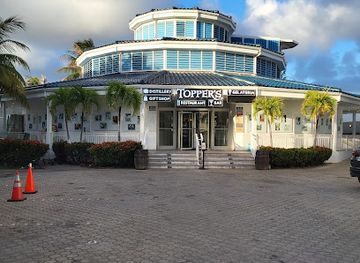
Topper's Rhum Distillery
Explore the vibrant flavors and rich culture of rum-making at Topper's Rhum Distillery in Sint Maarten, a must-visit for all travelers.
-
Tourist attraction
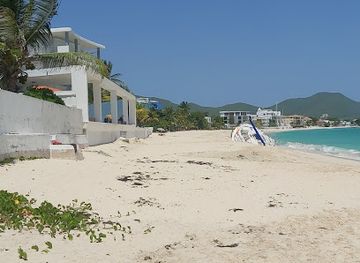
Simpson Bay Beach
Discover the beauty of Simpson Bay Beach, where golden sands meet turquoise waters, creating a perfect tropical getaway in Sint Maarten.
-
Tourist attraction
Tours.sx
Experience the vibrant culture and stunning beaches of Philipsburg, Sint Maarten, where history meets paradise for every traveler.

Best landmarks in Simpson Bay
Nestled in the heart of Sint Maarten, Simpson Bay offers a captivating blend of natural beauty and rich history, making it a must-visit destination for travelers. Begin your journey at the iconic Simpson Bay Lagoon, the largest inland body of water in the Caribbean, perfect for sailing and water sports enthusiasts. Step back in time at the historic Mary Star of the Sea Church, a charming landmark that showcases the island's religious heritage. For aviation aficionados, the thrilling experience of watching planes land just overhead at Maho Beach is unparalleled, offering an adrenaline rush like no other. The vibrant nightlife and dining scene along the Simpson Bay strip, with its eclectic mix of local and international cuisines, promise to tantalize your taste buds and keep the excitement going well into the night. Don't miss the chance to explore the Simpson Bay Bridge, which not only offers stunning panoramic views but also connects you to the island's bustling cultural and commercial hubs.
-
Tourist attraction
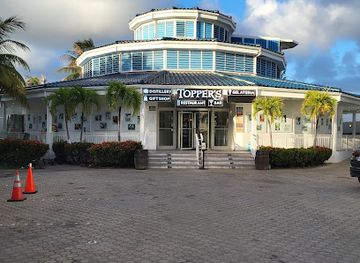
Topper's Rhum Distillery
Discover the art of rum-making at Topper's Rhum Distillery in Sint Maarten, where tradition meets flavor in every sip.
-
Beach
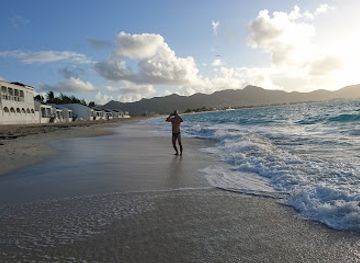
Kim Sha Beach
Experience the beauty of Kim Sha Beach in Simpson Bay, Sint Maarten— where golden sands meet crystal-clear waters for an unforgettable beach getaway.
-
Catholic church
Mary, Star of the Sea Catholic Church
Discover the serene beauty and spiritual ambiance of Mary, Star of the Sea Catholic Church, a beloved landmark in Simpson Bay, Sint Maarten.
-
Beach
Tahoma
Experience the tranquil beauty of Tahoma Beach in Simpson Bay, Sint Maarten - perfect for relaxation, adventure, and unforgettable sunsets.


Explore Simpson Bay on the map
Plan your trip on one map. See where the top cities, national parks and sights are, and book hotels and experiences in a few clicks.
Best hotels in Simpson Bay
Best restaurants in Simpson Bay
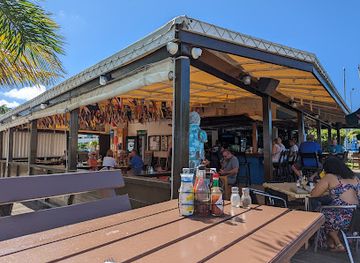
Simpson Bay in Sint Maarten offers a vibrant and eclectic dining scene that seamlessly blends Caribbean flavors with international cuisines, making it a culinary paradise for food enthusiasts. Visitors can expect a delightful array of eateries ranging from upscale waterfront restaurants to charming local bistros and lively beachside bars. Fresh seafood is a highlight, with many establishments serving catch-of-the-day specials that showcase the island's bountiful marine offerings. The area also boasts an impressive selection of international dining options, including French, Italian, Asian, and American cuisines, ensuring that every palate is satisfied. Whether you're savoring a gourmet meal with a view of the shimmering bay or indulging in a casual bite at a roadside food truck, the dining experience in Simpson Bay is both diverse and unforgettable.
-
Restaurant
Pineapple Pete Restaurant
Discover a taste of Sint Maarten at Pineapple Pete Restaurant – where delicious cuisine meets vibrant island vibes.
-
Restaurant
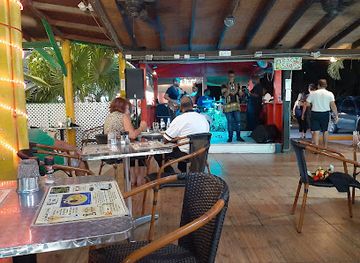
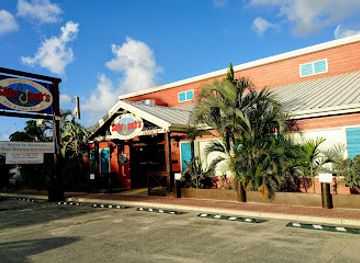
Skip Jack's
Discover Skip Jack's in Simpson Bay - where fresh seafood meets Caribbean charm for an unforgettable dining experience.
-
Restaurant
Sint Maarten Yacht Club
Discover exquisite dining and stunning marina views at Sint Maarten Yacht Club - where culinary excellence meets nautical charm.
-
Thai
Avantika
Experience authentic Thai flavors at Avantika in Sint Maarten – where tradition meets innovation amidst stunning bay views.

Best bars in Simpson Bay
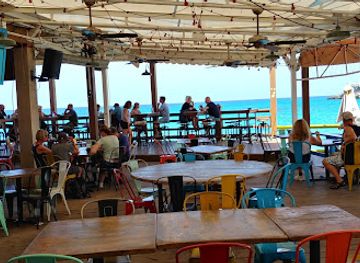
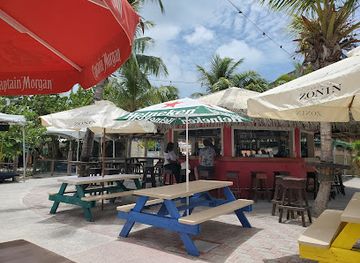
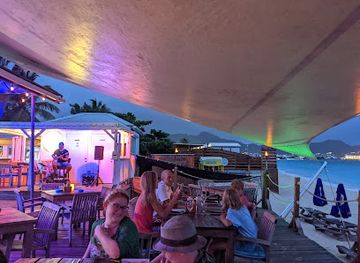
Simpson Bay's nightlife scene is a vibrant tapestry of energy and excitement, offering a diverse array of experiences for every kind of traveler. As the sun sets, the bay transforms into a lively hub with its waterfront bars and nightclubs pulsating with infectious rhythms. Dance the night away at popular spots like Soggy Dollar Bar and Red Piano, where live music and DJ sets keep the atmosphere buzzing. For a more laid-back vibe, enjoy a cocktail at one of the many beach bars, such as Buccaneer Beach Bar, where you can sip your drink with your toes in the sand and the sound of waves in the background. The area is also known for its eclectic mix of international cuisines, with numerous restaurants offering late-night dining that ranges from gourmet seafood to local Caribbean delights. Whether you're looking to party until dawn or enjoy a relaxed evening under the stars, Simpson Bay promises an unforgettable night out.
-
Grill
Sunset Bar and Grill
Experience the vibrant flavors and breathtaking sunsets at Sunset Bar and Grill, the island's culinary jewel in Simpson Bay.
-
Grill
Buccaneer Beach Bar
Experience the vibrant flavors and stunning views at Buccaneer Beach Bar, where every meal feels like a tropical getaway.
-
Beach club
K Like Karakter - K Beach Club
Experience the vibrant ambiance and stunning views at K Like Karakter - the premier beach club in Simpson Bay, Sint Maarten.
-
Bar
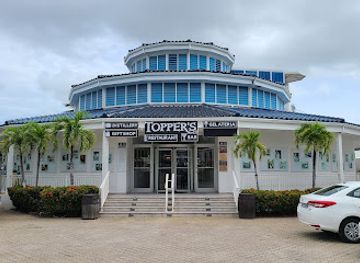
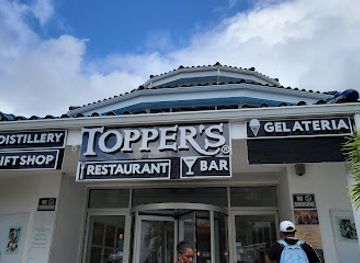
Topper's Restaurant & Bar
Experience the vibrant culture and culinary delights of Topper's Restaurant & Bar in Simpson Bay, St. Maarten, where food and fun come together.
Best nightclubs in Simpson Bay
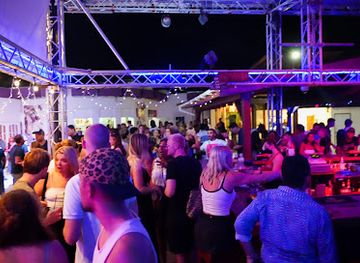
Simpson Bay's nightlife scene is a vibrant tapestry of energy and excitement, offering a diverse array of experiences for every kind of traveler. As the sun sets, the bay transforms into a lively hub with its waterfront bars and nightclubs pulsating with infectious rhythms. Dance the night away at popular spots like Soggy Dollar Bar and Red Piano, where live music and DJ sets keep the atmosphere buzzing. For a more laid-back vibe, enjoy a cocktail at one of the many beach bars, such as Buccaneer Beach Bar, where you can sip your drink with your toes in the sand and the sound of waves in the background. The area is also known for its eclectic mix of international cuisines, with numerous restaurants offering late-night dining that ranges from gourmet seafood to local Caribbean delights. Whether you're looking to party until dawn or enjoy a relaxed evening under the stars, Simpson Bay promises an unforgettable night out.
-
Bar
Soggy Dollar Bar
Experience the vibrant Caribbean atmosphere at Soggy Dollar Bar, a lively waterfront spot in Simpson Bay, perfect for cocktails and sunsets.
-
Restaurant
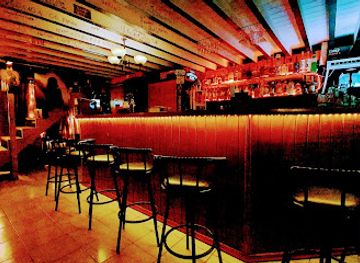
The Bar 3Angle formerly XLounge
Experience the best of nightlife at The Bar 3Angle in Simpson Bay, where karaoke, live music, and sports come together for unforgettable evenings.
-
Club
Lotus Nightclub Sxm
Discover the vibrant nightlife at Lotus Nightclub SXM in Simpson Bay, where stunning design meets an electrifying atmosphere for unforgettable nights.
-
Night club
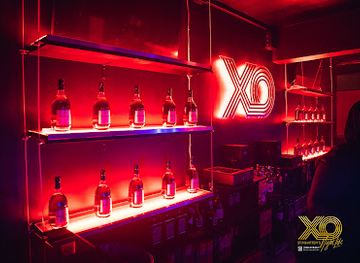
XO ST.MAARTEN'S NIGHTLIFE
Dive into the lively atmosphere at XO St. Maarten's Nightlife, where drinks flow and the music keeps you dancing until dawn.

Best shops in Simpson Bay
Simpson Bay's shopping scene is a vibrant blend of eclectic boutiques, chic beachfront shops, and bustling local markets that cater to every taste and desire. Visitors can meander through quaint stores offering unique Caribbean-inspired fashion, handmade jewelry, and exquisite local crafts, perfect for those seeking one-of-a-kind souvenirs. The area also boasts high-end stores featuring international luxury brands, ensuring that even the most discerning shoppers find their treasures. As you stroll through the lively streets, the scent of freshly brewed coffee from charming cafes and the colorful displays of tropical fruits at the market stalls create an inviting atmosphere that's hard to resist. Whether you're hunting for artisanal goods or indulging in some retail therapy with a view of the azure waters, Simpson Bay promises an unforgettable shopping experience.
-
Gift shop
Topper's Rhum Distillery
Experience the heart of Caribbean craft at Topper's Rhum Distillery in Sint Maarten, where tradition meets taste in every bottle.
-
Bakery
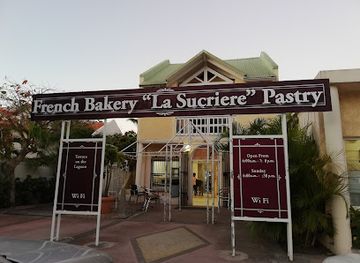
La Sucriere
Discover the delightful flavors of La Sucriere, where every bite is a sweet celebration of local pastry artistry in Simpson Bay.
-
Supermarket
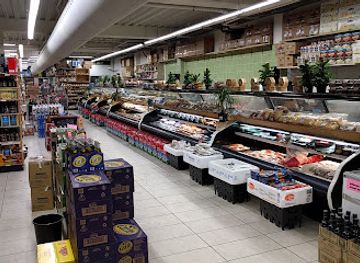
Market Garden Supermarket
Discover the vibrant flavors of Sint Maarten at Market Garden Supermarket, your go-to spot for fresh produce, local specialties, and international goods.
-
Building materials store
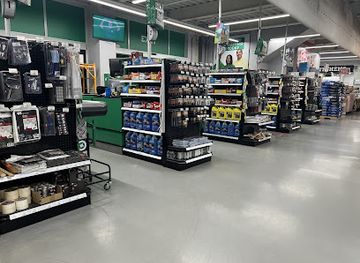
Kooyman Megastore Sint Maarten
Explore Kooyman Megastore Sint Maarten for all your building materials and home improvement needs in a welcoming and knowledgeable environment.
Get your free copy of our complete guide to Simpson Bay, delivered straight to you.
Everything on this page, from attractions and restaurants to essentials and local phrases, in one PDF you can read offline, print or share.
Already have an account? Sign in
Your Simpson Bay guide is ready.
We'll send it to · Not you? Sign out

Getting your guide ready…
We are putting together a fresh copy of the Simpson Bay guide. This can take up to a minute.
This can take a few moments. If your browser asks, choose Allow so the download can start. You'll find the guide in your Downloads folder.
Nothing happened? Download it again
Sorry, the guide is taking longer than usual. Please try again in a minute, or get it by email instead.
Simpson Bay essentials
Currency and Payment
Safety
Emergency Situations
Do's and Don'ts
Local Tips
From Eve
Local phrases worth knowing
You don't need to get them perfect. A few words go a long way, and locals appreciate the effort.
Basics
| English | Local | Say it |
|---|---|---|
| Hello | Bonjou | [bawn-zhoo] |
| Goodbye | Orevwa | [oh-reh-vwah] |
| Yes | Wi | [wee] |
| No | Non | [nawn] |
| Please/You're welcome | Souple | [soo-play] |
| Thank you | Mesi | [meh-see] |
| Excuse me/Sorry | Eskize mwen | [es-kee-zeh mwahn] |
| How are you? | Kijan ou ye? | [kee-zhan oo yay] |
| Fine. And you? | Byen. E ou? | [byen. eh oo] |
| Do you speak English? | Es ou pale Anglais? | [es oo pah-lay ahn-glay] |
| I don't understand | Mwen pa konprann | [mwen pah kon-pran] |
Eating & Drinking
| English | Local | Say it |
|---|---|---|
| I'd like to see the menu, please | Mwen ta renmen wè meni an, souple | [mwen tah ren-men weh meh-nee ahn, soo-play] |
| I don't eat meat | Mwen pa manje vyann | [mwen pah mahn-zhey vyahn] |
| Cheers! | Santé! | [sahn-tay] |
| I would like to pay, please | Mwen ta renmen peye, souple | [mwen tah ren-men peh-yeh, soo-play] |
Emergencies
| English | Local | Say it |
|---|---|---|
| Help! | S.O.S! | [ess-oh-ess] |
| Go away! | Ale ale! | [ah-leh ah-leh] |
| Call the Police! | Rele polis la! | [reh-leh poh-lees lah] |
| Call a doctor! | Rele yon doktè! | [reh-leh yohn dok-teh] |
| I'm lost | Mwen pèdi | [mwen peh-dee] |
| I'm ill | Mwen malad | [mwen mah-lahd] |
Shopping
| English | Local | Say it |
|---|---|---|
| I'd like to buy... | Mwen ta renmen achte... | [mwen tah ren-men ah-shteh] |
| I'm just looking | Mwen ap gade | [mwen ahp gah-deh] |
| How much is it? | Konbyen sa koute? | [kohn-byen sah koo-teh] |
| That's too expensive | Sa twò chè | [sah troh shay] |
| Can you lower the price? | Es ou ka bese pri a? | [es oo kah beh-seh pree ah] |
Time & Numbers
| English | Local | Say it |
|---|---|---|
| What time is it? | Ki lè li ye? | [kee leh lee yay] |
| It's one o'clock | Li se yon èdtan | [lee seh yohn eh-dahn] |
| Half past (10) | Dis èdtan | [dees eh-dahn] |
| Morning | Maten | [mah-ten] |
| Afternoon | Apre midi | [ah-preh mee-dee] |
| Evening | Swa | [swah] |
| Yesterday | Yè | [yeh] |
| Today | Jodi a | [zho-dee ah] |
| Tomorrow | Demain | [deh-mehn] |
| 1 | Youn | [yoon] |
| 2 | De | [deh] |
| 3 | Twa | [twa] |
| 4 | Katre | [ka-tree] |
| 5 | Senk | [sank] |
| 6 | Sis | [sees] |
| 7 | Sèt | [set] |
| 8 | Wit | [weet] |
| 9 | Nèf | [neff] |
| 10 | Dis | [dees] |
Transport & Directions
| English | Local | Say it |
|---|---|---|
| Where's a/the...? | Ki kote a/the...? | [kee koh-teh ah/the] |
| What's the address? | Ki adrès la? | [kee ah-dress lah] |
| Can you show me (on the map)? | Es ou ka montre mwen (sou kat la)? | [es oo kah mohn-treh mwahn (soo kaht lah)] |
| When's the next (bus)? | Kilè pwochen (bis la)? | [kee-leh proh-shen (bees lah)] |
| A ticket (to ....) | Yon tikè (pou ...) | [yohn tee-keh (poo ...)] |
History of Simpson Bay
Early Settlement and Indigenous Roots
Long before European explorers set foot on the island, Simpson Bay was inhabited by the indigenous Arawak people. These early settlers thrived on fishing and farming, leaving behind archaeological evidence of their presence. The Arawaks were known for their craftsmanship and navigational skills, which played a crucial role in the development of the island's early culture.
European Colonization
In the 17th century, the Dutch and French arrived on the island, seeking to expand their colonial empires. Simpson Bay became a strategic point of interest due to its sheltered harbor and fertile lands. The Treaty of Concordia in 1648 established a peaceful division of the island between the Dutch and French, with Simpson Bay falling under Dutch control. This period marked the beginning of European influence on the local culture and economy.
Pirates and Privateers
During the 17th and 18th centuries, the Caribbean was a hotbed of pirate activity, and Simpson Bay was no exception. The bay's secluded coves provided the perfect hideouts for pirates and privateers. These seafaring adventurers would often raid passing ships, adding an element of danger and excitement to Simpson Bay's history. Stories of buried treasure and legendary pirates like Blackbeard continue to captivate the imagination of locals and visitors alike.
The Salt Industry
Simpson Bay played a significant role in the island's salt industry during the 19th century. The bay's natural salt pans were utilized for salt extraction, which became a major export commodity. This industry attracted laborers from various parts of the Caribbean, contributing to the area's diverse cultural tapestry. Remnants of the salt industry can still be seen today, providing a glimpse into this important chapter of Simpson Bay's economic history.
World War II and Aviation
World War II brought significant changes to Simpson Bay, as the island became a strategic location for the Allied forces. The construction of Princess Juliana International Airport in 1942 marked the beginning of Simpson Bay's transformation into a hub for aviation. The airport's proximity to the bay has made it one of the most famous in the world, known for its dramatic low-altitude landings over Maho Beach. This development spurred tourism and modernized the local economy.
Modern Tourism Boom
The latter half of the 20th century saw Simpson Bay evolve into a premier tourist destination. With its pristine beaches, vibrant nightlife, and luxury resorts, the area began attracting visitors from around the globe. The development of marinas and yacht clubs further cemented Simpson Bay's reputation as a playground for the rich and famous. The tourism boom has brought prosperity to the area while also presenting challenges related to sustainability and cultural preservation.
Resilience in the Face of Natural Disasters
Simpson Bay, like much of Sint Maarten, has faced its share of natural disasters, including hurricanes. The most notable in recent history is Hurricane Irma in 2017, which caused widespread destruction. The community's resilience and determination to rebuild have been remarkable, demonstrating the enduring spirit of Simpson Bay's residents. Recovery efforts have focused on restoring infrastructure, supporting local businesses, and enhancing disaster preparedness.
Simpson Bay in Photos
Browse through our photo collection highlighting the charm and character of the destination.
Neighbouring regions of Simpson Bay
The closest regions to Simpson Bay, if you have time for more than one.
-

-

-

-

-


Swipe for more regions
Explore more

Explore more of Sint Maarten
Discover Sint Maarten: A Caribbean paradise with a blend of Dutch and French cultures, stunning beaches, vibrant nightlife, and unforgettable experiences.
Explore Sint Maarten