

Free Philipsburg Travel Guide & Mobile App
Explore Philipsburg with free travel guides. Discover regional history, expert tips, proposed trips, and audio guides on web or mobile app.


Explore Philipsburg in Sint Maarten for Great Bay beaches, Dutch Caribbean history, waterfront dining, museums and duty-free shopping.
Read more about Philipsburg
When is the best time to visit Philipsburg?
Best: January–March · 29°C| Month | High (°C) | Rainfall (mm) |
|---|---|---|
| January (best) | 29 | 60 |
| February (best) | 29 | 50 |
| March (best) | 29 | 50 |
| April | 30 | 60 |
| May | 30 | 70 |
| June | 30 | 70 |
| July | 31 | 80 |
| August | 31 | 90 |
| September | 31 | 100 |
| October | 30 | 100 |
| November | 30 | 90 |
| December | 29 | 70 |
Getting to and around Philipsburg
How to get there
Transportation
Top city travel guides in Philipsburg
The cities of Philipsburg, and the easiest places to base yourself.
-

-

-


Swipe for more cities
Destinations in Philipsburg
Resorts, valleys and scenic spots worth a trip of their own.
-

-

-

-

-

-


Swipe for more destinations
Best attractions in Philipsburg
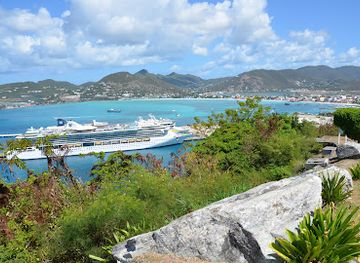
Philipsburg’s attractions are concentrated but varied, making the town suitable for a half-day visit or a longer stay. Great Bay Beach and the Boardwalk form the main public waterfront, with swimming, views of ships and easy access to restaurants and shops. Front Street’s historic buildings lead to cultural sites including the Sint Maarten Museum, where displays explain Indigenous heritage, colonial settlement, slavery, salt production and the island’s modern society. The Yoda Guy Movie Exhibit offers a more specialised attraction centred on film memorabilia and effects. Fort Amsterdam, on the nearby peninsula, combines military history with broad views across Great Bay and Little Bay. The Great Salt Pond adds an environmental and historical dimension, recalling the salt industry that preceded mass tourism. Philipsburg is also a practical departure point for island-wide beach, sailing and sightseeing excursions, although northern beaches, the French side and rural landscapes lie beyond the town and should be planned as separate outings.
-
Nature preserve
Loterie Farm
Experience the breathtaking beauty of Loterie Farm, where nature, adventure, and fine dining come together in St. Martin.
-
Market
Marigot Market
Discover the heart of St. Martin at Marigot Market, where vibrant local culture meets delicious Caribbean flavors in a lively shopping experience.
-
Tourist attraction
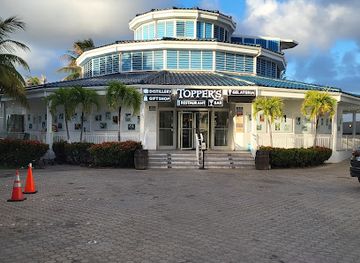
Topper's Rhum Distillery
Explore the rich flavors and craftsmanship of Caribbean rum at Topper's Rhum Distillery in Cole Bay, Sint Maarten, a true rum lover's paradise.
-
Park
Parotte Ville Bird Park
Discover the vibrant world of exotic birds at Parotte Ville Bird Park in Philipsburg, Sint Maarten - a tropical paradise for nature lovers.
Best landmarks in Philipsburg
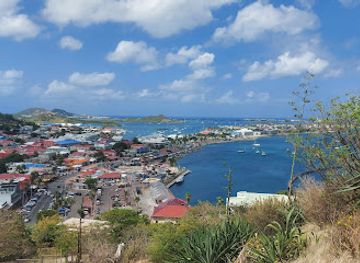
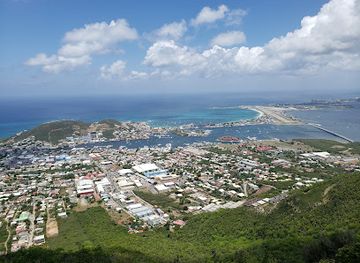
The white Courthouse on Front Street is Philipsburg’s best-known civic landmark, with its steep roof, wooden detailing and central position reflecting the town’s long administrative role. Nearby historic façades and the former Methodist church help define the capital’s compact architectural character, even though hurricanes and redevelopment have altered parts of the streetscape. Fort Amsterdam, positioned on the peninsula overlooking the entrance to Great Bay, is the town’s most important surviving military landmark; its remains recall the strategic rivalry that shaped the island in the seventeenth century. The Great Salt Pond is a natural and industrial landmark rather than a formal monument, linking the modern capital to centuries of salt gathering. Great Bay itself provides Philipsburg’s defining geographical image, framed by the beach, harbour and hillside viewpoints. Together these places show how defence, administration, maritime trade, salt and tourism have successively shaped the capital.
-
Cruise terminal
Port Of St. Maarten
Experience the vibrant culture, stunning views, and culinary delights at the Port of St. Maarten - your gateway to Caribbean adventures.
-
 Hotel
HotelDivi Little Bay Beach Resort
Discover the ultimate tropical getaway at Divi Little Bay Beach Resort in Sint Maarten, where relaxation meets adventure in a stunning beachfront paradise.
-
Island
Saint Martin
Experience the breathtaking beauty, vibrant culture, and culinary delights of Saint Martin, a Caribbean paradise that offers endless adventures for every traveler.
-
Park
Rainforest Adventure St Maarten
Discover the thrill of nature at Rainforest Adventure St Maarten, where adventure meets breathtaking tropical beauty.
Explore Philipsburg on the map
Plan your trip on one map. See where the top cities, national parks and sights are, and book hotels and experiences in a few clicks.
Best hotels in Philipsburg
Best restaurants in Philipsburg
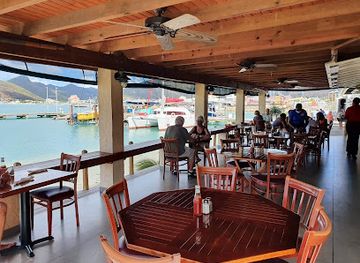
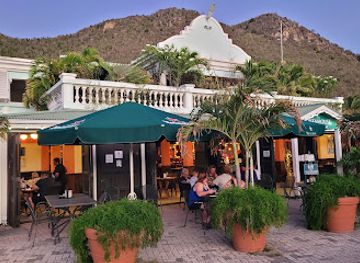
Dining in Philipsburg centres on the Boardwalk, Front Street and the harbour, where menus range from casual beach meals to more polished restaurants. Seafood, grilled fish, shellfish and Caribbean-seasoned dishes are natural choices in a waterfront town, while menus also reflect Sint Maarten’s international population and its connections with neighbouring islands. Visitors will find burgers, pizzas, steaks, French-influenced cooking, Asian dishes and other familiar options alongside local preparations. Rum-based drinks, tropical juices and cold beers feature prominently, although imported wines and spirits are readily available in the commercial centre. Cafés and bakeries suit a lighter breakfast or lunch, and small food stalls can provide inexpensive snacks when the town is busy. Prices are generally shaped by tourism and imported ingredients, so checking menus before sitting down is sensible. Dining becomes quieter after cruise visitors leave, while evening meals on the Boardwalk focus on sea views and a relaxed port-town atmosphere.
-
Restaurant
Chesterfields Restaurant & Bar
Experience exquisite dining with stunning sea views at Chesterfields Restaurant & Bar in Philipsburg, Sint Maarten.
-
Restaurant
Greenhouse
Experience authentic Caribbean cuisine at The Greenhouse in Philipsburg - a vibrant culinary oasis with fresh flavors and warm hospitality.
-
Restaurant
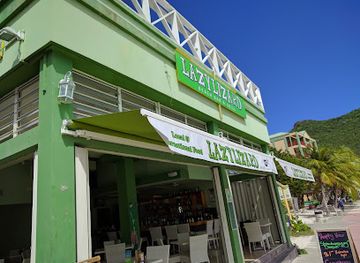
Lazy Lizard Restaurant & Craft Bar
Discover culinary delights at Lazy Lizard Restaurant & Craft Bar in Philipsburg, where vibrant flavors meet stunning island views.
-
Restaurant
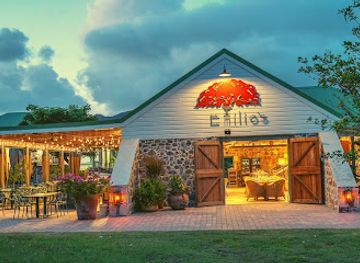
Emilio's...Dine with History
Experience exquisite Caribbean fusion cuisine at Emilio's, where every meal is steeped in history and flavor.
Best bars in Philipsburg
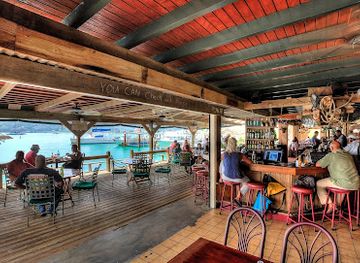
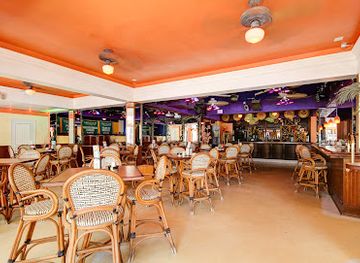
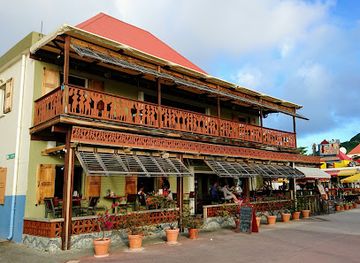
Evening life in Philipsburg is centred on the Boardwalk, Front Street and the harbour rather than on a large, concentrated club district. Waterfront bars and restaurants offer rum drinks, cocktails, beer, live music and sunset seating, while historic streets contain smaller bars where the atmosphere is more conversational. On busy cruise days, venues may become lively in the afternoon before settling into a slower evening rhythm. Entertainment ranges from Caribbean and international music to casual socialising, with larger nightclubs and late-night venues found elsewhere on the island rather than throughout the capital. Visitors should check current arrangements locally, as opening patterns and entertainment schedules change with the season, cruise calendar and weather. Taxis are the practical choice for returning to accommodation outside central Philipsburg, and responsible drinking is particularly important when combining alcohol with heat, swimming or unfamiliar roads.
-
Restaurant
Chesterfields Restaurant & Bar
Discover the culinary delights of Chesterfields Restaurant & Bar in Philipsburg, where Caribbean flavors meet international cuisine in a stunning setting.
-
Restaurant
Greenhouse
Discover the flavors of the Caribbean at Greenhouse, Philipsburg's premier dining destination for fresh, local cuisine and a relaxed atmosphere.
-
Restaurant
Lazy Lizard Restaurant & Craft Bar
Discover the vibrant flavors and lively atmosphere of Lazy Lizard Restaurant & Craft Bar in Philipsburg, a top destination for culinary delights.
-
Caribbean
Taloula Mango’s / Blue Bitch Bar
Discover the vibrant Caribbean flavors at Taloula Mango’s / Blue Bitch Bar in Philipsburg, where every meal is a celebration of local culture.

Best nightclubs in Philipsburg
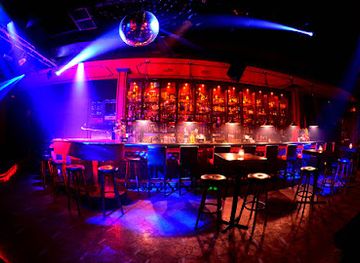
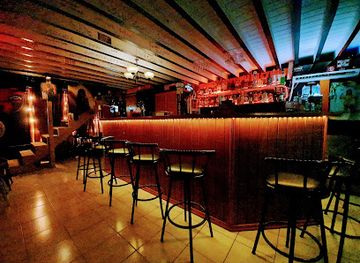
Evening life in Philipsburg is centred on the Boardwalk, Front Street and the harbour rather than on a large, concentrated club district. Waterfront bars and restaurants offer rum drinks, cocktails, beer, live music and sunset seating, while historic streets contain smaller bars where the atmosphere is more conversational. On busy cruise days, venues may become lively in the afternoon before settling into a slower evening rhythm. Entertainment ranges from Caribbean and international music to casual socialising, with larger nightclubs and late-night venues found elsewhere on the island rather than throughout the capital. Visitors should check current arrangements locally, as opening patterns and entertainment schedules change with the season, cruise calendar and weather. Taxis are the practical choice for returning to accommodation outside central Philipsburg, and responsible drinking is particularly important when combining alcohol with heat, swimming or unfamiliar roads.
-
Piano bar
The Red Piano SXM
Discover the vibrant nightlife at The Red Piano SXM, where live music and great drinks create unforgettable experiences in Sint Maarten.
-
Bar
Big Bastaard's Beach Bar
Experience the vibrant Caribbean culture at Big Bastaard's Beach Bar, where sun, sea, and delicious food come together in Philipsburg.
-
Restaurant
The Bar 3Angle formerly XLounge
Experience the vibrant nightlife at The Bar 3Angle in Simpson Bay, a perfect blend of karaoke, live music, and sports entertainment.
-
Bar
Dirty Sanchez Crew Bar
Discover Dirty Sanchez Crew Bar in Philipsburg, where vibrant nightlife and friendly vibes await every visitor.

Best shops in Philipsburg
Shopping is one of Philipsburg’s most established visitor activities, especially along Front Street and the streets around the cruise port. Jewellery, watches, perfumes, spirits, cosmetics and electronics are widely represented, with duty-free status contributing to the town’s commercial reputation; compare prices, verify guarantees and keep receipts before making expensive purchases. Back Street has traditionally offered a broader mix of clothing, shoes and everyday goods, while smaller independent shops sell souvenirs, island-themed gifts, artwork and locally made crafts. Supermarkets and specialist food shops are useful for rum, hot sauces, spices and other Caribbean products, although some items are imported rather than produced on Sint Maarten. The Boardwalk combines retail with cafés and beach services, making it convenient for browsing between swims. Shopping patterns can follow cruise arrivals closely, so the busiest streets may be crowded during the day and calmer after ships depart.
-
Jewelry store
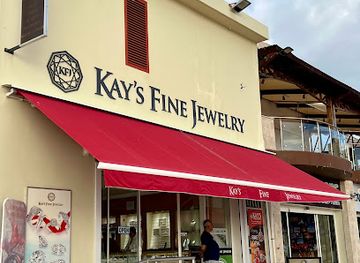
Kay's Fine Jewelry
Explore Kay's Fine Jewelry in Philipsburg, where exquisite craftsmanship meets personalized service, creating unforgettable shopping experiences.
-
Shopping mall
Phillipsburg, Sint Maarten
Discover the vibrant shopping culture of Philipsburg, Sint Maarten, where local vendors and duty-free shops await to enchant tourists.
-
Shopping mall
Sint Rose Shopping Mall
Explore Sint Rose Shopping Mall in Philipsburg for a unique shopping experience featuring local crafts, fashion, and delicious dining options.
-
Electronics store
Klass Electronics
Discover the best in electronics at Klass Electronics in Philipsburg, your ultimate destination for gadgets and tech accessories.


Get your free copy of our complete guide to Philipsburg, delivered straight to you.
Everything on this page, from attractions and restaurants to essentials and local phrases, in one PDF you can read offline, print or share.
Already have an account? Sign in
Your Philipsburg guide is ready.
We'll send it to · Not you? Sign out

Getting your guide ready…
We are putting together a fresh copy of the Philipsburg guide. This can take up to a minute.
This can take a few moments. If your browser asks, choose Allow so the download can start. You'll find the guide in your Downloads folder.
Nothing happened? Download it again
Sorry, the guide is taking longer than usual. Please try again in a minute, or get it by email instead.
Philipsburg essentials
Currency and Payment
Safety
Emergency Situations
Do's and Don'ts
Local Tips
From Eve
Local phrases worth knowing
You don't need to get them perfect. A few words go a long way, and locals appreciate the effort.
Basics
| English | Local | Say it |
|---|---|---|
| Hello | Bonjou | [bawn-zhoo] |
| Goodbye | A reveder | [ah reh-veh-deh] |
| Yes | Wi | [wee] |
| No | Non | [non] |
| Please/You're welcome | Souple | [soo-play] |
| Thank you | Mesi | [meh-see] |
| Excuse me/Sorry | Eskize | [es-kee-zay] |
| How are you? | Kouman ou ye? | [koo-mahn oo yay] |
| Fine. And you? | Bon. E ou? | [bawn. eh oo?] |
| Do you speak English? | Es ou ka pale Anglais? | [es oo kah pah-lay ahn-glay] |
| I don't understand | Mwen pa konprann | [mwen pah kon-pran] |
Eating & Drinking
| English | Local | Say it |
|---|---|---|
| I'd like to see the menu, please | Mwen ta renmen wè meni an, souple | [mwen tah rehn-men way meh-nee ahn, soo-play] |
| I don't eat meat | Mwen pa manje vyann | [mwen pah mahn-jay vyahn] |
| Cheers! | Santé! | [sahn-tay] |
| I would like to pay, please | Mwen ta renmen peye, souple | [mwen tah rehn-men pay-ay, soo-play] |
Emergencies
| English | Local | Say it |
|---|---|---|
| Help! | Ede! | [eh-day] |
| Go away! | Ale ale! | [ah-lay ah-lay] |
| Call the Police! | Rele polis la! | [reh-lay poh-lees lah] |
| Call a doctor! | Rele yon doktè! | [reh-lay yohn dok-tay] |
| I'm lost | Mwen pèdi | [mwen peh-dee] |
| I'm ill | Mwen malad | [mwen mah-lahd] |
Shopping
| English | Local | Say it |
|---|---|---|
| I'd like to buy... | Mwen ta renmen achte... | [mwen tah rehn-men ahsh-tay...] |
| I'm just looking | Mwen ap gade | [mwen ahp gah-day] |
| How much is it? | Konbyen li koute? | [kohn-byen lee koo-tay] |
| That's too expensive | Sa a twò chè | [sah ah troh shay] |
| Can you lower the price? | Es ou ka bese pri a? | [es oo kah beh-say pree ah?] |
Time & Numbers
| English | Local | Say it |
|---|---|---|
| What time is it? | Ki lè li ye? | [kee leh lee yay] |
| It's one o'clock | Li yonn | [lee yohn] |
| Half past (10) | Midan (10) | [mee-dahn (10)] |
| Morning | Maten | [mah-ten] |
| Afternoon | Apre midi | [ah-preh mee-dee] |
| Evening | Aswè | [ah-sweh] |
| Yesterday | Yè | [yeh] |
| Today | Jodi a | [zho-dee ah] |
| Tomorrow | Demain | [deh-manh] |
| 1 | Yonn | [yohn] |
| 2 | De | [day] |
| 3 | Twa | [twa] |
| 4 | Katre | [kah-tray] |
| 5 | Sink | [sank] |
| 6 | Siz | [seez] |
| 7 | Sèt | [set] |
| 8 | Huit | [weet] |
| 9 | Nèf | [neff] |
| 10 | Dix | [dees] |
Transport & Directions
| English | Local | Say it |
|---|---|---|
| Where's a/the...? | Kote a/yonn...? | [koh-tay ah/yohn...?] |
| What's the address? | Ki adrès la? | [kee ah-dress lah?] |
| Can you show me (on the map)? | Es ou ka montre mwen (sou kat la)? | [es oo kah mohn-tray mwen (soo kaht lah)?] |
| When's the next (bus)? | Kilè pwochen (bis) la? | [kee-leh proh-shen (bees) lah?] |
| A ticket (to ....) | Yon tikè (pou ....) | [yohn tee-kay (poo ....)] |
History of Philipsburg
Indigenous Settlement and European Arrival
Before European colonisation, Sint Maarten was inhabited by Indigenous peoples associated with the Arawakan-speaking Caribbean world, followed later by Kalinago communities. Christopher Columbus recorded the island during his 1493 voyage, but sustained European settlement came much later. French and Dutch interests competed for the island because of its position in the north-eastern Caribbean and its deposits of salt. This early history is represented in local museum collections and archaeological evidence, although the modern capital was established only after the colonial contest for the island had begun.
Dutch Settlement and Fort Amsterdam
The Dutch established a presence on the southern part of the island in the seventeenth century, using the harbour and salt ponds as economic and strategic assets. Fort Amsterdam, built on the peninsula west of Great Bay, guarded the approach to the settlement and its anchorage. Control of Sint Maarten shifted during periods of European conflict, and the island was occupied by both Dutch and Spanish forces before the Dutch and French division was formalised in 1648. That open border remains one of the defining political features of the island.
The Founding of Philipsburg in the Eighteenth Century
Philipsburg developed in the eighteenth century under the leadership of John Philips, a Scottish-born Dutch privateer and administrator associated with the town’s foundation in 1763. Its position between Great Bay and the Great Salt Pond made it a practical centre for maritime trade and local administration. The settlement grew around the harbour, salt production and connections with other Caribbean islands. The town’s name and much of its early urban identity date from this period, although later rebuilding altered many of its original structures.
Salt, Plantations and Enslaved Labour
For centuries, salt production was central to the economy around Philipsburg. Salt was collected from the Great Salt Pond and exported for preserving food, while small plantations and maritime trade supplemented the local economy. These systems depended heavily on the forced labour of enslaved Africans, whose descendants form an important part of Sint Maarten’s population and cultural history. The legacy of slavery is essential to understanding the island’s colonial wealth, social structure and later development, even though comparatively few plantation buildings survive in central Philipsburg.
Administrative Change and the Modern Capital
Philipsburg remained the principal administrative and commercial centre of the Dutch part of the island as Caribbean colonial government evolved. Sint Maarten was formerly part of the Netherlands Antilles, a federation within the Kingdom of the Netherlands. When that federation was dissolved in 2010, Sint Maarten became a constituent country within the Kingdom, with Philipsburg as its capital. The change strengthened the town’s role as the seat of government while preserving the wider constitutional links that shape travel, citizenship and public administration.
Tourism, Cruise Shipping and Hurricane Recovery
After the Second World War, improved air and sea connections transformed Sint Maarten’s economy from one based largely on salt, agriculture, small-scale trade and maritime activity into one centred on tourism. Philipsburg became a major cruise destination and a popular base for shopping, beaches and excursions across the island. Hurricane Irma, which struck in 2017, caused severe damage to buildings, infrastructure and tourism businesses. Reconstruction reshaped parts of the waterfront and remains part of the town’s recent history, alongside continuing efforts to balance tourism with local needs and climate resilience.
Philipsburg in Photos
Browse through our photo collection highlighting the charm and character of the destination.
Neighbouring regions of Philipsburg
The closest regions to Philipsburg, if you have time for more than one.
-

-

-

-

-


Swipe for more regions
Explore more

Explore more of Sint Maarten
Discover Sint Maarten: A Caribbean paradise with a blend of Dutch and French cultures, stunning beaches, vibrant nightlife, and unforgettable experiences.
Explore Sint Maarten