

Little Bay, Sint Maarten Travel Guide
Experience the serene beauty of Little Bay in Sint Maarten, where turquoise waters, historic sites, and delectable cuisine await you.
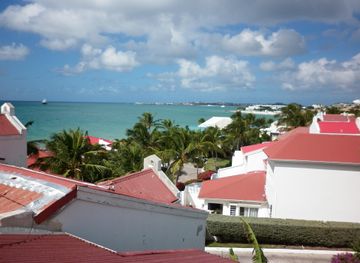
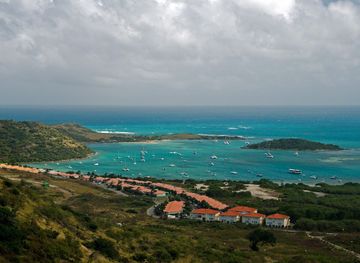
Nestled between the bustling capital of Philipsburg and the tranquil Great Bay, Little Bay offers a perfect blend of relaxation and adventure. This serene cove is famous for its stunning turquoise waters and soft sandy beaches, making it an ideal spot for sunbathing and swimming. The calm, clear waters are perfect for snorkeling, allowing visitors to explore vibrant coral reefs and encounter a variety of marine life. For history enthusiasts, Little Bay holds the intriguing remains of Fort Amsterdam, a 17th-century Dutch fortress. A short hike up the hill rewards visitors with panoramic views of the bay and surrounding areas. The site is not only rich in history but also offers excellent opportunities for bird-watching. Little Bay is also home to several beachfront resorts and restaurants, providing a range of dining options from casual beachside grills to fine dining establishments. The local cuisine is a delightful mix of Caribbean flavors, often featuring fresh seafood and tropical fruits. Whether you're looking to relax on the beach, explore underwater marvels, or indulge in local culinary delights, Little Bay in Sint Maarten promises a memorable experience.

Know before you go
Hi, I'm Eve. Here are a few practical things to know before exploring Little Bay.
- Bring your snorkeling gear to explore the vibrant coral reefs just off the shore.
- Visit early in the morning to enjoy the beach with fewer crowds.
- Wear comfortable shoes for the hike up to Fort Amsterdam.
- Try the local seafood dishes at the beachfront restaurants for an authentic taste of the Caribbean.
- Carry some cash as some local vendors may not accept credit cards.
Explore Little Bay: Things to Do, Places to Eat, Hotels & More
Handpicked recommendations for top attractions, local dining, accommodations, and more

Top Attractions & Sightseeing in Little Bay


Best landmarks in Little Bay
Top-rated picks
Best Landmarks

Port Of St. Maarten
Discover the stunning Port of St. Maarten, a vibrant cruise terminal offering breathtaking views, local culture, and easy access to beautiful Caribbean beaches.

Divi Little Bay Beach Resort
Discover the serene beauty of Divi Little Bay Beach Resort, where luxury meets adventure on the stunning shores of Sint Maarten.

Loterie Farm
Explore Loterie Farm: A stunning nature preserve in St. Martin offering outdoor adventures, dining, and relaxation in a tropical paradise.

Marigot Market
Explore the vibrant Marigot Market in St. Martin for an authentic taste of local culture, delicious food, and unique handcrafted treasures.

Best restaurants in Little Bay
Top-rated picks
Best Restaurants

Pineapple Pete Restaurant
Discover the vibrant flavors of Caribbean cuisine at Pineapple Pete Restaurant in Cole Bay, Sint Maarten - where every meal is a celebration.

Little Jerusalem Restaurant SXM
Discover authentic Middle Eastern flavors at Little Jerusalem Restaurant in Simpson Bay, where every meal is a celebration of taste and tradition.

Topper's Restaurant & Bar
Discover culinary delights at Topper's Restaurant & Bar in Simpson Bay—where Caribbean flavors meet vibrant nightlife in an unforgettable setting.

The Greenhouse
Discover delicious Caribbean cuisine at The Greenhouse in Simpson Bay - where local flavors meet vibrant atmosphere.

Best bars in Little Bay
Top-rated picks
Best Bars

Buccaneer Beach Bar
Experience the vibrant Caribbean atmosphere at Buccaneer Beach Bar, where delicious food meets stunning ocean views in Simpson Bay.

Topper's Restaurant & Bar
Experience vibrant dining and entertainment at Topper's Restaurant & Bar in beautiful Simpson Bay, Sint Maarten, where delicious flavors meet a lively atmosphere.

Nowhere Special
Discover the vibrant atmosphere and mouthwatering grill offerings at Nowhere Special in Simpson Bay, a must-visit destination for food lovers.

Lazy Lizard Restaurant & Craft Bar
Experience authentic Caribbean flavors at Lazy Lizard Restaurant & Craft Bar in Philipsburg, the perfect destination for food lovers and beachgoers alike.

Best nightclubs in Little Bay
Top-rated picks
Best Nightclubs

Soggy Dollar Bar
Discover the vibrant Soggy Dollar Bar in Simpson Bay, where delicious cocktails, live music, and Caribbean charm await every visitor.

The Red Piano SXM
Discover the vibrant nightlife at The Red Piano SXM, where live music and signature cocktails create a memorable experience in Sint Maarten.

The Bar 3Angle formerly XLounge
Discover the vibrant nightlife at The Bar 3Angle - your ultimate spot for karaoke, live music, and sports in Simpson Bay, Sint Maarten.

The Hole in the Wall
Experience the vibrant nightlife of Sint Maarten at The Hole in the Wall, where live music and great drinks come together for an unforgettable evening.

Best shops in Little Bay
Top-rated picks
Best Shops

Tech Hub
Explore the latest electronics and accessories at Tech Hub in Philipsburg, Sint Maarten, your go-to destination for all tech needs.

Shop-4-Less
Discover Shop-4-Less in Sint Maarten, your go-to destination for party supplies, children's toys, and festive decorations that guarantee memorable celebrations.

Shop-4-Less Plus
Explore your creative side at Shop-4-Less Plus, the ultimate craft store in Sint Maarten, offering baking supplies and custom t-shirt printing.

Lucky Shopping Center
Discover a vibrant shopping experience in Philipsburg at Lucky Shopping Center, featuring local boutiques and international brands in a lively atmosphere.

Explore Little Bay on the Map
A handpicked selection of must-see spots in Little Bay, mapped for you.
Little Bay Essentials
-
Little Bay is located on the Dutch side of Sint Maarten. The nearest airport is Princess Juliana International Airport (SXM), which is approximately 15 minutes away by car. Direct flights are available from major cities in North America, Europe, and the Caribbean. From the airport, you can take a taxi or rent a car to reach Little Bay. Some hotels also offer shuttle services.
-
Little Bay is a small area and many attractions are within walking distance. Taxis are readily available and can be hailed on the street or booked through your hotel. Car rentals are popular for exploring the island at your own pace. Public buses (minibuses) also operate, providing an affordable way to travel to nearby towns and beaches. Scooter and bicycle rentals are also options for shorter distances.
-
The official currency of Sint Maarten is the Netherlands Antillean Guilder (ANG), although the US Dollar (USD) is widely accepted. Major credit cards are accepted in most hotels, restaurants, and shops. ATMs are available in Little Bay and dispense both USD and ANG. It's advisable to carry some cash for smaller establishments and street vendors.
-
Little Bay is generally safe for tourists, but it is important to take common-sense precautions. Avoid walking alone at night in secluded areas and keep your belongings secure. Be cautious in areas known for higher crime rates, such as certain parts of Philipsburg, especially after dark. Always use hotel safes for valuables and important documents.
-
In case of emergency, dial 911 for police, fire, or medical assistance. The Sint Maarten Medical Center in Cay Hill is the nearest hospital with emergency services. It's recommended to have travel insurance that covers medical emergencies. For minor health issues, there are pharmacies in Little Bay where you can purchase over-the-counter medications.
-
Fashion: Do wear lightweight, casual clothing. Swimwear is acceptable at the beach but not in town. Religion: Do respect local customs and dress modestly when visiting churches. Public Transport: Do have small change ready for bus fares. Don't eat or drink on public buses. Greetings: Do greet locals with a friendly 'Good morning' or 'Good afternoon.' Eating & Drinking: Do try local dishes like johnnycakes and guavaberry liqueur. Don't refuse food or drink offered by locals, as it is considered impolite.
-
To experience Little Bay like a local, visit the local markets in Philipsburg for fresh produce and island crafts. Engage with locals who are often friendly and willing to share tips about the best hidden spots. Don't miss the opportunity to snorkel in Little Bay's clear waters or hike up to Fort Amsterdam for panoramic views of the area. Trying local delicacies at roadside food stands is also highly recommended.
When is the best time to visit Little Bay?
Useful Local Phrases for Little Bay
You don't need to speak the language perfectly. Even learning a few simple words can make conversations warmer—and locals usually appreciate the effort.
— Eve

Here are the phrases I use most often in Little Bay. Try a few—you'll be surprised how far they go! 😊
❤️
-
- HelloHola
[oh-lah] - GoodbyeAdios
[ah-dee-ohs] - YesSí
[see] - NoNo
[noh] - Please/You’re welcomePor favor
[por fah-vor] - Thank youGracias
[grah-syahs] - Excuse me/SorryPerdón
[pehr-dohn] - How are you?¿Cómo estás?
[koh-moh ehs-tahs] - Fine. And you?Bien. ¿Y tú?
[byehn. ee too] - Do you speak English?¿Hablas inglés?
[ah-blahs een-glehs] - I don’t understandNo entiendo
[noh ehn-tyen-doh]
- HelloHola
-
- I’d like to see the menu, pleaseMe gustaría ver el menú, por favor
[meh goo-stah-ree-ah vehr ehl meh-noo, por fah-vor] - I don’t eat meatNo como carne
[noh koh-moh kar-neh] - Cheers!¡Salud!
[sah-lood] - I would like to pay, pleaseQuisiera pagar, por favor
[kee-syeh-rah pah-gar, por fah-vor]
- I’d like to see the menu, pleaseMe gustaría ver el menú, por favor
-
- Help!¡Ayuda!
[ah-yoo-dah] - Go away!¡Vete!
[beh-teh] - Call the Police!¡Llama a la policía!
[yah-mah ah lah poh-lee-syah] - Call a doctor!¡Llama a un doctor!
[yah-mah ah oon dok-tor] - I’m lostEstoy perdido
[eh-stoy pehr-dee-doh] - I’m illEstoy enfermo
[eh-stoy ehn-fehr-moh]
- Help!¡Ayuda!
-
- I’d like to buy...Quisiera comprar...
[kee-syeh-rah kohm-prar] - I’m just lookingSolo estoy mirando
[soh-loh ehs-toy mee-rahn-doh] - How much is it?¿Cuánto cuesta?
[kwahn-toh kwes-tah] - That’s too expensiveEso es muy caro
[eh-soh ehs mwee kah-roh] - Can you lower the price?¿Puedes bajar el precio?
[pweh-des bah-har ehl preh-syo]
- I’d like to buy...Quisiera comprar...
-
- What time is it?¿Qué hora es?
[keh oh-rah ehs] - It’s one o’clockEs la una
[ehs lah oo-nah] - Half past (10)Y media (10)
[ee meh-dyah (diez)] - MorningMañana
[mah-nyah-nah] - AfternoonTarde
[tahr-deh] - EveningNoche
[noh-cheh] - YesterdayAyer
[ah-yehr] - TodayHoy
[oy] - TomorrowMañana
[mah-nyah-nah] - 1Uno
[oo-noh] - 2Dos
[dohs] - 3Tres
[tres] - 4Cuatro
[kwah-troh] - 5Cinco
[seen-koh] - 6Seis
[says] - 7Siete
[syet-eh] - 8Ocho
[oh-cho] - 9Nueve
[nweh-veh] - 10Diez
[dyehs]
- What time is it?¿Qué hora es?
-
- Where's a/the...?¿Dónde está un/una...?
[dohn-deh ehs-tah oon/oo-nah] - What's the address?¿Cuál es la dirección?
[kwahl ehs lah dee-rek-syon] - Can you show me (on the map)?¿Puedes mostrarme (en el mapa)?
[pweh-des mohs-trar-meh (en ehl mah-pah)] - When's the next (bus)?¿Cuándo es el próximo (autobús)?
[kwahn-doh ehs ehl prohk-see-moh (ow-toh-boos)] - A ticket (to ....)Un boleto (a ....)
[oon boh-leh-toh (ah ....)]
- Where's a/the...?¿Dónde está un/una...?
History of Little Bay
-
Long before European explorers set foot on Sint Maarten, the island, including the area now known as Little Bay, was inhabited by the Arawak people. These indigenous settlers, known for their agricultural prowess and seafaring skills, lived in harmony with the island's lush landscapes and bountiful marine life. They left behind a rich cultural legacy, including pottery and tools, that offers a glimpse into their sophisticated society.
-
Christopher Columbus is said to have sighted Sint Maarten on November 11, 1493, during his second voyage to the New World. Although he never landed on the island, his sighting marked the beginning of European interest in the region. Little Bay, with its strategic location and natural harbor, soon became a focal point for subsequent European explorers and settlers.
-
In 1631, the Dutch West India Company established Fort Amsterdam near Little Bay as a means to protect their burgeoning settlements and shipping routes. This fortification was the first of its kind on Sint Maarten and played a crucial role in the island's defense against rival European powers. The ruins of Fort Amsterdam still stand today, offering visitors a tangible connection to the island's colonial past.
-
Throughout the 17th and 18th centuries, control of Sint Maarten—and by extension, Little Bay—changed hands multiple times between the Dutch, French, and Spanish. This period of conflict and power struggles left a lasting impact on the island's cultural and architectural landscape. Little Bay's strategic importance made it a frequent battleground, and remnants of these turbulent times can still be found in the area.
-
During the 18th century, Little Bay was part of the broader plantation economy that dominated Sint Maarten. Sugar cane and other cash crops were cultivated using the labor of enslaved Africans. The legacy of this era is still evident in the island's demographics, culture, and historical landmarks. The ruins of plantation houses and sugar mills near Little Bay serve as solemn reminders of this complex and often painful chapter in the island's history.
-
In the 20th century, Little Bay began to transform from a quiet historical site into a vibrant hub for tourism. The natural beauty of its bay, combined with its rich history, attracted visitors from around the world. Modern developments, including hotels and resorts, were built to accommodate the growing number of tourists. Today, Little Bay is a picturesque blend of historical remnants and contemporary amenities, making it a must-visit destination for history buffs and beach lovers alike.
Neighbouring Regions of Little Bay
The closest regions to Little Bay, if you have time for more than one.




Your all‑in‑one travel companion app
Explore expert travel guides, compare and book tours, experiences, hotels, and more—all from the palm of your hand. Download now for seamless trip planning wherever your wanderlust takes you.


Explore More of Sint Maarten

Looking beyond Little Bay? Discover Sint Maarten for broader travel guides, local hot-spots, and regional highlights.
Explore Sint MaartenLittle Bay in Photos
Browse through our photo collection highlighting the charm and character of the destination.




Little Bay: A Hidden Gem in Sint Maarten
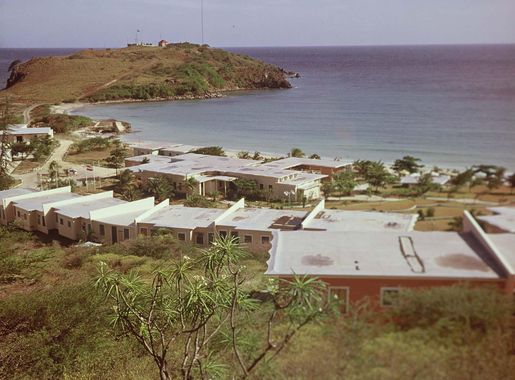
Nestled between the bustling capital of Philipsburg and the tranquil Great Bay, Little Bay offers a perfect blend of relaxation and adventure. This serene cove is famous for its stunning turquoise waters and soft sandy beaches, making it an ideal spot for sunbathing and swimming. The calm, clear waters are perfect for snorkeling, allowing visitors to explore vibrant coral reefs and encounter a variety of marine life. For history enthusiasts, Little Bay holds the intriguing remains of Fort Amsterdam, a 17th-century Dutch fortress. A short hike up the hill rewards visitors with panoramic views of the bay and surrounding areas. The site is not only rich in history but also offers excellent opportunities for bird-watching. Little Bay is also home to several beachfront resorts and restaurants, providing a range of dining options from casual beachside grills to fine dining establishments. The local cuisine is a delightful mix of Caribbean flavors, often featuring fresh seafood and tropical fruits. Whether you're looking to relax on the beach, explore underwater marvels, or indulge in local culinary delights, Little Bay in Sint Maarten promises a memorable experience.