

Free Kysuce Travel Guide & Mobile App
Explore Kysuce with free travel guides. Discover regional history, expert tips, proposed trips, and audio guides on web or mobile app.


Explore Kysuce in northern Slovakia for forested Beskid hills, wooden villages, the Vychylovka railway museum and year-round mountain recreation.
Read more about Kysuce
When is the best time to visit Kysuce?
Best: June–August · 23–25°C| Month | High (°C) | Rainfall (mm) |
|---|---|---|
| January | 3 | 40 |
| February | 4 | 35 |
| March | 9 | 45 |
| April | 14 | 55 |
| May | 19 | 65 |
| June (best) | 23 | 70 |
| July (best) | 25 | 75 |
| August (best) | 25 | 70 |
| September | 20 | 60 |
| October | 14 | 50 |
| November | 7 | 45 |
| December | 3 | 40 |
Getting to and around Kysuce
How to get there
Transportation
Top city travel guides in Kysuce
The cities of Kysuce, and the easiest places to base yourself.

Swipe for more cities
Destinations in Kysuce
Resorts, valleys and scenic spots worth a trip of their own.

Swipe for more destinations
Best attractions in Kysuce
Kysuce’s attractions combine mountain recreation with a strong rural and industrial heritage. The Kysuce Open-Air Museum at Vychylovka, in the municipality of Nová Bystrica, presents wooden houses, farm buildings, religious architecture and working traditions within a forested valley. Its associated heritage railway is a memorable reminder of how timber was transported through difficult terrain. Around Stará Bystrica, visitors can see the Slovak astronomical clock and continue into the Bystrica hills, while Korňa is known for a naturally occurring oil spring. Oščadnica provides access to the Veľká Rača area, with skiing in winter and walking, cycling and family-oriented recreation in warmer months. The Javorníky and Beskid ridges offer marked routes through spruce woodland, meadows and scattered hamlets, with cross-border walking possibilities in the wider mountain landscape. Čadca and Kysucké Nové Mesto provide museums, churches, town streets and practical bases for exploring the valleys. The attractions are dispersed rather than concentrated in a single resort, so itineraries work best when organised by valley and season.
-
Jánošíkove Diery
Discover the breathtaking beauty of Jánošíkove Diery, a premier hiking area in Slovakia, where nature meets adventure in stunning landscapes.
-
Tourist attraction
Malá Fatra National Park
Explore the stunning landscapes, diverse wildlife, and outdoor adventures in Slovakia's Malá Fatra National Park, a natural paradise for every traveler.
-
Tourist attraction
Budatín castle
Discover the enchanting Budatín Castle, a historical gem in Slovakia, offering breathtaking views and a rich cultural experience for every traveler.
-
Tourist attraction
Statue of Juraj Jánošík
Experience the iconic Statue of Juraj Jánošík in Terchová, a tribute to Slovak folklore surrounded by breathtaking landscapes and rich culture.


Best landmarks in Kysuce
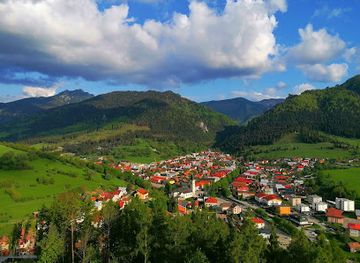
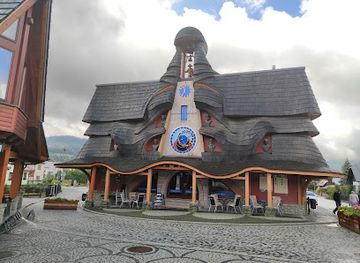
The most recognisable cultural landmark in Kysuce is the Slovak astronomical clock at Stará Bystrica, a modern civic structure with a distinctly local decorative programme and moving figures that represent Slovak historical and cultural figures. The Kysuce Open-Air Museum at Vychylovka is significant not because of one monumental building but because its collection of relocated wooden houses, barns, chapels and technical structures preserves the visual language of the region’s dispersed mountain settlements. The historic railway works associated with the Kysuce Forest Railway form another important industrial landmark, recalling the timber economy and the engineering challenges of the uplands. In Čadca, the Church of Saint Bartholomew and the town’s civic buildings provide a point of reference in the regional centre, while Kysucké Nové Mesto retains elements of its historic town layout and parish architecture. Beyond built heritage, the rounded summit landscapes around Veľká Rača and the wooded ridges of the Javorníky are defining natural landmarks, marking Kysuce as a mountain borderland rather than a flat northern plain.
-
Hiking area
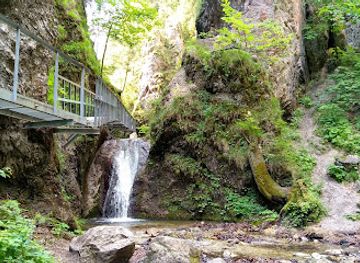
Jánošíkove Diery
Explore Jánosíkove Diery, a breathtaking hiking paradise in Slovakia, featuring stunning gorges, waterfalls, and rich folklore.
-
National park
Malá Fatra National Park
Explore the breathtaking landscapes and rich biodiversity of Malá Fatra National Park, an essential destination for nature lovers and adventure seekers in Slovakia.
-
Tourist attraction
Slovenský Orloj v Starej Bystrici
Experience the magical Slovenský Orloj in Starà Bystrica – where time meets artistry in a breathtaking display of tradition.
-
Tourist attraction
Statue of Juraj Jánošík
Explore the Statue of Juraj Jánošík in Terchová, a stunning tribute to Slovak folklore set against breathtaking mountain vistas.


Explore Kysuce on the map
Plan your trip on one map. See where the top cities, national parks and sights are, and book hotels and experiences in a few clicks.
Best hotels in Kysuce
Best restaurants in Kysuce
Dining in Kysuce reflects the hearty northern Slovak countryside rather than a narrowly defined regional cuisine. Potatoes, cabbage, flour, mushrooms, dairy products and smoked meat appear frequently in soups, dumplings, pancakes and main dishes, while bryndza, the sheep’s cheese associated with Slovakia, is widely encountered as part of the national food tradition. In Čadca and Kysucké Nové Mesto, restaurants and cafés offer familiar Slovak meals alongside Central European dishes and contemporary cooking. Oščadnica has the greatest concentration of eateries serving visitors to the mountain resort, while villages and upper valleys tend to rely on guesthouses, traditional inns and small family-run establishments. Local bakeries, seasonal markets and village celebrations are useful places to find pastries, preserves and regional produce. Beer is common, and cafés may also serve fruit syrups, herbal drinks and locally sourced dairy products. Opening arrangements in remote areas can be limited outside the main season, so meal planning matters when exploring Vychylovka or the more isolated valleys.
-
National park
Malá Fatra National Park
Explore the breathtaking landscapes and diverse wildlife of Malá Fatra National Park - a true Slovakian gem for nature lovers.
-
Restaurant
Salaš - koliba Syrex
Discover the flavors of Slovakia at Salaš - koliba Syrex in Zázrivá, where traditional dishes meet breathtaking views.
-
Restaurant
Jánošíkova koliba
Discover authentic Slovak cuisine at Jánošíkova Koliba in Terchová, where tradition meets taste amidst breathtaking landscapes.
-
Restaurant
Haluškáreň Terchová Restaurant & Accomodation
Experience authentic Slovak cuisine at Haluškáreň Terchová - where traditional flavors meet stunning mountain views.


Best bars in Kysuce
Kysuce has a modest, locally oriented evening scene rather than a large club culture. In Čadca and Kysucké Nové Mesto, evenings centre on pubs, cafés, restaurants and occasional live music, with a mixture of younger customers, commuters and local residents. Oščadnica becomes more active during the winter ski season and at weekends, when bars, hotel lounges and après-ski venues provide the main organised nightlife. Elsewhere, traditional village pubs and restaurants are the usual places for an evening drink or meal, and entertainment may be linked to community celebrations, folk performances or seasonal events. Craft beer and regional drinks can be found in some establishments, but availability varies. Visitors should not expect late-night transport in the upland villages, so those staying outside the towns should arrange their return journey in advance. The atmosphere is generally social and unhurried, with nightlife shaped more by local routines and mountain tourism than by purpose-built nightclubs.
-
Bar
Boston Coffee & Fun
Experience the perfect blend of café charm and bar energy at Boston Coffee & Fun in Čadca, where every visit is a delightful escape.
-
Pub
Kysucká izba
Discover the essence of Slovak culture at Kysucká izba, a cozy pub in Čadca offering local delicacies and a warm atmosphere.
-
Brewpub
Bistro Pod Lipou - tankové pivo
Experience the authentic taste of Slovakia at Bistro Pod Lipou, a cozy brewpub offering fresh tankové pivo and a welcoming beer garden.
-
Bar
Zion club + Noiz pub & art gallery
Experience the vibrant blend of art, music, and culinary delights at Zion Club & Noiz Pub in the heart of Čadca.


Best nightclubs in Kysuce
Kysuce has a modest, locally oriented evening scene rather than a large club culture. In Čadca and Kysucké Nové Mesto, evenings centre on pubs, cafés, restaurants and occasional live music, with a mixture of younger customers, commuters and local residents. Oščadnica becomes more active during the winter ski season and at weekends, when bars, hotel lounges and après-ski venues provide the main organised nightlife. Elsewhere, traditional village pubs and restaurants are the usual places for an evening drink or meal, and entertainment may be linked to community celebrations, folk performances or seasonal events. Craft beer and regional drinks can be found in some establishments, but availability varies. Visitors should not expect late-night transport in the upland villages, so those staying outside the towns should arrange their return journey in advance. The atmosphere is generally social and unhurried, with nightlife shaped more by local routines and mountain tourism than by purpose-built nightclubs.
-
National park
Malá Fatra National Park
Explore the breathtaking landscapes and rich biodiversity of Malá Fatra National Park, a Slovakian paradise for nature lovers and outdoor adventurers.
-
Bar
Smer Klub 77 - Music Club
Discover Žilina's nightlife at Smer Klub 77, a vibrant music club offering live concerts, disco nights, and a welcoming atmosphere for all.
-
Night club
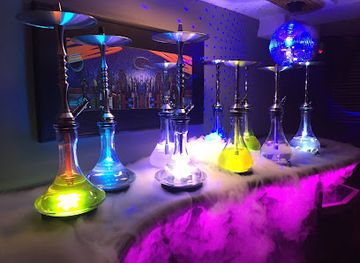
Centauri - Music • Lounge • Shisha Bar
Discover the vibrant nightlife at Centauri, where music, cocktails, and shisha create an unforgettable experience in Žilina.
-
Disco club
LIFE Music Club ZA
Discover Žilina's nightlife at LIFE Music Club ZA, where vibrant beats and electrifying atmosphere meet to create unforgettable memories.



Best shops in Kysuce
Shopping in Kysuce is concentrated in Čadca and Kysucké Nové Mesto, where ordinary high-street shops, supermarkets, cafés and practical services support both residents and visitors. Oščadnica has a more tourism-oriented selection around accommodation and mountain recreation, including outdoor equipment, winter sports services and locally themed gifts. In smaller villages, shopping is limited, but bakeries, farm shops and seasonal stalls may offer honey, preserves, smoked products, dairy foods and homemade pastries. The Kysuce Open-Air Museum and other heritage venues are better places to look for craft items, folk-inspired textiles, wooden objects and educational souvenirs than for extensive retail. Market and festival shopping is seasonal, with availability depending on the village calendar and weather. Visitors seeking regional products should favour clearly labelled local goods and independent producers, while traditional Slovak ceramics, carved wood and woven items make more meaningful souvenirs than generic mountain merchandise.
-
Supermarket
COOP Jednota Tempo 041
Experience the essence of Slovakian cuisine at COOP Jednota Tempo 041, your go-to supermarket in Čadca for local and international products.
-
Gift shop
Trickovy.sk
Discover unique gifts, stylish clothing, and local crafts at Trickovy.sk, the ultimate shopping destination in Čadca, Slovakia.
-
Electronics store
NAY
Explore NAY in Čadca for the latest electronics and gadgets at competitive prices, perfect for travelers and tech enthusiasts alike.
-
Electronics store
SmartWear, s. r. o.
Explore SmartWear in Čadca for the latest electronics and exceptional customer service, making it a must-visit destination for tech lovers.


Get your free copy of our complete guide to Kysuce, delivered straight to you.
Everything on this page, from attractions and restaurants to essentials and local phrases, in one PDF you can read offline, print or share.
Already have an account? Sign in
Your Kysuce guide is ready.
We'll send it to · Not you? Sign out

Getting your guide ready…
We are putting together a fresh copy of the Kysuce guide. This can take up to a minute.
This can take a few moments. If your browser asks, choose Allow so the download can start. You'll find the guide in your Downloads folder.
Nothing happened? Download it again
Sorry, the guide is taking longer than usual. Please try again in a minute, or get it by email instead.
Kysuce essentials
Currency and Payment
Safety
Emergency Situations
Do's and Don'ts
Local Tips
From Eve
Local phrases worth knowing
You don't need to get them perfect. A few words go a long way, and locals appreciate the effort.
Basics
| English | Local | Say it |
|---|---|---|
| Hello | Ahoj | [Ahoy] |
| Goodbye | Zbohom | [Zboh-hom] |
| Yes | Áno | [Ah-no] |
| No | Nie | [Nyeh] |
| Please/You're welcome | Prosím | [Pro-seem] |
| Thank you | Ďakujem | [Dya-ku-yem] |
| Excuse me/Sorry | Prepáčte | [Pre-patch-teh] |
| How are you? | Ako sa máš? | [Ah-koh sah mahsh] |
| Fine. And you? | Dobre. A ty? | [Doh-breh. Ah tee?] |
| Do you speak English? | Hovoríš po anglicky? | [Ho-vor-eash poh ahn-glit-ski?] |
| I don't understand | Nerozumiem | [Neh-ro-zu-myem] |
Eating & Drinking
| English | Local | Say it |
|---|---|---|
| I'd like to see the menu, please | Chcel by som vidieť menu, prosím | [Khtzel bih sohm vid-ee-yet meh-nu, pro-seem] |
| I don't eat meat | Nejem mäso | [Nyeh-yem meh-so] |
| Cheers! | Na zdravie! | [Nah zdrah-vee-eh] |
| I would like to pay, please | Chcel by som zaplatiť, prosím | [Khtzel bih sohm zah-plah-teet, pro-seem] |
Emergencies
| English | Local | Say it |
|---|---|---|
| Help! | Pomoc! | [Poh-mots] |
| Go away! | Choď preč! | [Khodh prech] |
| Call the Police! | Zavolajte políciu! | [Zah-vo-lah-tye poh-lee-tsi-yoo] |
| Call a doctor! | Zavolajte lekára! | [Zah-vo-lah-tye leh-kah-rah] |
| I'm lost | Som stratený | [Som stra-teh-nee] |
| I'm ill | Som chorý | [Som kho-ree] |
Shopping
| English | Local | Say it |
|---|---|---|
| I'd like to buy... | Chcel by som kúpiť... | [Khtzel bih sohm koo-peet...] |
| I'm just looking | Len sa pozerám | [Len sah poh-zeh-rahm] |
| How much is it? | Koľko to stojí? | [Kol-koh toh stoy-ee?] |
| That's too expensive | To je príliš drahé | [To yeh pree-leesh dra-heh] |
| Can you lower the price? | Môžeš znížiť cenu? | [Mwah-zesh znee-zheet tseh-noo?] |
Time & Numbers
| English | Local | Say it |
|---|---|---|
| What time is it? | Koľko je hodín? | [Kol-koh yeh ho-deen?] |
| It's one o'clock | Je jedna hodina | [Yeh yed-nah ho-dee-nah] |
| Half past (10) | Polovica (10) | [Poh-lo-vee-tsah (10)] |
| Morning | Ráno | [Rah-no] |
| Afternoon | Popoludnie | [Poh-pol-ood-nye] |
| Evening | Večer | [Veh-chair] |
| Yesterday | Včera | [V-cheh-rah] |
| Today | Dnes | [Dnes] |
| Tomorrow | Zajtra | [Zye-trah] |
| 1 | 1 | [1] |
| 2 | 2 | [2] |
| 3 | 3 | [3] |
| 4 | 4 | [4] |
| 5 | 5 | [5] |
| 6 | 6 | [6] |
| 7 | 7 | [7] |
| 8 | 8 | [8] |
| 9 | 9 | [9] |
| 10 | 10 | [10] |
Transport & Directions
| English | Local | Say it |
|---|---|---|
| Where's a/the...? | Kde je...? | [Kdeh yeh...?] |
| What's the address? | Aká je adresa? | [Ah-kah yeh ah-dreh-sah?] |
| Can you show me (on the map)? | Môžeš mi ukázať (na mape)? | [Mwah-zesh mee oo-kah-zaht (nah mah-peh)?] |
| When's the next (bus)? | Kedy ide ďalší (autobus)? | [Keh-dee ee-deh dya-lshi (ow-toh-boos)?] |
| A ticket (to ....) | Lístok (do ....) | [Leest-ok (doh....)] |
History of Kysuce
Early Settlement and Medieval Borderlands
The valleys of Kysuce were long influenced by forests, mountain passes and routes linking the Váh basin with Silesia and the Polish lands. Permanent settlement expanded during the Middle Ages, when the area was administered within the Kingdom of Hungary and associated with the castle estate of Budatín. Villages developed along the Kysuca and Bystrica valleys, while upland areas remained comparatively wooded and thinly populated. The region’s later character as a borderland reflects this geography: communities lived in close contact with neighbouring Silesian, Polish and Slovak areas, and movement across the mountain passes remained important for trade and seasonal work.
Colonisation of the Mountain Valleys
From the sixteenth century onwards, settlement spread more intensively into the hills through a combination of planned colonisation and the gradual establishment of dispersed farms. Pastoral practices associated with Wallachian colonisation contributed to the use of higher meadows, although local agriculture remained closely tied to small holdings, livestock and woodland resources. The scattered houses now characteristic of parts of Kysuce are a material legacy of this expansion. Life was demanding: soils were limited, winters were long and many households combined farming with forestry, craft work, seasonal labour or transport.
Wooden Villages and Rural Society
Between the early modern period and the nineteenth century, Kysuce developed a distinctive rural culture based on small-scale agriculture, shepherding, timber work and household production. Wooden houses, barns, chapels and mills were adapted to the steep terrain and harsh climate. Population growth encouraged the creation of hamlets high above the principal valleys, often with fields divided into narrow strips. Religious life centred on village churches and roadside shrines, while the annual cycle of planting, grazing, harvesting and winter work shaped local customs. The surviving buildings at Vychylovka and elsewhere provide a tangible record of this society.
The Košice–Bohumín Railway and Industrial Change
The arrival of the Košice–Bohumín railway in the late nineteenth century connected northern Slovakia more efficiently with industrial centres in Silesia and the wider Austro-Hungarian economy. The line, which passes through the Kysuce corridor, encouraged trade, commuting and the movement of timber and manufactured goods. Branch and forest railways served the difficult upland terrain, including the technically notable route associated with Vychylovka. Rail transport did not end rural isolation, but it altered the scale of economic life and helped Čadca and Kysucké Nové Mesto develop as more important regional centres.
War, Borders and the Twentieth Century
Kysuce’s position beside the historic boundaries of Slovakia, Poland and the Czech lands gave the region strategic importance during the twentieth century. The First World War brought military movement and disruption, while the Second World War and the Slovak National Uprising affected villages, transport routes and local communities. Resistance activity, reprisals and post-war changes left a lasting mark on collective memory. After 1945, the border became part of the Czechoslovak state’s controlled frontier, although family, trading and cultural connections across the mountains continued in altered form.
Socialism, Industry and Regional Mobility
The second half of the twentieth century brought stronger industrialisation, expanded public services and substantial movement from villages into towns or commuting centres. Manufacturing, engineering, construction and transport joined forestry and agriculture as important sources of employment. Housing estates changed the appearance of Čadca and Kysucké Nové Mesto, while improved roads and rail connections made daily travel more practical. At the same time, mechanisation and demographic change reduced the economic role of many small upland farms, leaving the dispersed settlement pattern as an important cultural and landscape legacy.
Heritage Conservation and Mountain Tourism
Since the late twentieth century, Kysuce has increasingly presented its rural architecture, forestry history and mountain environment as cultural and recreational assets. The Kysuce Open-Air Museum preserves buildings moved from settlements affected by the construction of the Nová Bystrica reservoir and interprets traditional life through architecture, collections and demonstrations. The Vychylovka railway heritage, the development of Veľká Rača as a ski and leisure area, and the growth of walking and cycling routes reflect a broader shift from resource-based economies towards heritage, recreation and regional tourism.
Kysuce in Photos
Browse through our photo collection highlighting the charm and character of the destination.
Neighbouring regions of Kysuce
The closest regions to Kysuce, if you have time for more than one.
-

-

-

-

-


Swipe for more regions
Explore more

Explore more of Slovakia
Discover Slovakia: A land of majestic mountains, charming castles, and vibrant culture in the heart of Europe.
Explore Slovakia