

Žilina Region, Slovakia Travel Guide
Explore the Žilina Region in Slovakia: A blend of stunning landscapes, rich history, and vibrant culture in the heart of Europe.
Nestled in the north-western part of Slovakia, the Žilina Region is a treasure trove of natural beauty, historical sites, and vibrant culture. This region is known for its stunning landscapes, including the rugged peaks of the Malá Fatra and Veľká Fatra mountain ranges, which offer incredible hiking and skiing opportunities. The picturesque Váh River winds through the region, adding to its scenic charm. Žilina, the region's capital city, is a perfect blend of old and new. The historic center, with its well-preserved Renaissance and Baroque architecture, offers a glimpse into the past. The Mariánske Square is the heart of the city, surrounded by colorful buildings and lively cafes. Don't miss the Budatin Castle, a medieval fortress turned museum, which provides fascinating insights into the area's history. Beyond the city, the Žilina Region is dotted with charming villages and towns, each with its unique character. The village of Terchová, for example, is famous for its folklore and is the birthplace of the legendary Slovak hero, Juraj Jánošík. Meanwhile, the UNESCO-listed village of Vlkolínec offers a step back in time with its traditional wooden houses and serene setting. Whether you're an adventure seeker, history buff, or simply looking to relax, the Žilina Region has something for everyone.

Know before you go
Hi, I'm Eve. Here are a few practical things to know before exploring Žilina Region.
- Visit during the summer for the best hiking conditions in the Malá Fatra and Veľká Fatra mountains.
- Check out local festivals in Terchová, especially the Jánošík Days in August, to experience traditional Slovak folklore.
- Try the local cuisine, especially the bryndzové halušky, a traditional Slovak dish made with sheep cheese.
- Use the local train service to travel between towns and villages; it’s convenient and offers scenic views.
- Plan a visit to the Slovak National Uprising Museum in Martin for a deeper understanding of Slovakia’s history.
Top City Travel Guides in Žilina Region
The cities of Žilina Region, and the easiest places to base yourself.


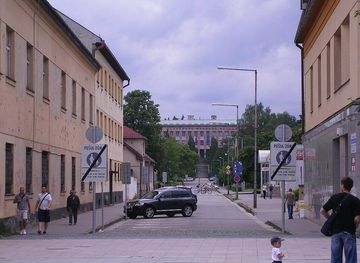
Destinations in Žilina Region
Resorts, valleys and scenic spots worth a trip of their own.


Explore Žilina Region: Things to Do, Places to Eat, Hotels & More
Handpicked recommendations for top attractions, local dining, accommodations, and more

Top Attractions & Sightseeing in Žilina Region
Top-rated picks
Best Attractions
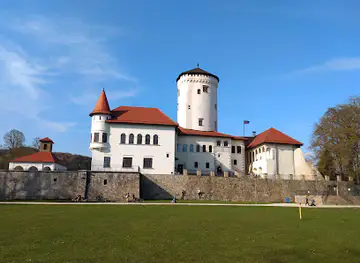
Budatín castle
Discover the historical grandeur of Budatín Castle, a captivating landmark in Slovakia, showcasing stunning architecture and rich cultural heritage.

Statue of Juraj Jánošík
Explore the Statue of Juraj Jánošík in Terchová, a majestic tribute to Slovak folklore surrounded by breathtaking natural beauty.

Aphrodite Spa - Spa Rajecke Teplice
Discover rejuvenation and serenity at Aphrodite Spa in Rajecké Teplice, a premier wellness destination with thermal waters and luxurious treatments.
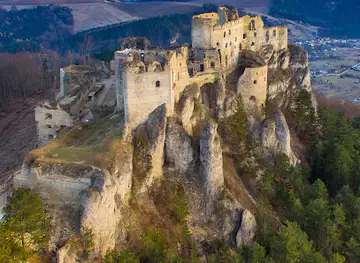
Castle Lietava
Discover the captivating ruins of Castle Lietava, a historical landmark in Slovakia, offering stunning views and rich history for all visitors.

Best landmarks in Žilina Region
Top-rated picks
Best Landmarks

Orava Castle
Explore the enchanting Orava Castle, a medieval marvel in Slovakia, offering stunning views and rich historical insights for every traveler.

Jánošíkove Diery
Explore the breathtaking landscapes and thrilling trails of Jánošíkove Diery, a stunning hiking area in Slovakia that showcases nature's beauty.

Malá Fatra National Park
Explore the breathtaking landscapes and rich biodiversity of Malá Fatra National Park, a must-visit destination for nature lovers and adventure seekers in Slovakia.

Budatín castle
Discover the enchanting Budatín Castle, a historical gem in Slovakia, surrounded by scenic landscapes and rich cultural heritage.

Best restaurants in Žilina Region
Top-rated picks
Best Restaurants

Žilinská Kozlovna
Discover the essence of Slovak cuisine at Žilinská Kozlovna in Žilina - where tradition meets flavor in a cozy setting.

Smreková Koliba
Discover the essence of Slovak gastronomy at Smreková Koliba - where tradition meets flavor in every dish.
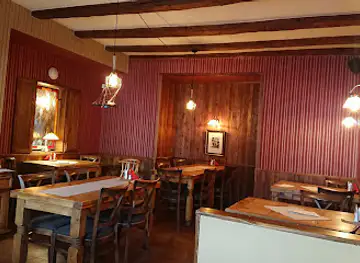
Trattoria Pepe
Experience authentic Italian cuisine at Trattoria Pepe in Žilina - where every dish tells a story.
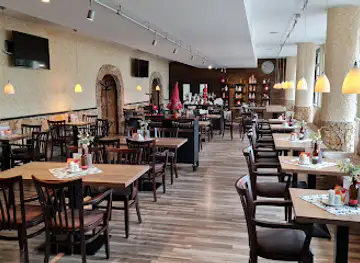
Kúsok štastia
Experience authentic Slovak cuisine at Kúsok štastia in Žilina - a must-visit culinary destination for every traveler.

Best bars in Žilina Region
Top-rated picks
Best Bars
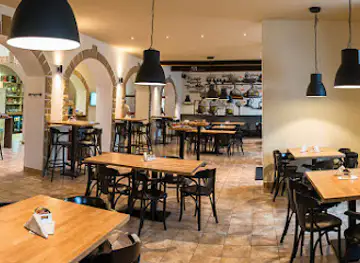
Beervana
Discover Beervana in Žilina, where craft beer meets a cozy atmosphere, making it the perfect pub for socializing and relaxation.

eXtreme Park
Discover the thrill of adventure and delicious dining at eXtreme Park in Mojš, Slovakia—where fun and fitness meet!

Smer Klub 77 - Music Club
Discover the energetic atmosphere of Smer Klub 77 in Žilina, where live music and vibrant nightlife create unforgettable memories.

Na 7. schode
Experience the local brew culture at Na 7. schode, a cozy brewpub in Žilina with an extensive beer selection and vibrant atmosphere.

Best nightclubs in Žilina Region
Top-rated picks
Best Nightclubs

Smer Klub 77 - Music Club
Experience the heartbeat of Žilina's nightlife at Smer Klub 77 - a dynamic music club with live performances, dancing, and a cozy bar atmosphere.

College Club
Discover College Club, the vibrant bar and hookah lounge in Žilina, where cocktails, shisha, and good vibes await you.

Pancha Skybar Žilina
Discover the vibrant nightlife of Žilina at Pancha Skybar, where breathtaking views meet exquisite cocktails and lively entertainment.

LIFE Music Club ZA
Dive into the energetic nightlife of Žilina at LIFE Music Club ZA, where unforgettable dance parties and vibrant music await you.

Best shops in Žilina Region
Top-rated picks
Best Shops

Jánošíkove Diery
Explore the breathtaking hiking trails of Jánošíkove Diery, a stunning natural preserve filled with gorges, waterfalls, and rich folklore in Slovakia.

Europa SC
Discover the vibrant shopping scene at Europa SC, Banská Bystrica's premier mall, where fashion, dining, and entertainment come together.

Aupark Žilina
Experience shopping, dining, and entertainment at Aupark Žilina, the ultimate destination for tourists in Slovakia.

Mirage Shopping Center
Discover a shopping haven in Žilina at Mirage Shopping Center, featuring a variety of stores, a movie theater, and diverse dining options.

Explore Žilina Region on the Map
A handpicked selection of must-see spots in Žilina Region, mapped for you.
Žilina Region Essentials
-
Žilina Region can be accessed through several means. The nearest major airport is the M. R. Štefánik Airport in Bratislava, which is about 200 km away. From Bratislava, you can take a train directly to Žilina, which typically takes around 2 to 3 hours. Alternatively, you can use the Košice International Airport, which is approximately 150 km from Žilina. From Košice, the train journey to Žilina is about 2.5 hours. There are also bus services connecting major Slovak cities to Žilina Region.
-
Within Žilina Region, transportation options include trains, buses, and taxis. The region has a well-connected railway network that links Žilina with other towns and cities. Buses are efficient for reaching smaller villages and remote areas. Taxis are available, but ensure to use licensed services to avoid overcharging. Car rentals are also available and can be convenient for exploring the region at your own pace.
-
The official currency in Slovakia is the Euro (EUR). Credit cards are widely accepted in hotels, restaurants, and larger shops. However, it is advisable to carry some cash for smaller establishments and rural areas. ATMs are readily available in towns and cities. Currency exchange services can be found at airports, banks, and exchange offices in Žilina Region.
-
Žilina Region is generally safe for tourists. However, standard safety precautions should be taken. Avoid leaving belongings unattended and be cautious in crowded areas to prevent pickpocketing. There are no specific high-crime areas targeting tourists, but it is always best to stay vigilant, especially at night.
-
In case of an emergency, dial 112 for immediate assistance. This number connects you to emergency services, including police, fire brigade, and medical help. There are hospitals and clinics in major towns like Žilina. Pharmacies are also available for minor health issues. It is recommended to have travel insurance covering medical emergencies during your stay.
-
Fashion: Do dress comfortably and modestly, especially when visiting religious sites. Avoid overly revealing clothing. Religion: Do show respect in churches and religious places. Cover your head if required and maintain silence. Public Transport: Do validate your tickets on public transport. Don’t eat or drink while on buses or trains. Greetings: Do greet people with a simple 'Dobrý deň' (Good day). A handshake is also common. Eating & Drinking: Do try traditional Slovak dishes and local beers. Don’t leave food on your plate, as it can be considered wasteful.
-
To experience Žilina Region like a local, visit the regional farmer's markets for fresh produce and homemade goods. Engage with locals who are often friendly and willing to share insights about their culture and history. Don't miss the traditional folk festivals and events, which offer a glimpse into the region's rich cultural heritage. Additionally, exploring the scenic hiking trails in the Malá Fatra and Veľká Fatra mountain ranges is highly recommended.
When is the best time to visit Žilina Region?
Useful Local Phrases for Žilina Region
You don't need to speak the language perfectly. Even learning a few simple words can make conversations warmer—and locals usually appreciate the effort.
— Eve

Here are the phrases I use most often in Žilina Region. Try a few—you'll be surprised how far they go! 😊
❤️
-
- HelloAhoj
[ahoy] - GoodbyeZbohom
[zbohom] - YesÁno
[ah-no] - NoNie
[nyay] - Please/You're welcomeProsím
[pro-seem] - Thank youĎakujem
[dya-koo-yem] - Excuse me/SorryPrepáčte
[pre-patch-teh] - How are you?Ako sa máš?
[ah-koh sah mahsh] - Fine. And you?Dobre. A ty?
[dob-reh. ah tee?] - Do you speak English?Hovoríš po anglicky?
[ho-vor-eess poh ang-leet-see] - I don't understandNerozumiem
[neh-ro-zoo-yehm]
- HelloAhoj
-
- I'd like to see the menu, pleaseChcel by som vidieť jedálny lístok, prosím
[kh-tsel bee som vid-yet yed-al-nee lees-tok, pro-seem] - I don't eat meatNejem mäso
[nye-yem mye-so] - Cheers!Na zdravie!
[nah zdrah-vee-eh] - I would like to pay, pleaseChcel by som zaplatiť, prosím
[kh-tsel bee som zah-pla-teet, pro-seem]
- I'd like to see the menu, pleaseChcel by som vidieť jedálny lístok, prosím
-
- Help!Pomoc!
[poh-mots] - Go away!Odíď!
[oh-deech] - Call the Police!Zavolajte políciu!
[zah-vo-lah-tye poh-lee-tsyoo] - Call a doctor!Zavolajte lekára!
[zah-vo-lah-tye leh-kah-rah] - I'm lostSom stratený
[som strah-teh-nee] - I'm illSom chorý
[som kho-ree]
- Help!Pomoc!
-
- I'd like to buy...Chcel by som kúpiť...
[kh-tsel bee som koo-peet] - I'm just lookingLen sa pozerám
[len sah poh-zeh-ram] - How much is it?Koľko to stojí?
[kol-ko toh stoy-ee] - That's too expensiveTo je príliš drahé
[to yeh pree-leesh dra-heh] - Can you lower the price?Môžete znížiť cenu?
[moh-zhe-teh znee-zheet tseh-nu]
- I'd like to buy...Chcel by som kúpiť...
-
- What time is it?Koľko je hodín?
[kol-ko yeh ho-deen] - It's one o'clockJe jedna hodina
[ye yed-nah ho-dee-nah] - Half past (10)Pol desiatej
[pol dya-see-at-ay] - MorningRáno
[rah-no] - AfternoonPopoludnie
[poh-po-lud-nee-eh] - EveningVečer
[veh-cher] - YesterdayVčera
[vche-ra] - TodayDnes
[dnyes] - TomorrowZajtra
[zai-tra] - 11
[1] - 22
[2] - 33
[3] - 44
[4] - 55
[5] - 66
[6] - 77
[7] - 88
[8] - 99
[9] - 1010
[10]
- What time is it?Koľko je hodín?
-
- Where's a/the...?Kde je...?
[kde yeh] - What's the address?Aká je adresa?
[ah-kah yeh ah-dre-sah] - Can you show me (on the map)?Môžete mi ukázať (na mape)?
[moh-zhe-teh mee oo-kah-zat (nah mah-peh)] - When's the next (bus)?Kedy ide ďalší (autobus)?
[keh-dee ee-deh dyal-shee (ow-to-boos)] - A ticket (to ....)Jednosmerný lístok (do ....)
[yed-no-smer-nee lees-tok (doh ....)]
- Where's a/the...?Kde je...?
History of Žilina Region
-
Žilina, strategically located on the confluence of the Váh and Kysuca rivers, has been a significant settlement since the medieval times. The first written mention of Žilina dates back to 1208, but it was officially granted town rights in 1321 by King Charles I of Hungary. The town flourished as a trade hub, benefiting from its location on the trade route between Hungary and Poland. The Gothic Church of the Holy Trinity, built in the 14th century, stands as a testament to the town's medieval prosperity.
-
A pivotal event in the religious history of Slovakia occurred in Žilina in 1610. The Žilina Synod was a significant assembly of Lutheran clergy and laity, which established the Evangelical Church of the Augsburg Confession in the Kingdom of Hungary. This synod was crucial in defining the organizational structure and doctrinal standards of the Lutheran Church in the region, marking Žilina as a center of Protestant Reformation in Slovakia.
-
The 19th century brought significant changes to the Žilina Region with the advent of the Industrial Revolution. The Váh River played a crucial role in the industrialization of the area, providing both transportation and power. The construction of the Košice-Bohumín Railway in 1872 further spurred economic growth, connecting Žilina to major industrial centers. This period saw the rise of factories, particularly in textiles and machinery, transforming Žilina into a bustling industrial town.
-
The Žilina Region was a notable center of resistance during World War II. In 1944, the region became one of the focal points of the Slovak National Uprising, a significant anti-Nazi resistance movement. The uprising, although ultimately suppressed, played a crucial role in the broader resistance efforts against Axis powers. The town of Martin, in particular, was a key site of insurgent activity, and several memorials in the region commemorate the bravery and sacrifices of the resistance fighters.
-
Post-World War II, Žilina underwent substantial reconstruction and modernization. The communist era saw the development of heavy industries and infrastructure, including the establishment of significant engineering and automotive factories. After the Velvet Revolution of 1989, which peacefully ended communist rule in Czechoslovakia, Žilina transitioned towards a market economy. Today, it is known for its vibrant culture, academic institutions like the University of Žilina, and its strategic economic role within Slovakia.
-
Žilina Region is rich in cultural heritage and traditions, influenced by its diverse history and geography. Folklore plays a significant role in the cultural identity of the region, with traditional music, dance, and costumes being preserved through various festivals and events. The region is also home to numerous historical landmarks, including castles like Strečno and Lietava, and the UNESCO World Heritage site of Vlkolínec, a well-preserved rural village. These cultural treasures offer a glimpse into the region's vibrant past and enduring traditions.
Neighbouring Regions of Žilina Region
The closest regions to Žilina Region, if you have time for more than one.


Your all‑in‑one travel companion app
Explore expert travel guides, compare and book tours, experiences, hotels, and more—all from the palm of your hand. Download now for seamless trip planning wherever your wanderlust takes you.


Explore More of Slovakia

Looking beyond Žilina Region? Discover Slovakia for broader travel guides, local hot-spots, and regional highlights.
Explore SlovakiaŽilina Region in Photos
Browse through our photo collection highlighting the charm and character of the destination.


Žilina Region: Slovakia's Hidden Gem
Nestled in the north-western part of Slovakia, the Žilina Region is a treasure trove of natural beauty, historical sites, and vibrant culture. This region is known for its stunning landscapes, including the rugged peaks of the Malá Fatra and Veľká Fatra mountain ranges, which offer incredible hiking and skiing opportunities. The picturesque Váh River winds through the region, adding to its scenic charm. Žilina, the region's capital city, is a perfect blend of old and new. The historic center, with its well-preserved Renaissance and Baroque architecture, offers a glimpse into the past. The Mariánske Square is the heart of the city, surrounded by colorful buildings and lively cafes. Don't miss the Budatin Castle, a medieval fortress turned museum, which provides fascinating insights into the area's history. Beyond the city, the Žilina Region is dotted with charming villages and towns, each with its unique character. The village of Terchová, for example, is famous for its folklore and is the birthplace of the legendary Slovak hero, Juraj Jánošík. Meanwhile, the UNESCO-listed village of Vlkolínec offers a step back in time with its traditional wooden houses and serene setting. Whether you're an adventure seeker, history buff, or simply looking to relax, the Žilina Region has something for everyone.