
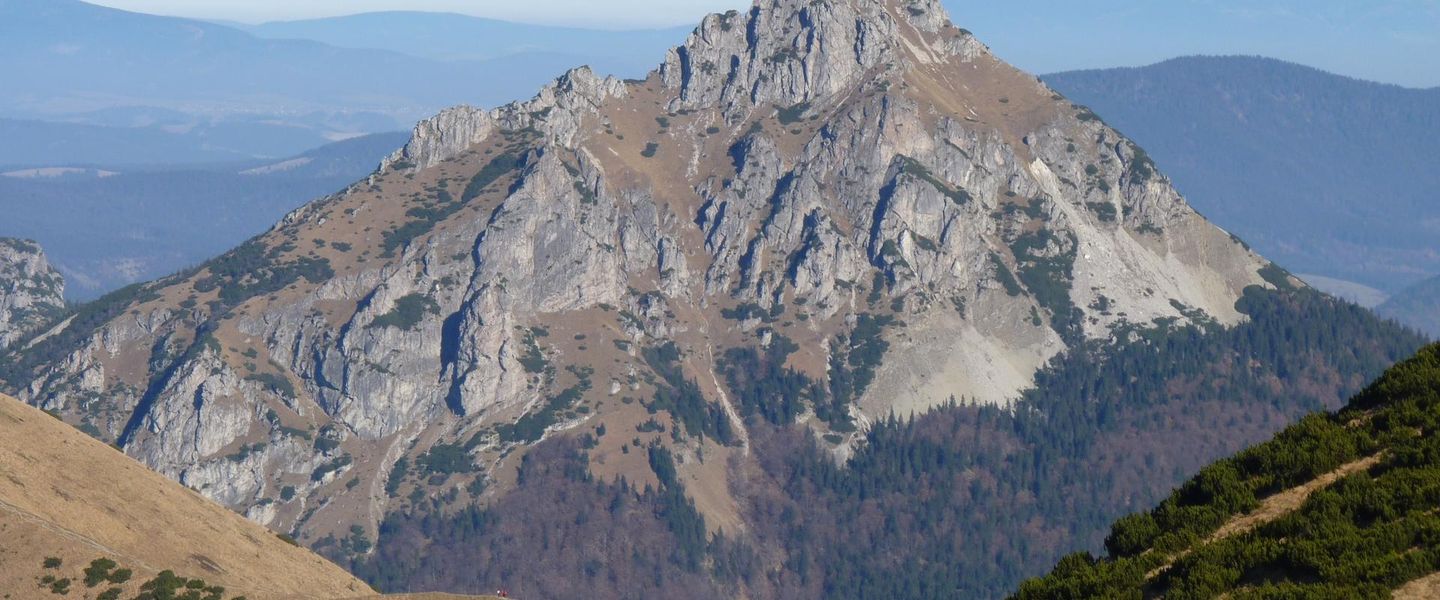
Mala Fatra National Park, Slovakia Travel Guide
Explore the pristine beauty of Mala Fatra National Park in Slovakia, where lush forests, rocky peaks, and rich wildlife await adventurous travelers.
Mala Fatra National Park is a hidden gem in the heart of Slovakia. This stunning park offers visitors a chance to explore lush forests, rocky peaks, and serene meadows. The park is home to a diverse range of wildlife, including bears, wolves, and lynxes. This makes it a paradise for nature lovers and wildlife enthusiasts. Hiking trails wind through the park, offering breathtaking views of the surrounding landscape. One of the most popular routes takes you to the top of Velký Kriváň, the highest peak in the park. The climb is challenging but rewarding, with panoramic views that stretch for miles. For those who prefer a more relaxed pace, the park also offers gentle walks along rivers and through valleys. In addition to its natural beauty, Mala Fatra has a rich cultural heritage. The nearby village of Terchová is known for its traditional folk music and wooden architecture. This village is also the birthplace of the legendary Slovak hero, Juraj Jánošík. Visitors can learn about his life and legacy at the local museum. Whether you are seeking adventure or tranquility, Mala Fatra National Park has something to offer everyone.

Know before you go
Hi, I'm Eve. Here are a few practical things to know before exploring Mala Fatra National Park.
- Wear sturdy hiking boots, as trails can be steep and rocky.
- Visit in the spring or autumn for the best weather and fewer crowds.
- Check for guided tours to learn more about the park's wildlife and history.
- Bring a camera to capture the stunning landscapes and wildlife.
- Try local dishes in Terchová to experience authentic Slovak cuisine.
Explore Mala Fatra National Park: Things to Do, Places to Eat, Hotels & More
Handpicked recommendations for top attractions, local dining, accommodations, and more

Best attractions in Mala Fatra National Park
Top-rated picks
Best Attractions

Jánošíkove Diery
Jánošíkove Diery: A breathtaking nature preserve and hiking paradise in Slovakia, perfect for adventurers and nature lovers.

Jasna Low Tatras
Discover the stunning landscapes and thrilling adventures at Jasna Low Tatras, your ultimate destination for skiing, hiking, and family fun in Slovakia.

Statue of Juraj Jánošík
Discover the breathtaking Statue of Juraj Jánošík in Terchová, a captivating symbol of Slovak heritage surrounded by stunning landscapes.

Terchovské srdce lookout tower
Experience breathtaking views and adventure at the Terchovské Srdce lookout tower in Slovakia's stunning Malá Fatra mountains.

Best landmarks in Mala Fatra National Park
Top-rated picks
Best Landmarks

Low Tatras National Park
Experience the breathtaking beauty of Low Tatras National Park, a paradise for nature lovers with stunning landscapes, outdoor adventures, and rich Slovak culture.

Jánošíkove Diery
Explore the enchanting Jánosíkove Diery, a breathtaking hiking destination in Slovakia's Malá Fatra National Park, where nature's beauty unfolds at every turn.

Slovak Paradise National Park
Explore the stunning landscapes and adventure-filled trails of Slovak Paradise National Park, a natural gem in Slovakia known for its breathtaking beauty.

Little Carpathians
Discover the enchanting Little Carpathians, a national forest near Myjava, Slovakia, perfect for hiking, cycling, and immersing yourself in nature's beauty.

Best restaurants in Mala Fatra National Park
Top-rated picks
Best Restaurants

Malá Fatra National Park
Explore Slovakia's natural paradise at Malá Fatra National Park - a breathtaking destination for adventure seekers and nature lovers alike.

Koliba u Dobrého pastiera - penzión a reštaurácia
Discover authentic Slovak cuisine in a picturesque setting at Koliba u Dobrého pastiera - your gateway to local flavors in Ružomberok.

Jánošíkova koliba
Experience authentic Slovak cuisine amidst breathtaking landscapes at Jánošíkova Koliba in Terchová.

Haluškáreň Terchová Restaurant & Accomodation
Experience authentic Slovak cuisine at Haluškáreň Terchová; savor traditional halušky amid stunning mountain views.

Best bars in Mala Fatra National Park
Top-rated picks
Best Bars

Jánošíkova koliba
Savor the essence of Slovakia at Jánošíkova Koliba, a restaurant offering traditional dishes amidst breathtaking mountain views.

Koliba Podžiar
Experience authentic Slovak cuisine amidst the stunning landscapes of Terchová at Koliba Podžiar—where every meal tells a story.

Terchovská Koliba Diery
Experience authentic Slovak cuisine in a charming setting at Terchovská Koliba Diery, where tradition meets breathtaking nature.

Reštaurácia Panorama
Discover the flavors of Slovakia at Reštaurácia Panorama, where traditional cuisine meets breathtaking views in Terchová-Vrátna.

Best nightclubs in Mala Fatra National Park
Top-rated picks
Best Nightclubs

Temnica
Experience the warm ambiance and local flavor at Temnica, Terchová's charming bar offering a delightful selection of drinks at affordable prices.

HORAL
Discover the lively spirit of Horal Pub in Klubina, where local flavors and friendly faces create unforgettable memories.

Hostinec pod Tujou
Experience true Slovak hospitality at Hostinec pod Tujou, a charming pub in Terchová offering delicious local dishes and a cozy atmosphere.

Shanghai Club
Discover the lively Shanghai Club in Vrútky, a welcoming gay bar offering vibrant nightlife, themed events, and an unforgettable atmosphere.

Best shops in Mala Fatra National Park
Top-rated picks
Best Shops

Jánošíkove Diery
Explore the breathtaking landscapes and rich folklore at Jánošíkove Diery, Slovakia's ultimate hiking destination for nature lovers and adventurers.

Aupark Žilina
Explore Aupark Žilina: A bustling shopping mall offering a diverse range of shops, dining options, and exciting events in the heart of Slovakia.

Mirage Shopping Center
Visit the Mirage Shopping Center in Žilina for a fantastic shopping experience, diverse dining, and exciting entertainment all under one roof.

Malá Fatra National Park
Experience the breathtaking beauty of Malá Fatra National Park, a haven of nature, adventure, and rich biodiversity in Slovakia.

Explore Mala Fatra National Park on the Map
A handpicked selection of must-see spots in Mala Fatra National Park, mapped for you.
Mala Fatra National Park Essentials
-
Mala Fatra National Park is located in the north-western part of Slovakia. The nearest international airport is M. R. Štefánik Airport in Bratislava, approximately 200 kilometers away. From Bratislava, you can take a train to Žilina, which is the nearest major city to the park. The train journey typically takes around 2 to 3 hours. From Žilina, you can take a local train or bus to the town of Terchová, which serves as a gateway to the park.
-
Within Mala Fatra National Park, the best way to get around is on foot or by bicycle, as the park features numerous well-marked hiking and biking trails. For those who prefer public transport, local buses connect the main towns and villages within the park. Renting a car can also be a convenient option for exploring the surrounding areas at your own pace. Taxis are available but may be more expensive.
-
The official currency in Slovakia is the Euro (EUR). Credit and debit cards are widely accepted in hotels, restaurants, and larger shops in the towns around Mala Fatra National Park. However, it is advisable to carry cash, especially if you plan to visit smaller villages or rural areas where card payments may not be accepted. ATMs are available in the larger towns like Žilina and Terchová.
-
Mala Fatra National Park is generally a safe destination for tourists. However, as with any travel destination, it is advisable to take standard precautions such as keeping an eye on your belongings and avoiding isolated areas after dark. There are no specific areas with high crime rates targeting tourists, but it is always best to stay vigilant and aware of your surroundings.
-
In case of emergency, dial 112 for immediate assistance. This number connects you to emergency services including police, fire, and medical help. There are medical facilities and pharmacies in the larger towns such as Žilina and Terchová. It is recommended to have travel insurance that covers medical emergencies. For minor health issues, local pharmacies can provide over-the-counter medications.
-
Fashion: Do wear comfortable and appropriate clothing for hiking and outdoor activities. Avoid wearing flip-flops or sandals on hiking trails. Religion: Do respect local customs, especially when visiting religious sites like churches. Public Transport: Do buy a ticket and validate it before boarding. Don’t be loud or disruptive on public transport. Greetings: Do greet people with 'Dobrý deň' (Good day) when meeting locals. A handshake is also common. Eating & Drinking: Do try local dishes such as 'bryndzové halušky' (potato dumplings with sheep cheese). Don’t forget to tip in restaurants, around 10% of the bill is customary.
-
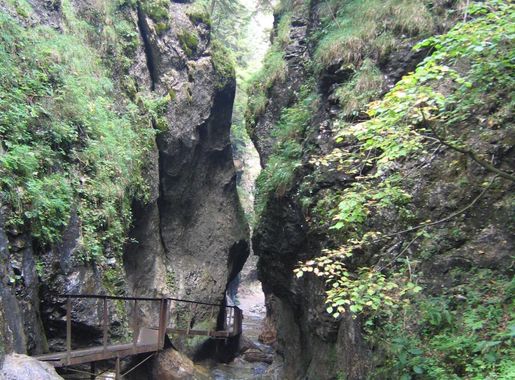
To experience Mala Fatra National Park like a local, visit the local markets in towns like Terchová where you can buy fresh produce and traditional Slovak goods. Engage with locals, as they are often friendly and willing to share stories about the region's history and culture. Don’t miss the Jánošíkove Diery (Jánošík Holes), a system of gorges and waterfalls perfect for hiking. For a unique experience, attend one of the local folklore festivals which often feature traditional music and dance.
When is the best time to visit Mala Fatra National Park?
Useful Local Phrases for Mala Fatra National Park
You don't need to speak the language perfectly. Even learning a few simple words can make conversations warmer—and locals usually appreciate the effort.
— Eve

Here are the phrases I use most often in Mala Fatra National Park. Try a few—you'll be surprised how far they go! 😊
❤️
-
- HelloAhoj
[ahoy] - GoodbyeDovidenia
[doh-vee-de-nyah] - YesÁno
[ah-noh] - NoNie
[nye] - Please/You're welcomeProsím
[pro-seem] - Thank youĎakujem
[dja-koo-yem] - Excuse me/SorryPrepáčte
[preh-paach-te] - How are you?Ako sa máš?
[ah-ko sa mash] - Fine. And you?Dobre. A ty?
[doh-bre. ah tee] - Do you speak English?Hovoríte po anglicky?
[ho-vo-ree-teh poh ang-licky] - I don't understandNerozumiem
[neh-roh-zoo-mee-yem]
- HelloAhoj
-
- I'd like to see the menu, pleaseChcel by som vidieť jedálny lístok, prosím
[kh-tsel bee som vee-dyech yeh-dahl-nee lees-tok pro-seem] - I don't eat meatNejem mäso
[neh-yem ma-saw] - Cheers!Na zdravie!
[nah zdrah-vee-eh] - I would like to pay, pleaseChcel by som zaplatiť, prosím
[kh-tsel bee som zah-pla-teet pro-seem]
- I'd like to see the menu, pleaseChcel by som vidieť jedálny lístok, prosím
-
- Help!Pomoc!
[po-mots] - Go away!Choď preč!
[khoj prech] - Call the Police!Volaj políciu!
[vo-laj po-lee-tsyoo] - Call a doctor!Volajte lekára!
[vo-laj-teh leh-ka-ra] - I'm lostStratil som sa
[stra-teel som sa] - I'm illSom chorý
[som kho-ree]
- Help!Pomoc!
-
- I'd like to buy...Chcel by som kúpiť...
[kh-tsel bee som koo-peekh] - I'm just lookingLen sa pozerám
[len sa po-zeh-rahm] - How much is it?Koľko to stojí?
[kol-ko toh stoh-yee] - That's too expensiveTo je príliš drahé
[toh yeh pree-lish dra-heh] - Can you lower the price?Dokážete znížiť cenu?
[do-ka-zhe-te znee-zheet tseh-noo]
- I'd like to buy...Chcel by som kúpiť...
-
- What time is it?Koľko je hodín?
[kol-ko yeh hoh-deen] - It's one o'clockJe jedna hodina
[yeh yed-na hoh-dee-nah] - Half past (10)O pol desiatej
[oh pol des-yah-teh-ee] - MorningRáno
[rah-noh] - AfternoonPopoludní
[poh-po-loo-dnee] - EveningVečer
[veh-chair] - YesterdayVčera
[v-cheh-rah] - TodayDnes
[dnes] - TomorrowZajtra
[zay-tra] - 1Jedna
[yed-na] - 2Dve
[dveh] - 3Tri
[tree] - 4Štyri
[shtee-ree] - 5Päť
[paht] - 6Šesť
[shest] - 7Sedem
[seh-dem] - 8Osem
[oh-sem] - 9Deväť
[deh-vath] - 10Desať
[deh-saht]
- What time is it?Koľko je hodín?
-
- Where's a/the...?Kde je...
[kdeh yeh] - What's the address?Aká je adresa?
[ah-kah yeh ah-dreh-sah] - Can you show me (on the map)?Môžete mi to ukázať (na mape)?
[moh-zheh-teh mee toh oo-kah-zaht nah mah-peh] - When's the next (bus)?Kedy je ďalší (autobus)?
[keh-dee yeh dyaal-shee ow-toh-boos] - A ticket (to ....)Jedna lístok (do ...)
[yed-na lees-tok doh]
- Where's a/the...?Kde je...
History of Mala Fatra National Park
-
The Mala Fatra region has been inhabited since prehistoric times. Archaeological findings suggest that early human settlers were drawn to the area’s rich natural resources and strategic location. Artifacts such as stone tools and pottery have been discovered, indicating the presence of early agricultural communities who cultivated the fertile valleys and hunted in the dense forests.
-
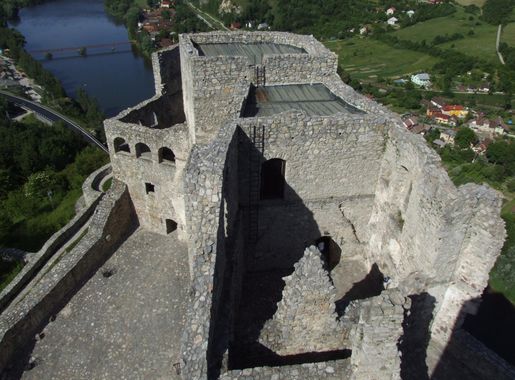
During the medieval period, the Mala Fatra region was a crucial part of the Kingdom of Hungary. Several fortresses and castles were constructed to defend against invasions and to control trade routes. Notable examples include the Strečno Castle, which dates back to the 14th century. This castle played a significant role in the region's defense and was a key stronghold during various conflicts, including the anti-Habsburg uprisings.
-
Mala Fatra is deeply embedded in Slovak folklore and traditions. The region is home to numerous folk tales and legends that have been passed down through generations. These stories often involve mythical creatures, legendary heroes, and epic battles. Traditional wooden houses, known as 'drevenice,' and folk festivals celebrate the rich cultural heritage and keep the ancient customs alive.
-
Mala Fatra played a significant role during World War II as a center for resistance movements against the Nazi occupation. The rugged terrain and dense forests provided ideal hideouts for partisans. Historical accounts detail numerous skirmishes and sabotage operations carried out by resistance fighters. The village of Terchová, in particular, is noted for its brave partisans who contributed significantly to the Slovak National Uprising in 1944.
-
Mala Fatra National Park was officially established in 1988 to protect the unique biodiversity and natural beauty of the region. The park covers an area of approximately 226 square kilometers and includes diverse landscapes ranging from deep gorges and waterfalls to alpine meadows and dense forests. The creation of the park marked a significant step in the conservation efforts of Slovakia, ensuring that the region’s flora and fauna are preserved for future generations.
-
In recognition of its outstanding natural and cultural significance, certain parts of Mala Fatra, including the ancient beech forests, have been designated as UNESCO World Heritage Sites. This designation highlights the global importance of preserving the pristine ecosystems and the historical legacy of the region. The beech forests are particularly notable for their biodiversity and ancient trees, some of which are over 200 years old.
Neighbouring destination travel guides
Browse our curated selection of top destinations, scenic points, and must-visit spots in the area.


Your all‑in‑one travel companion app
Explore expert travel guides, compare and book tours, experiences, hotels, and more—all from the palm of your hand. Download now for seamless trip planning wherever your wanderlust takes you.


Explore More of Kysuce

Looking beyond Mala Fatra National Park? Discover Kysuce for broader travel guides, local hot-spots, and regional highlights.
Explore KysuceExplore More of Slovakia

Looking beyond Mala Fatra National Park? Discover Slovakia for broader travel guides, local hot-spots, and regional highlights.
Explore SlovakiaMala Fatra National Park in Photos
Browse through our photo collection highlighting the charm and character of the destination.





Mala Fatra National Park: Slovakia's Untouched Wilderness
Mala Fatra National Park is a hidden gem in the heart of Slovakia. This stunning park offers visitors a chance to explore lush forests, rocky peaks, and serene meadows. The park is home to a diverse range of wildlife, including bears, wolves, and lynxes. This makes it a paradise for nature lovers and wildlife enthusiasts. Hiking trails wind through the park, offering breathtaking views of the surrounding landscape. One of the most popular routes takes you to the top of Velký Kriváň, the highest peak in the park. The climb is challenging but rewarding, with panoramic views that stretch for miles. For those who prefer a more relaxed pace, the park also offers gentle walks along rivers and through valleys. In addition to its natural beauty, Mala Fatra has a rich cultural heritage. The nearby village of Terchová is known for its traditional folk music and wooden architecture. This village is also the birthplace of the legendary Slovak hero, Juraj Jánošík. Visitors can learn about his life and legacy at the local museum. Whether you are seeking adventure or tranquility, Mala Fatra National Park has something to offer everyone.