

Free Žilina Travel Guide & Mobile App
Plan your Žilina trip with Evendo. Get free guides to top attractions, restaurants, hotels, and bars. Web access or download the mobile app.


Žilina, Slovakia, blends medieval squares, northern mountain scenery and modern culture, with Budatín Castle, local museums and easy access to Malá Fatra.
A Northern Slovak Crossroads
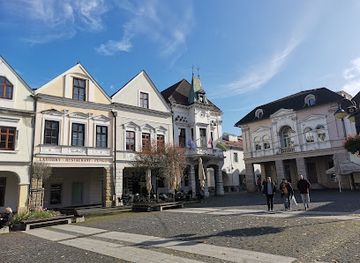
Žilina stands in north-western Slovakia where the Váh and Kysuca valleys meet, a regional centre shaped by trade, industry and the mountain landscapes beyond its streets. Its compact historic core is centred on Mariánske námestie, a handsome square ringed by arcaded houses, cafés and the Church of the Conversion of Saint Paul the Apostle. From here, lanes lead towards quieter residential quarters, cultural institutions and the broad riverside landscapes that frame the city.Read more about Žilina
History in the Urban Fabric
City Life and Mountain Horizons
When is the best time to visit Žilina?
Best: June–August · 23–25°C| Month | High (°C) | Rainfall (mm) |
|---|---|---|
| January | 2 | 25 |
| February | 3 | 25 |
| March | 8 | 30 |
| April | 15 | 35 |
| May | 20 | 45 |
| June (best) | 23 | 60 |
| July (best) | 25 | 75 |
| August (best) | 25 | 65 |
| September | 20 | 50 |
| October | 14 | 40 |
| November | 8 | 35 |
| December | 3 | 30 |
Getting to and around Žilina
How to get there
Transportation
Best attractions in Žilina
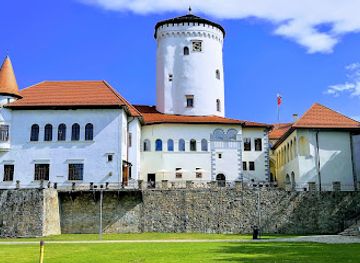
Žilina's principal sightseeing area is the historic centre, where Mariánske námestie is framed by arcaded burgher houses and the Church of the Conversion of Saint Paul the Apostle. The nearby Rosenfeld Palace hosts cultural activity in an ornate early twentieth-century setting, while the New Synagogue offers exhibitions and events within a carefully restored modernist building. Across the Váh, or reached by a pleasant walk from the centre, Budatín Castle combines medieval origins, later architectural layers and the regional collections of the Považie Museum, including its celebrated wire-working heritage. The Museum of Transport presents railway and road history in a former industrial setting, adding context to Žilina's role as a communications hub. Riverside paths and the castle park provide open space, while the city's position makes it a practical starting point for organised or self-guided trips towards the Malá Fatra and Súľov Rocks.
-
Spa
Aphrodite Spa - Spa Rajecke Teplice
Experience ultimate relaxation at Aphrodite Spa in Rajecké Teplice, where wellness meets luxury in breathtaking surroundings.
31 min drive · 11 km from city centre
-
Tourist attraction
Budatín castle
Discover the captivating beauty and rich history of Budatín Castle in Žilina-Budatín, a must-visit destination for every traveler in Slovakia.
5 min drive · 1.5 km from city centre
-
Tourist attraction
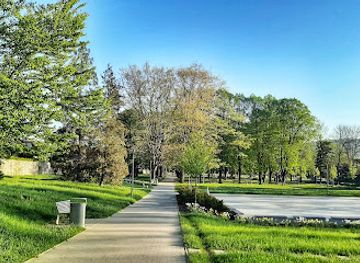
Park of Ľudovít Štúr
Explore the scenic beauty and cultural heritage of the Park of Ľudovít Štúr in Žilina, a perfect retreat for nature lovers and history enthusiasts.
16 min walk · 1.3 km from city centre
-
Tourist attraction
Žilina forest park
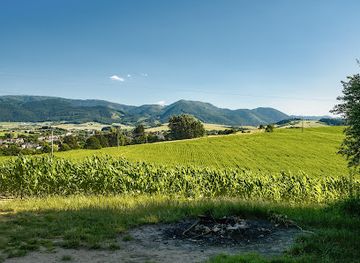
Explore the tranquility of Žilina Forest Park, a nature preserve offering stunning landscapes, walking trails, and diverse wildlife for an unforgettable outdoor experience.
10 min drive · 3.3 km from city centre

Best landmarks in Žilina
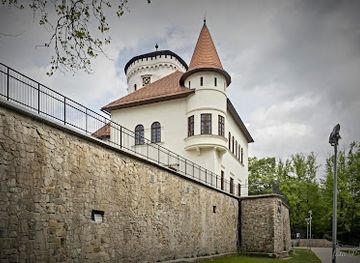
Mariánske námestie is Žilina's defining civic landmark, its regular medieval layout and arcaded houses revealing the town's commercial origins. The Church of the Conversion of Saint Paul the Apostle, with its twin-towered presence, anchors one side of the square and reflects the historic importance of Catholic institutions in the city. Budatín Castle, beside the Váh, developed as a fortified residence protecting a strategic crossing before acquiring its later château-like appearance; its park and museum collections connect architecture with regional history. The New Synagogue is significant for a different reason, representing Žilina's Jewish heritage and twentieth-century modernism after a long period of neglect and restoration. The Church of Saint Stephen the King in the historic centre preserves another layer of the city's religious and architectural past, while Rosenfeld Palace illustrates the civic and cultural ambitions of the modernising town.
-
Castle
Budatín castle
Discover the enchanting Budatín Castle in Žilina-Budatín, where history meets stunning natural beauty along the Váh River.
5 min drive · 1.5 km from city centre
-
Castle
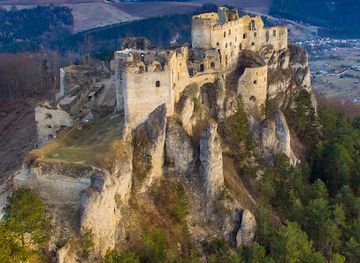
Castle Lietava
Discover the historic charm and breathtaking views at Castle Lietava, a captivating ruin nestled in the heart of Slovakia's scenic landscape.
24 min drive · 8.0 km from city centre
-
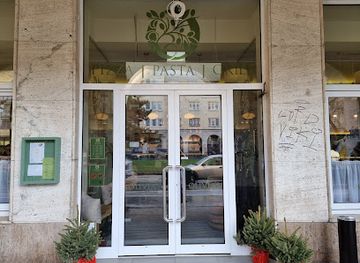
Italian
Olivia's restaurant
Experience the authentic taste of Italy at Olivia's Restaurant in Žilina, where every dish is a celebration of flavor and tradition.
7 min walk · 0.5 km from city centre
-
Hotel
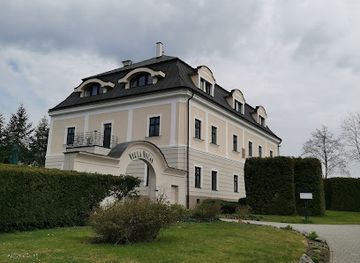
Villa Necas
Experience the tranquility and elegance of Villa Necas in Žilina, a perfect retreat for exploring Slovakia's stunning landscapes and rich culture.
7 min drive · 2.3 km from city centre
Explore Žilina on the map
Plan your Žilina trip on one map. See where the top attractions, landmarks, restaurants, bars and hotels are, find what's near where you're staying, and book hotels and experiences in a few clicks.
Best hotels in Žilina
Best restaurants in Žilina
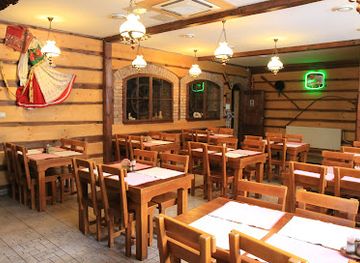
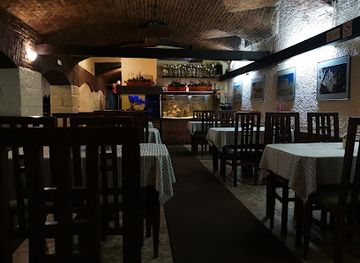
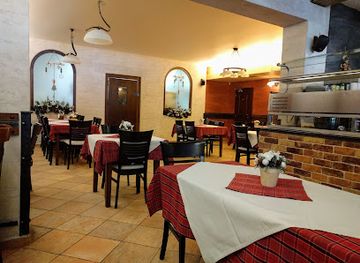
Žilina's dining scene reflects northern Slovak traditions alongside the tastes of a university and industrial city. Menus may feature bryndzové halušky, potato dumplings with sheep's cheese and bacon, as well as kapustnica, a sauerkraut soup whose variations often include smoked meat or sausage. Soups, schnitzels, roast meats and seasonal produce remain common in traditional restaurants, while cafés and newer bistros bring lighter dishes and contemporary Central European cooking. The streets around Mariánske námestie and the pedestrian centre have the greatest concentration of cafés and restaurants, with additional everyday dining in the surrounding districts. Local bakeries are useful for sweet pastries and filled rolls, and regional beer or Slovak wine often accompanies a meal. Dining customs are generally relaxed, though service can be unhurried and menus may not always be available in several languages.
-
Restaurant
Žilinská Kozlovna
Indulge in traditional Slovak cuisine at Žilinská Kozlovna – a delightful dining experience in the heart of Žilina.
1 min walk · 0.1 km from city centre
-
Restaurant
Smreková Koliba
Experience authentic Slovak cuisine and vibrant brews at Smreková Koliba in Žilina's charming setting.
8 min drive · 2.7 km from city centre
-
Restaurant
Pizzeria Carolina
Experience authentic Italian flavors at Pizzeria Carolina in Žilina – where every slice tells a story.
6 min walk · 0.5 km from city centre
-
Restaurant
Vulcano restaurant
Experience the best of Slovakian and international cuisine at Vulcano Restaurant in Žilina – where every meal is a delightful journey.
18 min walk · 1.4 km from city centre
Best bars in Žilina
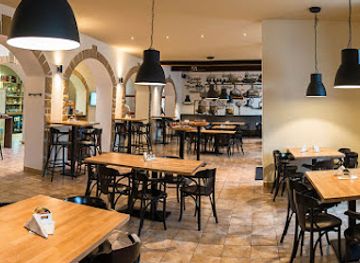
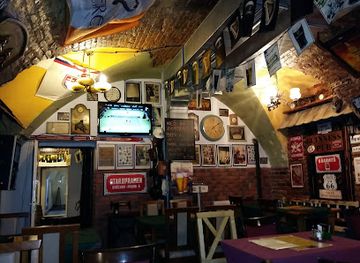
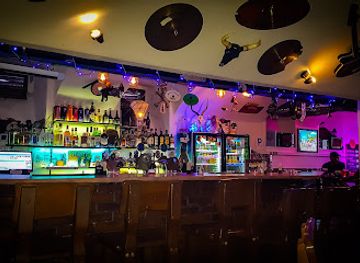
Evenings in Žilina are centred more on cafés, pubs, cultural programming and student social life than on a large-scale club scene. The historic centre, particularly around Mariánske námestie and adjacent pedestrian streets, offers places for Slovak beer, wine, coffee and informal conversation, while concerts and alternative events are associated with venues such as Stanica Žilina-Záriečie. The New Synagogue and the Municipal Theatre contribute exhibitions, performances and occasional evening programmes that broaden the city's after-dark choices beyond drinking. University term time can bring a livelier atmosphere, but nightlife remains modest compared with Bratislava or larger regional capitals. Visitors should check current programmes locally, as concerts, theatre performances and cultural events vary by season and venue.
-
Pub
Beervana
Discover the vibrant atmosphere of Beervana, Žilina's premier pub for craft beer enthusiasts, offering local flavors and a diverse selection.
3 min walk · 0.2 km from city centre
-
Gastropub
Guinness Pub
Discover the welcoming atmosphere of Guinness Pub in Žilina, where Irish tradition meets Slovak flavor in a perfect gastropub experience.
1 min walk · 0.1 km from city centre
-
Bar
XXL pub
Discover the lively ambiance and extensive drink selection at XXL Pub, a top destination for locals and tourists in Žilina.
7 min walk · 0.5 km from city centre
-
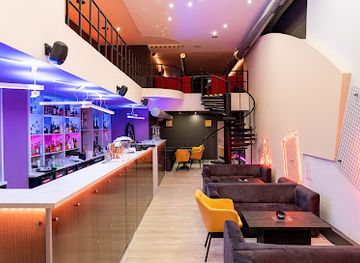
Cocktail bar
MANGO café & bar
Discover MANGO Café & Bar in Žilina, where vibrant cocktails meet a lively ambiance. Perfect for relaxation and socializing after a day of exploration.
1 min walk · 0.1 km from city centre
Best nightclubs in Žilina
Evenings in Žilina are centred more on cafés, pubs, cultural programming and student social life than on a large-scale club scene. The historic centre, particularly around Mariánske námestie and adjacent pedestrian streets, offers places for Slovak beer, wine, coffee and informal conversation, while concerts and alternative events are associated with venues such as Stanica Žilina-Záriečie. The New Synagogue and the Municipal Theatre contribute exhibitions, performances and occasional evening programmes that broaden the city's after-dark choices beyond drinking. University term time can bring a livelier atmosphere, but nightlife remains modest compared with Bratislava or larger regional capitals. Visitors should check current programmes locally, as concerts, theatre performances and cultural events vary by season and venue.
-
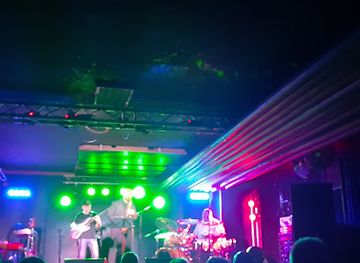
Bar
Smer Klub 77 - Music Club
Experience the vibrant nightlife of Žilina at Smer Klub 77, where live music and a lively atmosphere come together for an unforgettable night out.
2 min walk · 0.1 km from city centre
-
Night club
Pancha Skybar Žilina
Experience the vibrant nightlife and stunning views at Pancha Skybar Žilina, the ultimate destination for nightlife enthusiasts and cocktail lovers.
9 min walk · 0.8 km from city centre
-
Bar
College Club
Discover the lively College Club in Žilina, where vibrant nightlife meets a diverse drink selection in a welcoming atmosphere.
4 min walk · 0.3 km from city centre
-
Night club
Centauri - Music • Lounge • Shisha Bar
Discover the vibrant nightlife at Centauri - a premier music and lounge destination in Žilina with cocktails, shisha, and live music.
1 min walk · 0.1 km from city centre


Best shops in Žilina
Shopping in Žilina combines everyday Slovak retail with small-scale independent businesses in and around the pedestrian centre. The streets beside Mariánske námestie are the most convenient area for cafés, fashion, books, gifts and locally oriented shops, while larger retail complexes on the outskirts provide mainstream brands and practical services. Traditional food shops and bakeries offer opportunities to buy Slovak cheeses, confectionery, preserves and other regional products, although specialist craft shopping is less concentrated than in some tourist-heavy towns. The Považie Museum's regional focus helps visitors understand the wire-working tradition associated with north-western Slovakia, and craft items inspired by that heritage may appear in cultural shops or exhibitions. For fresh produce and a more local shopping atmosphere, check the current location and opening arrangements of Žilina's market stalls rather than expecting a permanent historic bazaar.
-
Shopping mall
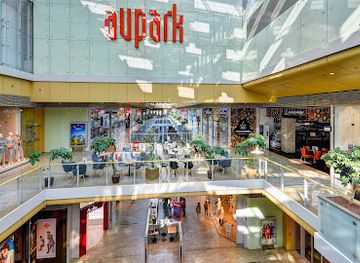
Aupark Žilina
Experience the ultimate shopping and entertainment hub at Aupark Žilina, where modern retail meets local culture.
2 min walk · 0.2 km from city centre
-
Shopping mall
Mirage Shopping Center
Discover a shopping haven at Mirage Shopping Center in Žilina, where fashion meets entertainment and culinary delights await.
2 min walk · 0.2 km from city centre
-
Shopping mall
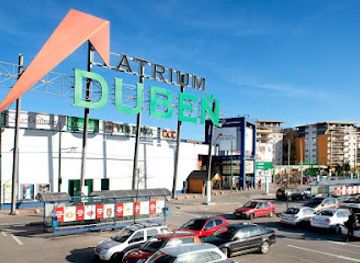
Atrium Dubeň
Explore Atrium Dubeň in Žilina - your ultimate shopping destination with diverse stores, delightful dining, and exciting events.
5 min drive · 1.6 km from city centre
-
Clothing store
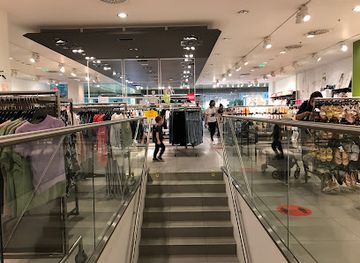
H&M
Explore H&M in Žilina for stylish men's clothing that blends modern trends with affordability, perfect for every traveler.
4 min walk · 0.3 km from city centre
Get your free copy of our complete guide to Žilina, delivered straight to you.
Everything on this page, from attractions and restaurants to essentials and local phrases, in one PDF you can read offline, print or share.
Already have an account? Sign in
Your Žilina guide is ready.
We'll send it to · Not you? Sign out

Getting your guide ready…
We are putting together a fresh copy of the Žilina guide. This can take up to a minute.
This can take a few moments. If your browser asks, choose Allow so the download can start. You'll find the guide in your Downloads folder.
Nothing happened? Download it again
Sorry, the guide is taking longer than usual. Please try again in a minute, or get it by email instead.
Žilina essentials
Currency and Payment
Safety
Emergency Situations
Do's and Don'ts
Local Tips
From Eve
Local phrases worth knowing
You don't need to get them perfect. A few words go a long way, and locals appreciate the effort.
Basics
| English | Local | Say it |
|---|---|---|
| Hello | Ahoj | [ahoy] |
| Goodbye | Dovidenia | [doh-vee-de-nya] |
| Yes | Áno | [ah-no] |
| No | Nie | [nye] |
| Please/You're welcome | Prosím | [pro-seem] |
| Thank you | Ďakujem | [dya-koo-yem] |
| Excuse me/Sorry | Prepáčte | [pre-paach-te] |
| How are you? | Ako sa máš? | [ah-ko sa mash] |
| Fine. And you? | Dobre. A ty? | [do-bre. ah tee] |
| Do you speak English? | Hovoríte po anglicky? | [ho-vo-ree-te po ang-li-tsee] |
| I don't understand | Nerozumiem | [ne-ro-zoo-mee-em] |
Eating & Drinking
| English | Local | Say it |
|---|---|---|
| I'd like to see the menu, please | Chcel by som vidieť menu, prosím | [khe-tsel bi som vee-dyetch me-no, pro-seem] |
| I don't eat meat | Nemám rád mäso | [ne-mam raad ma-saw] |
| Cheers! | Na zdravie! | [na zdra-vee-ye] |
| I would like to pay, please | Chcel by som zaplatiť, prosím | [khe-tsel bi som zap-la-teet, pro-seem] |
Emergencies
| English | Local | Say it |
|---|---|---|
| Help! | Pomoc! | [po-mots] |
| Go away! | Choď preč! | [khod prech] |
| Call the Police! | Volaj políciu! | [vo-lai po-lee-tee-oo] |
| Call a doctor! | Volajte lekára! | [vo-lai-te le-ka-ra] |
| I'm lost | Zablúdil som | [za-bloo-deel som] |
| I'm ill | Som chorý | [som kho-ree] |
Shopping
| English | Local | Say it |
|---|---|---|
| I'd like to buy... | Chcel by som kúpiť... | [khe-tsel bi som koo-pit] |
| I'm just looking | Len sa rozzerávam | [len sa rozz-ze-raa-vam] |
| How much is it? | Koľko to stojí? | [kol-ko to stoy-ee] |
| That's too expensive | To je príliš drahé | [to ye pree-lish dra-he] |
| Can you lower the price? | Dokážete znížiť cenu? | [do-kaa-zhe-te znee-zheet tse-nu] |
Time & Numbers
| English | Local | Say it |
|---|---|---|
| What time is it? | Koľko je hodín? | [kol-ko ye ho-deen] |
| It's one o'clock | Je jedna hodina | [ye yed-na ho-dee-na] |
| Half past (10) | Polovica desiatej | [po-lo-vee-tsa des-yat-ey] |
| Morning | Ráno | [raa-no] |
| Afternoon | Popoludní | [po-po-loo-dnee] |
| Evening | Večer | [ve-cher] |
| Yesterday | Včera | [v-che-ra] |
| Today | Dnes | [dnes] |
| Tomorrow | Zajtra | [zai-tra] |
| 1 | Jedna | [yed-na] |
| 2 | Dve | [dve] |
| 3 | Tri | [tree] |
| 4 | Štyri | [shty-ree] |
| 5 | Päť | [pyat] |
| 6 | Šesť | [shest] |
| 7 | Sedem | [se-dem] |
| 8 | Osem | [o-sem] |
| 9 | Deviť | [de-vit] |
| 10 | Desať | [de-saht] |
Transport & Directions
| English | Local | Say it |
|---|---|---|
| Where's a/the...? | Kde je... | [kde ye] |
| What's the address? | Aká je adresa? | [ah-ka ye a-dre-sa] |
| Can you show me (on the map)? | Môžete mi to ukázať (na mape)? | [moh-zhe-te mee to oo-kaa-zaht (na ma-peh)] |
| When's the next (bus)? | Kedy je ďalší (autobus)? | [ke-dy ye dyal-shee (ow-to-boos)] |
| A ticket (to ....) | Jedno lístok (do ....) | [yed-no lees-tok (do)] |
History of Žilina
Early Settlements and Medieval Emergence
The Žilina basin has been occupied since prehistoric times, benefiting from fertile land and routes through the Váh valley. The medieval town developed around a regular market settlement, and the earliest written references to Žilina date from the thirteenth century. Its position at the meeting point of routes towards Moravia, Silesia and central Slovakia encouraged trading activity. German-speaking settlers contributed to the town's urban and commercial development, while the square plan and burgher houses that survive in the centre reflect its medieval foundation.
Royal Town and Municipal Privileges
During the fourteenth and fifteenth centuries, Žilina grew as a market town under the Hungarian Crown and acquired municipal privileges that strengthened local administration and commerce. The central square became the focus of trade, civic life and religious activity. Žilina's position also made it vulnerable to the political instability of the region, including conflicts connected with competing noble powers and the wider struggles affecting the Kingdom of Hungary. The town nevertheless retained its importance as a regional centre linking the Váh valley with routes north and west.
The Žilina Synod and Religious Change
The Reformation and Counter-Reformation altered Žilina's religious and civic life during the sixteenth and seventeenth centuries. In 1610, the Žilina Synod took place in the town, an important gathering for Lutheran representatives from Upper Hungary. Although its religious settlement was temporary and political conditions continued to change, the synod demonstrates Žilina's significance within the confessional debates of the period. Churches, schools and civic institutions became central to the town's identity as Catholic and Protestant communities negotiated authority and custom.
Trade, Crafts and the Váh Valley
Žilina's prosperity continued to depend on commerce, local craft production and its location beside the Váh. The nearby Budatín estate and castle controlled an important crossing and regional route, while the town served surrounding villages and markets. One distinctive craft associated with the wider north-western Slovak region was wire working, in which travelling craftsmen produced and repaired household objects using fine iron wire. The tradition later became closely associated with the Považie Museum's collections and remains one of the clearest cultural links between Žilina and its hinterland.
Railways and Industrial Expansion
The arrival of railway connections in the nineteenth century transformed Žilina from a regional market town into a major transport centre. Rail links improved access to Bratislava, Košice, Moravia and Silesia, encouraging trade, manufacturing and the growth of new neighbourhoods outside the historic core. Industrialisation brought social change as workers, entrepreneurs and public institutions reshaped the city. The railway legacy is especially visible through the city's transport collections and in the continuing importance of Žilina railway station within northern Slovakia's communications network.
Twentieth-Century Transformation
The twentieth century brought the political upheavals of the First Czechoslovak Republic, wartime Slovak state, Second World War and post-war communist period. Žilina expanded rapidly after 1945, with housing estates and industrial development changing its scale and appearance. The city also experienced the destruction of much of its Jewish community during the Holocaust, a loss remembered through local memorial work and the restored New Synagogue. Since 1989, Žilina has developed as a university, cultural and administrative centre while renewing parts of its historic fabric.
Žilina in Photos
Browse through our photo collection highlighting the charm and character of the destination.
Cities near Žilina
The closest cities to Žilina, if you have time for more than one stop.
-

-

-

-

-


Swipe for more cities
Explore more

Explore more of Slovakia
Discover Slovakia: A land of majestic mountains, charming castles, and vibrant culture in the heart of Europe.
Explore Slovakia