

Free Orava Travel Guide & Mobile App
Explore Orava with free travel guides. Discover regional history, expert tips, proposed trips, and audio guides on web or mobile app.


Explore Orava in northern Slovakia for a medieval castle, Western Tatras trails, reservoir landscapes and enduring mountain traditions.
Read more about Orava
When is the best time to visit Orava?
Best: June–August · 20–22°C| Month | High (°C) | Rainfall (mm) |
|---|---|---|
| January | 0 | 30 |
| February | 2 | 30 |
| March | 8 | 40 |
| April | 12 | 50 |
| May | 17 | 60 |
| June (best) | 20 | 70 |
| July (best) | 22 | 80 |
| August (best) | 21 | 70 |
| September | 18 | 60 |
| October | 13 | 50 |
| November | 6 | 40 |
| December | 2 | 30 |
Getting to and around Orava
How to get there
Transportation
Top city travel guides in Orava
The cities of Orava, and the easiest places to base yourself.
-

-


Swipe for more cities
Destinations in Orava
Resorts, valleys and scenic spots worth a trip of their own.
-

-
-
-

-

-


Swipe for more destinations
Best attractions in Orava
Orava’s attractions combine a major medieval monument, mountain landscapes and carefully preserved rural heritage. Orava Castle at Oravský Podzámok is the region’s defining historic site, with exhibitions and courtyards spread across its dramatic rock. The Orava Reservoir provides a very different experience, with boating, fishing, seasonal waterside recreation and excursions to Slanický ostrov, where the Church of the Exaltation of the Holy Cross stands above the lake. In Zuberec, the Museum of the Orava Village presents timber houses, farm buildings and religious structures relocated or preserved to represent traditional settlements. The Roháče area offers marked hiking routes through valleys and high mountain scenery within the Western Tatras, while the surrounding foothills are suited to cycling, cross-country skiing and shorter walks. Dolný Kubín contributes galleries, museums and literary associations, and Tvrdošín is known for its historic wooden church. Smaller villages, folk collections and seasonal cultural events add context to the region’s architecture, pastoral traditions and relationship with the forest.
-
Castle
Orava Castle
Discover the enchanting Orava Castle, a stunning medieval fortress in Slovakia that boasts breathtaking views and rich history.
-
Zoo
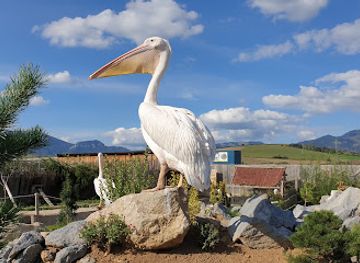
Zoo Kontakt
Explore a world of wildlife at Zoo Kontakt, a family-friendly attraction in Liptovský Mikuláš, Slovakia, featuring diverse species and interactive experiences.
-
Tourist attraction
Lučanský waterfall
Experience the breathtaking Lučanský Waterfall, a natural wonder in Slovakia, surrounded by lush landscapes and tranquil beauty.
-
Ski resort
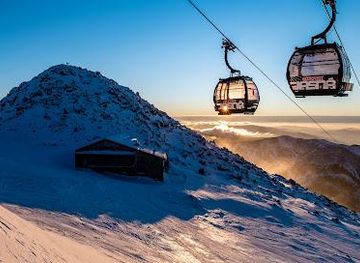
Jasna Low Tatras
Explore the breathtaking Jasna Low Tatras, a premier ski resort offering year-round outdoor adventures, stunning views, and diverse trails for all skill levels.


Best landmarks in Orava
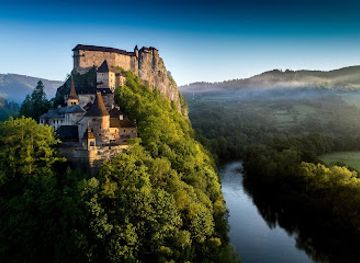
Orava Castle is the region’s most recognisable landmark, its stone walls and towers rising in successive levels above Oravský Podzámok and the Orava River. It is both a defensive monument and a visual record of changing medieval and early modern architecture. The Church of the Exaltation of the Holy Cross on Slanický ostrov is another distinctive sight: formerly part of a settled island community, it now stands amid the waters of the Orava Reservoir and contains a collection associated with Slovak sacred art. The wooden All Saints’ Church in Tvrdošín, a carefully preserved Gothic timber building, represents the religious architecture of northern Slovakia and is recognised as part of the UNESCO-listed group of Slovak Carpathian wooden churches. In the mountains, the Roháče peaks, valleys and tarns function as natural landmarks, while the broad reservoir forms a defining modern landscape. The literary memorials and historic buildings of Dolný Kubín and nearby Vyšný Kubín add a cultural dimension to Orava’s physical identity.
-
Castle
Orava Castle
Discover the enchanting Orava Castle, a medieval fortress offering breathtaking views, rich history, and cultural experiences in Slovakia's stunning landscape.
-
Heritage museum
Orava Village Museum
Explore Slovakia's rich rural heritage at the Orava Village Museum, an enchanting open-air museum in the heart of Zuberec.
-
Tourist attraction
Horné diery
Discover the untouched beauty of Horné diery, a stunning hiking destination in Terchová, Slovakia, where nature's wonders await.
-
Castle
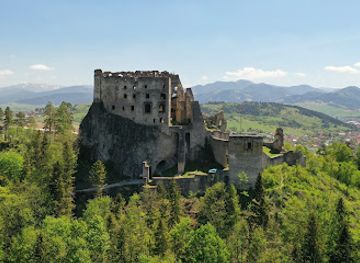
Castle Likava
Explore the historic Castle Likava in Slovakia, a medieval marvel offering stunning views, rich history, and a glimpse into the past.
Explore Orava on the map
Plan your trip on one map. See where the top cities, national parks and sights are, and book hotels and experiences in a few clicks.
Best hotels in Orava
Best restaurants in Orava
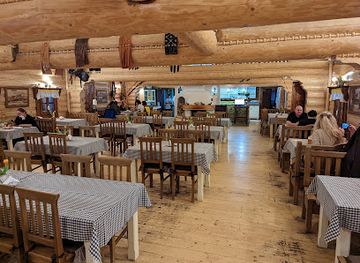
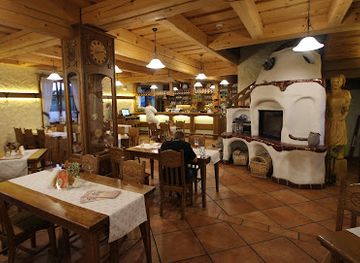
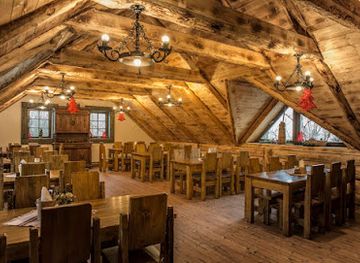
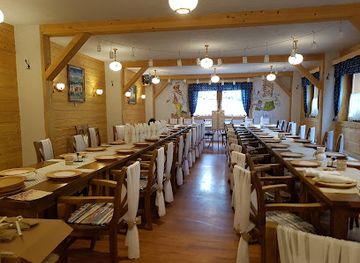
Orava’s food reflects a cool mountain climate and a long reliance on household farming, forestry and pastoralism. Menus commonly feature potatoes, cabbage, soups, smoked meat, game and sheep’s cheese, with bryndza-based dishes and dumplings appearing in forms shared with wider Slovak cuisine. Local variants of potato pancakes, halušky and hearty stews are particularly appropriate after walking or winter activities, while sheep’s products and smoked specialities are often sold in rural shops and at local markets. Traditional restaurants, mountain huts, guesthouses and family-run eateries provide the clearest sense of regional cooking, whereas Dolný Kubín and the larger towns offer a broader choice of contemporary Slovak and international food. Around the reservoir and in the mountain resorts, cafés and seasonal establishments cater to visitors, but rural opening patterns can be limited outside the main season. Slovak beer, spirits and fruit-based drinks commonly accompany meals, while bakeries provide practical provisions for day trips.
-
Restaurant
Koliba u Dobrého pastiera - penzión a reštaurácia
Discover traditional Slovak cuisine and warm hospitality at Koliba u Dobrého pastiera in beautiful Ružomberok.
-
Restaurant
Salaš - koliba Syrex
Experience authentic Slovak cuisine amidst stunning natural beauty at Salaš - koliba Syrex in Zázrivá.
-
Restaurant
Koliba Bešeňovka
Experience authentic Slovak cuisine at Koliba Bešeňovka in Liptovský Michal – where tradition meets comfort amidst stunning natural beauty.
-
Restaurant
Koliba Bystrina
Experience authentic Slovak cuisine at Koliba Bystrina in stunning Demänovská Dolina—where tradition meets breathtaking scenery.
Best bars in Orava
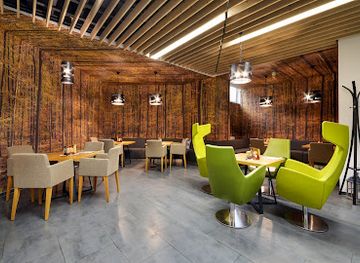
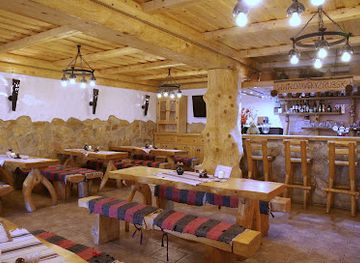
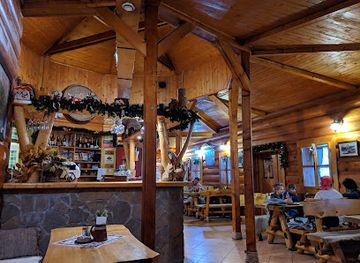
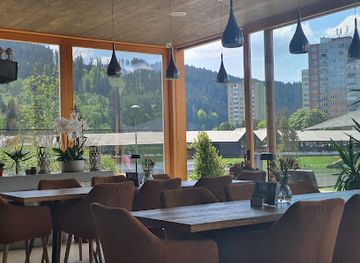
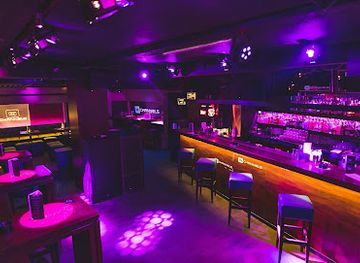
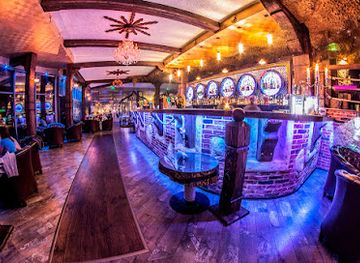
Nightlife in Orava is modest and dispersed, with evening life centred on pubs, cafés, hotel bars and restaurants rather than a large club scene. Dolný Kubín has the widest choice of places for a late drink, informal socialising and occasional live music, while Námestovo and Tvrdošín provide smaller town-centre options. In Zuberec and other mountain villages, guesthouse lounges, traditional pubs and après-ski venues are more typical than dedicated nightclubs. Cultural performances, folk events and seasonal gatherings can extend the evening offer, but they vary by date and should be checked locally. Breweries and Slovak spirits may appear alongside familiar international drinks, and many visitors choose a quiet meal or early start for a mountain walk over a late night. Rural venues may close earlier than city establishments, especially outside summer and winter holiday periods.
-
Restaurant
Centrum Pilsner Pub
Experience authentic Slovak cuisine and local brews at Centrum Pilsner Pub in Dolný Kubín, a beloved gathering spot for locals and tourists alike.
-
Restaurant
Oravský Zrub, reštaurácia, ubytovanie, Nižná
Experience the essence of Slovakia at Oravský Zrub, where culinary delights and cozy accommodations await in the scenic Nižná region.
-
Gastropub
Koliba pod lampášom
Experience authentic Slovak cuisine in a cozy gastropub setting in Oravský Podzámok, perfect for all food lovers.
-
Bar
Cafe bar Severan
Experience the cozy ambiance and delightful treats at Cafe Bar Severan in Dolný Kubín, your perfect retreat in Slovakia.
Best nightclubs in Orava
Nightlife in Orava is modest and dispersed, with evening life centred on pubs, cafés, hotel bars and restaurants rather than a large club scene. Dolný Kubín has the widest choice of places for a late drink, informal socialising and occasional live music, while Námestovo and Tvrdošín provide smaller town-centre options. In Zuberec and other mountain villages, guesthouse lounges, traditional pubs and après-ski venues are more typical than dedicated nightclubs. Cultural performances, folk events and seasonal gatherings can extend the evening offer, but they vary by date and should be checked locally. Breweries and Slovak spirits may appear alongside familiar international drinks, and many visitors choose a quiet meal or early start for a mountain walk over a late night. Rural venues may close earlier than city establishments, especially outside summer and winter holiday periods.
-
Disco club
The Club Bratislava
Discover the vibrant nightlife scene at The Club Bratislava, where music and dance come alive in an unforgettable atmosphere.
-
Night club
Channels Club
Discover the nightlife at Channels Club, where stunning cocktails and vibrant music create unforgettable memories in Old Town.
-
Bar
Smer Klub 77 - Music Club
Experience the vibrant nightlife and live music scene at Smer Klub 77, the heart of Žilina's entertainment.
-
Disco club
Imperia - M
Experience the electrifying nightlife at Imperia - M in Námestovo, the ultimate disco club for dancing and entertainment.


Best shops in Orava
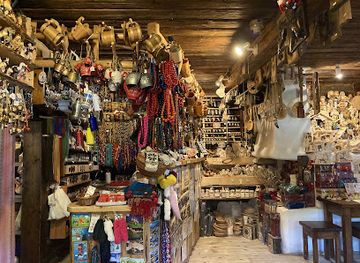
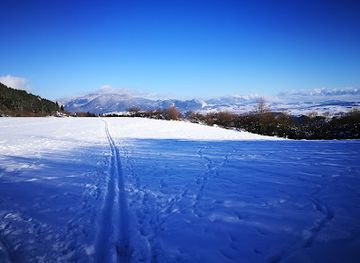
Shopping in Orava is focused on practical town-centre retail, local food and craft rather than large-scale commercial districts. Dolný Kubín has the broadest selection of shops, cafés, supermarkets, galleries and services, while Námestovo and Tvrdošín serve as useful market towns for visitors travelling through northern and central Orava. Farm shops, village stores and seasonal stalls may offer sheep’s cheese, smoked products, honey, preserves, herbs and other Slovak food specialities. Museums and cultural sites are good places to look for books, postcards, folk-inspired textiles, wooden objects and locally made souvenirs, though stock varies by season. Craft traditions associated with timber, embroidery and rural decoration are more meaningful purchases than generic imported gifts. Markets and folk events can provide regional produce and handmade items, but dates and locations change, so ask at visitor information points or accommodation. Larger designer and luxury shopping is not a defining feature of the region.
-
Heritage museum
Orava Village Museum
Explore the rich heritage of Slovakia at Orava Village Museum, an open-air jewel showcasing traditional architecture and local culture.
-
Historical place
Vlkolínec (UNESCO)
Explore Vlkolínec, a UNESCO World Heritage site filled with stunning wooden architecture and rich Slovak culture amidst breathtaking natural beauty.
-
Supermarket
Tesco
Explore Dolný Kubín with Tesco: Affordable shopping for all your travel essentials and local delights within a convenient hypermarket.
-
Collectibles store
Drevenička u liptovskej babičky
Explore Drevenička u liptovskej babičky for a unique collection of Slovak collectibles and crafts, reflecting the rich cultural heritage of the region.
Get your free copy of our complete guide to Orava, delivered straight to you.
Everything on this page, from attractions and restaurants to essentials and local phrases, in one PDF you can read offline, print or share.
Already have an account? Sign in
Your Orava guide is ready.
We'll send it to · Not you? Sign out

Getting your guide ready…
We are putting together a fresh copy of the Orava guide. This can take up to a minute.
This can take a few moments. If your browser asks, choose Allow so the download can start. You'll find the guide in your Downloads folder.
Nothing happened? Download it again
Sorry, the guide is taking longer than usual. Please try again in a minute, or get it by email instead.
Orava essentials
Currency and Payment
Safety
Emergency Situations
Do's and Don'ts
Local Tips
From Eve
Local phrases worth knowing
You don't need to get them perfect. A few words go a long way, and locals appreciate the effort.
Basics
| English | Local | Say it |
|---|---|---|
| Hello | Ahoj | [ahoy] |
| Goodbye | Zbohom | [zbohom] |
| Yes | Áno | [ah-no] |
| No | Nie | [nyeh] |
| Please/You're welcome | Prosím | [pro-seem] |
| Thank you | Ďakujem | [dya-koo-yem] |
| Excuse me/Sorry | Prepáčte | [pre-patch-teh] |
| How are you? | Ako sa máš? | [ah-koh sah mahsh] |
| Fine. And you? | Dobre. A ty? | [doh-breh. ah tee] |
| Do you speak English? | Hovoríš po anglicky? | [ho-vor-eesh poh an-glits-kee] |
| I don't understand | Nerozumiem | [neh-roh-zoo-myem] |
Eating & Drinking
| English | Local | Say it |
|---|---|---|
| I'd like to see the menu, please | Chcel by som vidieť menu, prosím | [kh-tzel bee som vid-yet men-oo, pro-seem] |
| I don't eat meat | Nejem mäso | [nyeh-yem mya-so] |
| Cheers! | Na zdravie! | [nah zdrah-vee-eh] |
| I would like to pay, please | Chcel by som zaplatiť, prosím | [kh-tzel bee som zah-pla-teet, pro-seem] |
Emergencies
| English | Local | Say it |
|---|---|---|
| Help! | Pomoc! | [poh-mots] |
| Go away! | Odiď! | [oh-deed] |
| Call the Police! | Zavolajte políciu! | [zah-vo-lah-yteh poh-lee-tsy-oo] |
| Call a doctor! | Zavolajte doktora! | [zah-vo-lah-yteh dok-toh-rah] |
| I'm lost | Som stratený | [som strah-teh-nee] |
| I'm ill | Som chorý | [som kho-ree] |
Shopping
| English | Local | Say it |
|---|---|---|
| I'd like to buy... | Chcel by som kúpiť... | [kh-tzel bee som koo-peet] |
| I'm just looking | Iba sa pozerám | [ee-bah sah po-zer-am] |
| How much is it? | Koľko to stojí? | [kol-ko toh stoy-ee] |
| That's too expensive | To je príliš drahé | [to yeh pree-leesh dra-heh] |
| Can you lower the price? | Môžete znížiť cenu? | [moh-zheh-teh znee-zheet seh-nu] |
Time & Numbers
| English | Local | Say it |
|---|---|---|
| What time is it? | Koľko je hodín? | [kol-ko yeh ho-deen] |
| It's one o'clock | Je jedna hodina | [yeh yed-nah ho-dee-nah] |
| Half past (10) | Pol (10) | [pol (dyeh-eh)] |
| Morning | Ráno | [rah-no] |
| Afternoon | Popoludnie | [poh-poh-lood-nee-eh] |
| Evening | Večer | [veh-cher] |
| Yesterday | Včera | [vcheh-rah] |
| Today | Dnes | [dnyes] |
| Tomorrow | Zajtra | [zai-trah] |
| 1 | 1 | [1] |
| 2 | 2 | [2] |
| 3 | 3 | [3] |
| 4 | 4 | [4] |
| 5 | 5 | [5] |
| 6 | 6 | [6] |
| 7 | 7 | [7] |
| 8 | 8 | [8] |
| 9 | 9 | [9] |
| 10 | 10 | [10] |
Transport & Directions
| English | Local | Say it |
|---|---|---|
| Where's a/the...? | Kde je...? | [kdeh yeh] |
| What's the address? | Aká je adresa? | [ah-kah yeh ah-dreh-sah] |
| Can you show me (on the map)? | Môžete mi ukázať (na mape)? | [moh-zheh-teh mee oo-kah-zaht nah mah-peh] |
| When's the next (bus)? | Kedy ide ďalší (autobus)? | [keh-dee ee-deh dyahl-shee ow-too-boos] |
| A ticket (to ....) | Jedna vstupenka (do ...) | [yed-nah vstu-pen-kah do] |
History of Orava
Early Settlement and the Northern Carpathians
Orava’s valleys and uplands have been used by people since prehistoric times, although settlement was constrained by a cool climate, rugged terrain and extensive forests. Archaeological evidence from the wider region records farming, metalworking and movement through routes linking the Váh basin with the northern Carpathians. Later communities gradually cleared woodland for fields and pasture. The region’s geography encouraged dispersed settlement and seasonal pastoral practices, patterns that continued to influence Orava’s villages and economy long after the earliest inhabitants had disappeared.
Medieval Orava County and the Castle
Orava became part of the medieval Kingdom of Hungary and was organised as Orava County. A fortified site above the Orava River developed into Orava Castle, whose strategic position controlled a route towards Poland and the northern borderlands. The castle was expanded repeatedly from the thirteenth century onwards, producing the lower, middle and upper sections visible today. County administration, tolls, trade and defence made the castle and the settlement beneath it central to regional government, while villages developed in the surrounding valleys and uplands.
Settlement, Pastoralism and the Vlach Tradition
From the later Middle Ages into the early modern period, new settlements spread through Orava’s forests and mountain valleys. Medieval and early modern colonisation involved several populations and legal traditions, including the pastoral Vlach settlement movement found across the Carpathians. Sheep raising, timber work and small-scale farming became important for communities living at higher elevations. Local landholding arrangements and seasonal use of mountain pastures helped create the distinctive cultural landscape associated with Orava, including timber buildings, shepherding traditions and foodways based on dairy, grain and potatoes.
The Orava Estates and Early Modern Change
The Orava estate, dominated for long periods by powerful noble families, shaped taxation, land use and the management of forests and settlements. Although Orava remained predominantly rural, its position near the Polish border brought trade, military movement and occasional political tension. The castle was adapted to changing defensive and residential needs, while churches and manor buildings marked the growing importance of settled communities. The region formed part of the Habsburg lands after the partition of medieval Hungary and remained connected to wider political changes in Central Europe.
Literary and Religious Life in the Nineteenth Century
The nineteenth century brought stronger Slovak national and cultural activity to Orava. Dolný Kubín became associated with writers, teachers and intellectuals, including Pavol Országh Hviezdoslav, one of the major figures of Slovak literature, who was born in nearby Vyšný Kubín. Schools, churches and reading culture helped preserve Slovak language and identity during a period of political pressure within the Kingdom of Hungary. The era also saw improvements in roads, administration and commerce, though most inhabitants continued to depend on agriculture, forestry and seasonal work.
Industrialisation, Railways and Forestry
Orava did not industrialise on the scale of western Slovakia, but forestry, sawmilling, small manufacturing and trade became increasingly important in the nineteenth and twentieth centuries. Railway construction connected parts of the region with the Váh valley and improved access to markets, while roads opened more remote settlements. Timber remained a major resource, and many households combined farming with forest work, crafts or temporary migration. These economic patterns helped shape the compact market towns and dispersed villages that visitors encounter today.
The Orava Reservoir and Twentieth-Century Transformation
Construction of the Orava Reservoir in the mid-twentieth century transformed the landscape and settlements of the upper Orava valley. Villages and agricultural land were inundated, and the resulting lake became an important source of water management, energy and recreation. The reservoir also altered local transport and community life, leaving church buildings and other remnants on the former settlement sites now associated with Slanický ostrov. In the later twentieth century, tourism, winter sports and protected-area management increasingly complemented forestry and agriculture as regional economic activities.
Orava in Photos
Browse through our photo collection highlighting the charm and character of the destination.
Neighbouring regions of Orava
The closest regions to Orava, if you have time for more than one.
-

-

-

-

-


Swipe for more regions
Explore more

Explore more of Slovakia
Discover Slovakia: A land of majestic mountains, charming castles, and vibrant culture in the heart of Europe.
Explore Slovakia