

Free Poprad Travel Guide & Mobile App
Plan your Poprad trip with Evendo. Get free guides to top attractions, restaurants, hotels, and bars. Web access or download the mobile app.


Poprad, Slovakia blends Spiš heritage, mountain views and easy access to the High Tatras, with museums, thermal pools and historic squares.
A Gateway to the Tatras
Poprad lies in northern Slovakia on the Poprad River, where the historic Spiš region meets the foothills of the High Tatras. Its setting is one of the city's defining features: on clear days, the jagged mountain skyline rises beyond a broad basin of fields and villages, while the urban centre provides practical access to the region's best-known hiking, skiing and wellness destinations. Poprad-Tatry Airport and the main railway station also make the city a useful base for exploring northern Slovakia.Read more about Poprad
Historic Quarters and Modern City Life
Mountain Access and Thermal Leisure
When is the best time to visit Poprad?
Best: June–August · 19–21°C| Month | High (°C) | Rainfall (mm) |
|---|---|---|
| January | 1 | 23 |
| February | 2 | 20 |
| March | 7 | 25 |
| April | 11 | 32 |
| May | 16 | 40 |
| June (best) | 19 | 56 |
| July (best) | 21 | 70 |
| August (best) | 20 | 68 |
| September | 16 | 45 |
| October | 12 | 34 |
| November | 5 | 31 |
| December | 3 | 25 |
Getting to and around Poprad
How to get there
Transportation
Best attractions in Poprad
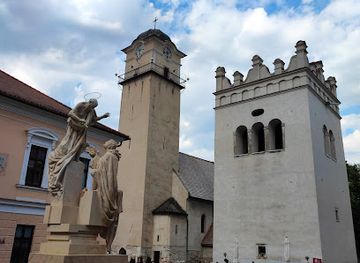
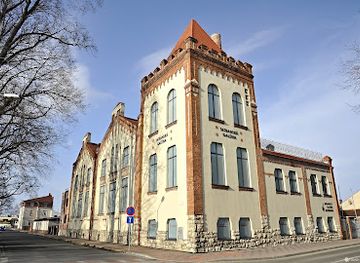
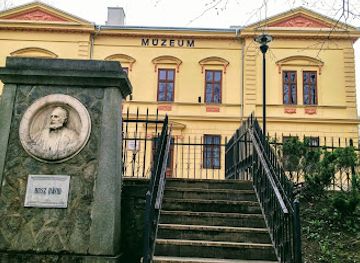
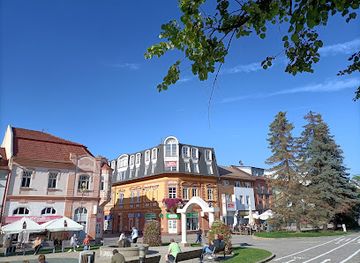
Poprad's principal sights are spread between its contemporary centre and the historic settlement of Spišská Sobota. St Egidius Square provides an easy starting point, with the Church of St Egidius, cafés and views towards the Tatras, while the Podtatranské Museum introduces the natural and cultural history of the region. In Spišská Sobota, a compact market square of Renaissance and Baroque burgher houses surrounds the Church of St George and offers one of the most rewarding walks in the city. The Tatra Gallery presents modern and contemporary art in a former power station, adding an industrial note to the cultural scene. For a change of pace, AquaCity Poprad has thermal pools and wellness facilities, and the city's railway connections make the High Tatras' hiking and mountain scenery readily accessible as a regional excursion.
-
National park
Tatra National Park
Discover the breathtaking beauty and diverse wildlife of Tatra National Park in Slovakia, a paradise for nature lovers and adventure seekers alike.
28 min drive · 9.2 km from city centre
-
Tourist attraction
Kostol sv. Egídia
Experience the architectural beauty and historical significance of Kostol sv. Egídia, a serene Catholic church in the heart of Poprad.
10 min walk · 0.8 km from city centre
-
Tourist attraction
Tatra Gallery
Discover the artistic heritage of Slovakia at Tatra Gallery in Poprad, featuring exquisite collections and engaging cultural events.
5 min walk · 0.4 km from city centre
-
Tourist attraction
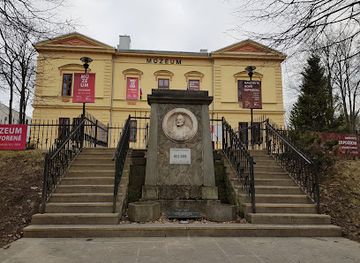
Museum below the Tatras
Explore the rich history and culture of the Tatra region at the Museum Below the Tatras in Poprad, Slovakia.
11 min walk · 0.9 km from city centre

Best landmarks in Poprad
The Church of St Egidius is Poprad's central historic landmark, a medieval church whose position beside St Egidius Square reflects the town's long civic and religious importance. In Spišská Sobota, the Church of St George anchors a remarkably well-preserved square of merchant houses; its interior is associated with the late Gothic artistic tradition of Master Paul of Levoča. The former power station now occupied by the Tatra Gallery represents a different layer of the city's history, preserving an industrial building for contemporary culture. The Podtatranské Museum, housed in historic surroundings, documents the people, archaeology and landscapes of the Tatras and Spiš. Together these places show Poprad as a city formed by parish life, regional commerce, industrial change and its enduring relationship with the mountains.
-
 Water park
AquaCity Poprad
Experience the ultimate in relaxation and fun at AquaCity Poprad, Slovakia's top water park and wellness destination, perfect for families and thrill-seekers alike.
9 min walk · 0.7 km from city centre
-
Art gallery
Tricklandia
Explore Tricklandia, a mesmerizing art gallery in Vysoké Tatry-Starý Smokovec, where creativity meets optical illusions for a family-friendly adventure.
30 min drive · 10 km from city centre
-
International airport
Poprad-Tatry Airport
Experience the stunning landscapes of the High Tatras through Poprad-Tatry Airport, your international gateway to adventure in Slovakia.
11 min drive · 3.7 km from city centre
-
Museum
Museum below the Tatras
Explore the heritage and culture of Slovakia at the Museum Below the Tatras in Poprad, a must-see for every traveler.
11 min walk · 0.9 km from city centre

Explore Poprad on the map
Plan your Poprad trip on one map. See where the top attractions, landmarks, restaurants, bars and hotels are, find what's near where you're staying, and book hotels and experiences in a few clicks.
Best hotels in Poprad
Best restaurants in Poprad
Poprad's dining reflects northern Slovak and Spiš traditions, with menus commonly drawing on potatoes, cabbage, dairy, pork, game and forest mushrooms. Look for bryndzové halušky, potato dumplings with sheep's cheese and bacon, as well as pirohy, soups and hearty regional stews; mountain huts and traditional restaurants often provide the most rooted versions of this cooking. In the centre and around Spišská Sobota, cafés and restaurants range from simple Slovak fare to contemporary European menus, while bakeries and casual venues suit travellers between trains or mountain outings. Local sheep's cheese and other dairy products are characteristic regional ingredients, and seasonal dishes may feature mushrooms or berries from the surrounding landscape. Dining is generally relaxed, with lunch often earlier than an evening meal and service paced according to local custom.
-
Restaurant
Dobré časy
Experience the vibrant flavors of Slovakia at Dobré časy – where delicious food meets great company in Poprad.
11 min walk · 0.9 km from city centre
-
Restaurant
Pizzeria Utopia
Discover delicious pizzas and local brews at Pizzeria Utopia in Poprad – your ultimate dining destination.
18 min walk · 1.5 km from city centre
-
Hamburger
Restart Burger
Discover Restart Burger: A Gourmet Hamburger Experience in Poprad-Spišská Sobota - Taste, Relax & Enjoy!
18 min walk · 1.4 km from city centre
-
Restaurant
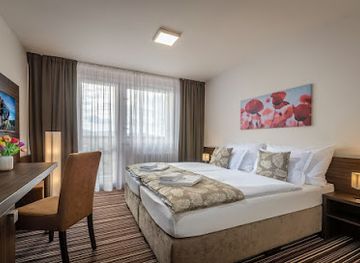
Hotel SATEL
Experience the perfect blend of comfort and culinary delights at Hotel SATEL in Poprad – your home away from home.
7 min walk · 0.6 km from city centre
Best bars in Poprad
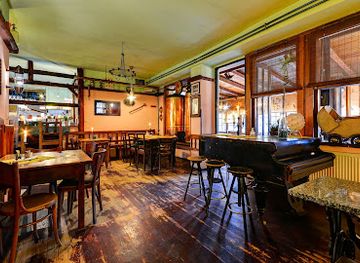
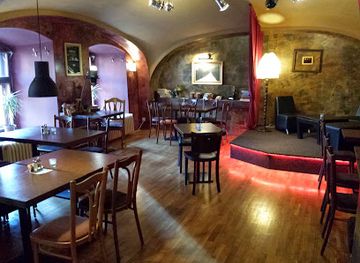
Poprad's evening scene is modest but varied enough for a relaxed night after mountain activities. The centre has cafés, pubs and bars where locals meet for beer, wine or coffee, while venues around the main square and transport area are convenient for an early evening. Spišská Sobota is more atmospheric than energetic after dark, with heritage façades and restaurants suited to a quiet drink rather than clubbing. Larger hotels and AquaCity may provide wellness-led evening entertainment or seasonal events, but schedules change. For concerts, theatre and more substantial cultural programming, consult the current listings of local cultural institutions. The city is also a practical base for evenings in the High Tatras resorts, although visitors should plan the last return connection rather than assume late-night transport.
-
Restaurant
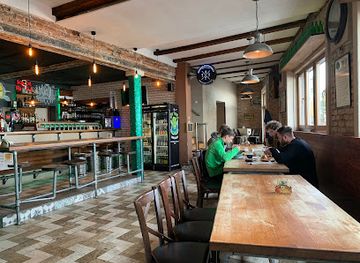
Dobré časy
Discover the culinary delights of Dobré časy, a vibrant brewpub in Poprad offering gourmet burgers and craft beers in a lively atmosphere.
11 min walk · 0.9 km from city centre
-
Bar
NEW CHICAGO - Veselá krčma
Discover the vibrant essence of Slovakian nightlife at NEW CHICAGO - Veselá krčma, where great drinks meet a lively atmosphere.
10 min walk · 0.8 km from city centre
-
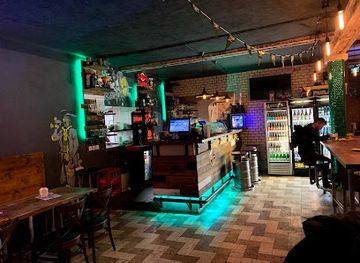
Bar
Brick
Discover Brick, Poprad's vibrant bar offering a relaxing atmosphere, diverse drinks, and a taste of local nightlife.
10 min walk · 0.8 km from city centre
-
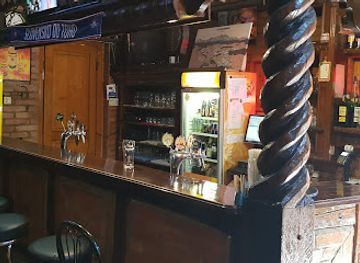
Pub
Tatran Pub Poprad
Discover the authentic taste of Slovakia at Tatran Pub in Poprad, where local cuisine meets a lively atmosphere.
12 min walk · 0.9 km from city centre

Best nightclubs in Poprad
Poprad's evening scene is modest but varied enough for a relaxed night after mountain activities. The centre has cafés, pubs and bars where locals meet for beer, wine or coffee, while venues around the main square and transport area are convenient for an early evening. Spišská Sobota is more atmospheric than energetic after dark, with heritage façades and restaurants suited to a quiet drink rather than clubbing. Larger hotels and AquaCity may provide wellness-led evening entertainment or seasonal events, but schedules change. For concerts, theatre and more substantial cultural programming, consult the current listings of local cultural institutions. The city is also a practical base for evenings in the High Tatras resorts, although visitors should plan the last return connection rather than assume late-night transport.
-
Bar
NEW CHICAGO - Veselá krčma
Discover the lively atmosphere and local flavors at NEW CHICAGO - Veselá krčma, where Poprad's nightlife comes to life.
10 min walk · 0.8 km from city centre
-
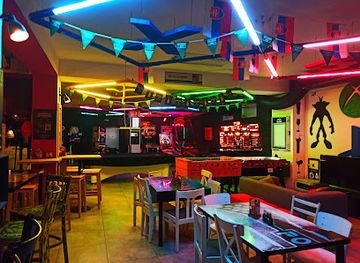
Dart bar
Club 24 - To pravé miesto na zábavu
Discover the nightlife at Club 24 in Poprad, a vibrant dart bar and pool hall for unforgettable fun and entertainment.
7 min walk · 0.6 km from city centre
-
Bar
Rock Fabric
Explore Poprad's nightlife at Rock Fabric, the ultimate bar for drinks, live music, and a welcoming atmosphere.
13 min walk · 1.1 km from city centre
-
Bar
Surprise
Discover the lively atmosphere of Surprise Bar in Poprad, where local drinks meet vibrant nightlife for an unforgettable experience.
7 min walk · 0.6 km from city centre


Best shops in Poprad
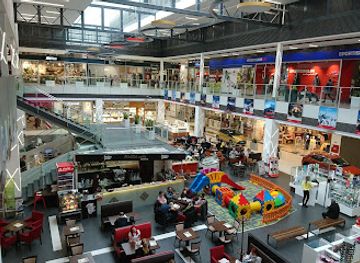
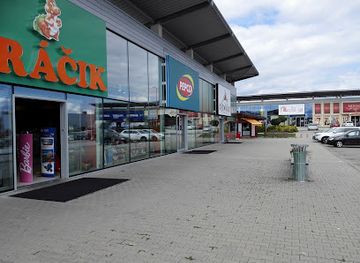
Shopping in Poprad is practical and regional rather than centred on a single grand retail quarter. The main centre has everyday shops, cafés, bookshops and smaller retailers, while larger commercial centres provide supermarkets, fashion stores and services close to the transport routes. Spišská Sobota is better suited to browsing historic architecture, galleries and occasional craft-related goods than to extensive shopping. Visitors looking for locally characteristic purchases can seek Slovak food products, honey, herbal goods, sheep's cheese, woollen items and mountain-themed crafts, while specialist outdoor shops reflect the city's role as a base for the High Tatras. Markets and small producers vary by season, so regional food halls and local shops are often more dependable than expecting a permanent artisan bazaar.
-
Shopping mall
Forum
Explore the Forum Shopping Mall in Poprad for a fantastic shopping and dining experience in a vibrant atmosphere.
11 min walk · 0.9 km from city centre
-
Shopping mall
Max Poprad
Explore Max Poprad: Your ultimate shopping and dining destination in Poprad, Slovakia, where local charm meets modern retail bliss.
5 min drive · 1.5 km from city centre
-
Shopping mall
Shopping center Tatry
Explore Shopping Center Tatry, a vibrant shopping paradise in Poprad, offering a mix of retail, dining, and entertainment for every traveler.
8 min drive · 2.5 km from city centre
-
Shopping mall
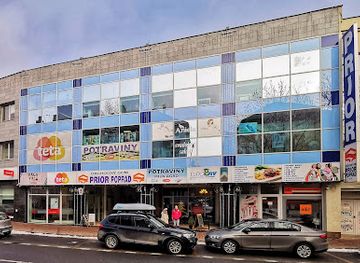
Obchodný Dom PRIOR POPRAD a.s.
Discover the vibrant shopping experience at Obchodný Dom PRIOR POPRAD, where local charm meets global brands in a modern setting.
5 min walk · 0.4 km from city centre
Get your free copy of our complete guide to Poprad, delivered straight to you.
Everything on this page, from attractions and restaurants to essentials and local phrases, in one PDF you can read offline, print or share.
Already have an account? Sign in
Your Poprad guide is ready.
We'll send it to · Not you? Sign out

Getting your guide ready…
We are putting together a fresh copy of the Poprad guide. This can take up to a minute.
This can take a few moments. If your browser asks, choose Allow so the download can start. You'll find the guide in your Downloads folder.
Nothing happened? Download it again
Sorry, the guide is taking longer than usual. Please try again in a minute, or get it by email instead.
Poprad essentials
Currency and Payment
Safety
Emergency Situations
Do's and Don'ts
Local Tips
From Eve
Local phrases worth knowing
You don't need to get them perfect. A few words go a long way, and locals appreciate the effort.
Basics
| English | Local | Say it |
|---|---|---|
| Hello | Ahoj | [ahoy] |
| Goodbye | Dovidenia | [doveed-eh-nya] |
| Yes | Áno | [ah-no] |
| No | Nie | [nye] |
| Please/You're welcome | Prosím | [pro-seem] |
| Thank you | Ďakujem | [dyah-koo-yem] |
| Excuse me/Sorry | Prepáčte | [pre-pah-chte] |
| How are you? | Ako sa máš? | [ah-ko sa ma-sh] |
| Fine. And you? | Dobre. A ty? | [doh-bre. ah tee] |
| Do you speak English? | Hovoríte po anglicky? | [ho-vo-ree-te po an-gleet-skee] |
| I don't understand | Nerozumiem | [neh-ro-zoo-myem] |
Eating & Drinking
| English | Local | Say it |
|---|---|---|
| I'd like to see the menu, please | Chcel by som vidieť menu, prosím | [kh-tsel bee som vee-dyetch meh-noo pro-seem] |
| I don't eat meat | Nejem mäso | [nye-yem mah-so] |
| Cheers! | Na zdravie! | [nah zdrah-vee-eh] |
| I would like to pay, please | Chcel by som zaplatiť, prosím | [kh-tsel bee som zah-pla-teet pro-seem] |
Emergencies
| English | Local | Say it |
|---|---|---|
| Help! | Pomoc! | [po-mots] |
| Go away! | Choďte preč! | [khoy-teh prech] |
| Call the Police! | Volajte políciu! | [vo-lah-yteh po-lee-choo] |
| Call a doctor! | Volajte doktora! | [vo-lah-yteh dohk-toh-rah] |
| I'm lost | Zablúdil som | [za-bloo-deel som] |
| I'm ill | Som chorý | [som kho-ree] |
Shopping
| English | Local | Say it |
|---|---|---|
| I'd like to buy... | Chcel by som kúpiť... | [kh-tsel bee som koo-pee-ty] |
| I'm just looking | Iba sa pozerám | [ee-bah sa po-ze-rahm] |
| How much is it? | Koľko to stojí? | [kol-ko toh stoh-yee] |
| That's too expensive | To je príliš drahé | [toh yeh pree-lish dra-heh] |
| Can you lower the price? | Mohli by ste znížiť cenu? | [moh-lee bee steh znee-zheet tseh-noo] |
Time & Numbers
| English | Local | Say it |
|---|---|---|
| What time is it? | Koľko je hodín? | [kol-ko yeh ho-deen] |
| It's one o'clock | Je jedna hodina | [yeh yed-na ho-dee-na] |
| Half past (10) | Polovica desiatej | [po-lo-vee-tsa des-yah-tey] |
| Morning | Ráno | [rah-no] |
| Afternoon | Popoludní | [po-po-loo-dnee] |
| Evening | Večer | [veh-cher] |
| Yesterday | Včera | [v-che-ra] |
| Today | Dnes | [dnes] |
| Tomorrow | Zajtra | [zai-tra] |
| 1 | Jeden | [yeh-den] |
| 2 | Dva | [dvah] |
| 3 | Tri | [tree] |
| 4 | Štyri | [shty-ree] |
| 5 | Päť | [paht] |
| 6 | Šesť | [shest] |
| 7 | Sedem | [seh-dem] |
| 8 | Osem | [oh-sem] |
| 9 | Devať | [deh-vath] |
| 10 | Desať | [des-ath] |
Transport & Directions
| English | Local | Say it |
|---|---|---|
| Where's a/the...? | Kde je... | [kdeh yeh] |
| What's the address? | Aká je adresa? | [ah-kah yeh ah-dreh-sah] |
| Can you show me (on the map)? | Môžete mi to ukázať (na mape)? | [moh-zheh-teh mee toh oo-ka-zat nah mah-peh] |
| When's the next (bus)? | Kedy je ďalší (autobus)? | [keh-dee yeh dyal-shee ow-toh-boos] |
| A ticket (to ....) | Lístok (do ....) | [lees-tohk doh] |
History of Poprad
Early Settlements in the Poprad Valley
The Poprad area developed within the wider Spiš basin, a region shaped by Slavic settlement, medieval colonisation and trade routes crossing the Carpathians. The town of Poprad is first recorded in the thirteenth century, when the Kingdom of Hungary encouraged the development of settlements and economic activity in the region. German-speaking settlers, often described in medieval sources as Zipser Germans, played an important role in the growth of many Spiš towns. Poprad itself was one of several neighbouring communities rather than a single dominant urban centre, alongside Spišská Sobota, Veľká, Matejovce and Stráže pod Tatrami. Their separate origins remain visible in the city's varied historic quarters and architectural traditions.
The Medieval Towns of Spiš
During the Middle Ages, the settlements of the Poprad basin benefited from commerce, crafts and their position between the major towns of Spiš and the routes towards Poland. Spišská Sobota became particularly prosperous, developing a carefully planned market square surrounded by merchant and artisan houses. Its Church of St George contains a celebrated late Gothic altar associated with the workshop of Master Paul of Levoča, linking the town to the artistic culture of medieval Spiš. Religious institutions, civic privileges and regional trade shaped an urban society whose influence can still be read in the surviving square, churches and burgher houses.
Between Hungary and Poland
The wider Spiš region occupied a politically sensitive position for centuries. In 1412, King Sigismund of Luxembourg pledged thirteen Spiš towns, including Poprad, to the Polish crown as security for a loan; they remained under Polish administration until the territory returned to Hungary in 1772 during the First Partition of Poland. Although the arrangement did not erase local identities, it encouraged commercial and cultural links across the northern Carpathians. The period also saw the continuing development of guild crafts, market life and religious architecture, helping explain the mixed Central European character found in Poprad's historic districts.
Industry, Railways and Mountain Tourism
Poprad changed substantially in the nineteenth century as improved roads, manufacturing and railway construction connected Spiš more closely with the rest of the Kingdom of Hungary. The railway through Poprad opened in 1871, strengthening the town's role as a transport and commercial centre. At the same time, growing interest in the High Tatras brought visitors, scientific travellers and early mountain tourism to the region. Nearby settlements such as Starý Smokovec developed as resort destinations, while Poprad benefited from its position on the approach to the mountains. This combination of transport and tourism laid the foundations for the city's modern regional importance.
The Formation of Modern Poprad
The twentieth century brought political change, population shifts and a reshaping of the city's urban structure. After the Second World War, the formerly separate communities of Poprad, Spišská Sobota, Veľká, Matejovce and Stráže pod Tatrami were incorporated into one city in 1946. Industrial development and new housing expanded Poprad beyond its historic cores, while Slovak became the dominant public language as the region's older German-speaking population declined after the war. The city is now an administrative, transport and cultural centre for the northern Spiš area, with its historic quarters preserved within a modern urban framework.
Travel experiences inspired by this city


Swipe for more travel diaries
Poprad in Photos
Browse through our photo collection highlighting the charm and character of the destination.
Cities near Poprad
The closest cities to Poprad, if you have time for more than one stop.
-

-

-

-

-


Swipe for more cities
Explore more

Explore more of Slovakia
Discover Slovakia: A land of majestic mountains, charming castles, and vibrant culture in the heart of Europe.
Explore Slovakia