

Free Martin Travel Guide & Mobile App
Plan your Martin trip with Evendo. Get free guides to top attractions, restaurants, hotels, and bars. Web access or download the mobile app.


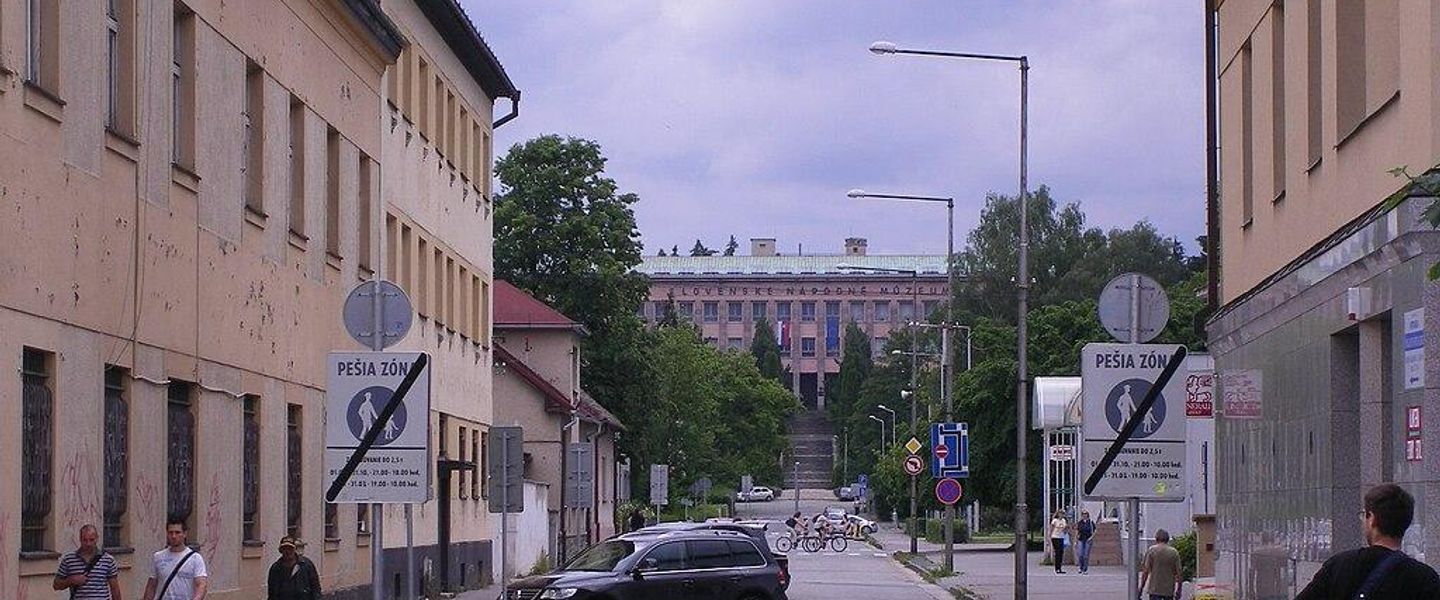


Martin, Slovakia, pairs Slovak national history with open-air heritage, museums, theatres and easy access to the Turiec and Mala Fatra landscapes.
A City Shaped by Slovak Identity
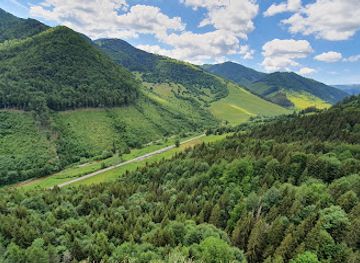
Martin lies in the Turiec Basin in northern Slovakia, framed by the wooded slopes of the Greater Fatra and, farther west, the Lesser Fatra. Its setting gives the city a spacious, mountain-edged character, while its cultural institutions preserve an importance far greater than its modest size. Martin became a focal point of the nineteenth-century Slovak national movement and remains closely associated with the development of Slovak language, education and public life.Read more about Martin
Museums, Theatres and Living Heritage
Gateway to the Turiec Landscape
When is the best time to visit Martin?
Best: July–September · 20–25°C| Month | High (°C) | Rainfall (mm) |
|---|---|---|
| January | 0 | 29 |
| February | 1 | 27 |
| March | 6 | 28 |
| April | 12 | 37 |
| May | 19 | 69 |
| June | 23 | 92 |
| July (best) | 25 | 88 |
| August (best) | 24 | 70 |
| September (best) | 20 | 44 |
| October | 13 | 41 |
| November | 5 | 33 |
| December | 3 | 30 |
Getting to and around Martin
How to get there
Transportation
Best attractions in Martin
Martin’s principal attractions reveal both Slovak cultural history and the traditions of the surrounding Turiec region. The Slovak National Museum in Martin introduces visitors to the country’s historical, ethnographic and natural heritage through collections developed around the city’s scholarly institutions. At the Museum of the Slovak Village, timber houses, farm buildings and rural interiors create an open-air portrait of northern Slovak life, with the landscape itself forming part of the experience. The Slovak National Library and Matica slovenská show why Martin became a centre of Slovak education and national culture, while the Turiec Gallery presents Slovak visual art in a more contemporary setting. The National Cemetery offers a quieter encounter with writers, politicians and cultural figures associated with the city. The Slovak Chamber Theatre adds performance to the cultural itinerary, and the surrounding Greater Fatra provides marked walking routes, forest scenery and mountain viewpoints within easy reach of the urban area.
-
Mountain peak
Martinské Hole
Discover the breathtaking landscapes and thrilling adventures at Martinské Hole, Slovakia's premier hiking and skiing destination.
26 min drive · 8.6 km from city centre
-
Tourist attraction
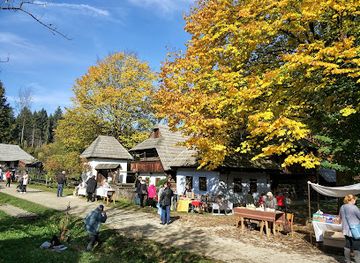
Museum of the Slovak Village
Discover the vibrant traditions and history of Slovakia at the Museum of the Slovak Village, an ethnographic gem in Martin.
9 min drive · 2.9 km from city centre
-
Tourist attraction
Castle Sklabiňa
Explore the enchanting Castle Sklabiňa in Slovakia, a historical gem offering stunning views, rich history, and scenic landscapes.
22 min drive · 7.2 km from city centre
-
Tourist attraction
Ferrata HZS
Discover breathtaking views and thrilling climbs at Ferrata HZS in Martin, Slovakia - an unforgettable adventure awaits.
16 min drive · 5.2 km from city centre
Best landmarks in Martin
Martin’s landmarks are closely tied to the formation of modern Slovak cultural and political identity. The National Cemetery is both a historic burial ground and a symbolic place of remembrance, containing graves connected with Slovak literary, political and cultural life. The buildings and institutional presence of Matica slovenská recall the organisation founded in Martin in 1863, while the Slovak National Library represents the city’s continuing role in preserving Slovak written culture. The Church of Saint Martin gives the settlement its name and reflects its older religious history, although the present structure bears the marks of later rebuilding. The former or historic buildings associated with Slovak national institutions lend the central area an unusually commemorative character. Outside the centre, the Museum of the Slovak Village is a landmark of ethnographic interpretation: its relocated rural buildings demonstrate regional construction traditions rather than monumental urban architecture.
-
Ski resort
Martinské Hole
Experience year-round adventure at Martinské Hole, Slovakia's premier ski resort and hiking destination, where nature and thrill await.
22 min drive · 7.2 km from city centre
-
Ethnographic museum
Museum of the Slovak Village
Explore the rich cultural tapestry of Slovakia at the Museum of the Slovak Village, where history and tradition come alive in stunning natural surroundings.
9 min drive · 2.9 km from city centre
-
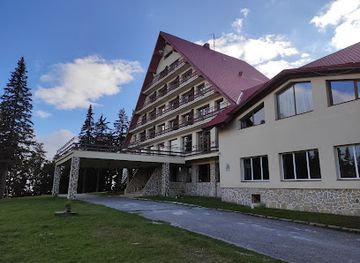
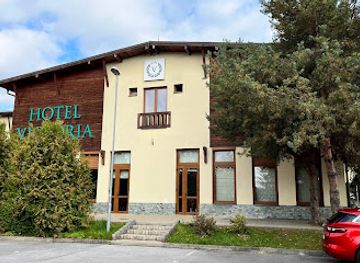
Hotel
Hotel Victoria
Discover comfort and charm at Hotel Victoria in Martin, Slovakia – your perfect base for exploring the beauty and culture of the region.
7 min drive · 2.3 km from city centre
-
 Guest house
Wellness Pension Ferrata
Discover tranquility and rejuvenation at Wellness Pension Ferrata, your serene retreat in the heart of Martin, Slovakia.
14 min drive · 4.6 km from city centre
Explore Martin on the map
Plan your Martin trip on one map. See where the top attractions, landmarks, restaurants, bars and hotels are, find what's near where you're staying, and book hotels and experiences in a few clicks.
Best hotels in Martin
Best restaurants in Martin
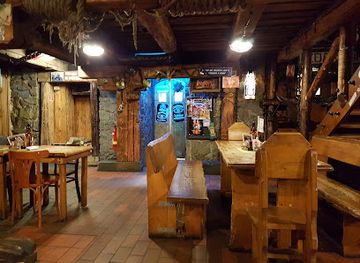
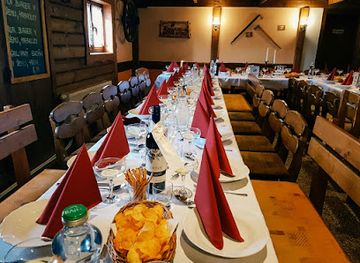
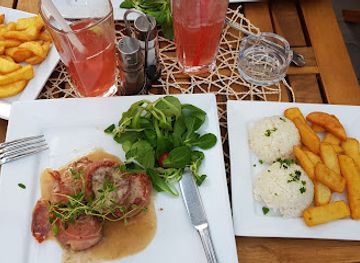
Martin’s dining scene reflects the hearty cooking of northern Slovakia and the agricultural traditions of the Turiec Basin. Menus commonly draw on potatoes, cabbage, flour, dairy products and pork, with familiar national dishes including bryndzové halušky, potato dumplings served with sheep’s cheese and bacon, as well as kapustnica, soups, pirohy and seasonal game. In the countryside around Martin, sheep’s cheese and other regional dairy products connect the table with mountain farming, while bakeries and cafés provide pastries, cakes and coffee for daytime breaks. Restaurants and casual eateries are concentrated around the centre and pedestrian streets, where Slovak cooking sits alongside Central European staples and contemporary interpretations. Food shopping and seasonal produce can be more revealing than formal dining, particularly when local cheeses, honey, preserves or baked goods are available. Portions are often substantial, and meal times tend to be unhurried.
-
Restaurant
Habanero Steak Pub
Experience culinary excellence at Habanero Steak Pub in Vrútky - where every steak is grilled to perfection!
18 min drive · 6.0 km from city centre
-
Czech
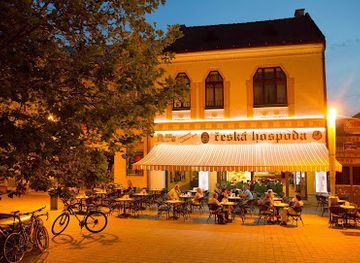
Česká hospoda & Flámmovňa
Discover the heart of Czech cuisine at Česká hospoda & Flámmovňa – where tradition meets modern dining in Martin.
2 min walk · 0.2 km from city centre
-
Restaurant
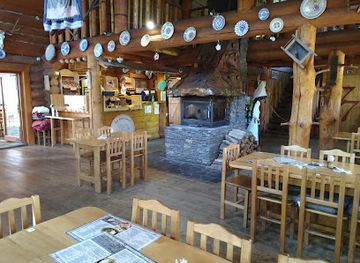
Koliba 77 - Slovak Restaurant
Discover the heart of Slovakia at Koliba 77 - indulge in authentic dishes surrounded by warm hospitality.
14 min drive · 4.7 km from city centre
-
Restaurant
Reštaurácia U Jakuba
Discover authentic Slovak cuisine and delicious pizzas at Reštaurácia U Jakuba in Martin - a culinary gem for every traveler.
7 min walk · 0.6 km from city centre
Best bars in Martin
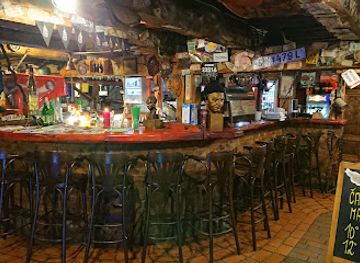
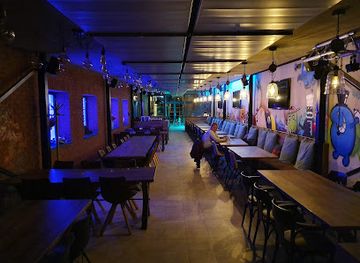
Martin’s evening life is relatively modest and local in character rather than focused on a large club district. Central cafés, pubs and bars provide places for beer, wine, coffee and conversation, with activity often concentrated around the pedestrian centre and areas near cultural venues. The Slovak Chamber Theatre gives the city an important non-drinking evening option, and the programme of theatre performances, concerts and occasional cultural events can add variety to a short stay. Students and younger residents help sustain informal bars, while larger nightlife occasions may be connected to seasonal festivals or performances rather than nightly clubbing. Visitors should expect earlier and quieter evenings than in Bratislava, with the surrounding residential character becoming more apparent late at night. Mountain communities and nearby resort areas may offer additional seasonal après-ski or folk entertainment, but these belong to the wider region rather than Martin itself.
-
Restaurant
Habanero Steak Pub
Discover the exquisite flavors of Habanero Steak Pub, Vrútky's premier destination for steak lovers and culinary enthusiasts.
18 min drive · 6.0 km from city centre
-
Czech
Česká hospoda & Flámmovňa
Discover authentic Czech cuisine and craft brews at Česká hospoda & Flámmovňa, a brewpub that embodies modern European dining in Martin.
2 min walk · 0.2 km from city centre
-
Restaurant
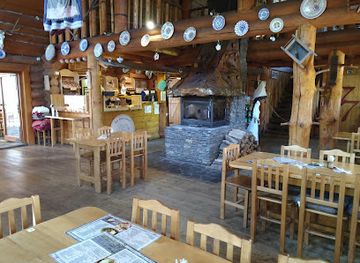
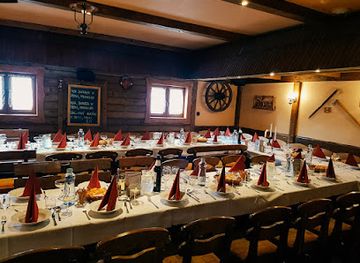
Koliba 77 - Slovak Restaurant
Savor the rich flavors of Slovakia at Koliba 77, where tradition meets taste in a cozy, rustic setting.
14 min drive · 4.7 km from city centre
-
Restaurant
Reštaurácia U Jakuba
Savor the essence of Slovakia with authentic dishes and delicious pizza at Reštaurácia U Jakuba in the heart of Martin.
7 min walk · 0.6 km from city centre
Best nightclubs in Martin
Martin’s evening life is relatively modest and local in character rather than focused on a large club district. Central cafés, pubs and bars provide places for beer, wine, coffee and conversation, with activity often concentrated around the pedestrian centre and areas near cultural venues. The Slovak Chamber Theatre gives the city an important non-drinking evening option, and the programme of theatre performances, concerts and occasional cultural events can add variety to a short stay. Students and younger residents help sustain informal bars, while larger nightlife occasions may be connected to seasonal festivals or performances rather than nightly clubbing. Visitors should expect earlier and quieter evenings than in Bratislava, with the surrounding residential character becoming more apparent late at night. Mountain communities and nearby resort areas may offer additional seasonal après-ski or folk entertainment, but these belong to the wider region rather than Martin itself.
-
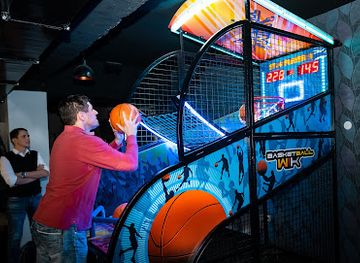
Bowling alley
ARENA Martin - Bowling | Escape Room
Experience the thrill of bowling, escape rooms, and more at ARENA Martin, a top entertainment destination in Slovakia for tourists and locals alike.
9 min walk · 0.7 km from city centre
-
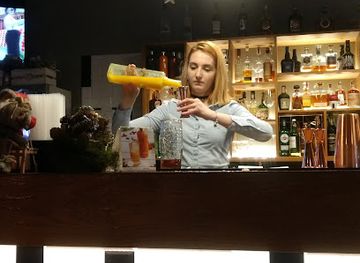
Bar
The Legend Bar & Cafe
Experience the vibrant atmosphere of The Legend Bar & Cafe in Martin, where local flavors meet lively nightlife in a stylish setting.
1 min walk · 0.1 km from city centre
-
Bar
T-klub
T-klub in Martin: A lively bar experience with great drinks and a vibrant social scene.
2 min walk · 0.1 km from city centre
-
Pub
Retro Rock Pub
Discover Martin's nightlife at Retro Rock Pub, where rock music meets vibrant atmosphere and unforgettable experiences for every visitor.
2 min walk · 0.2 km from city centre
Best shops in Martin
Shopping in Martin is practical, regional and mixed in character, with everyday retail concentrated in the town centre and larger commercial complexes serving residents beyond the historic core. The pedestrian streets and central shops are useful for Slovak books, food products, clothing and small gifts, while supermarkets and shopping centres provide familiar conveniences. Visitors interested in local identity should look for Slovak publications, postcards, ceramics, woodwork, woven goods, honey, preserves and regional cheeses rather than relying only on mass-produced souvenirs. The Museum of the Slovak Village and cultural institutions may offer craft-related items or publications linked to Slovak heritage, although stock varies. Seasonal markets and community events can provide a more direct connection with local producers. Martin is not primarily a luxury-shopping destination; its retail character is better understood through national culture, practical town life and products associated with the surrounding mountain region.
-
Shopping mall
Obchodné centrum TULIP
Explore shopping, entertainment, and dining at Obchodné centrum TULIP in Martin-Záturčie - a vibrant hub for tourists and locals alike.
7 min drive · 2.3 km from city centre
-
Shopping mall
OC Galéria Martin
Explore OC Galéria Martin, a modern shopping mall in Martin offering diverse shops, delicious dining options, and lively events for an unforgettable experience.
4 min walk · 0.3 km from city centre
-
Outdoor sports store
Adventura Sport
Explore the great outdoors with top-notch gear from Adventura Sport in Martin, Slovakia – your adventure starts here!
2 min walk · 0.2 km from city centre
-
Clothing store
Lindex
Discover the latest trends in women's fashion, baby clothing, and lingerie at Lindex in Martin – a perfect shopping destination for style enthusiasts.
4 min walk · 0.3 km from city centre
Get your free copy of our complete guide to Martin, delivered straight to you.
Everything on this page, from attractions and restaurants to essentials and local phrases, in one PDF you can read offline, print or share.
Already have an account? Sign in
Your Martin guide is ready.
We'll send it to · Not you? Sign out

Getting your guide ready…
We are putting together a fresh copy of the Martin guide. This can take up to a minute.
This can take a few moments. If your browser asks, choose Allow so the download can start. You'll find the guide in your Downloads folder.
Nothing happened? Download it again
Sorry, the guide is taking longer than usual. Please try again in a minute, or get it by email instead.
Martin essentials
Currency and Payment
Safety
Emergency Situations
Do's and Don'ts
Local Tips
From Eve
Local phrases worth knowing
You don't need to get them perfect. A few words go a long way, and locals appreciate the effort.
Basics
| English | Local | Say it |
|---|---|---|
| Hello | Ahoj | [ahoy] |
| Goodbye | Zbohom | [zbohom] |
| Yes | Áno | [ah-noh] |
| No | Nie | [nye] |
| Please/You're welcome | Prosím | [pro-seem] |
| Thank you | Ďakujem | [dyah-koo-yem] |
| Excuse me/Sorry | Prepáčte | [preh-paach-teh] |
| How are you? | Ako sa máš? | [ah-koh sah maash] |
| Fine. And you? | Dobre. A ty? | [doh-breh. ah tee] |
| Do you speak English? | Hovoríte po anglicky? | [ho-vo-ree-teh poh ahng-leets-kee] |
| I don't understand | Nerozumiem | [neh-roh-zoo-myem] |
Eating & Drinking
| English | Local | Say it |
|---|---|---|
| I'd like to see the menu, please | Chcel by som vidieť menu, prosím | [kh-tsel bee som vee-dyetch meh-noo pro-seem] |
| I don't eat meat | Nejem mäso | [neh-yem maah-so] |
| Cheers! | Na zdravie! | [nah zdrah-vee-eh] |
| I would like to pay, please | Chcel by som zaplatiť, prosím | [kh-tsel bee som zah-pla-teet pro-seem] |
Emergencies
| English | Local | Say it |
|---|---|---|
| Help! | Pomoc! | [poh-moats] |
| Go away! | Choď preč! | [khojd prech] |
| Call the Police! | Volajte políciu! | [vo-lah-yeh po-lee-tsyoo] |
| Call a doctor! | Volajte doktora! | [vo-lah-yeh dohk-toh-rah] |
| I'm lost | Som stratený | [som stra-teh-nee] |
| I'm ill | Som chorý | [som kho-ree] |
Shopping
| English | Local | Say it |
|---|---|---|
| I'd like to buy... | Chcel by som kúpiť... | [kh-tsel bee som koo-pee-ty] |
| I'm just looking | Len sa pozerám | [len sah po-ze-rahm] |
| How much is it? | Koľko to stojí? | [kol-ko toh stoy-ee] |
| That's too expensive | To je príliš drahé | [toh yeh pree-leesh drah-heh] |
| Can you lower the price? | Môžete znížiť cenu? | [moh-zheh-teh znee-zheet tseh-noo] |
Time & Numbers
| English | Local | Say it |
|---|---|---|
| What time is it? | Koľko je hodín? | [kol-ko yeh hoh-deen] |
| It's one o'clock | Je jedna hodina | [yeh yed-nah hoh-dee-nah] |
| Half past (10) | Polovica desiatej | [po-lo-vee-tsah deh-sya-tyeh] |
| Morning | Ráno | [rah-noh] |
| Afternoon | Popoludní | [po-pol-ood-nee] |
| Evening | Večer | [veh-cher] |
| Yesterday | Včera | [v-cheh-rah] |
| Today | Dnes | [dnes] |
| Tomorrow | Zajtra | [zai-trah] |
| 1 | Jeden | [ye-den] |
| 2 | Dva | [dva] |
| 3 | Tri | [tree] |
| 4 | Štyri | [shtee-ree] |
| 5 | Päť | [pyat] |
| 6 | Šesť | [shest] |
| 7 | Sedem | [seh-dem] |
| 8 | Osem | [oh-sem] |
| 9 | Deviat | [deh-vyat] |
| 10 | Desať | [deh-saht] |
Transport & Directions
| English | Local | Say it |
|---|---|---|
| Where's a/the...? | Kde je...? | [kde yeh] |
| What's the address? | Aká je adresa? | [ah-kah yeh ah-dreh-sah] |
| Can you show me (on the map)? | Môžete mi to ukázať (na mape)? | [moh-zheh-teh mee toh oo-kah-zaht nah mah-peh] |
| When's the next (bus)? | Kedy je ďalší (autobus)? | [keh-dee yeh d-yal-shee ah-oo-toh-boos] |
| A ticket (to ....) | Jedno lístok (do ....) | [yed-no lees-tohk doh] |
History of Martin
Medieval Origins in the Turiec Basin
Martin developed around the church and settlement of Svätý Martin, named for Saint Martin of Tours. The town is documented in 1284, when it appeared as Villa Sancti Martini, and its position in the fertile Turiec Basin helped it serve as a local centre for agriculture, trade and administration. Medieval Martin was not a major fortified capital, but it occupied an important route through a basin connected with surrounding settlements and mountain passes. The parish church, later rebuilt and altered, reflects the town’s long religious history. Over subsequent centuries Martin remained a small regional community within the Kingdom of Hungary, shaped by the political authority of nearby estates and by the economic life of Turiec.
A Regional Town under Hungarian Rule
During the early modern period Martin grew gradually as a market and administrative centre for Turiec. The region experienced the wider political and religious pressures affecting central Europe, including the Ottoman-era conflicts that reached parts of the Kingdom of Hungary, although Martin itself was not a principal battlefield. Lutheran and Catholic traditions both contributed to the cultural history of the wider area, while trade connected the town with neighbouring valleys and towns such as Turčianske Teplice and Žilina. Its urban fabric remained predominantly low-rise and provincial. That modest scale later proved significant: Martin offered Slovak intellectuals and civic leaders a setting in which national institutions could develop outside the historic political centres dominated by Hungarian administration.
The Slovak National Revival
Martin became one of the main centres of the Slovak national revival in the nineteenth century, when writers, teachers, clergy and civic leaders promoted Slovak cultural and linguistic life within the Kingdom of Hungary. The Memorandum of the Slovak Nation, adopted in Martin in 1861, set out political and cultural demands for Slovaks and gave the town a lasting place in national history. In 1863, Matica slovenská was founded here as a Slovak cultural and scholarly institution. Although its activities were later restricted by the Hungarian authorities and it was closed in 1875, its legacy survived. The institutions and commemorative sites associated with this period still define Martin’s public identity.
Education, Scholarship and Civic Culture
The late nineteenth and early twentieth centuries brought a stronger network of Slovak educational, publishing and cultural activity to Martin. Matica slovenská, libraries, schools and associations helped gather manuscripts, promote Slovak literature and support historical research. Martin also became associated with the Slovak National Museum, whose collections developed through the work of scholars and collectors documenting the country’s archaeology, history, ethnography and natural sciences. The town’s cultural importance was therefore not based solely on political meetings but on the creation of institutions capable of preserving and interpreting Slovak heritage. This scholarly tradition helps explain the concentration of libraries, museums, archives and memorials visible in Martin today.
The 1918 Declaration and Czechoslovakia
On 30 October 1918, representatives of Slovak political and civic life gathered in Martin and adopted the Declaration of the Slovak Nation. The document expressed support for the creation of a common state with the Czechs, which became Czechoslovakia after the collapse of Austria-Hungary at the end of the First World War. The declaration is one of the defining episodes in modern Slovak political history, and Martin’s National Cemetery contains the graves of several figures connected with the country’s cultural and public life. During the interwar period the town continued to develop as an administrative, educational and cultural centre, while its national institutions gained renewed public significance.
Modern Martin and Cultural Continuity
The twentieth century transformed Martin from a regional town into a more industrial and institutionally developed city. Czechoslovakia’s socialist period brought new housing, infrastructure and workplaces, while cultural organisations continued to preserve Slovak literature, folk traditions and historical collections. After the establishment of the independent Slovak Republic in 1993, Martin retained its role as a centre of national scholarship, museums and theatre. The Slovak National Library and the institutions of Matica slovenská remain central to its cultural profile, while the Museum of the Slovak Village links contemporary visitors with rural traditions from northern Slovakia. Modern Martin consequently combines a working city’s everyday life with an unusually prominent heritage of national memory.
Martin in Photos
Browse through our photo collection highlighting the charm and character of the destination.
Cities near Martin
The closest cities to Martin, if you have time for more than one stop.
-

-

-

-

-


Swipe for more cities
Explore more

Explore more of Slovakia
Discover Slovakia: A land of majestic mountains, charming castles, and vibrant culture in the heart of Europe.
Explore Slovakia