

Slovak Paradise National Park, Slovakia Travel Guide
Discover the stunning landscapes, thrilling hikes, and serene beauty of Slovak Paradise National Park, a must-visit gem in the heart of Slovakia.
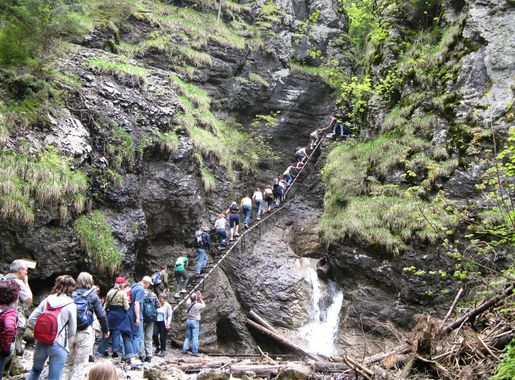
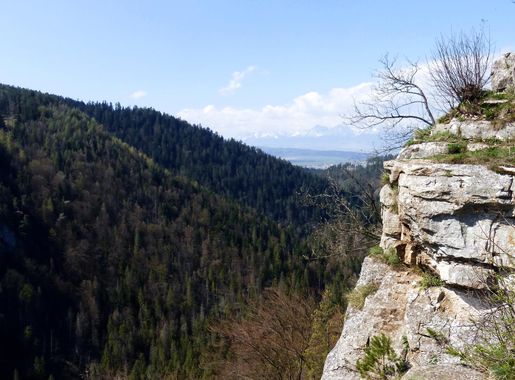
Slovak Paradise National Park, located in the heart of Slovakia, is a true gem for nature lovers and adventure seekers. This park is known for its stunning landscapes, featuring dramatic gorges, cascading waterfalls, and lush forests. It's a perfect destination for those who enjoy hiking, with numerous trails that range from easy walks to challenging climbs. One of the park's highlights is the Suchá Belá gorge, where you can navigate ladders, bridges, and chains to make your way through the rocky terrain. The scenic beauty of this gorge, with its narrow passages and crystal-clear streams, makes it a memorable experience. Another must-visit spot is the Dobšinská Ice Cave, one of the largest ice caves in Europe. Its frozen chambers and intricate ice formations are a sight to behold. The park is also home to a variety of wildlife, including deer, bears, and many bird species, making it a paradise for animal enthusiasts and photographers alike. Whether you're looking to explore the natural beauty, enjoy a peaceful retreat, or seek out thrilling adventures, Slovak Paradise National Park offers something for everyone. The combination of its natural charm and the thrill of exploration makes it an unforgettable destination.

Know before you go
Hi, I'm Eve. Here are a few practical things to know before exploring Slovak Paradise National Park.
- Wear sturdy hiking boots, as many trails involve climbing ladders and navigating rocky paths.
- Visit early in the morning to avoid crowds and enjoy the natural beauty in peace.
- Bring a flashlight for exploring the Dobšinská Ice Cave, as some areas can be quite dark.
- Check the weather forecast before heading out, as some trails can become slippery when wet.
- Carry enough water and snacks, as there are limited facilities within the park.
Explore Slovak Paradise National Park: Things to Do, Places to Eat, Hotels & More
Handpicked recommendations for top attractions, local dining, accommodations, and more

Best attractions in Slovak Paradise National Park
Top-rated picks
Best Attractions

Prielom Hornádu
Discover the natural beauty of Prielom Hornádu, a stunning nature preserve in Slovakia, perfect for adventure seekers and nature enthusiasts alike.

Suchá Belá
Explore the enchanting Suchá Belá nature preserve in Slovakia, featuring stunning waterfalls, scenic trails, and breathtaking natural beauty.

Nálepkove vodopády
Experience the breathtaking beauty of Nálepkove Waterfalls in Smižany, Slovakia, a perfect escape for nature lovers and adventure seekers alike.

Gateway to the Slovak Paradise
Discover the enchanting beauty of the Slovak Paradise, a breathtaking natural wonderland perfect for hiking, wildlife watching, and unforgettable adventures.

Best restaurants in Slovak Paradise National Park
Top-rated picks
Best Restaurants

Ranch under Ostrá Skala
Discover the charm of Ranch under Ostrá Skala: A delightful restaurant and dude ranch offering authentic Slovak cuisine amidst stunning natural beauty.

Reštaurácia U Hudáka
Experience authentic Slovakian cuisine at Reštaurácia U Hudáka in Hrabušice - a must-visit dining destination for travelers.

Nostalgie, Restaurant- Café
Experience the vibrant flavors of Nostalgie Restaurant-Café in Spišská Nová Ves - where culinary diversity meets local charm.

Ranč Podlesok
Discover authentic Slovak cuisine at Ranč Podlesok while enjoying breathtaking views of nature's beauty.

Best bars in Slovak Paradise National Park
Top-rated picks
Best Bars

Villa Nova Bar
Discover the perfect blend of bar, café, and restaurant at Villa Nova Bar in Spišská Nová Ves, where delightful cuisine meets a vibrant atmosphere.

Nový Luník PUB
Discover Nový Luník PUB in Poprad: A brewpub offering local craft beers, delicious bites, and a vibrant dart bar atmosphere for a unique experience.

Gazdovský dvor
Experience authentic Slovak cuisine and local hospitality at Gazdovský dvor, a cozy pub in Smižany with a vibrant atmosphere.

BISTRO Coffee&Pub
Discover the perfect blend of gourmet coffee and hearty meals at BISTRO Coffee&Pub in Smižany, a must-visit brewpub for travelers.

Best shops in Slovak Paradise National Park
Top-rated picks
Best Shops

Slovak Paradise National Park
Explore the breathtaking beauty of Slovak Paradise National Park, where stunning landscapes and outdoor adventures await every nature lover.

Milena Gajdošová - Lahôdky Delika
Discover the authentic taste of Slovakia at Milena Gajdošová - Lahôdky Delika, a charming grocery store in Dedinky offering local delicacies and gourmet treats.

Great Sokol, Slovak Paradise National Park
Explore the breathtaking landscapes and thrilling trails of Great Sokol in Slovak Paradise National Park, a true gem for nature lovers and adventure seekers.

Potraviny Môj Obchod Mlynky
Explore Potraviny Môj Obchod Mlynky – your go-to grocery store for local delights and travel essentials in the heart of Slovakia.

Explore Slovak Paradise National Park on the Map
A handpicked selection of must-see spots in Slovak Paradise National Park, mapped for you.
Slovak Paradise National Park Essentials
-
Slovak Paradise National Park is located in the eastern part of Slovakia. The nearest international airport is Košice International Airport, approximately 60 kilometers away. From Košice, you can take a train or bus to the town of Poprad, which is a gateway to the park. The journey typically takes around 1 to 2 hours. Alternatively, you can rent a car from Košice or Bratislava and drive to the park, which offers flexibility and convenience.
-
Within Slovak Paradise National Park, transportation options include hiking, cycling, and local buses. The park is known for its extensive network of hiking trails, so walking is the most common way to explore. For longer distances or to reach specific trailheads, you can use local buses or taxis. Car rentals are also available in nearby towns such as Poprad and Spišská Nová Ves for those who prefer to explore at their own pace.
-
The official currency in Slovakia is the Euro (EUR). Credit cards are widely accepted in hotels, restaurants, and larger shops in the towns surrounding the park. However, it is advisable to carry some cash, especially when visiting smaller establishments or remote areas within the park. ATMs are available in nearby towns like Poprad and Spišská Nová Ves, so you can easily withdraw cash as needed.
-
Slovak Paradise National Park is generally a safe destination for tourists. However, it is essential to take standard precautions such as staying on marked trails, not hiking alone, and informing someone of your plans. While there are no specific high-crime areas targeting tourists, always be vigilant and keep an eye on your belongings, especially in crowded places. Avoid visiting isolated areas at night.
-
In case of emergency, dial 112 for immediate assistance. This number connects you to police, medical services, and fire departments. There are medical facilities in nearby towns like Poprad and Spišská Nová Ves. It is recommended to have travel insurance that covers medical emergencies and adventure activities. For minor health issues, there are pharmacies in the surrounding towns where you can purchase over-the-counter medications.
-
Fashion: Do wear comfortable and appropriate hiking gear, including sturdy shoes, as the terrain can be challenging. Avoid wearing flip-flops or sandals on trails. Religion: Do respect local customs and traditions, especially when visiting religious sites in nearby towns. Public Transport: Do be respectful and give up your seat to elderly passengers. Don't eat or drink on public transport. Greetings: Do greet people with a friendly 'Dobrý deň' (Good day) or 'Ahoj' (Hello). Eating & Drinking: Do try local delicacies and accept food offerings graciously. Don't refuse hospitality, as it is considered impolite.
-
To experience Slovak Paradise National Park like a local, consider visiting off-peak times to avoid crowds and enjoy the tranquility of nature. Engage with locals in nearby towns; they are often friendly and willing to share tips about the best trails and hidden gems. Don't miss the iconic Suchá Belá Gorge, a popular and adventurous trail featuring ladders, bridges, and waterfalls. For a unique experience, try traditional Slovak dishes at local restaurants or mountain huts.
When is the best time to visit Slovak Paradise National Park?
Useful Local Phrases for Slovak Paradise National Park
You don't need to speak the language perfectly. Even learning a few simple words can make conversations warmer—and locals usually appreciate the effort.
— Eve

Here are the phrases I use most often in Slovak Paradise National Park. Try a few—you'll be surprised how far they go! 😊
❤️
-
- HelloAhoj
[ahoy] - GoodbyeDovidenia
[doh-vee-dee-nyah] - YesÁno
[ah-no] - NoNie
[nye] - Please/You're welcomeProsím
[pro-seem] - Thank youĎakujem
[dyah-koo-yem] - Excuse me/SorryPrepáčte
[preh-pahch-teh] - How are you?Ako sa máte?
[ah-ko sa mah-teh] - Fine. And you?Dobre. A vy?
[doh-bre. ah vee] - Do you speak English?Hovoríte po anglicky?
[ho-vo-ree-teh poh ahn-gleet-skee] - I don't understandNerozumiem
[neh-roh-zoo-mee-em]
- HelloAhoj
-
- I'd like to see the menu, pleaseChcel by som vidieť menu, prosím
[kh-tsel bee som vee-dyech mye-noo pro-seem] - I don't eat meatNejem mäso
[neh-yem mah-so] - Cheers!Na zdravie!
[nah zdrah-vee-eh] - I would like to pay, pleaseChcel by som zaplatiť, prosím
[kh-tsel bee som zah-plah-teet pro-seem]
- I'd like to see the menu, pleaseChcel by som vidieť menu, prosím
-
- Help!Pomoc!
[poh-mohts] - Go away!Choď preč!
[khoy prech] - Call the Police!Volajte políciu!
[voh-lahy-teh poh-lee-tsyou] - Call a doctor!Volajte lekára!
[voh-lahy-teh leh-kah-rah] - I'm lostStratil som sa
[strah-teel som sa] - I'm illSom chorý/chorá
[som kho-ree/kho-rah]
- Help!Pomoc!
-
- I'd like to buy...Chcel by som kúpiť...
[kh-tsel bee som koo-peet] - I'm just lookingIba sa pozerám
[ee-bah sa po-ze-rahm] - How much is it?Koľko to stojí?
[kol-ko toh stoyee] - That's too expensiveTo je príliš drahé
[toh yeh pree-leesh dra-heh] - Can you lower the price?Môžete znížiť cenu?
[moh-zheh-teh znee-zheet tseh-noo]
- I'd like to buy...Chcel by som kúpiť...
-
- What time is it?Koľko je hodín?
[kol-ko yeh hoh-deen] - It's one o'clockJe jedna hodina
[yeh yed-nah hoh-dee-nah] - Half past (10)Polovica desiatej
[poh-lo-vee-tsah deh-syah-tehy] - MorningRáno
[rah-noh] - AfternoonPopoludní
[po-po-loot-nee] - EveningVečer
[veh-cher] - YesterdayVčera
[vcheh-rah] - TodayDnes
[dnes] - TomorrowZajtra
[zai-trah] - 1Jeden
[yeh-den] - 2Dva
[dvah] - 3Tri
[tree] - 4Štyri
[shteer-ee] - 5Päť
[pyat] - 6Šesť
[shesht] - 7Sedem
[seh-dem] - 8Osem
[oh-sem] - 9Deväť
[deh-vyat] - 10Desať
[deh-syat]
- What time is it?Koľko je hodín?
-
- Where's a/the...?Kde je...
[kdeh yeh] - What's the address?Aká je adresa?
[ah-kah yeh ah-dre-sah] - Can you show me (on the map)?Môžete mi to ukázať (na mape)?
[moh-zheh-teh mee toh oo-kah-zaht nah mah-peh] - When's the next (bus)?Kedy ide ďalší (autobus)?
[keh-dee ee-dee dyal-shee ow-toh-boos] - A ticket (to ....)Lístok (do ...)
[lees-tohk doh]
- Where's a/the...?Kde je...
History of Slovak Paradise National Park
-
Slovak Paradise National Park, known for its stunning gorges, waterfalls, and caves, has a geological history dating back millions of years. The karst landscape was formed during the Mesozoic era, primarily through the dissolution of limestone. Archaeological evidence suggests that the area was inhabited by prehistoric humans, with artifacts dating back to the Paleolithic period. These early inhabitants utilized the natural resources of the area for shelter and sustenance.
-
During the medieval period, the region saw the establishment of several religious institutions. The Carthusian Monastery in Kláštorisko, founded in the early 14th century, played a significant role in the religious and cultural development of the area. Monks from this monastery built a complex of structures and cultivated the land, contributing to the region's agricultural and architectural heritage.
-
In the 16th and 17th centuries, the area was affected by the Ottoman-Habsburg wars. To protect themselves from Turkish invasions, local communities constructed various fortifications. Ruins of these fortifications can still be found within the park, serving as a testament to the turbulent history and the resilience of the local populations.
-
The 19th century brought significant changes with the advent of the Industrial Revolution. Mining activities, particularly for iron ore and other minerals, became prevalent in the region. The remnants of old mining operations, including shafts, tunnels, and machinery, can be explored within the park, offering a glimpse into the industrial past of Slovak Paradise.
-
Recognizing the unique natural beauty and ecological importance of the region, Slovak Paradise was designated as a National Park in 1988. This designation aimed to protect its diverse flora and fauna, as well as its geological and cultural heritage. The park covers an area of approximately 197 square kilometers and is managed to balance conservation efforts with sustainable tourism.
-
The region surrounding Slovak Paradise National Park is rich in cultural heritage and traditions. The local communities have preserved traditional Slovak customs, including folk music, dance, and crafts. Visitors can experience local festivals, markets, and traditional cuisine, which reflect the historical and cultural tapestry of the region.
Cities in Slovak Paradise National Park
Browse our curated selection of top destinations, scenic points, and must-visit spots in the area.

Neighbouring destination travel guides
Browse our curated selection of top destinations, scenic points, and must-visit spots in the area.




Your all‑in‑one travel companion app
Explore expert travel guides, compare and book tours, experiences, hotels, and more—all from the palm of your hand. Download now for seamless trip planning wherever your wanderlust takes you.


Explore More of Spiš

Looking beyond Slovak Paradise National Park? Discover Spiš for broader travel guides, local hot-spots, and regional highlights.
Explore SpišExplore More of Slovakia

Looking beyond Slovak Paradise National Park? Discover Slovakia for broader travel guides, local hot-spots, and regional highlights.
Explore SlovakiaSlovak Paradise National Park in Photos
Browse through our photo collection highlighting the charm and character of the destination.



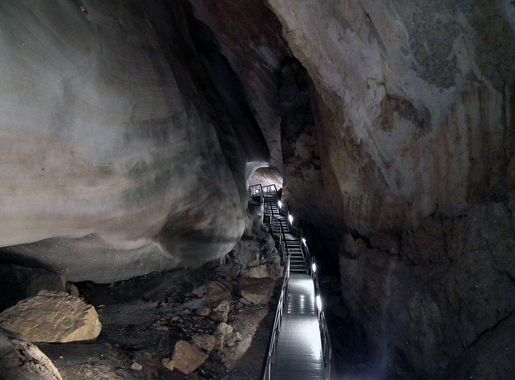


Exploring the Wonders of Slovak Paradise National Park
Slovak Paradise National Park, located in the heart of Slovakia, is a true gem for nature lovers and adventure seekers. This park is known for its stunning landscapes, featuring dramatic gorges, cascading waterfalls, and lush forests. It's a perfect destination for those who enjoy hiking, with numerous trails that range from easy walks to challenging climbs. One of the park's highlights is the Suchá Belá gorge, where you can navigate ladders, bridges, and chains to make your way through the rocky terrain. The scenic beauty of this gorge, with its narrow passages and crystal-clear streams, makes it a memorable experience. Another must-visit spot is the Dobšinská Ice Cave, one of the largest ice caves in Europe. Its frozen chambers and intricate ice formations are a sight to behold. The park is also home to a variety of wildlife, including deer, bears, and many bird species, making it a paradise for animal enthusiasts and photographers alike. Whether you're looking to explore the natural beauty, enjoy a peaceful retreat, or seek out thrilling adventures, Slovak Paradise National Park offers something for everyone. The combination of its natural charm and the thrill of exploration makes it an unforgettable destination.