

Free Spiš Travel Guide & Mobile App
Explore Spiš with free travel guides. Discover regional history, expert tips, proposed trips, and audio guides on web or mobile app.


Explore Spiš in Slovakia for UNESCO medieval heritage, mountain landscapes, wooden churches, Slovak Paradise walks and Tatras adventures.
Read more about Spiš
When is the best time to visit Spiš?
Best: June–August · 22–24°C| Month | High (°C) | Rainfall (mm) |
|---|---|---|
| January | 2 | 30 |
| February | 3 | 25 |
| March | 8 | 35 |
| April | 13 | 40 |
| May | 18 | 55 |
| June (best) | 22 | 70 |
| July (best) | 24 | 75 |
| August (best) | 23 | 70 |
| September | 18 | 60 |
| October | 13 | 50 |
| November | 6 | 40 |
| December | 2 | 30 |
Getting to and around Spiš
How to get there
Transportation
Top city travel guides in Spiš
The cities of Spiš, and the easiest places to base yourself.
-

-

-


Swipe for more cities
Destinations in Spiš
Resorts, valleys and scenic spots worth a trip of their own.
-
-

-
-

-

-


Swipe for more destinations
Best attractions in Spiš
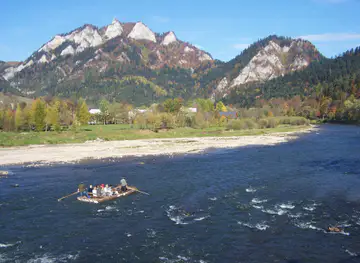
Spiš offers an unusually broad range of attractions for a historic mountain region. The UNESCO-listed ensemble around Spiš Castle, Spišské Podhradie, Spišská Kapitula and Žehra brings together fortress architecture, ecclesiastical history and medieval art. Levoča provides a substantial walled old town, museums and churches, while Kežmarok and Stará Ľubovňa add castles, historic houses and regional cultural collections. Outdoor attractions are equally important: the Slovak Paradise is known for forested gorges, ladders, footbridges and marked hiking circuits, while the eastern High Tatras provide access to alpine walks, mountain resorts and winter sports. In the north, Pieniny National Park offers river scenery, forest paths and viewpoints along the Dunajec. Families may prefer accessible museums, castle grounds and shorter nature trails, whereas experienced walkers can plan longer routes in the mountains. The appeal lies in the contrast between concentrated medieval heritage and open landscapes that require different kinds of preparation.
-
Castle
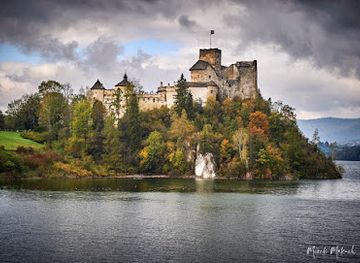
Zamek Dunajec w Niedzicy, Stowarzyszenie Historyków Sztuki
Explore Zamek Dunajec in Niedzica, a stunning castle offering breathtaking views, rich history, and unforgettable outdoor adventures in Poland.
-
National park
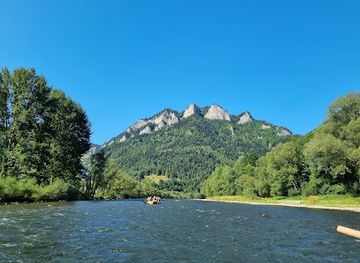
Pieniny National Park
Discover the breathtaking beauty of Pieniny National Park, where stunning landscapes, diverse wildlife, and rich cultural heritage await every explorer.
-
National park
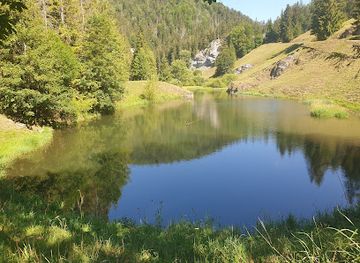
Slovak Paradise National Park
Explore the breathtaking landscapes and thrilling adventures of Slovak Paradise National Park, a must-see destination for nature lovers in Slovakia.
-
Castle
Czorsztyn Castle
Discover the captivating history and stunning views at Czorsztyn Castle, a medieval treasure nestled in Poland's Pieniny National Park.


Best landmarks in Spiš
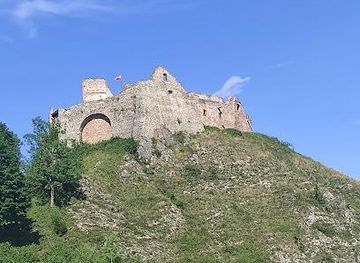
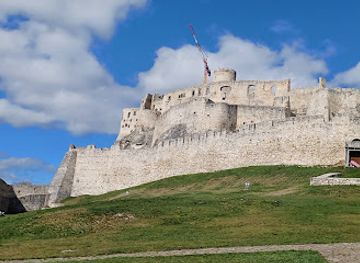
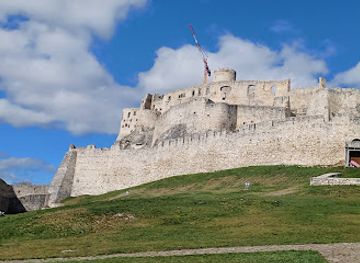
Spiš Castle is the region's most recognisable landmark, occupying a broad limestone hill above the Hornád basin and ranking among Central Europe's largest castle complexes. Below it, the walled streets of Spišská Kapitula form an important ecclesiastical landmark, while the Romanesque-Gothic Church of the Holy Spirit at Žehra preserves medieval paintings and architectural detail. Levoča's main square, town walls and St James's Church define one of Slovakia's most significant historic urban ensembles; the church contains the celebrated late medieval altarpiece linked with Master Paul of Levoča. In Kežmarok, the castle and the wooden Articular Church represent different strands of the town's political and religious history. Stará Ľubovňa Castle stands above the northern Poprad valley and reflects the region's former frontier and cross-border connections. Natural landmarks are equally prominent: the limestone gorges of Slovak Paradise, the Dunajec valley in Pieniny and the eastern High Tatras give Spiš a geographical identity as strong as its architecture.
-
Castle
Zamek Dunajec w Niedzicy, Stowarzyszenie Historyków Sztuki
Explore Zamek Dunajec in Niedzica, a captivating castle with rich history, stunning views, and cultural experiences in the heart of the Pieniny Mountains.
-
Castle
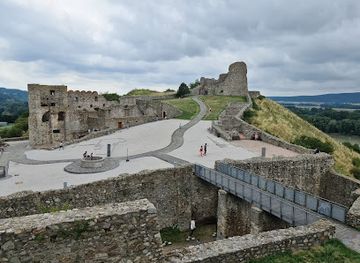
Hrad Devín
Explore Hrad Devín, a historical fortress with stunning views, rich heritage, and delightful surroundings in Slovakia.
-
Castle
Spiš Castle
Discover the grandeur of Spiš Castle, a historic fortress that offers breathtaking views, rich history, and cultural experiences in the heart of Slovakia.
-
National park
Slovak Paradise National Park
Explore the breathtaking landscapes, diverse wildlife, and thrilling adventures of Slovak Paradise National Park in Slovakia.
Explore Spiš on the map
Plan your trip on one map. See where the top cities, national parks and sights are, and book hotels and experiences in a few clicks.
Best hotels in Spiš
Best restaurants in Spiš
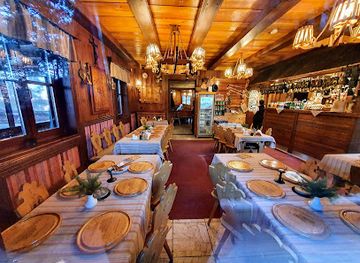
Spišian food is rooted in the cooking of mountain and farming communities, with potatoes, cabbage, pulses, smoked meat and dairy products appearing frequently in traditional meals. Bryndzové halušky, potato dumplings served with sheep's cheese and often bacon, are a national Slovak speciality strongly associated with mountain regions, while bryndza, žinčica and other sheep-milk products are widely encountered in local food culture. Menus in towns such as Poprad, Levoča, Kežmarok and Spišská Nová Ves range from traditional Slovak restaurants and pubs to cafés and contemporary dining rooms. Rural inns may serve soups, dumplings, game or seasonal produce, though menus vary considerably. Bakeries and market stalls provide practical options for travellers between sights, while mountain resorts offer both casual food and more formal dining. Slovak beer, fruit spirits and non-alcoholic herbal drinks commonly accompany meals, and visitors should distinguish genuinely local dishes from broader Central European fare also found across the country.
-
Brewery
Bratislavský Meštiansky Pivovar
Discover authentic Slovak cuisine and craft beer at Bratislavský Meštiansky Pivovar in the heart of Bratislava.
-
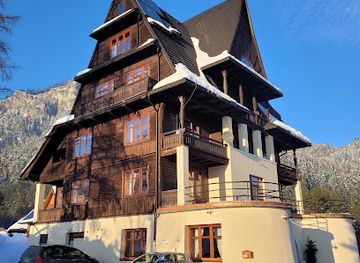
Hotel
Schronisko PTTK Trzy Korony
Experience breathtaking views and authentic Polish cuisine at Schronisko PTTK Trzy Korony - your perfect mountain retreat.
-
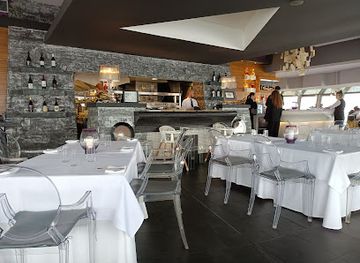
Restaurant
UFO
Discover breathtaking views and exquisite cuisine at UFO Restaurant in Bratislava – where dining meets architectural wonder.
-
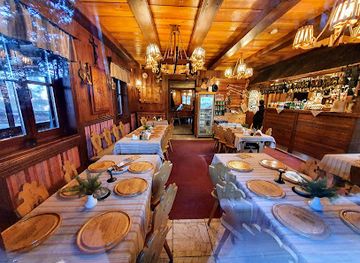
Restaurant
Spišský salaš
Experience authentic Slovak cuisine at Spišský salaš near UNESCO-listed Spiš Castle, where tradition meets flavor in every dish.

Best bars in Spiš
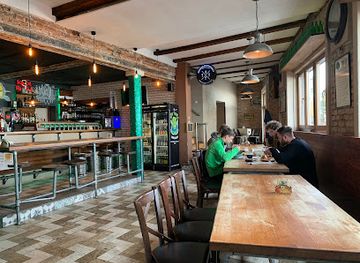
Evening life in Spiš is concentrated in Poprad, Kežmarok, Spišská Nová Ves and the larger High Tatras resort settlements rather than spread evenly across the countryside. Traditional pubs, wine bars, cafés and hotel lounges provide the main setting for a quiet drink, while larger towns have a modest selection of late venues and occasional live music. Poprad has the broadest urban choice, including bars used by visitors heading to the mountains, whereas Levoča and Kežmarok are better suited to historic interiors, restaurants and relaxed evenings than clubbing. In the High Tatras, après-ski and resort nightlife become more noticeable during the winter season, but schedules and venues change. Rural Spiš generally becomes quiet after dinner, with local inns and community events more important than nightclubs. Breweries and regional drinks can be explored without treating alcohol as the defining feature of the region's culture.
-
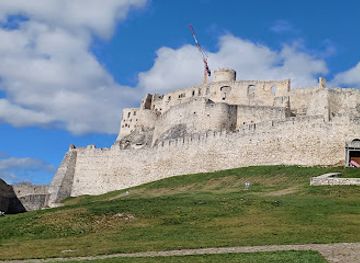
Castle
Spiš Castle
Explore the enchanting Spiš Castle, a UNESCO World Heritage site showcasing stunning architecture and rich history amid breathtaking landscapes.
-
Restaurant
Spišský salaš
Experience authentic Slovak cuisine at Spišský salaš, a culinary gem with stunning views of Spiš Castle.
-
National park
Pieniny National Park
Experience the stunning landscapes and outdoor adventures at Pieniny National Park, a natural gem in Slovakia's mountainous region.
-
Restaurant
Dobré časy
Discover the vibrant tastes of Slovakia at Dobré časy, Poprad's premier restaurant and beer garden, offering a delightful menu in a cozy atmosphere.
Best nightclubs in Spiš
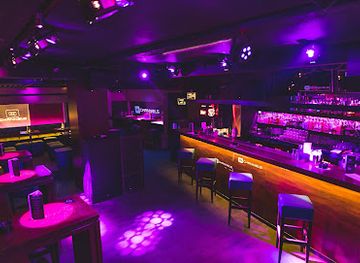
Evening life in Spiš is concentrated in Poprad, Kežmarok, Spišská Nová Ves and the larger High Tatras resort settlements rather than spread evenly across the countryside. Traditional pubs, wine bars, cafés and hotel lounges provide the main setting for a quiet drink, while larger towns have a modest selection of late venues and occasional live music. Poprad has the broadest urban choice, including bars used by visitors heading to the mountains, whereas Levoča and Kežmarok are better suited to historic interiors, restaurants and relaxed evenings than clubbing. In the High Tatras, après-ski and resort nightlife become more noticeable during the winter season, but schedules and venues change. Rural Spiš generally becomes quiet after dinner, with local inns and community events more important than nightclubs. Breweries and regional drinks can be explored without treating alcohol as the defining feature of the region's culture.
-
Disco club
The Club Bratislava
Discover the pulsating heart of Bratislava's nightlife at The Club, where music meets unforgettable moments in a stylish disco atmosphere.
-
Night club
Channels Club
Experience the energetic nightlife at Channels Club in Old Town, where exquisite cocktails and vibrant music create unforgettable moments.
-
Bar
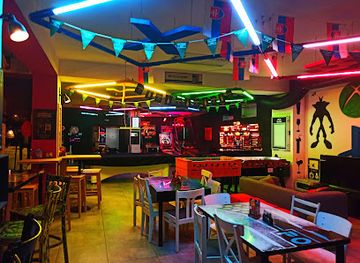
NEW CHICAGO - Veselá krčma
Discover the lively charm of New Chicago - Veselá Krčma in Poprad, where friendly vibes and delicious drinks await every visitor.
-
Dart bar
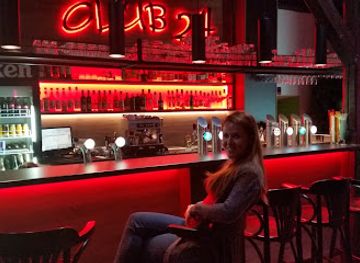
Club 24 - To pravé miesto na zábavu
Experience the vibrant nightlife at Club 24 in Poprad, where dart games and pool competitions bring fun and excitement to your evening.

Best shops in Spiš
Shopping in Spiš is centred on historic town squares, ordinary high streets, supermarkets and independent local businesses rather than large luxury districts. Levoča and Kežmarok are useful for small galleries, craft items, books, regional food and souvenirs connected with the towns' heritage, while Poprad and Spišská Nová Ves provide the broadest everyday retail choice. Farmers' markets and seasonal stalls may offer honey, preserves, herbs, smoked products, baked goods and sheep's cheese, although their timing varies. Wooden objects, ceramics, woven textiles and religious or folk-inspired handicrafts are common souvenir themes, but quality and provenance differ, so compare items before buying. Around the High Tatras, shops focus on walking equipment, winter sports goods and mountain-themed gifts. Purchases from Spiš are most distinctive when they reflect its food-producing communities, historic craftsmanship or mountain environment rather than generic national memorabilia.
-
Shopping mall
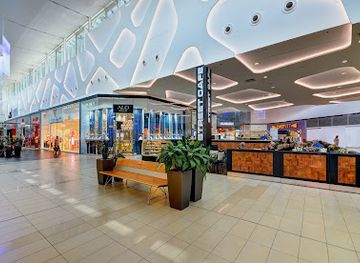
Aupark Bratislava
Experience the vibrant shopping, dining, and entertainment at Aupark Bratislava, a premier destination in Slovakia for tourists.
-
Shopping mall
Eurovea
Explore Eurovea in Bratislava: A premier shopping destination offering diverse retail, dining, and stunning riverfront views for an unforgettable experience.
-
Shopping mall
AVION Shopping Park Bratislava
Experience shopping, dining, and entertainment at AVION Shopping Park, Bratislava's ultimate destination for tourists and locals alike.
-
Castle
Spiš Castle
Explore the awe-inspiring Spiš Castle, a UNESCO World Heritage site, where history and breathtaking views collide in Slovakia's stunning landscape.


Get your free copy of our complete guide to Spiš, delivered straight to you.
Everything on this page, from attractions and restaurants to essentials and local phrases, in one PDF you can read offline, print or share.
Already have an account? Sign in
Your Spiš guide is ready.
We'll send it to · Not you? Sign out

Getting your guide ready…
We are putting together a fresh copy of the Spiš guide. This can take up to a minute.
This can take a few moments. If your browser asks, choose Allow so the download can start. You'll find the guide in your Downloads folder.
Nothing happened? Download it again
Sorry, the guide is taking longer than usual. Please try again in a minute, or get it by email instead.
Spiš essentials
Currency and Payment
Safety
Emergency Situations
Do's and Don'ts
Local Tips
From Eve
Local phrases worth knowing
You don't need to get them perfect. A few words go a long way, and locals appreciate the effort.
Basics
| English | Local | Say it |
|---|---|---|
| Hello | Ahoj | [ahoy] |
| Goodbye | Zbohom | [zbo-hom] |
| Yes | Áno | [ah-no] |
| No | Nie | [nyeh] |
| Please/You're welcome | Prosím | [pro-seem] |
| Thank you | Ďakujem | [dya-koo-yem] |
| Excuse me/Sorry | Prepáčte | [pre-pach-teh] |
| How are you? | Ako sa máš? | [ah-koh sah mash] |
| Fine. And you? | Dobre. A ty? | [dob-reh. ah tee] |
| Do you speak English? | Hovoríš po anglicky? | [ho-vo-reesh poh ang-leet-skee] |
| I don't understand | Nerozumiem | [ne-ro-zu-myehm] |
Eating & Drinking
| English | Local | Say it |
|---|---|---|
| I'd like to see the menu, please | Chcel by som vidieť jedálny lístok, prosím | [khtsel bee som vid-yet yed-al-ny leestok, pro-seem] |
| I don't eat meat | Nejem mäso | [nye-yem meh-so] |
| Cheers! | Na zdravie! | [nah zdra-vyeh] |
| I would like to pay, please | Chcel by som zaplatiť, prosím | [khtsel bee som zap-la-teet, pro-seem] |
Emergencies
| English | Local | Say it |
|---|---|---|
| Help! | Pomoc! | [po-mots] |
| Go away! | Odíď! | [oh-deech] |
| Call the Police! | Zavolajte políciu! | [zah-vo-lah-yteh poh-lee-tsee-oo] |
| Call a doctor! | Zavolajte doktora! | [zah-vo-lah-yteh dok-to-ra] |
| I'm lost | Zablúdil som | [za-bloo-dil som] |
| I'm ill | Som chorý | [som kho-ree] |
Shopping
| English | Local | Say it |
|---|---|---|
| I'd like to buy... | Chcel by som kúpiť... | [khtsel bee som koo-peet] |
| I'm just looking | Len sa pozerám | [len sah po-zeh-ram] |
| How much is it? | Koľko to stojí? | [kol-ko toh stoh-ee] |
| That's too expensive | To je príliš drahé | [to yeh pree-leesh dra-heh] |
| Can you lower the price? | Môžeš znížiť cenu? | [moh-zesh znee-zheet tseh-nu] |
Time & Numbers
| English | Local | Say it |
|---|---|---|
| What time is it? | Koľko je hodín? | [kol-ko yeh ho-deen] |
| It's one o'clock | Je jedna hodina | [yeh yed-na ho-dee-na] |
| Half past (10) | Poludnie (10) | [po-lud-nyeh (10)] |
| Morning | Ráno | [rah-no] |
| Afternoon | Popoludnie | [po-po-lud-nyeh] |
| Evening | Večer | [veh-cher] |
| Yesterday | Včera | [v-cheh-rah] |
| Today | Dnes | [dnyes] |
| Tomorrow | Zajtra | [zai-tra] |
| 1 | 1 | [1] |
| 2 | 2 | [2] |
| 3 | 3 | [3] |
| 4 | 4 | [4] |
| 5 | 5 | [5] |
| 6 | 6 | [6] |
| 7 | 7 | [7] |
| 8 | 8 | [8] |
| 9 | 9 | [9] |
| 10 | 10 | [10] |
Transport & Directions
| English | Local | Say it |
|---|---|---|
| Where's a/the...? | Kde je...? | [kdeh yeh] |
| What's the address? | Aká je adresa? | [ah-kah yeh ah-dreh-sah] |
| Can you show me (on the map)? | Môžeš mi to ukázať (na mape)? | [moh-zesh mee toh oo-kah-zaht (nah mah-peh)] |
| When's the next (bus)? | Kedy ide ďalší (autobus)? | [keh-dee ee-deh dya-l-shee (au-to-bus)] |
| A ticket (to ....) | Lístok (do....) | [leestok (doh....)] |
History of Spiš
Early Settlement and the Roman Frontier
Spiš has been settled since prehistoric times, with archaeological evidence of communities using its river valleys, upland basins and fertile foothills. Celtic and later Germanic presence formed part of a wider cultural landscape north of the Roman Danube frontier, although Spiš itself lay beyond the Roman Empire's main provincial boundary. Hillforts and settlement traces show the importance of routes crossing the Carpathians and linking the upper Váh, Hornád and Poprad valleys. These early networks established the region's long-standing role as a meeting place between northern and southern parts of Central Europe.
Medieval Hungarian Kingdom and German Settlement
After the formation of the medieval Kingdom of Hungary, Spiš developed through royal administration, religious foundations and long-distance trade. From the twelfth century, settlers invited from German-speaking regions established towns and mining communities, particularly around Levoča, Kežmarok and Spišská Nová Ves. They introduced urban institutions, craft organisation and commercial connections that helped the region prosper. Fortifications and churches expanded as towns acquired privileges, while Spiš Castle and the ecclesiastical centre at Spišská Kapitula became major instruments of secular and religious authority.
The Spiš Chapter and Medieval Church Art
Spišská Kapitula developed as an important ecclesiastical centre, often described as the spiritual heart of the region. Its cathedral and walled streets represent the influence of the Spiš provostry, whose administration shaped religious and cultural life for centuries. Nearby churches, including the Romanesque Church of the Holy Spirit at Žehra, preserve evidence of medieval artistic traditions and changing forms of worship. The surviving architecture reflects the region's position within the Kingdom of Hungary and its connections to wider Central European styles.
Levoča and the Late Medieval Commercial Towns
During the fourteenth and fifteenth centuries, Levoča became the leading urban centre of Spiš and a member of the Pentapolitana, an alliance of five important towns in what is now eastern Slovakia. Its merchants traded in agricultural goods, wine, metals and manufactured products, while local workshops served churches and civic institutions. The late medieval prosperity of Levoča is visible in its main square, town walls and St James's Church. The church's major altarpiece, associated with Master Paul of Levoča, embodies the artistic confidence of this period.
The Polish Pledge and Changing Political Rule
In 1412, King Sigismund of Luxembourg pledged a group of Spiš towns and associated territories to Poland as security for a loan. The towns remained under Polish administration for several centuries while the wider region continued to belong to the Kingdom of Hungary. This unusual political arrangement influenced local legal and commercial relationships and left a complex legacy of cross-border connections. The pledged towns were returned to Hungarian rule in the eighteenth century, after the partitions of Poland had altered the political map of Central Europe.
Mining, Crafts and Early Modern Transformation
Mining and metalworking contributed to the economy of several Spiš communities, although the region's wealth was also based on agriculture, forestry, livestock and interregional trade. Copper, iron and other mineral resources supported towns such as Spišská Nová Ves and neighbouring settlements, while craft guilds regulated production in urban centres. Wars, religious divisions and the economic shifts of the early modern period affected the region unevenly. Castles, manor houses and churches from this era reveal the continuing importance of both noble estates and town institutions.
Modern Slovakia and the Rise of Mountain Tourism
The nineteenth and twentieth centuries brought railways, industrial development and new administrative realities to Spiš. Rail connections through Poprad and other towns made the region more accessible and helped link local economies with larger Central European markets. From the late nineteenth century, the High Tatras became an increasingly important destination for health retreats, mountaineering and organised tourism. After the creation of Czechoslovakia in 1918, and later the Slovak Republic in 1993, Spiš remained a culturally distinctive historic region rather than a separate administrative unit. Tourism, conservation and heritage now stand alongside farming and urban services as major influences on its future.
Spiš in Photos
Browse through our photo collection highlighting the charm and character of the destination.
Neighbouring regions of Spiš
The closest regions to Spiš, if you have time for more than one.
-

-

-

-

-


Swipe for more regions
Explore more

Explore more of Slovakia
Discover Slovakia: A land of majestic mountains, charming castles, and vibrant culture in the heart of Europe.
Explore Slovakia