

Free Cape Winelands Travel Guide & Mobile App
Explore Cape Winelands with free travel guides. Discover regional history, expert tips, proposed trips, and audio guides on web or mobile app.


Explore South Africa's Cape Winelands for historic towns, mountain-framed vineyards, farm-to-table food and distinctive inland valley landscapes.
Read more about Cape Winelands
When is the best time to visit Cape Winelands?
Best: February–March, November · 25–27°C| Month | High (°C) | Rainfall (mm) |
|---|---|---|
| January | 27 | 10 |
| February (best) | 27 | 12 |
| March (best) | 26 | 15 |
| April | 23 | 20 |
| May | 20 | 30 |
| June | 17 | 35 |
| July | 17 | 40 |
| August | 17 | 35 |
| September | 21 | 30 |
| October | 23 | 25 |
| November (best) | 25 | 20 |
| December | 27 | 15 |
Getting to and around Cape Winelands
How to get there
Transportation
Top city travel guides in Cape Winelands
The cities of Cape Winelands, and the easiest places to base yourself.

Swipe for more cities
Destinations in Cape Winelands
Resorts, valleys and scenic spots worth a trip of their own.
-

-

-

-

-


Swipe for more destinations
Best attractions in Cape Winelands
The Cape Winelands offer more than cellar visits. Stellenbosch combines a walkable historic centre, museums, galleries and university-town culture with surrounding estates where tastings, gardens, restaurants and vineyard walks are common. Franschhoek places wine and food within a compact valley shaped by Huguenot history, while Paarl and Wellington provide access to larger agricultural landscapes, mountain viewpoints and established wine properties. Tulbagh is notable for its heritage architecture and secluded basin, and the Breede Valley around Worcester and Robertson offers orchards, vineyards, farm stalls and broad inland scenery. Montagu, on the eastern side of the commonly visited Winelands, adds sandstone formations, walking routes and hot springs. Outdoor options include hiking, mountain biking, scenic drives and nature-based visits in protected mountain areas, but route conditions and access rules vary. Museums, historic homesteads, churches and community-focused heritage sites give context to the region's colonial, agricultural and labour histories. Families may find gardens, farm activities and gentle estate trails more suitable than formal tastings, while experienced hikers can plan longer mountain routes with local information and adequate preparation.
-
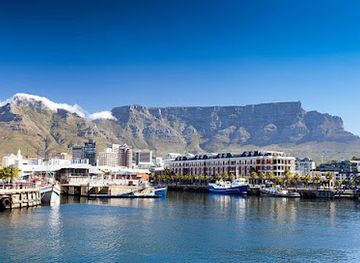
Shopping mall
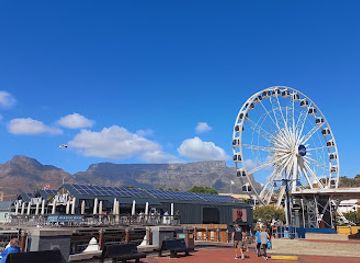
V&A Waterfront
Experience the best of Cape Town at the V&A Waterfront, a vibrant mix of shopping, dining, and cultural attractions with stunning harbor views.
-
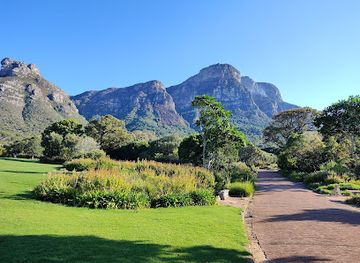
Botanical garden
Kirstenbosch National Botanical Garden
Explore the enchanting Kirstenbosch National Botanical Garden, a stunning showcase of South Africa's rich flora against the backdrop of Table Mountain.
-
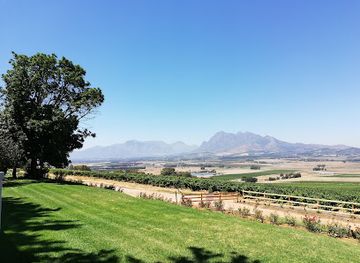
Tourist attraction
Spice Route Destination
Experience the ultimate culinary adventure at Spice Route Destination in the heart of the Cape Winelands, where wine, food, and art come together.
-
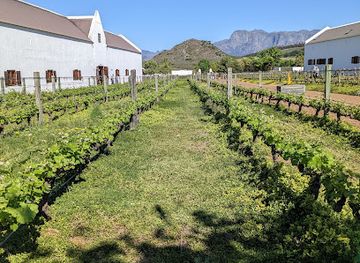
Winery
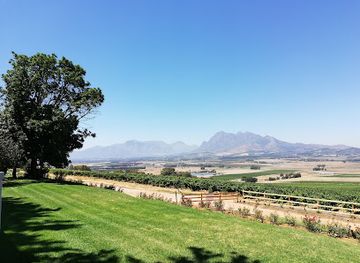
Babylonstoren Wine Estate
Experience the beauty of Babylonstoren Wine Estate, where exquisite wines meet lush gardens in the heart of South Africa's famed Cape Winelands.
Best landmarks in Cape Winelands
The Cape Winelands' most recognisable landmarks combine Cape architecture with sharp mountain scenery. Stellenbosch's oak-lined historic streets contain an exceptional concentration of Cape Dutch, Georgian and Victorian buildings, with the Village Museum illustrating different periods of the town's development. The Huguenot Monument at Franschhoek is a prominent symbol of the valley's French Protestant heritage, while Paarl Mountain and its granite outcrops dominate views across the Berg River valley. In Tulbagh, Church Street forms an important heritage precinct of restored historic buildings, including Cape Dutch, Victorian and Edwardian examples. Wellington's Bainskloof Pass is a significant mountain road and scenic engineering landmark linking the town with the inland side of the mountains. Worcester's surrounding ranges and Robertson's broad Breede River Valley provide geographical landmarks rather than a single monumental structure, while Montagu is framed by dramatic sandstone cliffs and rock formations. These places are valuable not only for photographs but also for showing how settlement, farming, transport and architecture adapted to the region's valleys and mountain barriers.
-
Shopping mall
V&A Waterfront
Discover the vibrant V&A Waterfront in Cape Town, a cultural and shopping haven with breathtaking views and diverse experiences.
-
Castle
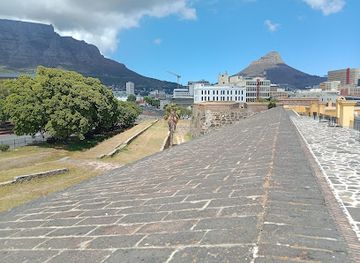
Castle of Good Hope
Discover the historic Castle of Good Hope in Cape Town, a stunning fortress with rich heritage, captivating museums, and breathtaking views.
-
Tourist attraction
Spice Route Destination
Experience the best of South African cuisine, craft beverages, and artisanal products at Spice Route Destination in the stunning Cape Winelands.
-
Museum
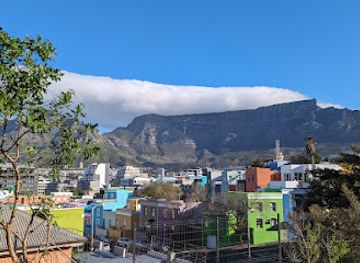
Iziko Bo-Kaap Museum
Discover the vibrant culture and rich history of Cape Town at the Iziko Bo-Kaap Museum, a colorful tribute to the Cape Malay community.
Explore Cape Winelands on the map
Plan your trip on one map. See where the top cities, national parks and sights are, and book hotels and experiences in a few clicks.
Best hotels in Cape Winelands
Best restaurants in Cape Winelands
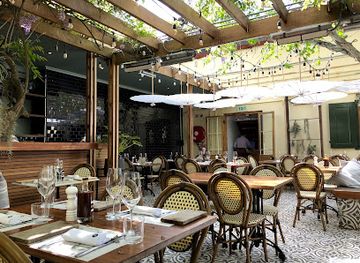
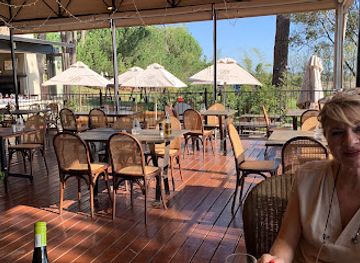
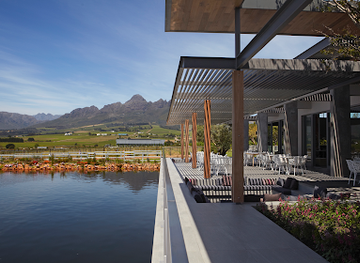
Dining in the Cape Winelands is closely tied to season, soil and farm production. Estate restaurants range from formal venues with polished wine pairings to relaxed courtyards serving bread, cheese, olives, preserves, fruit and vegetables sourced from nearby farms. Stellenbosch, Franschhoek and Paarl have the broadest choice, including contemporary South African cooking, cafés, bakeries and restaurants in historic buildings. In Wellington, Tulbagh, Worcester, Robertson and Montagu, dining is more dispersed and often combines rural inns, farm kitchens, cellar doors and local produce shops. Cape Dutch and Cape Malay influences are part of the region's wider culinary history, while lamb, beef, stone fruit, grapes, olive oil and artisanal cheeses reflect current agriculture. Farmers' markets and farm stalls are useful for picnic supplies and regional products, though opening days vary. Wine is central but not obligatory: many estates also offer non-alcoholic pairings, coffee, preserves or garden visits. Advance reservations are sensible for sought-after estate restaurants and weekend lunches.
-
Restaurant
The Fat Butcher
Experience culinary excellence at The Fat Butcher in Stellenbosch – where quality meats meet exquisite local flavors.
-
Family-friendly
West Coast Farm Stall
Experience delightful local cuisine at West Coast Farm Stall - your family-friendly cafe stop between Cape Town and nature's wonders.
-
Restaurant
La Pineta
Discover La Pineta: An exquisite dining experience in Stellenbosch offering local flavors and international cuisine amidst stunning vineyard views.
-
Restaurant
Cavalli Estate
Discover the perfect blend of fine dining, stunning art galleries, and equestrian experiences at Cavalli Estate in Somerset West.
Best bars in Cape Winelands
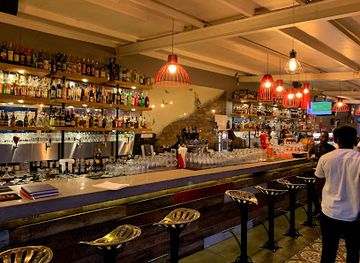
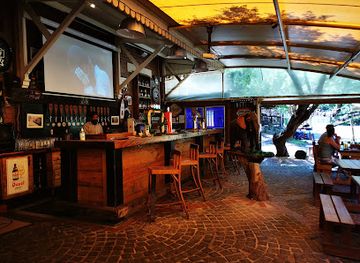
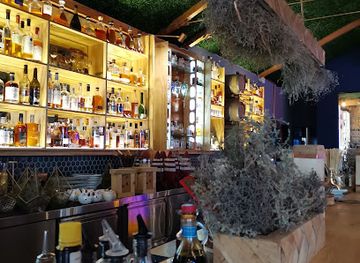
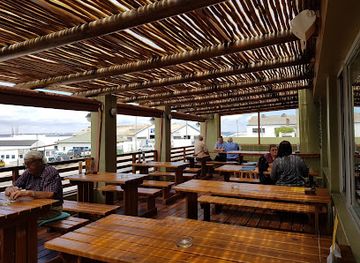
Evenings in the Cape Winelands generally centre on restaurants, wine bars, tasting rooms and traditional pubs rather than a large nightclub scene. Stellenbosch has the region's most varied evening life, with student-oriented venues, cocktail bars, live music and restaurants clustered around the historic centre, while Franschhoek is known for dining-led evenings and wine-focused bars. Paarl and Wellington offer local pubs, breweries and smaller music venues, and towns in the Breede Valley tend to close earlier, with social life concentrated in restaurants, inns and hotel bars. Some estates host occasional live music or seasonal events, but programmes and hours change, so local confirmation is advisable. Designated drivers and pre-booked transfers are particularly important after tastings, as rural roads can be dark and ride availability is limited outside the main towns. The region's evening culture is best approached as a combination of food, conversation, landscape and local wine rather than a continuous late-night circuit.
-
Bar
Thirsty Scarecrow
Discover the lively ambiance and delicious cuisine of Thirsty Scarecrow, a top destination for food and fun in Stellenbosch.
-
Bar
Franschhoek Station Pub & Craft Bar
Discover the lively atmosphere of Franschhoek Station Pub & Craft Bar, where local brews meet delicious cuisine and unforgettable live entertainment.
-
Cocktail bar
Cause Effect Cocktail Kitchen
Discover the fusion of art and flavor at Cause Effect Cocktail Kitchen, a premier cocktail bar in Cape Town's vibrant waterfront.
-
Pub
Captain's Cabin Restaurant & Pub
Discover the best of Saldanha's coastal dining at Captain's Cabin Restaurant & Pub, where delicious meals meet stunning sea views.
Best nightclubs in Cape Winelands
Evenings in the Cape Winelands generally centre on restaurants, wine bars, tasting rooms and traditional pubs rather than a large nightclub scene. Stellenbosch has the region's most varied evening life, with student-oriented venues, cocktail bars, live music and restaurants clustered around the historic centre, while Franschhoek is known for dining-led evenings and wine-focused bars. Paarl and Wellington offer local pubs, breweries and smaller music venues, and towns in the Breede Valley tend to close earlier, with social life concentrated in restaurants, inns and hotel bars. Some estates host occasional live music or seasonal events, but programmes and hours change, so local confirmation is advisable. Designated drivers and pre-booked transfers are particularly important after tastings, as rural roads can be dark and ride availability is limited outside the main towns. The region's evening culture is best approached as a combination of food, conversation, landscape and local wine rather than a continuous late-night circuit.
-
Night club
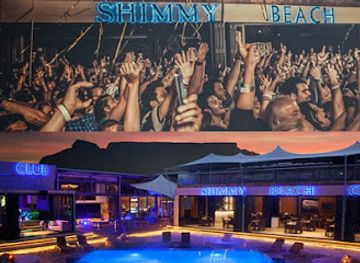
Shimmy Beach Club
Experience the vibrant nightlife and exquisite dining at Shimmy Beach Club, Cape Town's premier destination for relaxation and entertainment.
-
Restaurant
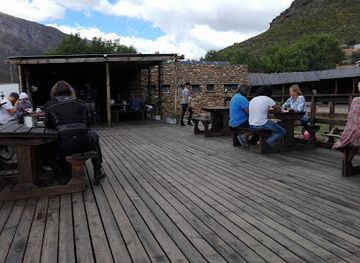
Calabash Bush Pub
Discover the serene ambiance and delightful flavors at Calabash Bush Pub, your ultimate retreat in the stunning Bain's Kloof Pass.
-
Night club
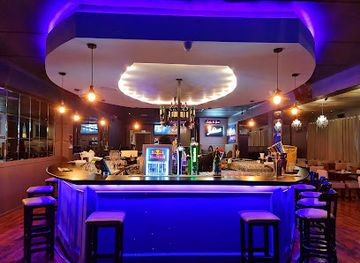
Havana Nights
Discover the lively nightlife at Havana Nights, a premier night club in Cape Town with cocktails, live music, and unforgettable dining experiences.
-
Night club
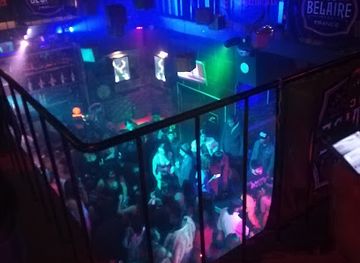
Saint Champagne Bar & Lounge - Nightclub
Saint Champagne Bar & Lounge: Experience Cape Town's vibrant nightlife with exquisite cocktails, live music, and a stylish atmosphere.
Best shops in Cape Winelands
Shopping in the Cape Winelands is distributed among historic town centres, farm stalls, estate boutiques, galleries and weekend markets rather than concentrated in one retail district. Stellenbosch and Franschhoek have the largest selection of art, design, books, clothing, wine and specialist food shops, while Paarl and Wellington retain a more everyday high-street character alongside independent businesses. Farm shops and cellar-door boutiques sell wine, olive oil, preserves, cheese, dried fruit, chocolate and seasonal produce, making them useful for gifts and picnic supplies. Tulbagh, Worcester, Robertson and Montagu offer smaller galleries, craft outlets, antiques and locally made products, with the exact choice depending on the season and day of the week. Look for handmade ceramics, textiles, jewellery and artwork rather than mass-produced souvenirs, and check how wine or food products can be transported internationally before buying in quantity. Markets may operate on particular days or during seasonal events, so confirm arrangements locally rather than assuming a permanent daily market.
-
Shopping mall
V&A Waterfront
Explore the vibrant V&A Waterfront in Cape Town – a shopping paradise, cultural landmark, and family-friendly tourist attraction.
-
Shopping mall
Victoria Wharf Shopping Centre
Discover a shopper's paradise at Victoria Wharf Shopping Centre in Cape Town, offering diverse stores, delightful dining, and stunning waterfront views.
-
Shopping mall
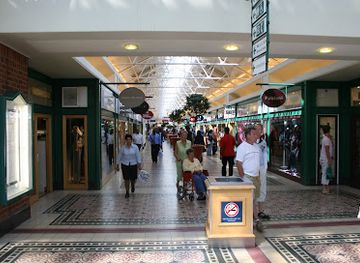
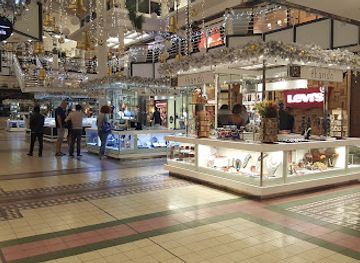
Tyger Valley Shopping Centre
Discover Tyger Valley Shopping Centre, Cape Town's ultimate shopping and dining destination with a vibrant atmosphere for all tastes.
-
Market
Root44 Market
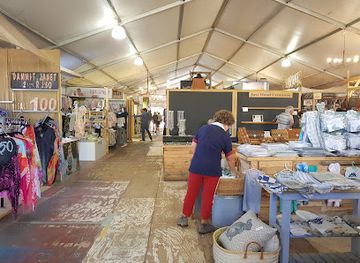
Experience the best of local culture, food, and craftsmanship at Root44 Market in Stellenbosch, the heart of South Africa's vibrant culinary scene.
Get your free copy of our complete guide to Cape Winelands, delivered straight to you.
Everything on this page, from attractions and restaurants to essentials and local phrases, in one PDF you can read offline, print or share.
Already have an account? Sign in
Your Cape Winelands guide is ready.
We'll send it to · Not you? Sign out

Getting your guide ready…
We are putting together a fresh copy of the Cape Winelands guide. This can take up to a minute.
This can take a few moments. If your browser asks, choose Allow so the download can start. You'll find the guide in your Downloads folder.
Nothing happened? Download it again
Sorry, the guide is taking longer than usual. Please try again in a minute, or get it by email instead.
Cape Winelands essentials
Currency and Payment
Safety
Emergency Situations
Do's and Don'ts
Local Tips
From Eve
Local phrases worth knowing
You don't need to get them perfect. A few words go a long way, and locals appreciate the effort.
Basics
| English | Local | Say it |
|---|---|---|
| Hello | Hallo | [ha-lo] |
| Goodbye | Totsiens | [tot-seens] |
| Yes | Ja | [ya] |
| No | Nee | [nee] |
| Please/You're welcome | Asseblief | [as-se-bleef] |
| Thank you | Dankie | [dahn-kee] |
| Excuse me/Sorry | Verskoon my | [ver-skohn my] |
| How are you? | Hoe gaan dit? | [hoo gahn dit] |
| Fine. And you? | Goed. En jy? | [kho-ot. en yay] |
| Do you speak English? | Praat jy Engels? | [praht yay eng-els] |
| I don't understand | Ek verstaan nie | [ek fer-stahn nee] |
Eating & Drinking
| English | Local | Say it |
|---|---|---|
| I'd like to see the menu, please | Ek wil graag die spyskaart sien, asseblief | [ek vil graahg dee spays-kahrt seen, as-se-bleef] |
| I don't eat meat | Ek eet nie vleis nie | [ek eet nee flys nee] |
| Cheers! | Gesondheid! | [ge-sond-hayt] |
| I would like to pay, please | Ek wil graag betaal, asseblief | [ek vil graahg be-taal, as-se-bleef] |
Emergencies
| English | Local | Say it |
|---|---|---|
| Help! | Help! | [help] |
| Go away! | Gaan weg! | [khaan vek] |
| Call the Police! | Bel die Polisie! | [bel dee poh-lee-see] |
| Call a doctor! | Bel 'n dokter! | [bel 'n dok-ter] |
| I'm lost | Ek is verlore | [ek is fer-lo-re] |
| I'm ill | Ek is siek | [ek is seek] |
Shopping
| English | Local | Say it |
|---|---|---|
| I'd like to buy... | Ek wil graag koop... | [ek vil graahg koop...] |
| I'm just looking | Ek kyk net | [ek kyke net] |
| How much is it? | Hoeveel kos dit? | [hoo-veel kos dit] |
| That's too expensive | Dit is te duur | [dit is te dur] |
| Can you lower the price? | Kan jy die prys verlaag? | [kan yay dee prys fer-lahg] |
Time & Numbers
| English | Local | Say it |
|---|---|---|
| What time is it? | Hoe laat is dit? | [hoo laht is dit] |
| It's one o'clock | Dis eenuur | [dis een-oor] |
| Half past (10) | Halfpasta (10) | [half-pahs-ta (10)] |
| Morning | Oggend | [oh-gent] |
| Afternoon | Namiddag | [nah-mi-dahg] |
| Evening | Aand | [ahnd] |
| Yesterday | Gister | [ghis-ter] |
| Today | Vandag | [van-dahg] |
| Tomorrow | Môre | [mo-re] |
| 1 | 1 | [1] |
| 2 | 2 | [2] |
| 3 | 3 | [3] |
| 4 | 4 | [4] |
| 5 | 5 | [5] |
| 6 | 6 | [6] |
| 7 | 7 | [7] |
| 8 | 8 | [8] |
| 9 | 9 | [9] |
| 10 | 10 | [10] |
Transport & Directions
| English | Local | Say it |
|---|---|---|
| Where's a/the...? | Waar is 'n die...? | [vaar is 'n dee...?] |
| What's the address? | Wat is die adres? | [vat is dee ah-dres] |
| Can you show me (on the map)? | Kan jy my wys (op die kaart)? | [kan yay my vice (op dee kart)?] |
| When's the next (bus)? | Wanneer is die volgende (bus)? | [van-nee-er is dee fol-gen-de (bus)?] |
| A ticket (to ....) | ‘n kaartjie (na ....) | [‘n kart-kee (na ....)] |
History of Cape Winelands
Khoekhoe Pastoralists and Early Agriculture
Long before European settlement, the valleys and mountain corridors of the Cape were used by Khoekhoe pastoralist communities, while San hunter-gatherers also occupied and travelled through the wider landscape. Rivers, grazing areas and seasonal resources shaped movement across the region. Colonial descriptions often reduced these societies to a background to European expansion, but archaeological evidence and living cultural traditions underline their deep connection with the Cape. Placenames and heritage interpretation increasingly acknowledge that the Winelands were not an empty landscape before the seventeenth century.
Dutch East India Company Settlement, 1652–1795
The Dutch East India Company's Cape settlement expanded inland from Cape Town during the late seventeenth century. Farms were granted in valleys around Stellenbosch and Paarl, and vineyards, wheat cultivation and livestock production developed to supply the settlement and passing ships. Stellenbosch was founded in 1679 and became an important agricultural centre; Paarl followed as settlement spread into the Berg River valley. Enslaved people brought from other parts of Africa and Asia, together with Khoekhoe labour, were central to the colonial economy and to the formation of Cape culture.
French Huguenot Immigration and Cape Winemaking
French Huguenot refugees arrived at the Cape in the late seventeenth century, with many settling in the valley now known as Franschhoek. Although Dutch systems, local conditions and later South African producers shaped the wine industry as much as French expertise, Huguenot memory became an important part of the valley's identity. Farm names, churches, family histories and the Huguenot Memorial Museum reflect this legacy. The settlement also formed part of a much wider colonial system in which enslaved workers and indigenous labour made agricultural expansion possible.
British Rule, Export Agriculture and the Cape Wine Economy
Britain took control of the Cape at the end of the eighteenth century and permanently after the Napoleonic period. British administration, changing trade links and the growth of Cape Town encouraged commercial agriculture and wine exports. The nineteenth century also brought new roads, mountain passes and railways, connecting the inland valleys with ports and markets. Phylloxera later devastated Cape vineyards in the 1880s, prompting replanting and significant changes in varieties, cultivation and wine production. Many surviving farmsteads and town buildings date from the colonial and Victorian phases of this transformation.
Mission Institutions, Labour and Segregated Land
The region's agricultural prosperity rested on deeply unequal structures of land ownership and labour. Enslaved people were emancipated in 1834, but apprenticeship, debt, housing controls and later labour systems continued to restrict farm workers and their families. Mission settlements such as Genadendal, just beyond the commonly visited western Winelands, and local churches and schools formed part of a complex social history. Twentieth-century segregation and apartheid formalised racial divisions, affecting residence, employment, land access and movement. Present-day heritage work increasingly addresses these histories alongside the architecture of wine estates.
Modern Wine, Tourism and Rural Transformation
South African wine entered a new phase after the end of apartheid, when international markets reopened and producers invested in quality, environmental stewardship, tourism and new styles of wine. Stellenbosch, Paarl, Franschhoek and the Breede Valley became established destinations for tastings, restaurants, festivals and outdoor activities. The region remains agricultural rather than purely recreational, with fruit, livestock, olives and other crops alongside vineyards. Contemporary Winelands tourism therefore brings together celebrated scenery and food with continuing debates about labour rights, land reform, conservation and the fair distribution of agricultural wealth.
Cape Winelands in Photos
Browse through our photo collection highlighting the charm and character of the destination.
Neighbouring regions of Cape Winelands
The closest regions to Cape Winelands, if you have time for more than one.
-

-

-

-

-


Swipe for more regions
Explore more

Explore more of South Africa
Discover South Africa: A land of breathtaking landscapes, rich history, and diverse cultures, from bustling cities to world-renowned wildlife reserves.
Explore South Africa