

Free Overberg Travel Guide & Mobile App
Explore Overberg with free travel guides. Discover regional history, expert tips, proposed trips, and audio guides on web or mobile app.


Explore the Overberg for whale-watching, fynbos mountains, Cape Agulhas, historic villages, farm produce and coastal road journeys.
Read more about Overberg
When is the best time to visit Overberg?
Best: November–January · 25–26°C| Month | High (°C) | Rainfall (mm) |
|---|---|---|
| January (best) | 26 | 20 |
| February | 27 | 25 |
| March | 26 | 30 |
| April | 23 | 35 |
| May | 21 | 40 |
| June | 18 | 45 |
| July | 18 | 40 |
| August | 19 | 35 |
| September | 21 | 30 |
| October | 23 | 25 |
| November (best) | 25 | 20 |
| December (best) | 26 | 15 |
Getting to and around Overberg
How to get there
Transportation
Top city travel guides in Overberg
The cities of Overberg, and the easiest places to base yourself.

Swipe for more cities
Destinations in Overberg
Resorts, valleys and scenic spots worth a trip of their own.
-

-


Swipe for more destinations
Best attractions in Overberg
The Overberg's attractions are defined by the relationship between protected nature, working countryside and coastal settlements. Hermanus offers cliff paths, marine viewpoints, galleries and a long-established whale-watching culture, while Gansbaai provides access to boat-based marine excursions and a fishing-centred coastline. Around Betty's Bay, Kleinmond and Pringle Bay, the Kogelberg landscape combines mountain trails, beaches, lagoons and exceptionally varied fynbos. Fernkloof Nature Reserve near Hermanus is especially valuable for plant enthusiasts and walkers. De Hoop Nature Reserve, farther east, brings together dunes, limestone shore, coastal plains, wildlife and a protected marine environment. Cape Agulhas adds the geographical drama of Africa's southernmost point and the meeting of the Atlantic and Indian oceans. Inland, the orchards of Elgin and Grabouw, the farming centres of Caledon and Bredasdorp, and the historic villages of Greyton and Genadendal offer a slower cultural and agricultural counterpoint. Visitors can choose between hiking, birdwatching, cycling, scenic driving, farm visits, heritage exploration and seasonal whale observation, but should plan carefully because the region's most rewarding places are spread across a large area.
-
Sightseeing tour agency
City Sightseeing Cape Town Visitor Center
Experience the best of Cape Town at the City Sightseeing Visitor Center, your hub for tours, tickets, and unforgettable adventures in the Mother City.
-
Tourist attraction
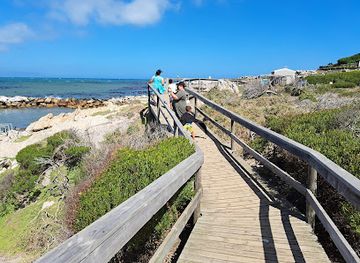
Southern Tip of Africa
Experience the breathtaking landscapes and rich biodiversity at the Southern Tip of Africa, where two oceans meet in stunning harmony.
-
Nature preserve
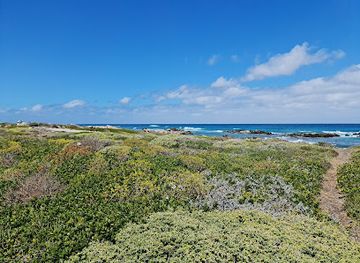
Stony Point Nature Reserve
Immerse yourself in the breathtaking landscapes and unique wildlife at Stony Point Nature Reserve in Betty's Bay, South Africa.
-
Tourist attraction
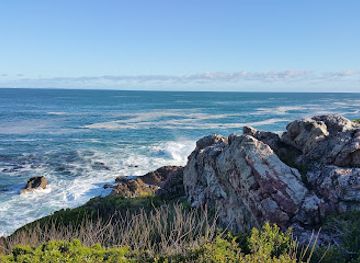
Gearing's Point
Experience breathtaking views and unforgettable whale watching at Gearing's Point, a must-visit coastal gem in Hermanus, South Africa.

Best landmarks in Overberg
Cape Agulhas is the Overberg's defining geographical landmark: a low, windswept headland marked by the meeting of the Atlantic and Indian oceans and overlooked by the historic Cape Agulhas Lighthouse. The white lighthouse, completed in the nineteenth century, remains one of the southern coast's most recognisable buildings. In Hermanus, the Old Harbour and the cliff paths recall the town's fishing and whaling past, while the shoreline provides a natural stage for whale observation in season. Genadendal's mission church, watermill and historic village buildings represent an important chapter in southern African mission history. Elim is distinguished by its Moravian village plan and thatched historic buildings near the Agulhas coast. Inland, the Cape Dutch and Georgian architecture of Swellendam, at the eastern edge of the Overberg, illustrates the region's colonial administrative history. The Kogelberg mountains, De Hoop's pale coastal dunes and the folded Hottentots Holland ranges are natural landmarks whose form, geology and fynbos vegetation define the visual character of the region.
-
National park
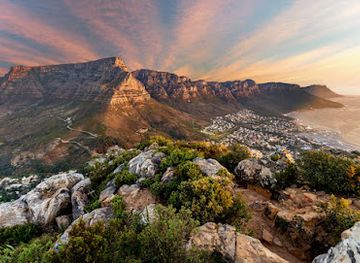
Table Mountain National Park
Explore the stunning landscapes and diverse ecosystems of Table Mountain National Park, a must-visit destination in Cape Town, South Africa.
-
 Public beach
Boulders Beach
Explore the breathtaking beauty of Boulders Beach, home to adorable African penguins and stunning coastal views near Cape Town.
-
Nature preserve
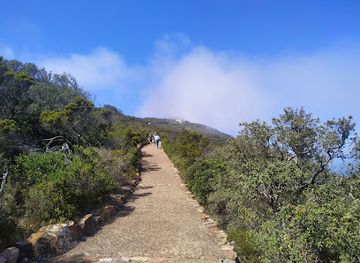
Cape of Good Hope
Explore the breathtaking beauty and diverse wildlife of Cape of Good Hope, a must-visit nature preserve in South Africa's iconic coastline.
-
Castle
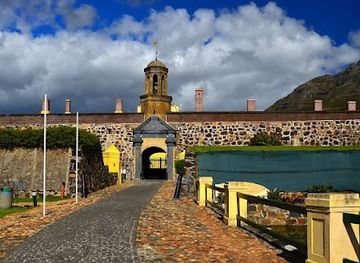
Castle of Good Hope
Discover the rich history of South Africa at the Castle of Good Hope, the oldest building in the country, blending captivating architecture and fascinating exhibits.
Explore Overberg on the map
Plan your trip on one map. See where the top cities, national parks and sights are, and book hotels and experiences in a few clicks.
Best hotels in Overberg
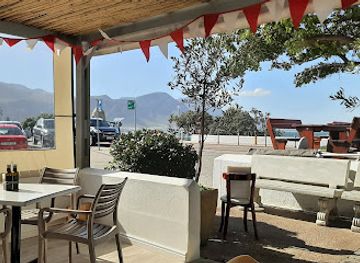
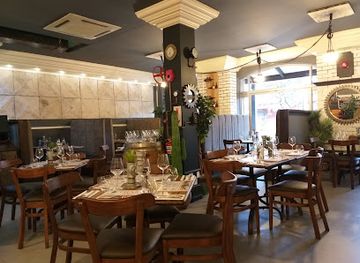
Best restaurants in Overberg
Overberg dining draws on a productive agricultural hinterland and a substantial coastline. Hermanus and the other Walker Bay settlements offer seafood, fish and contemporary South African cooking, while inland restaurants, farm kitchens and country inns make use of fruit, vegetables, grain, lamb and dairy products from surrounding farms. Elgin and Grabouw are particularly associated with apples, pears and cool-climate produce, and local cider and wine complement the area's orchard and vineyard economy. Farm stalls are useful for preserves, baked goods, dried fruit and picnic supplies, although opening arrangements can be seasonal. Genadendal and other historic villages add Cape rural food traditions to the itinerary, while cafés in Hermanus, Stanford and Greyton provide coffee, pastries and lighter meals. Menus change with supply, so it is more useful to look for regional produce and seafood than to expect one single Overberg cuisine.
-
Restaurant
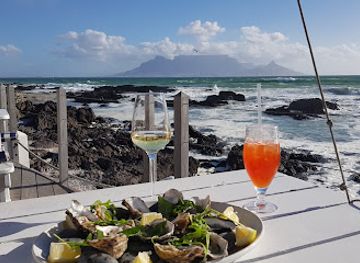
On the Rocks Restaurant
Experience breathtaking ocean views and delicious local cuisine at On the Rocks Restaurant in Bloubergstrand.
-
Restaurant
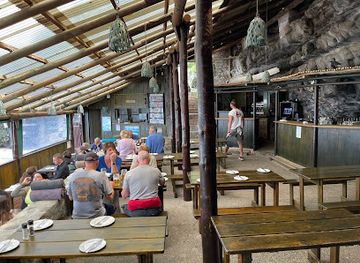
Bientang's Cave Restaurant & Wine Bar
Experience exquisite seafood dining in a stunning coastal cave at Bientang's Cave Restaurant & Wine Bar in Hermanus.
-
Restaurant
Burgundy Restaurant
Discover exquisite flavors and breathtaking views at Burgundy Restaurant in Hermanus - a culinary gem on South Africa's coast.
-
Restaurant
Char’d Grill & Wine Bar
Experience exquisite grilled cuisine and fine wines at Char’d Grill & Wine Bar in Hermanus’ stunning waterfront setting.
Best bars in Overberg
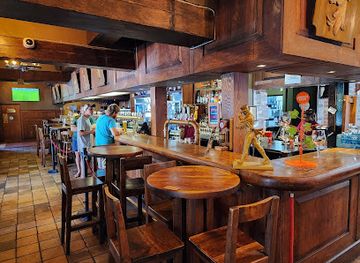
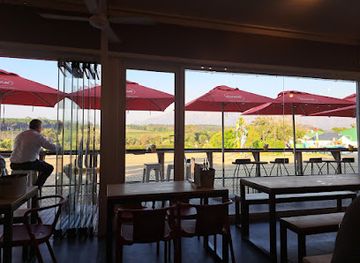
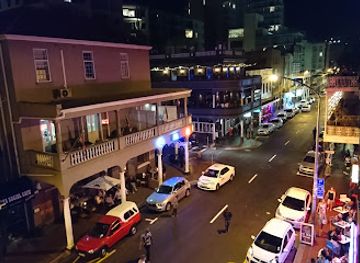
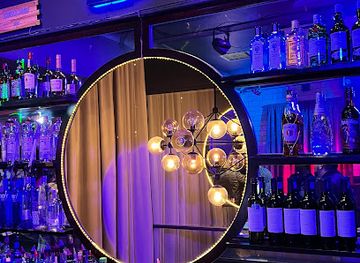
Evening life in the Overberg is generally sociable and low-key rather than built around a large nightclub circuit. Hermanus has the broadest choice of restaurants, wine bars, breweries and places for live music, with activity concentrated in the town centre and around the harbour area. Stanford, Greyton and other inland settlements favour pubs, country inns and relaxed dining, while coastal villages offer informal venues where evenings follow the pace of the fishing and holiday seasons. Wineries, cider producers and craft beverage makers contribute to daytime tastings and occasional evening events, but schedules vary and should be checked locally. In rural districts, distances and dark roads make it sensible to arrange transport before drinking and to choose accommodation close to the venue. The region's evening appeal rests more on conversation, food, music and landscape than on late-night clubbing.
-
Restaurant
Foresters Arms
Discover the Heart of Cape Town at Foresters Arms, a beloved pub and restaurant in Newlands, offering exquisite dining and vibrant nightlife.
-
Bar
Thirsty Scarecrow
Discover Thirsty Scarecrow: a family-friendly bar and restaurant in Stellenbosch, offering delicious local cuisine and refreshing drinks amidst stunning farm views.
-
Restaurant
Bientang's Cave Restaurant & Wine Bar
Experience the exquisite seafood and stunning ocean views at Bientang's Cave Restaurant & Wine Bar in Hermanus, South Africa.
-
Cafe
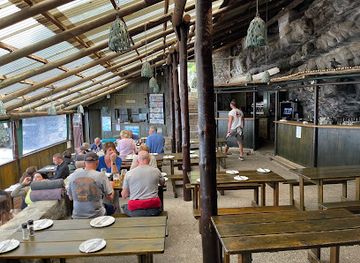
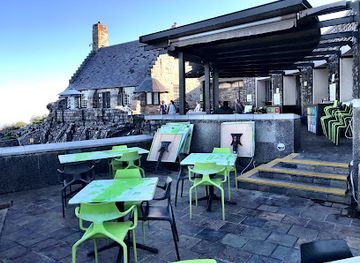
Table Mountain Aerial Cableway Cafe.
Experience breathtaking views and delightful cuisine at the Table Mountain Aerial Cableway Cafe, a must-visit gem in Cape Town.
Best nightclubs in Overberg
Evening life in the Overberg is generally sociable and low-key rather than built around a large nightclub circuit. Hermanus has the broadest choice of restaurants, wine bars, breweries and places for live music, with activity concentrated in the town centre and around the harbour area. Stanford, Greyton and other inland settlements favour pubs, country inns and relaxed dining, while coastal villages offer informal venues where evenings follow the pace of the fishing and holiday seasons. Wineries, cider producers and craft beverage makers contribute to daytime tastings and occasional evening events, but schedules vary and should be checked locally. In rural districts, distances and dark roads make it sensible to arrange transport before drinking and to choose accommodation close to the venue. The region's evening appeal rests more on conversation, food, music and landscape than on late-night clubbing.
-
Night club
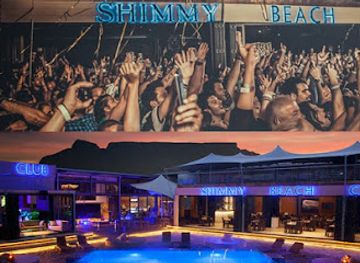
Shimmy Beach Club
Discover Shimmy Beach Club: Cape Town's premier nightlife destination with stunning waterfront views, exquisite brunch, and vibrant entertainment.
-
Bar
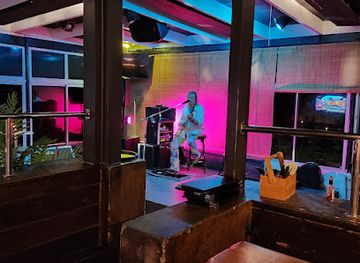
The Gecko Bar & Restaurant
Discover the lively ambiance and delicious flavors at The Gecko Bar & Restaurant, a true gem in Hermanus with live music and great food.
-
Night club
The Waiting Room
Experience the vibrant nightlife at The Waiting Room, a lively club in Cape Town offering live music, great drinks, and an electrifying atmosphere.
-
Bar
Zer021 Social Club
Experience the vibrant and inclusive nightlife at Zer021 Social Club, Cape Town's premier LGBTQ+ bar and lounge in District Six.
Best shops in Overberg
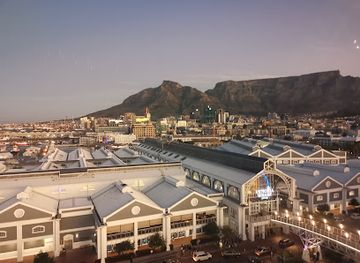
Shopping in the Overberg is centred on practical market towns, independent retailers, farm stalls and locally made food rather than large-scale luxury malls. Hermanus has the widest selection of galleries, craft shops, clothing stores, bookshops and food outlets, with art reflecting the area's coastal scenery and marine life. Stanford and Greyton offer smaller concentrations of antiques, interior goods, books, crafts and independent cafés, while Bredasdorp and Caledon serve as useful inland centres for everyday supplies. Farm stalls along major routes are good places to look for fruit, preserves, rusks, honey, cheese, baked goods, wine and cider, although stock and opening days vary. At Cape Agulhas and other coastal settlements, locally produced food and simple maritime-themed gifts are more characteristic than mass-market souvenirs. Ask vendors about provenance when buying crafts or regional produce, and leave room in a vehicle for goods that may need cool storage.
-
Shopping mall
V&A Waterfront
Explore Cape Town's V&A Waterfront: A vibrant shopping mall and cultural landmark with stunning views and diverse experiences.
-
Shopping mall
Tyger Valley Shopping Centre
Discover Tyger Valley Shopping Centre, a vibrant shopping haven in Cape Town with diverse stores, delightful dining, and exciting entertainment options.
-
Nature preserve
Cape of Good Hope
Explore the stunning landscapes, diverse wildlife, and rich history of the Cape of Good Hope, a must-visit nature preserve in South Africa.
-
Shopping mall
The Old Biscuit Mill
Explore The Old Biscuit Mill: A vibrant market in Cape Town, brimming with local art, gourmet food, and unique shopping experiences.


Get your free copy of our complete guide to Overberg, delivered straight to you.
Everything on this page, from attractions and restaurants to essentials and local phrases, in one PDF you can read offline, print or share.
Already have an account? Sign in
Your Overberg guide is ready.
We'll send it to · Not you? Sign out

Getting your guide ready…
We are putting together a fresh copy of the Overberg guide. This can take up to a minute.
This can take a few moments. If your browser asks, choose Allow so the download can start. You'll find the guide in your Downloads folder.
Nothing happened? Download it again
Sorry, the guide is taking longer than usual. Please try again in a minute, or get it by email instead.
Overberg essentials
Currency and Payment
Safety
Emergency Situations
Do's and Don'ts
Local Tips
From Eve
Local phrases worth knowing
You don't need to get them perfect. A few words go a long way, and locals appreciate the effort.
Basics
| English | Local | Say it |
|---|---|---|
| Hello | Howzit | [Hao-zit] |
| Goodbye | Cheers | [Cheerz] |
| Yes | Ja | [Yah] |
| No | Nee | [Nay] |
| Please/You’re welcome | Please | [Pleeze] |
| Thank you | Dankie | [Dahn-kee] |
| Excuse me/Sorry | Sorry | [Sorree] |
| How are you? | Howzit gaan? | [Hao-zit gahn?] |
| Fine. And you? | Goed. En jy? | [Hurt. En yay?] |
| Do you speak English? | Praat jy Engels? | [Praaht yay Eng-els?] |
| I don’t understand | Ek verstaan nie | [Ek fer-stahn nee] |
Eating & Drinking
| English | Local | Say it |
|---|---|---|
| I’d like to see the menu, please | Ek wil graag die spyskaart sien, asseblief | [Ek vil graahg dee spays-kart seen, ah-seh-bleef] |
| I don’t eat meat | Ek eet nie vleis nie | [Ek eet nee flays nee] |
| Cheers! | Gesondheid! | [Khuh-sond-height] |
| I would like to pay, please | Ek wil graag betaal, asseblief | [Ek vil graahg beh-tahl, ah-seh-bleef] |
Emergencies
| English | Local | Say it |
|---|---|---|
| Help! | Help! | [Help!] |
| Go away! | Gaan weg! | [Gaan vek!] |
| Call the Police! | Bel die Polisiemag! | [Bel dee Po-lee-see-mahg!] |
| Call a doctor! | Bel 'n dokter! | [Bel 'n dok-ter!] |
| I’m lost | Ek is verlore | [Ek is fer-lo-re] |
| I’m ill | Ek is siek | [Ek is seek] |
Shopping
| English | Local | Say it |
|---|---|---|
| I’d like to buy... | Ek wil graag koop... | [Ek vil graahg koop...] |
| I’m just looking | Ek kyk net | [Ek kayk net] |
| How much is it? | Hoeveel kos dit? | [Hoo-feel kos dit?] |
| That’s too expensive | Dit is te duur | [Dit is tuh door] |
| Can you lower the price? | Kan jy die prys verlaag? | [Kan yay dee prays fer-lahg?] |
Time & Numbers
| English | Local | Say it |
|---|---|---|
| What time is it? | Hoe laat is dit? | [Hoo laat is dit?] |
| It’s one o’clock | Dit is eenuur | [Dit is een-oor] |
| Half past (10) | Half elf | [Half elf] |
| Morning | Oggend | [O-huhnd] |
| Afternoon | Middag | [Mih-dahg] |
| Evening | Aand | [Aahnd] |
| Yesterday | Gister | [Khih-stir] |
| Today | Vandag | [Vahn-dahg] |
| Tomorrow | Môre | [Maw-rah] |
| 1 | Een | [Een] |
| 2 | Twee | [Twee] |
| 3 | Drie | [Dree] |
| 4 | Vier | [Veer] |
| 5 | Vyf | [Fife] |
| 6 | Ses | [Says] |
| 7 | Sewe | [Say-vay] |
| 8 | Agt | [Acht] |
| 9 | Nege | [Nay-guh] |
| 10 | Tien | [Teen] |
Transport & Directions
| English | Local | Say it |
|---|---|---|
| Where's a/the...? | Waar is 'n/ die...? | [Vaar is 'n/ dee...?] |
| What’s the address? | Wat is die adres? | [Vut is dee ah-dress?] |
| Can you show me (on the map)? | Kan jy my wys (op die kaart)? | [Kan yay my vice (op dee kart)?] |
| When’s the next (bus)? | Wanneer is die volgende (bus)? | [Vah-neer is dee fol-gende (bus)?] |
| A ticket (to ....) | ‘n Kaartjie (na ....) | [‘n Kart-kee (nah ....)] |
History of Overberg
Khoisan Landscapes Before Colonial Settlement
Long before European settlement, the Overberg was used and understood by Khoisan communities whose seasonal movement connected mountain, coastal and inland environments. Rock shelters, archaeological deposits and place names preserve evidence of this earlier human landscape, while traditional knowledge of edible plants, water and wildlife remains important to the region's broader heritage. European livestock farmers later entered an established environment rather than an empty wilderness, and the disruption of Khoisan communities became part of the colonial transformation of the southern Cape.
VOC Expansion and Frontier Farming
During the eighteenth century, Dutch-speaking farmers expanded eastwards from the Cape colony into the Overberg, establishing wheat, cattle and sheep farms beyond the immediate urban settlement. Wagon routes, mountain passes and river crossings gradually connected the district to Cape Town and inland markets. The colonial frontier brought conflict and displacement, while enslaved labourers and people of mixed descent formed an essential part of agricultural society. Farmsteads, historic routes and town layouts still reflect this period of expansion.
Mission Settlements at Genadendal and Elim
The Overberg became home to important mission communities during the late eighteenth and nineteenth centuries. Genadendal, founded by the Moravian missionary Georg Schmidt in 1738, developed into one of southern Africa's most significant mission settlements and retains historic church, workshop and village buildings. Elim, founded by the Moravian Church in 1824 near Cape Agulhas, also preserves a distinctive community landscape. These settlements provide insight into Christian missions, education, craft production and the lives of people who occupied a complex position within colonial society.
Swellendam and the Colonial Districts
Swellendam, established as a district in 1745, became an administrative and commercial centre for the expanding southern Cape. Its position near the Breede River and inland routes gave it influence over farms and transport moving between Cape Town and the eastern frontier. The town's surviving Cape Dutch, Georgian and Victorian buildings reflect successive periods of prosperity and administration. Although Swellendam lies at the eastern edge of common Overberg itineraries, its history helps explain how the region was governed and connected to the wider Cape colony.
Agriculture, Towns and Transport
Nineteenth- and twentieth-century development strengthened the Overberg's agricultural economy. Grain, livestock, dairy farming, fruit and wine production shaped the areas around Bredasdorp, Caledon, Elgin and Grabouw, while roads and railways improved links between inland producers and coastal or metropolitan markets. Small towns grew as service centres for widely dispersed farms. Today, orchards, wheat fields, farm stalls and agricultural festivals continue to express an economy in which landscape and land use are closely connected.
Whaling, Fishing and Coastal Change
Hermanus and other settlements around Walker Bay were influenced by fishing and shore-based whaling during the nineteenth and early twentieth centuries. Hermanus developed from a small fishing community into a resort town, while Gansbaai retained strong associations with fishing and the sea. Commercial whaling later declined and was prohibited in South Africa, but coastal communities adapted towards tourism, conservation and marine excursions. The annual return of southern right whales now represents a very different relationship with the ocean, centred on observation rather than hunting.
Conservation and the Modern Overberg
The Overberg contains exceptionally diverse Cape Floristic Region vegetation, including lowland fynbos that has been heavily reduced elsewhere by agriculture and development. Conservation initiatives created or strengthened protected areas such as Fernkloof Nature Reserve, the Kogelberg Biosphere Reserve and De Hoop Nature Reserve. These landscapes support rare plants, endemic species and important marine habitats while also underpinning hiking and nature-based tourism. Contemporary debates about water, agriculture, housing, fire and biodiversity continue to shape the region's future.
Overberg in Photos
Browse through our photo collection highlighting the charm and character of the destination.
Neighbouring regions of Overberg
The closest regions to Overberg, if you have time for more than one.
-

-

-

-

-


Swipe for more regions
Explore more

Explore more of South Africa
Discover South Africa: A land of breathtaking landscapes, rich history, and diverse cultures, from bustling cities to world-renowned wildlife reserves.
Explore South Africa