

Free Western Cape Travel Guide & Mobile App
Explore Western Cape with free travel guides. Discover regional history, expert tips, proposed trips, and audio guides on web or mobile app.


Explore Western Cape for Cape Town culture, mountain scenery, vineyard valleys, wild coastlines, wildlife and richly layered South African history.
Read more about Western Cape
When is the best time to visit Western Cape?
Best: December–February · 25°C| Month | High (°C) | Rainfall (mm) |
|---|---|---|
| January (best) | 25 | 20 |
| February (best) | 25 | 15 |
| March | 25 | 25 |
| April | 22 | 35 |
| May | 20 | 45 |
| June | 18 | 55 |
| July | 17 | 65 |
| August | 18 | 55 |
| September | 20 | 45 |
| October | 22 | 35 |
| November | 24 | 25 |
| December (best) | 25 | 20 |
Getting to and around Western Cape
How to get there
Transportation
Top city travel guides in Western Cape
The cities of Western Cape, and the easiest places to base yourself.

Swipe for more cities
Destinations in Western Cape
Resorts, valleys and scenic spots worth a trip of their own.
-

-

-

-

-

-


Swipe for more destinations
Best attractions in Western Cape
Western Cape’s attractions range from Cape Town’s museums, galleries, historic quarters and urban beaches to the landscapes protected within Table Mountain National Park. The Cape Peninsula offers coastal viewpoints, walking routes and the Cape of Good Hope section of the park, while False Bay combines beaches, harbours and marine scenery. In the Winelands, farm estates, cellar tours, gardens, galleries and historic town centres provide a cultural counterpoint to the vineyards. The Overberg adds whale-watching coast, lagoons, fynbos reserves and agricultural towns; the West Coast is known for fishing heritage, open beaches and seasonal spring flowers. Eastwards, the Garden Route brings forests, estuaries, lakes, beaches and outdoor activities around Wilderness, Knysna, George and Plettenberg Bay. Inland, the Little Karoo and Great Karoo offer dry mountain landscapes, fossil and geological interest, stargazing conditions and long-distance road journeys. Wildlife experiences occur in provincial reserves, national parks and private conservation areas, but they differ greatly in setting and management, so visitors should check access arrangements and ethical standards rather than treating every safari-style outing as equivalent.
-
Shopping mall
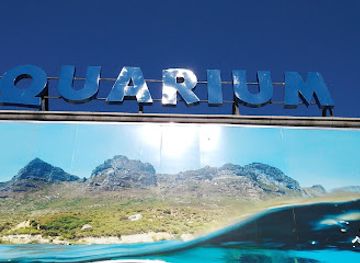
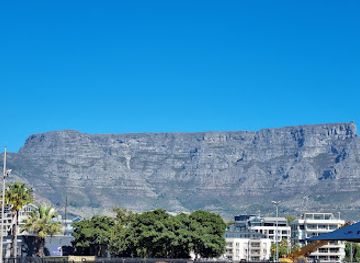
V&A Waterfront
Experience the vibrant V&A Waterfront in Cape Town, a cultural and shopping hub offering stunning views, diverse dining, and unique attractions.
-
Botanical garden
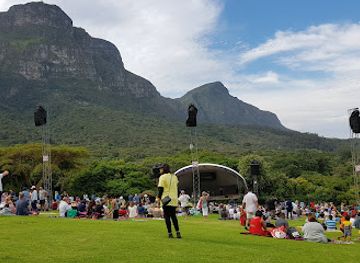
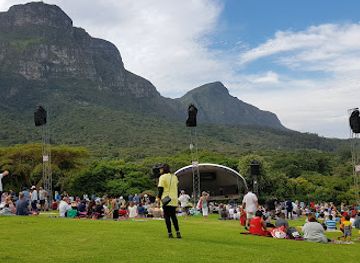
Kirstenbosch National Botanical Garden
Discover the enchanting beauty of Kirstenbosch National Botanical Garden, where South Africa's flora flourishes amid stunning mountain backdrops.
-
Public beach
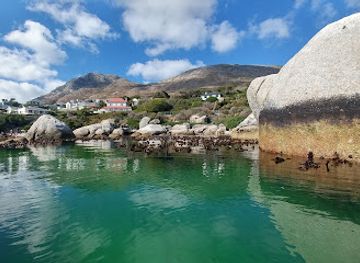
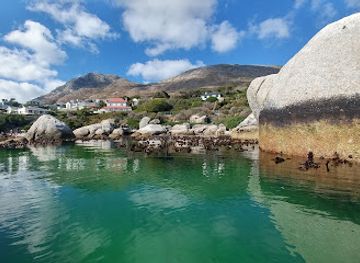
Boulders Beach
Explore Boulders Beach, a stunning public beach in Cape Town, known for its friendly African penguin colony and breathtaking natural beauty.
-
Nature preserve
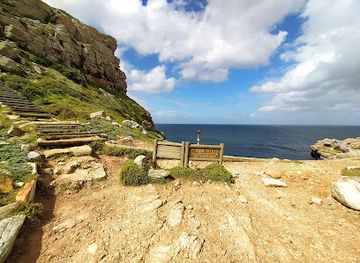
Cape of Good Hope
Explore the breathtaking beauty of Cape of Good Hope, a nature preserve filled with stunning landscapes, rich wildlife, and historical significance.
Best landmarks in Western Cape
Table Mountain is Western Cape’s most recognisable natural landmark, rising above Cape Town and forming part of the protected mountain and coastal landscapes of Table Mountain National Park. On the peninsula, Cape Point and the Cape of Good Hope are prominent geographical markers, although they are often confused with the separate idea that the two oceans meet at that exact point. Robben Island, reached from Cape Town, is an internationally important place of imprisonment, political history and memory. The Winelands are marked by Cape Dutch, Georgian and Victorian buildings in and around Stellenbosch, Paarl and Franschhoek, while the historic Company’s Garden and Castle of Good Hope anchor Cape Town’s colonial-era civic landscape. Further east, the Knysna Heads define the entrance to the town’s lagoon, and the Outeniqua and Swartberg mountain passes express the engineering and geography of inland travel. Along the southern coast, cliffs, lagoons and estuaries are landmarks in their own right, linking natural scenery to the working histories of fishing, farming and maritime trade.
-
Shopping mall
V&A Waterfront
Discover the V&A Waterfront, a vibrant shopping and cultural hub in Cape Town offering stunning views, art galleries, and diverse dining options.
-
Botanical garden
Kirstenbosch National Botanical Garden
Explore the breathtaking Kirstenbosch National Botanical Garden, a floral haven showcasing South Africa's unique biodiversity and stunning landscapes.
-
National park
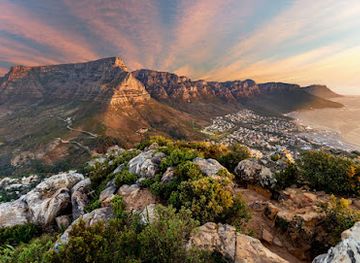
Table Mountain National Park
Discover the unparalleled beauty and adventure of Table Mountain National Park, a UNESCO World Heritage Site in Cape Town, South Africa.
-
Public beach
Boulders Beach
Discover the enchanting Boulders Beach, home to adorable African penguins and stunning coastal scenery in Cape Town, South Africa.
Explore Western Cape on the map
Plan your trip on one map. See where the top cities, national parks and sights are, and book hotels and experiences in a few clicks.
Best hotels in Western Cape
Best restaurants in Western Cape
Western Cape dining reflects the province’s varied agriculture, coastline and multicultural history. Cape Town combines contemporary restaurants, neighbourhood cafés, bakeries and informal food markets with cooking influenced by Cape Malay, South African, European and wider African traditions. Seafood is prominent along the coast, while Winelands tables draw on grapes, olives, stone fruit, vegetables, cheese and other farm produce. The Karoo is associated with lamb and mutton, although menus and production methods vary, and the Overberg and Garden Route offer oysters, fish, dairy, berries and seasonal produce in different districts. Cape Malay specialities such as bobotie, bredie and koeksisters are part of the region’s wider heritage, not merely restaurant novelties. Farm stalls, farmers’ markets, rural inns and estate restaurants can be useful places to encounter local products, while wine tastings are often paired with food. Ask about provenance and seasonal availability, particularly in smaller towns where menus change with supply.
-
Restaurant
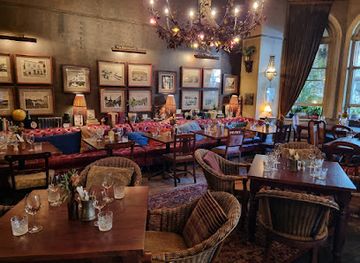
Kloof Street House
Discover Kloof Street House: A charming restaurant in Cape Town offering exquisite local cuisine amidst enchanting gardens.
-
Modern French
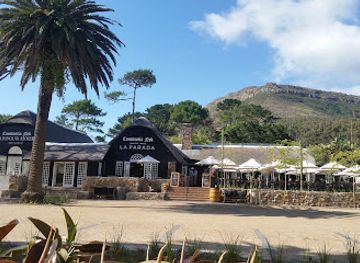
La Colombe Restaurant
Experience exquisite modern French cuisine amidst breathtaking views at La Colombe Restaurant in Cape Town's Silvermist Wine Estate.
-
Restaurant
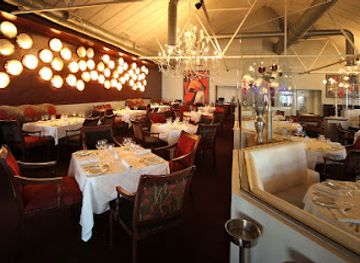
Pigalle Restaurant
Discover culinary excellence at Pigalle Restaurant in Cape Town – where exquisite flavors meet vibrant entertainment.
-
Restaurant
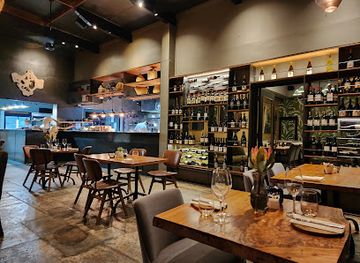
101 Meade Street Restaurant
Experience culinary excellence at 101 Meade Street Restaurant in George - where every meal is crafted with passion and served with warmth.
Best bars in Western Cape
Nightlife is concentrated in Cape Town, where the City Bowl, Long Street area, Bree Street, the East City and the Atlantic seaboard offer a changing mixture of pubs, cocktail bars, live music, restaurants and late venues. The character varies by street and night, so use current local advice and reliable transport after dark. Stellenbosch and other Winelands towns have a sizeable evening scene shaped by students, restaurants, wine bars and live music, while coastal towns such as Knysna, Plettenberg Bay and Hermanus are more seasonal. Across smaller Western Cape communities, traditional pubs, breweries, hotel bars and social clubs usually matter more than nightclubs. Craft beer, wine and non-alcoholic drinks are widely available, but drinking is not necessary to engage with the province’s evening culture. Rural venues may close earlier and distances between them can be considerable, making pre-arranged transport sensible.
-
Restaurant
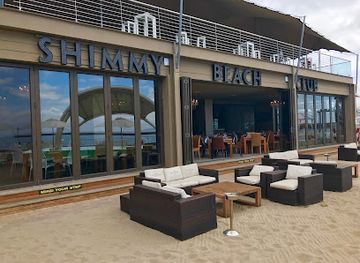
Shimmy Beach Club
Discover Shimmy Beach Club, a premier restaurant and nightlife destination in Cape Town's Victoria & Alfred Waterfront, offering stunning views and vibrant ambiance.
-
Bar
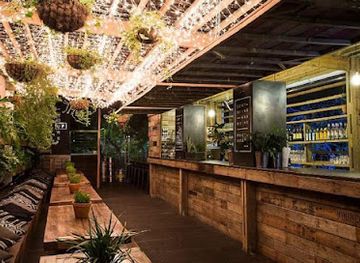
Yours Truly
Discover the vibrant nightlife of Cape Town at Yours Truly, a lively bar offering an eclectic atmosphere and diverse drink selection.
-
Bar
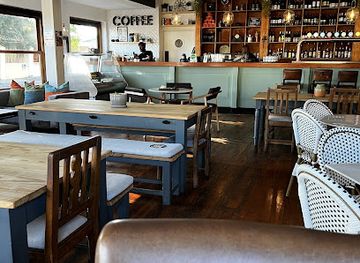
Oblivion Bar & Kitchen
Experience the vibrant blend of flavors at Oblivion Bar & Kitchen, a culinary hotspot in Claremont, Cape Town, perfect for food lovers and socializers.
-
Pub
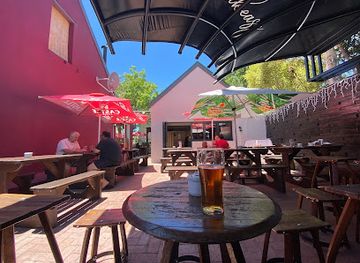
Speakeasy on Oxford
Experience the charm of Durbanville at Speakeasy on Oxford, where delicious food, great drinks, and a lively atmosphere await you.
Best nightclubs in Western Cape
Nightlife is concentrated in Cape Town, where the City Bowl, Long Street area, Bree Street, the East City and the Atlantic seaboard offer a changing mixture of pubs, cocktail bars, live music, restaurants and late venues. The character varies by street and night, so use current local advice and reliable transport after dark. Stellenbosch and other Winelands towns have a sizeable evening scene shaped by students, restaurants, wine bars and live music, while coastal towns such as Knysna, Plettenberg Bay and Hermanus are more seasonal. Across smaller Western Cape communities, traditional pubs, breweries, hotel bars and social clubs usually matter more than nightclubs. Craft beer, wine and non-alcoholic drinks are widely available, but drinking is not necessary to engage with the province’s evening culture. Rural venues may close earlier and distances between them can be considerable, making pre-arranged transport sensible.
-
Night club
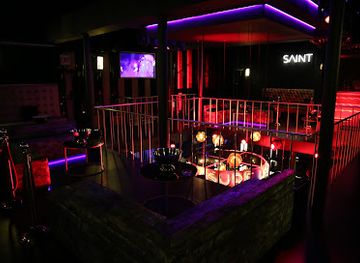
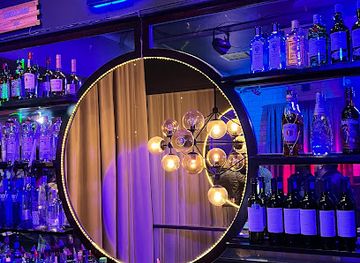
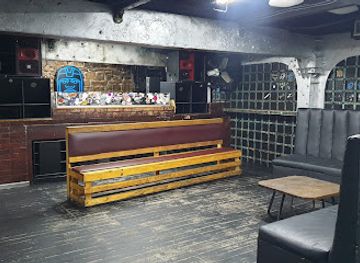
Saint Champagne Bar & Lounge - Nightclub
Discover the vibrant nightlife of Cape Town at Saint Champagne Bar & Lounge, where exquisite cocktails and live music create an unforgettable experience.
-
Bar
Zer021 Social Club
Experience the vibrant nightlife of Cape Town at Zer021 Social Club - a premier gay bar and lounge in the heart of District Six.
-
Night club
Modular Club
Discover Cape Town's nightlife at Modular Club, a vibrant venue featuring top DJs, electrifying music, and an unforgettable party atmosphere.
-
Night club
The Address Club
Discover the electrifying nightlife of The Address Club in Cape Town, where music, dancing, and excitement come together for an unforgettable experience.
Best shops in Western Cape
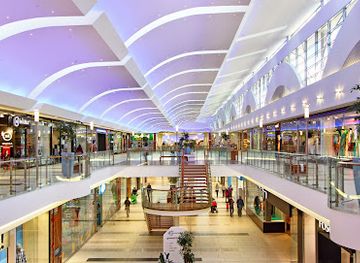
Shopping in Western Cape ranges from Cape Town’s independent design, fashion, book and craft shops to practical high streets and markets in smaller towns. The city’s central districts and neighbourhoods offer the widest choice, while the V&A Waterfront is a large, established retail and dining complex rather than a specifically local market. In Stellenbosch, Franschhoek, Paarl and other Winelands towns, visitors find galleries, antiques, wine, olive products, preserves, ceramics and farm-made goods, with quality and provenance varying between sellers. West Coast and Overberg markets often focus on food, handmade crafts and seasonal produce, while Garden Route towns combine everyday shopping with galleries, outdoor equipment and locally made souvenirs. Useful regional purchases include wine from recognised estates, rooibos from the wider Western Cape and Northern Cape growing areas, botanical products, textiles, ceramics and carefully labelled food products. Avoid buying shells, protected plants, fossils or cultural objects whose legal provenance is unclear.
-
Shopping mall
V&A Waterfront
Explore the V&A Waterfront: A Cape Town jewel of shopping, dining, and cultural experiences with stunning harbor views.
-
Shopping mall
Blue Route Mall
Explore Blue Route Mall in Cape Town - your ultimate shopping and dining destination with a vibrant atmosphere and diverse offerings.
-
Shopping mall
Gardens Shopping Centre
Discover shopping, dining, and entertainment at the lively Gardens Shopping Centre in Cape Town, a vibrant retail destination for tourists.
-
 Shopping mall
Cape Quarter Lifestyle Village
Explore Cape Quarter Lifestyle Village – a vibrant shopping and dining destination in the heart of Cape Town, blending culture, style, and local charm.

Get your free copy of our complete guide to Western Cape, delivered straight to you.
Everything on this page, from attractions and restaurants to essentials and local phrases, in one PDF you can read offline, print or share.
Already have an account? Sign in
Your Western Cape guide is ready.
We'll send it to · Not you? Sign out

Getting your guide ready…
We are putting together a fresh copy of the Western Cape guide. This can take up to a minute.
This can take a few moments. If your browser asks, choose Allow so the download can start. You'll find the guide in your Downloads folder.
Nothing happened? Download it again
Sorry, the guide is taking longer than usual. Please try again in a minute, or get it by email instead.
Western Cape essentials
Currency and Payment
Safety
Emergency Situations
Do's and Don'ts
Local Tips
From Eve
Local phrases worth knowing
You don't need to get them perfect. A few words go a long way, and locals appreciate the effort.
Basics
| English | Local | Say it |
|---|---|---|
| Hello | Howzit | [haʊˌzɪt] |
| Goodbye | Cheers | [ʧɪrz] |
| Yes | Yes | [jɛs] |
| No | No | [noʊ] |
| Please/You're welcome | Please/No problem | [pliz/noʊ ˈprɒbləm] |
| Thank you | Thank you | [θæŋk ju] |
| Excuse me/Sorry | Excuse me/Sorry | [ɪkˈskjuːz mi/ˈsɔːri] |
| How are you? | How are you? | [haʊ ɑr ju] |
| Fine. And you? | Good, and you? | [gʊd, ənd ju] |
| Do you speak English? | Do you speak English? | [du ju spiːk ˈɪŋɡlɪʃ] |
| I don't understand | I don't understand | [aɪ doʊnt ˌʌndərˈstænd] |
Eating & Drinking
| English | Local | Say it |
|---|---|---|
| I'd like to see the menu, please | Can I see the menu, please? | [kæn aɪ si ðə ˈmɛnjuː, pliz] |
| I don't eat meat | I don't eat meat | [aɪ doʊnt iːt miːt] |
| Cheers! | Cheers! | [ʧɪrz] |
| I would like to pay, please | I'd like to settle the bill, please | [aɪd laɪk tu ˈsɛtl ðə bɪl, pliz] |
Emergencies
| English | Local | Say it |
|---|---|---|
| Help! | Help! | [hɛlp] |
| Go away! | Go away! | [ɡoʊ əˈweɪ] |
| Call the Police! | Call the Police! | [kɔl ðə pəˈliːs] |
| Call a doctor! | Call a doctor! | [kɔl ə ˈdɒktə] |
| I'm lost | I'm lost | [aɪm lɔst] |
| I'm ill | I'm not feeling well | [aɪm nɒt ˈfiːlɪŋ wɛl] |
Shopping
| English | Local | Say it |
|---|---|---|
| I'd like to buy... | I'd like to buy... | [aɪd laɪk tu baɪ...] |
| I'm just looking | I'm just browsing | [aɪm dʒʌst ˈbraʊzɪŋ] |
| How much is it? | How much is this? | [haʊ mʌʧ ɪz ðɪs] |
| That's too expensive | That's too pricey | [ðæts tu ˈpraɪsi] |
| Can you lower the price? | Can you drop the price? | [kæn ju drɒp ðə praɪs] |
Time & Numbers
| English | Local | Say it |
|---|---|---|
| What time is it? | What time is it? | [wɒt taɪm ɪz ɪt] |
| It's one o'clock | It's one o'clock | [ɪts wʌn əˈklɒk] |
| Half past (10) | Half past ten | [hɑːf pɑːst tɛn] |
| Morning | Morning | [ˈmɔrnɪŋ] |
| Afternoon | Afternoon | [ˌɑːftərˈnuːn] |
| Evening | Evening | [ˈiːvənɪŋ] |
| Yesterday | Yesterday | [ˈjɛstərdeɪ] |
| Today | Today | [təˈdeɪ] |
| Tomorrow | Tomorrow | [təˈmɒroʊ] |
| 1 | 1 | [wʌn] |
| 2 | 2 | [tuː] |
| 3 | 3 | [θriː] |
| 4 | 4 | [fɔːr] |
| 5 | 5 | [faɪv] |
| 6 | 6 | [sɪks] |
| 7 | 7 | [sɛvən] |
| 8 | 8 | [eɪt] |
| 9 | 9 | [naɪn] |
| 10 | 10 | [tɛn] |
Transport & Directions
| English | Local | Say it |
|---|---|---|
| Where's a/the...? | Where's the...? | [wɛrz ðə...?] |
| What's the address? | What's the address? | [wɒts ði əˈdrɛs] |
| Can you show me (on the map)? | Can you show me on the map? | [kæn ju ʃoʊ mi ɒn ðə mæp] |
| When's the next (bus)? | When's the next bus? | [wɛn ðə nɛkst bʌs] |
| A ticket (to ....) | A ticket to ... | [ə ˈtɪkɪt tu ...] |
History of Western Cape
Khoisan societies and early pastoral landscapes
Long before European settlement, the south-western Cape was inhabited and used by Khoekhoe pastoralists and San hunter-gatherer communities, whose movement, trade and environmental knowledge were adapted to seasonal water and grazing patterns. Archaeological evidence records very deep human occupation along the coast and inland. The languages and communities encountered by Europeans were diverse rather than a single unified population, and colonial expansion later disrupted landholding, mobility and social structures across what is now Western Cape.
The Dutch East India Company at the Cape, 1652 onwards
The Dutch East India Company established a refreshment station at Table Bay in 1652, creating the settlement that developed into Cape Town. Its purpose was to supply ships travelling between Europe and Asia, but farming expansion soon pushed beyond the original station. Early colonial agriculture, slavery and imported labour from East Africa, Madagascar and Asia profoundly shaped the Cape’s population, language, foodways, religion and built environment.
Slavery and the Cape colonial economy
Enslaved people formed a central part of the early Cape economy, working in households, vineyards, farms, workshops and public infrastructure. Many were brought from South and Southeast Asia, Madagascar, East Africa and other parts of southern Africa. Their descendants, together with Indigenous and European communities, contributed to the cultural foundations of Cape Town and the surrounding districts. The legacy remains visible in Cape Muslim traditions, place histories, cuisine, language and ongoing debates about land and heritage.
British rule and the nineteenth-century Cape
Britain occupied the Cape during the Napoleonic era and formally acquired it in the early nineteenth century. English institutions and commercial connections expanded alongside Dutch-speaking settler society. The emancipation of enslaved people in 1834 transformed the labour system, although former enslaved workers faced severe economic constraints. Cape Town developed as a major imperial port, while agricultural towns, mountain passes and coastal settlements became increasingly connected to wider regional markets.
Railways, agriculture and the rise of the wine districts
Nineteenth-century roads and railways accelerated the movement of people, agricultural goods and wine between inland valleys and Cape Town’s harbour. Vineyards in Stellenbosch, Paarl, Franschhoek and surrounding districts became important to the regional economy, alongside wheat, fruit, livestock and later deciduous orchards. This prosperity produced farm architecture, manor houses and townscapes that remain part of the Winelands’ identity, while labour relations on farms reflected the deep inequalities of colonial and segregationist systems.
Apartheid, forced removals and segregated urban space
Under apartheid, racial classification and separate development reshaped Western Cape towns and cities. Communities were forcibly removed from areas such as District Six in Cape Town, and new townships were established far from economic centres. The Group Areas system also transformed places including Simon’s Town and other urban districts. Museums, memorials and community projects preserve these histories, while the province’s continuing spatial inequality is one of the most important realities behind its tourism image.
Democracy and contemporary Western Cape
South Africa’s transition to democracy in 1994 brought new constitutional rights and transformed provincial government, public culture and heritage interpretation. Western Cape has since combined expanding tourism, technology, film, design, agriculture and conservation with persistent inequality, housing pressure and debates about access to land and opportunity. Cape Town’s international profile has grown, while smaller coastal and inland communities continue to balance environmental protection, farming, fisheries and visitor development.
Western Cape in Photos
Browse through our photo collection highlighting the charm and character of the destination.
Neighbouring regions of Western Cape
The closest regions to Western Cape, if you have time for more than one.
-

-

-

-

-


Swipe for more regions
Explore more

Explore more of South Africa
Discover South Africa: A land of breathtaking landscapes, rich history, and diverse cultures, from bustling cities to world-renowned wildlife reserves.
Explore South Africa