
Namaqualand, South Africa Travel Guide
Discover Namaqualand: A breathtaking floral wonderland in South Africa, renowned for its spring wildflower displays, rich cultural heritage, and outdoor adventures.
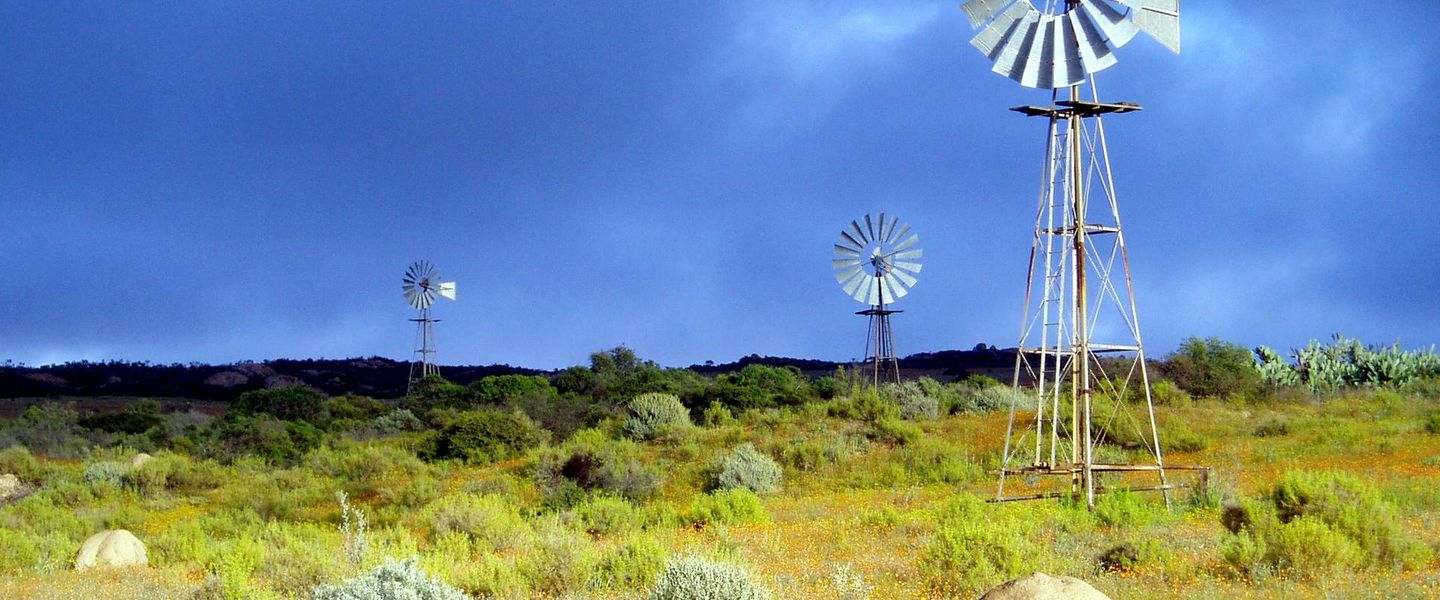
Namaqualand, nestled in the north-western part of South Africa, is a breathtaking spectacle of natural beauty. Famous for its vibrant and diverse wildflower displays, this region transforms from a semi-arid landscape into a carpet of color during the spring months. The transformation, often referred to as the 'Namaqualand Daisies,' is a sight to behold, attracting nature lovers, photographers, and tourists from around the globe. Beyond the stunning floral displays, Namaqualand offers a rich cultural experience. The local Nama people, known for their warm hospitality, share their unique heritage and traditions with visitors. Explore the quaint towns, each with its own charm and history, or take a guided tour to learn about the region’s unique flora and fauna. Namaqualand is also home to the Richtersveld Cultural and Botanical Landscape, a UNESCO World Heritage site, where you can experience traditional Nama culture and the striking desert terrain. For outdoor enthusiasts, Namaqualand is a paradise. Hiking trails, 4x4 routes, and bird-watching opportunities abound. The stark beauty of the landscape, combined with the rich biodiversity, makes it a perfect destination for those looking to connect with nature. Whether you're there to witness the floral bloom or explore the rugged terrain, Namaqualand promises an unforgettable adventure.

Know before you go
Hi, I'm Eve. Here are a few practical things to know before exploring Namaqualand.
- Visit during the spring months (August to September) to witness the wildflower bloom.
- Book accommodations in advance, as the region gets busy during the blooming season.
- Pack sunscreen, hats, and plenty of water for outdoor activities.
- Consider a guided tour to learn about the local flora and fauna.
- Explore the Richtersveld Cultural and Botanical Landscape to experience traditional Nama culture.
Explore Namaqualand: Things to Do, Places to Eat, Hotels & More
Handpicked recommendations for top attractions, local dining, accommodations, and more

Top Attractions & Sightseeing in Namaqualand
Top-rated picks
Best Attractions

Sakkie se Arkie
Discover the vibrant atmosphere and local flavors at Sakkie se Arkie, a top tourist attraction in Upington, South Africa.

Tankwa Karoo National Park
Experience the breathtaking landscapes, diverse wildlife, and serene tranquility of Tankwa Karoo National Park, a true South African desert gem.

The Pixie and Fairy Village
Immerse yourself in the whimsical world of The Pixie and Fairy Village, where imagination meets nature in Jacobs Bay.

Namaqua National Park
Discover the breathtaking landscapes and vibrant wildflowers of Namaqua National Park, a natural gem in South Africa perfect for adventurers and nature lovers.

Best landmarks in Namaqualand
Top-rated picks
Best Landmarks

Tankwa Karoo National Park
Experience the stunning beauty of Tankwa Karoo National Park, a serene oasis of wildlife and breathtaking landscapes in the heart of South Africa's desert.

Cederberg Wilderness Area
Explore the breathtaking Cederberg Wilderness Area, where stunning landscapes and rich biodiversity await in South Africa's pristine nature preserve.

The Pixie and Fairy Village
Explore the whimsical charm of The Pixie and Fairy Village in Jacobs Bay, a magical destination perfect for families and fairy tale enthusiasts.

Namaqua National Park
Explore the vibrant wildflowers and diverse wildlife of Namaqua National Park, a breathtaking national park in South Africa's Northern Cape.

Best restaurants in Namaqualand
Top-rated picks
Best Restaurants

Voorstrandt Restaurant
Experience exquisite seafood and breathtaking ocean views at Voorstrandt Restaurant in Paternoster.

Isabellas Restaurant (Waterfront)
Discover Isabellas Restaurant in Lambert's Bay - where exquisite cuisine meets breathtaking waterfront views.

Desert Wolf Spur Steak Ranch
Experience family-friendly dining with delicious steaks and burgers at Desert Wolf Spur Steak Ranch in Upington's Kalahari Mall.

Muisbosskerm Open Air Restaurant
Discover Muisbosskerm Open Air Restaurant - where ocean views meet exquisite seafood in an unforgettable dining experience on South Africa's West Coast.

Best bars in Namaqualand
Top-rated picks
Best Bars

Marcs Beach Bar
Experience the vibrant atmosphere and stunning views at Marcs Beach Bar in Langebaan, where delicious cuisine meets coastal charm.

Tauren Steak Ranch Springbok
Experience the best steaks in Springbok at Tauren Steak Ranch, where quality meets flavor in a welcoming setting.

Namaqua Lodge
Experience the perfect blend of comfort and culinary delights at Namaqua Lodge in Vanrhynsdorp, where nature and hospitality meet.

De Kelder Pub & Grill Clanwilliam
Experience the vibrant atmosphere and local flavors at De Kelder Pub & Grill in Clanwilliam, South Africa's culinary hotspot.

Best nightclubs in Namaqualand
Top-rated picks
Best Nightclubs

Beavers Night Club
Experience the vibrant nightlife of Springbok at Beavers Night Club, where music, dancing, and unforgettable memories await.

Plan B Explicit Entertainment
Discover Upington's nightlife at Plan B Explicit Entertainment, a vibrant night club offering electrifying music and lively atmosphere.

Old Post Road
Discover the energetic nightlife at Old Post Road in Namaqualand, where local culture meets vibrant entertainment.

Best shops in Namaqualand
Top-rated picks
Best Shops

Honolulu Mica
Explore Honolulu Mica in Springbok for all your hardware needs, offering quality tools and supplies with exceptional customer service.

Agrimark Brandvlei
Explore Agrimark Brandvlei for a quintessential local shopping experience, offering fresh produce and everyday essentials in a friendly atmosphere.

Agrimark Springbok
Discover local treasures and authentic South African products at Agrimark Springbok, a vibrant general store in Northern Cape.

Kaap Agri - Springbok
Explore the best of Springbok's local offerings at Kaap Agri, your go-to general store for essentials, unique finds, and local flavors.

Explore Namaqualand on the Map
A handpicked selection of must-see spots in Namaqualand, mapped for you.
Namaqualand Essentials
-
Namaqualand is located in the Northern Cape province of South Africa. The nearest major airport is Cape Town International Airport, approximately 500 kilometers away. From Cape Town, you can rent a car and drive, which takes about 6-7 hours. Alternatively, you can take a bus from Cape Town to Springbok, the largest town in Namaqualand. There are also guided tours that depart from Cape Town, offering transportation and guided experiences.
-
The best way to explore Namaqualand is by car, as public transportation options are limited. Renting a 4x4 vehicle is recommended for accessing remote areas and nature reserves. Local taxis are available in towns like Springbok, but they may not be reliable for long-distance travel. Tour operators offer guided tours which often include transportation. Bicycles can be a fun way to explore smaller towns and natural landscapes.
-
The official currency in South Africa is the South African Rand (ZAR). Major credit cards are widely accepted in hotels, restaurants, and larger shops, but it is advisable to carry some cash, especially when visiting smaller towns and rural areas. ATMs are available in Springbok and other major towns. It’s a good idea to withdraw enough cash in larger towns before heading into more remote areas.
-
Namaqualand is generally safe for tourists, but it is always advisable to take standard precautions. Avoid walking alone at night, especially in unfamiliar or poorly lit areas. Petty crime such as pickpocketing can occur in crowded places, so keep an eye on your belongings. Springbok, the largest town, is generally safe, but like any place, it’s wise to stay vigilant. Always lock your car and do not leave valuables in plain sight.
-
In case of an emergency, dial 10111 for police services and 10177 for medical emergencies. Springbok has a hospital and basic medical facilities. It is highly recommended to have travel insurance that covers medical emergencies. For minor health issues, pharmacies are available in Springbok and other larger towns. Always keep a list of emergency contacts and local emergency numbers handy.
-
Fashion: Do dress comfortably and appropriately for the climate, which can be hot and dry. Wear sturdy shoes for hiking and exploring natural areas. Religion: Do respect local customs and traditions. Namaqualand has a mix of religious practices, and it's courteous to be respectful in places of worship. Public Transport: Do plan your trips carefully as public transport is limited. Don’t rely on it for exploring remote areas. Greetings: Do greet people with a smile and a handshake. 'Hello' or 'Good day' are common greetings. Eating & Drinking: Do try local delicacies and traditional South African dishes. Don’t refuse hospitality as it may be considered impolite.
-
To experience Namaqualand like a local, visit during the spring months (August to October) to witness the spectacular wildflower bloom. Engage with locals in markets and small shops; they are often friendly and willing to share stories about the region's history and culture. Don't miss visiting the Namaqua National Park and Goegap Nature Reserve for stunning landscapes and unique flora and fauna. Trying local foods such as biltong and bobotie can also add to your cultural experience.
When is the best time to visit Namaqualand?
Useful Local Phrases for Namaqualand
You don't need to speak the language perfectly. Even learning a few simple words can make conversations warmer—and locals usually appreciate the effort.
— Eve

Here are the phrases I use most often in Namaqualand. Try a few—you'll be surprised how far they go! 😊
❤️
-
- HelloGoeie dag
[Hoh-ee-eh dahg] - GoodbyeTotsiens
[Tot-seens] - YesJa
[Yah] - NoNee
[Nay] - Please/You're welcomeAsseblief
[Ah-seh-bleef] - Thank youDankie
[Dahn-kee] - Excuse me/SorryVerskoon my
[Fers-kohn my] - How are you?Hoe gaan dit?
[Hoo gahn dit?] - Fine. And you?Goed. En jy?
[Hoot. En yay?] - Do you speak English?Praat jy Engels?
[Praht yay Eng-els?] - I don't understandEk verstaan nie
[Ek fer-stahn nee]
- HelloGoeie dag
-
- I'd like to see the menu, pleaseEk wil graag die spyskaart sien, asseblief
[Ek vil grahkh dee spies-kart seen, ah-seh-bleef] - I don't eat meatEk eet nie vleis nie
[Ek eet nee flys nee] - Cheers!Gesondheid!
[Geh-sohn-dahyt] - I would like to pay, pleaseEk wil graag betaal, asseblief
[Ek vil grahkh beh-tahl, ah-seh-bleef]
- I'd like to see the menu, pleaseEk wil graag die spyskaart sien, asseblief
-
- Help!Help!
[Help!] - Go away!Gaan weg!
[Gahn vek!] - Call the Police!Bel die polisie!
[Bel dee poh-lee-see!] - Call a doctor!Bel 'n dokter!
[Bel 'n dok-ter!] - I'm lostEk is verloor
[Ek is fer-loor] - I'm illEk is siek
[Ek is seek]
- Help!Help!
-
- I'd like to buy...Ek wil graag koop...
[Ek vil grahkh koop...] - I'm just lookingEk kyk net
[Ek kyke net] - How much is it?Hoeveel kos dit?
[Hoo-vayl kos dit?] - That's too expensiveDit is te duur
[Dit is teh dyur] - Can you lower the price?Kan jy die prys verlaag?
[Kan yay dee prays fer-lahkh?]
- I'd like to buy...Ek wil graag koop...
-
- What time is it?Hoe laat is dit?
[Hoo laht is dit?] - It's one o'clockDit is een uur
[Dit is een oor] - Half past (10)Half 10
[Half tien] - MorningOggend
[Oh-ghend] - AfternoonMiddag
[Mi-dahk] - EveningAand
[Aand] - YesterdayGister
[Gis-ter] - TodayVandag
[Van-dahg] - TomorrowMôre
[Maw-reh] - 1Een
[Een] - 2Twee
[Twee] - 3Drie
[Dree] - 4Vier
[Veer] - 5Vyf
[Fife] - 6Ses
[Ses] - 7Sewe
[Seh-weh] - 8Agt
[Aht] - 9Nege
[Neh-geh] - 10Tien
[Teen]
- What time is it?Hoe laat is dit?
-
- Where's a/the...?Waar is 'n/die...?
[Vahr is 'n/dee...?] - What's the address?Wat is die adres?
[Vaht is dee ah-dress?] - Can you show me (on the map)?Kan jy my wys (op die kaart)?
[Kan yay my vice (op dee kah-rht)?] - When's the next (bus)?Wanneer is die volgende (bus)?
[Van-neer is dee fol-ghen-dee (bus)?] - A ticket (to ....)‘n Tikkie (na ....)
[‘n Tik-kee (nah ....)]
- Where's a/the...?Waar is 'n/die...?
History of Namaqualand
-
Namaqualand has been home to the indigenous Nama people for thousands of years. The Nama are a Khoikhoi ethnic group, known for their rich oral traditions, intricate beadwork, and pastoral lifestyle. Their deep connection to the land is evident in their sustainable herding practices and reverence for nature.
-
In the 15th century, European explorers began to make contact with the indigenous peoples of Namaqualand. Portuguese explorer Bartolomeu Dias is one of the earliest recorded Europeans to have interacted with the Nama people. The arrival of European settlers in the 17th and 18th centuries marked the beginning of significant cultural and territorial changes for the region.
-
The mid-19th century saw Namaqualand become a focal point of mining activity with the discovery of rich copper deposits. The establishment of the Copper Mining Company in 1852 led to the development of mining towns like Springbok and O'Kiep. This copper boom brought an influx of settlers and workers, profoundly impacting the local economy and landscape.
-
Between 1904 and 1907, the Nama people, along with the Herero, rose in rebellion against German colonial rule in what is now known as the Nama Rebellion. This uprising was a significant chapter in the region's history, highlighting the resistance and resilience of the Nama people in the face of colonial oppression.
-
During the apartheid era, Namaqualand, like many other regions in South Africa, experienced forced removals and segregation. The implementation of the Group Areas Act led to the displacement of many indigenous communities, altering the social and cultural fabric of the region.
-
Since the end of apartheid in 1994, there has been a resurgence in the cultural pride and heritage of the Nama people. Efforts have been made to preserve and promote Nama traditions, languages, and crafts. The annual Nama Cultural Festival is a testament to this revival, celebrating the rich history and culture of the Nama people.
-
Namaqualand is renowned for its spectacular wildflower displays, which occur annually during the spring months. This natural phenomenon attracts visitors from around the world and is a crucial part of the region's cultural identity. The wildflower season not only showcases the area's stunning biodiversity but also underscores the Nama people's historical connection to the land.
Neighbouring Regions of Namaqualand
The closest regions to Namaqualand, if you have time for more than one.




Your all‑in‑one travel companion app
Explore expert travel guides, compare and book tours, experiences, hotels, and more—all from the palm of your hand. Download now for seamless trip planning wherever your wanderlust takes you.


Explore More of South Africa

Looking beyond Namaqualand? Discover South Africa for broader travel guides, local hot-spots, and regional highlights.
Explore South AfricaNamaqualand in Photos
Browse through our photo collection highlighting the charm and character of the destination.


Namaqualand: South Africa's Floral Wonderland
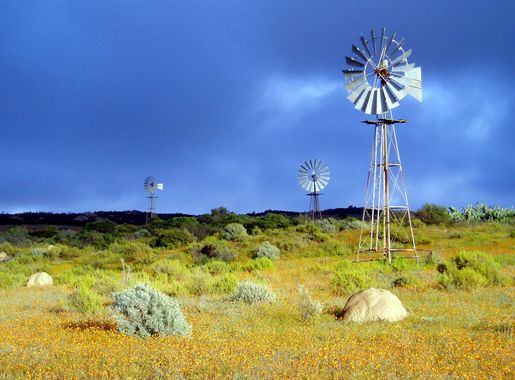
Namaqualand, nestled in the north-western part of South Africa, is a breathtaking spectacle of natural beauty. Famous for its vibrant and diverse wildflower displays, this region transforms from a semi-arid landscape into a carpet of color during the spring months. The transformation, often referred to as the 'Namaqualand Daisies,' is a sight to behold, attracting nature lovers, photographers, and tourists from around the globe. Beyond the stunning floral displays, Namaqualand offers a rich cultural experience. The local Nama people, known for their warm hospitality, share their unique heritage and traditions with visitors. Explore the quaint towns, each with its own charm and history, or take a guided tour to learn about the region’s unique flora and fauna. Namaqualand is also home to the Richtersveld Cultural and Botanical Landscape, a UNESCO World Heritage site, where you can experience traditional Nama culture and the striking desert terrain. For outdoor enthusiasts, Namaqualand is a paradise. Hiking trails, 4x4 routes, and bird-watching opportunities abound. The stark beauty of the landscape, combined with the rich biodiversity, makes it a perfect destination for those looking to connect with nature. Whether you're there to witness the floral bloom or explore the rugged terrain, Namaqualand promises an unforgettable adventure.