

Free Northern Cape Travel Guide & Mobile App
Explore Northern Cape with free travel guides. Discover regional history, expert tips, proposed trips, and audio guides on web or mobile app.


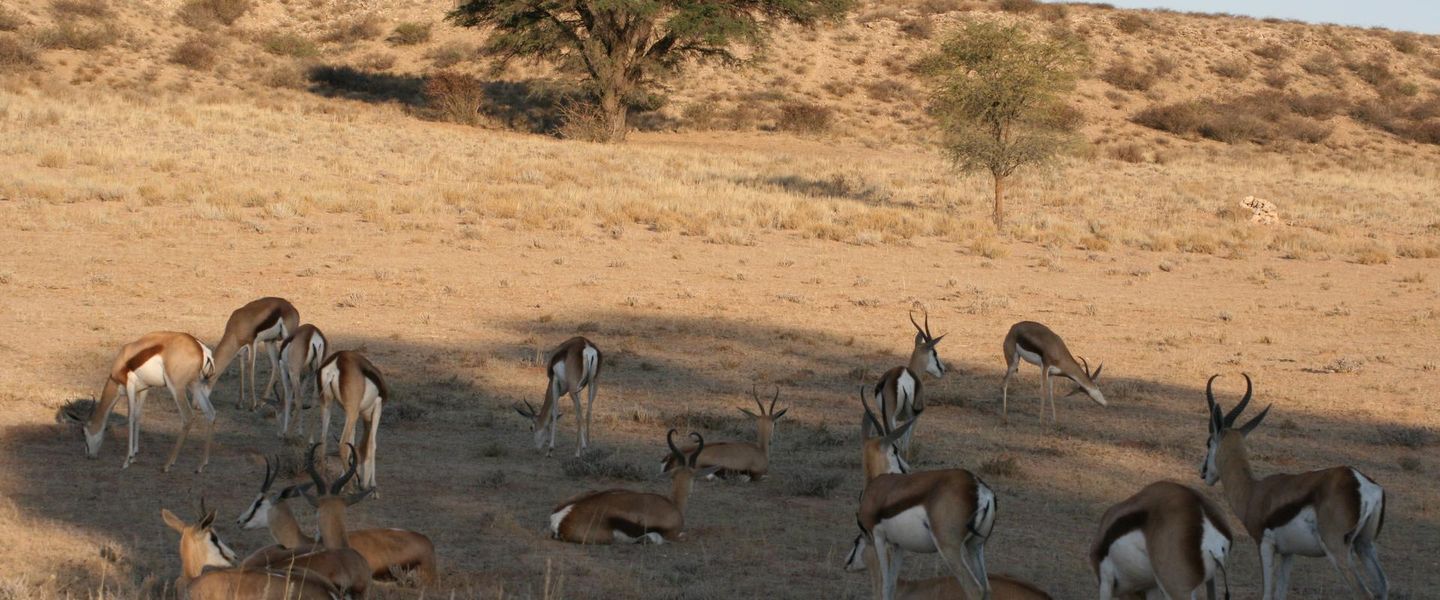


Northern Cape travel combines diamond history, desert parks, Orange River vineyards, Namaqualand flowers and wide-open South African landscapes.
Read more about Northern Cape
When is the best time to visit Northern Cape?
Best: April, September–October · 23–27°C| Month | High (°C) | Rainfall (mm) |
|---|---|---|
| January | 31 | 20 |
| February | 30 | 20 |
| March | 28 | 20 |
| April (best) | 24 | 10 |
| May | 19 | 5 |
| June | 16 | 3 |
| July | 16 | 3 |
| August | 19 | 5 |
| September (best) | 23 | 10 |
| October (best) | 27 | 15 |
| November | 28 | 20 |
| December | 30 | 20 |
Getting to and around Northern Cape
How to get there
Transportation
Top city travel guides in Northern Cape
The cities of Northern Cape, and the easiest places to base yourself.
-

-

-

-


Swipe for more cities
Destinations in Northern Cape
Resorts, valleys and scenic spots worth a trip of their own.
-

-

-

-

-

-


Swipe for more destinations
Best attractions in Northern Cape
Northern Cape attractions are defined by scale and contrast rather than by a dense chain of sights. Kimberley’s Big Hole and Kimberley Mine Museum explain how diamond mining transformed the interior, while nearby Mokala National Park offers wildlife viewing in grassland and acacia country. Around Upington, the Orange River supports river excursions, vineyards and agricultural landscapes that contrast sharply with the surrounding Kalahari dryness. Augrabies Falls National Park protects the river’s dramatic gorge, lookout points and arid wildlife habitat. In the north-west, Kgalagadi Transfrontier Park is known for red dunes, dry riverbeds and desert-adapted predators, while the Richtersveld combines austere mountain scenery with Nama cultural heritage. Spring and early summer can bring seasonal flower displays across Namaqualand and the Hantam Karoo, though the spectacle depends on winter rain. Historic and cultural experiences include Moffat Mission near Kuruman, rock engravings, small regional museums and community-based heritage initiatives. Visitors should allow time for long drives, changing road surfaces and the quiet observation that makes these remote landscapes rewarding.
-
National park
Augrabies Falls National Park
Explore the breathtaking Augrabies Falls National Park, a natural wonder with stunning waterfalls, diverse wildlife, and thrilling outdoor adventures in South Africa.
-
Tourist attraction
Sakkie se Arkie
Explore Sakkie se Arkie in Upington, a tranquil paradise for birdwatchers and nature lovers, offering stunning landscapes and vibrant wildlife.
-
Tourist attraction
Tankwa Karoo National Park
Explore Tankwa Karoo National Park - A breathtaking blend of wild landscapes and rich biodiversity in the heart of South Africa's semi-desert.
-
Tourist attraction
Namaqua National Park
Immerse yourself in the breathtaking beauty of Namaqua National Park, home to stunning wildflowers and diverse wildlife, a must-visit for nature lovers.
Best landmarks in Northern Cape
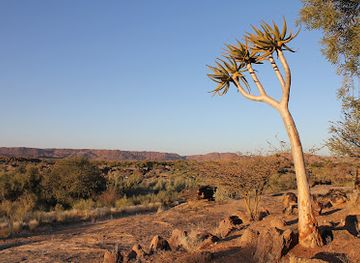
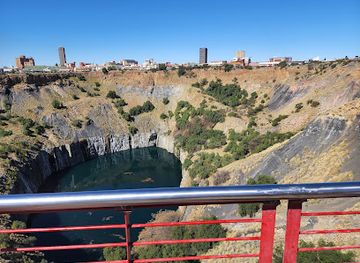
The Big Hole in Kimberley is the province’s most recognisable industrial landmark, a vast diamond excavation that embodies the mining rush and the making of the modern interior. The city’s historic civic buildings and mine-era streets add architectural context to the site. At Augrabies Falls, the Orange River plunges through a granite gorge, creating a natural landmark whose significance is amplified by the surrounding dry landscape. The river itself is a defining geographical feature, linking settlements such as Upington and Kakamas through a narrow green agricultural corridor. In the far north-west, the rugged mountains and valleys of the Richtersveld form a distinctive desert landmark shaped by geology and Nama pastoral life. The red dunes and dry riverbeds of Kgalagadi Transfrontier Park provide another defining image, although the park’s landscape extends across the international border into Botswana. Around Kuruman, Moffat Mission represents the layered religious and colonial history of the northern frontier, while rock engravings and ancient landscape sites offer a less monumental but equally important record of earlier inhabitants.
-
History museum
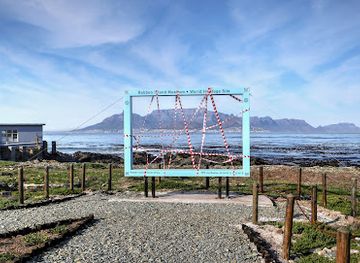
Robben Island Museum
Explore Robben Island Museum, a UNESCO World Heritage Site that encapsulates South Africa's struggle for freedom and human rights, and discover its rich historical significance.
-
National park
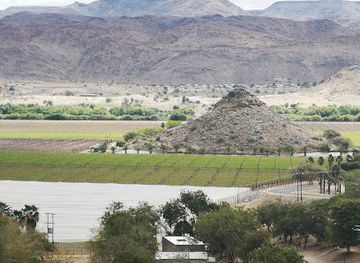
Augrabies Falls National Park
Explore Augrabies Falls National Park, where breathtaking waterfalls, diverse wildlife, and stunning landscapes await every nature lover and adventure seeker.
-
Historical place
The Big Hole viewing platform
Explore The Big Hole in Kimberley, South Africa - A monumental site showcasing the world's largest hand-dug excavation and rich mining history.
-
Tourist attraction
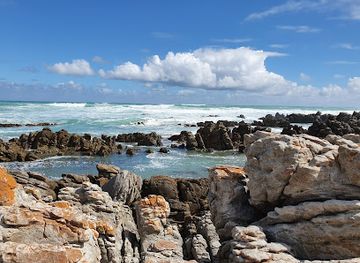
Southern Tip of Africa
Explore the Southern Tip of Africa, where the oceans meet and nature’s beauty shines in every breathtaking view.
Explore Northern Cape on the map
Plan your trip on one map. See where the top cities, national parks and sights are, and book hotels and experiences in a few clicks.
Best hotels in Northern Cape
Best restaurants in Northern Cape
Northern Cape dining reflects the province’s dryland farming, river agriculture and South African frontier history. Karoo lamb and venison are common regional reference points, while farm kitchens and country restaurants may feature locally produced dairy, preserves, dried fruit, dates and grapes from the Orange River valley. Upington and Kakamas have a stronger association with river-grown produce and vineyards, whereas Kimberley and other inland centres offer a broader mix of South African, Afrikaans, Tswana and contemporary dishes. Traditional cafés, family restaurants, hotel dining rooms, farm stalls and roadside stops are often more useful than seeking a concentrated fine-dining scene. Local specialities may include meat cooked over an open fire, savoury pastries, biltong and seasonal fruit, although recipes vary between households and communities. Markets and farm stalls are good places to look for dried fruit, nuts, preserves and regional produce. In remote areas, meal choices can be limited, so travellers should plan supplies and confirm dining arrangements with accommodation providers.
-
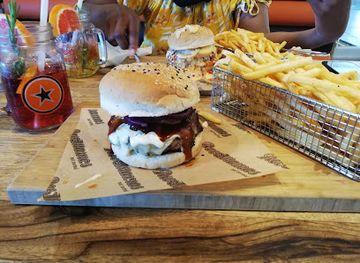
Hamburger
RocoMamas Kimberley
Experience gourmet burgers and fast food bliss at RocoMamas Kimberley - where flavor meets fun in Northern Cape.
-
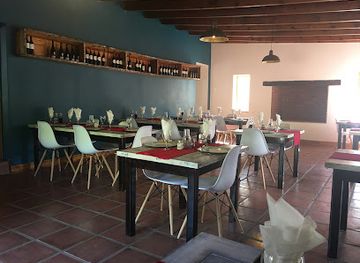
Restaurant
Inni Kraal
Experience luxury dining at Inni Kraal in Colesberg with exquisite local cuisine and a warm atmosphere perfect for any occasion.
-
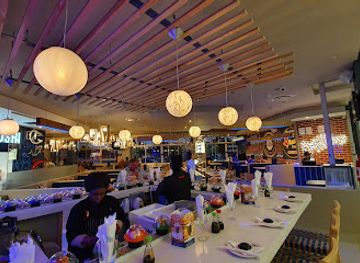
Seafood
John Dory's Kimberley
Experience fresh seafood delights at John Dory's Kimberley—a family-friendly restaurant offering fast food and sushi in the heart of Northern Cape.
-
Grill
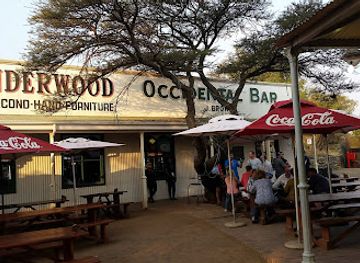
Occidental Bar
Experience exceptional grilled cuisine at Occidental Bar in Kimberley—perfect for family dining and vibrant evenings with friends.
Best bars in Northern Cape
Evening life in the Northern Cape is concentrated in Kimberley, Upington and the larger regional towns, while rural districts generally centre on pubs, hotel bars, restaurants and occasional live-music evenings rather than a large club scene. Traditional South African pubs provide a social setting for local beer, wine from the Orange River area and simple meals, and Upington has a more noticeable restaurant-and-bar culture because it serves as a tourism and agricultural centre. Kimberley’s evenings are shaped by its established urban population, hotels and cultural venues, with nightlife varying according to the season and current commercial offerings. In smaller settlements, places may close early and distances make driving after drinking particularly unsafe. Desert parks and remote lodges are better suited to quiet dinners, stargazing and conversation than late-night entertainment. Check current arrangements locally rather than relying on online assumptions about individual venues.
-
Motel
Horseshoe Inn
Discover the charm of Horseshoe Inn, a perfect blend of comfort, cuisine, and convenience in the heart of Kimberley, South Africa.
-
Grill
Occidental Bar
Experience the vibrant atmosphere and delicious grill specialties at Occidental Bar in Kimberley, a true culinary gem for every traveler.
-
Bar
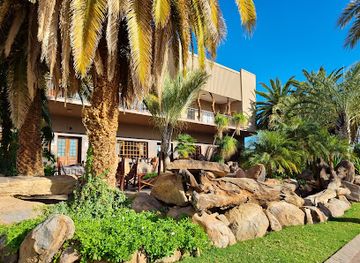
Augrabies Falls Lodge & Camp
Discover the breathtaking beauty of Augrabies Falls Lodge & Camp, where nature meets comfort in the heart of South Africa's wilderness.
-
Restaurant
Bi-Lo Restaurant & Ladies Bar
Experience delightful flavors and a vibrant atmosphere at Bi-Lo Restaurant & Ladies Bar, a must-visit spot for tourists in Upington.

Best nightclubs in Northern Cape
Evening life in the Northern Cape is concentrated in Kimberley, Upington and the larger regional towns, while rural districts generally centre on pubs, hotel bars, restaurants and occasional live-music evenings rather than a large club scene. Traditional South African pubs provide a social setting for local beer, wine from the Orange River area and simple meals, and Upington has a more noticeable restaurant-and-bar culture because it serves as a tourism and agricultural centre. Kimberley’s evenings are shaped by its established urban population, hotels and cultural venues, with nightlife varying according to the season and current commercial offerings. In smaller settlements, places may close early and distances make driving after drinking particularly unsafe. Desert parks and remote lodges are better suited to quiet dinners, stargazing and conversation than late-night entertainment. Check current arrangements locally rather than relying on online assumptions about individual venues.
-
Lodge
Augrabies Falls Lodge & Camp
Experience the breathtaking beauty of Augrabies Falls Lodge & Camp, a perfect getaway for adventure lovers and nature enthusiasts in South Africa.
-
Hotel
Kakamas Hotel by Country Hotels
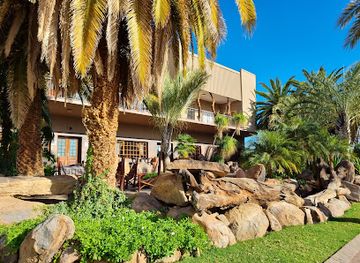
Experience comfort and charm at Kakamas Hotel, your ideal retreat in the Northern Cape, surrounded by stunning landscapes and local culture.
-
Campground
Khamkirri
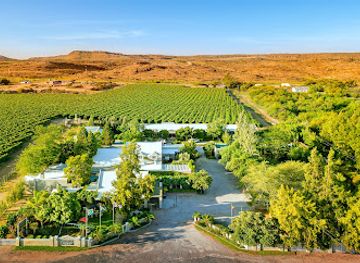
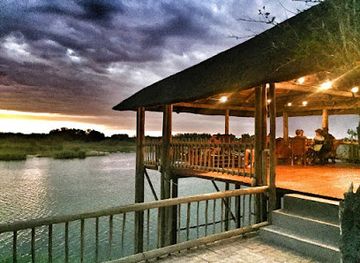
Discover the beauty and adventure of Khamkirri in Kakamas, a serene campground with fishing, rafting, and delightful dining experiences.
-
Club
G-Spot Upington
Discover the energetic nightlife at G-Spot Upington, a vibrant club and lounge perfect for dancing and socializing in Paballelo.
Best shops in Northern Cape
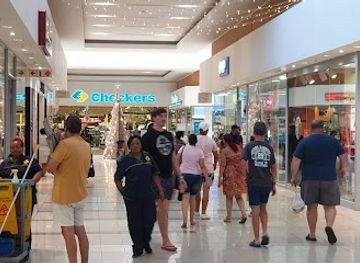
Shopping in the Northern Cape is practical and locally focused, with the largest concentrations of general retail in Kimberley and Upington. Their high streets, supermarkets and shopping centres serve residents and travellers, while smaller towns provide independent shops, cafés, hardware stores and service businesses rather than extensive specialist retail. Farm stalls and roadside outlets are useful for buying dried fruit, dates, grapes, preserves, biltong, nuts and other products associated with the Orange River valley and the province’s agricultural districts. In Namaqualand and the Richtersveld, look for locally made crafts and art only through legitimate community or established outlets, and avoid buying archaeological objects, protected plants or unverified cultural artefacts. Regional museums and visitor centres may carry books, maps and locally produced souvenirs. During flower season, temporary stalls and small producers can add to the shopping experience, but their availability changes annually. Stock up on essentials before entering remote parks or desert areas, where retail choices are very limited.
-
Shopping mall
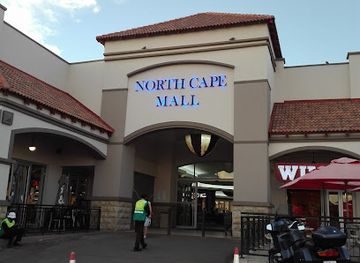
North Cape Mall
Experience unparalleled shopping and dining at North Cape Mall, Kimberley's top destination for retail therapy and local flavors.
-
Shopping mall
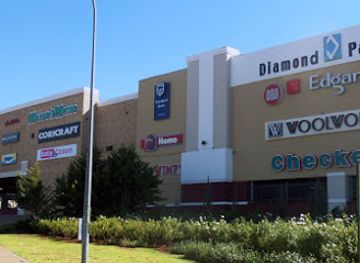
Diamond Pavilion Shopping Centre
Explore the Diamond Pavilion Shopping Centre in Kimberley for a vibrant shopping experience with diverse stores and delicious dining options.
-
Shopping mall
Kalahari Mall
Explore Kalahari Mall in Upington: Your ultimate shopping destination with diverse shops, delicious dining, and a lively atmosphere.
-
 Department store
Game Kimberley North Cape Mall
Explore an extensive selection of products at Game Kimberley North Cape Mall, a vibrant shopping haven in the heart of Kimberley.
Get your free copy of our complete guide to Northern Cape, delivered straight to you.
Everything on this page, from attractions and restaurants to essentials and local phrases, in one PDF you can read offline, print or share.
Already have an account? Sign in
Your Northern Cape guide is ready.
We'll send it to · Not you? Sign out

Getting your guide ready…
We are putting together a fresh copy of the Northern Cape guide. This can take up to a minute.
This can take a few moments. If your browser asks, choose Allow so the download can start. You'll find the guide in your Downloads folder.
Nothing happened? Download it again
Sorry, the guide is taking longer than usual. Please try again in a minute, or get it by email instead.
Northern Cape essentials
Currency and Payment
Safety
Emergency Situations
Do's and Don'ts
Local Tips
From Eve
Local phrases worth knowing
You don't need to get them perfect. A few words go a long way, and locals appreciate the effort.
Basics
| English | Local | Say it |
|---|---|---|
| Hello | Howzit | [Haw-zit] |
| Goodbye | Totsiens | [Tot-see-ens] |
| Yes | Ja | [Yah] |
| No | Nee | [Nee] |
| Please/You're welcome | Asseblief | [Ahs-uh-bleef] |
| Thank you | Dankie | [Dahn-kee] |
| Excuse me/Sorry | Verskoon my | [Fer-skoon my] |
| How are you? | Hoe gaan dit? | [Hoo gahn dit?] |
| Fine. And you? | Goed. En jy? | [Hoot. En yay?] |
| Do you speak English? | Praat jy Engels? | [Praht yay Eng-els?] |
| I don't understand | Ek verstaan nie | [Ek fer-stahn nee] |
Eating & Drinking
| English | Local | Say it |
|---|---|---|
| I'd like to see the menu, please | Ek wil die spyskaart sien, asseblief | [Ek vil dee spys-kart seen, ah-se-bleef] |
| I don't eat meat | Ek eet nie vleis nie | [Ek eet nee flays nee] |
| Cheers! | Gesondheid! | [Ge-sun-dheid] |
| I would like to pay, please | Ek wil graag betaal, asseblief | [Ek vil grahkh beh-tahl, ah-se-bleef] |
Emergencies
| English | Local | Say it |
|---|---|---|
| Help! | Help! | [Help!] |
| Go away! | Gaan weg! | [Gahn vakh!] |
| Call the Police! | Bel die polisie! | [Bel dee poh-lee-see!] |
| Call a doctor! | Bel 'n dokter! | [Bel in dok-ter!] |
| I'm lost | Ek is verlore | [Ek is fer-loh-reh] |
| I'm ill | Ek is siek | [Ek is seek] |
Shopping
| English | Local | Say it |
|---|---|---|
| I'd like to buy... | Ek wil koop... | [Ek vil koop...] |
| I'm just looking | Ek kyk net | [Ek kike net] |
| How much is it? | Hoeveel kos dit? | [Hoo-veel kos dit?] |
| That's too expensive | Dit is te duur | [Dit is tuh dyr] |
| Can you lower the price? | Kan jy die prys verlaag? | [Kahn yay dee prys fer-lahg?] |
Time & Numbers
| English | Local | Say it |
|---|---|---|
| What time is it? | Hoe laat is dit? | [Hoo laht is dit?] |
| It's one o'clock | Dit is eenuur | [Dit is een-oor] |
| Half past (10) | Half vier | [Half veer] |
| Morning | Oggend | [Ogh-end] |
| Afternoon | Middag | [Mid-akh] |
| Evening | Aand | [Aand] |
| Yesterday | Gister | [Ghis-ter] |
| Today | Vandag | [Vahn-dahg] |
| Tomorrow | Môre | [Mor-eh] |
| 1 | Een | [Een] |
| 2 | Twee | [Twee] |
| 3 | Drie | [Dree] |
| 4 | Vier | [Veer] |
| 5 | Vyf | [Fife] |
| 6 | Ses | [Says] |
| 7 | Sewe | [Say-vay] |
| 8 | Agt | [Acht] |
| 9 | Nege | [Nay-geh] |
| 10 | Tien | [Teen] |
Transport & Directions
| English | Local | Say it |
|---|---|---|
| Where's a/the...? | Waar is 'n/ die...? | [Vahr is in/ dee...?] |
| What's the address? | Wat is die adres? | [Vahd is dee ah-dress?] |
| Can you show me (on the map)? | Kan jy vir my wys (op die kaart)? | [Kahn yay veer my vice (op dee kart)?] |
| When's the next (bus)? | Wanneer is die volgende (bus)? | [Vahn-deer is dee fol-gende (bus)?] |
| A ticket (to ....) | ‘n kaartjie (na ...) | [In kart-kee (nah ...)] |
History of Northern Cape
San and Khoekhoe Heritage
Long before colonial expansion, the Northern Cape was occupied and travelled by San and Khoekhoe communities whose knowledge was adapted to dry river systems, seasonal water sources and desert plants. Rock engravings, archaeological remains and enduring place names record parts of this deep history. In the Richtersveld, Nama pastoral culture remains a living heritage rather than merely an archaeological subject. Visitors should understand that the province’s apparently empty landscapes have long been inhabited, used and remembered by communities with detailed connections to water, grazing and mountains.
Mission Stations and the Northern Frontier
From the late eighteenth and nineteenth centuries, missionaries, traders, farmers and colonial officials established settlements along routes and watercourses in the northern interior. Kuruman became an important missionary centre, associated particularly with the London Missionary Society and the nineteenth-century mission station at Moffat Mission. These encounters brought literacy, Christianity, trade and new political pressures, while also disrupting existing communities and patterns of land use. The frontier was consequently shaped by both cultural exchange and conflict.
Tswana Polities and Colonial Expansion
The area around present-day Kuruman and the central northern interior was connected to Tswana-speaking communities and political structures before and during colonial expansion. Competition over land, water, livestock and trade intensified as settler authority advanced from the Cape and neighbouring territories. The establishment of colonial administration did not erase local political and cultural identities, but it altered land ownership, movement and labour. These nineteenth-century changes help explain the region’s later settlement patterns and the diversity of its communities.
The Kimberley Diamond Rush, from 1867
Diamonds discovered near the Modder River in the late 1860s transformed the region and helped propel Kimberley into one of the world’s best-known mining centres. Thousands of fortune-seekers arrived, claims were consolidated and deep-level mining developed around the enormous excavated pit now known as the Big Hole. The industry accelerated railway construction, finance and urban growth, while producing stark inequalities in labour and living conditions. Kimberley’s museum precinct, mine infrastructure and civic architecture preserve the physical legacy of this formative period.
Railways, War and Union
Railways linked the diamond fields and Orange River settlements with Cape Town and the interior, enabling the movement of workers, goods and military forces across a previously difficult landscape. During the South African War, Kimberley endured a lengthy siege, and the wider region became strategically important because of its transport routes and river crossings. After the creation of the Union of South Africa in 1910, administrative and economic networks became more integrated, although their benefits remained unevenly distributed among communities.
Apartheid, Land and Forced Removals
Twentieth-century segregation and apartheid reshaped towns and rural districts across the Northern Cape through racial zoning, unequal services, restricted movement and forced removals. Mining, agriculture and public administration depended heavily on racially divided labour systems. The legacy remains visible in settlement geography and in the social histories of Kimberley, Upington and smaller communities. Understanding these structures is essential to reading the province beyond its scenic and colonial heritage, particularly when visiting museums, former townships and community-led cultural projects.
Provincial Reorganisation and Conservation
The democratic transition after 1994 brought major changes to provincial boundaries and administration; the modern Northern Cape was formed from areas that had previously been administered within the Cape Province and other structures. At the same time, conservation expanded through places such as Kgalagadi Transfrontier Park, Augrabies Falls National Park and Mokala National Park. These initiatives protect distinctive ecosystems and wildlife, while also raising continuing questions about land rights, community participation, access and the balance between conservation, tourism and local livelihoods.
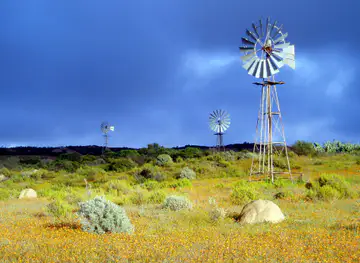
Northern Cape in Photos
Browse through our photo collection highlighting the charm and character of the destination.
Neighbouring regions of Northern Cape
The closest regions to Northern Cape, if you have time for more than one.
-

-

-
-

-


Swipe for more regions
Explore more

Explore more of South Africa
Discover South Africa: A land of breathtaking landscapes, rich history, and diverse cultures, from bustling cities to world-renowned wildlife reserves.
Explore South Africa