

Free Sunshine Coast Travel Guide & Mobile App
Explore Sunshine Coast with free travel guides. Discover regional history, expert tips, proposed trips, and audio guides on web or mobile app.


Explore South Africa’s Sunshine Coast for warm beaches, river estuaries, wildlife reserves, historic villages and relaxed Eastern Cape coastal journeys.
Read more about Sunshine Coast
When is the best time to visit Sunshine Coast?
Best: April–May, September · 24–26°C| Month | High (°C) | Rainfall (mm) |
|---|---|---|
| January | 29 | 100 |
| February | 30 | 90 |
| March | 28 | 80 |
| April (best) | 26 | 70 |
| May (best) | 24 | 60 |
| June | 22 | 50 |
| July | 21 | 40 |
| August | 22 | 50 |
| September (best) | 24 | 60 |
| October | 26 | 70 |
| November | 27 | 80 |
| December | 28 | 90 |
Getting to and around Sunshine Coast
How to get there
Transportation
Top city travel guides in Sunshine Coast
The cities of Sunshine Coast, and the easiest places to base yourself.
-
-


Swipe for more cities
Destinations in Sunshine Coast
Resorts, valleys and scenic spots worth a trip of their own.
-

-


Swipe for more destinations
Best attractions in Sunshine Coast
The Sunshine Coast’s attractions are built around variety rather than a single flagship sight. Kenton-on-Sea offers beaches, tidal rivers and coastal walks, while Port Alfred combines the Kowie River, boating, fishing and access to several beaches. Estuaries throughout the region are important for paddling, birdwatching and quiet waterside excursions, although tides and conditions should always be checked. Inland, Bathurst provides historic village buildings, churches and small museums that illuminate the Eastern Cape frontier and the arrival of British settlers. Private wildlife reserves in the coastal hinterland offer guided game viewing in habitats ranging from grassland to thicket, with the exact species and experience differing between properties. The region also suits surfing, angling, kayaking, horse riding, hiking and scenic drives between river mouths and rural settlements. Visitors seeking a slower cultural experience can combine galleries, craft outlets, farm produce and local heritage sites with time on the beach. Facilities are unevenly distributed, so remote natural areas may have few shops, toilets or reliable mobile services.
-
Public beach
Boulders Beach
Explore Boulders Beach in Cape Town: A stunning natural paradise where you can meet African penguins in their beautiful coastal habitat.
-
National park
Addo Elephant National Park
Discover the wonders of Addo Elephant National Park, home to majestic elephants and an array of wildlife in the heart of South Africa's Eastern Cape.
-
National park
Garden Route National Park
Explore the breathtaking landscapes of Garden Route National Park, where diverse ecosystems and stunning scenery await every nature lover.
-
Tourist attraction
Sudwala Caves
Discover the mystical beauty of Sudwala Caves, a natural marvel with breathtaking formations and rich history in South Africa's stunning landscapes.


Best landmarks in Sunshine Coast
The Kowie River mouth is Port Alfred’s defining geographical landmark, shaping the town’s boating culture, waterfront views and relationship with the sea. Kenton-on-Sea is marked by the meeting of the Bushmans and Kariega rivers, whose estuaries create a distinctive setting between beaches and low coastal hills. Bathurst’s historic village centre provides some of the region’s clearest architectural evidence of early British settlement, including St John’s Anglican Church, associated with the 1820 settler period. The Great Fish River and its broad lower valley are significant both as natural features and as landmarks of the Eastern Cape frontier, where river corridors influenced movement, settlement and conflict. Along the coast, long beaches, dune systems and rocky headlands form the visual identity of the region, though they are natural landscapes rather than single monuments. Historic farm buildings, churches and small military or frontier remnants appear more intermittently inland, rewarding visitors who travel beyond the principal holiday towns.
-
Nature preserve
Van Stadens Wild Flower Reserve
Discover the stunning biodiversity and tranquil beauty of Van Stadens Wild Flower Reserve in Gqeberha, a top destination for nature enthusiasts and outdoor adventurers.
-
Foundation
Johannesburg Heritage Foundation
Explore the rich tapestry of Johannesburg's history at the Johannesburg Heritage Foundation, a key destination for cultural and historical enthusiasts.
-
Nature preserve
Alexandria Dune Field
Explore the Alexandria Dune Field, a stunning nature preserve in Gqeberha, featuring majestic sand dunes and rich biodiversity for an unforgettable outdoor adventure.


Explore Sunshine Coast on the map
Plan your trip on one map. See where the top cities, national parks and sights are, and book hotels and experiences in a few clicks.
Best hotels in Sunshine Coast
Best restaurants in Sunshine Coast
Dining on the Sunshine Coast reflects its position between sea, farm country and small-town South African life. Seafood appears in coastal restaurants and informal venues, while locally sourced meat, seasonal vegetables and traditional braai cooking are common throughout the region. Port Alfred has the widest choice of waterfront and town-centre dining, with cafés, pubs and restaurants shaped by boating and holiday traffic; Kenton-on-Sea offers a smaller selection suited to relaxed lunches, breakfasts and evening meals. In Bathurst and the surrounding countryside, farm-style cooking, country inns and village cafés provide a different setting. Menus may also include South African staples such as bobotie, bredie, vetkoek and milk tart, alongside familiar international dishes. Craft beverages and South African wines are available in some establishments, but choices are more limited than in major cities. At smaller coastal settlements, opening days and payment facilities can be seasonal, so advance confirmation is sensible, especially outside peak holiday periods.
-
Seafood
Harbour House Kalk Bay
Experience exquisite seafood dining at Harbour House Kalk Bay with stunning ocean views and fresh local ingredients.
-
Tourist attraction
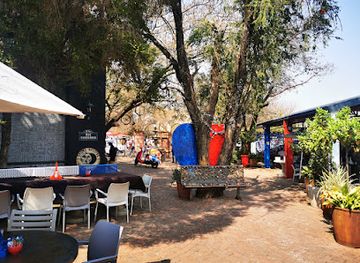
French Toast Koffie Kafee
Experience delightful breakfasts at French Toast Koffie Kafee in Hartbeespoort—where great food meets stunning views!
-
Family-friendly
Salinas Beach Restaurant
Discover fresh seafood and sushi at Salinas Beach Restaurant in Wilderness – where stunning views meet delightful flavors.
-
Restaurant
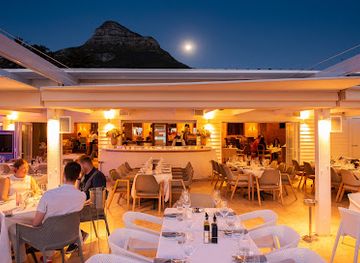
The Bungalow
Experience exquisite dining at The Bungalow in Clifton, Cape Town - where stunning ocean views meet culinary excellence.

Best bars in Sunshine Coast
Evenings on the Sunshine Coast are generally relaxed rather than centred on a large club scene. Port Alfred has the broadest choice of pubs, casual bars, restaurants and occasional live-music settings, with activity increasing during summer holidays and weekends. Kenton-on-Sea offers a more restrained evening atmosphere, usually focused on restaurants, hotel bars and small local venues rather than late-night entertainment. In Bathurst and rural areas, historic inns, country pubs and community gatherings are more characteristic than nightclubs. Some lodges and coastal properties provide sunset drinks or organised evening activities, while larger sporting or cultural events may bring temporary energy to otherwise quiet towns. Opening arrangements can change seasonally, and visitors should organise transport before drinking because distances between settlements are considerable and rural roads are poorly lit. The region is better suited to conversation, live music, dining and waterside sunsets than to an urban nightlife itinerary.
-
Seafood
Harbour House Kalk Bay
Discover the best of South African seafood at Harbour House Kalk Bay, where stunning ocean views meet delicious culinary creations in a charming atmosphere.
-
Family-friendly
Salinas Beach Restaurant
Discover the best seafood and sushi at Salinas Beach Restaurant, a family-friendly gem on Wilderness beachfront with stunning ocean views.
-
Cuban
Cape to Cuba
Experience the vibrant flavors of Cuba at Cape to Cuba in Kalk Bay, where every meal is a fiesta of taste and culture.
-
Restaurant
Bossa Woodbridge Island Eatery
Discover Bossa Woodbridge Island Eatery, where delicious food meets breathtaking views in the heart of Cape Town's vibrant dining scene.


Best nightclubs in Sunshine Coast
Evenings on the Sunshine Coast are generally relaxed rather than centred on a large club scene. Port Alfred has the broadest choice of pubs, casual bars, restaurants and occasional live-music settings, with activity increasing during summer holidays and weekends. Kenton-on-Sea offers a more restrained evening atmosphere, usually focused on restaurants, hotel bars and small local venues rather than late-night entertainment. In Bathurst and rural areas, historic inns, country pubs and community gatherings are more characteristic than nightclubs. Some lodges and coastal properties provide sunset drinks or organised evening activities, while larger sporting or cultural events may bring temporary energy to otherwise quiet towns. Opening arrangements can change seasonally, and visitors should organise transport before drinking because distances between settlements are considerable and rural roads are poorly lit. The region is better suited to conversation, live music, dining and waterside sunsets than to an urban nightlife itinerary.
-
Event venue
Nicci Beach
Discover the lively Nicci Beach in Boksburg, the ultimate event venue for unforgettable celebrations and vibrant nightlife.
-
Disco club
Montana The Club
Immerse yourself in the vibrant nightlife of Johannesburg at Montana The Club, a premier disco destination with electrifying music and a lively atmosphere.
-
Disco club
Galaxy Disco Restaurant
Discover the vibrant nightlife at Galaxy Disco Restaurant in Athlone, Cape Town - a perfect blend of delicious food, dance, and entertainment.
-
Night club
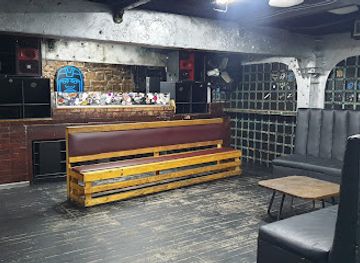
Modular Club
Discover the energetic nightlife of Cape Town at Modular Club, where electrifying beats, great drinks, and unforgettable vibes come together.


Best shops in Sunshine Coast
Shopping on the Sunshine Coast is concentrated in the high streets and small commercial centres of Port Alfred, Kenton-on-Sea and Bathurst rather than in large metropolitan malls. Visitors will find practical holiday supplies, independent cafés, clothing, books, gifts and locally made crafts, with the range varying considerably by town and season. Port Alfred generally offers the broadest selection, including galleries, décor outlets and shops serving residents, boat owners and visitors. Kenton-on-Sea is suited to browsing smaller boutiques, art and craft outlets and coastal gifts, while Bathurst has a more rural character with heritage-oriented shops, farm products and handmade goods. Look for South African food products, preserves, pottery, woven items, artwork and locally produced beverages where available, but confirm provenance rather than assuming every souvenir is regionally made. Markets and pop-up stalls may operate around seasonal events, yet dates and locations can change, so local accommodation providers are often the best source of current information.
-
Shopping mall
Canal Walk Shopping Centre
Discover Canal Walk Shopping Centre in Cape Town: a premier shopping and entertainment destination with over 400 stores and dining options.
-
Shopping mall
Mall of Africa
Discover the Mall of Africa: Africa's largest shopping mall, offering a unique blend of retail, dining, and entertainment experiences for all visitors.
-
Shopping mall
Sandton City
Discover the luxury and vibrancy of Sandton City, South Africa's premier shopping and cultural destination, offering a unique blend of retail and dining experiences.
-
Shopping mall
Menlyn Park Shopping Centre
Discover a vibrant shopping experience at Menlyn Park Shopping Centre, Pretoria's premier mall with diverse shops, dining, and entertainment options.


Get your free copy of our complete guide to Sunshine Coast, delivered straight to you.
Everything on this page, from attractions and restaurants to essentials and local phrases, in one PDF you can read offline, print or share.
Already have an account? Sign in
Your Sunshine Coast guide is ready.
We'll send it to · Not you? Sign out

Getting your guide ready…
We are putting together a fresh copy of the Sunshine Coast guide. This can take up to a minute.
This can take a few moments. If your browser asks, choose Allow so the download can start. You'll find the guide in your Downloads folder.
Nothing happened? Download it again
Sorry, the guide is taking longer than usual. Please try again in a minute, or get it by email instead.
Sunshine Coast essentials
Currency and Payment
Safety
Emergency Situations
Do's and Don'ts
Local Tips
From Eve
Local phrases worth knowing
You don't need to get them perfect. A few words go a long way, and locals appreciate the effort.
Basics
| English | Local | Say it |
|---|---|---|
| Hello | Howzit | [Haawzit] |
| Goodbye | Cheers | [Chirs] |
| Yes | Ja | [Yah] |
| No | Nee | [Nee] |
| Please/You're welcome | Asseblief | [Ah-se-bleef] |
| Thank you | Dankie | [Dahn-kee] |
| Excuse me/Sorry | Verskoon my | [Ver-skawn my] |
| How are you? | Hoe gaan dit? | [Hoo gahn dit] |
| Fine. And you? | Goed. En jy? | [Hoot. En yay] |
| Do you speak English? | Praat jy Engels? | [Prah-t yay Eng-els] |
| I don't understand | Ek verstaan nie | [Ek fer-stahn nee] |
Eating & Drinking
| English | Local | Say it |
|---|---|---|
| I'd like to see the menu, please | Ek wil graag die spyskaart sien, asseblief | [Ek vil graahg dee spis-kart seen, ah-se-bleef] |
| I don't eat meat | Ek eet nie vleis nie | [Ek eet nee flys nee] |
| Cheers! | Proost! | [Prohst] |
| I would like to pay, please | Ek wil graag betaal, asseblief | [Ek vil graahg beh-tahl, ah-se-bleef] |
Emergencies
| English | Local | Say it |
|---|---|---|
| Help! | Help! | [Help] |
| Go away! | Gaan weg! | [Gahn vek] |
| Call the Police! | Bel die polisie! | [Bell dee po-lee-see] |
| Call a doctor! | Bel 'n dokter! | [Bell n dok-ter] |
| I'm lost | Ek is verlore | [Ek is fer-lo-re] |
| I'm ill | Ek is siek | [Ek is seek] |
Shopping
| English | Local | Say it |
|---|---|---|
| I'd like to buy... | Ek wil graag koop... | [Ek vil graahg koop] |
| I'm just looking | Ek kyk net | [Ek kike net] |
| How much is it? | Hoeveel kos dit? | [Hoo-vayl kos dit] |
| That's too expensive | Dit is te duur | [Dit is te dur] |
| Can you lower the price? | Kan jy die prys verlaag? | [Kahn yay dee prais fer-lahg] |
Time & Numbers
| English | Local | Say it |
|---|---|---|
| What time is it? | Hoe laat is dit? | [Hoo laat is dit] |
| It's one o'clock | Dit is eenuur | [Dit is een-oor] |
| Half past (10) | Half elf | [Half elf] |
| Morning | Oggend | [O-hh-gend] |
| Afternoon | Middag | [Mid-dahg] |
| Evening | Aand | [Aand] |
| Yesterday | Gister | [Gis-ter] |
| Today | Vandag | [Van-dahg] |
| Tomorrow | Môre | [Maw-reh] |
| 1 | Een | [Een] |
| 2 | Twee | [Twee] |
| 3 | Drie | [Dree] |
| 4 | Vier | [Veer] |
| 5 | Vyf | [Fife] |
| 6 | Ses | [Ses] |
| 7 | Sewe | [Seh-weh] |
| 8 | Agt | [Agt] |
| 9 | Nege | [Neh-geh] |
| 10 | Tien | [Teen] |
Transport & Directions
| English | Local | Say it |
|---|---|---|
| Where's a/the...? | Waar is 'n/die...? | [Waar is n/dee] |
| What's the address? | Wat is die adres? | [Wat is dee ah-dress] |
| Can you show me (on the map)? | Kan jy my wys (op die kaart)? | [Kahn yay my vise (op dee kart)] |
| When's the next (bus)? | Wanneer is die volgende (bus)? | [Van-heer is dee vol-gende] |
| A ticket (to ....) | ‘n Teken (na ...) | [n Tee-ken (na ...)] |
History of Sunshine Coast
Early Khoisan and Xhosa Landscapes
Long before colonial settlement, the rivers, grasslands and coast of the eastern Cape were used by Khoisan communities and later formed part of the homeland of Xhosa-speaking societies. Estuaries and river valleys provided access to fish, shellfish, grazing and fresh water, while inland routes connected communities across the frontier. Archaeological evidence along the wider Eastern Cape coast records a much older human presence than the surviving colonial buildings suggest. The region’s place names, cultural landscapes and continuing communities reflect this deeper history, although many early stories were later filtered through colonial records.
The Eastern Cape Frontier, Eighteenth and Early Nineteenth Centuries
The Sunshine Coast lies within the broader frontier zone between expanding colonial settlement and Xhosa polities. Competition over land, cattle, labour and political authority contributed to repeated conflicts during the eighteenth and nineteenth centuries. Rivers such as the Great Fish marked important zones of movement and confrontation, while military posts, farms and mission activity altered the landscape. The frontier wars were not a single episode but a series of conflicts and political transformations. Their legacy remains essential to understanding the region’s settlement pattern, land history and relationship between coastal towns and inland communities.
The 1820 Settlers and Colonial Village Development
British settlers arrived in the Eastern Cape in 1820 as part of a government-backed scheme intended to strengthen the colonial frontier. Some settled in and around the area now associated with Bathurst and the lower Albany district, establishing farms, workshops, churches and small commercial centres. Bathurst preserves an important concentration of this period’s built heritage, including early churches and village structures. Settler agriculture expanded alongside existing African communities and frontier systems, creating a layered society marked by cooperation, conflict and unequal access to land and political power.
Farming, River Transport and Coastal Trade
During the nineteenth and early twentieth centuries, the region’s economy depended heavily on livestock, wool, hides, timber, small-scale cultivation and trade through river mouths and coastal ports. The Kowie River gave Port Alfred an outlet for shipping, although navigation and sandbars limited its development compared with larger South African ports. River transport, coastal boats and inland wagon routes linked farms with markets. Later improvements in roads and railways changed these patterns, reducing the importance of local water transport while making the coast more accessible to visitors and holiday-makers.
Port Alfred and the Growth of Coastal Tourism
Port Alfred developed from a river and maritime settlement into one of the Eastern Cape’s principal leisure centres. Boating, angling, beach holidays and waterfront accommodation became increasingly important as improved roads connected the coast with larger cities. Kenton-on-Sea and other smaller settlements followed a related trajectory, retaining residential and village identities while attracting seasonal visitors. Tourism did not replace agriculture or fishing entirely, but it reshaped local economies, building patterns and employment. The modern Sunshine Coast is therefore the product of both older rural industries and a later recreational coastline.
Apartheid, Democracy and Contemporary Conservation
Apartheid policies affected land ownership, settlement, movement and access to economic opportunity throughout the Eastern Cape, including its coastal towns and rural districts. The democratic transition after 1994 brought new municipal arrangements and a broader emphasis on inclusive development, though inequality and contested land histories remain part of the regional context. In recent decades, private wildlife reserves, estuary conservation and responsible coastal tourism have become increasingly prominent. These initiatives have added a conservation dimension to the Sunshine Coast economy while highlighting the need to balance habitat protection, community benefit and development pressure.
Sunshine Coast in Photos
Browse through our photo collection highlighting the charm and character of the destination.
Neighbouring regions of Sunshine Coast
The closest regions to Sunshine Coast, if you have time for more than one.
-

-
-

-

-


Swipe for more regions
Explore more

Explore more of South Africa
Discover South Africa: A land of breathtaking landscapes, rich history, and diverse cultures, from bustling cities to world-renowned wildlife reserves.
Explore South Africa