

Free Garden Route Travel Guide & Mobile App
Explore Garden Route with free travel guides. Discover regional history, expert tips, proposed trips, and audio guides on web or mobile app.


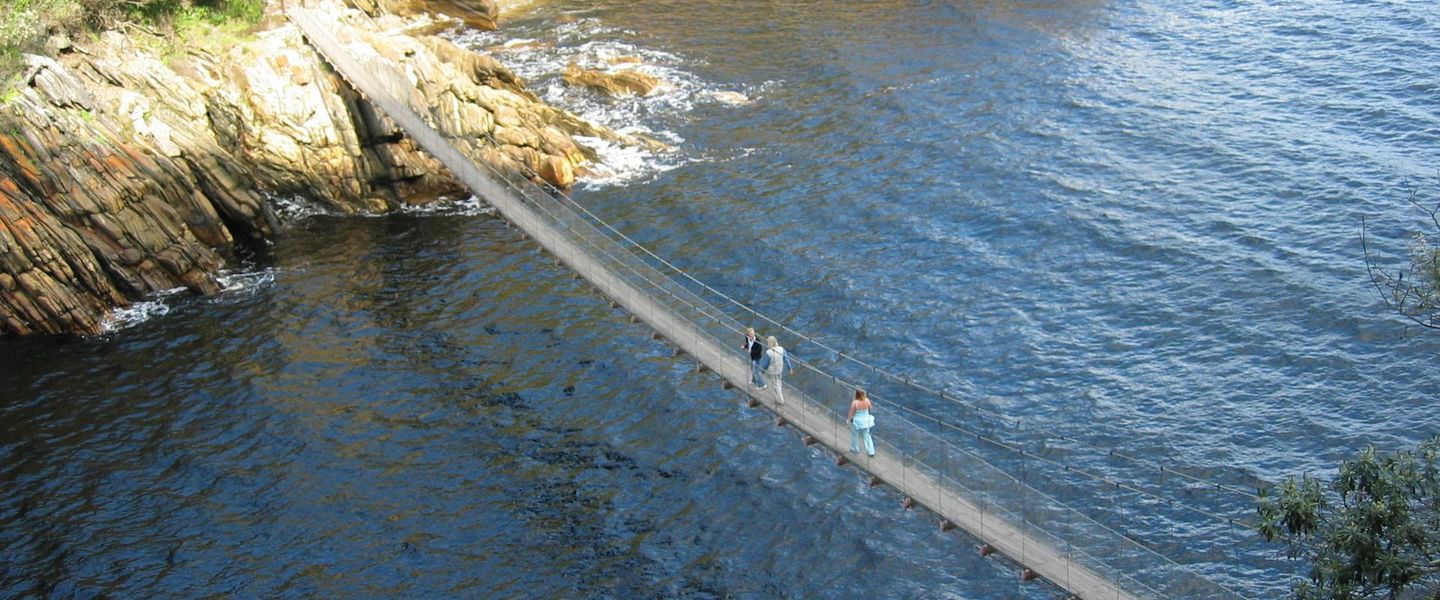


Explore South Africa’s Garden Route for forest trails, ocean beaches, lagoons, wildlife, heritage towns and scenic journeys between Mossel Bay and Tsitsikamma.
Read more about Garden Route
Getting to and around Garden Route
How to get there
Transportation
Destinations in Garden Route
Resorts, valleys and scenic spots worth a trip of their own.

Swipe for more destinations
Best attractions in Garden Route
The Garden Route’s attractions are shaped by the meeting of ocean, estuary, mountain and forest. Garden Route National Park protects linked environments around Wilderness, Knysna and Tsitsikamma, offering walking, canoeing, birdwatching and quiet waterways as well as longer trails. Robberg Nature Reserve near Plettenberg Bay combines coastal scenery with archaeological evidence, seal colonies and demanding cliff-top walks, while the beaches around Plettenberg Bay, Wilderness and Mossel Bay provide opportunities for swimming, surfing and shore-based marine observation where conditions are suitable. The Tsitsikamma section is known for indigenous forest, river gorges and elevated coastal paths, including the celebrated suspension bridges over the Storms River mouth. Inland, the Outeniqua Mountains and their passes provide a contrasting landscape of fynbos, farmland and broad views. Museums and heritage attractions add depth in Mossel Bay, George and Knysna, explaining maritime travel, timber, transport and local settlement. The region also supports whale and dolphin watching from appropriate viewpoints and licensed operators, with sightings varying by season and conditions. Visitors should distinguish protected-area experiences from commercial adventure activities and check current permits, weather restrictions and conservation requirements before travelling.
-
National park
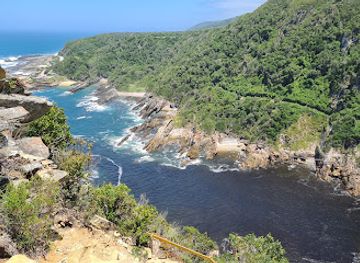
Garden Route National Park
Explore the breathtaking landscapes and diverse wildlife of Garden Route National Park, a natural paradise for adventure seekers and nature lovers in South Africa.
-
Animal park
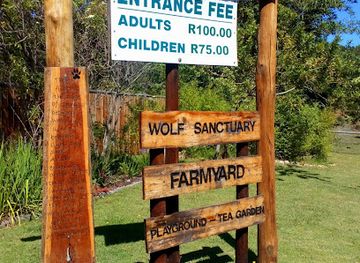
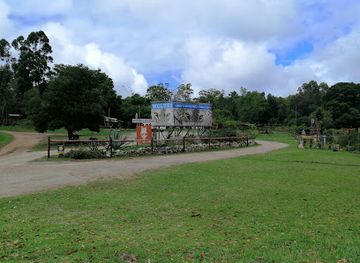
Garden Route Wolf Sanctuary
Discover the enchanting world of wolves at Garden Route Wolf Sanctuary in Plettenberg Bay, where conservation meets adventure in a beautiful natural setting.
-
Tourist attraction
Huisklip Nature Reserve
Explore the breathtaking Huisklip Nature Reserve in Kareedouw, a stunning nature preserve perfect for hiking, wildlife watching, and serene escapes into nature.
-
Olive oil manufacturer
De Rustica Olive Estate
Experience the art of olive oil production at De Rustica Olive Estate, where flavor meets tradition in the heart of De Rust, South Africa.

Best landmarks in Garden Route
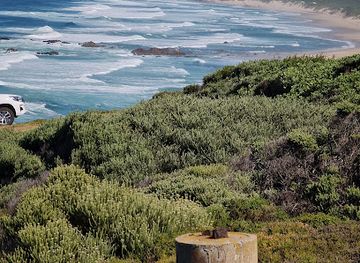
The Garden Route is marked by recognisable natural and built features that express its geography and history. The Knysna Heads, where the estuary meets the Indian Ocean, form the region’s most distinctive coastal gateway and illustrate the navigational challenges faced by ships entering the lagoon. The Storms River mouth and its suspension bridges are defining features of the eastern Garden Route, combining a forested gorge with a rugged shoreline. In Mossel Bay, the Post Office Tree represents the area’s maritime memory, while the Cape St Blaize Lighthouse stands above the bay on a coast shaped by wind and surf. George’s historic streets and buildings reflect its role as an early colonial and transport centre beneath the Outeniqua Mountains. Robberg’s long peninsula near Plettenberg Bay is both a dramatic geological landmark and an archaeological site, with cliffs, rock platforms and views across the ocean. The indigenous forests and steep ravines of Tsitsikamma provide a natural counterpoint to the open beaches and estuaries farther west, making the region’s landmarks as much ecological as architectural.
-
National park
Garden Route National Park
Discover the breathtaking landscapes, diverse wildlife, and thrilling adventures at Garden Route National Park, a must-visit destination on South Africa's coast.
-
Animal park
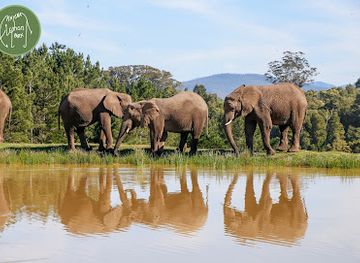
Knysna Elephant Park
Discover the wonder of elephants at Knysna Elephant Park, a conservation-driven sanctuary in the heart of South Africa's Garden Route.
-
Nature preserve
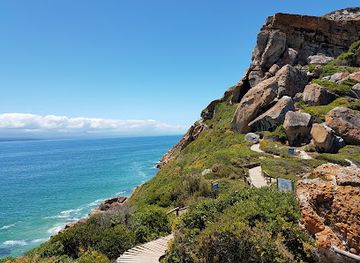
Robberg Nature Reserve
Explore the stunning landscapes and unique wildlife of Robberg Nature Reserve, a natural paradise for nature lovers and adventurers alike.
-
Animal park
Garden Route Wolf Sanctuary
Experience the wonders of nature at the Garden Route Wolf Sanctuary, where conservation meets education in a stunning South African setting.
Explore Garden Route on the map
Plan your trip on one map. See where the top cities, national parks and sights are, and book hotels and experiences in a few clicks.
Best hotels in Garden Route
Best restaurants in Garden Route
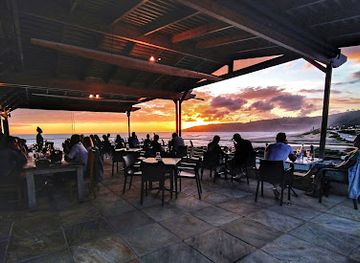
Dining along the Garden Route ranges from seafood-focused coastal restaurants and traditional pubs to farm stalls, cafés, contemporary South African kitchens and relaxed eateries in holiday towns. Menus often feature locally sourced fish and shellfish, pasture-raised meat, seasonal vegetables, breads and preserves, while South African staples such as braai and bobotie appear alongside international cooking. Knysna’s estuary setting gives local dining a strong maritime association, and Mossel Bay and Plettenberg Bay offer easy access to coastal seafood, although availability depends on season and responsible sourcing. Around George and the inland valleys, agricultural produce, dairy, baked goods and fruit contribute to a more farm-oriented food culture. Craft breweries, South African wines and small-batch spirits are increasingly present, but the region is not defined by a single dish or culinary tradition. Farmers’ markets and roadside stalls are useful for tasting regional produce, while rural inns and village cafés provide a slower alternative to the busier coastal dining centres.
-
Family-friendly
Salinas Beach Restaurant
Experience delightful seafood dishes and breathtaking ocean views at Salinas Beach Restaurant in Wilderness.
-
Seafood
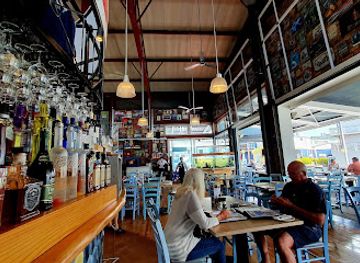
34 Degrees South
Experience fresh local seafood at 34 Degrees South in Knysna Waterfront—where exquisite taste meets breathtaking views.
-
Restaurant
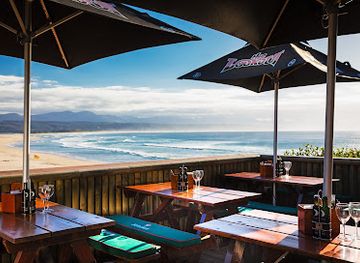
The Lookout Deck
Experience breathtaking ocean views and delectable cuisine at The Lookout Deck in Plettenberg Bay – where every meal is a seaside celebration.
-
Restaurant
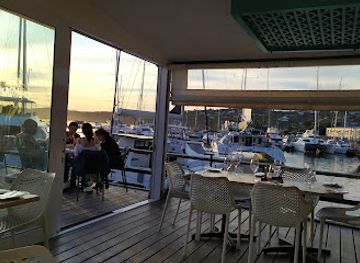
DRYDOCK FOOD CO
Experience the best of South African cuisine with stunning waterfront views at Drydock Food Co in Knysna.
Best bars in Garden Route
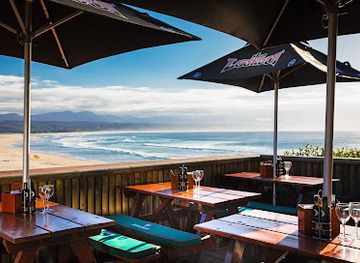
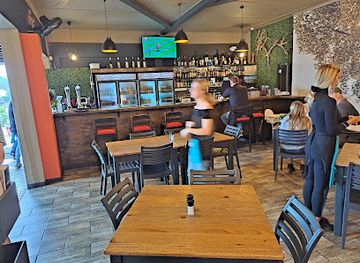
Evenings in the Garden Route generally centre on pubs, restaurants, wine and cocktail bars, rather than a continuous major nightclub scene. Knysna and Plettenberg Bay have the broadest choice of places to eat and drink, with seasonal activity increasing during holidays; George offers a more local, year-round town-centre scene. Wilderness is associated with relaxed evenings around restaurants, small bars and live music when available, while Mossel Bay combines harbour and town venues with quieter dining. In rural areas, traditional pubs, guesthouse lounges, farm-based venues and occasional live performances are more typical than late-night clubs. Some establishments serve local craft beer, South African wine or spirits, but alcohol is not necessary to enjoy the region’s evening culture. Visitors should arrange transport in advance when staying outside town centres and avoid walking along isolated roads or beaches after dark.
-
Restaurant
The Lookout Deck
Savor exquisite local cuisine and handcrafted cocktails at The Lookout Deck, where stunning ocean views create an unforgettable dining experience.
-
Tapas Bar
Tapas & Oysters
Discover the vibrant flavors of South Africa at Tapas & Oysters, a premier tapas bar and oyster haven in Knysna's Thesen Island.
-
Bar
Blue Olive Restaurant
Experience Mediterranean-inspired dining at Blue Olive Restaurant in Wilderness, offering delightful dishes and a cozy atmosphere for all visitors.
-
Restaurant
Bosun's Arms
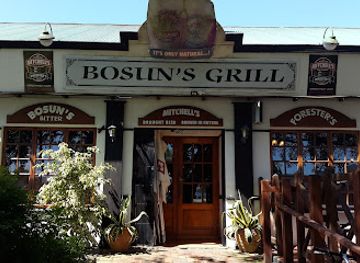
Discover the flavors of Knysna at Bosun's Arms, where delicious meals meet breathtaking coastal views for an unforgettable dining experience.

Best nightclubs in Garden Route
Evenings in the Garden Route generally centre on pubs, restaurants, wine and cocktail bars, rather than a continuous major nightclub scene. Knysna and Plettenberg Bay have the broadest choice of places to eat and drink, with seasonal activity increasing during holidays; George offers a more local, year-round town-centre scene. Wilderness is associated with relaxed evenings around restaurants, small bars and live music when available, while Mossel Bay combines harbour and town venues with quieter dining. In rural areas, traditional pubs, guesthouse lounges, farm-based venues and occasional live performances are more typical than late-night clubs. Some establishments serve local craft beer, South African wine or spirits, but alcohol is not necessary to enjoy the region’s evening culture. Visitors should arrange transport in advance when staying outside town centres and avoid walking along isolated roads or beaches after dark.
-
Disco club
Spotlight Night Club
Dance the night away at Spotlight Night Club, Plettenberg Bay's premier disco destination with electrifying music and a vibrant atmosphere.
-
Night club
Heeltyd Speeltyd Mosselbaai
Experience the vibrant nightlife at Heeltyd Speeltyd in Mossel Bay - a premier venue for dancing, live music, and unforgettable moments.
-
Cocktail bar
The Quarter Club
Discover the vibrant nightlife of Plettenberg Bay at The Quarter Club, where expertly crafted cocktails and a lively atmosphere await.
-
Disco club
Hornlee Nite Spot
Experience the vibrant nightlife at Hornlee Nite Spot in Knysna, where music and dance create unforgettable memories.




Best shops in Garden Route
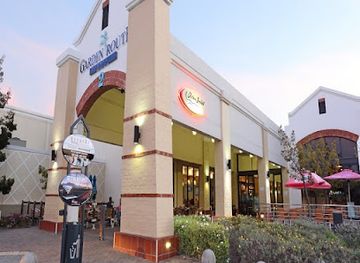
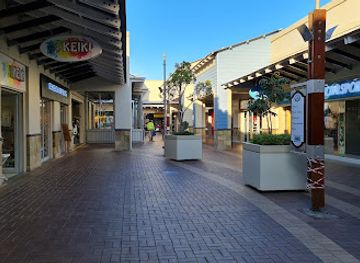
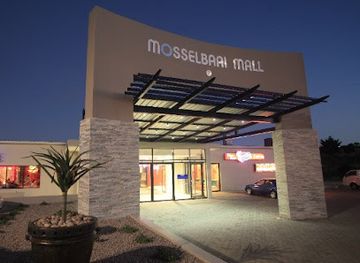
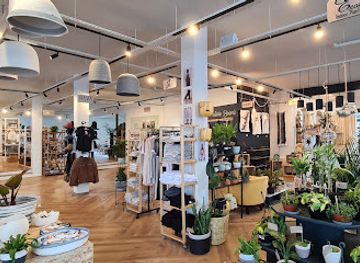
Shopping in the Garden Route is dispersed among town high streets, small malls, craft studios, farm stalls, galleries and seasonal markets rather than concentrated in one regional retail district. Knysna and Plettenberg Bay offer the widest selection of independent shops, galleries, clothing outlets, homeware and locally made gifts, while George functions as the main conventional shopping centre for the central region. Farm stalls and produce shops are useful for fruit, preserves, baked goods, honey, cheeses and other edible souvenirs, with availability varying by season. Timber-related crafts, woven goods, ceramics, jewellery, paintings and carved objects are commonly sold, but buyers should ask about materials and provenance, particularly for products made from indigenous wood or natural materials. Mossel Bay, Wilderness and smaller settlements tend to offer a more relaxed mix of cafés, bookshops, galleries and craft retailers. Markets change by day and season, so visitors should check locally rather than assume that a particular stall or event operates year-round.
-
Store
Garden Route Mall
Discover the vibrant shopping and dining experience at Garden Route Mall, where every visit offers something special for tourists and locals alike.
-
Shopping mall
Langeberg Mall
Explore Langeberg Mall in Mossel Bay for a delightful shopping experience with a variety of stores, dining options, and family-friendly activities.
-
Shopping mall
Heiderand Mall
Discover Heiderand Mall in Mossel Bay: your ultimate shopping destination with diverse retail options and delightful dining experiences.
-
Shopping mall
Knysna Mall Shopping Centre
Discover the Knysna Mall Shopping Centre, a vibrant shopping destination in the heart of Knysna featuring diverse stores, dining, and entertainment options.
Get your free copy of our complete guide to Garden Route, delivered straight to you.
Everything on this page, from attractions and restaurants to essentials and local phrases, in one PDF you can read offline, print or share.
Already have an account? Sign in
Your Garden Route guide is ready.
We'll send it to · Not you? Sign out

Getting your guide ready…
We are putting together a fresh copy of the Garden Route guide. This can take up to a minute.
This can take a few moments. If your browser asks, choose Allow so the download can start. You'll find the guide in your Downloads folder.
Nothing happened? Download it again
Sorry, the guide is taking longer than usual. Please try again in a minute, or get it by email instead.
Garden Route essentials
Currency and Payment
Safety
Emergency Situations
Do's and Don'ts
Local Tips
From Eve
Local phrases worth knowing
You don't need to get them perfect. A few words go a long way, and locals appreciate the effort.
Basics
| English | Local | Say it |
|---|---|---|
| Hello | Hello | [Heh-loh] |
| Goodbye | Goodbye | [Goo-dbye] |
| Yes | Yes | [Yes] |
| No | No | [No] |
| Please/You're welcome | Please/You're welcome | [Pleez/Yo're wel-kum] |
| Thank you | Thank you | [Thangk yoo] |
| Excuse me/Sorry | Excuse me/Sorry | [Eks-kyoos mee/Sor-ree] |
| How are you? | How are you? | [How ar yoo?] |
| Fine. And you? | Fine. And you? | [Fine. And yoo?] |
| Do you speak English? | Do you speak English? | [Doo yoo speek Ing-glish?] |
| I don't understand | I don't understand | [I dont un-der-stand] |
Eating & Drinking
| English | Local | Say it |
|---|---|---|
| I'd like to see the menu, please | I'd like to see the menu, please | [I'd lyk to see the men-yoo, pleez] |
| I don't eat meat | I don't eat meat | [I dont eet meet] |
| Cheers! | Cheers! | [Cheerz!] |
| I would like to pay, please | I would like to pay, please | [I wood lyk to pay, pleez] |
Emergencies
| English | Local | Say it |
|---|---|---|
| Help! | Help! | [Help!] |
| Go away! | Go away! | [Goh aw-ay!] |
| Call the Police! | Call the Police! | [Call the Po-leese!] |
| Call a doctor! | Call a doctor! | [Call a dok-tor!] |
| I'm lost | I'm lost | [I'm lost] |
| I'm ill | I'm ill | [I'm il] |
Shopping
| English | Local | Say it |
|---|---|---|
| I'd like to buy... | I'd like to buy... | [I'd lyk to bye...] |
| I'm just looking | I'm just looking | [I'm just luk-ing] |
| How much is it? | How much is it? | [How much iz it?] |
| That's too expensive | That's too expensive | [Thats too ex-pen-siv] |
| Can you lower the price? | Can you lower the price? | [Can yoo loh-er the prys?] |
Time & Numbers
| English | Local | Say it |
|---|---|---|
| What time is it? | What time is it? | [What tym iz it?] |
| It's one o'clock | It's one o'clock | [Its wun o'clok] |
| Half past (10) | Half past (10) | [Half past (ten)] |
| Morning | Morning | [Morn-ing] |
| Afternoon | Afternoon | [Af-ter-noon] |
| Evening | Evening | [Eve-ning] |
| Yesterday | Yesterday | [Yes-ter-day] |
| Today | Today | [To-day] |
| Tomorrow | Tomorrow | [To-mor-row] |
| 1 | 1 | [One] |
| 2 | 2 | [Two] |
| 3 | 3 | [Three] |
| 4 | 4 | [Four] |
| 5 | 5 | [Five] |
| 6 | 6 | [Six] |
| 7 | 7 | [Seven] |
| 8 | 8 | [Eight] |
| 9 | 9 | [Nine] |
| 10 | 10 | [Ten] |
Transport & Directions
| English | Local | Say it |
|---|---|---|
| Where's a/the...? | Where's a/the...? | [Whehrz a/the...?] |
| What's the address? | What's the address? | [What's the ad-dress?] |
| Can you show me (on the map)? | Can you show me (on the map)? | [Can yoo sho mee (on the map)?] |
| When's the next (bus)? | When's the next (bus)? | [When's the next (bus)?] |
| A ticket (to ....) | A ticket (to ....) | [A tik-it (to....)] |
History of Garden Route
Early coastal settlement and archaeology
The southern Cape contains some of the most important evidence for early modern human behaviour. Caves around Mossel Bay, including Pinnacle Point, have produced archaeological material associated with very early coastal occupation, the use of marine resources and innovative technologies during the Middle Stone Age. The wider Garden Route was also inhabited by Khoisan communities, whose movement, knowledge of plants and animals, and use of coastal and inland environments predated colonial settlement by many centuries. These archaeological and cultural histories provide essential context for viewing the coast as a lived landscape rather than an empty wilderness.
European seafarers and Mossel Bay’s maritime past
Portuguese navigators reached the southern African coast during the age of maritime exploration, and Mossel Bay became associated with early European voyages. The famous Post Office Tree, traditionally linked with the exchange of messages by sailors in the sixteenth century, stands as a reminder of the bay’s role in ocean travel. Later Dutch and British involvement connected the coast to wider colonial networks. Fresh water, shelter and access to the interior made Mossel Bay an important stopping place, while the broader coastline remained difficult to navigate because of reefs, storms and changing sea conditions.
Colonial settlement and inland routes
European settlement expanded into the southern Cape from the eighteenth century, bringing farming, land transformation and new political administration. George was established in 1811 and developed as an inland centre at the foot of the Outeniqua Mountains. The construction of roads and mountain passes improved connections between the coast and the interior, allowing agricultural produce, timber and people to move more readily. Colonial expansion also displaced and disrupted existing Khoisan communities and altered patterns of land ownership. Many historic buildings and routes in the George area reflect the region’s transition from an isolated frontier to a more integrated colonial economy.
Timber, shipbuilding and Knysna’s nineteenth-century economy
Knysna grew around its estuary and the valuable indigenous forests of the southern Cape. Timber extraction became a major industry, and the town developed shipbuilding and coastal trading connections during the nineteenth century. George and surrounding districts were also linked to wagon transport, sawmilling and agricultural production. The forests supplied livelihoods and building materials, but commercial exploitation reduced some old-growth stands and prompted later efforts to regulate cutting and conserve remaining forest ecosystems. Today, forest trails, museums and surviving historic buildings help explain how the timber economy shaped settlement, employment and environmental debates.
Railways, roads and the opening of the coast
Improved transport transformed the Garden Route during the late nineteenth and twentieth centuries. Rail connections and better roads linked George, Mossel Bay, Knysna and other settlements more closely with Cape Town and the eastern Cape. The completion and improvement of coastal roads made the region more accessible to holidaymakers, while the Outeniqua Pass strengthened George’s role as a transport centre. Tourism gradually joined farming, forestry and fishing as a major economic activity. The modern route is therefore not simply a scenic drive; it reflects successive investments in infrastructure that connected difficult coastal and mountainous terrain.
Conservation and the modern Garden Route
During the twentieth century, growing awareness of forest loss, wetland degradation and pressure on coastal habitats encouraged stronger conservation measures. National parks, nature reserves and protected areas now safeguard sections of the coastline, estuaries, fynbos, indigenous forest and mountain landscapes. The Garden Route National Park represents a more integrated approach to protecting linked ecosystems, while reserves such as Robberg preserve both natural and archaeological heritage. Tourism remains important, but the region also faces debates about development, water resources, wildfire, invasive species and balancing visitor access with the protection of sensitive environments.
Garden Route in Photos
Browse through our photo collection highlighting the charm and character of the destination.
Neighbouring regions of Garden Route
The closest regions to Garden Route, if you have time for more than one.
-

-

-

-

-


Swipe for more regions
Explore more

Explore more of South Africa
Discover South Africa: A land of breathtaking landscapes, rich history, and diverse cultures, from bustling cities to world-renowned wildlife reserves.
Explore South Africa