

Free Wild Coast Travel Guide & Mobile App
Explore Wild Coast with free travel guides. Discover regional history, expert tips, proposed trips, and audio guides on web or mobile app.


Explore South Africa’s Wild Coast for rugged beaches, Mpondo culture, coastal hikes, forested valleys and landmarks such as Hole in the Wall.
Read more about Wild Coast
When is the best time to visit Wild Coast?
Best: September–November · 23–26°C| Month | High (°C) | Rainfall (mm) |
|---|---|---|
| January | 27 | 101 |
| February | 27 | 95 |
| March | 26 | 111 |
| April | 24 | 101 |
| May | 21 | 86 |
| June | 19 | 76 |
| July | 19 | 71 |
| August | 20 | 71 |
| September (best) | 23 | 76 |
| October (best) | 25 | 91 |
| November (best) | 26 | 96 |
| December | 27 | 101 |
Getting to and around Wild Coast
How to get there
Transportation
Top city travel guides in Wild Coast
The cities of Wild Coast, and the easiest places to base yourself.

Swipe for more cities
Destinations in Wild Coast
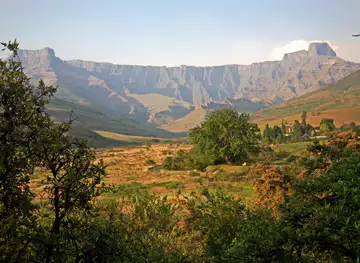
Resorts, valleys and scenic spots worth a trip of their own.
-

-


Swipe for more destinations
Best attractions in Wild Coast
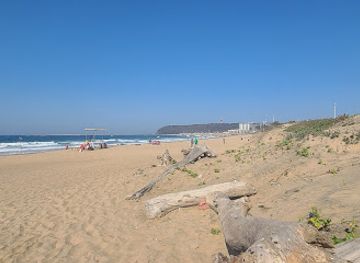
The Wild Coast’s attractions are primarily landscape-based and spread across a long, lightly urbanised shoreline. Coastal hikes link sandy bays, grassy headlands, estuaries and river valleys, while local guides can add cultural context to routes through community land. Hole in the Wall near Coffee Bay is the best-known natural feature, with sea erosion creating an arch through a large offshore rock. Port St Johns offers access to the Umzimvubu estuary, coastal forests and nearby beaches, while the quieter northern coast around Mdumbi and Bulungula is associated with walking, community tourism and surf beaches. Mkambati Nature Reserve combines open grassland, forest patches, cliffs, waterfalls and wildlife, and the Dwesa-Cwebe and Hluleka areas protect varied coastal habitats in the southern and central region. Surfing, fishing, kayaking, birdwatching and beachcombing are possible, but facilities and supervision are limited. The Wild Coast is less suited to a tightly scheduled attraction itinerary than to a sequence of outdoor days, village experiences and long views across an uncrowded ocean coast.
-
Theme park
uShaka Marine World
Experience the ultimate marine adventure at uShaka Marine World, where thrilling rides, fascinating marine life, and unforgettable family fun await you in Durban.
-
 Resort hotel
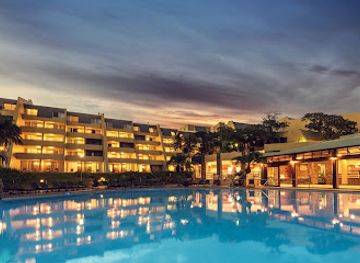
Wild Coast Sun
Discover the ultimate tropical getaway at Wild Coast Sun, where luxury meets adventure on South Africa's stunning coastline.
-
Adventure sports
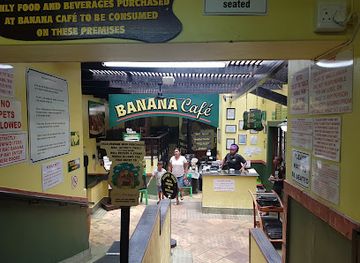
Mac Banana
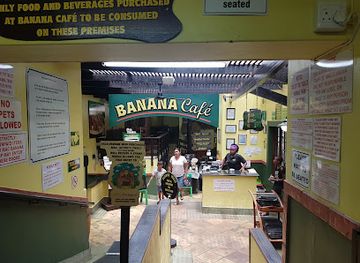
Discover the thrill of adventure sports and savor local flavors at Mac Banana in Port Edward, a must-visit destination for every traveler.
-
Water park
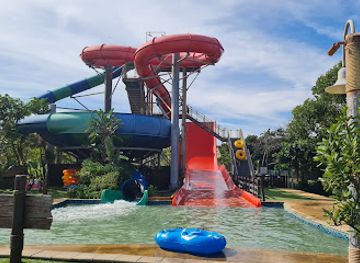
Wild Waves Water Park @ Wild Coast Sun
Experience the ultimate water adventure at Wild Waves Water Park, South Africa's premier water park with thrilling rides and relaxing pools.
Best landmarks in Wild Coast
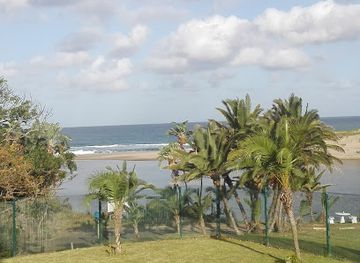
Hole in the Wall is the Wild Coast’s signature natural landmark: an offshore sandstone formation near Coffee Bay pierced by a broad arch, created by marine erosion and framed by steep green cliffs. The Umzimvubu River mouth at Port St Johns forms another defining feature, where a wide estuary meets headlands and coastal forest. In the central and northern region, Waterfall Bluff is a notable coastal viewpoint where a waterfall drops towards the sea, although access is a serious hike and conditions should be checked locally. Mkambati’s cliffs, waterfalls and open grasslands form a landmark landscape rather than a single monument, while the forested valleys and beaches around Bulungula and Mdumbi express the coast’s characteristic relationship between rural settlement and ocean. At the southern end, the Great Kei River marks the broad geographical transition into the Eastern Cape’s more settled coastal country, with Kei Mouth and Morgan Bay providing recognisable points of reference. These places are significant because they show the Wild Coast’s geology, weather and waterways at work, not because they were designed as conventional monuments.
-
Resort hotel
Wild Coast Sun
Discover the ultimate getaway at Wild Coast Sun, where luxury, adventure, and relaxation meet on South Africa's stunning coastline.
-
Adventure sports
Mac Banana
Experience the thrill of adventure sports and the taste of local flavors at Mac Banana in Port Edward, a unique destination for all visitors.
-
Water park
Wild Waves Water Park @ Wild Coast Sun
Experience thrilling water rides and family fun at Wild Waves Water Park, a premier attraction along South Africa's beautiful Wild Coast.
-
Tourist attraction
Wild 5 Adventures
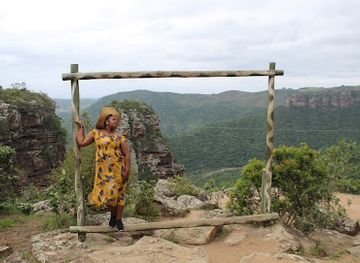
Experience adventure and breathtaking scenery at Wild 5 Adventures in Oribi Gorge, the ultimate destination for thrill-seekers and nature lovers in South Africa.
Explore Wild Coast on the map
Plan your trip on one map. See where the top cities, national parks and sights are, and book hotels and experiences in a few clicks.
Best hotels in Wild Coast
Best restaurants in Wild Coast
Wild Coast dining is shaped by rural guesthouses, backpacker lodges, community tourism projects, small-town cafés and family-run establishments rather than a dense restaurant industry. Menus often draw on South African staples such as grilled meat, stews, maize-based dishes, fresh bread and seasonal vegetables, with seafood available in coastal settlements when supplies permit. Port St Johns and Coffee Bay offer the widest choice of casual meals, while remote lodges generally serve set meals or require advance notice for dietary needs. Community-based accommodation may provide opportunities to try home-style cooking and locally made drinks, but visitors should confirm meal arrangements before travelling to isolated bases. Farm stalls and informal food outlets are limited and may keep irregular hours, so carrying provisions is sensible. South African wine and beer are widely available where licensed accommodation serves alcohol, while tea, coffee and soft drinks are more practical staples on long drives and hikes.
-
Resort hotel
Wild Coast Sun
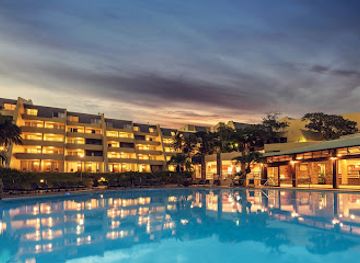
Experience luxury and adventure at Wild Coast Sun Resort Hotel in South Africa - your ultimate coastal getaway with endless activities.
-
Family-friendly
C-Bali Restaurant
Discover the vibrant flavors of sushi and cocktails at C-Bali Restaurant in St. Michael's on Sea - perfect for families seeking great food and stunning views.
-
Restaurant
Tasty Table
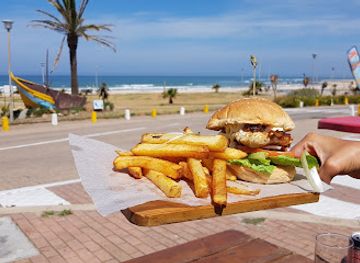
Discover Tasty Table in Jeffreys Bay - renowned for its delicious burgers and inviting atmosphere; an essential stop on your culinary journey.
-
Restaurant
Breakers Restaurant
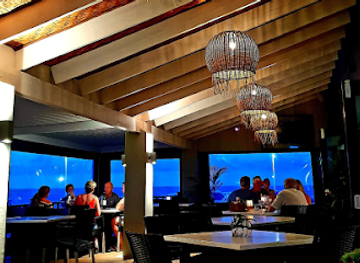
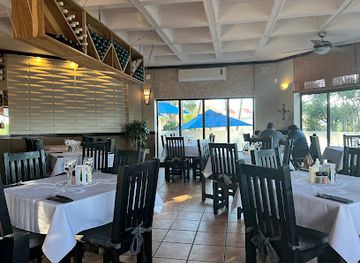
Experience unforgettable dining at Breakers Restaurant in Uvongo Beach with stunning ocean views and delightful local cuisine.
Best bars in Wild Coast
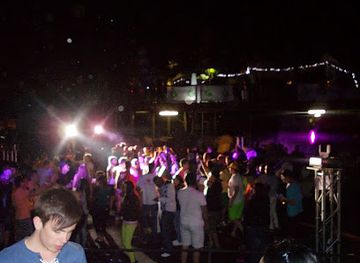
Nightlife on the Wild Coast is modest and centred on the evening life of lodges, backpacker accommodation, village restaurants and traditional or contemporary pubs. Coffee Bay has the most recognisable traveller-oriented social scene, with informal music, communal dinners and occasional events whose timing changes seasonally. Port St Johns provides a broader selection of bars and places to eat after dark, while smaller coastal settlements such as Mdumbi, Bulungula, Wavecrest, Morgan Bay and Kei Mouth are generally quiet once dinner is over. Some lodges offer a bar, fire area or live music, but opening arrangements and entertainment depend on occupancy and local conditions. The region is better suited to listening to the surf, sharing a meal or viewing a clear rural sky than to a late-night club circuit. Avoid walking alone on isolated beaches or roads at night and arrange transport through accommodation.
-
Resort hotel
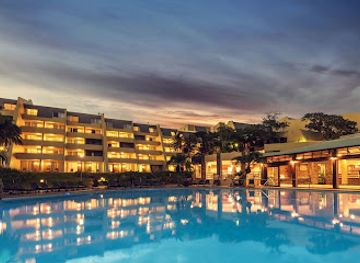
Wild Coast Sun
Discover family-friendly fun, relaxation, and adventure at Wild Coast Sun, the ultimate resort destination on South Africa's beautiful coastline.
-
Water park
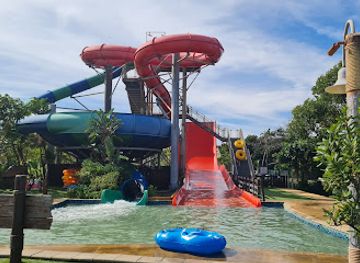
Wild Waves Water Park @ Wild Coast Sun
Experience the ultimate aquatic adventure at Wild Waves Water Park, where fun meets relaxation on the stunning South African coast.
-
Bar
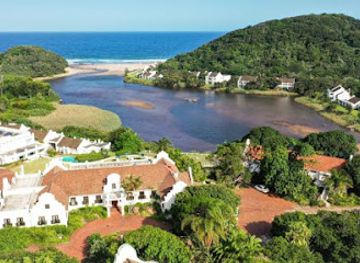
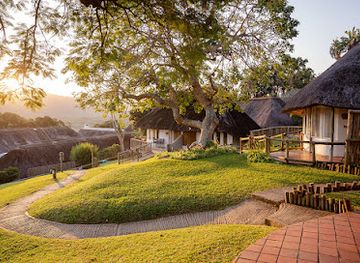
The Estuary Hotel & Spa
Discover serene luxury and breathtaking views at The Estuary Hotel & Spa, your ultimate coastal retreat in Port Edward.
-
Resort hotel
Umngazi Hotel & Spa
Discover the ultimate coastal retreat at Umngazi Hotel & Spa in Port St Johns, where luxury meets nature in perfect harmony.
Best nightclubs in Wild Coast
Nightlife on the Wild Coast is modest and centred on the evening life of lodges, backpacker accommodation, village restaurants and traditional or contemporary pubs. Coffee Bay has the most recognisable traveller-oriented social scene, with informal music, communal dinners and occasional events whose timing changes seasonally. Port St Johns provides a broader selection of bars and places to eat after dark, while smaller coastal settlements such as Mdumbi, Bulungula, Wavecrest, Morgan Bay and Kei Mouth are generally quiet once dinner is over. Some lodges offer a bar, fire area or live music, but opening arrangements and entertainment depend on occupancy and local conditions. The region is better suited to listening to the surf, sharing a meal or viewing a clear rural sky than to a late-night club circuit. Avoid walking alone on isolated beaches or roads at night and arrange transport through accommodation.
-
Resort hotel
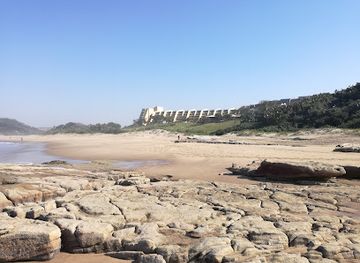
Wild Coast Sun
Discover the perfect blend of relaxation and adventure at Wild Coast Sun, a premier resort hotel in the heart of South Africa's stunning coastline.
-
Water park
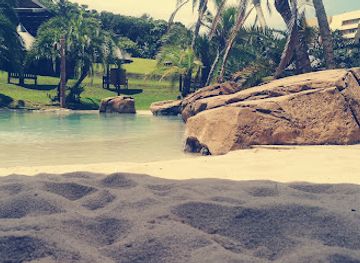
Wild Waves Water Park @ Wild Coast Sun
Dive into an unforgettable experience at Wild Waves Water Park, the ultimate water adventure on the Wild Coast.
-
Golf course
Wild Coast Sun Country Club
Escape to Wild Coast Sun Country Club for an unforgettable golf experience, family fun, and relaxation in South Africa's stunning natural beauty.
-
Event venue
Nicci Beach
Discover the vibrant atmosphere of Nicci Beach, a premier event venue in Boksburg offering unforgettable experiences and celebrations.
Best shops in Wild Coast
Shopping on the Wild Coast is small-scale and local in character. Port St Johns and Coffee Bay have the most useful clusters of general shops, craft stalls and provisions, while guesthouses and community tourism projects may sell beadwork, woven goods, carvings, paintings, clothing and other locally produced crafts. In rural settlements, purchases are often made directly from makers or through accommodation rather than in formal retail precincts. Visitors should distinguish genuinely local work from mass-produced souvenirs and ask before photographing or handling handmade items. Markets and informal stalls can be seasonal, weather-dependent and cash-based, so do not plan an itinerary around finding a particular market. Practical purchases such as snacks, water, fuel and toiletries are easier before entering remote coastal areas. Regional food products, South African books, craft items and responsibly sourced artwork make more useful souvenirs than shells, plants, rocks or archaeological objects, which should not be removed from beaches or protected areas.
-
Resort hotel
Wild Coast Sun
Experience the ultimate getaway at Wild Coast Sun Resort, where luxury meets adventure along the stunning South African coastline.
-
Water park
Wild Waves Water Park @ Wild Coast Sun
Experience the ultimate family fun at Wild Waves Water Park, a thrilling aquatic adventure in the heart of South Africa's Wild Coast.
-
Resort hotel
Umngazi Hotel & Spa
Discover tranquility and luxury at Umngazi Hotel & Spa, where nature meets elegance on the stunning South African coast.
-
Supermarket
SUPERSPAR Port St Johns
Experience the essence of Port St Johns at SUPERSPAR, your one-stop shop for fresh produce and local delicacies in this vibrant coastal town.
Get your free copy of our complete guide to Wild Coast, delivered straight to you.
Everything on this page, from attractions and restaurants to essentials and local phrases, in one PDF you can read offline, print or share.
Already have an account? Sign in
Your Wild Coast guide is ready.
We'll send it to · Not you? Sign out

Getting your guide ready…
We are putting together a fresh copy of the Wild Coast guide. This can take up to a minute.
This can take a few moments. If your browser asks, choose Allow so the download can start. You'll find the guide in your Downloads folder.
Nothing happened? Download it again
Sorry, the guide is taking longer than usual. Please try again in a minute, or get it by email instead.
Wild Coast essentials
Currency and Payment
Safety
Emergency Situations
Do's and Don'ts
Local Tips
From Eve
Local phrases worth knowing
You don't need to get them perfect. A few words go a long way, and locals appreciate the effort.
Basics
| English | Local | Say it |
|---|---|---|
| Hello | Molo | [moh-lo] |
| Goodbye | Salani kakuhle | [sah-lah-nee kah-kool-eh] |
| Yes | Ewe | [eh-weh] |
| No | Hayi | [hah-yee] |
| Please/You're welcome | Nceda/Uyavuma | [n-tse-dah / oo-yah-voo-mah] |
| Thank you | Enkosi | [en-koh-see] |
| Excuse me/Sorry | Uxolo | [oo-kho-lo] |
| How are you? | Unjani? | [oon-jah-nee] |
| Fine. And you? | Kuhle. Wena? | [koo-hleh. weh-nah?] |
| Do you speak English? | Uthetha isiNgesi? | [oo-teh-thah ee-see-ngay-see] |
| I don't understand | Andiqondi | [ahn-dee-kohn-dee] |
Eating & Drinking
| English | Local | Say it |
|---|---|---|
| I'd like to see the menu, please | Ndingathanda ukubona imenyu, nceda | [n-dee-ngah-thahn-dah oo-koo-boh-nah ee-men-yoo, n-tse-dah] |
| I don't eat meat | Andidli inyama | [ahn-dee-dlee in-yah-mah] |
| Cheers! | Phila! | [pee-lah] |
| I would like to pay, please | Ndingathanda ukukhokha, nceda | [n-dee-ngah-thahn-dah oo-koo-koh-khah, n-tse-dah] |
Emergencies
| English | Local | Say it |
|---|---|---|
| Help! | Uncedo! | [oon-tseh-doh] |
| Go away! | Hamba! | [ham-bah] |
| Call the Police! | Biza amapolisa! | [bee-zah ah-mah-poh-lee-sah] |
| Call a doctor! | Biza udokotela! | [bee-zah oo-doh-koh-teh-lah] |
| I'm lost | Ndilahlekile | [n-dee-lah-lek-ee-leh] |
| I'm ill | Ndingagula | [n-dee-ngah-goo-lah] |
Shopping
| English | Local | Say it |
|---|---|---|
| I'd like to buy... | Ndingathanda ukuthenga... | [n-dee-ngah-thahn-dah oo-kho-teng-ah] |
| I'm just looking | Ndiyajolisa | [n-dee-yah-hoh-lee-sah] |
| How much is it? | Kubiza malini? | [koo-bee-zah mah-lee-nee] |
| That's too expensive | Lokhu kubiza kakhulu | [loh-khoo koo-bee-zah kah-kool-oo] |
| Can you lower the price? | Unganciphisa um price? | [oon-gahn-tsee-pee-sah oom price] |
Time & Numbers
| English | Local | Say it |
|---|---|---|
| What time is it? | Ithini ixesha? | [ee-thee-nee ee-kh-seh] |
| It's one o'clock | Ngowe-1 | [n-goh-weh-1] |
| Half past (10) | Ihafu kwelishumi | [ee-hah-foo kweh-lee-shoo-mee] |
| Morning | Ekuseni | [eh-koo-seh-nee] |
| Afternoon | Ubusuku | [oo-boo-soo-koo] |
| Evening | Ubusuku | [oo-boo-soo-koo] |
| Yesterday | Izolo | [ee-zoh-loh] |
| Today | Namhlanje | [nahm-hlahn-geh] |
| Tomorrow | Ekusasa | [eh-koo-sah-sah] |
| 1 | 1 | [1] |
| 2 | 2 | [2] |
| 3 | 3 | [3] |
| 4 | 4 | [4] |
| 5 | 5 | [5] |
| 6 | 6 | [6] |
| 7 | 7 | [7] |
| 8 | 8 | [8] |
| 9 | 9 | [9] |
| 10 | 10 | [10] |
Transport & Directions
| English | Local | Say it |
|---|---|---|
| Where's a/the...? | Kuphi...? | [koo-pee] |
| What's the address? | Yintoni idilesi? | [yeen-toh-nee ee-deh-leh-see] |
| Can you show me (on the map)? | Ungandibonisa (kwimeko)? | [oon-gahn-dee-boh-nee-sah (kwee-meh-koh)] |
| When's the next (bus)? | Ngowaphi (ibhasi) elandelayo? | [n-goh-wah-pee (ee-bah-see) eh-lan-del-ayo] |
| A ticket (to ....) | Ithikithi (ku....) | [ee-thee-kee-thee (koo....)] |
History of Wild Coast
Early settlement and coastal archaeology
The Wild Coast has a long human history recorded through rock art, shell middens, stone tools and other archaeological evidence. San hunter-gatherer communities used the wider eastern coastal landscape before later pastoral and farming societies became established. The coast’s estuaries, grasslands and forests offered access to shellfish, fish, game and edible plants, while its river valleys created routes through difficult terrain. Archaeological remains are often fragile and dispersed rather than presented as a single monumental site, but they form an important part of the region’s identity. Visitors should not remove artefacts or enter rock-art shelters without appropriate guidance.
The rise of Xhosa-speaking chiefdoms
Over several centuries, Xhosa-speaking communities established farming, cattle-keeping and political systems across the eastern Cape. The Wild Coast became particularly associated with Mpondo society in the north and central stretches, alongside neighbouring Xhosa-speaking communities. Cattle, lineage, chiefly authority and access to grazing and water shaped social and economic life. Homesteads spread across the rolling coastal grasslands rather than gathering into dense towns, a settlement pattern that remains visible today. The region’s cultural landscape therefore reflects continuing community life, not simply a historical backdrop for tourism.
Colonial frontier conflict
From the late eighteenth and early nineteenth centuries, expanding colonial settlement from the Cape interacted with established African polities in the eastern Cape. Conflict, diplomacy, trade and shifting boundaries marked the frontier, with the Great Kei and neighbouring river systems becoming strategically important. The coastal interior was not occupied in the same way as the older colonial districts to the west, and much of the Wild Coast remained under African chiefly authority for longer. These frontier histories contributed to the political complexity later associated with Pondoland and the broader Transkei.
The cattle-killing movement of 1856–57
In 1856 and 1857, a millenarian cattle-killing movement spread through parts of the eastern Cape after the prophecies of Nongqawuse, a young prophet associated with the Gcaleka area. Believers expected the destruction of existing cattle and crops to be followed by renewal and the return of the ancestors. The movement caused catastrophic hunger and social upheaval, while colonial authorities and rival political interests also exploited the resulting weakness. Its effects reached communities connected to the Wild Coast and remain central to the historical memory of the Eastern Cape.
Pondoland and resistance to colonial rule
Pondoland retained a distinctive political identity under Mpondo chiefs during the nineteenth and early twentieth centuries. Colonial attempts to impose administrative control, taxation and new forms of authority met resistance, culminating in the Pondoland Revolt of 1960–61. The uprising opposed measures including the extension of the apartheid state’s administrative system and the introduction of betterment planning, which reorganised rural settlement and land use. Its legacy can be seen in the region’s strong historical consciousness and in continuing debates about land, customary authority, development and community rights.
Transkei under apartheid
From the 1960s, much of the Wild Coast fell within the apartheid-era homeland of Transkei, which became nominally independent in 1976, although that status was not internationally recognised. The system restricted political rights, directed labour migration and shaped public investment, roads and town development. It also left many communities with limited infrastructure and separated local administration from the wider South African economy. When apartheid ended, Transkei was incorporated into the Eastern Cape in 1994. Contemporary travel conditions and settlement patterns still reflect this layered political history.
Conservation, community tourism and the modern coast
Late twentieth- and early twenty-first-century development increasingly combined conservation with small-scale tourism. Protected areas such as Mkambati, Dwesa-Cwebe and Hluleka preserve coastal habitats, while community-based enterprises in places including Bulungula have promoted locally controlled accommodation, guiding and cultural activities. The model is not without debate: questions over land rights, access, conservation authority and economic benefit remain important. The modern Wild Coast therefore represents both a travel destination and a living region where environmental protection, infrastructure projects and community interests continue to shape the future.
Wild Coast in Photos
Browse through our photo collection highlighting the charm and character of the destination.
Neighbouring regions of Wild Coast
The closest regions to Wild Coast, if you have time for more than one.
-

-

-
-

-


Swipe for more regions
Explore more

Explore more of South Africa
Discover South Africa: A land of breathtaking landscapes, rich history, and diverse cultures, from bustling cities to world-renowned wildlife reserves.
Explore South Africa