

Free Zululand Travel Guide & Mobile App
Explore Zululand with free travel guides. Discover regional history, expert tips, proposed trips, and audio guides on web or mobile app.


Explore Zululand in South Africa for Zulu royal heritage, historic battlefields, rural landscapes, wildlife and the waters of Pongolapoort Dam.
Read more about Zululand
When is the best time to visit Zululand?
Best: April, September–October · 25°C| Month | High (°C) | Rainfall (mm) |
|---|---|---|
| January | 29 | 120 |
| February | 29 | 100 |
| March | 28 | 90 |
| April (best) | 25 | 70 |
| May | 21 | 60 |
| June | 20 | 40 |
| July | 20 | 40 |
| August | 22 | 50 |
| September (best) | 25 | 60 |
| October (best) | 25 | 70 |
| November | 27 | 90 |
| December | 28 | 110 |
Getting to and around Zululand
How to get there
Transportation
Destinations in Zululand
Resorts, valleys and scenic spots worth a trip of their own.

Swipe for more destinations
Best attractions in Zululand
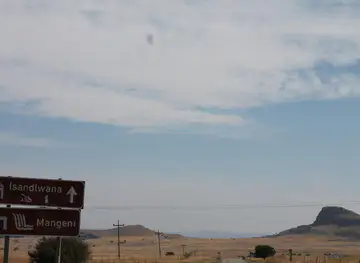
Zululand's attractions are shaped by the meeting of royal heritage, open rural landscapes and the history of colonial conflict. Around Ulundi, the Ondini Cultural Museum and reconstructed royal homestead provide one of the clearest introductions to nineteenth-century Zulu political and domestic life, while the eMakhosini Valley places early royal history within a broad grassland setting. Museums and historic buildings in Vryheid add a different perspective on frontier settlement, agriculture and the colonial period. Towards Pongola, the landscape changes towards the Lebombo foothills and Pongolapoort Dam, where fishing, boating, birdwatching and selected wildlife activities can be arranged through local operators. Nongoma is an important centre for contemporary Zulu cultural and royal associations, although ceremonial access must be approached with respect and advance information. The district is also suited to guided rural drives, cultural programmes and landscape photography, but visitors should not expect a dense chain of attractions or dependable facilities between towns. Several celebrated Anglo-Zulu War sites, including Isandlwana and Rorke's Drift, are outside contemporary Zululand and require separate planning rather than being treated as local stops.
-
Tourist attraction
Whalebone Pier
Discover breathtaking ocean views and vibrant marine life at Whalebone Pier in uMhlanga, a must-visit tourist attraction for all.
-
Wildlife and safari park
PheZulu Safari Park
Explore PheZulu Safari Park, where South African wildlife meets rich cultural experiences, perfect for adventurous tourists.
-
National park
Hluhluwe Imfolozi Game Reserve
Discover the breathtaking wildlife and stunning landscapes of Hluhluwe Imfolozi Game Reserve, a top destination for nature lovers and adventure seekers in South Africa.
-
Nature preserve
Thanda Safari - Private Game Reserve
Discover the magic of Thanda Safari, a luxurious private game reserve in South Africa offering unforgettable wildlife encounters and stunning natural beauty.


Best landmarks in Zululand
The most important landmark in Zululand is the Ondini royal site near Ulundi, where reconstructed buildings and museum interpretation evoke the capital of King Cetshwayo before its destruction in 1879. The surrounding Ulundi landscape is inseparable from the Battle of Ulundi and marks a decisive moment in the Anglo-Zulu War. The eMakhosini Valley is another landmark of cultural and historical significance, associated with early Zulu kings and distinctive hills and grasslands rather than with a single monumental structure. In Vryheid, surviving civic and religious buildings reflect the town's nineteenth-century frontier development and its later role as a regional service centre. To the east and north-east, Pongolapoort Dam forms a major geographical landmark below the Lebombo escarpment, its waters and shorelines contrasting with the inland grasslands. These places carry different kinds of meaning: royal, political, architectural and environmental. Isandlwana, Rorke's Drift and other famous war landmarks are nearby in the wider northern KwaZulu-Natal travel circuit but are not landmarks within contemporary Zululand.
-
Nature preserve
iSimangaliso Wetland Park
Explore the enchanting iSimangaliso Wetland Park, a UNESCO World Heritage Site, with diverse wildlife, stunning landscapes, and unique ecosystems.
-
Nature preserve
Hluhluwe–iMfolozi Park
Discover the breathtaking beauty of Hluhluwe–iMfolozi Park, a premier wildlife destination in South Africa, rich in biodiversity and adventure.
-
Tourist attraction
Whalebone Pier
Experience the beauty of Whalebone Pier in Umhlanga, a breathtaking destination for stunning ocean views and local cultural adventures.
-
 National park
Maloti-Drakensberg Park
Discover the breathtaking landscapes and rich biodiversity of Maloti-Drakensberg Park, a UNESCO World Heritage site in South Africa.


Explore Zululand on the map
Plan your trip on one map. See where the top cities, national parks and sights are, and book hotels and experiences in a few clicks.
Best hotels in Zululand
Best restaurants in Zululand
Dining in Zululand is predominantly informal and regional, with meals found in guesthouses, hotels, family-run establishments, cafés, taverns and town-centre restaurants rather than in a concentrated fine-dining scene. Traditional Zulu and wider South African foodways may include maize-based dishes, beans, stews, grilled meat, chicken, seasonal vegetables and sour milk preparations, although menus vary between households and commercial businesses. In rural areas, food should be arranged in advance when travelling with a guide or staying at a small lodge. Ulundi, Nongoma, Vryheid and Pongola provide the widest choice of everyday meals and supplies, while farmers' markets and local shops can offer fruit, baked goods and other provisions when available. Around Pongolapoort Dam, some accommodation venues focus on hearty meals for fishing and outdoor visitors. Ask hosts about ingredients and preparation rather than assuming that a dish labelled traditional represents every Zulu community.
-
Restaurant
Dros
Experience the best of South African cuisine at Dros in Richards Bay - where flavor meets hospitality.
-
Family-friendly
Porkys at The Lake
Discover Porkys at The Lake - A family-friendly dining haven in Richards Bay with stunning views and delicious South African cuisine.
-
Restaurant
Ghost Mountain Inn & Safaris
Discover luxury and adventure at Ghost Mountain Inn & Safaris - your gateway to South Africa's stunning landscapes and rich wildlife.
-
Restaurant
Nando's Vryheid
Experience the vibrant flavors of Nando's Vryheid - home of flame-grilled peri-peri chicken and lively dining.


Best bars in Zululand
Evening life in Zululand is centred mainly on hotel bars, local taverns, restaurants, guesthouse dining rooms and social venues in the larger towns, rather than on a substantial nightclub circuit. Ulundi, Nongoma, Vryheid and Pongola offer the greatest likelihood of finding an evening meal, music or a place to meet locally, while rural accommodation is generally quiet after dark. Some venues may feature South African popular music, televised sport or occasional live entertainment, but schedules and opening arrangements are changeable. In the Pongola area, lodges and dam-side accommodation provide a relaxed evening setting, often oriented towards guests staying overnight. Visitors should dress and behave according to the venue, arrange a safe return to their accommodation and avoid walking unfamiliar rural roads at night.
-
Bar
Rocka fella lifestyle
Experience the vibrant energy of Rocka Fella Lifestyle in Nongoma, where great drinks and a lively atmosphere await every visitor.
-
Bar
Pongola Rugby Club
Discover the vibrant community spirit at Pongola Rugby Club, a hub for thrilling rugby matches and local camaraderie in South Africa.
-
Bar
Le Palace Pub And Grill
Discover the vibrant atmosphere and local flavors at Le Palace Pub And Grill, Mkhazane's go-to spot for food, drinks, and fun.
-
Bar
Spiller Bar Pongola
Experience the lively ambiance and local flavors at Spiller Bar in Pongola, a must-visit destination for all travelers seeking relaxation and enjoyment.


Best nightclubs in Zululand
Evening life in Zululand is centred mainly on hotel bars, local taverns, restaurants, guesthouse dining rooms and social venues in the larger towns, rather than on a substantial nightclub circuit. Ulundi, Nongoma, Vryheid and Pongola offer the greatest likelihood of finding an evening meal, music or a place to meet locally, while rural accommodation is generally quiet after dark. Some venues may feature South African popular music, televised sport or occasional live entertainment, but schedules and opening arrangements are changeable. In the Pongola area, lodges and dam-side accommodation provide a relaxed evening setting, often oriented towards guests staying overnight. Visitors should dress and behave according to the venue, arrange a safe return to their accommodation and avoid walking unfamiliar rural roads at night.
-
Night club
Taboo Night Club
Discover the electrifying nightlife of Sandton at Taboo Night Club, a premier destination for unforgettable parties and live DJ performances.
-
Night club
Tiger Tiger
Immerse yourself in Durban's nightlife at Tiger Tiger, a vibrant night club offering unforgettable music and a lively atmosphere.
-
Bar
The Slipway Cocktail Bar
Experience the vibrant nightlife and refreshing cocktails at The Slipway Cocktail Bar in Richards Bay, a must-visit coastal gem.
-
Night club
Dance Cafe Nightclub
Experience the electrifying nightlife at Dance Cafe Nightclub in Durban North, where unforgettable memories and great music await.


Best shops in Zululand
Shopping in Zululand is practical and locally focused, with the main choices found in the high streets, shopping centres and markets of Ulundi, Nongoma, Vryheid and Pongola. Visitors can look for beadwork, woven items, carved objects, clothing and other crafts, but quality and provenance vary, so buying directly through a reputable cultural project or established craft organisation is preferable where possible. Town shops and supermarkets are useful for water, snacks and provisions before rural journeys, while small informal traders may sell seasonal produce and prepared food. Visitors seeking regional souvenirs may find books on Zulu history, locally made accessories, textiles and South African food products more consistently than specialised luxury goods. There is no single dominant shopping district across the region; retail reflects dispersed towns and local needs. Carry cash for smaller purchases, ask permission before photographing makers or stalls, and avoid buying archaeological objects or items made from protected wildlife materials.
-
Shopping mall
Boardwalk Inkwazi Shopping Centre
Experience the ultimate shopping and entertainment hub at Boardwalk Inkwazi Shopping Centre in Richards Bay, South Africa, perfect for tourists.
-
Shopping mall
Boardwalk Mall
Discover a shopping paradise at Boardwalk Mall, Richards Bay, offering a vibrant mix of shops, dining, and local culture.
-
Supermarket
Spar - Nongoma Supatrade
Discover local flavors and convenience at Spar - Nongoma Supatrade, your go-to supermarket in the heart of Nongoma.
-
Shopping mall
Isizwe Centre - Nongoma
Experience shopping and local culture at Isizwe Centre, Nongoma's vibrant hub for families and tourists alike.


Get your free copy of our complete guide to Zululand, delivered straight to you.
Everything on this page, from attractions and restaurants to essentials and local phrases, in one PDF you can read offline, print or share.
Already have an account? Sign in
Your Zululand guide is ready.
We'll send it to · Not you? Sign out

Getting your guide ready…
We are putting together a fresh copy of the Zululand guide. This can take up to a minute.
This can take a few moments. If your browser asks, choose Allow so the download can start. You'll find the guide in your Downloads folder.
Nothing happened? Download it again
Sorry, the guide is taking longer than usual. Please try again in a minute, or get it by email instead.
Zululand essentials
Currency and Payment
Safety
Emergency Situations
Do's and Don'ts
Local Tips
From Eve
Local phrases worth knowing
You don't need to get them perfect. A few words go a long way, and locals appreciate the effort.
Basics
| English | Local | Say it |
|---|---|---|
| Hello | Sawubona | [sah-woo-boh-nah] |
| Goodbye | Hamba kahle | [hahm-bah kah-leh] |
| Yes | Yebo | [yeh-boh] |
| No | Cha | [chah] |
| Please/You're welcome | Ngiyacela | [ngee-yah-cheh-lah] |
| Thank you | Ngiyabonga | [ngee-yah-bong-ah] |
| Excuse me/Sorry | Uxolo | [oo-ksoh-loh] |
| How are you? | Unjani? | [oon-jah-nee] |
| Fine. And you? | Ngiyaphila. Wena unjani? | [ngee-yah-phee-lah. weh-nah oon-jah-nee?] |
| Do you speak English? | Ukhuluma isiNgisi? | [oo-khoo-loo-mah ee-see-ng-ee-see?] |
| I don't understand | Angiqondi | [ahn-gee-kohn-dee] |
Eating & Drinking
| English | Local | Say it |
|---|---|---|
| I'd like to see the menu, please | Ngicela ukubona imenyu | [ngee-cheh-lah oo-koo-boh-nah ee-meh-nyoo] |
| I don't eat meat | Angidli inyama | [ahn-gee-dlee een-yah-mah] |
| Cheers! | Phuza! | [poo-zah] |
| I would like to pay, please | Ngicela ukukhokha | [ngee-cheh-lah oo-koo-koh-khah] |
Emergencies
| English | Local | Say it |
|---|---|---|
| Help! | Usizo! | [oo-see-zoh] |
| Go away! | Hamba! | [hahm-bah] |
| Call the Police! | Call the Police! | [Call the Police!] |
| Call a doctor! | Call a doctor! | [Call a doctor!] |
| I'm lost | Ngilahlekile | [ngee-lah-heh-lee-keh] |
| I'm ill | Ngiyagula | [ngee-yah-goo-lah] |
Shopping
| English | Local | Say it |
|---|---|---|
| I'd like to buy... | Ngifuna ukuthenga... | [ngee-foo-nah oo-koo-theh-ngah] |
| I'm just looking | Ngiyabuka | [ngee-yah-boo-kah] |
| How much is it? | Kubiza malini? | [koo-bee-zah mah-lee-nee?] |
| That's too expensive | Lokho kubiza kakhulu | [loh-khoh koo-bee-zah kah-khoo-loo] |
| Can you lower the price? | Unganciphisa intengo? | [oon-gahn-chee-pee-sah een-teng-oh?] |
Time & Numbers
| English | Local | Say it |
|---|---|---|
| What time is it? | Kuyini isikhathi? | [koo-yee-nee ee-see-khah-teh?] |
| It's one o'clock | Kuyisikhathi sokuqala | [koo-yee-see-khah-teh soo-koh-kah-lah] |
| Half past (10) | Ihora lemidlaliso | [ee-ho-rah leh-meed-lah-lee-so] |
| Morning | Ekuseni | [eh-koo-seh-nee] |
| Afternoon | Ntambama | [n-tahm-bah-mah] |
| Evening | Ubusuku | [oo-boo-soo-koo] |
| Yesterday | Izolo | [ee-zoh-loh] |
| Today | Namuhla | [nah-moo-hlah] |
| Tomorrow | Mangomso | [mahn-gohm-soh] |
| 1 | Kunye | [koon-yeh] |
| 2 | Kubili | [koo-bee-lee] |
| 3 | Kuthathu | [koo-thah-thoo] |
| 4 | Kune | [koo-neh] |
| 5 | Kuhlanu | [koo-lah-noo] |
| 6 | Kukhombisa | [koo-kohm-bee-sah] |
| 7 | Kuphila | [koo-pee-lah] |
| 8 | Kuhlangana | [koo-hlahn-gah-nah] |
| 9 | Kunye | [koon-yeh] |
| 10 | Kushumi | [koo-shoo-mee] |
Transport & Directions
| English | Local | Say it |
|---|---|---|
| Where's a/the...? | Iphi i...? | [ee-pee ee...?] |
| What's the address? | Yini ikheli? | [yee-nee ee-kheh-lee?] |
| Can you show me (on the map)? | Ungangikhombisa (emaphethelweni)? | [oon-gahn-gee-kohm-bee-sah (eh-mah-peh-theh-loh-nee)?] |
| When's the next (bus)? | Nini ibhasi elilandelayo? | [nee-nee ee-bhah-see eh-lee-lahn-dah-lah-yo?] |
| A ticket (to ....) | Ithikithi (ku....) | [ee-thee-kee-thee (koo....)] |
History of Zululand
Early Settlement and the eMakhosini Landscape
The valleys and grasslands of northern KwaZulu-Natal have long been occupied by African communities, with settlement, cattle keeping and political authority developing over many centuries. The eMakhosini Valley, near present-day Ulundi, is especially important in Zulu historical memory and is associated with early Zulu kings, including Senzangakhona. Archaeological evidence and oral history should be read together: the landscape is not simply a backdrop to later royal events but part of a much longer human story involving movement, cultivation, livestock and changing chiefly authority.
The Rise of the Zulu Kingdom, Early Nineteenth Century
In the early nineteenth century, Shaka kaSenzangakhona consolidated power among neighbouring Nguni-speaking communities and established the Zulu kingdom as a formidable regional state. Military organisation, incorporation of communities and centralised royal authority altered the political map of what is now KwaZulu-Natal. Later rulers expanded and adapted the kingdom, while the traditions of kingship, regimental organisation and praise poetry continued to shape Zulu identity. Many sites in Zululand are therefore significant not only for physical remains but also for their place in living historical culture.
Cetshwayo and the Royal Capital at Ulundi
King Cetshwayo kaMpande ruled the Zulu kingdom from 1872 until its defeat by Britain. His royal capital, oNdini, stood near present-day Ulundi and became the political centre of a kingdom increasingly pressured by colonial demands and disputes over sovereignty. The capital included royal residences, regimental settlements and associated homesteads. Its reconstruction and interpretation at the Ondini Cultural Museum help visitors understand the organisation of the royal household and the material culture of the period, while the surrounding landscape recalls the political importance of Ulundi before the colonial conquest.
The Anglo-Zulu War and the Battle of Ulundi, 1879
The Anglo-Zulu War began after Britain issued an ultimatum that threatened the kingdom's independence. Although Zulu forces won a major victory at Isandlwana, outside contemporary Zululand, British forces later advanced into the kingdom. On 4 July 1879, the Battle of Ulundi ended with the destruction of Cetshwayo's capital and a decisive British victory. The settlement that followed divided Zulu authority among rival chiefs and weakened the kingdom's political cohesion. Ulundi's battlefield landscape is therefore central to understanding both military history and the dismantling of Zulu sovereignty.
Colonial Rule, Land and Frontier Towns
After the war, British and later colonial administrations reorganised authority, landholding and taxation across Zululand. The region was annexed to the colony of Natal in 1897, bringing it more firmly into the administrative structure that preceded modern KwaZulu-Natal. Settler agriculture, commercial centres and transport routes developed alongside African rural communities, while land restrictions and labour demands reshaped local livelihoods. Towns such as Vryheid reflect this frontier history through their civic buildings, churches and surviving urban layout, although the experience of colonial change differed sharply between settler districts and African-controlled areas.
KwaZulu, Ulundi and the Late Twentieth Century
Under apartheid, much of the historic Zulu heartland was administered through the KwaZulu homeland, formally established in the 1970s. Ulundi became the seat of the KwaZulu government and remained one of the principal political centres of the region. The homeland system preserved and promoted aspects of Zulu political identity while operating within a discriminatory national framework of separate development, restricted movement and unequal rights. In 1994 KwaZulu was incorporated into the new province of KwaZulu-Natal, and Ulundi initially shared the provincial capital role before Pietermaritzburg became the sole capital in 2004.
Contemporary Zululand and Living Zulu Heritage
Present-day Zululand combines rural municipalities, growing service towns, cultural institutions and landscapes connected with royal history. Zulu is widely spoken, alongside English and isiXhosa or other South African languages in some communities, and traditional authority remains socially important even within democratic local government. Heritage tourism, agriculture, conservation and water-based recreation around Pongolapoort Dam contribute to the regional economy. The area is best understood as a living cultural landscape: royal history is visible in museums and ceremonies, but also in language, praise traditions, homesteads, family histories and community life.
Zululand in Photos
Browse through our photo collection highlighting the charm and character of the destination.
Neighbouring regions of Zululand
The closest regions to Zululand, if you have time for more than one.
-
-

-

-

-


Swipe for more regions
Explore more

Explore more of South Africa
Discover South Africa: A land of breathtaking landscapes, rich history, and diverse cultures, from bustling cities to world-renowned wildlife reserves.
Explore South Africa